
Reviewed · TEA CEREMONY & MATCHA
Yokohama : Tea Ceremony with Sweets and Souvenir
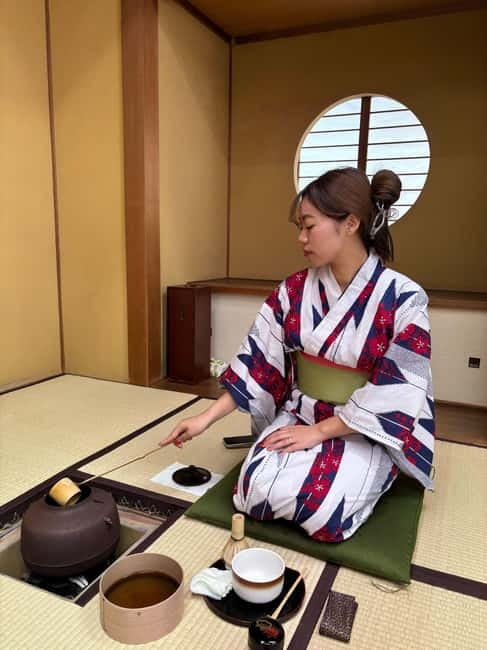
A good tea ceremony does not need to feel stiff or mysterious. In Yokohama, Ryota and Sarina keep this one friendly and easy to follow, showing you how to prepare your own Japanese tea, then giving you time to try it yourself. The hands-on brewing makes the hour more than a demonstration.
I like the thoughtful matcha-and-sweets pairing, and I like that the small group, limited to 10 people, leaves room for conversation. You also receive an original tea set, a useful souvenir rather than a forgettable trinket. The main consideration is the uncertain meeting point: it varies with the tea room, so you need to wait for the exact location before planning your route.
In This Review
- Key Points Before You Book
- A Gentle Introduction to Japanese Tea in Yokohama
- Meeting Ryota and Sarina
- What Happens During the One-Hour Session
- Why the Sweets Matter
- The Social Side of the Ceremony
- A Tea Room Experience With Some Flexible Details
- Is $45 a Fair Price?
- Who Will Enjoy This Most
- How to Fit It Into a Yokohama Day
- Cancellation and Booking Practicalities
- Should You Book the Yokohama Tea Ceremony?
- FAQ
- How long does the tea ceremony last?
- How much does the experience cost?
- Is an English-speaking guide included?
- Who leads the tea ceremony?
- Will I prepare the tea myself?
- Are Japanese sweets included?
- How large is the group?
- Do I receive a souvenir?
- Where is the meeting point?
- Can I cancel for a full refund?
Key Points Before You Book
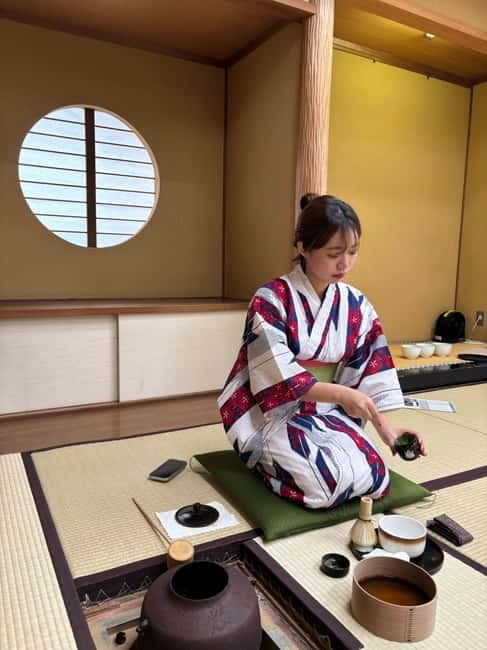
- Brew your own matcha: Ryota and Sarina explain and demonstrate the process in English before you try it yourself.
- A calm one-hour cultural break: The short format fits neatly into a day of sightseeing in Yokohama.
- Traditional sweets are included: The sweets are selected to pair with the tea, adding a small tasting lesson to the ceremony.
- Small groups keep it personal: Up to 10 participants can take part, making questions and conversation easier.
- A useful souvenir comes with the experience: You take home an original Japanese tea set at the end.
- Meeting details vary: The tea room location is not fixed in advance, so check the contact information before setting out.
A Gentle Introduction to Japanese Tea in Yokohama
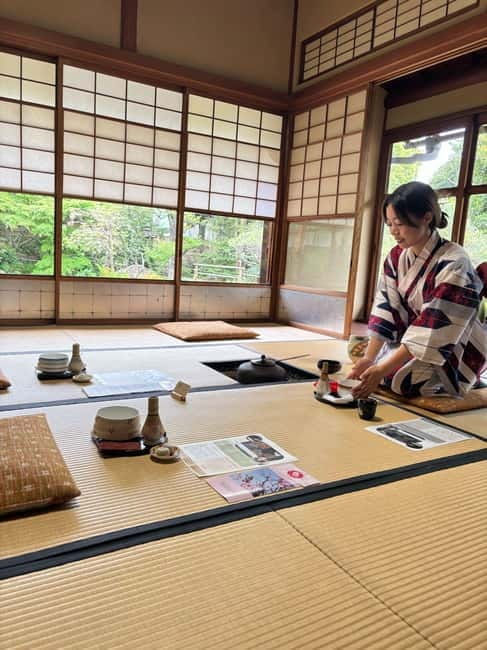
This experience is designed for visitors who want a cultural activity without the formality or long time commitment of a traditional ceremony. You spend about an hour learning the basic steps, preparing tea, tasting sweets, and talking with the people around you.
That relaxed format matters. Japanese tea ceremony can seem intimidating if you are worried about using the wrong movement or sitting through a long ritual without understanding it. Here, the guides explain what is happening in English and let you take part rather than asking you to watch silently.
I would think of this as a practical introduction, not a complete lesson in every school of Japanese tea. You get a clear taste of the custom, the care behind the preparation, and the social side of sharing tea. For many visitors, that is exactly the right amount.
A few more Tokyo tours and experiences worth a look

Meeting Ryota and Sarina
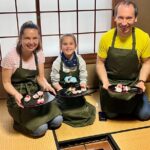
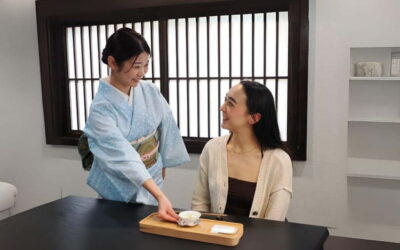
Ryota and Sarina lead the session in English. Their role is more than simply explaining how to prepare the tea. They help create the informal mood that makes the activity comfortable for solo visitors, couples, friends, and mixed groups.
You can expect a demonstration first, followed by your own turn to brew. The structure gives you a chance to watch the movements before attempting them, which is useful if you have never handled matcha tools.
The personal side of the experience is one of its strongest features. Conversations can move beyond tea to everyday life and ideas for places to visit in Yokohama. That makes the session feel connected to the city rather than like a sealed-off cultural display.
The guides have also helped participants with Yokohama sightseeing suggestions. I would treat that as a pleasant extra, not a formal city tour, but it can be useful if you are still filling out your itinerary.
What Happens During the One-Hour Session
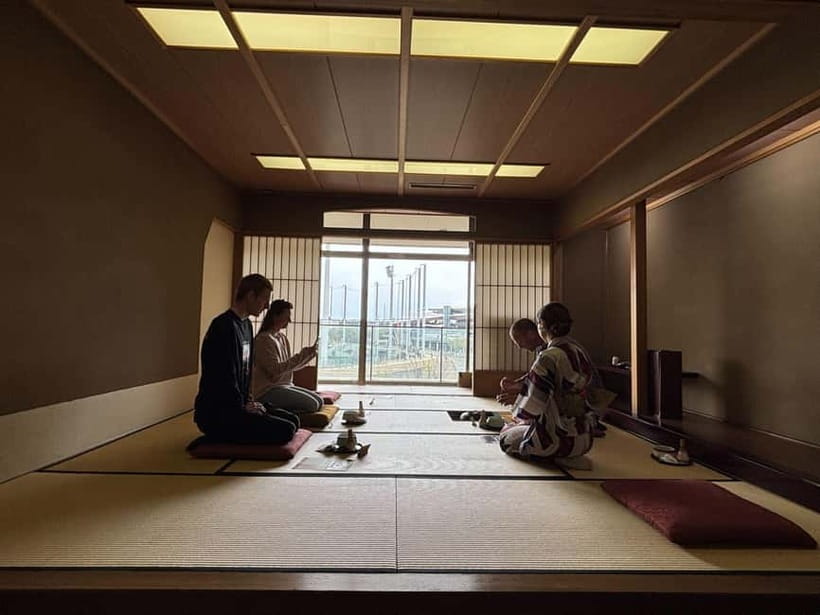
The precise tea room location varies, so the setting may differ by booking. Once you arrive, the session centers on a demonstration, your own brewing practice, the sweets, and conversation.
First, the guide introduces the tea and explains the basic method. You learn by watching the process, including the order of the steps and the way the tea is prepared. The English instruction is important here, since it lets you understand the purpose behind the actions rather than copy them without context.
Next, you prepare your own tea with help from the guide. This is the part I consider most valuable. A demonstration can be pleasant, but making the tea yourself gives you a physical sense of the care and rhythm involved.
Do not worry about producing a perfect bowl on your first attempt. The activity is meant to be fun and accessible to overseas visitors. The guide is there to demonstrate, correct, and assist, not to test your technique.
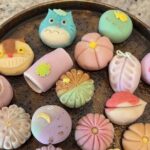
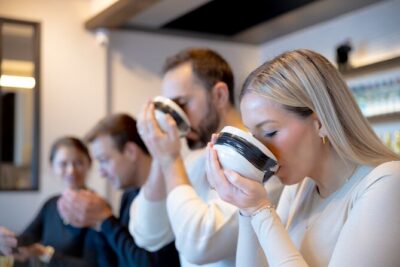
The tea is served with traditional Japanese sweets chosen to match its flavor. The pairing gives you something concrete to notice: the sweetness of the confection helps balance the tea, while the tea brings its own character to the tasting.
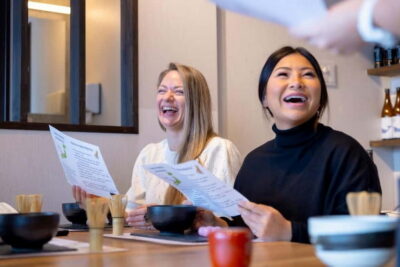
After the preparation and tasting, you have time to chat. The social element is not an afterthought. The activity presents tea as a way for people to connect, and the small group helps that idea work in practice.
The session finishes with an original Japanese tea set for you to take home. It serves as both a practical reminder and a physical link to the activity. If you enjoy bringing home objects with a clear connection to what you did, this is a better souvenir than a generic keychain.
Why the Sweets Matter
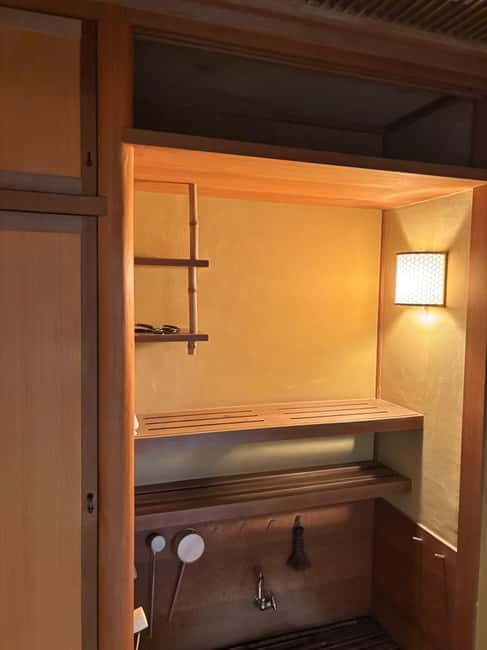
The sweets are not simply a snack added to the price. They help you understand how Japanese tea is enjoyed.
Matcha has a strong, distinctive flavor, and a carefully chosen sweet changes the way you experience it. The sugar gives your palate a contrast, while the tea keeps the tasting from becoming one-note. You do not need specialist vocabulary to enjoy this part. Just notice how the two flavors work together.
This is also a useful feature for anyone who is unsure about matcha. You are not left with a plain cup and a quick explanation. The sweet makes the tasting more approachable, especially if this is your first time trying traditionally prepared Japanese tea.
The supplied information does not specify the exact type or number of sweets, so do not book expecting a particular confection. The reliable point is that traditional Japanese sweets are included and selected to accompany the tea.
The Social Side of the Ceremony
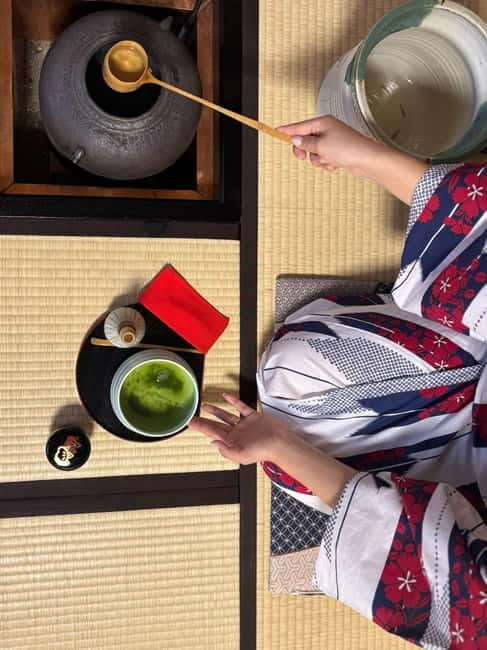
Many cultural activities work best when you can ask questions. A large group can make that difficult, but this session accepts no more than 10 participants.
That is small enough for the guides to help with the brewing process and for the group to speak together. If you come alone, you have a natural setting for meeting other participants. If you come with friends, the shared task gives you something to discuss without forcing conversation.
The tone is relaxed rather than solemn. You can enjoy the quiet of the ceremony while still having a friendly exchange afterward. That balance suits visitors who want cultural context but do not want a highly formal performance.
I would particularly recommend it to first-time visitors who are curious about Japanese customs but may feel unsure about etiquette. English guidance removes much of the guesswork, and the practical format lets you learn through doing.
A few more Tokyo tours and experiences worth a look


A Tea Room Experience With Some Flexible Details
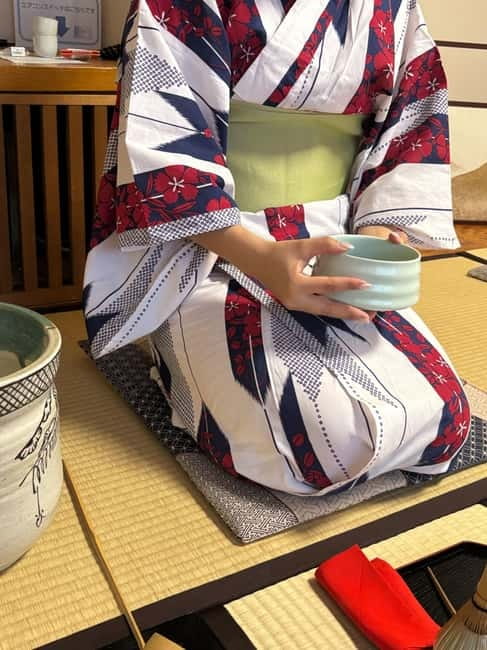
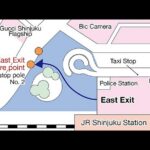
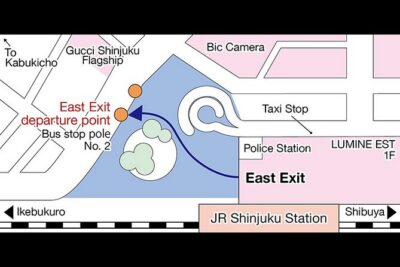
The meeting point is not one fixed address. It depends on the tea room being used, and the exact information is sent to you. This is the one logistical detail that requires extra attention.
Do not assume the activity begins at a standard Yokohama landmark. Wait for the meeting instructions before planning your walk, train connection, or next reservation. Since the experience lasts one hour, you may be able to fit it between other plans, but allow enough time to reach the assigned tea room.
One arrangement included meeting participants at their hotel, traveling in a pristine Tesla, visiting a Japanese garden while the room was prepared, and returning them to the hotel afterward. That sounds pleasant, but it should not be treated as a guaranteed part of every booking. The confirmed meeting details are the ones that matter.
The activity information also notes an express security check and skip-the-line access. Since the tea room location and setup can vary, check how that applies to your specific booking rather than building a large time-saving claim around it.
Smoking is not allowed. A camera is listed as something to bring, and the guides have taken pictures for participants during at least one arrangement, later sharing them after the activity. Photo service is a welcome possibility, but you should still bring your own camera or phone if recording the moment matters to you.
Is $45 a Fair Price?
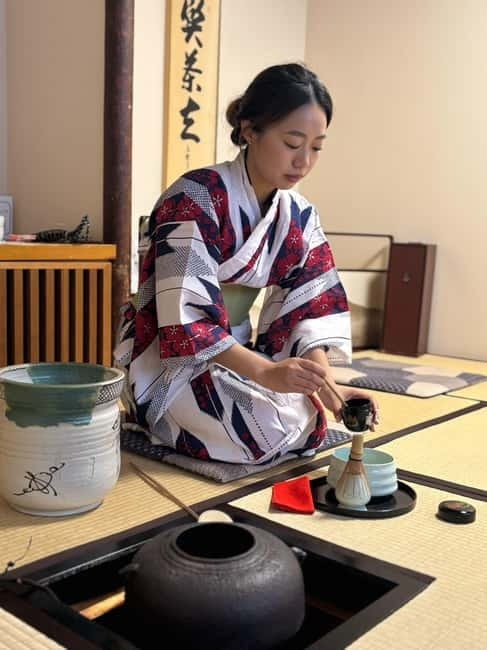
At $45 per person, this is not the cheapest way to drink tea in Japan. You can find tea and sweets for less in a café. That comparison, though, misses what you are paying for.
The price includes English instruction, a guided brewing session, Japanese sweets, and an original tea set. You are also paying for a small group and the chance to ask questions while you take part. If the souvenir is well made and useful to you, it adds lasting value beyond the one-hour visit.
I see the strongest value for visitors who want a clear cultural introduction without committing half a day to a formal program. The activity is short, focused, and participatory. You do not need previous knowledge of tea ceremony, Japanese language skills, or a special interest in tea.
The value is weaker if you only want a quick cup of matcha or if you already have extensive experience with tea ceremony. In that case, the one-hour introduction may feel basic. The session is built for access and connection, not advanced study.
The price also does not clearly promise transportation, a garden visit, or hotel pickup. Consider those extras only if they appear in your confirmed arrangements. The core value is the tea lesson, sweets, conversation, and souvenir.
Who Will Enjoy This Most
I would recommend this experience to:
- First-time visitors looking for an approachable Japanese custom
- Solo visitors who enjoy meeting people in a small group
- Couples and friends wanting a calm break from sightseeing
- Families with older children who can follow a one-hour demonstration
- Tea drinkers curious about preparing matcha themselves
- Visitors who prefer English guidance and a hands-on activity
- Anyone who likes bringing home a useful object from a trip
It may not suit you if you want a long, highly formal ceremony with strict traditional rules. It is also not the right choice if your schedule cannot handle a variable meeting point or if you need a fixed venue before booking.
The activity does not list accessibility details, age requirements, dietary information, or the precise tea room layout. If any of those points affect your decision, contact the provider before paying.
How to Fit It Into a Yokohama Day
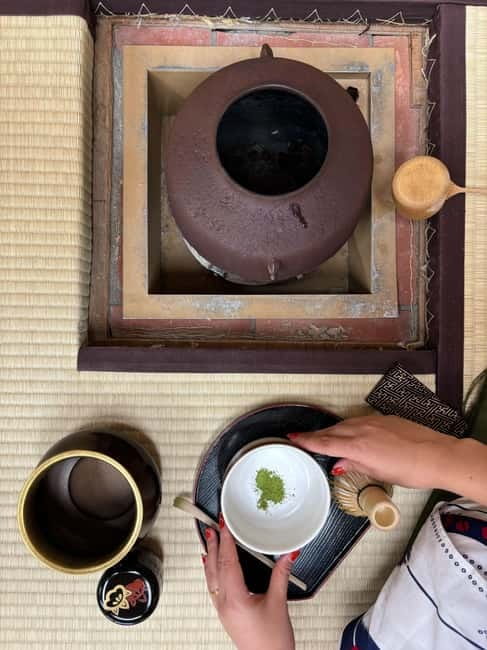
Because the ceremony lasts one hour, it can work well as a pause between larger activities. You might schedule it when you want something quieter than shopping or sightseeing, then continue with the rest of your day afterward.
Keep the meeting instructions handy. The location varies, so the activity is easier to plan once the tea room has been confirmed. I would avoid booking a tightly timed attraction immediately afterward until you know the travel time.
The experience also gives you a useful reset. A calm hour of tea, sweets, and conversation can break up a busy day. If you have spent the morning moving from one sight to another, the slower pace may be exactly what you need.
The activity is not a walking tour of Yokohama, and it does not promise a broad city orientation. Any sightseeing suggestions from Ryota and Sarina are a helpful bonus. Book it for the tea experience itself.
Cancellation and Booking Practicalities
You can cancel up to seven days in advance for a full refund. That is a fairly firm cutoff, so do not wait until the last week if your plans are uncertain.
Starting times vary, and availability should be checked before booking. The group is limited to 10 people, which supports the personal atmosphere but may also mean fewer choices at popular times.
English is the listed language. Smoking is not allowed, and a camera is recommended. The meeting point varies with the tea room, so pay close attention to the contact instructions you receive.
Should You Book the Yokohama Tea Ceremony?
Book it if you want to prepare your own Japanese tea, learn in English, taste traditional sweets, and leave with a tea set. The friendly instruction from Ryota and Sarina, the small group, and the chance for real conversation make this more personal than simply ordering matcha at a café.
I would especially choose it early in a Yokohama visit if you would like suggestions for what to see next. Just remember that the meeting point can change and that hotel pickup, garden time, photographs, and return transport are not stated as standard parts of every booking.
Skip it if you want an advanced or very formal tea ceremony, or if $45 feels too high for a short cultural activity. For most visitors seeking an easy first look at Japanese tea, though, the hands-on format and take-home set make this a sensible, pleasant hour.
FAQ
How long does the tea ceremony last?
The activity lasts one hour.
How much does the experience cost?
The price is $45 per person.
Is an English-speaking guide included?
Yes. English-speaking guidance is included, and English is the listed activity language.
Who leads the tea ceremony?
The experience is led by Ryota and Sarina.
Will I prepare the tea myself?
Yes. The guide demonstrates the correct method, then you have the chance to brew your own Japanese tea.
Are Japanese sweets included?
Yes. Traditional Japanese sweets are provided and selected to pair with the tea.
How large is the group?
The activity is a small-group experience limited to 10 participants.
Do I receive a souvenir?
Yes. An original Japanese tea set is included as a souvenir.
Where is the meeting point?
The meeting point varies according to the tea room location. You will be contacted with the details.
Can I cancel for a full refund?
Yes. You can cancel up to seven days in advance for a full refund.
More Dessert Tours in Tokyo
More Tea Ceremony & Matcha in Tokyo
More tours in Tokyo we've reviewed







Tea Ceremony & Matcha, compared.
 ★ 5.0Matcha Making Class in Tokyo with Authentic Japanese Sweets SetFrom $21
 ★ 5.0Tokyo: Traditional Tea Ceremony with a Tea MasterFrom $381 hour
 ★ 4.5Dynamic Tokyo: Tokyo Tower, Tea Experience, Bay Cruise Day TourFrom $99
 ★ 4.9Tokyo: Matcha Making Experience with Mochi Sweets in AsakusaFrom $221 hour
 ★ 4.7Tokyo: Matcha and Kimono ExperienceFrom $57
 ★ 5.0Tea Ceremony Workshop in Tokyo by the Experienced InstrucorFrom $38