
Reviewed · SUSHI MAKING CLASSES
Sushi-Making in Nakameguro, Tokyo with a Professional Chef
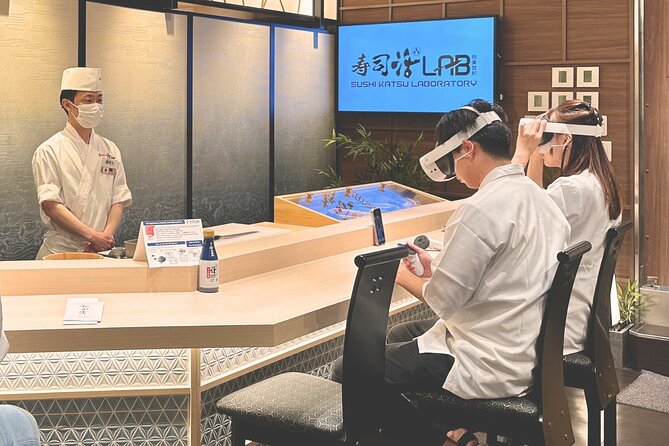
The most unusual part of this Nakameguro sushi class comes before the rice reaches your hands: you try a virtual-reality fishing adventure, then follow the fish from catch to cutting board and finally to your own plate. A professional sushi chef guides the process, so you get more than a quick roll-making lesson.
I like two things right away. First, the class lets you handle fresh fish and shape proper nigiri, rather than simply assembling easy maki rolls. Second, the fresh wasabi grating and live tamagoyaki demonstration add small but memorable tastes of Japanese kitchen craft.
The main consideration is the short format. At about 90 minutes, this is a lively introduction, not a full culinary course. The chef is not identified by name in the available details, and the experience is limited to six people, so book only if the scheduled time fits your day.
In This Review
- Key points at a glance
- Starting at GEMS Nakameguro in Nakameguro
- The VR fishing opening adds context without a long lecture
- Getting into chef clothing makes the lesson more memorable
- Handling fish and shaping your own nigiri
- Fresh wasabi changes the flavor lesson
- Watching tamagoyaki being made
- Eating the sushi you just made
- What the $114.45 price means
- Who will enjoy this 90-minute class most
- Timing, booking, and cancellation details
- Is this Nakameguro sushi experience worth booking?
- FAQ
- Where does the sushi-making experience begin?
- Where does the activity end?
- How long does the experience last?
- How much does the experience cost?
- How many people can join the class?
- Is the class led by a professional chef?
- What activities are included?
- Can I eat the sushi I prepare?
- Is the activity near public transportation?
- What is the cancellation policy?
Key points at a glance
- VR fishing starts the story: You see a playful version of how fish reaches the sushi counter before handling the ingredients yourself.
- You make nigiri, not just decorative rolls: The chef shows you how to treat fish and shape rice into sushi.
- Fresh wasabi is part of the lesson: You grate it yourself, giving you a sharper sense of how real wasabi is served.
- Tamagoyaki gets a live demonstration: The rolled Japanese omelet adds a cooked dish and a bit of chef technique to the session.
- You eat what you make: Your sushi is tasted on the spot, along with the other prepared items.
- Small groups keep it personal: The class has a maximum of six people and returns to the starting point at GEMS Nakameguro.
Starting at GEMS Nakameguro in Nakameguro
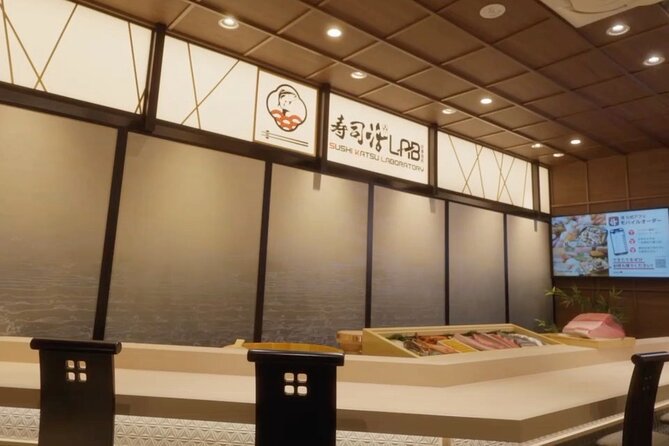
The experience begins at GEMS Nakameguro, at 2-chōme-13-3 Kamimeguro, Meguro City, Tokyo 153-0051. It ends at the same place, which makes this an easy activity to fit between other plans in the neighborhood.
You should allow a little time to find the building and arrive ready for a hands-on session. The meeting point is near public transportation, but the supplied details do not name a particular station or give walking directions. Check the precise location when you book, especially if you are moving through Tokyo on a tight schedule.
Nakameguro is a useful setting for this kind of class. You can place the activity between sightseeing, shopping, or a meal elsewhere in the area without committing a full morning or afternoon. Since the class lasts about an hour and a half, it asks for far less time than a longer market visit or a formal cooking school.
The group limit of six matters. Sushi instruction can become frustrating when you are waiting behind a large crowd, but a six-person maximum gives the chef a reasonable chance to watch each person work. That should be particularly helpful when you are trying to control the rice and fish with unfamiliar hand movements.
A few more Tokyo tours and experiences worth a look

The VR fishing opening adds context without a long lecture
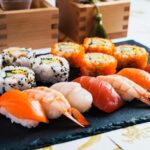
The session begins with a virtual-reality fishing experience. This is not the same as going to a fish market or visiting a working fishing port, but it gives the class a playful opening and connects the finished sushi with its main ingredient.
I like this choice for families and first-time visitors. Children can take part before the more delicate knife and rice work begins, and adults get a quick visual introduction to the fish-catching stage without spending half the class on explanation.
You should keep your expectations in check. The available details do not identify the VR system, how long the activity lasts, or how realistic it is. Think of it as an entertaining way to set up the lesson, not as the main reason to pay for the experience.
The sequence also makes practical sense. You start with the fish in its imagined natural setting, then move to preparing it, shaping sushi, and eating the result. That simple order gives the class a clear beginning and end.
Getting into chef clothing makes the lesson more memorable
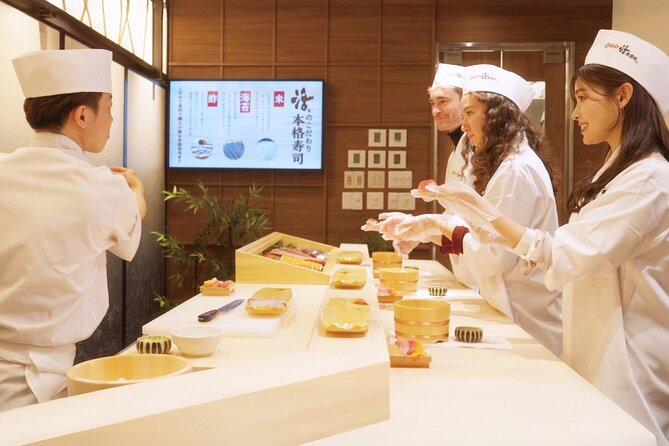
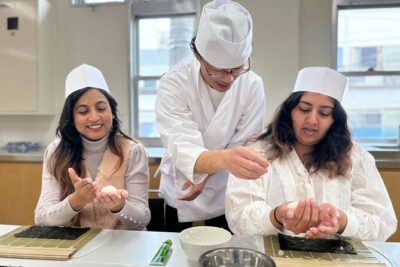
Before the hands-on work, you are given appropriate clothing, including a chef-style outfit. This is a small touch, but it changes the feel of the session. You are not just standing near a counter watching someone else work. You look and feel like a participant in a sushi kitchen.
The clothing also makes the activity photograph-friendly. You can take memorable photos of yourself with the sushi you made, which is one reason this class works well for a family outing or a special activity with friends.
I would not mistake the outfit for a formal professional training uniform. The class is designed for visitors who want an accessible introduction, not for people seeking certification or restaurant-level practice. Still, the costume helps create a clear break from ordinary sightseeing.
Because service animals are allowed, the activity may be suitable for some visitors who need to travel with one. The supplied information does not provide wider accessibility details, so you should ask the operator about any specific mobility, seating, or food-related needs before booking.
Handling fish and shaping your own nigiri
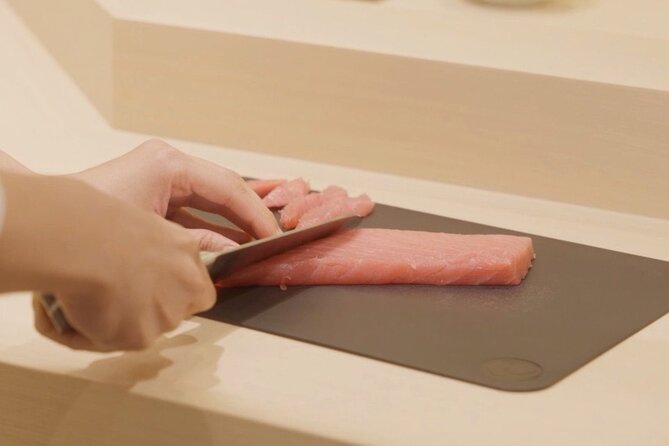
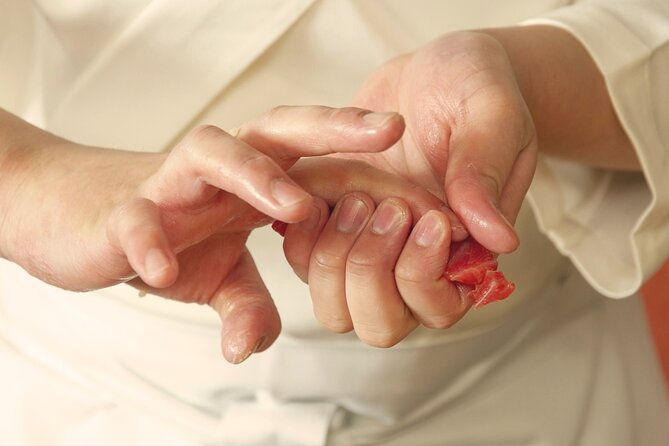
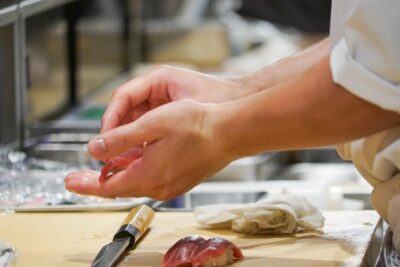
The central part of the class is hands-on sushi making with guidance from the professional chef. You learn how to handle fresh fish, prepare it for sushi, and shape authentic nigiri. That is the part I would value most if you already enjoy sushi and want to understand what happens behind the counter.
Nigiri looks simple because the finished piece is small. In practice, the balance between rice, fish, pressure, and shape takes control. A professional chef can show you the basic hand position and correct your approach before you build a plate full of misshapen pieces.
The class does not promise advanced knife training, and the supplied details do not specify which fish or how many pieces you will prepare. That lack of detail is worth noting if you have a particular ingredient in mind or want a serious technical course.
Still, the format gives you something a restaurant meal cannot. At a sushi counter, you can admire the chef’s speed and precision. Here, you get a chance to feel how the rice responds and how carefully the fish must be handled. Even a short lesson can make your next sushi meal more interesting.
Cutting the fish is also part of the appeal. One account of the activity specifically describes enjoying the process of cutting fish and making sushi, while another highlights being taught by the sushi chef. The hands-on work is clearly more than a token garnish on a sightseeing program.
Fresh wasabi changes the flavor lesson
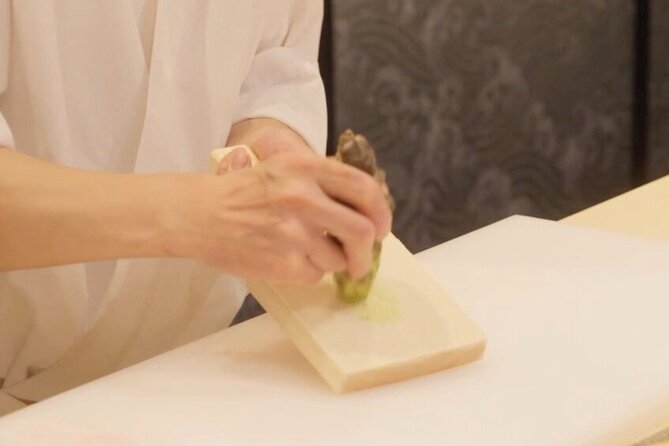
You also grate fresh wasabi. This is a useful detail because many people know wasabi mainly as the smooth green paste served with restaurant sushi. Grating it yourself lets you connect the sharp condiment with the preparation process.
The experience does not simply ask you to eat sushi and call it cultural education. It gives you several small jobs, and each job helps explain why sushi depends on careful ingredients and precise handling. The wasabi step is short, but it adds a flavor lesson that most casual sushi meals skip.
You should expect a sharper, more immediate taste than the familiar prepared paste, though the exact wasabi variety and serving amount are not specified. If you are sensitive to strong flavors, use a small amount when tasting your sushi.




Watching tamagoyaki being made
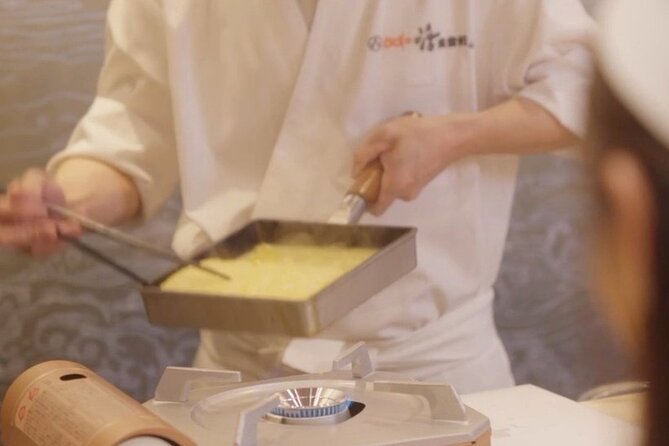
A live demonstration of tamagoyaki, the Japanese rolled omelet, gives the class a cooked counterpoint to the raw fish. You watch the chef prepare it, and the finished omelet is part of the tasting.
This is a smart addition to the class. Sushi culture is not only about raw fish, and tamagoyaki shows how much care can go into a seemingly humble egg dish. The chef must cook and roll the layers into a neat shape, so the demonstration gives you a glimpse of technique that you may not practice yourself during the short session.
The tasting has earned special praise for the freshly cooked rolled eggs. That detail makes the experience more appealing if someone in your group is unsure about raw fish. You still get the sushi lesson, but there is a warm, familiar item on the plate as well.
The available information does not say if you make the omelet yourself. Plan on watching a live demonstration rather than assuming you will handle every dish.
Eating the sushi you just made
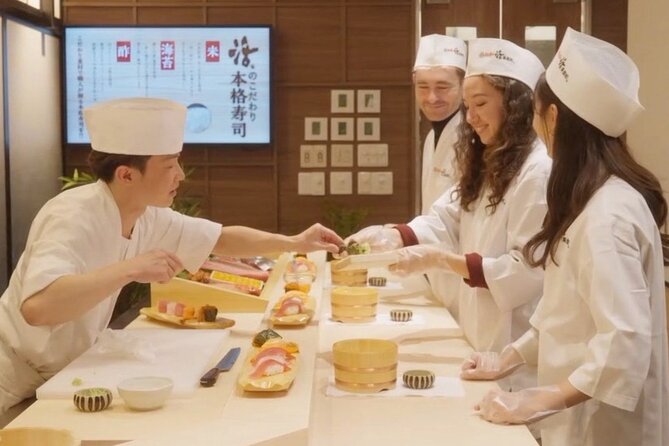
The payoff comes when you taste the sushi you prepared. You do not pack up your pieces or leave before trying them. You eat the results on the spot, along with the tamagoyaki and other items prepared during the session.
This makes the class feel complete. The learning is tied to a clear result, and you can immediately notice how your rice shaping and fish handling affected the finished nigiri. Even if your pieces are not perfectly uniform, they are yours, which gives the meal a personal touch.
You should also expect the tasting to be part of the activity rather than a substitute for a full restaurant dinner. The details do not state the number of sushi pieces, the fish selection, or the total amount of food. One participant described leaving with a full belly, but portions can vary and should not be treated as a guaranteed multi-course meal.
If you want a proper sushi dinner afterward, Nakameguro gives you plenty of scope to continue eating. If your schedule is tight, treat the class as both a lesson and a light meal, while remembering that the exact serving size is not listed.
What the $114.45 price means
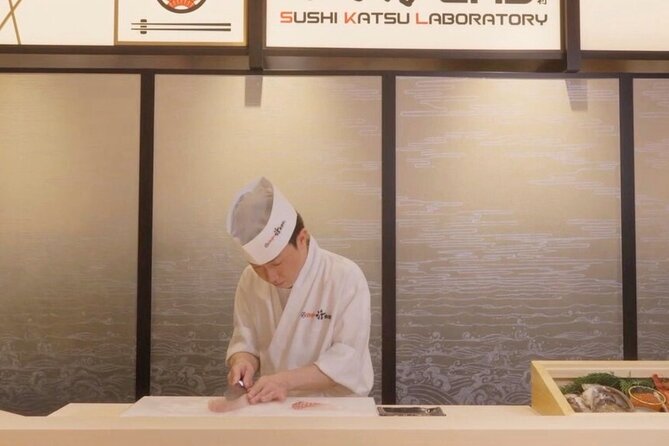
At $114.45 per person, this is not a cheap way to eat sushi. You can spend much less on a casual sushi meal in Tokyo. The price makes more sense when you count the chef instruction, fresh ingredients, VR activity, chef clothing, wasabi preparation, tamagoyaki demonstration, and the chance to eat what you make.
I would call it a good value for someone who wants an activity, not merely food. You are paying for participation and structure. The professional guidance matters because sushi shaping is difficult to understand from a quick video or a plate at a restaurant.
The value is weaker if you already take cooking classes regularly or only want a large meal. The session is short, and some details are not specified, including the exact menu, fish selection, and amount of sushi. You should book for the experience of making nigiri, not because it is the lowest-cost lunch in Tokyo.
For families, the price may also reflect the convenience of having several age groups engaged at once. The VR fishing keeps the beginning playful, the chef clothing adds fun, and the tasting gives everyone a clear finish. For adults who care about sushi craft, the fish handling and fresh wasabi are the stronger reasons to pay.
Who will enjoy this 90-minute class most
I would recommend this activity to first-time visitors who want a short, organized introduction to sushi culture. It also suits families, small groups of friends, and anyone looking for an activity between sightseeing stops.
You will get the most from it if you are willing to work with your hands and accept that your sushi may not look like the chef’s. The class is about learning by doing. A polished restaurant meal would be easier, but it would not show you the small physical skills behind each piece.
It may be less satisfying for a serious cook seeking advanced instruction. The available information promises guidance and basic preparation, not a long course in fish selection, knife sharpening, rice seasoning, or restaurant service.
It is also a practical choice for a mixed group. One person can enjoy the fish work, another can focus on the omelet demonstration, and children can take interest in the VR opening and chef clothing. The small maximum group size should help keep the session manageable.
Timing, booking, and cancellation details
The experience lasts approximately one hour and 30 minutes. Confirmation is received at the time of booking, and the activity has a maximum of six people.
Free cancellation is available if you cancel at least 24 hours before the experience start time. If you cancel less than 24 hours in advance, you will not receive a refund, and changes made within that same period are not accepted. The cut-off follows Tokyo local time, so check the clock carefully if you are booking from another country.
The activity starts and ends at GEMS Nakameguro. It is near public transportation, but the supplied information does not name the nearest station. Service animals are allowed.
Is this Nakameguro sushi experience worth booking?
Book it if you want to make nigiri with a chef, taste fresh wasabi, see tamagoyaki prepared, and enjoy a playful VR fishing introduction in a small group. The experience packs several distinct activities into 90 minutes and gives you the satisfaction of eating your own work.
Skip it if you mainly want the cheapest sushi meal, need a detailed menu in advance, or are looking for advanced culinary training. The fish selection, portion size, chef’s name, and exact lesson breakdown are not provided.
For most first-time visitors, the strongest reason to choose this class is its clear hands-on focus. You cut fish, shape sushi, taste the result, and leave with photos and a better sense of what goes into a piece of nigiri. At $114.45, that is a fair price for a compact cultural activity, provided you value participation as much as the food.
FAQ
Where does the sushi-making experience begin?
It begins at GEMS Nakameguro, 2-chōme-13-3 Kamimeguro, Meguro City, Tokyo 153-0051, Japan.
Where does the activity end?
The experience ends back at the meeting point at GEMS Nakameguro.
How long does the experience last?
The activity lasts approximately one hour and 30 minutes.
How much does the experience cost?
The listed price is $114.45 per person.
How many people can join the class?
The activity has a maximum of six people.
Is the class led by a professional chef?
Yes. A professional sushi chef guides the hands-on preparation and demonstrates tamagoyaki.
What activities are included?
The experience includes a virtual-reality fishing activity, fish handling and cutting, nigiri sushi making, fresh wasabi grating, a tamagoyaki demonstration, and tasting the sushi you make.
Can I eat the sushi I prepare?
Yes. You taste the sushi you make during the experience.
Is the activity near public transportation?
Yes. The meeting point is described as being near public transportation.
What is the cancellation policy?
You can cancel for a full refund up to 24 hours before the experience start time. Cancellations or changes made less than 24 hours before the start time are not accepted for a refund.
More Sushi Making Classes in Tokyo
More tours in Tokyo we've reviewed





Sushi Making Classes, compared.
 ★ 5.0Sushi Making Tokyo Roll and Authentic Japanese Sushi ClassFrom $59
 ★ 4.9Tokyo: Roll and Authentic Sushi Making Class in AsakusaFrom $581h 40m
 ★ 5.0Make Sushi and Create Unforgettable Memories in TokyoFrom $79
 ★ 4.9Tokyo: Sushi Making Class in a Happi Coat near a Famous SpotFrom $421h 30m
 ★ 5.0Tokyo Sushi Making Class in Tsukiji with Professional ChefFrom $49
 ★ 5.0Tokyo Night Foodie Tour in Shinjuku – Seasonal Sushi, Wagyu BeefFrom $111