
Reviewed · MT FUJI DAY TRIPS
3 Days Tokyo, Mt. Fuji and Hakone Private Tour from Tokyo
Tokyo, Mount Fuji, and Hakone make a fine three-day trio, but fitting them together without a car can be a headache. This private tour solves the transport problem with door-to-door pickup, a private vehicle, and a guide who can adjust the pace for your group.
I like the freedom to arrange your own meals and hotel, and I like that the route includes both famous sights and quieter stops such as Kitaguchi Hongu Fuji Sengen Shrine and Lake Saiko. The main drawback is the price: at $1,265 per group of up to five, it makes the most sense for a full group, not a solo visitor.
Guide Ryu receives especially warm praise for being punctual, professional, and thoughtful. You should also budget for extra admission costs, including Tokyo Skytree, the Hakone ropeway, the lake cruise, and the Open-Air Museum.
In This Review
- Key points at a glance
- Why private transport matters in Tokyo and beyond
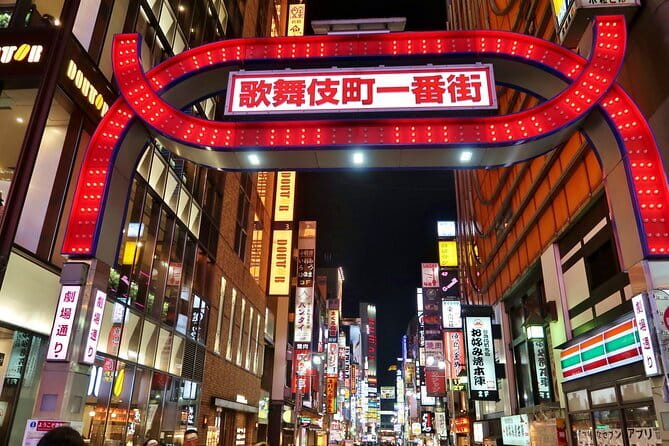
- Day 1: Tokyo from Tsukiji to Takeshita Street
- Tsukiji Fish Market
- East Gardens of the Imperial Palace
- Senso-ji in Asakusa
- Tokyo Skytree
- Takeshita Street in Harajuku
- Day 2: Mount Fuji viewpoints and the Fuji Five Lakes
- Chureito Pagoda
- Oshino Hakkai
- Kitaguchi Hongu Fuji Sengen Shrine
- Lake Kawaguchiko and Oishi Park
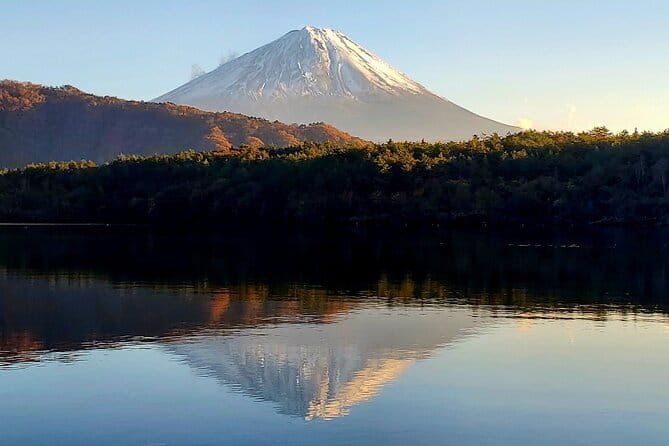
- Lake Saiko
- Day 3: Hakone by lake, ropeway, and road
- Lake Ashi and Motohakone
- Hakone sightseeing cruise
- Hakone Ropeway and Owakudani
- Hakone Shrine
- Hakone Open-Air Museum
- Gotemba Premium Outlets
- What the $1,265 group price really buys
- Pace, comfort, and who should book
- Should you book this Tokyo, Fuji, and Hakone tour?
- FAQ
- How long is the private tour?
- How many people can join the private tour?
- Is transportation included?
- Are meals included?
- Which activities cost extra?
- What happens if the weather is poor?
Key points at a glance
- Private vehicle for three full days: You avoid rail connections, transfers, and the challenge of navigating rural Fuji and Hakone.
- Tokyo’s classic first-day mix: Tsukiji, the Imperial Palace gardens, Senso-ji, Skytree, and Harajuku fit into one broad introduction.
- Strong Mount Fuji viewing route: Chureito Pagoda, Oshino Hakkai, Lake Kawaguchiko, Oishi Park, and Lake Saiko offer different viewpoints.
- Hakone with several optional costs: The cruise, ropeway, and Open-Air Museum are not included in the base price.
- Your meals and hotel remain flexible: You can choose where to stay and eat rather than follow a fixed package.
- Weather matters: Fuji views can disappear in cloud, and poor weather may lead to a new date or a full refund.
Why private transport matters in Tokyo and beyond
The best feature here is not one particular temple or viewpoint. It is the ability to cover three very different areas without repeatedly changing trains, finding bus platforms, or hauling bags through stations.
Tokyo is easy to explore by rail, but the second and third days are different. Mount Fuji’s viewing points are spread around the Fuji Five Lakes, while Hakone’s attractions use a mix of road, boat, and aerial cable transport. A private air-conditioned vehicle gives you a practical base between stops.
The tour begins at 8:00 a.m. Pickup is offered, and the vehicle, fuel surcharge, and parking fees are included. That matters in a group of up to five, since the cost is shared rather than charged per person.
You are not locked into a large group’s timetable. A private tour lets you spend more time at a place that suits you and less time at one that does not. Still, the schedule is ambitious. Each day includes about five to seven stops, so you should expect sightseeing at a steady pace rather than long, leisurely visits.
A few more Tokyo tours and experiences worth a look
Day 1: Tokyo from Tsukiji to Takeshita Street
Tsukiji Fish Market
Tsukiji is a lively starting point for Tokyo’s food culture. You can look through seafood stalls, produce vendors, and small food shops, with roughly an hour to get a taste of the district.
The famous tuna auction is associated with the newer Toyosu Market, so do not book this tour expecting a full auction visit at Tsukiji. Here, the appeal is the public market atmosphere and the chance to see the ingredients behind Japanese cooking.
Food is not included, so anything you eat here is your own expense. That is also a benefit, since you can choose a snack or meal that suits your budget and appetite.
East Gardens of the Imperial Palace
The East Gardens occupy part of the former Edo Castle grounds. You will see stone walls, castle remnants, planted areas, and open space in the middle of the capital.
This is a useful counterpoint to Tsukiji. Instead of neon, traffic, and food stalls, you get a calmer setting with a direct connection to Tokyo’s past. The gardens are free, with about an hour allotted.
Senso-ji in Asakusa
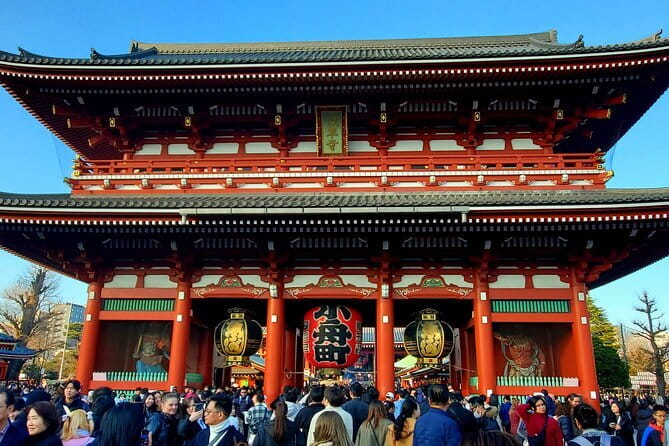
Senso-ji is one of Tokyo’s essential stops. Its large entrance gate, temple buildings, and traditional setting make it an easy place to connect the modern city with older religious customs.
You will have about an hour here. That is enough to see the main temple area and walk through the approach, but not enough for a slow exploration of every side street in Asakusa. If you want quiet photographs, your private guide may help you adjust the timing, though the supplied schedule does not promise a particular crowd level.
A few more Tokyo tours and experiences worth a look
Tokyo Skytree
Skytree gives you the day’s clearest high view over Tokyo. At 634 meters, it is Japan’s tallest tower, and the observation decks provide a dramatic look at the scale of the city.
The admission fee is not included. The stated price is ¥3,800 per person, which can add up quickly for five people. I would decide before the tour day if the view matters to your group, since the visit is scheduled for about an hour and the cost is separate.
Takeshita Street in Harajuku
Takeshita Street brings you back to street-level Tokyo. It is known for youth fashion, colorful shops, and sweets, with a pedestrian-only setting that feels very different from the Imperial Palace gardens or Senso-ji.
You get about an hour here. That works well for a first look, a snack, and some people-watching. It will feel crowded at busy times, and the commercial focus may not appeal to everyone, but it gives you a quick look at a younger side of Tokyo.
Day 2: Mount Fuji viewpoints and the Fuji Five Lakes
The second day is likely the visual high point of the tour, provided the weather cooperates. Mount Fuji is often hidden by cloud, especially later in the day, so the early start is sensible. The route also gives you several kinds of Fuji scenery rather than relying on one viewpoint.
Chureito Pagoda
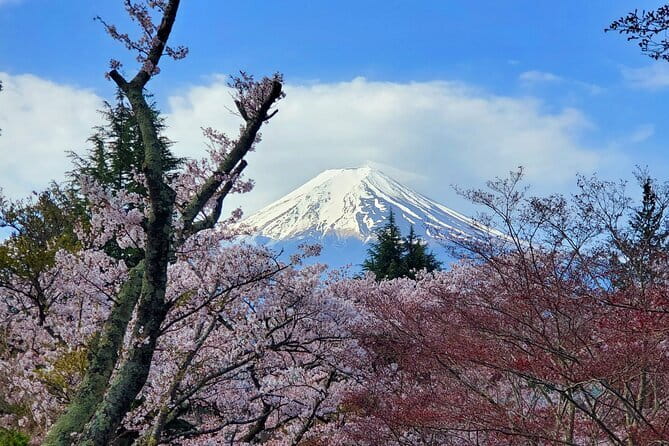
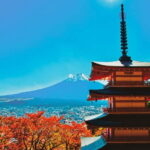
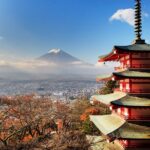
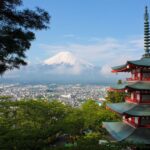
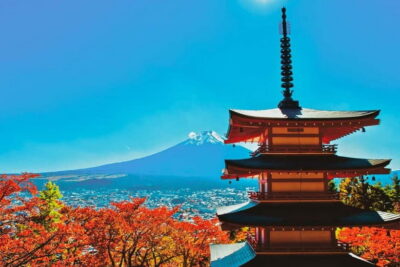
Chureito Pagoda is the classic picture stop: a five-story pagoda above Fujiyoshida with Mount Fuji behind it when conditions are clear. The setting combines architecture, city views, and Japan’s most famous mountain.
The visit lasts about an hour. Reaching the pagoda requires climbing steps, so this stop is worth keeping in mind if anyone in your group has difficulty with stairs. Admission is free.
Oshino Hakkai
Oshino Hakkai consists of eight clear ponds fed by Mount Fuji’s underground water. The stop offers a close look at rural scenery and traditional buildings, with about an hour to walk around.
It is a pleasant change from the large viewpoints. You can focus on water, gardens, and small-scale village details rather than only taking a distant mountain photograph. Food and drinks remain separate, as they are throughout the tour.
Kitaguchi Hongu Fuji Sengen Shrine
This shrine sits near the base of Mount Fuji and is dedicated to Konohanasakuya-hime, a deity associated with the mountain. The scheduled visit is shorter, about 30 minutes, but it adds religious context to a day otherwise built around scenery.
I like this stop because it gives the mountain a cultural setting. Fuji is not only a photograph or hiking goal. It also has a long place in Japanese worship and pilgrimage.
Lake Kawaguchiko and Oishi Park
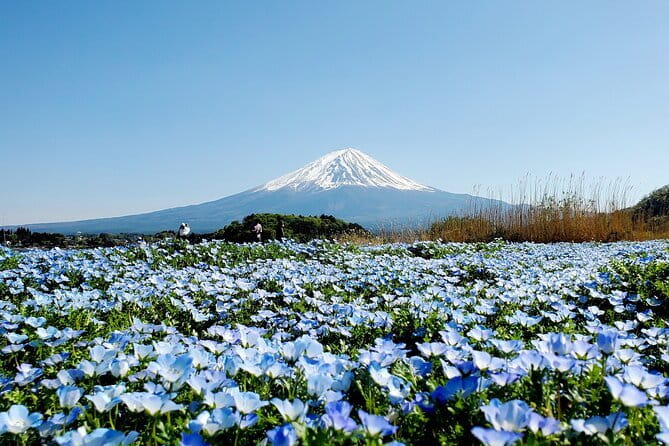
Lake Kawaguchiko is one of the most accessible Fuji Five Lakes and a strong place for mountain views. The tour allows about an hour at the lake, followed by another hour at Oishi Park on the northern shore.
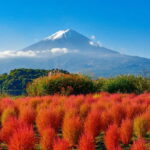
Oishi Park is especially attractive when its seasonal flowers are in bloom. You can expect open views across the water, landscaped paths, and good opportunities for photographs. The exact experience will depend heavily on cloud cover and the season.
The schedule lists optional Mount Fuji hikes as a way to customize the tour, but it does not specify a particular trail or hiking duration. Ask about this before booking if hiking is central to your plans. The listed stops are mainly viewpoints and cultural sites.
Lake Saiko
Lake Saiko is quieter than the better-known Kawaguchiko area and receives about 30 minutes. It is a short visit, but it rounds out the day with a more peaceful lake setting.
Do not expect a full outdoor excursion here. Think of it as a scenic pause before returning from the Fuji area. The variety is the point: pagoda, ponds, shrine, lake, park, and a second lake each show Fuji from a different angle.
Day 3: Hakone by lake, ropeway, and road
Hakone works differently from the Fuji day. Here the attractions are tied to volcanic activity, Lake Ashi, shrine architecture, and art. The private vehicle helps connect the sites, but some of the most memorable parts use separate transportation and require extra payment.
Lake Ashi and Motohakone
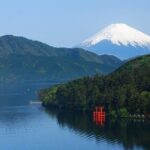
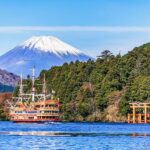
Lake Ashi, also called Ashinoko, is a crater lake in the Hakone area. The tour begins with about an hour at the lake, followed by 30 minutes around Motohakone-Ko Pier.
Motohakone is a useful base for the lake cruise and Hakone Shrine. The setting combines mountain water views with a small-town feel, and on a clear day you may see Mount Fuji from the lake area. Again, visibility is never guaranteed.
Hakone sightseeing cruise
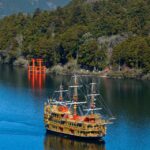
The cruise is an optional activity, and the supplied cost is ¥1,200 per person. A speed boat is listed separately at ¥2,000 per person.
These fees are not included in the tour price, so ask your guide which boat option fits the day’s schedule. The cruise can add a welcome change of pace after several road stops, but it is not essential if you prefer to keep costs down.
Hakone Ropeway and Owakudani
The Hakone Ropeway provides an aerial route through the volcanic area. The stated fee is ¥1,500 per person, and it is not included.
Owakudani, reached as part of this Hakone circuit, is known for its volcanic ground, steam, and unusual rock formations. The visit is scheduled for about 30 minutes. It is a short stop, but the scenery is unlike anything on the Tokyo or Fuji days.
Weather and volcanic conditions can affect access in the Hakone area, so the exact order or operation of this portion may need to change. The operator specifically notes that the experience requires good weather.
Hakone Shrine
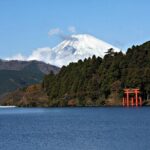
Hakone Shrine is set beside Lake Ashi and is known for its red torii gate in the water. You get about an hour here, enough to visit the shrine area and take in the lake setting.
This is one of the day’s strongest cultural stops. It also gives you a good reason to slow down after the more mechanical sightseeing of the ropeway and cruise.
Hakone Open-Air Museum
The Open-Air Museum combines sculpture with outdoor grounds. The visit lasts about an hour, but admission is not included, and no price is supplied in the tour details.
This stop is best for people who enjoy art and want something different from temples and viewpoints. If your group is more interested in nature or shopping, you may prefer to spend less time here, though the private format gives you some room to discuss that choice with the guide.
Gotemba Premium Outlets
The final stop is a two-hour visit to Gotemba Premium Outlets, described as Japan’s largest outlet mall, with more than 200 domestic and international brands. It sits near Mount Fuji, so the setting can combine shopping with another possible mountain view.
The outlet is a practical addition if your group wants time for shopping. It is less useful if you want a purely cultural Hakone day. Since it takes two hours, it is one of the clearest places to decide based on your own priorities.
What the $1,265 group price really buys
The price is $1,265 per group of up to five, not per person. For five people, that works out to about $253 each before optional admissions and meals. For two people, the per-person cost is much higher.
The value comes from private transportation, parking, fuel, pickup, and the ability to set the pace. A family or group of friends can divide the cost while avoiding the planning burden of linking Tokyo, Fuji, and Hakone on separate days.
You still need to pay for meals, drinks, snacks, Skytree, the boat, the ropeway, and the Open-Air Museum. The listed activity fees add up to ¥4,700 per person for the speed boat, cruise, and ropeway options, though you would not normally use both boat choices. Tokyo Skytree is another ¥3,800 per person.
This is not a bargain tour. It is a convenience purchase. I would consider it good value for a group of four or five that wants a driver and flexible sightseeing without arranging a rental car. For one or two people, compare the total carefully with trains, buses, and separate day tours.
Pace, comfort, and who should book
The tour suits first-time visitors who want a broad introduction without spending hours on route planning. It is also useful for groups with mixed interests, since one person can favor temples, another scenery, and another shopping.
The private format is a real advantage for families and small groups. You can arrange your own accommodation and meals, and you are not tied to a package hotel. Most people can participate, and the experience is near public transportation, though transportation during the tour is by private vehicle.
The schedule is not ideal for anyone seeking slow travel. Day 1 covers five major Tokyo areas. Day 2 has six Fuji-region stops. Day 3 includes seven Hakone-area stops, some with separate transport. You will see a lot, but you will not have hours at each place.
Good weather is especially important for Mount Fuji and Lake Ashi. If clouds block the mountain, the cultural and natural stops still have value, but the signature views may not appear. The operator offers a different date or full refund if poor weather causes cancellation.
Free cancellation is available up to 24 hours before the 8:00 a.m. start time. Changes or cancellations inside that window are not accepted for a refund.
Should you book this Tokyo, Fuji, and Hakone tour?
Book it if you are a group of four or five, want door-to-door transport, and value a private guide more than the lowest possible price. The route gives you a strong first look at Tokyo, several excellent Fuji viewpoints, and Hakone’s lake, volcanic, shrine, art, and shopping stops.
Think twice if you are traveling alone, dislike tight schedules, or want a deep visit to just one region. The extra fees also matter. Before paying, confirm which Hakone activities you want, ask about the hiking option, and understand that Fuji views depend on weather.
For the right group, the appeal is simple: Guide Ryu is praised for punctual, professional service, and the vehicle removes much of the trip’s logistical work. You pay for ease, range, and control. That is a fair trade when three busy sightseeing days need to fit together cleanly.
FAQ
How long is the private tour?
The experience lasts approximately three days, with an 8:00 a.m. start time.
How many people can join the private tour?
The price covers one private group of up to five people. Only your group participates.
Is transportation included?
Yes. The tour includes an air-conditioned vehicle, private transportation, fuel surcharge, parking fees, and pickup service.
Are meals included?
No. Meals, drinks, and snacks are not included. You arrange and pay for them yourself.
Which activities cost extra?
Tokyo Skytree admission is listed at ¥3,800 per person. The cruise is ¥1,200 per person, the speed boat is ¥2,000 per person, and the ropeway is ¥1,500 per person. The Hakone Open-Air Museum also requires separate admission, though no price is provided.
What happens if the weather is poor?
The experience requires good weather. If it is canceled because of poor weather, you are offered a different date or a full refund.
More Private Tours in Tokyo


More Hakone Day Trips in Tokyo
More Mt Fuji Day Trips in Tokyo
More tours in Tokyo we've reviewed


Mt Fuji Day Trips, compared.
 ★ 5.0Mt Fuji and Hakone 1-Day Bus Tour Return by Bullet TrainFrom $163
 ★ 4.0Mt Fuji & Hakone Cruise, Drum Show Bullet Train 1 Day from TokyoFrom $149
 ★ 4.4Tokyo Mt Fuji 5th St & Hakone Cruise Bus Tour w/Bullet TrainFrom $15410 hours
 ★ 4.5From Tokyo: Mount Fuji Full-Day Sightseeing TripFrom $6810 hours
 ★ 4.7Tokyo: Mt. Fuji Tour, Hakone Ropeway, Owakudani, Lake AshiFrom $5410 hours
 ★ 4.4Tokyo:Mt.Fuji,Kawaguchiko Oishi Park,Arakurayama Sengen ParkFrom $5410 hours