
Reviewed · HAKONE DAY TRIPS
Hakone Free Pass, 2-3 Days Travel Voucher Japan
Hakone is easiest to understand as a loop of trains, buses, cable cars, ropeways, and boats, and this pass puts nearly all of it under one ticket. You can ride from Shinjuku toward Odawara, then work through the mountain routes, Owakudani, and Lake Ashi without buying a new fare at every stop.
I like two things here: the pass can save real money if you use several forms of transport, and it gives you the freedom to change your plan when weather, queues, or tired legs get in the way. The catch is that popular routes can become painfully crowded, and the voucher must be exchanged for a physical ticket before you can use it.
In This Review
- Key points to know before you buy
- What the Hakone Free Pass actually gives you
- From Shinjuku to Odawara, where the pass begins
- Hakone-Yumoto and the Tozan Railway
- Cable car, ropeway, and Owakudani
- Lake Ashi and the Hakone Sightseeing Cruise
- Buses fill the gaps between major sights
- Discounts at more than 70 Hakone facilities
- Is $66.50 good value for two or three days?
- The digital voucher can create friction
- Who should buy this pass?
- My practical verdict
- FAQ
- Is the Shinjuku to Odawara train included?
- Can I use the Romancecar with this pass?
- How long is the Hakone Free Pass valid?
- Where do I collect the physical pass?
- Are attraction admissions included?
- Can I cancel or change the pass after redemption?
Key points to know before you buy
- The 2-day or 3-day pass begins at pickup: Collect the physical ticket before use, then use it on consecutive days.
- Shinjuku to Odawara is included: The pass covers one ordinary-train round trip on the Odakyu Odawara Line.
- Eight Hakone transport networks are covered: These include trains, buses, the cable car, ropeway, sightseeing cruise, and other designated services.
- The Romancecar costs extra: You need to buy a separate limited express ticket if you want the faster, reserved-seat service.
- More than 70 discounts are available: Savings may apply at hot springs, museums, galleries, and other facilities.
- Crowds are the main risk: The famous loop can mean long queues and packed buses, especially when many people attempt it in one day.
What the Hakone Free Pass actually gives you
The Hakone Free Pass is a self-guided transport ticket, not a guided sightseeing tour. You receive a physical pass that covers the main public transport links between Tokyo, Odawara, Hakone-Yumoto, the mountain stations, Owakudani, and Lake Ashi.
The basic product is available for two or three consecutive days. That extra day matters. Hakone is often treated as a quick day trip, but the region spreads across steep mountain routes, lake shore stops, hot spring towns, museums, and scenic viewpoints. A two-day pass lets you slow down. A three-day pass works better if you want time for a museum, an onsen, or a side trip toward Odawara or Gotemba.
The pass includes one round trip on the ordinary Odakyu Odawara Line between Shinjuku Station and Odawara Station. Within the designated Hakone area, you get unlimited rides on the included networks. These cover the Hakone Tozan Railway, Hakone Tozan Cable Car, Hakone Tozan Bus, Hakone Sightseeing Cruise, Hakone Ropeway, Odakyu Hakone Highway Bus, and Tokai Bus, along with the specified Odakyu rail service.
That sounds like a long list because it is. Hakone’s transport system is not one simple train line. It is a chain of separate services, and the pass is useful because you can move between them without stopping to calculate each fare.
A few more Tokyo tours and experiences worth a look
From Shinjuku to Odawara, where the pass begins
Your journey begins with the Odakyu railway connection from Shinjuku. The included ticket is for an ordinary train round trip, not the limited express Romancecar. If you want the Romancecar, you must buy its limited express ticket separately at your own cost.
That distinction matters. The Romancecar is faster and offers reserved seating, while the ordinary train is the basic service covered by the pass. If you are carrying luggage, traveling with children, or simply want a more relaxed start, the additional ticket may be worth considering. But do not assume it is included because the pass is sold through the Odakyu system.
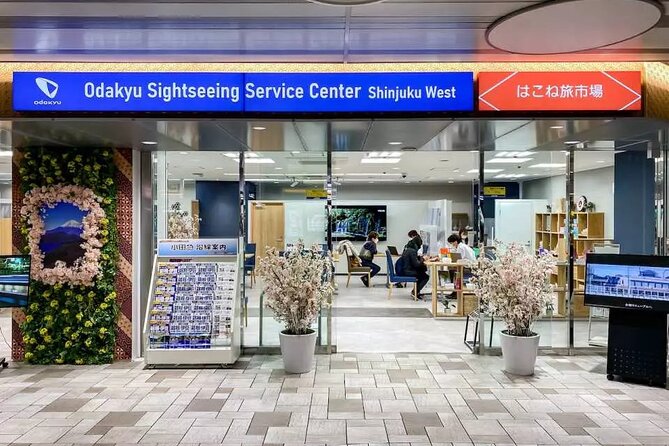
You need to exchange your voucher for the physical pass at an authorized Odakyu Sightseeing Service Center during opening hours. Shinjuku West is one stated redemption point, and Odawara Station is another practical location for collection. The voucher itself cannot be used as the ticket.
There is a small but important station detail. If you redeem at the Odakyu Sightseeing Service Center at Odakyu Station, you can only board trains departing from Odakyu Station. You must pay separately to reach that station, and the Shinjuku to Odawara portion of the ticket is non-refundable.
Check the counter hours before setting out. Redemption is not offered when the counter is closed, and operating times can change. You cannot collect the pass at the Odakyu Sightseeing Service Center in Hakone-Yumoto.
Hakone-Yumoto and the Tozan Railway
Hakone-Yumoto is the natural gateway into the mountain part of the region. From here, the Hakone Tozan Railway climbs toward the higher stations, linking the hot spring town with the cable car and ropeway routes.
The railway is valuable because it turns a difficult mountain journey into a simple series of connections. You can start in the town, then continue uphill without buying another ticket. The pass also makes it easier to get off for a walk, a hot spring visit, or a meal and continue later.
Do not expect the trip to feel like a private mountain ride. The most popular routes can become crowded, with queues forming for trains, buses, cable cars, and ropeway cabins. If you try to complete every part of the famous circuit in a single day, the schedule can become more about waiting than sightseeing.
I would treat the pass as permission to slow down, not as a challenge to use every included service. The best value comes when you make several meaningful stops instead of racing around the entire circuit.
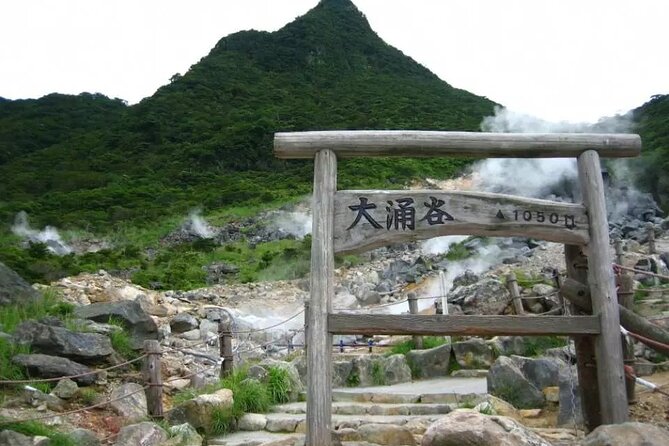
Cable car, ropeway, and Owakudani
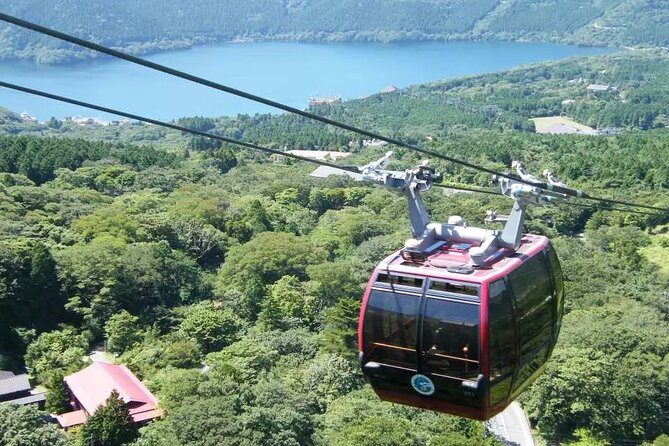
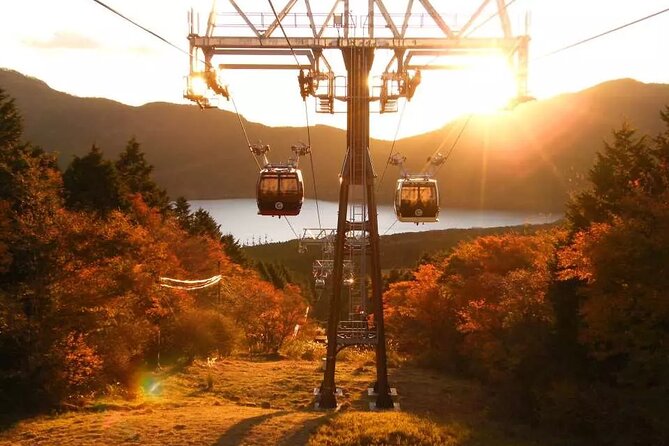
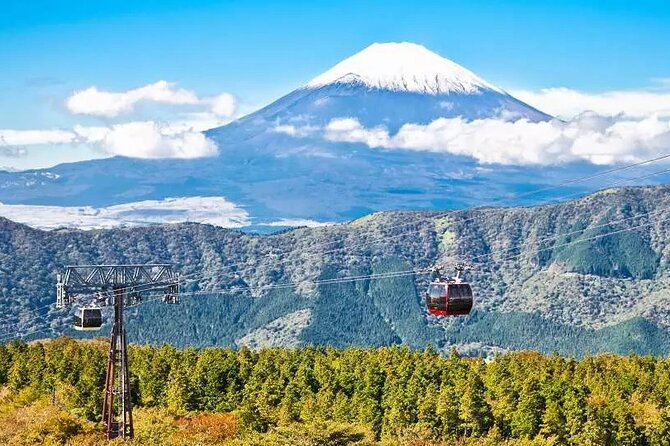
The Hakone Tozan Cable Car links the railway area with the higher mountain routes. From there, the Hakone Ropeway carries you across the volcanic area toward Owakudani and onward toward Lake Ashi.
This is one of the pass’s strongest sections. A single journey can combine rail, cable car, ropeway, and boat transport, with no need to purchase separate fares at every change. The ropeway also provides access to Owakudani, one of the region’s main sightseeing stops.
Weather makes a real difference here. Poor conditions can reduce the views and may affect operations. Since the experience requires good weather, a cancellation caused by bad weather may be moved to another date or refunded in full. This is one reason a two or three-day pass can help: you have more flexibility to choose the clearest available day for the mountain routes.
Crowds remain the weakness. Several ratings describe long lines, cramped vehicles, and a lack of seats. That is not a minor issue if you dislike standing or are traveling with young children. You may find the ropeway and cable car especially busy during the busiest sightseeing periods.
Lake Ashi and the Hakone Sightseeing Cruise
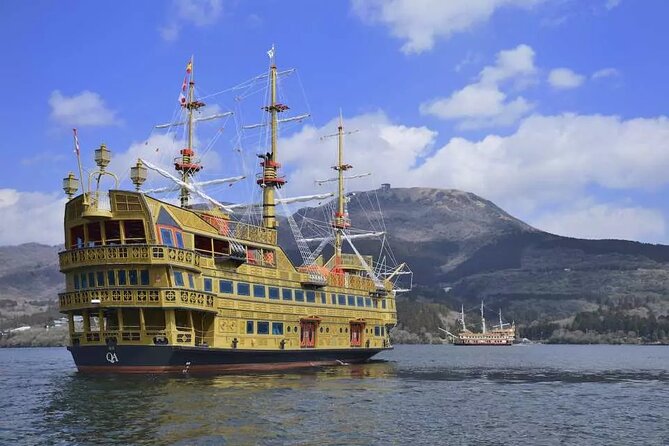
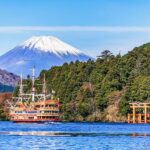
The Hakone Sightseeing Cruise is included in the pass and forms a memorable part of the transport circuit. It connects with the mountain routes and lets you cross Lake Ashi rather than relying only on buses.
The boat ride changes the pace of the day. After rail cars, buses, and cable cars, being on the lake gives you a more open view and a chance to rest while still moving toward the next stop. The cruise is also a practical link, not just an optional scenic extra.
You should still allow time for queues. The pass gives you unlimited use, but it does not give you priority boarding or reserved seats. If the dock is crowded, the value of the pass is the ability to wait for a later departure without paying another fare.
The transport circuit is often called an easy way to see Hakone, but it is not always physically easy. You will change vehicles several times, and packed services can make the day tiring. A slower plan with fewer stops can be much more enjoyable.
A few more Tokyo tours and experiences worth a look




Buses fill the gaps between major sights
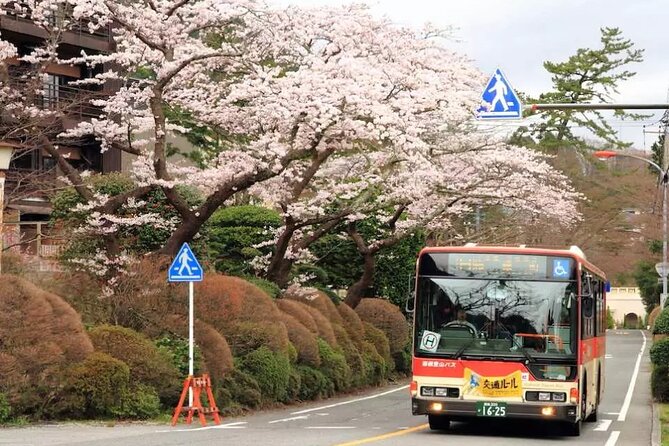
Hakone’s buses are essential because rail service does not reach every attraction. The included services cover designated routes operated through Hakone Tozan, Odakyu Hakone Highway Bus, and Tokai Bus networks.
This is where the pass earns its keep for a flexible itinerary. You can combine a train ride with a bus to reach a museum, a hot spring, a shrine, or another facility listed for a discount. You are not locked into the main railway and ropeway circuit.
The tradeoff is that buses can be slow and crowded. Mountain roads, changing traffic, and heavy sightseeing demand can stretch travel times. Leave room in your schedule rather than planning each connection down to the minute.
The pass is particularly useful for a two or three-day visit because you can spread bus-based stops across several days. Trying to fit the cruise, ropeway, cable car, buses, and several attractions into one tight loop is the fastest way to feel rushed.
Discounts at more than 70 Hakone facilities
The pass also provides discounts at more than 70 participating facilities. The choices include hot springs, art galleries, museums, and other attractions. The stated information includes places such as the Hakone Open-Air Museum, Hakone Shrine, and the Hakone Pirate Ship among the area’s popular sights, though the pass does not mean free admission to every one of them.
That distinction is worth keeping clear. The transport is the main product. Attraction access may be discounted rather than fully included, so check the exact benefit before assuming a museum or cruise costs nothing.
The discounts can improve the value if you already want to visit several paid sites. They are less useful if you plan to spend most of your time walking or relaxing at one hotel. I would choose your likely sights first, then compare their discounted prices with the cost of buying individual transport fares.
The Hakone Open-Air Museum is a natural match for this kind of pass because you can combine it with the Tozan railway and mountain routes. Hot spring discounts may also appeal if your visit includes a longer stay. The main point is to use the pass as a transport base and treat the attraction offers as extra savings, not the reason to buy it by themselves.
Is $66.50 good value for two or three days?
At $66.50 per person, the pass is not automatically a bargain for every itinerary. Its value depends on how much of the network you use and how many included discounts you claim.
For a full Hakone circuit, the arithmetic is favorable. Buying separate tickets for a train from Tokyo, the mountain railway, cable car, ropeway, buses, and lake cruise can add up quickly. Unlimited rides also protect you from paying again when you change your mind or make an extra stop.
The three-day version has an even better chance of paying off if you use Hakone’s buses and visit several facilities. A one-night or two-night stay gives you time to spread out your transport and avoid treating the region like a single crowded conveyor belt.
On the other hand, you may not save much if you only go from Tokyo to one Hakone attraction and return. You also need to include any separate cost for the Romancecar, admission fees not covered by the pass, and the fare needed to reach Odakyu Station if that particular redemption point applies to your plan.
I like the pass most for people who want to use public transport actively. If you prefer taxis, a private car, or staying in one hot spring town, the unlimited network will not matter as much.
The digital voucher can create friction
The physical ticket requirement is easy to overlook. After purchase, you must redeem the voucher at the correct counter during operating hours. Once the pass is redeemed, it cannot be changed or canceled.
Digital use can also be awkward at the station. Some users have found the app and gate process confusing, especially when several people are trying to use the system together. One practical lesson is to make sure everyone in your group can access the necessary digital information before reaching the station.
If you are buying for a family or group, check how the voucher system handles each person before departure. A single online purchase may not feel as simple as buying several tickets at a station counter. Picking up the physical passes in advance gives you a clearer way through the gates and transfers.
Children under six ride free without a ticket if they do not occupy a seat and are accompanied by an adult. Children aged six and over need a child ticket. This rule is important for families planning the train journey.
Who should buy this pass?
I would consider it for you if you plan to:
- Spend two or three consecutive days in Hakone
- Use the ropeway, cable car, buses, train, and sightseeing cruise
- Visit several paid attractions or hot springs
- Travel by public transport rather than taxi
- Keep your schedule flexible in case of weather or queues
It is also a good fit if you want to make several short stops. Unlimited rides remove the worry that a spontaneous detour will cost another fare.
I would be more cautious if you have only one day and want a calm, unhurried outing. The famous route can be crowded, and a tight schedule may leave you standing in lines and changing vehicles all day.
It may also disappoint you if you expect a guided tour, reserved seats, or priority access. No guide is named or included. You are managing the route yourself, and the pass does not eliminate crowds.
My practical verdict
The Hakone Free Pass is a useful transport tool, not a magic shortcut through a busy sightseeing circuit. I like its coverage, especially the combination of the Odakyu train, mountain railway, cable car, ropeway, buses, and Lake Ashi cruise. The discounts at more than 70 facilities add worthwhile savings when your plans include several attractions.
The main question is time. Give yourself two or three days and the pass can make Hakone easier, cheaper, and more flexible. Try to force the entire circuit into one packed day, and the same pass may leave you queuing for most of your visit.
Buy it if you are ready to use public transport and want to explore beyond one town. Before you commit, confirm the redemption counter hours, decide if you want the extra Romancecar ticket, and build a plan with room for delays. If that sounds like your kind of trip, the pass is a sensible choice. If you want a private, quiet, tightly controlled day, choose another way to see Hakone.
FAQ
Is the Shinjuku to Odawara train included?
Yes. The pass includes one round trip on the ordinary Odakyu Odawara Line between Shinjuku Station and Odawara Station.
Can I use the Romancecar with this pass?
You can use the pass for the covered rail journey, but you must purchase a separate limited express ticket at your own expense to ride the Romancecar.
How long is the Hakone Free Pass valid?
You can purchase a pass valid for either two or three consecutive days. It begins when the physical pass is collected and activated.
Where do I collect the physical pass?
You must redeem the voucher at a designated Odakyu Sightseeing Service Center during operating hours. Collection is available at locations including Shinjuku West and Odawara Station. Redemption is not available at the Odakyu Sightseeing Service Center in Hakone-Yumoto.
Are attraction admissions included?
The pass provides discounts at more than 70 facilities and attractions. It does not mean that every listed attraction has free admission.
Can I cancel or change the pass after redemption?
No. Once the Hakone Free Pass has been redeemed, changes and cancellations are not available. If poor weather cancels the experience, you may be offered another date or a full refund.
More 3-Day Experiences in Tokyo
More Tickets & Passes in Tokyo
More Hakone Day Trips in Tokyo
More tours in Tokyo we've reviewed



Hakone Day Trips, compared.
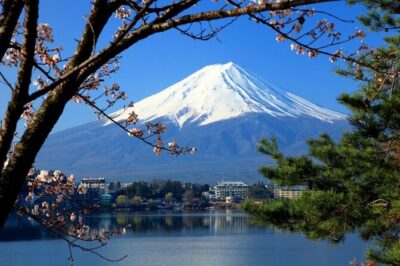 ★ 5.0Mt Fuji and Hakone 1-Day Bus Tour Return by Bullet TrainFrom $163
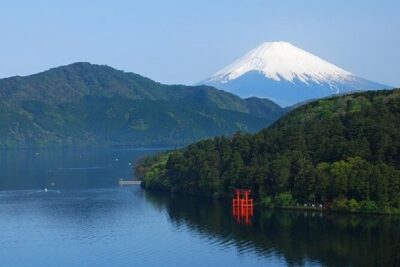 ★ 4.0Mt Fuji & Hakone Cruise, Drum Show Bullet Train 1 Day from TokyoFrom $149
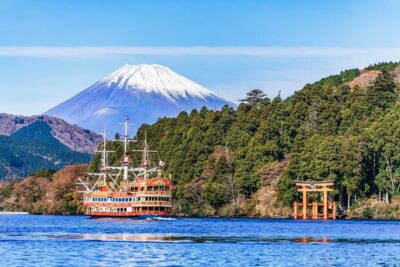 ★ 4.4Tokyo Mt Fuji 5th St & Hakone Cruise Bus Tour w/Bullet TrainFrom $15410 hours
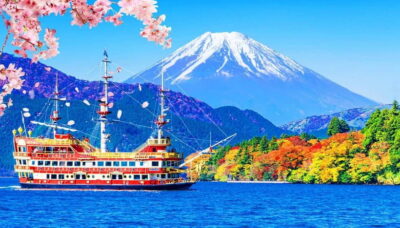 ★ 4.7Tokyo: Mt. Fuji Tour, Hakone Ropeway, Owakudani, Lake AshiFrom $5410 hours
 ★ 4.2Tokyo: Mt. Fuji 5th Station & Hakone Cruise 1-Day Bus TourFrom $12911 hours
 ★ 5.0Private Tour to Mt. Fuji and Hakone (Fully Licenced Operator)From $497