
Reviewed · UENO & YANAKA WALKS
Ueno and Yanaka Culture Art Walking Tour in Old Tokyo
Tokyo has plenty of grand sights, but this tour gives you something quieter and more textured: a full day on foot through Ueno and Yanaka, two old districts where museums, shrines, temples, shopping streets, and everyday Tokyo life sit close together. You move from a life-sized blue whale and a steam locomotive to temple gates, cat statues, and a peaceful cemetery.
I like the well-balanced route. You get culture indoors, green space in Ueno Park, time for lunch in Ameyoko, and a slower walk through Yanaka. I also like the human touch provided by guides such as Beth, who has been praised for answering questions patiently and pointing out places many people would miss on their own.
The main catch is simple: this is a serious walking day. It lasts about seven and a half hours, takes place largely outdoors, and does not include food, drinks, or trains. If your feet are tired after a morning in Tokyo, this may feel demanding.
In This Review
- Key points at a glance
- Why Ueno and Yanaka make a strong one-day pairing
- Starting with a blue whale at the National Museum of Nature and Science
- Taking the quieter paths through Ueno Park
- Seeing old Tokyo at Ameyoko Shopping Street
- Meeting Yanaka through art and family history
- Strolling Yanaka Ginza, Tokyo’s cat-themed shopping street
- Ending among temples and Yanaka Cemetery
- What the $148.93 price really covers
- Who will enjoy this walking day most
- Should you book the Ueno and Yanaka walking tour?
- FAQ
- How long does the Ueno and Yanaka Culture Art Walking Tour last?
- Where does the tour begin?
- Where does the tour end?
- Is lunch included?
- Are museum and shrine admissions included?
- Is transportation included?
- How large is the group?
- Can I cancel for a full refund?
Key points at a glance
- A full walk from Ueno Station to Nippori Station: The route crosses two of old Tokyo’s most interesting districts and ends near a useful rail connection.
- National Museum of Nature and Science admission included: Your guide introduces highlights such as the blue whale model, steam locomotive, and taxidermied animals.
- Ueno Park combines nature and culture: Temples, shrines, a lake, and open paths give you a break from Tokyo’s dense streets.
- Ameyoko provides a practical lunch stop: You get guided background on the area, followed by free time to choose and pay for your own meal.
- Yanaka feels slower and more traditional: The route includes an art museum, Yanaka Ginza, a Buddhist temple, and Yanaka Cemetery.
- The group is limited to 15 people: That is small enough for questions without making the walk feel entirely private.
Why Ueno and Yanaka make a strong one-day pairing
Ueno and Yanaka are close on the map, but they offer different versions of Tokyo. Ueno is a major cultural center, with museums, a large park, shrines, and busy commercial streets. Yanaka has a more residential feel, with older architecture, small shops, temples, and narrow streets.
That contrast is the heart of the experience. You are not simply checking off famous attractions. You are watching Tokyo change as you walk. The day begins with a major museum and one of the city’s best-known parks, then shifts into Ameyoko’s old shopping streets before ending in Yanaka, where the pace is calmer.
Your meeting point is Ueno Station at 9:30 a.m. The directions specifically advise using the JR Yamanote Line and heading for the Park Gate exit, which puts you closest to the start. That tip matters. Ueno Station is large, and arriving at the wrong exit can cost you precious time before the walk even begins.
The tour ends at Nippori Station in the afternoon. That is useful because you do not need to return to Ueno after the final stop. You can continue elsewhere in Tokyo by train, provided you pay for that transport yourself.
A few more Tokyo tours and experiences worth a look

Starting with a blue whale at the National Museum of Nature and Science
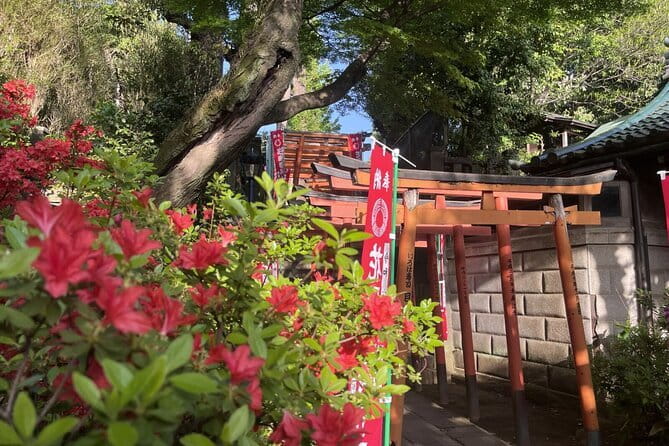
The first stop is the National Museum of Nature and Science, with about an hour inside and admission included. Your guide provides an introduction to the museum and its background, then points out selected displays rather than leaving you to wander without direction.
The highlights listed for the visit include a life-sized blue whale model, a steam locomotive, and taxidermied animals. These give the museum an immediate visual appeal, even if you are not the sort of person who normally plans a museum-heavy day.
An hour is enough for an introduction, not enough for every gallery. That is both a strength and a limit. You get useful orientation and a few memorable exhibits, but serious museum fans may want to return on their own with more time.
I like this opening because it gives you context before the outdoor portion. A guide can explain why the building and collections matter, then help you notice details you might otherwise pass without a second look. One guest specifically appreciated having the beauty of the museum building and the historical importance of individual items pointed out.
The museum is also a smart choice for a walking tour because it adds variety early in the day. You are not spending seven hours entirely on pavement under the open sky. Still, after an hour inside, the rest of the route becomes much more dependent on weather and your comfort with walking.
Taking the quieter paths through Ueno Park
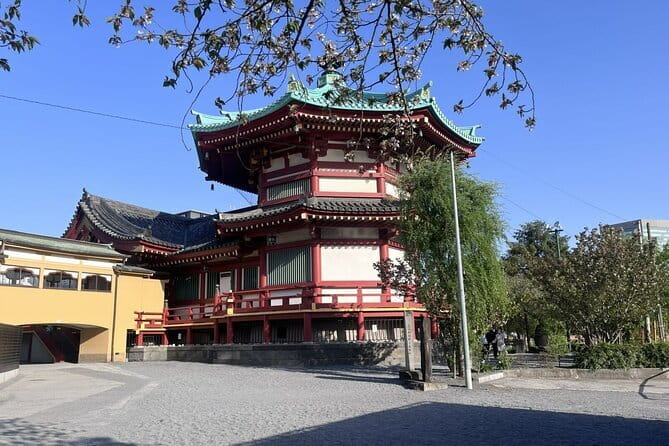
The next part lasts about 90 minutes and covers Ueno Park, one of Tokyo’s best places for a concentrated mix of culture and open space. The route includes temples, shrines, and a lake, allowing you to step away from the noise of the surrounding city.
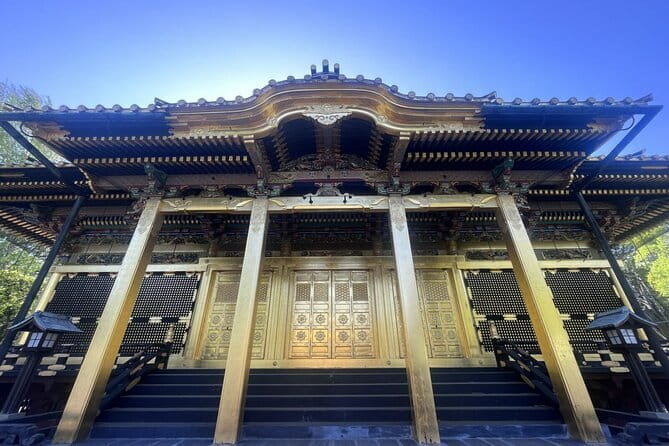
Ueno Park is more than a patch of greenery between museums. It is filled with religious and historic sites, so a guide can help make sense of what you are seeing. The tour includes admission to Toshogu Shrine, one of the included costs that adds value to the price.
This is where the route benefits most from local guidance. On your own, you could certainly walk through the park, but it would be easy to skip a shrine, miss a temple entrance, or fail to notice a pagoda or statue. Beth was praised for showing visitors places they might have walked past, including temples and shrines that are not always obvious on a first visit.
The park section is also a welcome change of pace. After the museum, you have room to breathe, take photographs, and enjoy nature. The word relaxed fits this portion better than fast-paced sightseeing. You will still be walking, but the surroundings are less crowded and enclosed than central Tokyo streets.
A practical note: the park portion includes paths, outdoor stops, and time on your feet. Comfortable shoes are essential. The tour description says the activity involves several hours of outdoor walking, so this is not the right choice if you want a mostly seated introduction to Tokyo.
Seeing old Tokyo at Ameyoko Shopping Street
Ameyoko is the final Ueno stop, with about 80 minutes assigned to the area. Your guide explains the street’s background and importance, then gives you a lunch break to explore and choose your own food.
This is a useful part of the tour because it is less formal than the museum and shrine visits. Ameyoko is known for old-style shopping arcades, restaurants, and a lively street atmosphere. You get to see a working commercial district rather than a carefully preserved monument.
The free time is important. Food is not included, and the tour does not prescribe a restaurant, so you can make your own choice. That gives you flexibility, but you should budget separately for lunch and drinks. If you prefer a fixed meal with the group, this arrangement may feel less convenient.
I like the way Ameyoko breaks up the day. It brings you back into the practical side of Tokyo after Ueno Park’s temples and museum halls. You can browse, eat, and watch the neighborhood move around you before continuing to Yanaka.
The timing also means you should not assume that every minute is guided. The route includes an explicit lunch break, and you are responsible for your own purchase. Keep an eye on the meeting time so the group can continue together.
Meeting Yanaka through art and family history
After Ameyoko, the tour heads into Yanaka for about an hour and ten minutes at a museum connected to the area’s art scene. The museum was once both the workshop and family home of a famous Japanese sculptor.
That detail gives the stop a more personal quality than a standard gallery visit. You are not only looking at art in a modern exhibition space. You are seeing work in a place tied to the artist’s daily life and family.
The exact museum name is not provided in the tour details, so you should not book this expecting a complete list of exhibitions or a particular collection. What is clear is the focus: Japanese sculpture, art, and the story of a working artist in Yanaka.
This stop will suit you if you enjoy small museums and place-based history. If your main goal is Tokyo’s biggest collections, the National Museum of Nature and Science earlier in the day is the larger-scale experience. Yanaka’s museum offers something more intimate.
The guide’s role is especially useful here because the value comes from connection. Without explanation, a former home and workshop might look like another small museum. With context, you can better understand how art, family, and neighborhood life overlap.
Other walking tours we've reviewed in Tokyo



Strolling Yanaka Ginza, Tokyo’s cat-themed shopping street
Yanaka Ginza follows, with about an hour to walk through the shopping district. The street is known for its cozy atmosphere and cat theme. Look for cat statues and cat-themed goods along the route.
This is one of the most approachable sections of the day. You are seeing a neighborhood shopping street rather than a major attraction built for sightseeing. The shops and small details give you a feel for Yanaka’s everyday character.
Yanaka is often described as Cat Town, and the cat theme gives the walk a playful edge. It also provides a simple way to slow down and look around. You might find small souvenirs, food items, or local products, but purchases are not included in the tour price.
The street is not presented as a luxury shopping stop. Its appeal is the calm, local feel and the chance to see a different side of Tokyo. If you want bright signs, huge department stores, and constant crowds, Ameyoko is the stronger match. If you prefer a quieter shopping street with character, Yanaka Ginza is likely to be one of your favorite stops.
The hour passes quickly, especially if you enjoy taking photographs or browsing. Keep your spending separate from the tour cost, and remember that the walking continues afterward.
Ending among temples and Yanaka Cemetery

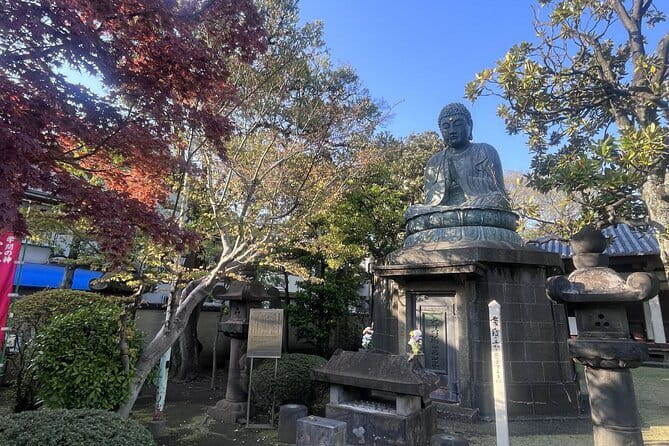
The final hour includes a Buddhist temple with impressive Buddha statues, followed by Yanaka Cemetery and Sakura-dori. The temple provides a quiet place to rest, while the cemetery offers another view of Yanaka’s old neighborhood character.
A cemetery may not be on every visitor’s must-see list, but it makes sense here. Yanaka is known for its many temples and traditional streets, and walking through the cemetery adds a peaceful, reflective ending after the activity of Ameyoko and Yanaka Ginza.
The temple stop gives you a chance to pause and take in the statues without rushing. The tour description also emphasizes tranquility, so this is not designed as a dramatic finale. It is a quieter finish, with time to appreciate religious art and the atmosphere of the area.
Sakura-dori suggests a seasonal interest in cherry blossoms, though the tour details do not promise flowers on any particular date. You should treat the route as a pleasant street and cemetery walk, not as a guaranteed blossom viewing event.
Ending at Nippori Station is practical. From there, you can continue your day by train. Since the tour does not include transport before or after the experience, keep your transit fare separate.
What the $148.93 price really covers
At $148.93 per person, this is not a budget walking tour. The price includes an English-speaking local guide, museum admissions, and admission to Toshogu Shrine. It does not include lunch, drinks, or train fares.
The value depends on how much structure you want. You could visit Ueno Park, Ameyoko, and Yanaka independently for less money, especially if you skip paid museums. But independent sightseeing requires research, navigation, and decisions about which temples, shrines, and streets deserve your limited time.
Here, the guide connects the pieces. You receive an organized route, selected museum highlights, explanations at religious sites, and a simple transfer from Ueno to Yanaka. The group maximum of 15 keeps the cost below a private tour while still allowing room for questions.
The strongest value comes from the less obvious stops. A self-guided visit may cover Ueno Park and Yanaka Ginza, but you could easily miss the museum connected to the sculptor, a tucked-away shrine, or a temple that is not directly on the main street.
You should still compare the cost with your own interests. If you are happy using maps and reading background information, a do-it-yourself day may suit you better. If you want an English-speaking guide to explain what you are seeing and keep the day moving, the price is easier to justify.
Who will enjoy this walking day most
I would recommend this tour to you if you like culture, neighborhoods, and a steady mix of indoor and outdoor sightseeing. It is especially good for a first visit to Tokyo when you want more than the busiest central districts.
It also suits repeat visitors who have already seen the major modern sights and want older parts of the city. Yanaka’s temples, cemetery, shopping street, and traditional feel provide a useful contrast to Tokyo’s high-rise areas.
The tour is a good fit for people who enjoy asking questions. Beth has been praised for being kind, polite, patient, and able to adapt explanations to individual interests. The small group limit also helps make conversation possible.
You should think carefully if you dislike long walks, have limited time, or want an unstructured day. The schedule is full, and each section leads into the next. You do get a lunch break, but the experience is still active from morning to afternoon.
Most people can participate, according to the practical tour information, but that does not mean the walk will feel easy for everyone. Plan for several hours outdoors and wear shoes you trust.
Free cancellation is available if you cancel at least 24 hours before the start time. Changes or cancellations made later are not accepted for a refund, and the cut-off uses Tokyo local time.
Should you book the Ueno and Yanaka walking tour?
Book it if you want a guide-led introduction to old Tokyo beyond the main postcard sights. The best parts are the contrast between Ueno’s museums and park, Ameyoko’s everyday commerce, and Yanaka’s slower streets and temples.
I would be most likely to recommend it to culture lovers, first-time visitors who want structure, and anyone who enjoys neighborhood walks with historical context. I would hesitate only if the price feels high for a walking tour or if seven and a half hours on foot sounds tiring.
The route is thoughtfully varied, the included admissions help with the cost, and the walk ends in a convenient part of the city. Bring water, money for lunch, and patience for a full day outdoors. If that sounds like your kind of Tokyo, this tour gives you a rewarding look at districts that are easy to rush through and easy to miss.
FAQ
How long does the Ueno and Yanaka Culture Art Walking Tour last?
The tour lasts approximately 7 hours and 30 minutes. It starts at 9:30 a.m. and finishes at Nippori Station after the Yanaka portion.
Where does the tour begin?
The meeting point is Ueno Station, at 7 Chome-1 Ueno, Taito City, Tokyo 110-0005, Japan. The directions recommend using the JR Yamanote Line and going to the Park Gate exit.
Where does the tour end?
The tour ends at Nippori Station, at 2 Chome-19 Nishinippori, Arakawa City, Tokyo 116-0013, Japan.
Is lunch included?
No. Lunch and drinks are not included. You receive a lunch break at Ameyoko Shopping Street and choose and pay for your own food.
Are museum and shrine admissions included?
Yes. Admission fees for the museums and Toshogu Shrine are included in the tour price.
Is transportation included?
No. Trains and transport before and after the tour are not included. The experience does not use a private vehicle.
How large is the group?
The tour has a maximum of 15 participants. It uses an English-speaking local guide.
Can I cancel for a full refund?
Yes, if you cancel at least 24 hours before the experience start time. Cancellations made less than 24 hours in advance are not refunded, and late changes are not accepted.
More Walking Tours in Tokyo
More Ueno & Yanaka Walks in Tokyo

More tours in Tokyo we've reviewed







Ueno & Yanaka Walks, compared.
 ★ 5.0Eat and Drink Like a Local: Tokyo Ueno Food Tour-Taverns&RamenFrom $95
 ★ 4.5The Old Quarter of Tokyo – Yanaka Walking TourFrom $40
 ★ 5.0Yanaka Walking Tour: Historic and Traditional District of TokyoFrom $72
 ★ 4.8Tokyo: Old Quarter Yanaka Walking TourFrom $323 hours
 ★ 5.0Tokyo: Food Tour in Ueno with 10+ Tastings of Japanese ClassicsFrom $142
 ★ 4.9Tokyo:Stroll in Old traditional culture towns~Yanaka & NezuFrom $293h 30m