
Reviewed · TOKYO
Experience the Taste of Old Tokyo in Backstreet Yanesen
Yanesen gives you a Tokyo that skyscrapers and neon rarely show. This six-hour walk through Yanaka, Nezu, and Sendagi pairs quiet temples and narrow lanes with handmade onigiri, unagi, nostalgic sweets, coffee, and sake.
I like the small maximum of six people, which makes it easier to hear your guide and ask questions. I also like the way the food is tied to daily life, from century-old shops to craftspeople preserving old cooking traditions. The main consideration is the $195 price, which is fair only if you value a full day of tastings and cultural context, not just a quick neighborhood stroll.
In This Review
- Key things to know before you book
- Why Yanesen feels unlike central Tokyo
- Three hours through Yanaka’s temple lanes
- Nezu Shrine and its early-Edo buildings
- A small shrine inside a former temple town
- Two hours in Sendagi, where ordinary life takes the lead
- What you may eat and drink
- The guide can shape the whole day
- Is $195 a fair price?
- Who will enjoy this Yanesen walk?
- Should you book it?
- FAQ
- Where does the tour begin?
- Where does the tour end?
- How long does the experience last?
- How many people can join?
- What food and drinks are included?
- Is private transportation included?
- Can I cancel for a full refund?
Key things to know before you book
- Yanesen offers a slower side of Tokyo: Walk among temples, cemeteries, wooden townhouses, and winding backstreets that escaped much of the city’s postwar rebuilding.
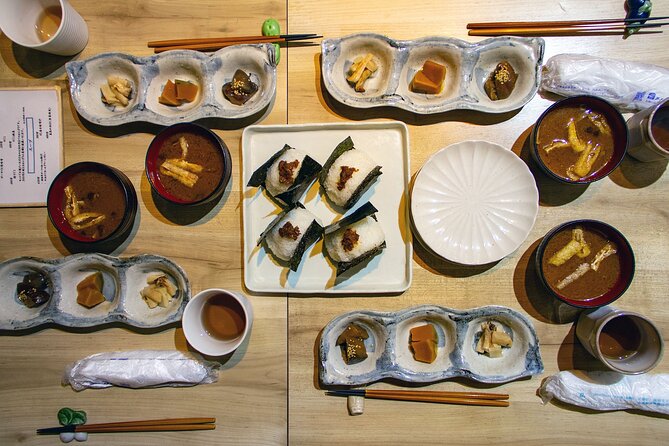
- The food keeps changing: Expect a broad mix that can include onigiri, unagi, pastries, red bean sweets, coffee, wine, and sake.
- The guide matters here: Kan, Michelle, Mairi, and Diana have led this experience, with particular praise for clear history lessons and warm, engaging conversation.
- You visit important religious sites: Nezu Shrine and the Nichika Shrine of Enju-ji Temple add context to Yanesen’s long life as a temple district.
- The group is capped at six: That is a real advantage on narrow lanes and inside small food shops.
- Plan for a long walking day: The tour lasts about six hours and includes several neighborhood sections, so comfortable shoes are essential.
Why Yanesen feels unlike central Tokyo
Tokyo is often presented through giant crossings, department stores, and high-rise districts. Yanesen offers a different picture: temple gates, modest homes, old shops, narrow alleys, and people carrying on with ordinary neighborhood life.
The name Yanesen combines Yanaka, Nezu, and Sendagi. These districts sit close together, but each contributes a slightly different feel to the day. Yanaka is strongly linked with temples and cemeteries. Nezu brings one of Tokyo’s oldest Shinto shrines. Sendagi adds the lived-in backstreet character that makes the area feel less staged for sightseeing.
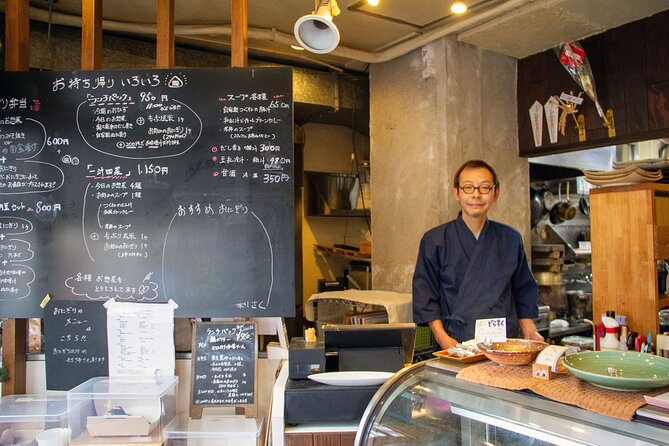
I like that this tour does not treat the neighborhood as a collection of photo stops. Food gives you a reason to pause and notice how the district works. A bite of grilled eel, a sweet made with red bean, or coffee in a retro setting becomes part of a larger lesson about Japanese habits, businesses, and local history.
The tour begins at 10:00 a.m. at Saint Marc Cafe near Sendagi Station and ends at Echigoya Honten in Yanaka. Private transportation is not included, so you should be ready to use Tokyo’s public transit to reach the meeting point and make your own way afterward.
If you're still narrowing it down, here are other tours in Tokyo we've reviewed.

Three hours through Yanaka’s temple lanes
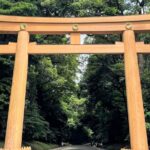
The longest part of the day is the roughly three-hour walk through Yanaka. This is where the tour’s historical side gets most of its room.
Yanaka was developed as a temple town during the Edo period. The wider Yanesen area has 117 temples, with 76 of them in Yanaka. That number helps explain why a simple walk here can reveal so many gates, graveyards, small sanctuaries, and temple buildings tucked beside ordinary streets.
You will not just hear dates and names. The useful part is learning why the neighborhood looks the way it does. Temples and cemeteries are not isolated museum pieces here. They shape the streets, open spaces, and quiet rhythm of the area.
The district also preserved more of its older feel after World War II than much of Tokyo. Narrow lanes and wooden townhouses survived alongside small shops and local food businesses. That makes Yanaka a good place for understanding Tokyo as a collection of neighborhoods rather than one giant urban machine.
The food stops give the walk a welcome pace. Instead of marching from landmark to landmark, you have reasons to stop, taste, and talk. The exact menu can vary, but the experience includes meals, snacks, coffee or tea, and alcoholic drinks. Food mentioned in connection with the day includes handmade onigiri, fresh unagi, nostalgic sweets, pastries, red bean treats, wine, and sake.
Do not read that list as a guaranteed course-by-course menu. It is better to think of it as the kind of range this experience is designed to provide. If you have strong dietary needs, ask before booking, since the supplied information does not give a detailed allergy or vegetarian policy.
Nezu Shrine and its early-Edo buildings
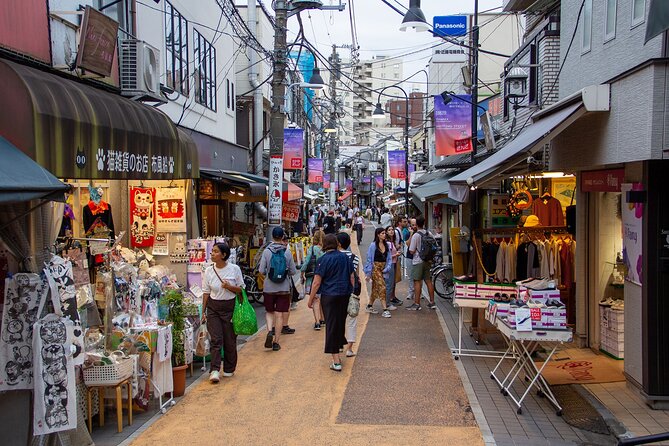
The stop at Nezu Shrine lasts about 30 minutes. That may sound brief, but it gives you a focused look at one of the area’s major religious sites without turning the entire day into a shrine tour.
Nezu is regarded as one of Japan’s oldest Shinto shrines. Its origins are said to reach back 1,900 years, while the current main structures date from the early 18th century. That contrast is useful: the sacred site has ancient roots, but what you see today belongs largely to the Edo period.
Your guide can help you notice the difference between a shrine as a place of worship and a shrine as a historic building complex. Details that might pass you by, such as the layout, gates, or ritual spaces, gain meaning when explained on site.
Half an hour is enough for an introduction, not a full study of every corner. If you want extended time for photographs or quiet reflection, you may find the schedule a little brisk. The tradeoff is that the tour keeps moving through three neighborhoods and leaves room for food stops.
A small shrine inside a former temple town
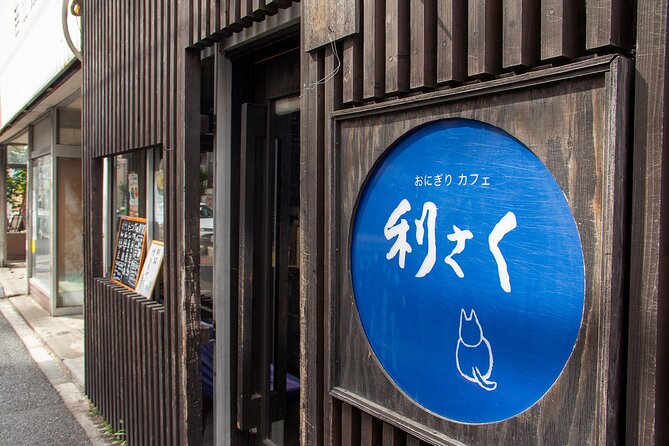
The Nichika Shrine of Enju-ji Temple receives another 30-minute visit. This stop reinforces the role of Yanaka as an Edo-period temple town and gives the day a less obvious religious landmark beyond the better-known Nezu Shrine.
The supplied details do not specify a large monument or a special ceremony here, so you should approach it as a local cultural stop rather than a major sightseeing attraction. Its value comes from the setting and the explanation. A guide can connect the shrine to the network of 117 temples across Yanesen and the 76 associated with Yanaka.
This is one of the places where a small group helps. In a group capped at six, you can hear the explanation in a narrow or quiet setting without the feel of a large organized outing. Guides have been praised for making temple and shrine visits interesting for adults and families alike.
Two hours in Sendagi, where ordinary life takes the lead
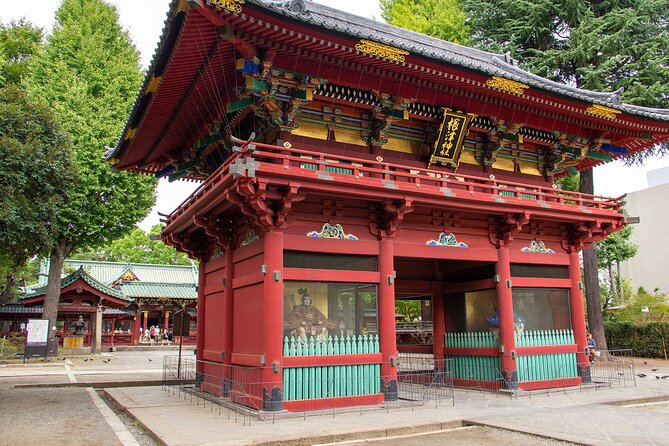
The final major neighborhood section is Sendagi, scheduled for about two hours. Sendagi is not simply a passage between larger attractions. It is part of what gives Yanesen its character.
Much of Tokyo changed after World War II, but Yanesen retained temples, cemeteries, wooden homes, narrow alleys, and older local businesses. In Sendagi, you get more of the everyday side of that survival. The streets are less about grand views and more about how homes, shops, shrines, and small food makers fit together.
This is also where the tour’s food theme can feel most grounded. You may enter old shops, meet people keeping traditional culinary practices alive, and taste foods that are connected to the neighborhood rather than selected only for visual appeal. The experience can include a drink in a converted bathhouse, a detail that captures the area’s habit of giving old spaces new life.
The coffee stop matters for the same reason. A retro kissaten is not just a place to take a break. It offers a window into an older style of Japanese cafe culture, with a slower mood than a modern chain. Coffee and tea are included, along with alcoholic beverages, so the day has room for both a morning start and later tasting stops.
Because Sendagi occupies about two hours of the schedule, you should not book this expecting a short food crawl. You are buying time to walk, listen, eat, and look closely at a neighborhood. If your priority is rapid sightseeing, the pace may feel too measured. If you enjoy local streets and context, this is one of the tour’s strongest features.

What you may eat and drink
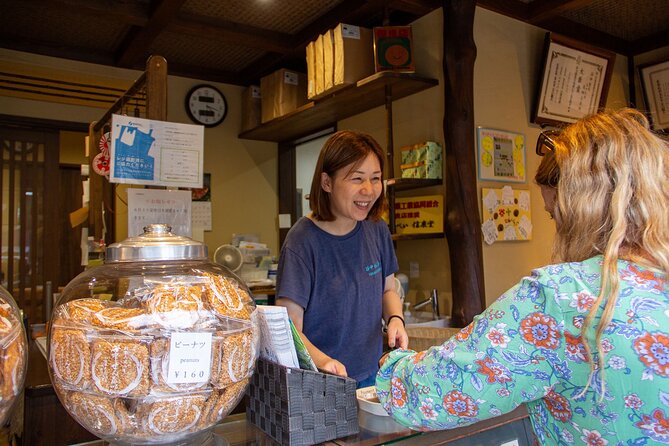
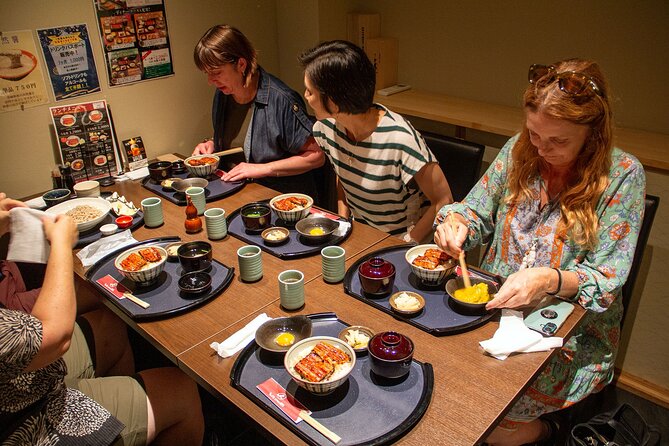
The included food is a major part of the price. The experience covers lunch, meals, snacks, breakfast, coffee or tea, and alcoholic beverages. That is unusually broad wording, but it signals that you should arrive expecting repeated tastings rather than one formal restaurant meal.
Handmade onigiri gives the day a simple, portable Japanese staple. Fresh unagi adds a more distinctive regional flavor and a chance to learn how a familiar dish fits into Japanese food culture. Sweets, pastries, and red bean provide a different side of the menu, especially for anyone curious about traditional Japanese desserts.
Sake and wine bring another layer, though the tour is not only about drinking. The strongest food lessons often come when a guide explains why a dish matters, how it is made, or where it fits in local life. The food becomes more memorable because it is connected to a shop, a neighborhood, or a person.
The range also makes this a useful first food experience in Tokyo. You can sample several categories without spending your own day researching individual stores. Still, $195 is not a bargain food walk if you measure value only by the number of bites. You are paying for the guide, the planning, the small group, and the cultural interpretation as well as the food.
The guide can shape the whole day
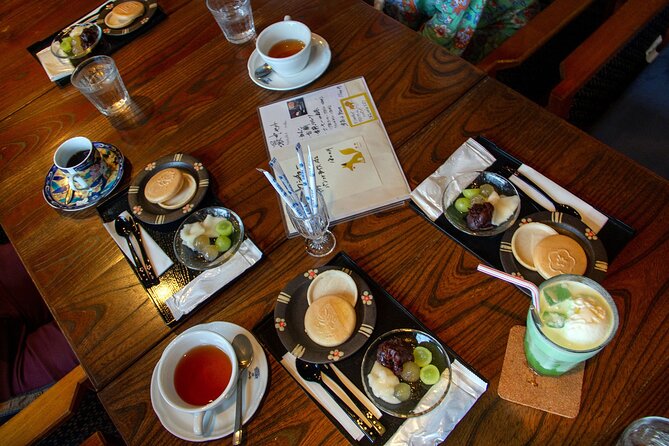
Several guides have led the tour, including Kan, Michelle, Mairi, and Diana. The most consistent strength is their ability to explain Japanese history and culture in a way that stays connected to what you are seeing and eating.
Kan has been praised for giving fascinating background while keeping a good balance between food, drinks, and history. Michelle brings a warm style and a strong grasp of the area’s historical side. Mairi is associated with family-friendly outings, shrine visits, food, and sake, and has been described as fun and helpful. Diana has also led the experience alongside Kan.
You cannot normally choose which of these guides leads your departure, so book this for the format and subject rather than one specific person. Still, the repeated emphasis on guide quality is important. In Yanesen, signs and explanations may not be available in the detail you want, and the difference between a quiet street and a meaningful cultural observation often comes from the person leading you.
The maximum of six people is another strong point. Small shops, backstreets, and temple spaces are easier to manage with a compact group. You also have a better chance to ask about unfamiliar foods, religious customs, architecture, and daily life.
Is $195 a fair price?
At $195 per person, this is a premium walking tour. I would not recommend comparing it with a standard two-hour sightseeing walk or a single lunch. The duration is about six hours, and the price includes multiple food and drink categories, a small group, and a guide who provides history and cultural explanation throughout the day.
The value is strongest for you if you want structure. Culinary Backstreets handles the route and food planning, takes you into places you might not find on your own, and links each stop to the neighborhood. You also avoid using half a day to guess which old shops are worth entering.
The value is weaker if you are mainly seeking cheap local meals or prefer to explore at your own pace. Tokyo has plenty of affordable food, and independent visitors can walk Yanaka and Nezu without paying an admission fee for the temples and shrines listed here.
The tour includes no private transportation, but the start is near public transit and Sendagi Station. The finish is at Echigoya Honten in Yanaka, so you will need to plan onward travel from there. The mobile ticket is convenient, but the real practical issue is footwear and stamina. Six hours of walking with food stops still adds up.
Who will enjoy this Yanesen walk?
I would recommend it to first-time Tokyo visitors who want more than the standard central districts. It also suits returning visitors who have already seen the major city sights and want a neighborhood day with a strong food focus.
Families can fit the format, and the small group makes questions easier. The day includes both child-friendly discoveries and adult drinks, though the long duration means you should judge your own family’s walking tolerance.
Food-focused visitors will appreciate the variety, but you do not need to be an expert eater. The tour is designed to explain what you are tasting, making it a good choice if you want help with unfamiliar Japanese dishes.
I would be cautious about booking if you have limited mobility, since the experience is a long walking tour and no private transportation is included. The available information says most people can participate, but it does not provide a detailed accessibility description.
You can cancel for a full refund up to 24 hours before the start time. Changes made within 24 hours are not accepted, and late cancellations are not refunded. The tour also depends on good weather and a minimum number of participants. If the operator cancels for either reason, you are offered another date or experience, or a full refund.
Should you book it?
Book this tour if you want old Tokyo explained through its food, streets, shrines, and small businesses. The strongest reason to go is the combination: you are not only eating, and you are not only looking at temples. You are learning why Yanesen still feels different from much of Tokyo while tasting the foods that keep its local character alive.
Skip it if you want a cheap, fast food crawl or a self-guided afternoon. At $195, the tour needs to deliver more than snacks, and its value depends on your interest in history, conversation, and a carefully planned route. For the right visitor, the small group and six-hour format make Yanesen much easier to understand and enjoy.
FAQ
Where does the tour begin?
It begins at 10:00 a.m. at Saint Marc Cafe near Sendagi Station, at 2-chome 32-6 Sendagi, Bunkyo City, Tokyo 113-0022.
Where does the tour end?
The tour ends at Echigoya Honten, 3-chome 13-2 Yanaka, Taito City, Tokyo 110-0001.
How long does the experience last?
The tour lasts approximately six hours.
How many people can join?
The maximum group size is six people.
What food and drinks are included?
The experience includes lunch, meals, snacks, breakfast, coffee or tea, and alcoholic beverages. Foods connected with the tour include onigiri, unagi, pastries, red bean sweets, and other local tastes.
Is private transportation included?
No. Private transportation is not included. The meeting point is near public transportation and Sendagi Station.
Can I cancel for a full refund?
Yes. You can cancel at least 24 hours before the local start time for a full refund. Cancellations or changes made less than 24 hours before the start are not accepted for a refund.
More tours in Tokyo we've reviewed







Tokyo, compared.
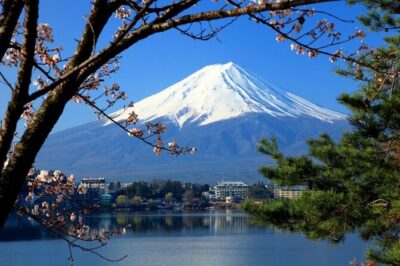 ★ 5.0Mt Fuji and Hakone 1-Day Bus Tour Return by Bullet TrainFrom $163
 ★ 5.01-Day Tokyo Bus TourFrom $129
 ★ 4.6Tokyo: teamLab Planets TOKYO Digital Art Museum Entry TicketFrom $251 day
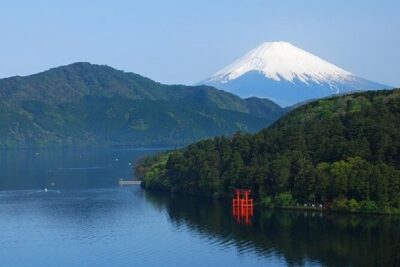 ★ 4.0Mt Fuji & Hakone Cruise, Drum Show Bullet Train 1 Day from TokyoFrom $149
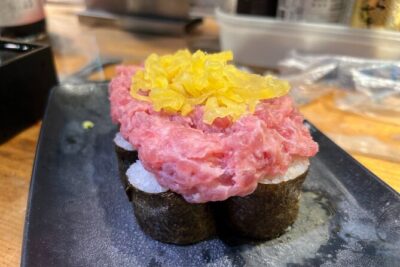 ★ 5.0Tokyo: Shinjuku Food Tour (13 Dishes at 4 Local Eateries)From $86
 ★ 4.4Tokyo Mt Fuji 5th St & Hakone Cruise Bus Tour w/Bullet TrainFrom $15410 hours