
Reviewed · SHIBUYA TOURS
Tokyo: Matcha Tea Ceremony Experience in Shibuya
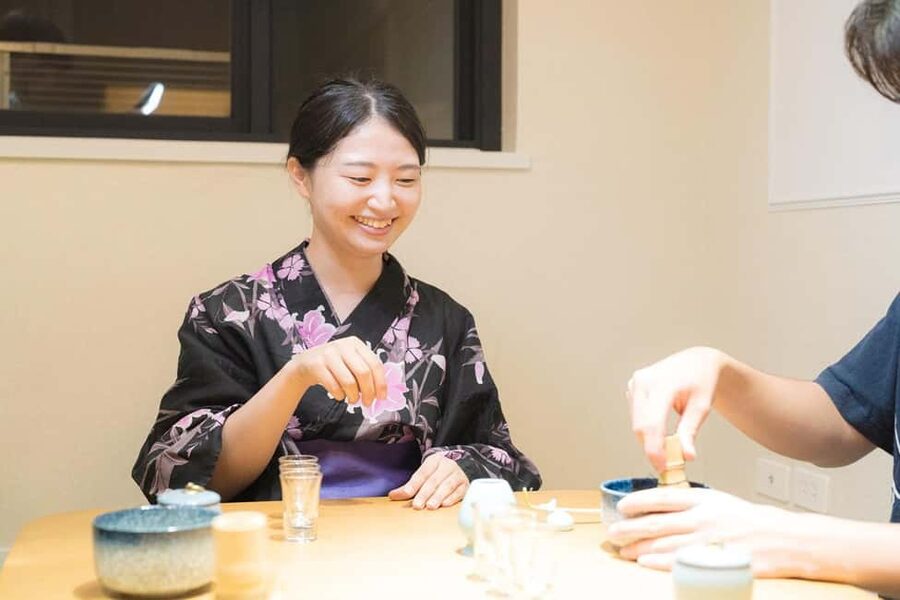
The best part of this Shibuya experience is that you do not just watch someone prepare matcha. You make your own tea, with a local teacher guiding each step, then compare several Japanese teas with small traditional sweets. It is a calm way to meet Japanese culture without committing half a day to a formal ceremony.
I like the small group of up to 10 people, which leaves room for questions and personal help. I also like that the English-speaking teacher, Taku, has been praised for being warm, well prepared, and easy to understand. The main consideration is its one-hour length: this is an introduction to tea culture, not a full, highly formal ceremony.
In This Review
- Key points at a glance
- Why this one-hour tea lesson works in Shibuya
- Meeting the teacher at the Okazaki Building
- Starting with Japanese tea traditions
- Tasting several teas with traditional sweets
- Making your own matcha
- What the small-group format adds
- A calm break from Tokyo’s fast pace
- Is $30 a fair price?
- Who should book this experience?
- Planning the hour around your day
- Should you book this Shibuya tea ceremony?
- FAQ
- How long does the matcha tea ceremony experience last?
- Where is the meeting point?
- Is the activity conducted in English?
- What is included in the price?
- How many people can join the activity?
- Can I cancel or pay later?
Key points at a glance
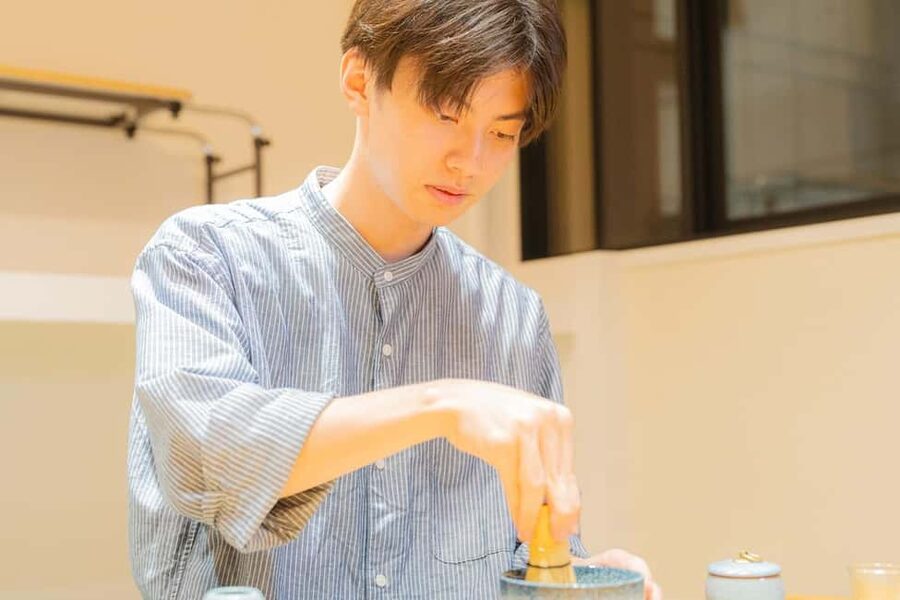
- Whisk your own matcha: Learn the basic tools, motions, and manners with step-by-step help.
- Taste several Japanese teas: Compare differences in flavor, aroma, and presentation rather than drinking only one cup.
- Traditional sweets are included: Each sweet is chosen to complement the tea being served.
- Taku teaches in English: The session combines practical instruction with stories about Japanese tea customs and history.
- Small and accessible: Groups are limited to 10, and the activity is wheelchair accessible.
- Flexible booking: The price is $30 per person, with free cancellation up to 24 hours before the start time.
Why this one-hour tea lesson works in Shibuya
Shibuya is famous for giant screens, crowded crossings, shopping, and late-night energy. This activity gives you a different side of the district. For one hour, the focus shifts from speed and noise to careful movements, quiet attention, and the taste of tea.
That contrast is the point. You do not need to travel far from central Tokyo or reserve an entire afternoon to get a thoughtful introduction to Japanese tea culture. The session is short enough to fit before dinner, between sightseeing stops, or into a first day when jet lag has you moving at half speed.
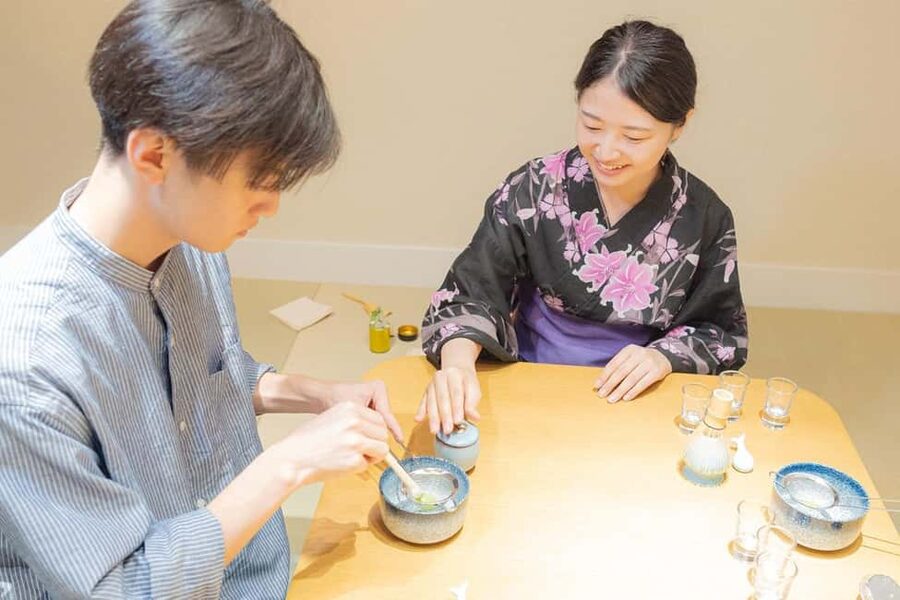
I especially like the hands-on format. A demonstration can be pleasant, but it can also leave you wondering what you were supposed to notice. Here, you handle the tea tools and prepare matcha yourself. The teacher can explain what to do as you go, which makes the customs easier to remember.
The atmosphere is described as calm and welcoming rather than stiff. That matters if you are new to tea ceremony manners. You can ask questions, follow along, and learn without feeling that one wrong movement will bring the room to a halt.
A few more Tokyo tours and experiences worth a look


Meeting the teacher at the Okazaki Building
Your meeting point is in front of the Okazaki Building entrance, with a vending machine next to it. That is a useful landmark in a city where building entrances can otherwise blend together.
You will want to check the exact starting time when booking, since the activity runs at set times based on availability. Arrive with enough time to find the building and identify the entrance. The supplied meeting information is simple, so having the building name ready on your phone will help.
The instruction is in English. Taku is identified as the teacher and host, and he has been praised for speaking excellent English and arriving well prepared. That is important here because tea ceremony is built around small details. Clear explanations make the difference between simply copying a motion and understanding why you are doing it.
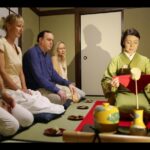
The group limit is 10 people. That is not a private lesson, but it is small enough for a teacher to keep an eye on the process. If you have never used a bamboo whisk or handled matcha properly, personal guidance is worth more than a grand setting.
Starting with Japanese tea traditions
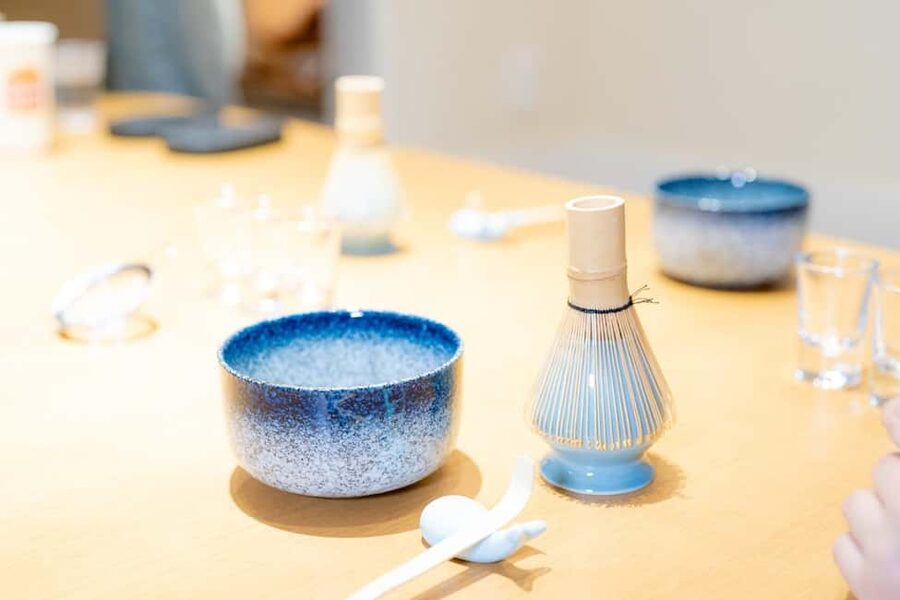
The session begins with an introduction to the tea tradition and its place in Japanese culture. You learn about the basic manners of serving and receiving tea, along with the meaning behind the careful order of the actions.
This cultural background keeps the activity from becoming a simple drink-making class. Tea ceremony is not only about taste. It also concerns presentation, hospitality, attention, and respect for the person sharing the tea with you.
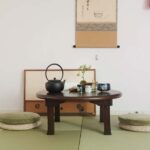
You will be shown the tools used for the ceremony. The experience includes the equipment, tea leaves, and a small sweet, so you do not need to bring special items or prepare anything in advance. The teacher explains how each item is used and helps you understand what to watch for during preparation.
Do not expect a long academic lecture. The activity lasts one hour, so the history section needs to stay focused. That is a good fit if you want useful cultural context without a formal classroom session. If your main interest is the complete history of tea schools or advanced ceremony rules, you will need a longer class elsewhere.
Tasting several teas with traditional sweets
The tasting portion adds real value. Instead of treating matcha as one fixed flavor, you get the chance to taste several kinds of carefully prepared Japanese tea.
You will be guided to notice differences in taste, aroma, and appearance. Those changes can seem subtle at first, especially if you are used to tea bags or sweetened drinks. The teacher’s explanations give you a way to pay attention beyond simply deciding if you like a cup.
Small traditional sweets are served with the tea. They are not just a decorative extra. Sweetness can balance the sharper or more grassy notes of tea and help you notice how food changes the drink’s flavor.
This pairing also introduces an important part of Japanese hospitality. Tea is presented as a complete experience, not just a beverage poured into a cup. The look of the tea, the order of service, and the accompanying sweet all play a role.
I would approach this part with curiosity rather than expecting a large tasting menu. The information promises several teas and a little sweet snack, not a full meal. Have lunch or dinner separately if you need something substantial.
Making your own matcha
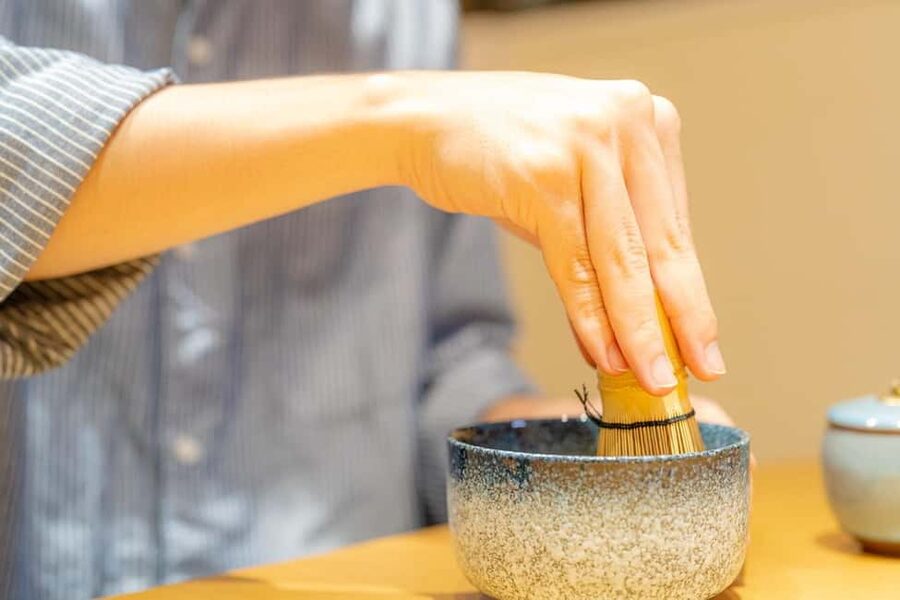
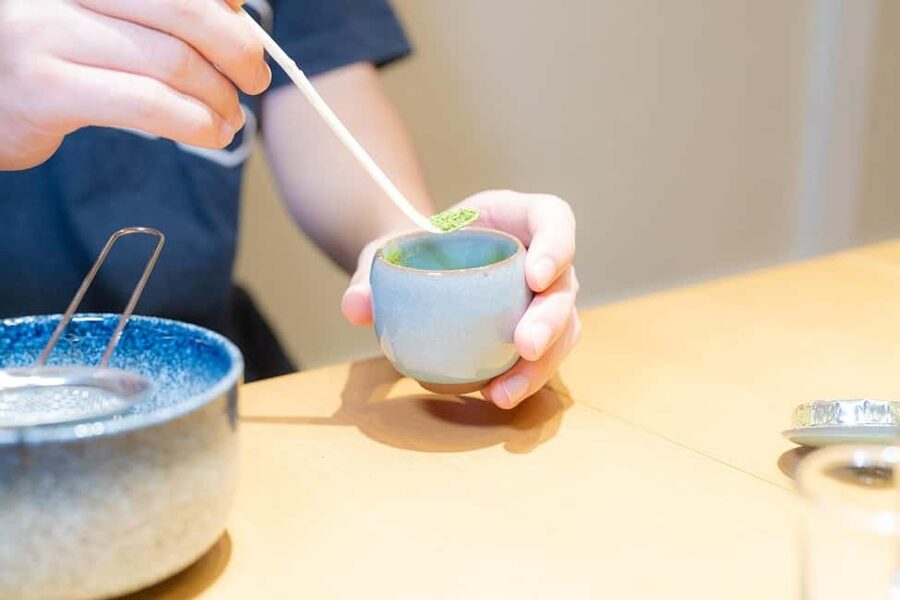
The practical centerpiece is preparing your own matcha. You will receive step-by-step guidance as you learn the basic motions and manners of serving tea.
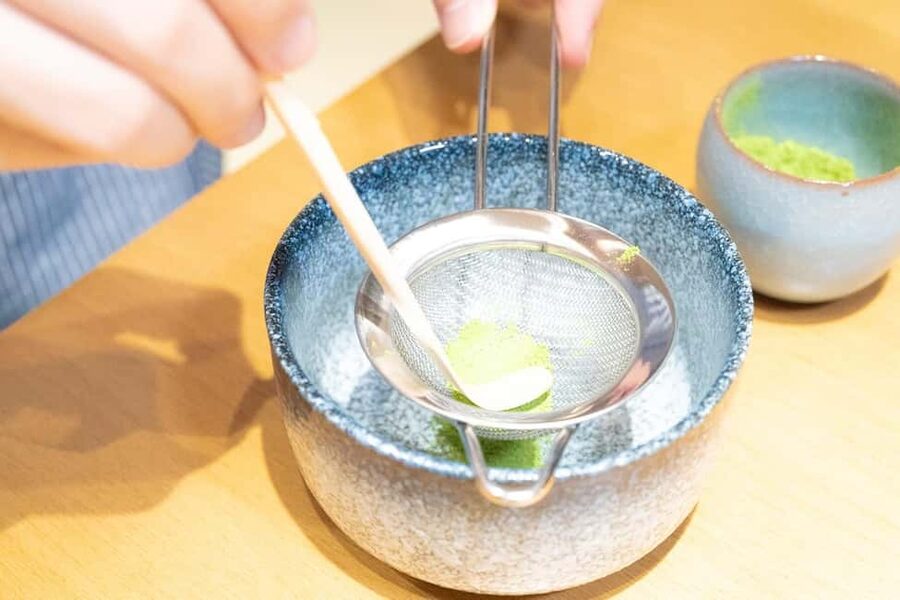
Matcha preparation looks simple until you try it. The tools are familiar in outline but require a little care, and the whisking motion is not quite the same as stirring a normal cup of tea. Having a teacher nearby keeps the process relaxed and gives you a chance to ask about technique.
The value is not in producing a perfect bowl. It is in understanding the care that goes into the drink. You see how a few tools, carefully handled, can turn preparation into a ritual rather than a rushed task.
This is also the most engaging part for people who like to learn by doing. Children and adults who enjoy craft workshops, food experiences, or cultural demonstrations should find the format approachable. The activity is also suitable for a first-time participant, since the instructions begin with the basics.
You should expect guidance, not a test. The welcoming tone means you can concentrate on the steps and enjoy the process instead of worrying about doing everything exactly like a tea master.
A few more Tokyo tours and experiences worth a look


What the small-group format adds
A maximum of 10 participants gives the class a friendly scale. You are likely to share the activity with other people, but the group is limited enough that the session should not feel like a large demonstration.
Small groups are particularly useful for the matcha preparation. Everyone needs to see the tools, follow the motions, and receive instructions. A packed room could make those steps harder to follow. Here, the teacher has a better chance of answering questions and correcting technique when needed.
There is a tradeoff. A small group is still a group, so you will not have the entire hour devoted only to your interests. If you want a private ceremony or a highly formal setting, this activity may feel too casual.
For most first-time participants, though, the shared format is part of the charm. You can learn alongside other curious people, compare your tea-making attempts, and enjoy a low-pressure cultural activity in the middle of Tokyo.
A calm break from Tokyo’s fast pace
The atmosphere is one of the main reasons to choose this experience. Tea ceremony asks you to slow down and pay attention to small actions. That makes the hour feel different from the usual Shibuya routine.
You learn to notice the tea’s scent, the look of the foam, the movement of the whisk, and the way a sweet changes the next sip. None of this requires special expertise. It simply asks you to stop rushing for a while.
That calm mood will appeal to you if you have spent the day crossing busy streets, shopping, or visiting crowded sights. It is also a good choice for a rainy afternoon, when you want an indoor activity with a clear cultural focus.
The setting is described as traditional and welcoming, but the supplied information does not promise a historic teahouse or a large ceremonial garden. Keep your expectations sensible. The strength of this experience is the instruction and participation, not a grand architectural backdrop.
Is $30 a fair price?
At $30 per person, the experience is reasonably priced for a one-hour guided cultural activity in Tokyo. Your fee covers expert instruction, the tea tools, several tea selections, a traditional sweet, and photos shared at the end.
The hands-on element makes the price easier to justify. You are not paying only to sit and watch a prepared performance. You are learning the basic process, tasting different teas, and receiving explanations in English.
The photos are a pleasant extra. They give you a record of the activity without asking you to stop handling the tea tools to take pictures. Still, I would treat them as a bonus rather than the main reason to book.
The short duration keeps the cost down and makes the activity easy to fit into a busy itinerary. On the other hand, you are paying for an introduction. If you want a longer tasting, advanced preparation methods, or a formal ceremony with more elaborate rules, $30 will not buy all of that in one hour.
Who should book this experience?
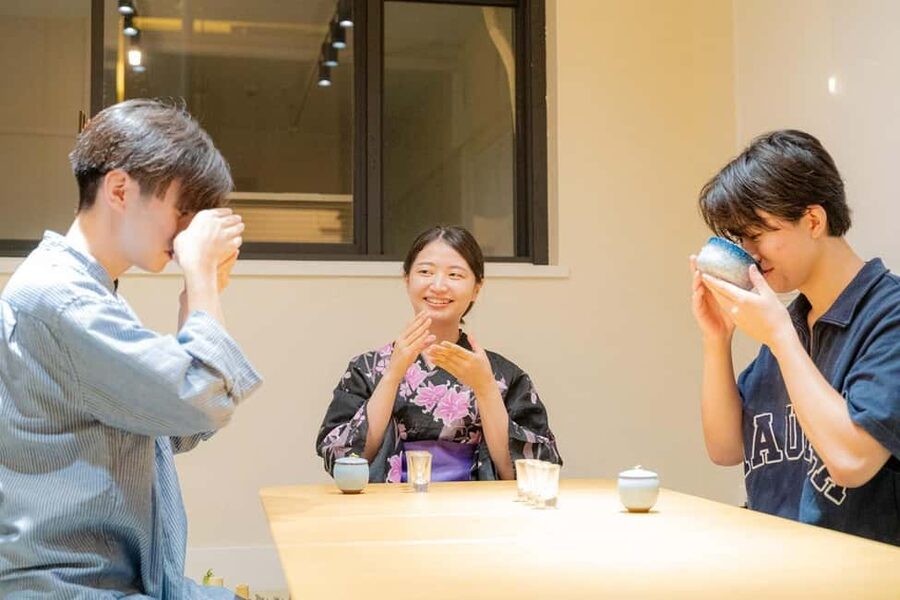
I would recommend it most strongly to first-time visitors who want a clear and friendly introduction to Japanese tea culture. You get history, etiquette, tasting, and hands-on preparation in a compact session.
It also suits you if you enjoy food and drink experiences but prefer something quieter than a cooking class or market tour. The tea pairings and comparison of several varieties give the hour a sensory focus.
Families and mixed-age groups may find the practical format easier than a silent formal ceremony. The teacher speaks English, and the activity is wheelchair accessible, which removes two common barriers for international visitors.
Tea enthusiasts should also find value here, especially if you want to understand Japanese preparation rather than simply buy matcha drinks. Just remember that this is a basic class. It is not presented as advanced training.
You may want to skip it if you are looking for a long, highly ceremonial event or if your schedule is already packed with one-hour stops. The experience works best when you can give the tea, the teacher, and the quiet pace your full attention.
Planning the hour around your day
Because the session lasts only one hour, it is easy to place into a Tokyo itinerary. You could schedule it before a meal, after a morning of sightseeing, or during a break from Shibuya shopping.
Try not to book it at the exact edge of another reservation. The activity itself is one hour, but you still need time to reach the Okazaki Building entrance and find the vending machine landmark. Tokyo transit and city navigation can turn a simple connection into a small adventure.
You can reserve now and pay later, which is useful if your schedule is still changing. Free cancellation is available up to 24 hours in advance for a full refund. Those terms give you some breathing room, though you should still confirm the start time and meeting details before setting your day around it.
The activity is offered in English and is limited to 10 participants. Since availability varies by starting time, check the booking calendar before assuming it will fit a particular morning or evening.
Should you book this Shibuya tea ceremony?
Book it if you want to make matcha yourself, taste several teas, and learn the basic meaning behind Japanese tea manners without giving up half a day. The combination of Taku’s clear English guidance, a small group, traditional sweets, and a calm setting gives you good value for $30.
Skip it if your priority is a grand historic venue, a lengthy formal ceremony, or advanced tea training. For most visitors, this is best understood as a friendly first lesson, not the final word on Japanese tea culture. That is also its strength: it is short, practical, and welcoming enough to fit almost any Tokyo plan.
FAQ
How long does the matcha tea ceremony experience last?
The activity lasts one hour. Starting times vary, so check availability when booking.
Where is the meeting point?
Meet the instructor in front of the Okazaki Building entrance. A vending machine is next to the entrance.
Is the activity conducted in English?
Yes. The instructor speaks English, and the activity is offered in English.
What is included in the price?
The experience includes one hour of expert guidance, tea ceremony tools, selected tea leaves, a small sweet snack, and photos shared at the end.
How many people can join the activity?
It is a small-group experience limited to 10 participants.
Can I cancel or pay later?
You can cancel up to 24 hours in advance for a full refund. You can also reserve now and pay later, keeping your plans flexible.
More Tea Ceremony & Matcha in Tokyo
More Shibuya Tours in Tokyo



More tours in Tokyo we've reviewed











Shibuya Tours, compared.
 ★ 5.0Official Street Go-Kart in ShibuyaFrom $76
 ★ 4.9Tokyo: Street Kart Experience in ShibuyaFrom $741 hour
 ★ 5.0Shibuya Meltdown Nightlife Tour: All-You-Can-Drink Bar HoppingFrom $106
 ★ 5.0Shibuya Official Street Go-Kart in Shibuya AnnexFrom $69
 ★ 5.0Tokyo: Shibuya Food Tour (13 dishes and 4 Eateries)From $77
 ★ 5.0Best of Shibuya Food TourFrom $217