
Reviewed · GUIDED
Tokyo: Tokyo Private Day Tour With Guide
Tokyo is a city that can wear you out before you understand it. This private 10-hour tour solves that problem by linking old Tokyo, pop-culture Tokyo, food-focused Tokyo, and the big-city view from Skytree in one well-managed day. Moon and Imran are frequently assigned guides, and both are praised for clear English, local explanations, and a relaxed manner.
I like the private vehicle, especially for families, older adults, and anyone visiting during Tokyo’s hot or rainy seasons. I also like the freedom to adjust the day: past groups have added anime stops, changed lunch plans, stayed longer at favorite sights, and arranged a different drop-off. The tradeoff is cost. At $709 for up to five people, this is good value for a full group, but expensive for one or two people, and eight major stops can make the day feel full.
In This Review
- Key points at a glance
- A smart way to meet Tokyo in one day
- Tsukiji Outer Market: Tokyo’s tastiest first hour
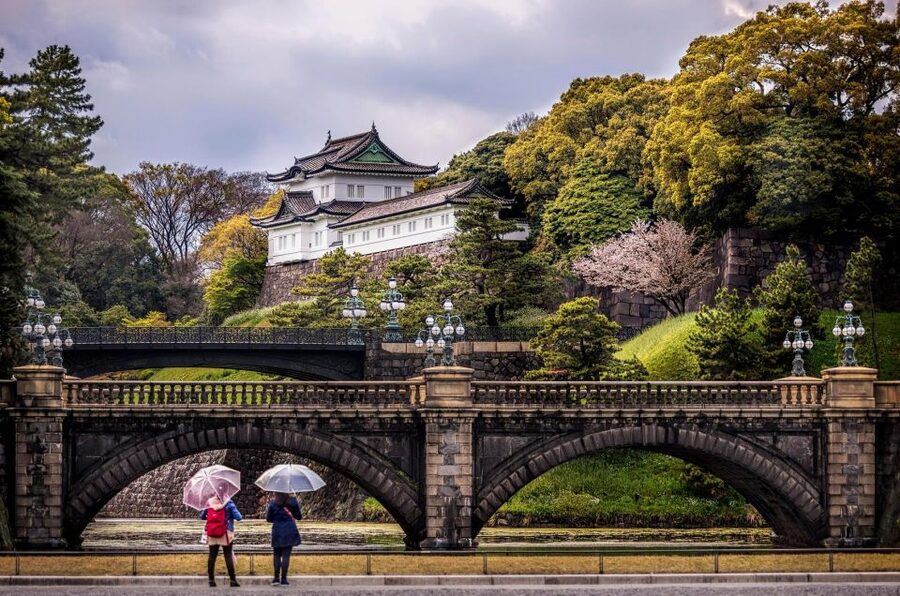
- Imperial Palace East Gardens: Edo walls in a quiet setting
- Asakusa and Senso-ji: Tokyo’s most approachable temple stop
- Tokyo Skytree: a paid view with a useful payoff
- Meiji Jingu: forest paths beside the city
- Takeshita Street: Harajuku’s concentrated dose of youth culture
- Shibuya Crossing: a short stop with a big Tokyo moment
- Akihabara Electric Town: a strong finish for pop-culture fans
- What the $709 price really buys
- Timing, comfort, and small practical details
- Who should book this Tokyo day tour?
- Should you book it?
- FAQ
- How long does the private Tokyo tour last?
- How many people can join for $709?
- Is hotel pickup included?
- Can I be picked up at an airport or cruise terminal?
- Is Tokyo Skytree admission included?
- Is lunch included?
- What language is spoken on the tour?
Key points at a glance
- Tsukiji starts the day with food: Sample sushi, grilled seafood, tamagoyaki, and other market snacks while Tokyo’s culinary side wakes up.
- The route covers old and new Tokyo: Senso-ji and Meiji Shrine share the day with Akihabara, Harajuku, Shibuya, and Tokyo Skytree.
- Private transport saves energy: Air-conditioning, WiFi, bottled water, parking, and hotel pickup help you avoid repeated train transfers.
- The schedule can bend: You can ask to linger, skip a stop, add a personal interest, or adjust the final drop-off.
- The group limit keeps it personal: The $709 rate covers up to five people, making the math much better for a family or small group.
- Lunch and Skytree admission cost extra: Budget separately for food and the 350-meter or 450-meter observation levels.
A smart way to meet Tokyo in one day
This is not a slow neighborhood walk. It is a broad city sampler, built for a first full day when you want orientation as much as sightseeing.
You will cross Tokyo several times, from Tsukiji and the Imperial Palace area to Asakusa, then west toward Meiji Shrine, Harajuku, and Shibuya, with Akihabara also included. The private car matters because Tokyo’s sights are spread across different districts, and the day includes hotel pickup and return within the 23 wards.
The tour is private for your group, with transport supplied and an English-speaking driver. Some bookings also use a separate personal guide, which past groups considered worthwhile because the guide joins you at the sights and explains what you are seeing. Confirm the exact guide arrangement when booking, since the included service description identifies an English-speaking driver while several bookings describe both a driver and a personal guide.
The strongest part of the service is its human flexibility. Moon, Imran, Ahmad Imran, and Danish are named in the feedback, with repeated praise for timely communication, patience, cultural explanations, and help with practical tasks such as restaurant reservations, shopping, and translation. That can be especially useful during a first visit, when a simple question about temple behavior or a food order may save you time and confusion.
Other guided tours in Tokyo

Tsukiji Outer Market: Tokyo’s tastiest first hour
Tsukiji Outer Market is a lively opening stop and one of the best places to get an immediate sense of Tokyo’s food culture.
The former wholesale fish market has moved, but the outer market remains a popular place for seafood shops, small restaurants, produce sellers, and snack counters. Here, your one-hour visit is built around tasting and wandering rather than a formal museum-style tour. You might try sushi, oysters, grilled seafood skewers, tamagoyaki, or other local snacks, depending on what catches your eye.
Bring cash. Some small food sellers may not accept every form of payment, and the tour specifically advises carrying it. Lunch is not included, so keep your appetite and budget in mind. A one-hour stop gives you enough time to sample several things, but not enough for an unhurried meal and a long browse through every lane.
This is a good place to tell your guide about food allergies or dietary needs. Do that before the tour, not when you are already standing at a counter. The provider also asks you to share other requirements, such as a child seat, in advance.
Imperial Palace East Gardens: Edo walls in a quiet setting
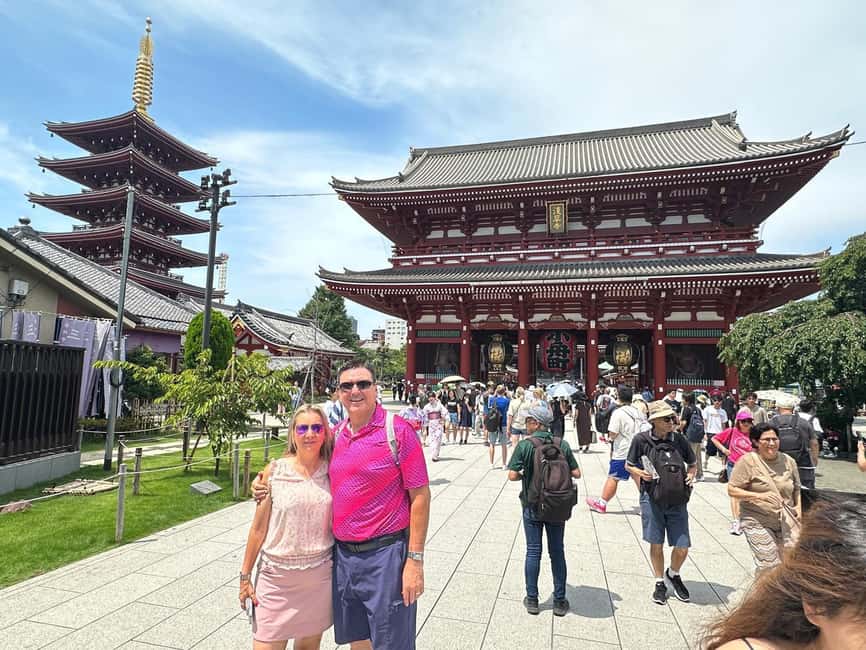
After the market, the East Gardens of the Imperial Palace provide a useful change of pace.
The gardens occupy part of the former Edo Castle grounds. You can walk beside moats and old stone walls, see remnants of the castle, and pause for seasonal flowers and open views. It is less about entering the private palace itself and more about seeing how Tokyo’s imperial center developed from the power base of the shoguns.
I would use this hour for photos and a short walk, not for a rushed march through every path. The gardens offer calm, but they are still an outdoor stop, so comfortable shoes and weather-ready clothing matter. If the day is hot, the air-conditioned vehicle becomes a welcome break between sights.
Asakusa and Senso-ji: Tokyo’s most approachable temple stop
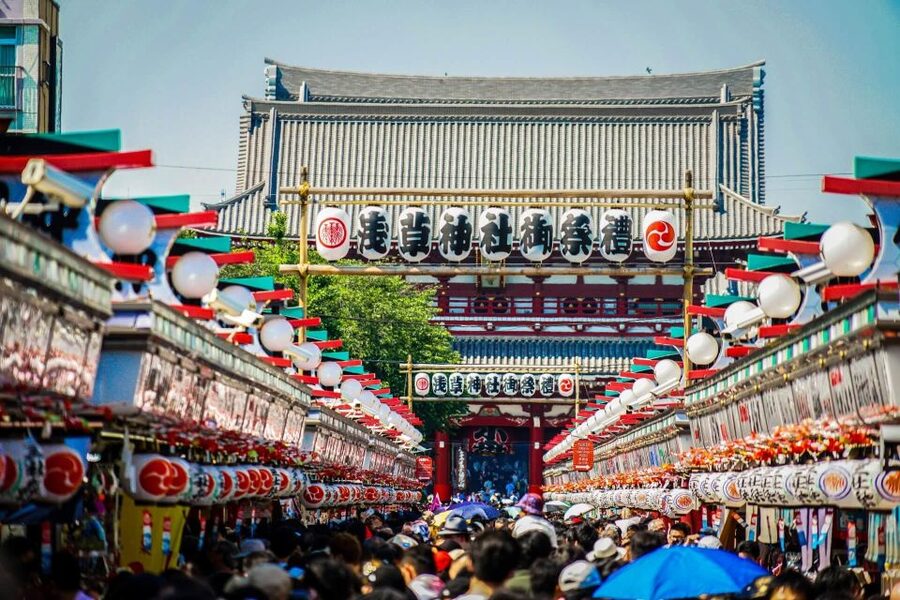
Asakusa is where the tour makes traditional Tokyo easiest to understand.
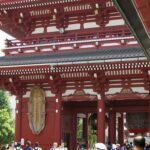
You enter Senso-ji through Kaminarimon Gate, marked by its huge red lantern, then follow Nakamise Street toward the temple. The approach is lined with shops selling snacks, small gifts, and traditional-style goods. It can be crowded, but that is part of the experience. You are seeing a working religious and shopping district, not a quiet monument sealed away from daily life.
At the temple, you can observe incense burning, prayer, and the steady flow of local worshippers. Take a moment to watch what people do before joining in. Your guide can explain basic customs and the meaning of the temple buildings without turning the visit into a lecture.
The stop includes time for lunch, street food, shopping, and photography. Since lunch is not included, you can choose a full meal here, eat lightly at Tsukiji, or save your main meal for the Skytree complex or Takeshita Street. That choice is one of the small advantages of a private day: you do not have to follow a fixed restaurant booking.
Tokyo Skytree: a paid view with a useful payoff
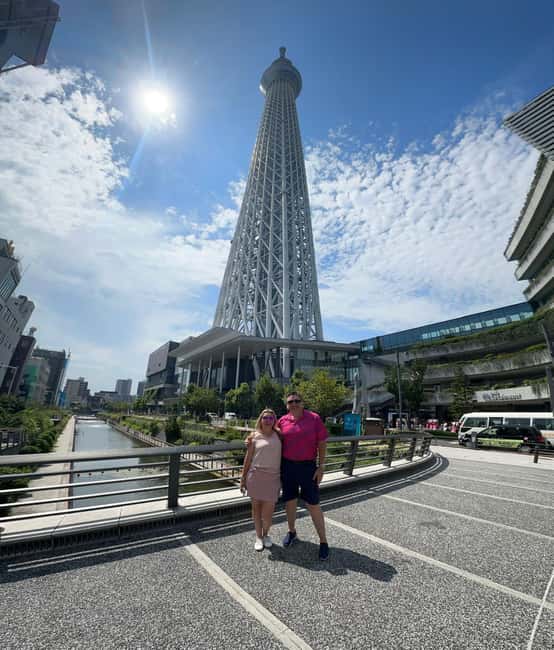
Tokyo Skytree is the day’s major ticketed attraction and the place to see how far Tokyo spreads.
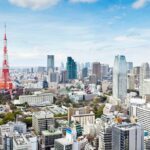
At 634 meters, it is Japan’s tallest tower. The paid observation areas listed for this experience are the Tembo Deck at 350 meters and the Tembo Galleria at 450 meters. Admission is not included, so check the current price and decide how much viewing time your group wants before you arrive.
On a clear day, Mount Fuji may be visible. Do not build your whole day around that possibility, since haze and weather can erase the view. Even without Fuji, the tower gives you a strong sense of Tokyo’s scale, from dense central districts to the broader urban sprawl beyond.
Skytree Town also offers shopping and dining. The stop is practical for groups with mixed interests because not everyone has to spend the entire hour at the observation decks. If you are watching expenses, you can enjoy the complex without adding every optional purchase.
Other private tours in Tokyo

Meiji Jingu: forest paths beside the city
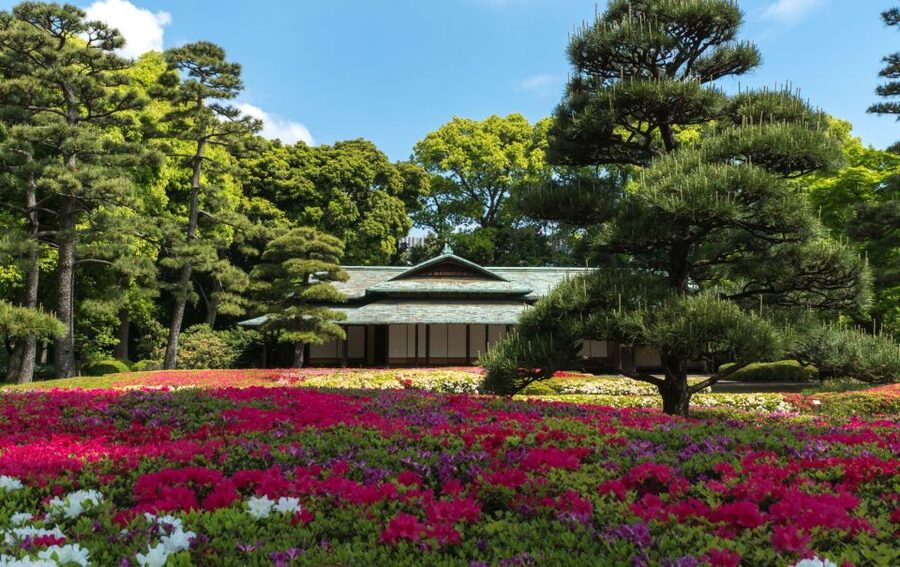
Meiji Jingu feels far removed from Harajuku, even though the two stops sit next to one another.
The shrine honors Emperor Meiji and Empress Shōken and is reached through large torii gates and wooded paths. The setting gives you a quieter look at Shinto practice after the high-rise views and commercial districts earlier in the day.
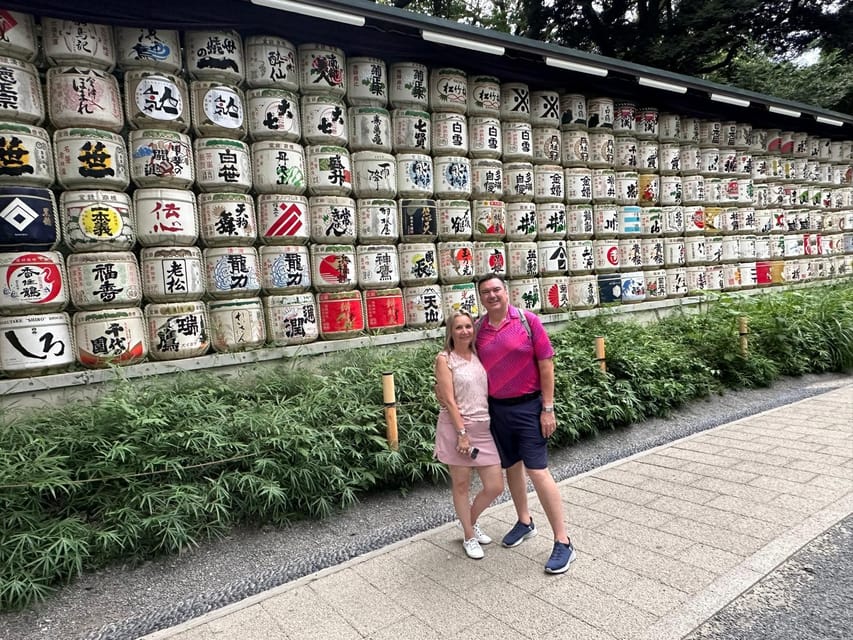
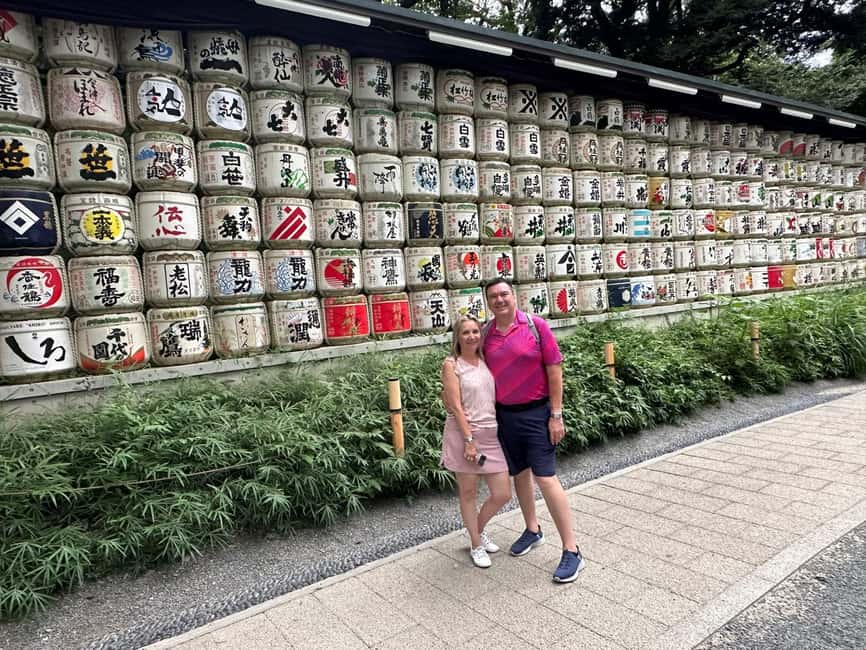
You may see people offering prayers or taking part in traditional rituals. Keep your voice low near the shrine buildings and follow your guide’s lead on where to stand and what to do. The grounds are best enjoyed at a steady walking pace, with time to notice the forest, sake barrels, gates, and ceremonial details.
This stop can be particularly good for children who need a calmer hour, though the walking surface and distance may still matter for anyone with mobility limits. Groups with reduced walking ability have been accommodated, but you should explain those needs before the pickup.
Takeshita Street: Harajuku’s concentrated dose of youth culture
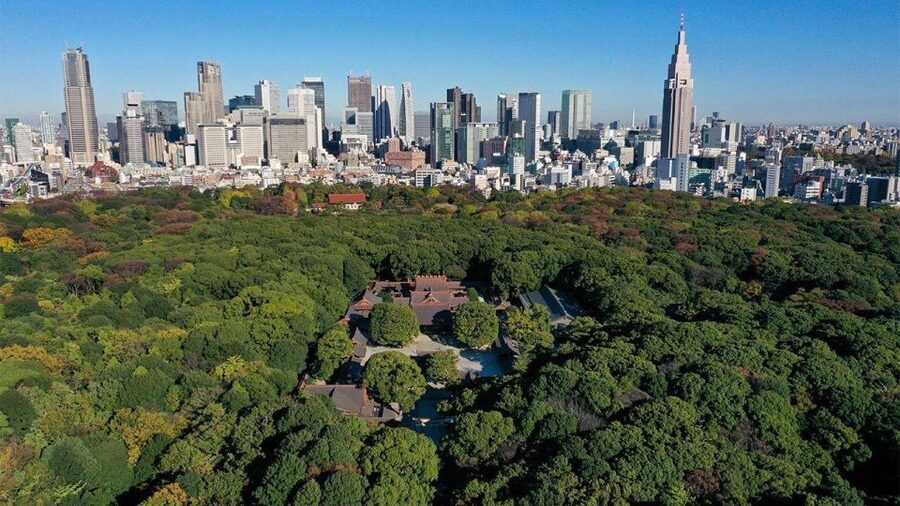
Takeshita Street is Tokyo turned up loud and playful.
The narrow shopping street is known for youthful fashion, novelty shops, colorful treats, and quirky cafés. Crepes are the classic snack, while themed animal cafés may appeal to families and curious first-time visitors. The available description mentions cafés featuring cats, dogs, hedgehogs, and other animals, but the exact options and admission costs can change, so treat these as possibilities rather than promises.
You should expect crowds and a great deal of visual stimulation. It is not the place for a quiet stroll. Instead, give yourself permission to browse, sample something sweet, and watch the parade of styles around you.
This is also a useful stop to customize. One family added a capybara visit for a child, while another group focused on shopping and food. Tell the guide what your group actually enjoys. Harajuku works best when you use the time for a specific interest instead of trying to inspect every shop.
Shibuya Crossing: a short stop with a big Tokyo moment
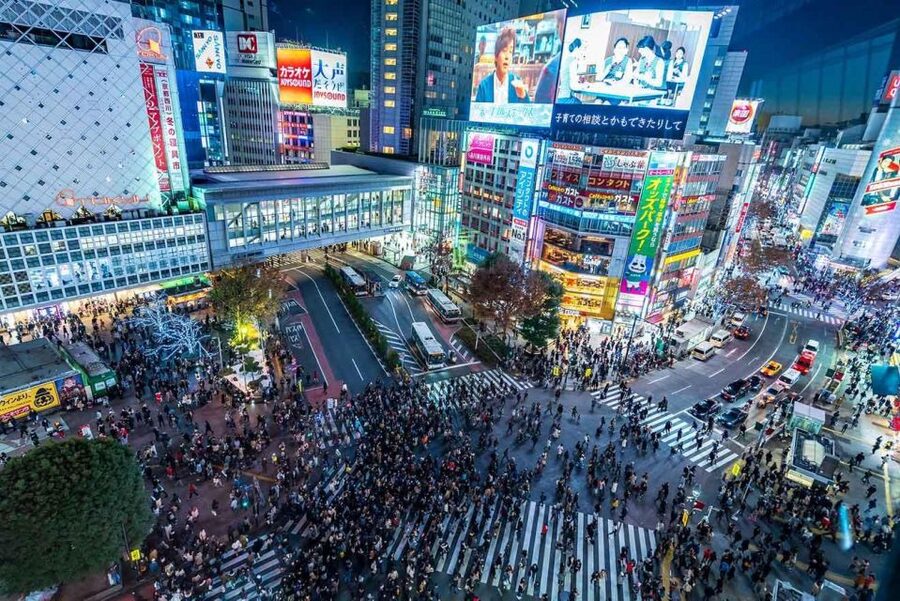
The Shibuya Crossing visit is listed at 30 minutes, which is enough for the basic experience.
When the signals change, pedestrians move across the intersection from several directions beneath giant screens and neon advertising. The famous scene is quick, visual, and easy to photograph, but the larger value is watching how Tokyo handles enormous crowds with order and purpose.
Your guide can point out useful photo positions and help you orient yourself around the surrounding shops and restaurants. If Shibuya is a priority, ask whether you can spend extra time here by trimming another stop. The crossing itself does not need an hour, but the district can easily absorb one if you want shopping or dinner afterward.
Some groups have arranged a final drop-off away from their hotel to continue evening plans. Do not assume that every alternate drop-off is included, but ask in advance if you want to end near a restaurant, station, or another Tokyo address.
Akihabara Electric Town: a strong finish for pop-culture fans
Akihabara brings the day into Tokyo’s electronic and anime center.
The district is known for electronics shops, anime and manga stores, arcades, gacha machines, claw games, and themed cafés. It can be a highlight for children and teenagers, but adults who have no interest in Japanese pop culture may prefer more time in Asakusa, Shibuya, or another neighborhood.
The schedule places Akihabara after Shibuya, although the exact order can be adjusted. Past groups with children specifically added anime shops, arcades, claw machines, and capsule-toy stores, so this is a useful place to shape the day around your family.
Shopping here requires patience. Tokyo’s specialty stores can be packed with narrow aisles and highly specific goods. Ask your guide for help finding a type of product, and remember that purchases are your responsibility, not part of the tour price.
What the $709 price really buys
The headline price is $709 per group of up to five, not per person. For five people, that works out to about $142 per person. For two people, it is about $355 each, before lunch and Skytree tickets.
That makes the tour most attractive for a family or small group that values comfort and time. You are paying for a private vehicle, fuel, parking, bottled water, onboard WiFi, passenger insurance, hotel pickup and drop-off within Tokyo’s 23 wards, and the ability to change the day around your needs.
A rail-based visit would usually cost less in direct transport fees, but it would require more planning, station navigation, transfers, and walking. I would choose this tour if your group includes older adults, children, mobility concerns, or first-time visitors who want explanations as they go. Several bookings specifically appreciated the clean, spacious vehicles and the relief of avoiding crowded trains in hot weather.
You should choose public transport instead if you are a confident independent visitor, have several days in Tokyo, or prefer spending half a day in one district. This tour gives you breadth, not long, unhurried time in each neighborhood.
Timing, comfort, and small practical details
The advertised 10 hours includes hotel pickup and return. Pickup is available from hotels, hostels, apartments, vacation rentals, and other addresses within Tokyo’s 23 wards. It is not available from airports or cruise terminals, and addresses outside the 23 wards may bring an extra charge.
Wait in your hotel lobby about five minutes before the scheduled pickup. The driver is expected to contact you one day before and again one to two hours before arrival. Tokyo traffic can cause delays of up to 30 minutes, so do not schedule a tight airport connection or fixed dinner immediately after the advertised end time.
Wear comfortable shoes and clothes. This is a vehicle tour, but every stop includes some walking, and the combination of market lanes, shrine paths, temple grounds, shopping streets, and observation areas adds up.
Smoking, alcohol, drugs, and fireworks are not allowed in the vehicle. The tour includes free cancellation up to 24 hours ahead and lets you reserve now and pay later, which is useful while your Tokyo plans are still taking shape.
Who should book this Tokyo day tour?
I would recommend it most strongly to:
- First-time visitors with only one full day in Tokyo
- Families with children who need a mix of temples, food, shopping, and anime
- Groups of four or five, where the price becomes more reasonable per person
- Older adults or anyone who would rather avoid repeated subway transfers
- Visitors who want an English-speaking local guide and help with cultural questions
- People who need a flexible day built around food, shopping, photography, or mobility needs
I would be more cautious if you dislike packed schedules or want long visits at museums and individual neighborhoods. Eight stops in 10 hours is ambitious. Traffic, food lines, weather, and your group’s walking speed will affect how much time you actually have at each place.
Should you book it?
Book this private Tokyo tour if you want a comfortable first look at the city and can share the $709 cost with a small group. Its best qualities are the adjustable schedule, door-to-door transport, practical help from guides such as Moon and Imran, and the unusual range of experiences packed into one day.
Before paying, confirm three things: the exact pickup address, whether a separate personal guide is included or costs extra, and your budget for Skytree tickets and lunch. Then tell the provider your priorities. If you want food, anime, shopping, or fewer walking stretches, the day can be shaped around that.
For a family’s first full day in Tokyo, this is a sensible splurge. For a solo visitor or a couple with plenty of time, Tokyo’s trains are cheaper and may offer a more independent feel.
FAQ
How long does the private Tokyo tour last?
The tour lasts 10 hours, including hotel pickup and drop-off.
How many people can join for $709?
The price covers a private group of up to five people.
Is hotel pickup included?
Pickup is included from hotels, hostels, apartments, vacation rentals, and other addresses within Tokyo’s 23 wards.
Can I be picked up at an airport or cruise terminal?
No. Airport and cruise-terminal pickup is not provided, so you should confirm your pickup address before booking.
Is Tokyo Skytree admission included?
No. Admission to the Tembo Deck at 350 meters and the Tembo Galleria at 450 meters is not included.
Is lunch included?
No. Lunch is not included. You can arrange lunch in the Asakusa area, at the Skytree complex, or around Takeshita Street.
What language is spoken on the tour?
The driver speaks English, and the activity is offered in English. You should confirm whether a separate personal guide is part of your booking.
More Private Tours in Tokyo
More Guided Tours in Tokyo
More tours in Tokyo we've reviewed










Guided, compared.
 ★ 5.0Tokyo 6hr Private Tour with Government-Licensed GuideFrom $155
 ★ 4.9Tokyo: Shinjuku Local Bar and Izakaya Guided Walking TourFrom $343 hours
 ★ 4.8Tokyo: Private City Highlights Tour with Local GuideFrom $1064 - 8 hours
 ★ 4.9Tokyo: Tsukiji Fish Market Guided Walking TourFrom $222 hours
 ★ 5.0Tokyo 4hr Private Tour with Government-Licensed GuideFrom $109
 ★ 5.0Tokyo Guided Small-Group Biking TourFrom $106