
Reviewed · SHINJUKU TOURS
Tokyo: Shinjuku Bar Hopping & Night Walking Tour
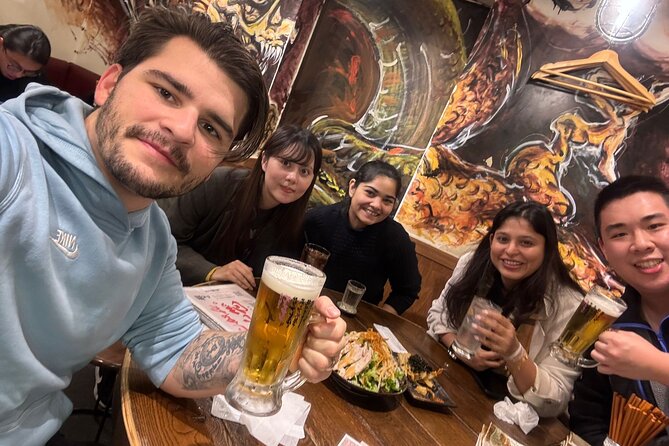
Shinjuku’s best nightlife is often found behind a narrow door, up a cramped staircase, or along an alley where the menu is written only in Japanese. This three-hour walk takes you through Omoide Yokocho, Kabukicho, and Golden Gai, with a local guide handling the tricky part: getting you into small drinking spots that can be difficult to approach on your own.
I like the mix of food, neighborhood history, and social time. I also like that guides such as Ayaka, Yuki, Miko, Hajime, Chihiro, and Shun have been praised for explaining sake, suggesting dishes, and making solo participants feel at ease. The main drawback is simple: food and drinks cost extra, and some bars may involve standing, delayed service, or expensive drinks.
In This Review
- Key points at a glance
- Why Shinjuku works so well after dark
- Omoide Yokocho and the art of the tiny izakaya
- Kabukicho under the neon lights
- Golden Gai and the intimacy of a neighborhood bar
- What the guides add to the evening
- Food, sake, and the real cost of the night
- Dietary needs and cultural differences
- Who should book this Shinjuku night walk
- Final verdict: a useful first-night introduction
- FAQ
- Where does the Shinjuku bar-hopping tour meet?
- How long does the tour last?
- Are food and drinks included in the $30 price?
- Should I bring cash?
- Can people under 20 drink on the tour?
- Is the tour suitable for vegetarians?
- Does the tour run if it rains?
Key points at a glance
- Three very different nightlife areas: Omoide Yokocho, Kabukicho, and Golden Gai each show a different side of Shinjuku after dark.
- Small local drinking spots: Your guide may secure tables in tiny izakayas that are not easy to enter without Japanese language skills or a reservation.
- Food and drinks are separate: The $30 tour price covers the walk, guide, and photos, but not sushi, gyoza, kushikatsu, sake, beer, or cocktails.
- Strong guide-led cultural context: Guides explain Japanese drinking customs, local history, sake styles, and how the neighborhoods function.
- Good for solo visitors: The social format makes it easy to meet people, and several one-person bookings have turned into personalized tours.
- Cash matters: Bring Japanese yen for your food and drinks, and arrive before the scheduled start time.
Why Shinjuku works so well after dark

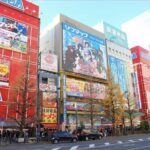
Shinjuku can feel like several cities packed into one station district. One block is filled with giant screens and neon signs. The next narrows into a lane of red lanterns, tiny counters, and office workers having a quick drink before heading home.
That contrast is the real reason to book this walk. You are not simply being taken from one bar to another. You are shown how different parts of Shinjuku serve different purposes. Omoide Yokocho feels compact and traditional. Kabukicho is loud, bright, and theatrical. Golden Gai is intimate, eccentric, and built around very small bars.
I find this useful on a first night in Tokyo because the guide gives you a map of the area in human terms. You learn where the narrow alleys are, how the nightlife districts connect, and which places might be worth returning to later.
The tour begins outside the Shinjuku Station East Exit Police Box, at 3-38-1 Shinjuku, Shinjuku-ku. Look for a guide holding a Local Guide Stars sign. This is a busy meeting point, so do not cut the timing close. The tour starts on time, and missing the group does not qualify for a refund or a new departure.
A few more Tokyo tours and experiences worth a look
Omoide Yokocho and the art of the tiny izakaya
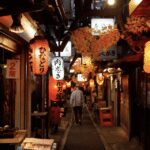
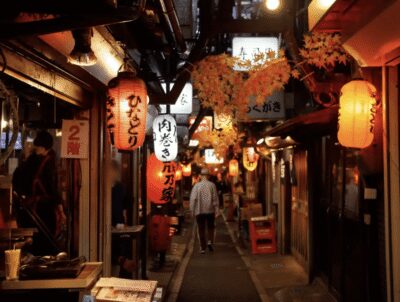
After a short walk, the first stop is Omoide Yokocho. The name is often translated as Memory Lane, and the setting explains why. Red lanterns hang over narrow passages lined with compact restaurants, each with only a few seats.
This is a practical place to have a guide. Many restaurants are small enough that a group cannot simply wander in and expect a table. The tour arrangement includes help with reservations, which removes one of the biggest barriers for first-time visitors.
Expect an after-work atmosphere, with office workers eating and drinking at close quarters. Seating can be limited, and standing is possible, depending on the restaurant and the size of the group. That is part of the character, but it may not suit you if you need a relaxed table for the full evening.
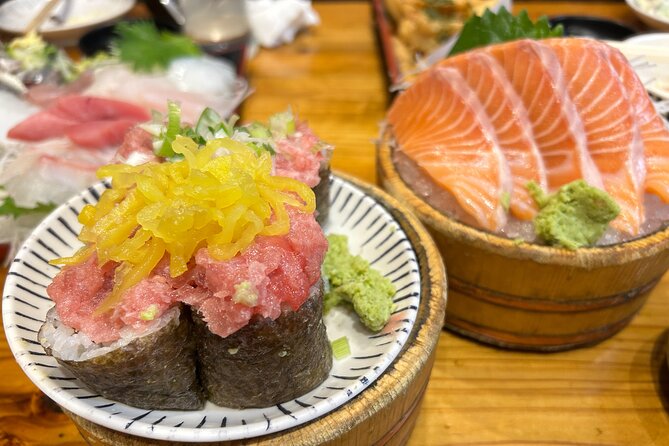
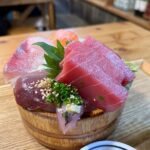
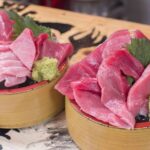
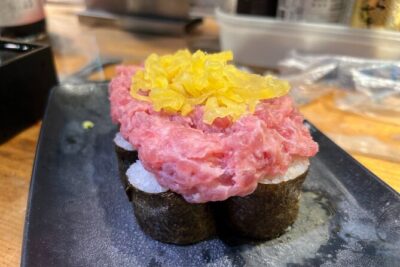
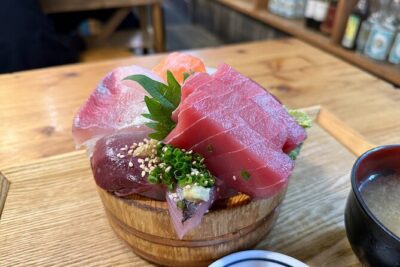
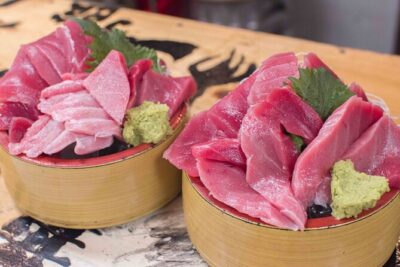
The food may include items such as fresh sushi, gyoza, or other local dishes, depending on the evening’s arrangements. You may also receive help ordering foods you would not normally choose from a Japanese menu. One useful feature of the tour is that the guide can explain what you are eating instead of leaving you to guess from pictures or translations.
Do not expect a long, formal dinner here. The idea is to sample, talk, and move on. Keep your appetite flexible because the next two stops also include food.
Kabukicho under the neon lights
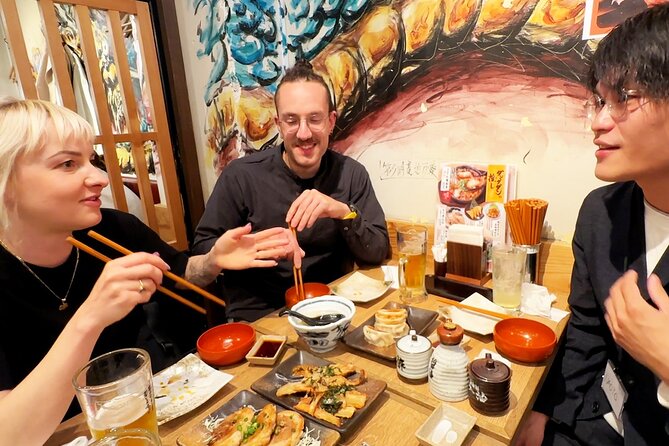
The second hour takes you into Kabukicho, Japan’s best-known entertainment district. This is the part of the walk where Shinjuku becomes more theatrical. Bright signs, arcades, unusual storefronts, and a constant flow of people create a very different mood from Omoide Yokocho.
The guide’s role here is not just to point out neon signs. You get context about the district, its customs, and the way the neighborhood changes from one street to the next. The area can be confusing at night, especially when several lanes look alike, so having someone lead the way saves time.
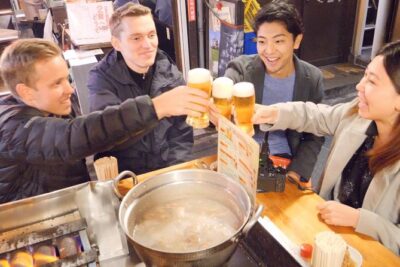
This stop may include another izakaya, with dishes such as crispy kushikatsu or juicy gyoza, alongside beer, sake, wine, or other drinks. The exact menu is not fixed, and service can be slow at some restaurants. If the food takes longer than planned, the tour may run beyond its stated three hours.
That flexibility is worth understanding before you book. Tokyo restaurants do not always work on the same quick-service timetable you may know at home. A slower meal can be pleasant, but you should not schedule a train, show, or other fixed activity immediately afterward.
Kabukicho is also where a guide can help you avoid spending the whole evening in the most obvious tourist-facing places. The point is not to avoid the famous district. It is to see more than its giant signs and takeout counters.
Golden Gai and the intimacy of a neighborhood bar
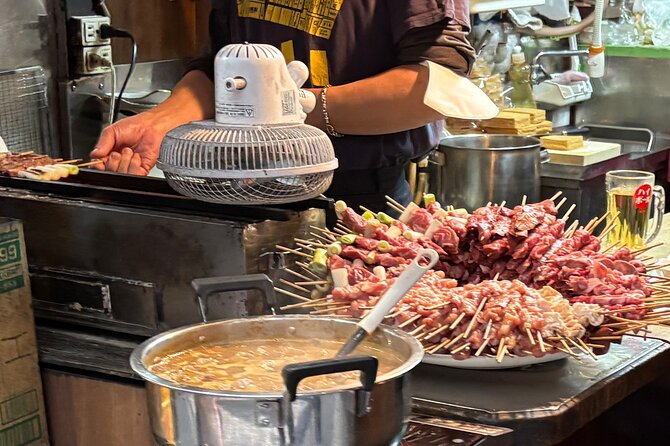
Golden Gai is the final main stop, and it is often the most memorable. The area is made up of several narrow lanes packed with tiny bars. Some have only a handful of seats, and many are built around a single counter.
This is where a local connection matters most. A few Golden Gai bars are selective about new customers, particularly when the group does not speak Japanese. The guide may take you to a place that would be hard to enter without an introduction.
The setting is social rather than polished. You might sit at a counter, share space with local drinkers, or spend part of the visit standing. One evening may include a sake tasting, with the guide explaining differences between styles. Another may include local beer, spirits, matcha alcohol, or a karaoke stop.
Karaoke is not guaranteed to be the highlight for everyone. Some people love singing with the guide and fellow participants, while others would rather spend more time walking through the neighborhood. One published booking described karaoke drinks as expensive and the activity as less appealing than seeing more of the area. That is a fair warning if you prefer sightseeing to bar entertainment.
Still, Golden Gai gives the tour a strong finish. You see a side of Tokyo that is personal, compact, and a little unpredictable. I would approach it with curiosity rather than expecting a carefully staged cultural show.
What the guides add to the evening
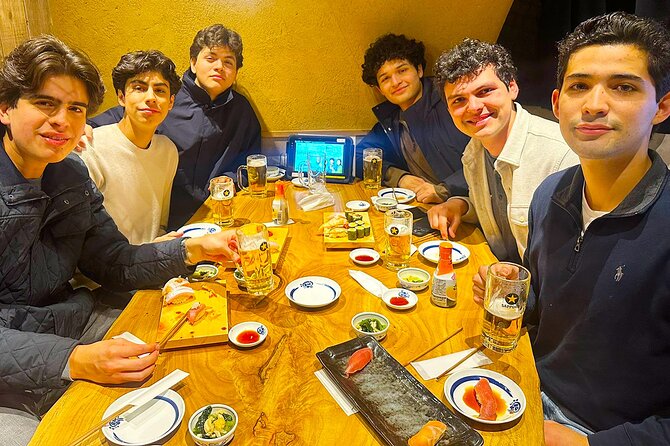
The guides are one of the tour’s biggest strengths. Names attached to especially warm and helpful outings include Ayaka, Yuki, Miko, Hajime, Chihiro, Shun, Ai, Nana, Maika, Luna, and Naoto. The guide assigned to your date may be different, but the activity is built around a local who can explain the places as you go.
The best guide work happens in small moments. You may learn why one sake tastes sweeter than another, how to order at a crowded izakaya, or what kind of food pairs well with a particular drink. You may also get practical advice about places to return to after the walk.
English and Japanese are offered. Several bookings specifically praised the guides’ English, humor, patience, and ability to explain Japanese culture in an easy way. Solo participants have sometimes received a very personal outing when no one else booked that departure.
Group size is not guaranteed, and the mood will depend partly on who joins you. A small group gives you more time to ask questions and share dishes. A larger group can be more social, but tiny restaurants may feel tighter and seating may be harder.
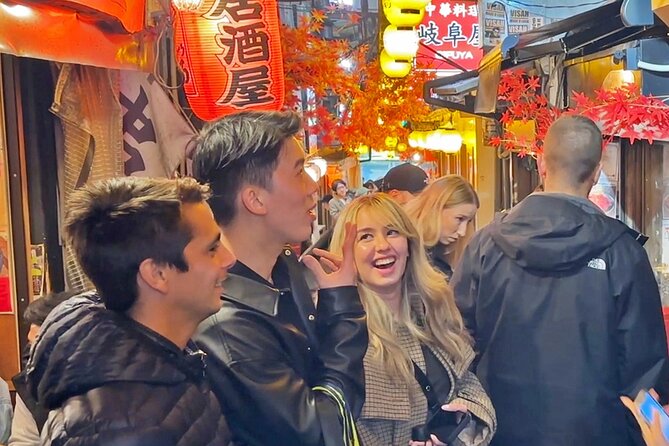
The guide also takes photos during the tour. That is a useful extra, especially if you are busy ordering, walking, and meeting people rather than stopping to take pictures yourself.
A few more Tokyo tours and experiences worth a look
Food, sake, and the real cost of the night
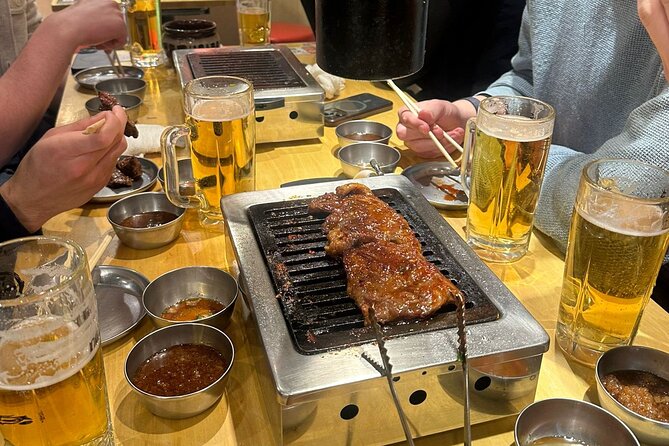
The advertised price is $30 per person, which is reasonable for three hours with a guide in one of Tokyo’s most confusing nightlife districts. You are paying for neighborhood access, local explanations, assistance with reservations, and the chance to enter places you might skip when exploring alone.
But the $30 is not an all-inclusive food tour price. Food and drinks are not included. Bring cash, since at least one person arrived without realizing that payment for food and drinks would be separate.
Your final spending will depend on what you order and how much you drink. The tour may include sushi, kushikatsu, gyoza, sake, Japanese beer, wine, cocktails, or unusual drinks such as matcha alcohol. Since the menu and bar choices can vary, you should treat the tour price as the cost of access and guidance, not the full evening budget.
I like this arrangement because it lets you choose your own drinking level. You can order less, focus on food, or try several small portions. On the other hand, anyone expecting a fixed meal with drinks included should read the terms carefully before booking.
Alcohol is not required in every travel experience, but this one is built around Japanese bar culture. If you do not drink at all, you may find that three stops focused on izakayas and bars are not the best use of your time.
Dietary needs and cultural differences
Vegetarian food is available, but options are limited because many Japanese restaurants are not set up with broad vegetarian menus. Tell the provider about your needs in advance and ask what can be arranged.
Do not assume that every dish is easy to identify. Fish stock, meat-based sauces, or hidden ingredients may appear in foods that look vegetarian. A guide can help, but the tour is not designed around a full vegetarian menu.
Cultural and language differences are part of the evening. Restaurant service may be slower, menus may be unfamiliar, and tiny bars may have customs that are not obvious at first. I see this as part of the value, provided you arrive with patience and a willingness to follow the guide’s lead.
The tour runs rain or shine. Wear shoes that are comfortable for walking and choose clothing that works for changing weather. You only walk about five minutes between the meeting point and the first area, but the evening still involves movement through narrow streets and standing at some venues.
Who should book this Shinjuku night walk
I would recommend it most strongly to:
- First-time visitors who want a confident introduction to Shinjuku after dark
- Solo visitors who want an easy way to meet people
- Couples who prefer local food and small bars to a formal sightseeing bus
- Anyone curious about sake, izakaya customs, and Japanese nightlife
- Visitors who want help finding places they might miss on their own
It is less suitable if you want a quiet dinner, guaranteed seating, a fixed menu, or an all-inclusive price. It is also a weak fit if you do not drink and would rather spend the evening visiting temples, shops, or galleries.
Booking this early in your Tokyo stay makes sense. You can return to a favorite alley, bar, or restaurant later with more confidence. Several outings have also led people to continue with karaoke or further drinks after the official tour ends, though that extra time is your own choice and expense.
The cancellation policy is forgiving: you can cancel up to 24 hours before departure for a full refund, and you can reserve now and pay later. Availability and start times should be checked for your chosen date.
Final verdict: a useful first-night introduction
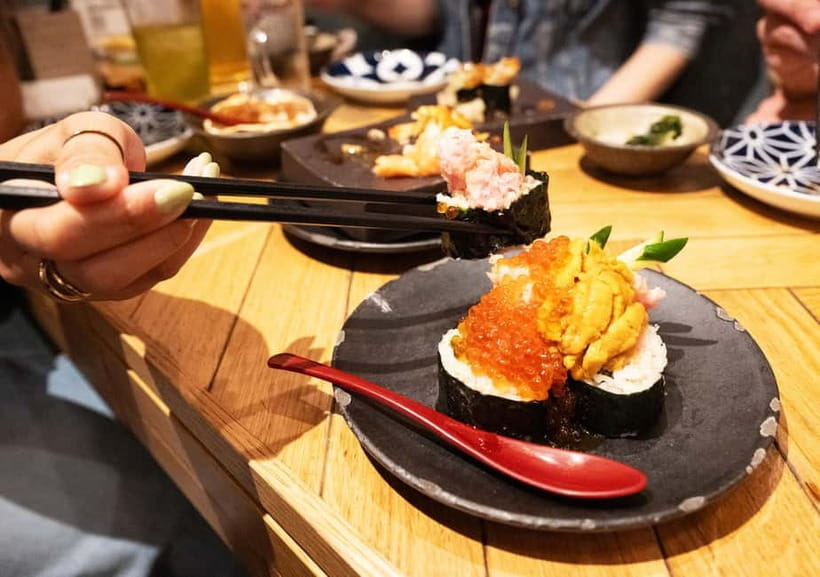
I would book this tour if I wanted to understand Shinjuku rather than simply photograph it. The $30 fee is fair for the guide, photos, route planning, and access to small izakayas, but you must budget separately for food and drinks.
The strongest reason to go is the combination of places. Omoide Yokocho gives you compact old-style dining lanes, Kabukicho supplies the neon and spectacle, and Golden Gai offers tiny bars with a more personal feel. Add a guide such as Ayaka, Yuki, Miko, or Hajime, and the evening becomes much easier to navigate.
Book it if you enjoy trying unfamiliar food, talking with people, and accepting a little uncertainty. Skip it if you want a controlled meal or dislike standing, crowded rooms, or alcohol-focused activities.
FAQ
Where does the Shinjuku bar-hopping tour meet?
Meet in front of the Shinjuku Station East Exit Police Box, located at 3-38-1 Shinjuku, Shinjuku-ku, Tokyo. The guide will hold a Local Guide Stars sign.
How long does the tour last?
The scheduled duration is three hours. Delays with food or drink service may make the tour run longer.
Are food and drinks included in the $30 price?
No. The price includes the walking tour, local guide, and photos taken during the tour. You pay separately for food and drinks.
Should I bring cash?
Yes. Cash is specifically recommended for paying for food and drinks during the evening.
Can people under 20 drink on the tour?
No. Japanese law allows only people aged 20 and over to drink alcohol.
Is the tour suitable for vegetarians?
Vegetarian options may be available, but they are limited because many Japanese restaurants do not offer extensive vegetarian menus. Ask about your dietary needs before booking.
Does the tour run if it rains?
Yes. The tour proceeds as scheduled in rain or shine.
More Night Tours in Tokyo


More Bar Hopping & Izakaya Tours in Tokyo
More Shinjuku Tours in Tokyo

More tours in Tokyo we've reviewed




Shinjuku Tours, compared.
 ★ 5.0Tokyo: Shinjuku Food Tour (13 Dishes at 4 Local Eateries)From $86
 ★ 5.0Tokyo Bar Hopping Tour in Shinjuku (All-You-Can-Drink + Dinner)From $106
 ★ 4.9Tokyo: Shinjuku Food Tour (15 Dishes and 4 Eateries)From $853 hours
 ★ 5.0Best of Shinjuku: Izakaya Food Tour (4 Stops, 14+ Tastings)From $92
 ★ 4.9Tokyo: Shinjuku Local Bar and Izakaya Guided Walking TourFrom $343 hours
 ★ 5.0Tokyo Shinjuku Chopsticks Making ClassFrom $20