
Reviewed · TOKYO
Tokyo: KABUKI, BUNRAKU, etc. presented by National Theatre
Japanese traditional theater does not explain itself in the way a modern stage show does. Bunraku’s narrator, shamisen player, and puppeteers work as one, while the English audio guide gives you the basic story and key movements without drowning out the live voices. You are seeing an art form handed down by master performers, not a tourist version made for quick entertainment.
I like two things right away: the authentic National Theatre Japan connection, and the chance to hear the performance live without loud speakers. I also like the English support, which helps you follow the action even when the Japanese language and old theatrical style are unfamiliar.
The main drawback is time and pace. Some programs run for several hours, and the English audio guide summarizes rather than translates every line. If you need a fast, plot-heavy show, this may feel slow. If you can give the performance your attention, it offers a rare look at Japanese culture.
In This Review
- Key points to know before booking
- What this National Theatre Japan program really offers
- Bunraku at KAAT Kanagawa Arts Theatre
- How the English audio guide helps
- What the performance feels like from your seat
- The program length changes the value
- Why the authenticity matters
- Who will enjoy it most
- Price, seating, and practical value
- Small details that make the evening smoother
- Should you book this Japanese theater experience?
- FAQ
- Where does the Bunraku performance take place?
- Which station is closest to KAAT Kanagawa Arts Theatre?
- How long does the activity last?
- Is transportation included?
- Is an English audio guide included?
- Does the Hogaku concert include an audio guide?
- Can I choose my seat?
- Can I take photographs or record the performance?
- Is the performance wheelchair accessible?
- Can I cancel for a refund?
Key points to know before booking
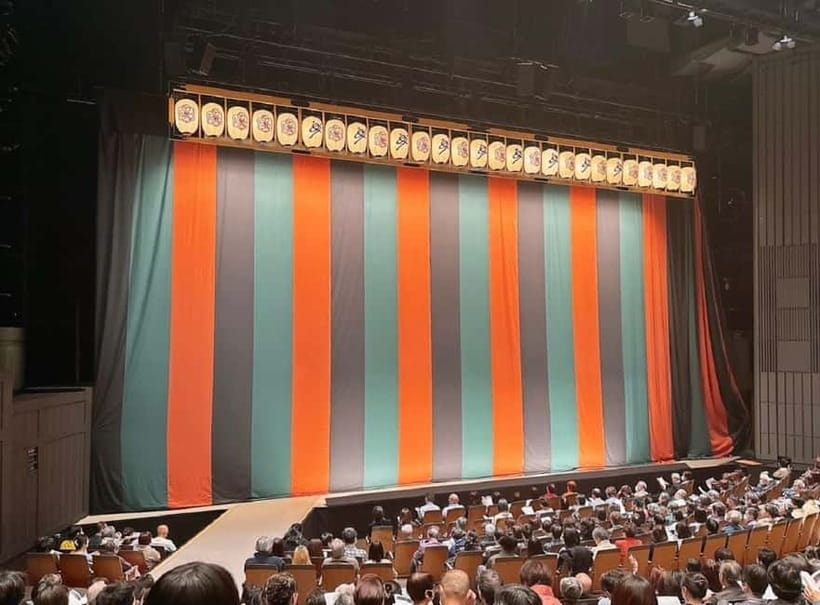
- Bunraku is held at KAAT in Yokohama: The venue is not the National Theatre in Hanzomon, Tokyo.
- English help is included: Kabuki and Bunraku use an English audio guide, while Hogaku provides a free English explanation sheet.
- The audio guide is an overview: It explains the main story and action, but it is not a word-for-word translation.
- You see professional performers: The programs are presented through National Theatre Japan, which has supported classical arts since 1965.
- The performance may last up to three hours: Check the selected date and program before fitting it into a busy sightseeing day.
- Seats are assigned by the theater: You cannot choose a specific seating position when booking.
What this National Theatre Japan program really offers
This is a ticket to a scheduled Japanese classical performance rather than a guided sightseeing tour. The exact program changes by date, and the option title tells you if you are booking Bunraku, Kabuki, or Hogaku.
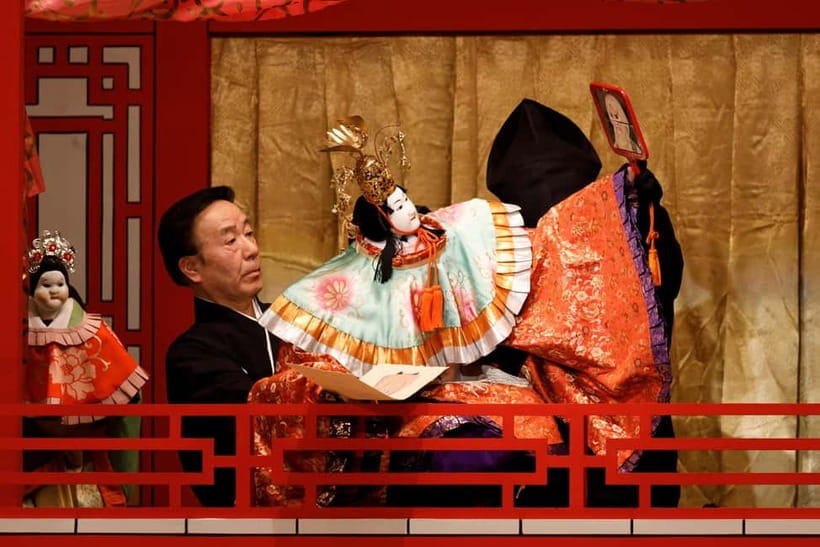
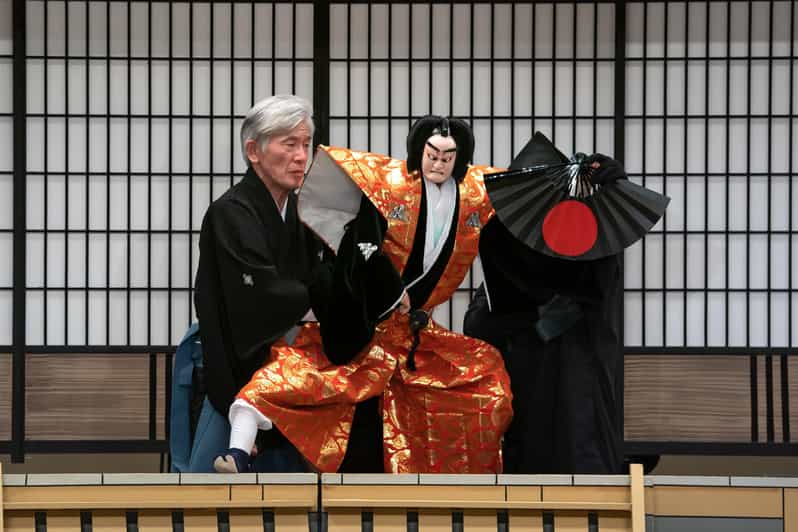
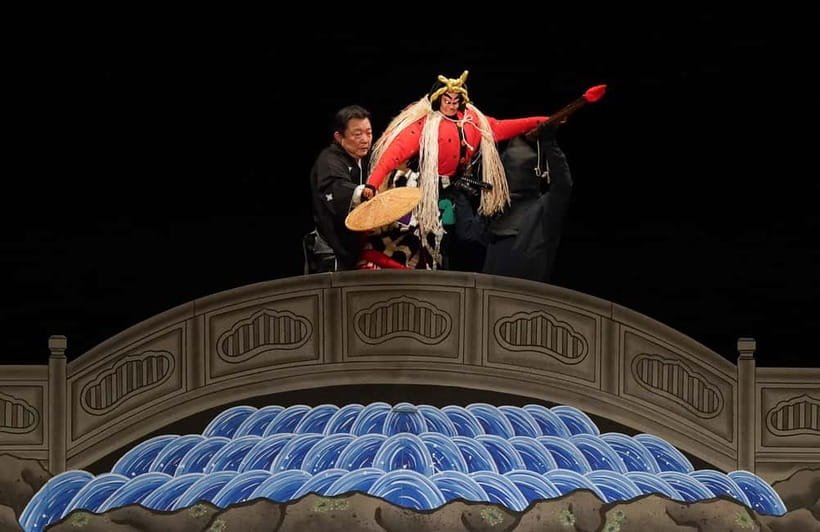
For the Bunraku program described here, your ticket takes you to KAAT Kanagawa Arts Theatre in Yokohama. Bunraku is Japanese puppet theater for adults, and its effect comes from several performers sharing one precise act. A narrator delivers the story with striking force, a shamisen player supplies the musical shape, and puppeteers control the figures in view of the audience.
That combination can seem unusual at first. You are not watching a hidden puppeteer operate from behind a curtain. The visible teamwork is part of the form, and the movements are carefully timed with the spoken story and music.
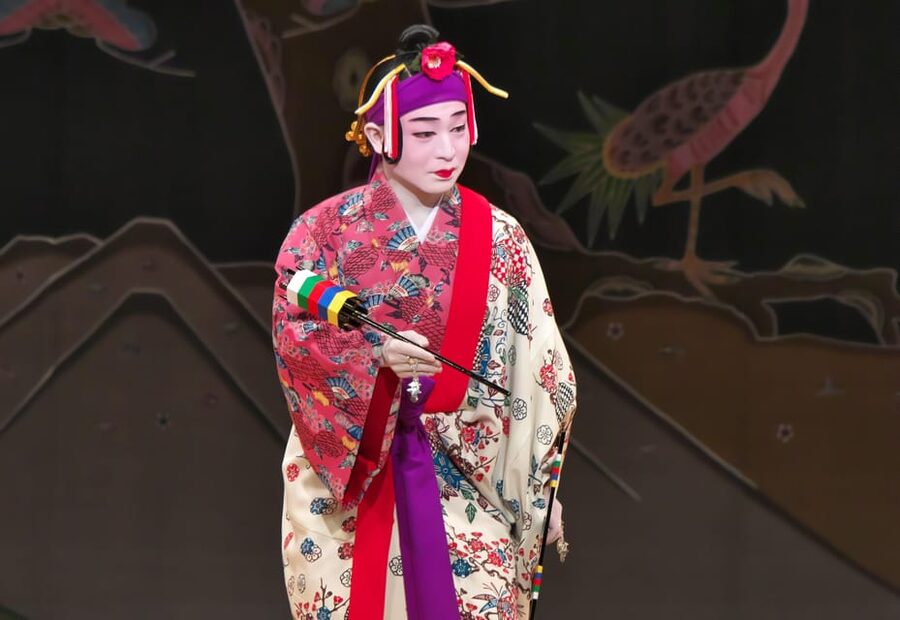
Kabuki, available on other dates or options, combines drama, dance, and music. Its costumes, poses, stage effects, and stylized acting can feel far removed from Western theater. The English audio guide helps by explaining what the performers are doing and why certain movements matter.
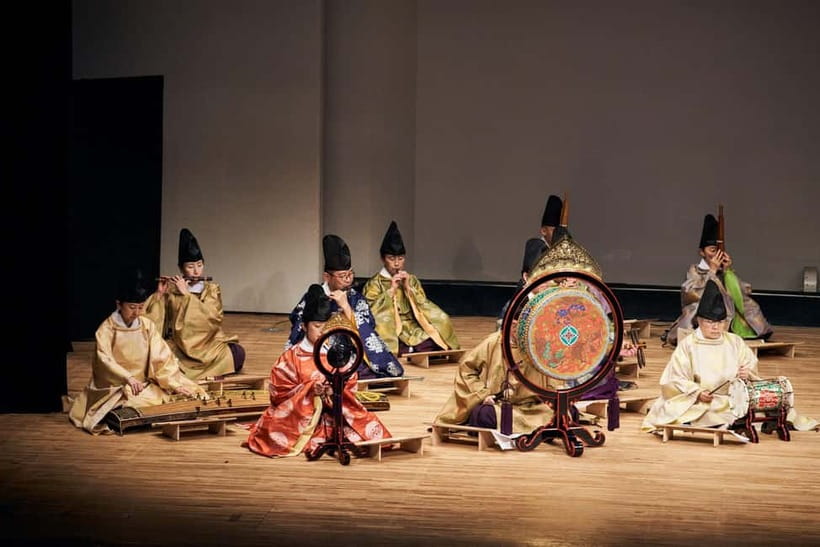
Hogaku is different again. It is a concert of traditional Japanese music. One program focuses on melodies connected with snow, including Yuki no Aikata, a long shamisen interlude from the jiuta piece Yuki. In this setting, the free English explanation sheet gives you a way to follow the musical theme while you listen.
If you're still narrowing it down, here are other tours in Tokyo we've reviewed.
Bunraku at KAAT Kanagawa Arts Theatre
For the specific Bunraku ticket described here, the practical detail matters most: you are going to Yokohama, not Hanzomon. KAAT Kanagawa Arts Theatre is near the Minatomirai Line.
The closest station is Nihon-ōdōri Station, MM05, about a five-minute walk from Exit 3 or 4. Motomachi-Chukagai Station, MM06, is about an eight-minute walk from Exit 1.
The Minatomirai Line connects directly with the Tokyu Toyoko Line and Tokyo Metro Fukutoshin Line. From Shibuya, a train bound for Motomachi-Chukagai takes about 45 minutes. Allow extra time if you are crossing Tokyo from another area, since this is not a quick central Tokyo theater stop.
At the theater entrance, exchange the voucher issued through GetYourGuide for the theater ticket. Staff ask for the name used for the reservation, so keep that information easy to access. This exchange takes place on the day of the performance at the venue entrance.
The location can work well with a Yokohama day, especially since the program may last from 75 minutes to three hours depending on the chosen performance. Do not assume you can fit it between two Tokyo attractions without checking the start time and travel distance.
How the English audio guide helps
For Bunraku and Kabuki, the English audio guide is one of the most useful parts of the booking. It gives you the broad story, points out important actions, and offers background on the theatrical form.
It does not translate every spoken line. That choice keeps the live performance audible, but it also means you will miss some wordplay, detail, and nuance. Think of the guide as a map, not a complete script.
You may need a few minutes to adjust to hearing English in one ear while listening to the performers in the theater. That split attention is useful, but it is not effortless. Start the guide before the action becomes complicated, and pay attention to the introductory explanation if one is offered before the performance.
The guide is available in English only. Japanese and other languages are not listed as options. If English is not comfortable for you, the visual elements, music, costumes, and movement still matter, but following the story will be harder.
A little preparation can improve the experience. Read a short introduction to Bunraku or Kabuki before you go, especially if you want to understand the importance of costume, gesture, stage movement, and vocal style. You do not need a textbook. Even basic context makes the performance easier to read.
What the performance feels like from your seat
The appeal is not only the plot. It is the control of voice, rhythm, gesture, and music.
In Bunraku, the narrator may use tremendous vocal power to shift between characters and emotional states. The shamisen gives the story a strong musical pulse, while the puppets move with a delicacy that can surprise you. The form asks you to watch several layers at once.
In Kabuki, the drama can be more immediately visual. The acting style is formal and highly shaped, with dance and music built into the theatrical language. The audio guide can explain the difference between Kabuki and Western theater, which helps you understand why a pause, pose, or entrance may carry so much weight.
Hogaku asks for a different kind of attention. There may be less obvious narrative, since the focus is on the sound and on musical ideas such as the snow-related melody in Yuki no Aikata. The explanation sheet gives you a theme to listen for rather than a scene-by-scene account.
The performers are not working through loud amplification. That gives the voices, instruments, and pauses a direct quality. It also means you need to respect the quiet of the room. Phones, conversation, photography, video, and audio recording are not allowed.
The program length changes the value
The listed duration ranges from 75 minutes to three hours. That is a major difference, so check the selected option rather than relying on the general activity length.
A 75-minute performance can fit into a cultural afternoon without taking over your schedule. A two-and-a-half or three-hour program needs more planning, especially if you are staying in Tokyo and commuting to Yokohama.
Longer shows may include breaks. You can use those pauses to stretch or step outside, but drinks are not allowed inside the theater. One practical tip: a hot coffee bought during an interval may still be too hot to finish before you must return to your seat. Do not count on drinking it during the next section.
The pace is also slower than most modern stage entertainment. One program may present several acts or sections that do not form one neat, finished story. You may see separate scenes or excerpts, with the value lying in the acting, music, and theatrical tradition rather than a simple beginning, middle, and end.
That can be frustrating if you expect a compact tourist performance. It can also be the point. You are seeing established art forms in their own shape, with their own sense of timing.



Why the authenticity matters
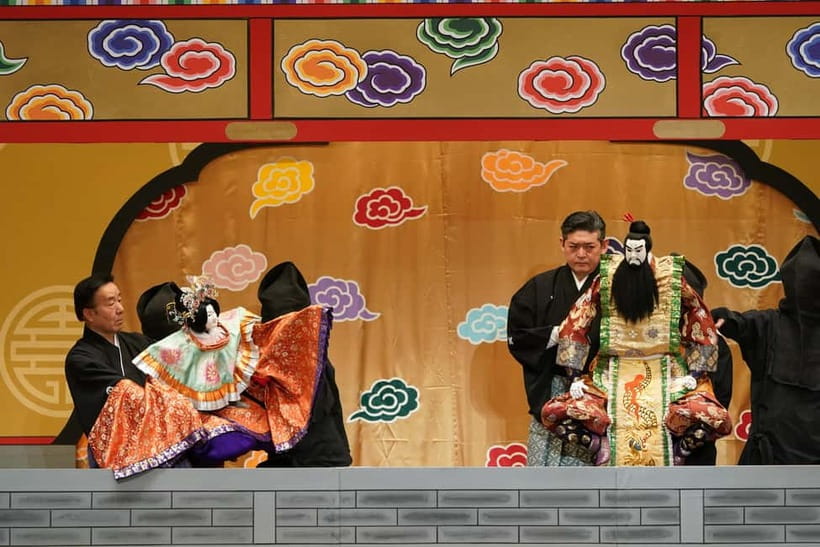
The National Theatre Japan has supported Japanese classical performing arts since opening in 1965. This program connects you with that institutional tradition and with performers who have trained within art forms passed down for centuries.
That does not make every selected performance equally easy to enjoy. Authentic theater can ask more from you than a short cultural demonstration. Still, I value the chance to see the real form, complete with its pacing, vocal demands, instruments, and conventions.
The distinction matters in Japan. A staged explanation for tourists might tell you what Bunraku is. This kind of ticket lets you see the performers carry out the art itself. Even when you do not understand every word, you can watch the relationship between the narrator, musician, puppeteers, and stage.
Kabuki has also changed over time, incorporating ideas from successive eras while keeping its traditional base. That makes it more than a museum display. It is an old form still being performed for a live audience.
Who will enjoy it most
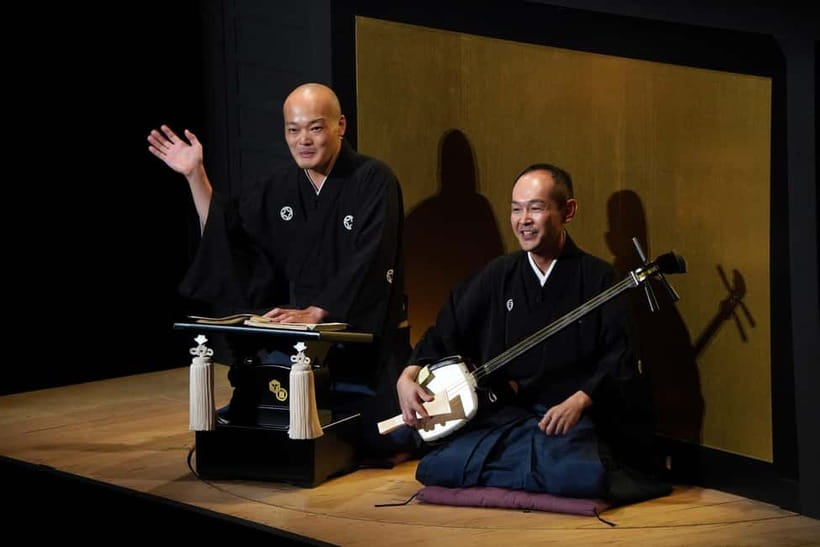
I would recommend this to you if you have an interest in theater, music, puppetry, or Japanese culture beyond temples and food. It is especially suitable if you want an event that feels connected to Japan’s own artistic traditions.
It also suits repeat visitors and anyone spending at least several days in the Tokyo area. The Yokohama location and possible three-hour duration make it harder to justify on a very short first visit, when every hour may already be committed to major sights.
Children can attend, but I would choose carefully. The pace may be slow for young children, and quiet is expected throughout the performance. Some Bunraku stories deal with serious adult subjects, including love suicide, so check the program details before bringing children.
You do not need prior knowledge to attend. The English guide gives you a starting point, and the visual language can hold your attention. Still, your enjoyment will increase if you arrive curious rather than expecting a conventional English-language play.
Price, seating, and practical value
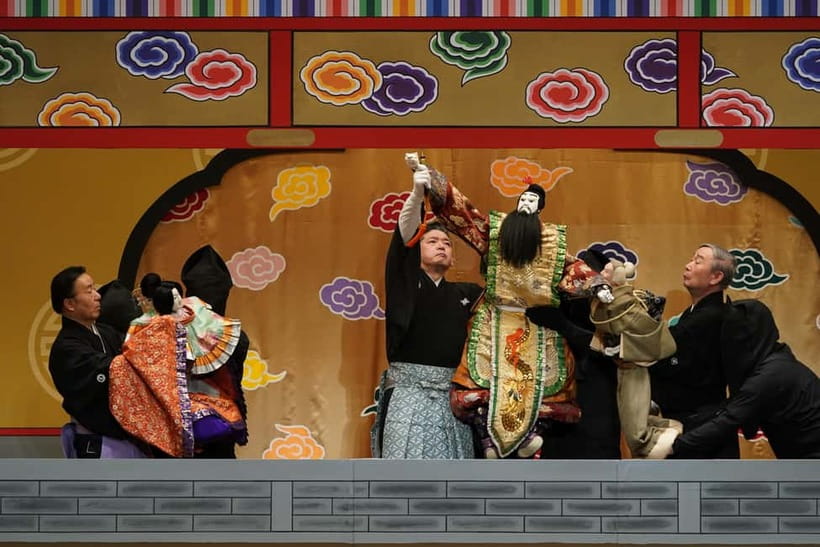
At $37 per person, the ticket is reasonably priced for access to a professional theater performance with English support. The value depends on how much time you have and how willing you are to meet the art on its own terms.
The ticket includes admission and, for Bunraku or Kabuki, the English audio guide. Hogaku includes a free English explanation sheet instead. Transportation is not included, so budget for the ride to Yokohama if that is where your option is held.
Seats are assigned by the theater. You cannot select your exact position, though one booking received praise for excellent seats. I would not book this expecting a particular view, but the theater handles the seating.
The activity is wheelchair accessible. If you use a wheelchair, contact the provider as soon as possible so accessible seating can be arranged. Assistance dogs are allowed, but other pets are not.
Free cancellation is available up to 24 hours before the performance for a full refund. You can also reserve and pay later, which helps if your Tokyo schedule is still changing.
Small details that make the evening smoother
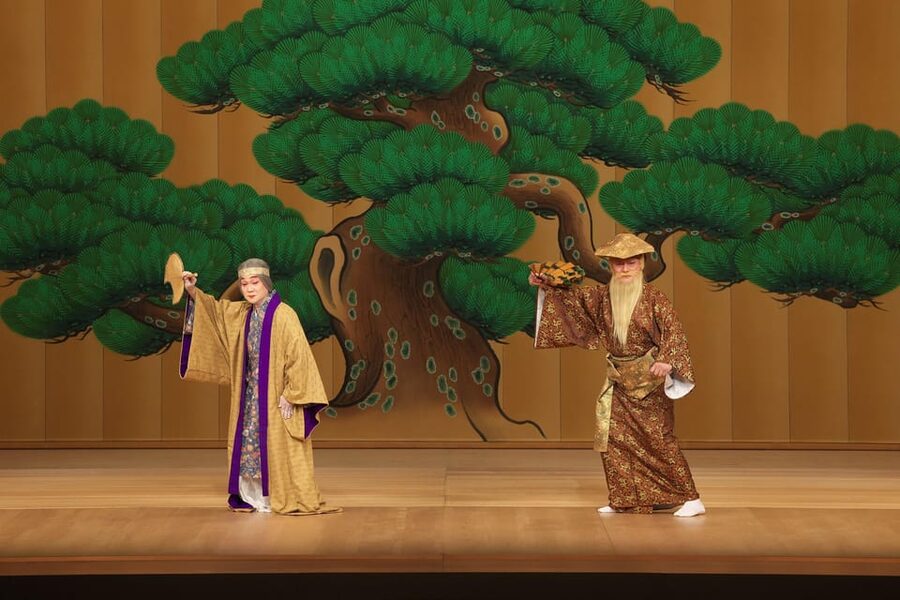
Arrive early enough to find KAAT and exchange your voucher without rushing. The venue is not the building many people associate with the National Theatre, so double-check the address and station before leaving your hotel.
Keep your reservation name ready at the entrance. Staff use it to locate the booking and issue the theater ticket.
Do not plan to photograph the stage. Photography, video recording, and audio recording are prohibited inside. Smoking, alcohol, drugs, pets other than assistance dogs, and making noise are also not allowed.
Use the introductory explanation if available. It can clarify how Japanese theater differs from Western stage conventions before the performance begins. That short orientation may save you from spending the first act simply trying to work out what you are watching.
If you are attending Bunraku or Kabuki, treat the audio guide as support rather than a replacement for the performance. Listen to the live voices and instruments as well as the English track. The sound of the original performance is part of what you came to hear.
Should you book this Japanese theater experience?
Book it if you want an authentic cultural event and can give it time. Bunraku is a particularly strong choice for anyone curious about puppetry, music, and storytelling working together, while Kabuki offers a more theatrical blend of acting, dance, costume, and stage drama.
I would skip it if your Tokyo visit is very short, your schedule cannot spare up to three hours, or you need every plot point translated. The English audio guide is helpful, but it summarizes the main action and cannot carry every cultural nuance.
For most culture-minded visitors, $37 is a fair price for access to top-level traditional performance, especially with English guidance included. Just confirm the exact program, duration, and venue. For the Bunraku ticket described here, that means planning for KAAT in Yokohama, not the National Theatre in Hanzomon.
FAQ
Where does the Bunraku performance take place?
The Bunraku performance takes place at KAAT Kanagawa Arts Theatre in Yokohama. It is not held at the National Theatre in Hanzomon.
Which station is closest to KAAT Kanagawa Arts Theatre?
Nihon-ōdōri Station on the Minatomirai Line is about a five-minute walk from Exit 3 or 4. Motomachi-Chukagai Station is about an eight-minute walk from Exit 1.
How long does the activity last?
The duration varies by selected performance, from 75 minutes to three hours. Check the available time and option details before booking.
Is transportation included?
No. Transportation to the theater is not included in the ticket price.
Is an English audio guide included?
An English audio guide is included with Kabuki and Bunraku performances. It provides an overview of the main points rather than a literal translation of every line.
Does the Hogaku concert include an audio guide?
No. The Hogaku program includes a free English explanation sheet instead.
Can I choose my seat?
No. Seating positions are assigned by the theater.
Can I take photographs or record the performance?
No. Photography, video recording, and audio recording are not allowed inside the theater.
Is the performance wheelchair accessible?
Yes. Wheelchair access is available. Contact the provider as soon as possible so accessible seating can be arranged.
Can I cancel for a refund?
You can cancel up to 24 hours in advance for a full refund. Reserve now and pay later is also available.
More tours in Tokyo we've reviewed




Tokyo, compared.
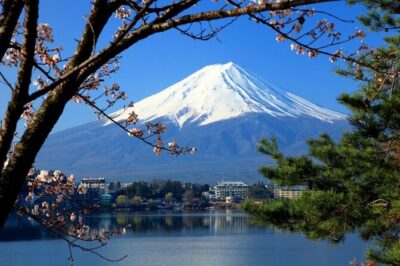 ★ 5.0Mt Fuji and Hakone 1-Day Bus Tour Return by Bullet TrainFrom $163
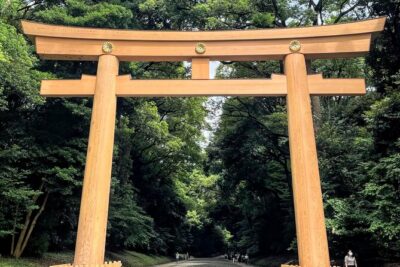 ★ 5.01-Day Tokyo Bus TourFrom $129
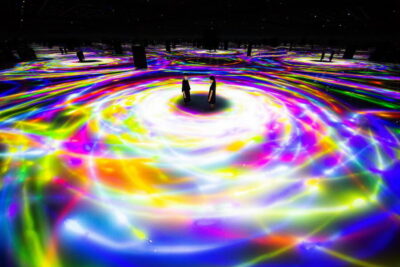 ★ 4.6Tokyo: teamLab Planets TOKYO Digital Art Museum Entry TicketFrom $251 day
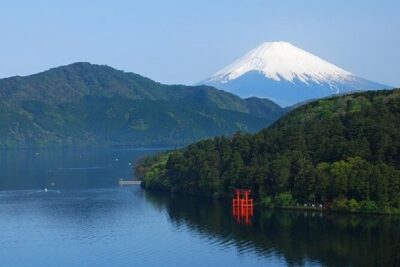 ★ 4.0Mt Fuji & Hakone Cruise, Drum Show Bullet Train 1 Day from TokyoFrom $149
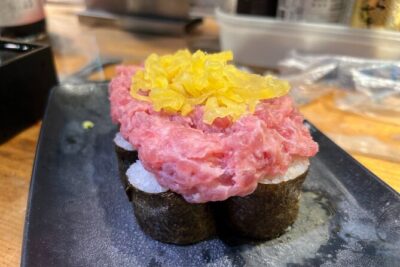 ★ 5.0Tokyo: Shinjuku Food Tour (13 Dishes at 4 Local Eateries)From $86
 ★ 4.4Tokyo Mt Fuji 5th St & Hakone Cruise Bus Tour w/Bullet TrainFrom $15410 hours