
Reviewed · TOKYO FOOD TOURS
Tokyo Ginza Authentic Food Tour (Izakaya Hopping by local guide)
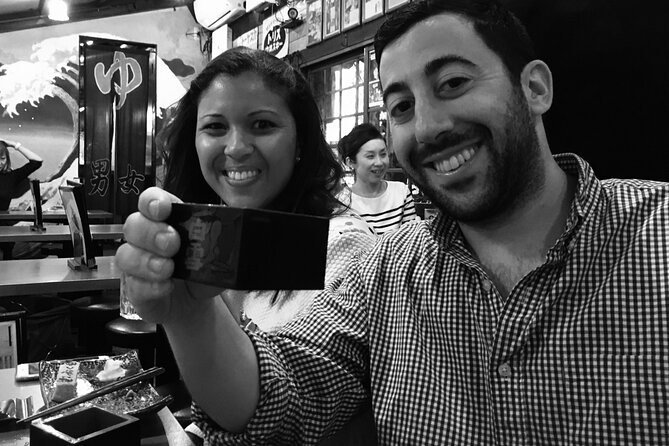
Tokyo’s best food experiences often begin after work, when locals slip into small izakayas for seafood, grilled meat, drinks, and a few hours of conversation. This Ginza evening tour takes you to three such stops, with guide Ryo leading the way through streets and dining spots that can be hard to locate on your own.
I like the generous tasting plan, with 8 to 10 dishes and four drinks, and the tiny group size, capped at six people. I also like the range: fresh fish and sake, Wagyu barbecue, Kyoto-style home cooking, and a final look at an alley under the train tracks. The main consideration is the $175 price, which is fair if you value the guide, navigation, and included drinks, but high if you mainly want a cheap dinner.
In This Review
- Key details before you book
- Why Ginza works so well for an izakaya evening
- First stop near Yurakucho: seafood from Tsukiji
- Ginza Mitsukoshi and the Seiko clock tower
- Second stop in Ginza: Wagyu barbecue
- Ginza Corridor Street and Obanzai cooking
- The late-night alley under the train tracks
- What the $175 price really covers
- What Ryo adds to the evening
- Dietary needs, age rules, and the drinking pace
- Who will enjoy this food tour most
- Should you book the Ginza izakaya tour?
- FAQ
- How long does the Tokyo Ginza food tour last?
- What time does the tour start?
- Where does the tour begin?
- Where does the tour end?
- How many people can join the tour?
- How many dishes and drinks are included?
- Is the tour suitable for dietary restrictions?
- Can I cancel for a full refund?
Key details before you book
- Three different food stops: You move from Yurakucho seafood to Ginza Wagyu barbecue and then to Obanzai-style home cooking.
- Ryo leads the evening: He also works as the tour photographer, adding local food context and taking pictures along the way.
- A full tasting menu: Expect 8 to 10 dishes and four drinks, including sake. Extra food and drinks cost more.
- Maximum of six people: This keeps the evening personal and makes it easier to ask questions.
- Starts at 5 pm: The experience lasts about three to four hours and finishes at Ginza Karin.
- Age and dietary rules matter: You should be over 21, and dietary requests must be made in advance without an allergy-free guarantee.
Why Ginza works so well for an izakaya evening
Ginza is known for polished department stores, luxury shopping, and bright central streets. Yet the area also has small bars and restaurants tucked above shops, beside office buildings, and under the train tracks near Yurakucho. That contrast is the point of this tour.
You begin at 5 pm, a useful hour for seeing Ginza change from afternoon shopping district to after-work dining center. The route includes a short photo stop at the Ginza Mitsukoshi crossing, behind the Seiko clock tower. This takes about 10 minutes, so it does not replace the food, but it gives you a recognizable Ginza picture and helps connect the restaurants to the wider neighborhood.
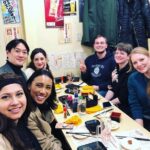
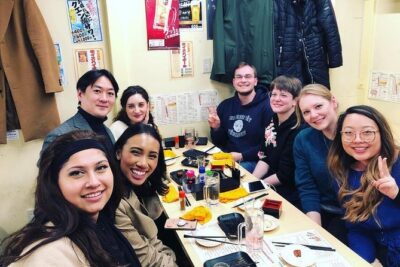
I find the small group especially useful here. Ginza dining rooms can be compact, and a six-person limit lets Ryo explain what is arriving at the table without turning the evening into a lecture. You can also ask about ingredients, drinking customs, and the differences between each restaurant.
The food is served across several places rather than in one large meal. That matters. You get a better sense of how Japanese evening dining works, with one stop for seafood, another for grilled meat, and a final stop centered on prepared side dishes.
A few more Tokyo tours and experiences worth a look

First stop near Yurakucho: seafood from Tsukiji
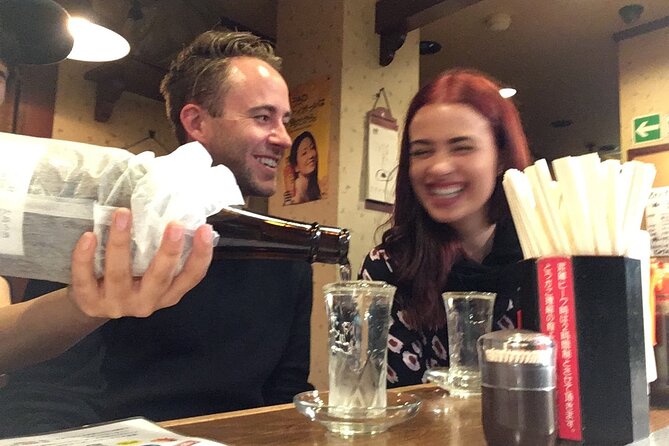
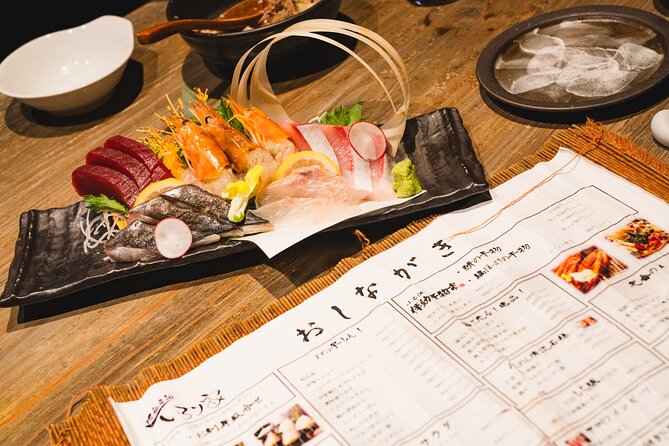
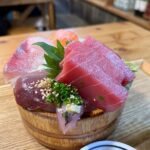
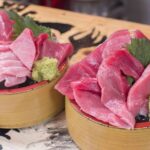
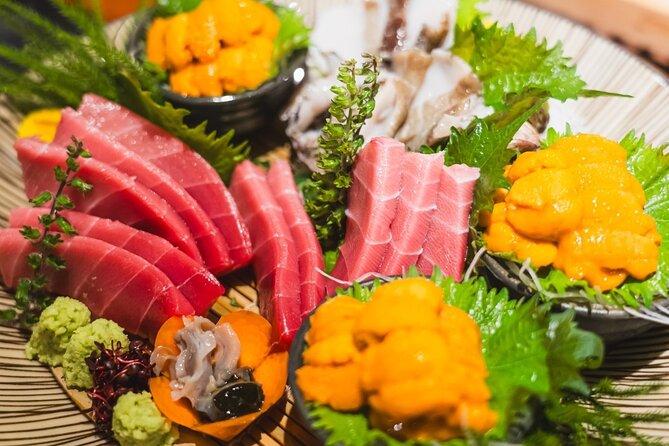
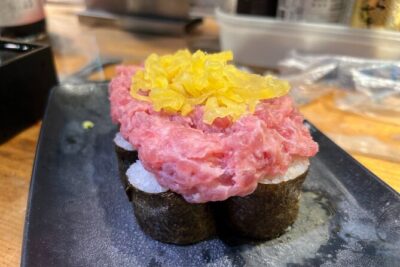
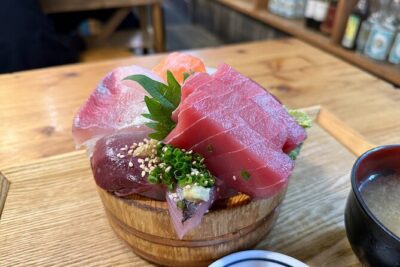
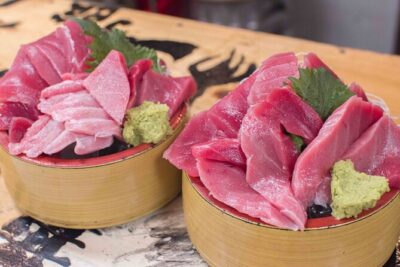
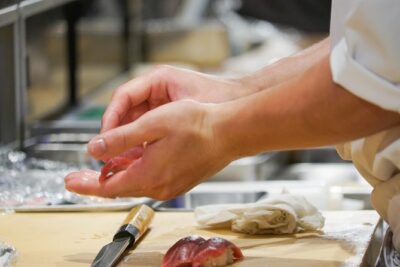
The evening opens in Yurakucho with fresh fish supplied from Tsukiji Market and Japanese sake from different parts of the country. The menu changes according to what the restaurant owner obtains, so you should expect the seafood selection to vary from one evening to the next.
That changing menu is a strength for anyone who prefers seasonal eating to a fixed tourist menu. It also means you cannot count on one exact fish or preparation. If you have a particular dish in mind, ask Ryo what is being served that evening rather than expecting a set list.
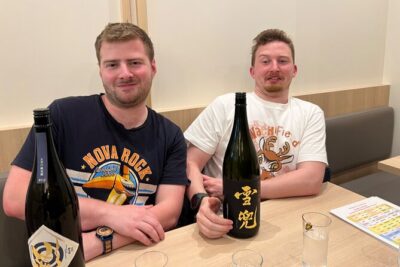
This first stop lasts about an hour. It gives you time to settle in, taste several dishes, and learn how sake fits into an izakaya meal. The included drinks are important to the value of the tour, since sake is not simply an optional extra here. The plan includes four drinks across the experience, with sake and beer among the options described by the guide.
I like beginning with seafood because it sets a Japanese tone without making the whole evening heavy. You are not asked to eat a full steak or large barbecue meal right away. Instead, the first stop gives you a chance to sample fish and local drinks while Ryo explains the setting.
Ginza Mitsukoshi and the Seiko clock tower
After the first restaurant, you make a brief stop at Ginza Mitsukoshi for photographs at the main Ginza crossing. The Seiko clock tower provides the familiar backdrop, and the stop takes around 10 minutes.
There is no admission charge for the tour stop, but the itinerary notes that any personal admission cost is not included. Since this is an outdoor photo point rather than a museum visit, the practical value is the location itself. You get a short break between restaurants and a chance to take a picture in one of Ginza’s best-known spots.
Do not expect a long sightseeing segment. This is a food tour first. The crossing stop works best as a visual pause, not as a major attraction.
Second stop in Ginza: Wagyu barbecue
The second restaurant focuses on Japanese Wagyu barbecue. The planned tasting includes Wagyu tongue, Wagyu loin, and a fresh lemon cocktail. This is the most substantial stop and the one most likely to appeal to anyone who wants to try high-quality Japanese beef without committing to a full steak dinner.
The format also helps with the usual problem of rich beef: portion control. Instead of eating one large, heavy steak, you taste different cuts in a shared setting. The lemon cocktail adds a sharper drink alongside the meat, which can make the stop feel less dense.
You should still arrive ready for a filling meal. The tour includes several dishes at this stop, and the overall evening is designed to replace dinner. If you prefer a light tasting menu, tell Ryo in advance, though the supplied information does not promise a reduced menu.
This restaurant also shows why the tour’s three-stop structure works. Seafood and sake alone would give you one view of Japanese dining. Adding Wagyu barbecue brings in a completely different style, with grilled meat and a more social rhythm at the table.
Ginza Corridor Street and Obanzai cooking
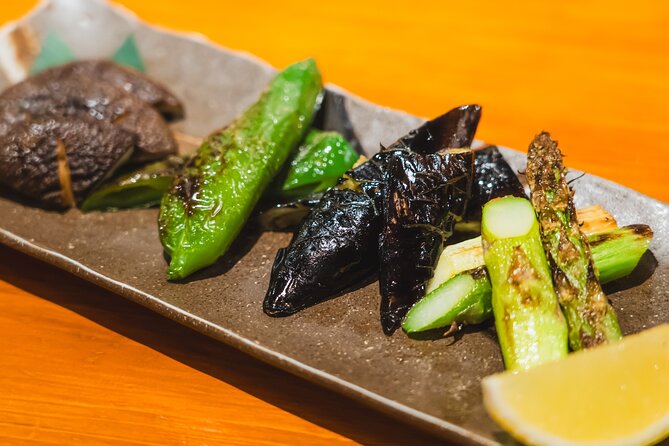
The final main restaurant is on Ginza Corridor Street and serves Obanzai-style food. Obanzai comes from Kyoto and refers to everyday home-cooked side dishes made with simple seasoning that allows the ingredients to remain central.
This is a useful contrast to Wagyu. The meal is not built around one luxury ingredient. Instead, it introduces the kind of practical cooking associated with daily life, where several small dishes make up a varied meal.
I value this stop because it gives the tour some balance. Ginza is easy to associate with expensive dining, but Japanese food culture is broader than premium beef and sushi. Obanzai offers a look at another tradition, one based on familiar side dishes and restrained preparation.
The final restaurant is listed as Ginza Karin, at 7-chome in Ginza. The tour ends there, and Ryo can help point you toward a subway station or give directions to a nearby hotel. That is useful after several drinks, especially if you are still getting your bearings in Tokyo.
A few more Tokyo tours and experiences worth a look
The late-night alley under the train tracks
Before the evening finishes, the route includes a stop at a small izakaya alley under the train tracks. The description presents it as a very tucked-away drinking area that stays open around the clock. You can remain for extra time after the formal tour ends.
This is not presented as another included tasting stop with a fixed menu. Think of it as a bonus look at a different side of Tokyo nightlife. The narrow setting and late hours offer a sharp contrast to the polished Ginza streets nearby.
The practical point is that your official tour ends at the last restaurant, while any continued time in the alley is extra. Additional drinks or food are not included in the $175 price. If you have an early morning or do not drink much, you can simply finish with the group and follow Ryo’s directions onward.
What the $175 price really covers
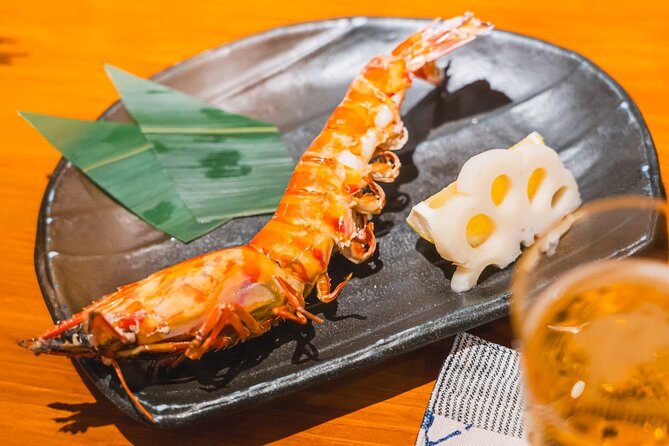
At $175 per person, this is not a budget dinner. You are paying for 3 to 4 hours of food, four included drinks, 8 to 10 dishes, and a local guide who handles the movement between three restaurants.
The strongest value comes from access and simplicity. Ginza restaurants can be difficult to identify from the street, and small izakayas may have limited space or menus that are hard to understand if you do not read Japanese. Ryo removes much of that friction and adds explanations about the food and local dining habits.
The group limit also matters. A maximum of six people is far more personal than a large bus-style food outing. You can ask questions as they come up, and the guide can focus on taking photographs and helping the group share the meal.
The price makes less sense if you want to choose every dish yourself, avoid alcohol, or eat only a small amount. Extra drinks and food are not included, so a long stay after the tour will raise the final cost. The tour is best viewed as an organized dinner with cultural guidance, not simply a bar crawl.
What Ryo adds to the evening
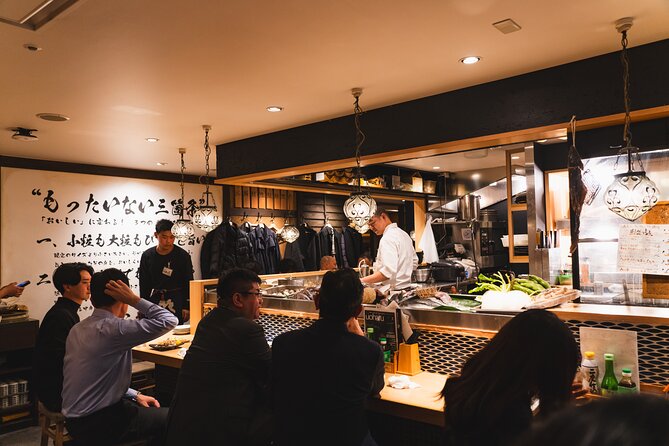
Ryo is identified as the local foodie guide and photographer. His role goes beyond leading you from one address to another. He provides personal stories, local information, and explanations of the food culture around Tokyo’s izakayas.
That personal layer is one of the main reasons to consider this experience instead of simply searching for restaurants in Ginza. You can find seafood, Wagyu, and small side dishes on your own, but finding three places with different styles in one evening takes time and some confidence.
The supplied feedback gives particular weight to Ryo’s friendly manner, trustworthy approach, and local stories. I would treat those qualities as central to the experience. If you want a guide who talks with you rather than simply hands over dishes, this is a good match.
The photography service is another practical touch. You should not expect a professional photo shoot, but Ryo is listed as both guide and photographer, so you can come away with pictures from the evening without constantly asking another member of your group to take them.
Dietary needs, age rules, and the drinking pace
You should be over 21 to join. Four drinks are included, so this is plainly designed as an evening for adults who are comfortable with alcohol. Sake and beer are among the drinks connected with the experience, and the Wagyu stop includes a lemon cocktail.
Vegetarian, vegan, and gluten-free adjustments may be possible if you give advance notice when booking. Still, the tour does not promise an allergy-free meal. The restaurants are independent kitchens, and some stops may not have a workable substitute.
If you have a serious allergy, treat the tour with caution. The guide will make an effort to compensate at other stops, but the available information does not guarantee that every dish can be changed safely.
You should also tell the guide about dietary limits before the evening begins, not after arriving at the first restaurant. Since the seafood menu changes daily and the tour moves through several kitchens, advance planning gives the best chance of a useful adjustment.
Who will enjoy this food tour most
I would recommend this tour to you if you want an introduction to Tokyo’s after-work food culture and prefer a guided evening to a list of restaurant addresses. It suits first-time visitors who want help navigating Ginza, as well as repeat visitors who want food experiences beyond the main sightseeing route.
It is especially good for:
- Couples or friends who enjoy trying several dishes rather than ordering one dinner
- Food-focused visitors who want seafood, Wagyu, sake, and home-style side dishes in one night
- People who value a small group and plenty of time for questions
- Anyone who wants local stories and photographs along with the meal
- Visitors staying near Ginza or Yurakucho who want a convenient evening start
I would hesitate if you do not drink, have strict allergies, dislike shared tasting menus, or want a low-cost meal. The tour is also not ideal if you need to leave Tokyo’s center early, since it begins at 5 pm and runs into the evening.
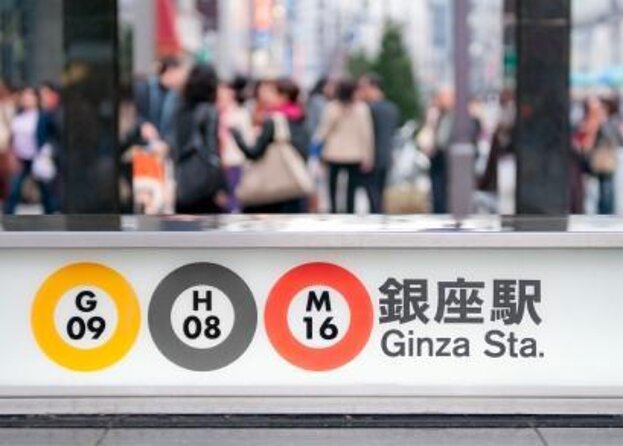
Meet at the 7-Eleven beside Yurakucho Station at the stated address in Chiyoda City. The location is near public transportation, but check the exact map pin before leaving. The tour finishes at Ginza Karin, not at the starting point, so plan to return by subway or continue from Ginza.
Cancellation is free if you cancel at least 24 hours before the 5 pm start time. Changes or cancellations made inside that window are not accepted for a refund.
Should you book the Ginza izakaya tour?
Book it if you want a guided dinner that combines three different kinds of Japanese food with drinks, local explanation, and easy navigation. The small group and Ryo’s personal approach are the strongest reasons to pay more than you would for an ordinary restaurant meal.
Skip it if the $175 cost feels high for dinner, you prefer complete control over the menu, or you cannot safely take part in a meal that includes several independently prepared dishes. For everyone else, this is a well-balanced way to spend an evening in Ginza, with enough variety to make the price easier to justify.
FAQ
How long does the Tokyo Ginza food tour last?
The tour lasts approximately three to four hours.
What time does the tour start?
The tour starts at 5 pm.
Where does the tour begin?
Meet at the 7-Eleven Yūrakuchō Ekimae, located in the Joy Pack Building in Yurakucho, Chiyoda City, Tokyo.
Where does the tour end?
The tour ends at Ginza Karin in Ginza. The guide can help direct you to a subway station or toward a nearby hotel.
How many people can join the tour?
The tour has a maximum of six travelers.
How many dishes and drinks are included?
The experience includes 8 to 10 dishes and four drinks. The food includes seafood, Wagyu, and other Japanese dishes, while the drinks include sake and beer.
Is the tour suitable for dietary restrictions?
Vegetarian, vegan, and gluten-free adjustments may be possible with advance notice at booking. An allergy-free meal is not guaranteed, and some restaurants may not have a suitable substitute.
Can I cancel for a full refund?
Yes. You can cancel at least 24 hours before the experience start time for a full refund. Cancellations or changes made less than 24 hours before the start are not accepted for a refund.
More Bar Hopping & Izakaya Tours in Tokyo
More Tokyo Food Tours in Tokyo
More Ginza Tours in Tokyo

More tours in Tokyo we've reviewed


Tokyo Food Tours, compared.
 ★ 5.0Tokyo: Shinjuku Food Tour (13 Dishes at 4 Local Eateries)From $86
 ★ 4.9Tokyo: Shinjuku Food Tour (15 Dishes and 4 Eateries)From $853 hours
 ★ 5.0Best of Shinjuku: Izakaya Food Tour (4 Stops, 14+ Tastings)From $92
 ★ 5.0Tokyo Night Foodie Tour in Shinjuku – Seasonal Sushi, Wagyu BeefFrom $111
 ★ 5.0Eat and Drink Like a Local: Tokyo Ueno Food Tour-Taverns&RamenFrom $95
 ★ 5.0Tokyo: Shibuya Food Tour (13 dishes and 4 Eateries)From $77