
Reviewed · SHIBUYA TOURS
Tokyo: Shibuya Highlights Walking Tour
Shibuya’s famous crossing is only the opening act. This 90-minute walk takes you from the Hachi dog statue through the neon heart of the district, then into quieter streets, local drinking lanes, food areas, and a useful viewpoint over the scramble.
I like the small groups of up to six, which make it easier to ask questions and keep up in crowded streets. I also like the practical local advice: guides such as Sakura, Hiroko, Rick, and Fumino point out places to eat, shop, and return to after the tour. The main drawback is time. Ninety minutes gives you a good orientation, not a full tour of every corner.
In This Review
- Key points about this Shibuya walk
- Starting at the Hachi dog statue
- Walking through the world-famous scramble
- Finding the best view of Shibuya Scramble
- Leaving the main crowd for local streets
- Getting more than a station orientation
- The guides and the small-group format
- Timing, weather, and the real value of $19
- Who should book this experience?
- Should you book the Shibuya Highlights Walking Tour?
- FAQ
- Where does the Shibuya Highlights Walking Tour meet?
- How long is the tour?
- How much does the tour cost?
- What language is the tour conducted in?
- How many people can join the tour?
- Does the tour include food or drinks?
- Is transportation included?
- Is the tour wheelchair accessible?
- What should I bring?
- What happens if I arrive late?
- Can I cancel for a full refund?
- Can I reserve now and pay later?
Key points about this Shibuya walk
- Start beside the Hachi statue: Meet at the SHIBU HACHI BOX, directly in front of one of Tokyo’s best-known meeting points.
- Cross Shibuya Scramble: You walk through the famous intersection instead of simply viewing it from the sidelines.
- See the crossing from above: The guide takes you to a useful photo spot that several visitors found difficult to locate alone.
- Step away from the neon: The route includes quieter streets and less crowded places that show another side of Shibuya.
- Get local food advice: Guides regularly suggest ramen shops, restaurants, lunch spots, and places to try after the walk.
- Keep it personal: The group is limited to six, and solo bookings may become a one-to-one tour.
Starting at the Hachi dog statue
The meeting point is the SHIBU HACHI BOX tourist information center in front of the Hachi statue. Come out of the Hachiko Exit at JR Shibuya Station and look for the center at coordinates 35.6591253, 139.7008004.
This is a sensible place to begin. Shibuya Station has many exits and several busy underground connections, so meeting at a clearly marked information center is easier than trying to find a guide in the middle of the square. When you arrive, tell the desk staff that you are joining the tour.
Give yourself extra time. The guide can wait only five minutes, and late arrivals cannot join partway through the walk. That rule matters here: Shibuya is crowded, the station is large, and a missed meeting point can quickly turn into a lost tour.
The guide begins with the story behind the Hachi statue and the area around it. You get context before stepping into the crowds, which helps turn the station plaza from a wall of screens and people into a place with a human story.
A few more Tokyo tours and experiences worth a look


Walking through the world-famous scramble
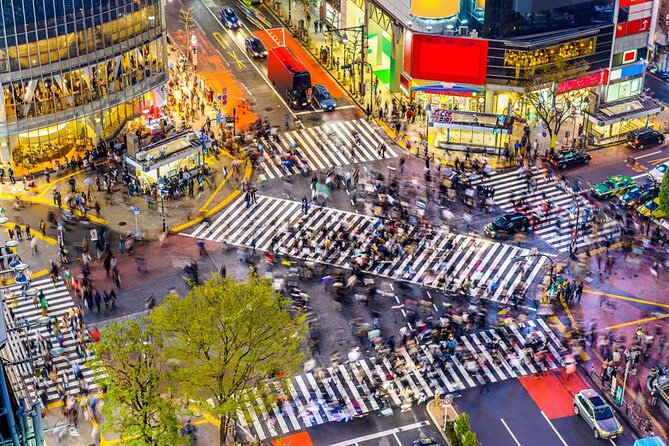
The next key moment is Shibuya Scramble, often called the busiest crossing in the world. You do not just stop for the usual picture. The group walks across it, giving you a quick taste of how the crossing works when several streams of people move at once.
The crossing is exciting, but it is also brief. The real benefit of having a guide is knowing what to look for before you enter the crowd and where to go afterward for a better view. If you arrive in Shibuya alone, it is easy to cross, take one rushed photo, and move on without understanding the setting.
The guide also helps you handle the area with basic courtesy. One visitor noted that guide Rick explained places where taking photographs was inappropriate. That is useful advice in Japan, where a quick picture can sometimes intrude on private or sensitive spaces.
Expect noise, bright signs, heavy foot traffic, and a fast pace around the station. Comfortable clothing is the only listed requirement, but sensible walking shoes will make the route easier. The tour is wheelchair accessible, though the streets around Shibuya Station can still feel crowded and demanding.
Finding the best view of Shibuya Scramble
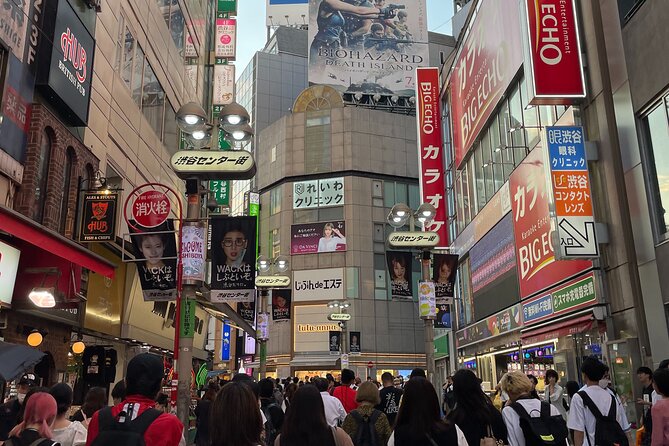
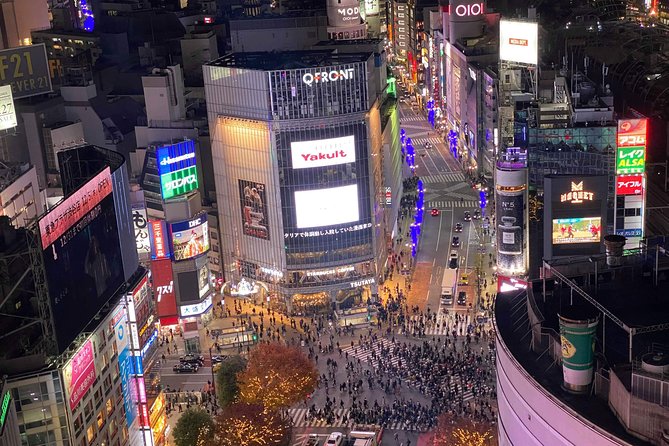
A strong part of this experience comes after the crossing, when the guide leads you to an impressive viewing spot. Several guests specifically valued finding a high viewpoint from which to watch the streams of people below.
This is where the tour earns much of its $19 price. You can cross Shibuya Scramble on your own for free, but finding a good angle, understanding the surrounding streets, and getting there without wasting time is less simple. The guide gives you a practical starting point for returning later with your camera.
The view also changes your sense of scale. From street level, the crossing feels like a brief burst of motion. From above, you can see how the station, signs, roads, and surrounding buildings fit together. It is a quick lesson in why Shibuya feels so intense when you first arrive.
The exact viewing location may vary with the guide and conditions, so think of this as a guided search for a good outlook rather than a guaranteed ticket to a named observation deck. That flexibility is useful, but anyone wanting a formal skyline attraction should book a separate viewing experience.
Leaving the main crowd for local streets
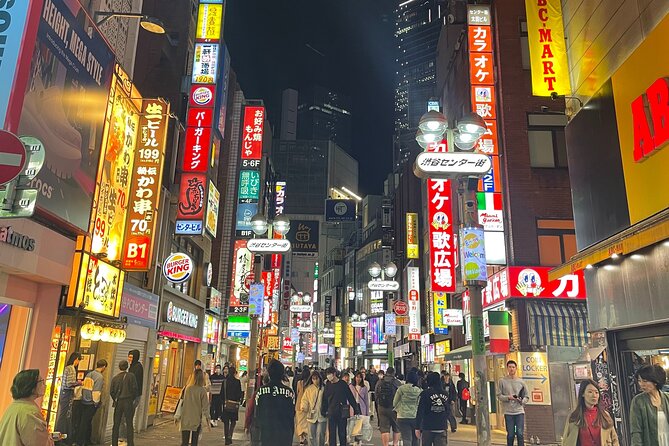
The walk then moves away from the main crossing and into streets lined with restaurants, bars, and pubs. This shift is important. Shibuya is often reduced to neon, shopping, and young crowds, but its smaller lanes give you a more useful sense of how people spend time in the district after work and after dark.
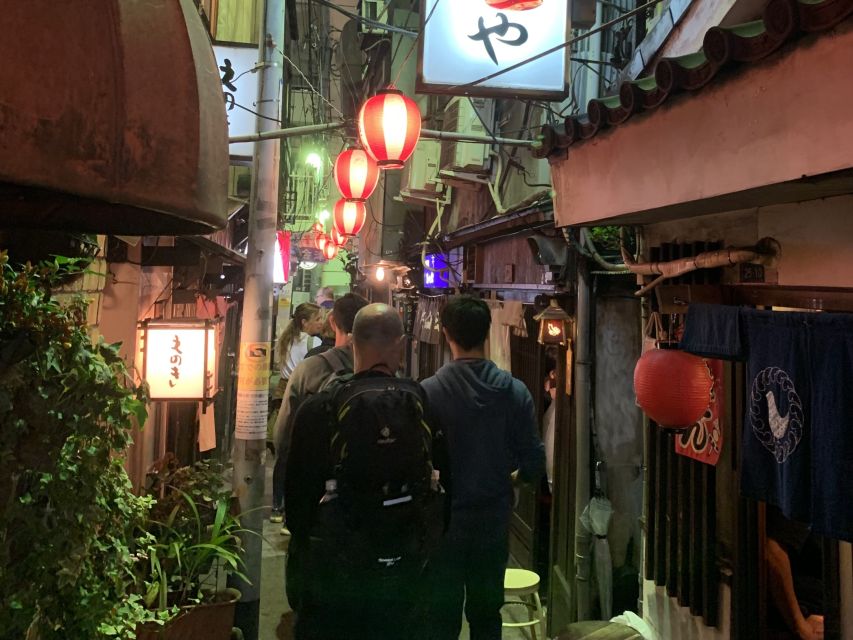
One recurring feature is the area sometimes called Drunkards Alley. The name gives you a fair warning: this is a compact drinking quarter, not a polished sightseeing boulevard. You get a closer look at the small-scale side of Shibuya, with narrow lanes and local eating and drinking spots.
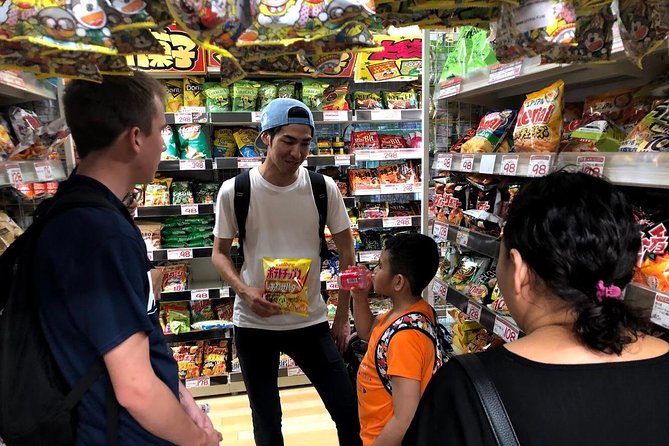
The guide does not include food or drinks, so plan to eat after the tour or return to a place you noted along the way. That can be an advantage. You are not pushed into a fixed restaurant or given a meal that may not suit your budget or diet. Instead, you receive suggestions and can choose for yourself.
The advice appears to be one of the most useful parts of the walk. Guides have pointed out ramen places, lunch options, restaurants, shops, and quieter places to visit. I would keep your phone ready to save names and locations as you go. One practical tip is to photograph signs and entrances, since it can be hard to relocate a small restaurant later.
Getting more than a station orientation
A good introductory walk should help you use a neighborhood after the guide leaves. This one aims to do that by mixing major sights with useful shortcuts and local pointers.
John from Australia described seeing station shortcuts, a viewing point, Drunkards Alley, and other parts of the district in the 90-minute route. That combination matters because Shibuya Station is not easy to read on a first visit. A guide who can explain how streets connect gives you more confidence for the rest of your stay.
You should not expect a long history lecture. The historical material is tied to what you see, including Hachi and the development of Shibuya as a busy entertainment and shopping district. The format is practical and conversational, with explanations during the walk between the main stops.
The guides also explain local behavior. Rick’s advice about photography is one example. This kind of guidance can be more valuable than a list of dates, since it helps you move through the area with better manners and fewer awkward moments.
Other walking tours we've reviewed in Tokyo



The guides and the small-group format
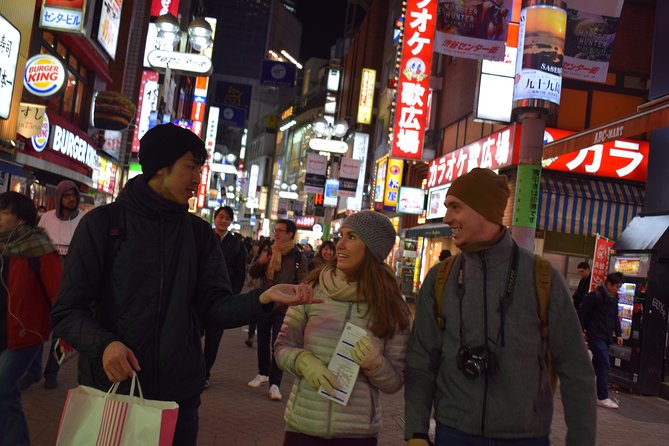
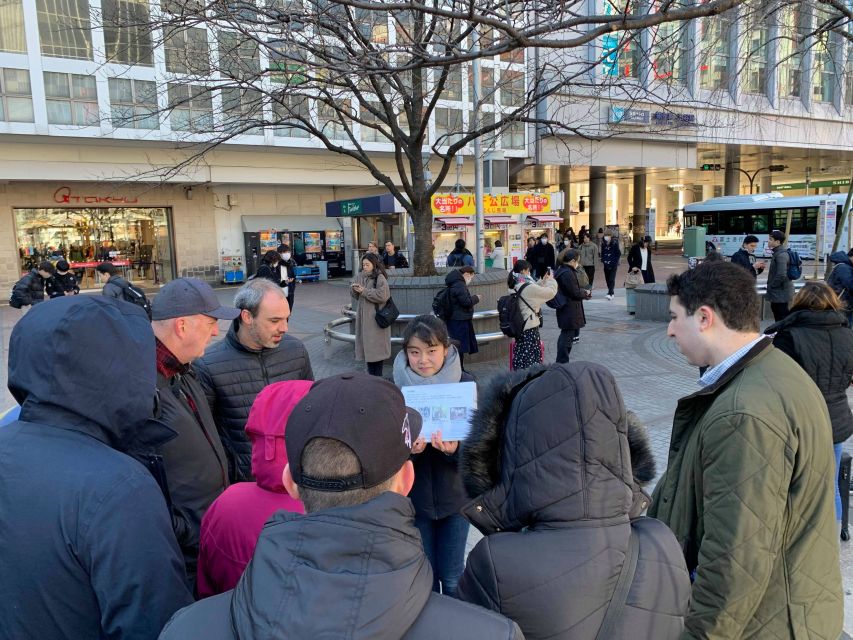
The tour is conducted in English by a live local guide, and the group is limited to six participants. That is a major difference from a large city walk where you follow a flag and wait for the guide to repeat every point.
The small size allows the guide to adjust the conversation. If you want restaurant advice, you can ask. If you are traveling with children, you can raise questions at your own pace. A guide such as Hiroko has kept children aged seven and ten engaged, while other guides have handled families with young adult children and even a group with an infant.
Solo visitors may get especially good value. Several bookings became personal tours when only one person joined. That can make the walk feel more like a conversation with a local than a standard group outing, although you should not book on the assumption that you will always be alone.
The guides named in the feedback include Sakura, Hiroko, Rick, Fumino, Fumini, Izumi, Yoshi, Roko, Mayuka, Hayato, and others. Sakura is frequently praised for her energy, restaurant suggestions, English, and willingness to take photos. Hiroko is noted for warmth and clear explanations, while Fumino has helped solo participants explore places they would not have found alone.
Guide quality can vary from person to person, as it does with any guide service. The overall pattern is strong, especially for friendliness, English communication, local suggestions, and enthusiasm for Shibuya.
Timing, weather, and the real value of $19
At $19 per person, this is inexpensive for a small-group walking tour in central Tokyo. The price does not cover food, drinks, transport, or hotel pickup, but the meeting point is right by JR Shibuya Station, so you can reach it independently.
The best value comes from orientation. If Shibuya is new to you, the guide helps you understand the station area, famous crossing, restaurant lanes, photo points, and quieter streets in one compact visit. You can then spend the rest of your day shopping or exploring with a better map in your head.
Ninety minutes is both a strength and a limit. It is short enough to fit on arrival day, before dinner, or between other Tokyo plans. It is also short enough that the route cannot cover all of Shibuya in detail. Mauricio from Chile found the area covered a little short, so set your expectations correctly.
The walk runs rain or shine. Bring an umbrella or raincoat when rain is expected. Rain can make the route less comfortable and may reduce the quality of photos, but one rainy-day booking still found the tour interesting and entertaining. In winter, a late afternoon start around 4 pm can bring attractive light as the sun goes down, according to one solo participant.
Since starting times vary, check availability when booking. The tour offers free cancellation up to 24 hours before the start, and you can reserve now and pay later. Those terms are helpful if your Tokyo schedule is still moving around.
Who should book this experience?
I would choose this tour for a first visit to Tokyo, especially if Shibuya is on your must-see list. It gives you the classic crossing, but it does not stop there. You also get food suggestions, local streets, a viewing point, and a basic feel for the district.
It suits solo visitors, couples, families, and small groups who prefer questions and conversation over a fixed script. It is also a smart first activity after arriving in Shibuya, since several people used it to get oriented before shopping or eating on their own.
You might want something longer if you already know Shibuya well or want a detailed focus on Japanese food, nightlife, architecture, or shopping. You should also leave room after the tour if you plan to follow the guide’s restaurant and shopping suggestions.
The walking pace, crowds, and weather deserve attention. Wear comfortable clothes, allow time to reach the meeting point, and do not arrive at the last minute. The guide cannot collect latecomers once the group leaves.
Should you book the Shibuya Highlights Walking Tour?
Book it if you want a friendly, low-cost introduction to Shibuya that combines famous sights with useful local direction. The small six-person limit, strong guide lineup, and viewpoint over Shibuya Scramble give it more substance than a quick crossing photo stop.
Skip it if you want a long, specialized tour or prefer exploring entirely alone. For most first-time visitors, though, $19 buys a useful 90-minute start, especially when you plan to keep exploring the neighborhood afterward.
FAQ
Where does the Shibuya Highlights Walking Tour meet?
It meets at the SHIBU HACHI BOX tourist information center in front of the Hachi dog statue. Use the Hachiko Exit of JR Shibuya Station.
How long is the tour?
The walking tour lasts 90 minutes.
How much does the tour cost?
The listed price is $19 per person.
What language is the tour conducted in?
The tour is conducted in English with a live local guide.
How many people can join the tour?
The group is limited to six participants.
Does the tour include food or drinks?
No. Food and drinks are not included.
Is transportation included?
No. Transportation is not included, and there is no hotel pickup or drop-off.
Is the tour wheelchair accessible?
Yes, the activity is listed as wheelchair accessible.
What should I bring?
Bring comfortable clothing. If it rains, bring an umbrella or raincoat because the tour operates in wet weather.
What happens if I arrive late?
The guide can wait only five minutes at the starting point. Latecomers cannot join the tour in the middle, so contact JLB Tours as soon as possible if you cannot arrive on time.
Can I cancel for a full refund?
Yes. You can cancel up to 24 hours in advance for a full refund.
Can I reserve now and pay later?
Yes. The activity allows you to reserve your place and pay later.
More Walking Tours in Tokyo
More Shibuya Tours in Tokyo



More tours in Tokyo we've reviewed











Shibuya Tours, compared.
 ★ 5.0Official Street Go-Kart in ShibuyaFrom $76
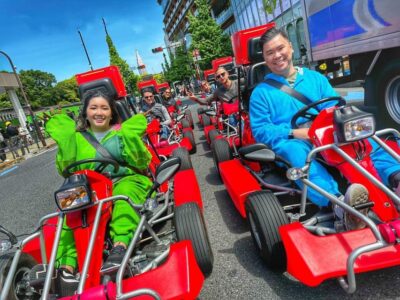 ★ 4.9Tokyo: Street Kart Experience in ShibuyaFrom $741 hour
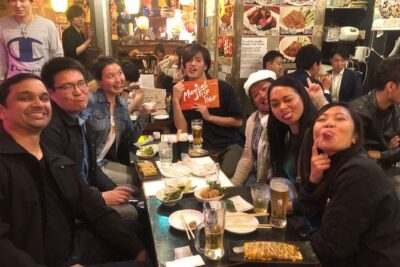 ★ 5.0Shibuya Meltdown Nightlife Tour: All-You-Can-Drink Bar HoppingFrom $106
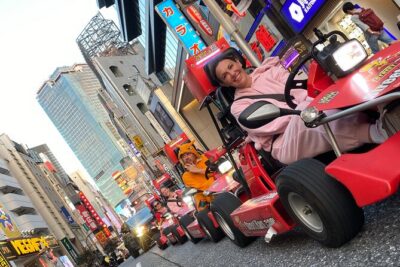 ★ 5.0Shibuya Official Street Go-Kart in Shibuya AnnexFrom $69
 ★ 5.0Tokyo: Shibuya Food Tour (13 dishes and 4 Eateries)From $77
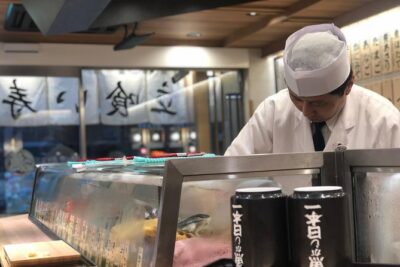 ★ 5.0Best of Shibuya Food TourFrom $217