
Reviewed · SHIBUYA TOURS
:Tokyo,Shibuya/ Pro Photography in Kimono / English-Friendly
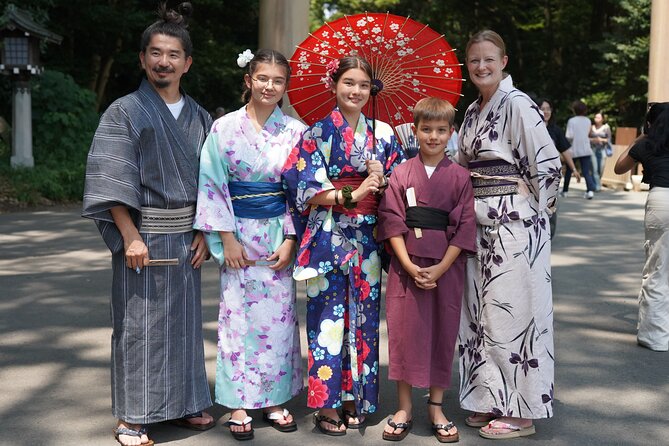
Wearing a kimono for a short professional photo session is a smart way to enjoy the look without spending all day trying to walk, eat, and navigate Tokyo in one. SHIBUI places you near Meiji Shrine and Takeshita Street, with a choice of studio or outdoor photos.
I like the warm, personal service and the wide selection of kimonos for women, men, and children. I also like the practical one-hour format: you get dressed, take polished photos, and change back before the outfit becomes work.
The main drawback is finding the entrance. The studio is in Jingumae Room 413 at Harajuku Cope Anex, and there is little or no obvious signage. Call the shop if you are standing outside and unsure, as staff can come out to meet you.
In This Review
- Key points to know before booking
- A kimono session made for a short Tokyo itinerary
- Finding the Harajuku studio at Jingumae Room 413
- Choosing the kimono and accessories
- Professional dressing without an all-day commitment
- Indoor portraits or a short walk outdoors
- What you receive after the photographs
- Why the staff make a difference
- How this compares with a full-day kimono rental
- Who will get the most from this experience
- Price, timing, and cancellation details
- Should you book SHIBUI?
- FAQ
- Where is the kimono photo session located?
- How long does the activity last?
- Is the staff service available in English?
- Are kimono and accessories included?
- Is hair styling included?
- Can the photographs be taken outdoors?
- How many photographs can I receive?
- Can I cancel for a full refund?
Key points to know before booking
- Three minutes from Meiji Shrine: Pair this session with one of Harajuku’s most famous sights.
- Two minutes from Takeshita Street: The location makes it easy to fit into a busy Harajuku day.
- Private, English-friendly service: Staff explain the choices and guide you through dressing and posing.
- Up to 140 photos: Images are sent by email or AirDrop after the session.
- Hair styling costs extra: Add ¥2,000 per person and pay at the shop if you want this service.
- Outdoor photos are possible: A nearby park, shrine, street, or another agreed location may be used.
A kimono session made for a short Tokyo itinerary
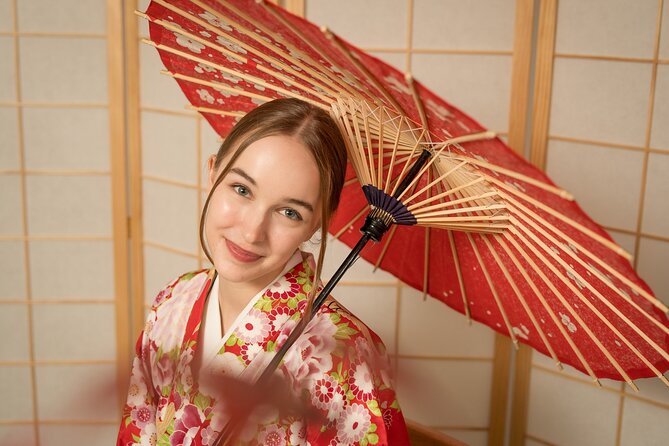
SHIBUI offers a focused version of a traditional dress-up experience. You are not renting a kimono for an entire day and then trying to manage it through train stations, restaurants, and crowded streets. Instead, you choose your outfit, get dressed by a professional, pose for photos, and change back into ordinary clothes within about an hour.
That shorter format is the real appeal. A kimono looks wonderful in photographs, but the layers and formal dressing can make a full-day rental tiring. Here, you get the special part of the experience without committing your whole Harajuku schedule to it.
The service is designed for a private group, with English-speaking staff available to explain the process. It works well for a solo visitor, a couple, or a family with children. The collection includes choices for women, men, and children, so a family can create a shared set of photographs rather than leaving one person out.
The listed price is $137 for a group up to one person. Since pricing can depend on the booking setup, check the exact total before paying. For a solo visitor, the value comes from combining the kimono, accessories, dressing assistance, and a professional photography session in one reservation.
A few more Tokyo tours and experiences worth a look


Finding the Harajuku studio at Jingumae Room 413
The meeting point is Jingumae Room 413 at Harajuku Cope Anex. This is close to the area’s major sights, but the building can be hard to identify because it does not have a large, clear shop sign.
Give yourself a few extra minutes. If you are in front of the building and cannot tell where to go, call the shop. Staff can come out and guide you in. This small step matters because a confusing arrival can make a one-hour activity feel rushed.
Once inside, you check in with your reservation code and number. The staff then explain the service and discuss your clothing and photo location options. The tone is personal rather than hurried, which helps if you have never worn a kimono before.
The location is especially useful if you are already visiting Harajuku. Meiji Shrine is about a three-minute walk away, and Takeshita Street is about two minutes away. You can schedule the photo session before or after sightseeing, though you should allow enough time to arrive calmly and change at the end.
Choosing the kimono and accessories
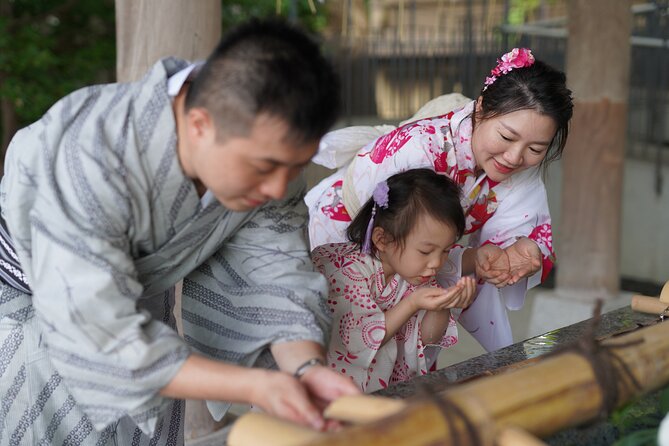
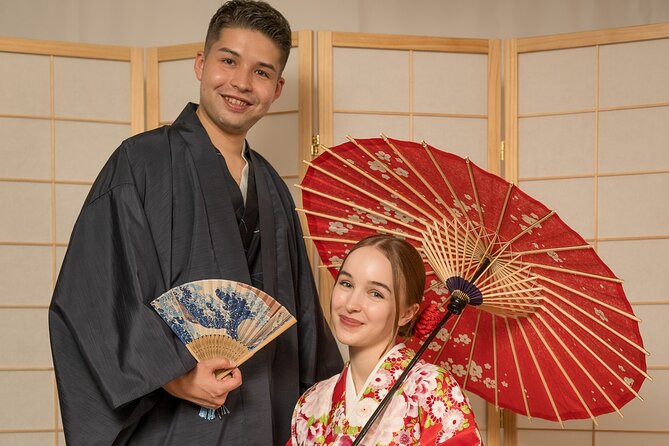
The first real decision is choosing your kimono. SHIBUI offers a broad selection, with clothing for women, men, and children. You can also select matching accessories and adjust the overall style to suit your taste.
This part is more than a quick costume choice. The staff explain the pieces and help you put together an outfit that works as a whole. If you are unsure what colors or patterns suit you, ask for guidance rather than choosing in a hurry.
The collection gives you room to make the experience personal. Some people want a classic Japanese look. Others may prefer a brighter pattern or a style that photographs well against an outdoor setting. The important point is that you are not simply handed one standard outfit.
Kimono dressing is precise. Layers need to sit correctly, the belt must be tied firmly, and the final arrangement needs to look neat from every angle. A professional dresser handles this for you, which is one of the strongest reasons to choose a photo package instead of attempting a rental on your own.
The outfit and accessory rental are included in the package. Hair styling is not included. If you want it, the added cost is ¥2,000 per person, paid directly at the shop. The supplied details do not specify the exact hair styles available, so ask about this when you check in.
Professional dressing without an all-day commitment
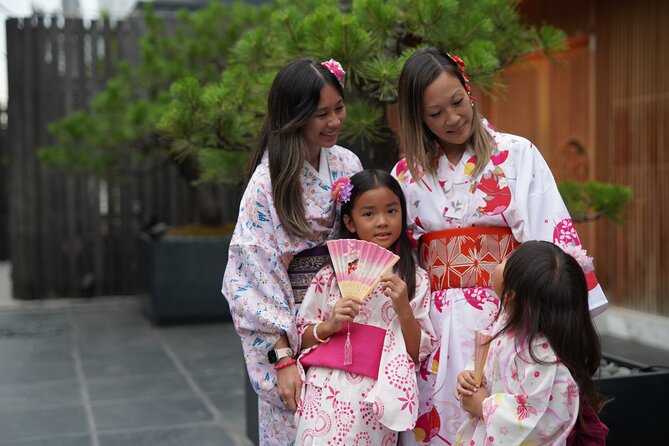
After you choose your clothing, a skilled dresser helps you put on the kimono. The process takes care and may feel snug, since a properly arranged kimono is held in place by several layers and ties.
The staff also explain parts of the clothing and share cultural details as they work. That makes the dressing stage useful, not just practical. You begin to understand why the outfit has its particular shape and why the final appearance depends so much on careful arrangement.
For families, this is a helpful part of the service. Dressing several people can be difficult if everyone is trying to manage their own outfit. Here, the staff take charge of the process so you can focus on the photographs.
For solo visitors, professional dressing solves another problem: you do not need a companion to help with the outfit or take pictures. One customer specifically valued the format because it offered a way to wear a kimono without dealing with it for an entire day.
Do not expect hair styling to be automatically included. If photographs with a traditional hairstyle are important to you, add that service in advance if possible, then confirm the cost at the shop.
Indoor portraits or a short walk outdoors
The photo session lasts about 15 minutes, though the full activity takes about one hour. You may photograph inside the traditional Japanese-designed studio, or you may agree on an outdoor location.
Outdoor options can include a nearby shrine, a park, or streets in the Harajuku area. One photo session used a park only three to five minutes away, while another included several neighborhood locations reached on foot with the photographer.
This gives the experience two distinct moods. The studio offers a controlled setting, traditional design, and a reliable backdrop. Outdoor photographs connect the kimono to Tokyo itself, with local streets and nearby green spaces adding a sense of place.
The outdoor choice also comes with a practical consideration. It depends on the agreed location and the conditions on the day. The information provided does not promise a fixed shrine or park for every booking, so discuss the plan during your consultation.
You should also remember that Harajuku is a busy part of Tokyo. A short walk from the studio may take you into active streets, where photographs can feel more connected to the city but less private than studio portraits. If you prefer a calm and controlled session, choose the studio.
The photographer guides you through poses and locations. This is useful if you are not comfortable in front of a camera. You do not need to arrive with a plan for every photograph.
Other photography tours in Tokyo


What you receive after the photographs
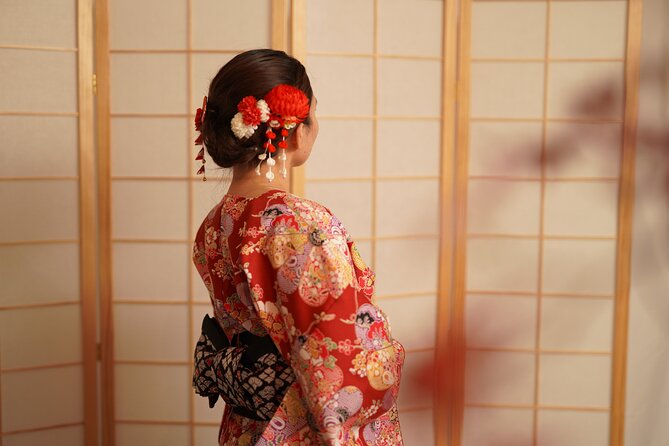
The team can take up to 140 photographs. That is a generous number for a 15-minute session, although the final quality and selection will vary with the setting, poses, and group size.
The image files are delivered by email or AirDrop. Some customers received the files directly at the shop, which is convenient if you want to check that the transfer worked before leaving.
The photographs are not edited. This is worth knowing before you book. You receive the images quickly, but you should not expect a polished magazine-style retouching service. For many people, the fast delivery is more useful than extensive editing, especially if you want to share the pictures during your Japan trip.
If you have limited phone storage or a weak data connection, check that your device can receive the files. The supplied information does not specify the file format or total download size, so ask the staff if those details matter to you.
The large number of images also gives you choices. You may receive several versions of the same pose, along with different expressions and angles. That is helpful for families and couples who want at least a few photographs in which everyone looks ready at the same time.
Why the staff make a difference
The strongest part of the experience is the personal service. Staff speak English and guide you through the entire process, from choosing the kimono to receiving the photographs.
The team is described as friendly, kind, and professional. The photographer and dresser take an interest in where you come from, which can make the appointment feel more like a personal meeting than a simple rental transaction.
The dressing assistance also earns praise for being careful and capable. That matters because the quality of the final photograph depends heavily on the outfit sitting correctly. A loose collar, uneven layer, or crooked belt would show in every image.
The friendly approach is especially useful if you feel uncertain about Japanese customs or do not know how to pose in formal clothing. You can ask questions in English and receive direct guidance rather than guessing.
At the same time, this is a small studio service, not a large production with a big staff and elaborate facilities. The modest building entrance may feel unpolished at first. Once inside, the studio is described as clean, and the service is organized around direct help from the people running it.
How this compares with a full-day kimono rental
A full-day rental gives you more time in the clothing, but it also asks more from you. You must walk, sit, eat, and manage Tokyo’s crowds while wearing a formal outfit. SHIBUI’s one-hour session keeps the experience simple.
This is a good choice if your main goal is professional photographs. It is also useful at the end of a Japan trip, when you want the experience but no longer have room in your schedule for a full day of dressing and sightseeing.
The tradeoff is that you will not spend hours visiting temples or shopping in the kimono. Your outdoor session is brief, and the photography portion is about 15 minutes. If you want to stroll through Tokyo dressed traditionally from morning until evening, you need a different type of service.
I see the SHIBUI format as a practical middle path. You get the cultural experience, the careful dressing, and the keepsake photographs, but you do not have to make the outfit your day-long responsibility.
Who will get the most from this experience
This activity suits:
- Solo visitors who want professional photographs without asking strangers to take pictures.
- Couples who want coordinated portraits in traditional clothing.
- Families looking for matching vacation photographs, with kimono choices for children as well as adults.
- First-time kimono wearers who want help with every step.
- Visitors staying near Harajuku who want to combine the appointment with Meiji Shrine and Takeshita Street.
- People who prefer a short, scheduled experience over a full-day rental.
It may not suit you if you want extensive hair styling included, edited photographs, or a long outdoor tour in kimono. The session is short, the images are delivered unedited, and hair styling requires an added payment.
The private format is another advantage. You are not placed into a large group, and the staff can focus on your clothing, poses, and photo location. That makes the appointment feel more relaxed, particularly for children or anyone who dislikes performing in front of strangers.
Price, timing, and cancellation details
At $137 for a group up to one person, the package includes the kimono, accessories, professional dressing, and the photo session. That is reasonable if you value convenience and fast access to professional pictures, though the price is less attractive if you only want to try on a kimono without buying photographs.
The activity lasts one hour, with starting times based on availability. Plan to arrive early enough to find the building. A late arrival could cut into your dressing or photography time.
You can cancel up to 24 hours in advance for a full refund. The reserve-now-and-pay-later option lets you hold a place without paying immediately, which is useful when your Harajuku plans are still changing.
SHIBUI also offers kimono sales if you find an outfit you want to take home. The supplied information does not give prices or details about the sales process, so ask at the studio if buying is part of your plan.
Should you book SHIBUI?
Book this experience if you want a polished kimono memory in about an hour, especially if you are traveling solo or with family. The English-speaking staff, careful dressing, flexible studio or outdoor setting, and quick photo delivery make it easy to fit into a Tokyo itinerary.
Go in knowing the practical limits. The entrance can be difficult to find, hair styling costs extra, and the photographs are not edited. If those points are acceptable, SHIBUI offers a friendly and efficient way to enjoy traditional dress near two of Harajuku’s best-known sights.
FAQ
Where is the kimono photo session located?
The meeting point is Jingumae Room 413 at Harajuku Cope Anex in Harajuku. It is about three minutes from Meiji Shrine and two minutes from Takeshita Street.
How long does the activity last?
The full activity lasts about one hour. The included photography session lasts approximately 15 minutes.
Is the staff service available in English?
Yes. English-speaking staff guide you through check-in, kimono selection, dressing, photography, and receiving the photographs.
Are kimono and accessories included?
Yes. The package includes selecting a kimono, renting accessories, and professional dressing assistance.
Is hair styling included?
No. Hair styling costs an additional ¥2,000 per person, paid at the shop.
Can the photographs be taken outdoors?
Yes. Photography may take place in the studio or at an agreed outdoor location, such as a nearby shrine, park, or street.
How many photographs can I receive?
The team can take up to 140 photographs. The photo data is sent by email or AirDrop.
Can I cancel for a full refund?
Yes. You can cancel up to 24 hours in advance for a full refund.
More Photography Tours in Tokyo
More Shibuya Tours in Tokyo

More tours in Tokyo we've reviewed




Shibuya Tours, compared.
 ★ 5.0Official Street Go-Kart in ShibuyaFrom $76
 ★ 4.9Tokyo: Street Kart Experience in ShibuyaFrom $741 hour
 ★ 5.0Shibuya Meltdown Nightlife Tour: All-You-Can-Drink Bar HoppingFrom $106
 ★ 5.0Shibuya Official Street Go-Kart in Shibuya AnnexFrom $69
 ★ 5.0Tokyo: Shibuya Food Tour (13 dishes and 4 Eateries)From $77
 ★ 5.0Best of Shibuya Food TourFrom $217