
Reviewed · SAMURAI & NINJA EXPERIENCES
Tokyo: Samurai Experience with a real sword
The sharpest part of this Tokyo experience is the chance to handle a genuine samurai sword under a professional coach, not simply pose with a plastic prop. You dress in kimono and hakama, learn how to draw and sheath the blade, and take part in a controlled sword-to-sword exercise. I like the hands-on format, and I like that your final cutting session is recorded on video.
The main caution is that this is a compact two-hour introduction, not a full martial-arts course. English support is available, but communication may rely partly on gestures or Google Translate, and cutting with the real sword is limited to participants aged 12 and above.
In This Review
- Key points to know before booking
- Beginning at the West Exit in Tokyo
- Dressing in Kimono and Hakama
- Zarei, the Formal Start to the Lesson
- Watching Shiden-ryu Swordsmanship
- Learning to Draw, Sheathe, and Move
- The Sword-to-Sword Combat Exercise
- Cutting Objects With a Genuine Samurai Sword
- Photos, Video, and Extra Cultural Touches
- What the Two-Hour Schedule Really Offers
- Is $102 a Fair Price?
- Who Will Enjoy This Most
- Practical Preparation for the Day
- Should You Book This Samurai Experience?
- FAQ
- How long does the samurai experience last?
- What is the price?
- Where do I meet the staff?
- How early should I arrive?
- Is the activity conducted in English?
- Can I cut objects with the real sword?
- What should I bring?
- Is the activity suitable for pregnant women or wheelchair users?
- Are photographs and video included?
Key points to know before booking
- A real sword, with strict instruction: You learn safe handling before attempting any cutting.
- Traditional clothing is part of the lesson: Kimono and hakama make the session feel like more than a quick photo stop.
- Shiden-ryu techniques are demonstrated: Watch iai, drawing and sheathing, forms, and sword movement before you try them.
- You take home recorded memories: Photography is included, and video is available during the cutting activity.
- The meeting point is near a station west exit: Arrive 20 minutes early and look for staff holding a meeting board.
- Best for curious beginners aged 12 and up: You need comfortable clothing, a drink with a secure lid, and enough mobility for seated etiquette and movement.
Beginning at the West Exit in Tokyo
Your appointment starts at a designated meeting point in Tokyo. After leaving the station ticket gates, go through the west exit and down to ground level, where you should find McDonald’s. Staff holding a meeting board will meet you there and guide you onward.
The exact meeting location can change within Tokyo depending on the date, so check the final instructions carefully. This is one reason I would not cut arrival time too close. You are asked to arrive 20 minutes before the scheduled start, which gives you time to find the staff and handle any last-minute confusion.
The activity returns to the same meeting point at the end. That makes planning easier, especially if you have another Tokyo booking later in the day. Still, I would avoid placing an important timed reservation immediately afterward. Dressing, photos, and changing clothes all take part in the two-hour schedule, and the meeting point itself may vary.
A few more Tokyo tours and experiences worth a look


Dressing in Kimono and Hakama
The session begins with reception and help choosing and putting on traditional clothing. The kimono and hakama are not just a costume layer for one photograph. They set the tone for the movements that follow and give you a better sense of how formal samurai practice was presented.
You are asked to provide your height and weight on the reservation form. That information helps the staff prepare suitable clothing, so do not skip it. Bring comfortable clothes to wear underneath or afterward, plus a change of clothes if you prefer not to spend the rest of the day in traditional dress.
The outfit also creates a practical limitation. Hakama can feel unfamiliar when you first move in them, and some portions of the lesson use seated etiquette. Wear sensible clothing and avoid bringing anything bulky that could get in the way.
Zarei, the Formal Start to the Lesson
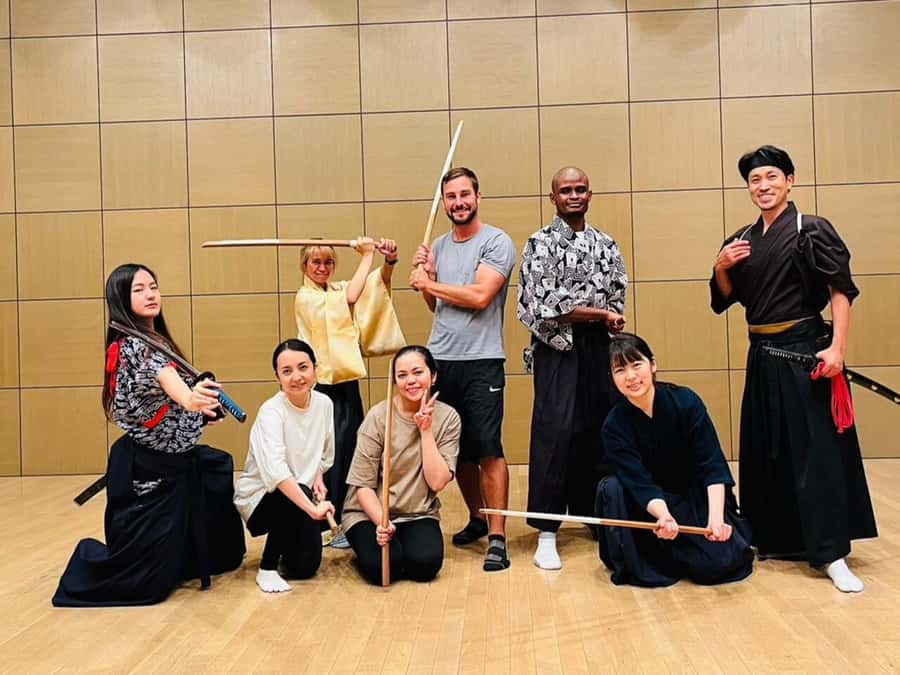
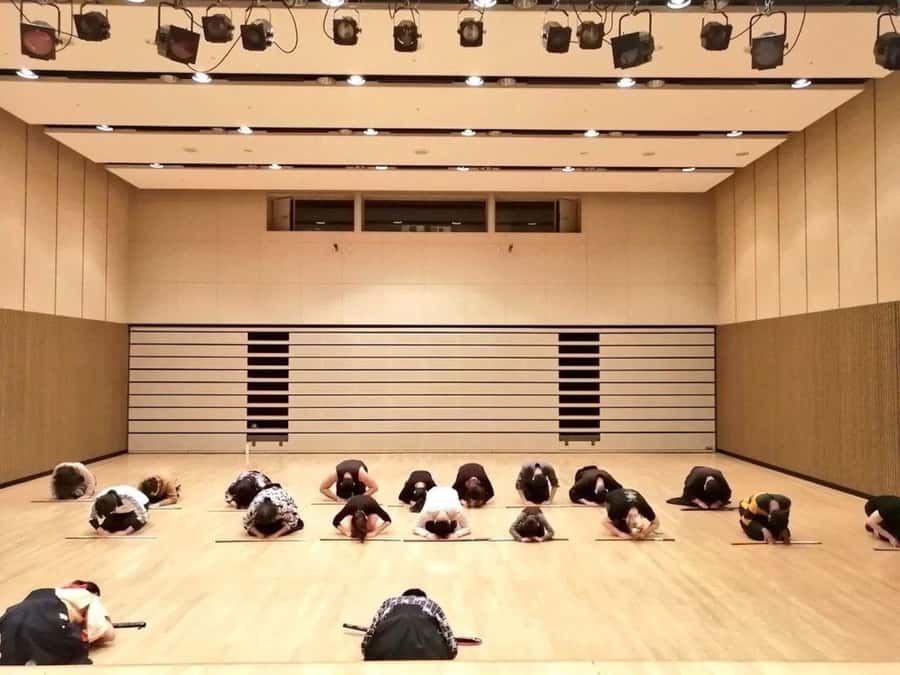
Before the sword work begins, you receive an introduction to samurai etiquette, including zarei, the seated bow. This may seem like a small detail beside the dramatic cutting session, but it gives the activity structure.
The lesson is not presented as a free-form action stunt. It moves from manners and posture to sword handling, then to forms and combat practice. That order helps beginners understand that the sword is tied to control, ceremony, and precision.
You will return to zarei near the end of the session as well. The repeated bow provides a formal opening and closing, rather than treating the experience as a single theatrical trick.
Watching Shiden-ryu Swordsmanship
A demonstration by Shiden-ryu introduces the style and movements before you attempt them. You may see iai, the controlled practice of drawing and handling the sword, along with demonstrations of how the blade is managed during forms.
This is one of the strongest parts of the schedule for anyone who wants more than a photograph in Japanese clothing. Watching first lets you see the pace, posture, and discipline required. The demonstration also makes clear why a real blade demands careful instruction.
The focus is on basic handling and movement, so keep your expectations realistic. In two hours, you can learn an introduction to samurai forms, but you will not become a trained swordsman. The value comes from getting a guided first look at the discipline, not from mastering a large set of techniques.
One instructor named in the supplied information is Hiryu, who has been described as bringing samurai history and philosophy into the lesson. The exact instructor may vary, but Hiryu is a useful name to know if he is leading your session.
Learning to Draw, Sheathe, and Move
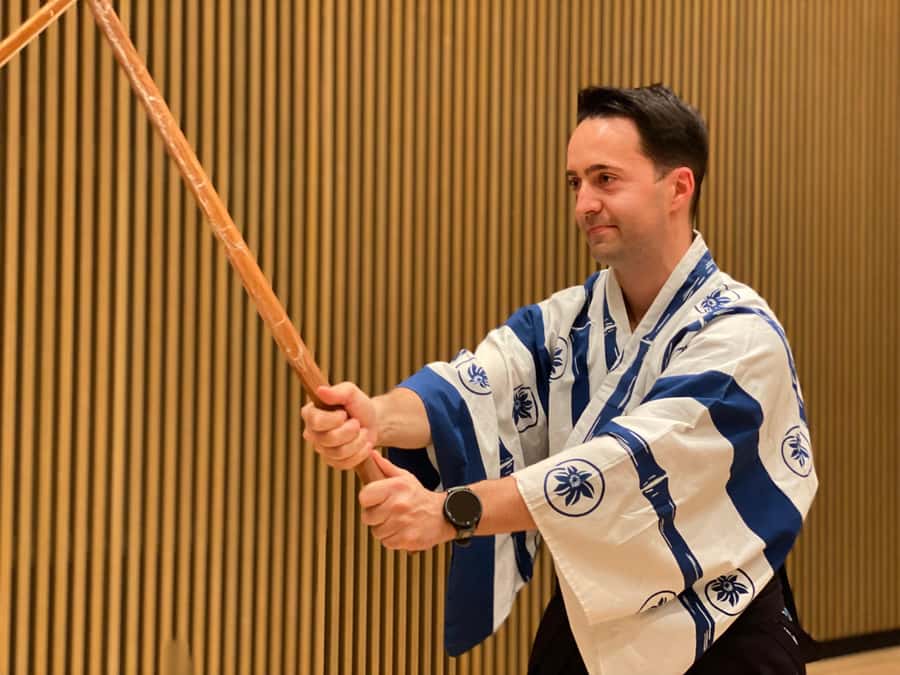
The coach teaches you how to handle the sword before the more active exercises begin. That includes basic sword control, samurai forms, and movements. Learning to draw and sheath the katana is likely to be a memorable detail because it requires more care than simply swinging a blade.
The sequence gives you time to build confidence. You first learn where your hands go and how your body should be positioned. Then you work through movements with guidance. The lesson is designed for beginners, but you still need to listen closely and follow instructions exactly.
I particularly like this progression because it keeps the real sword from becoming a novelty with no context. The sword is introduced as a tool requiring respect. That makes the later cutting activity feel earned rather than rushed.





The Sword-to-Sword Combat Exercise
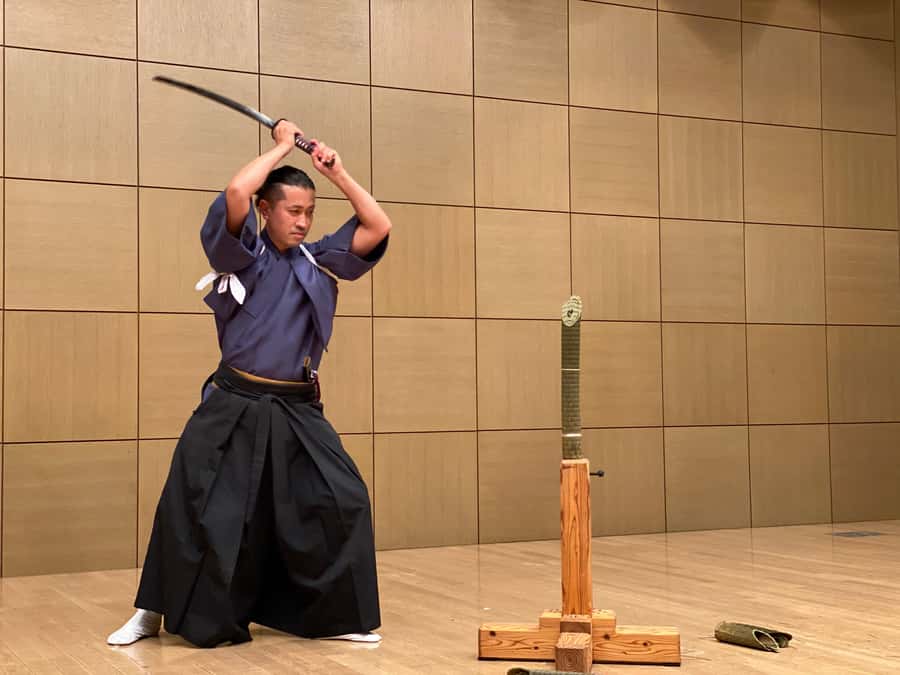
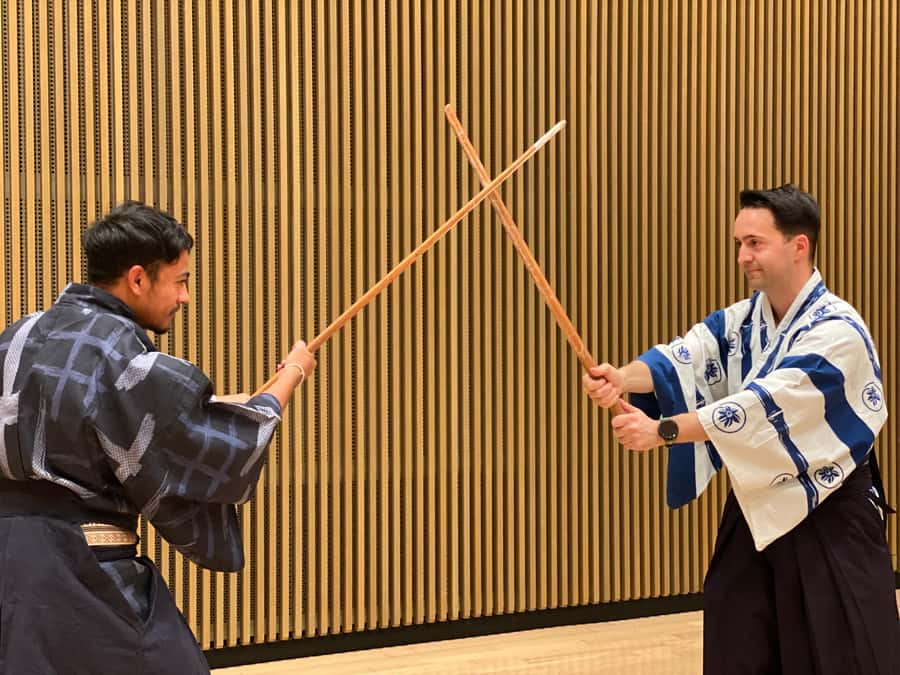
The activity then moves into uchikomi, a sword-to-sword combat exercise. This is the moment most people will picture when they read about a samurai experience, but it is important to understand the format. You are taking part in a coached activity, not an unsupervised fight.
Your instructor demonstrates the movements and directs the exercise. The goal is to practice timing, form, and controlled action. The session description does not promise a full choreographed duel or an extended sparring match, so expect a short introduction to combat movement rather than a theatrical sword battle.
This part should suit people who enjoy active participation. If you prefer quiet cultural demonstrations, the cutting and combat sections may feel intense. If you want to do something rather than watch, this is where the session earns its place on a Tokyo itinerary.
Follow every safety instruction, keep your attention on the coach, and do not treat the sword as a toy. The presence of a genuine blade makes discipline essential.
Cutting Objects With a Genuine Samurai Sword
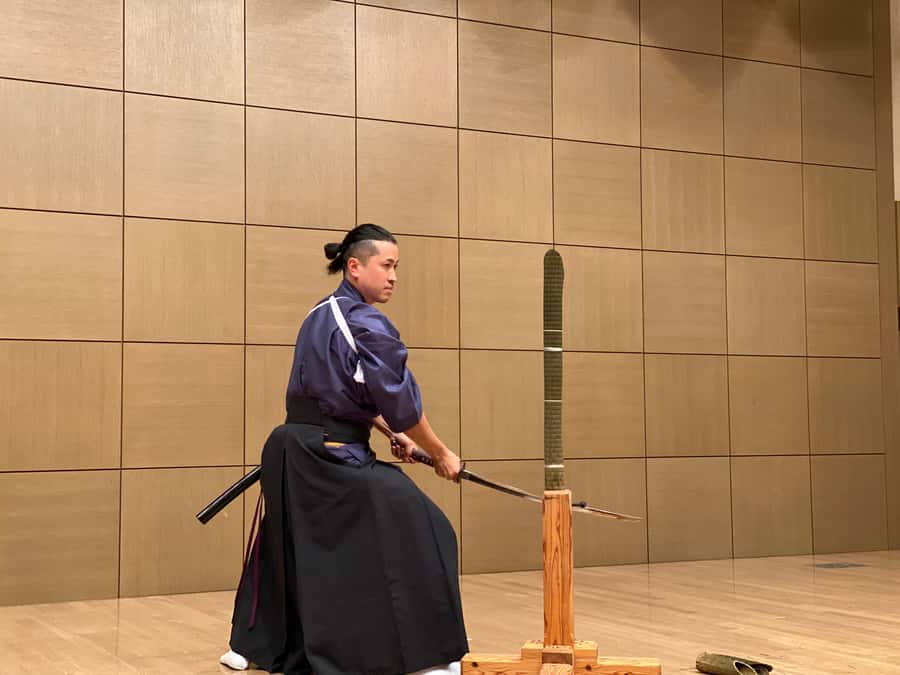
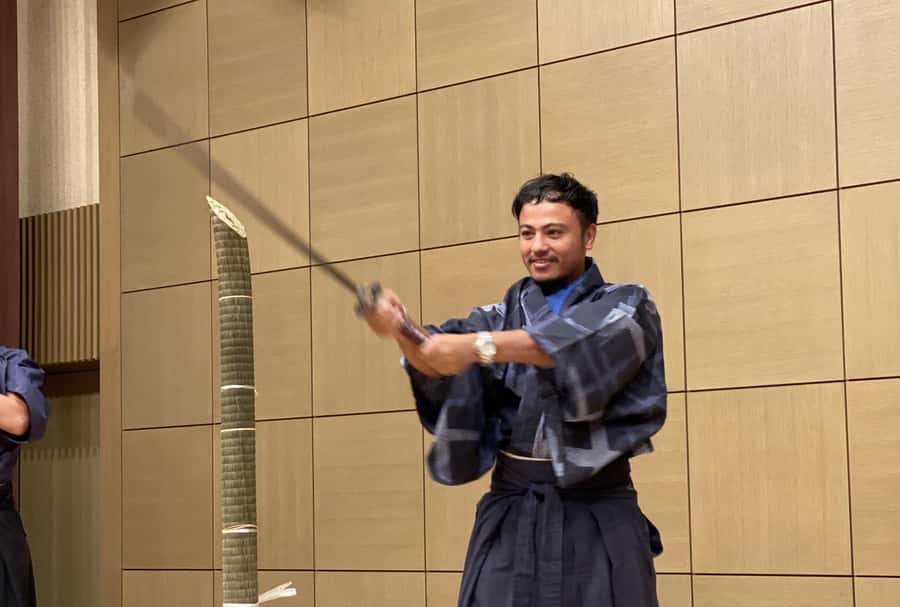
Participants aged 12 and above can try cutting objects with a real sword. The action is recorded on video, giving you a clear souvenir of the moment instead of relying only on a quick photograph.
This is the most unusual feature of the experience. Many costume activities stop at dressing up and posing. Here, you are asked to apply the handling techniques you have just learned to a controlled cutting task.
The age rule matters. If your child is under 12, that participant cannot take part in the real-sword cutting portion. The supplied information does not say that younger children can replace it with another activity, so check before booking for a mixed-age group.
Keep your drink nearby during the lesson, but bring one with a secure lid. A water bottle that can spill is a poor match for a room where clothing, equipment, and careful footwork matter.
Photos, Video, and Extra Cultural Touches
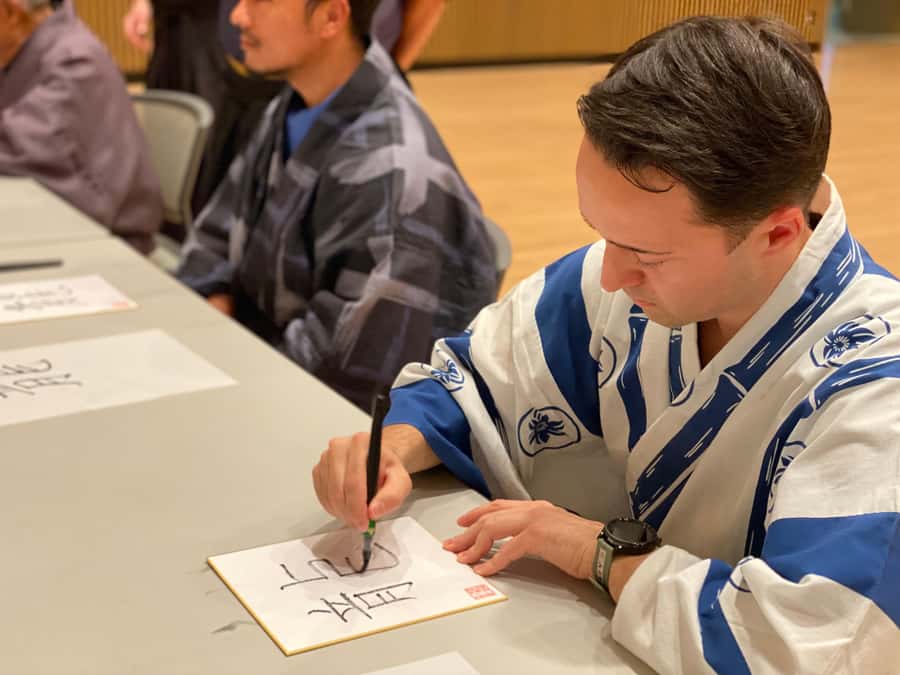
Photography is included, and you receive commemorative photos from the session. Video is also available for the real-sword cutting activity, and you can take the recording home.
That combination gives you two different kinds of souvenir. Photos capture the clothing, posture, and formal atmosphere. The video shows the movement and the cutting attempt, which is much harder to recreate in a still image.
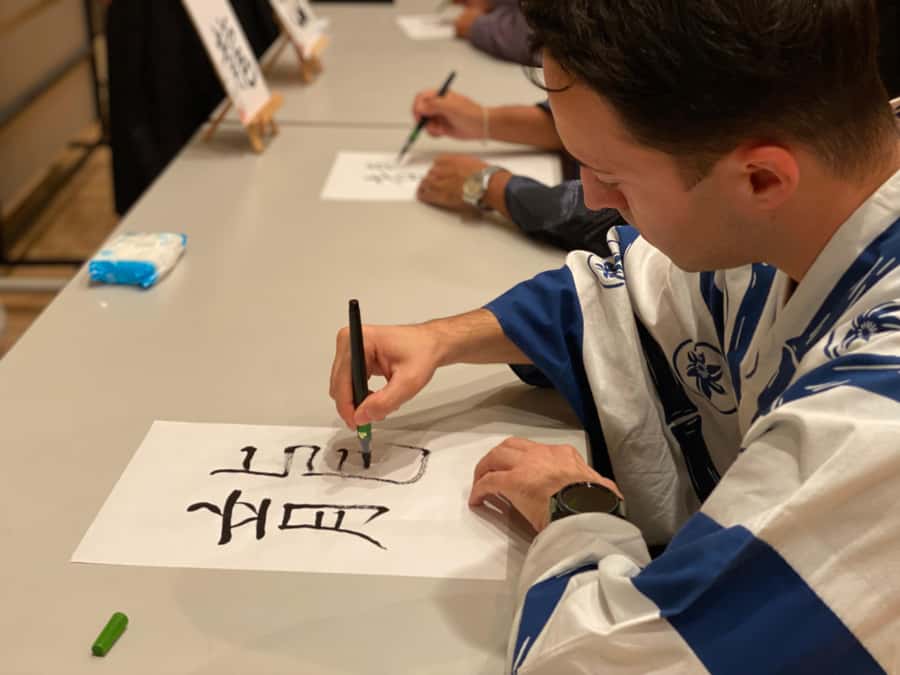
Some sessions may also include calligraphy or a small meal, based on the experience details provided by participants. Treat these as possible additions rather than guaranteed parts of every booking, since the formal schedule centers on reception, etiquette, sword practice, combat, recording, photographs, and changing clothes.
The reports of warm hospitality are encouraging, but English fluency may not be uniform among all hosts. English-speaking staff are provided, while some instructors may communicate with limited English. A translation app can help, and downloading one before you arrive is sensible.
What the Two-Hour Schedule Really Offers
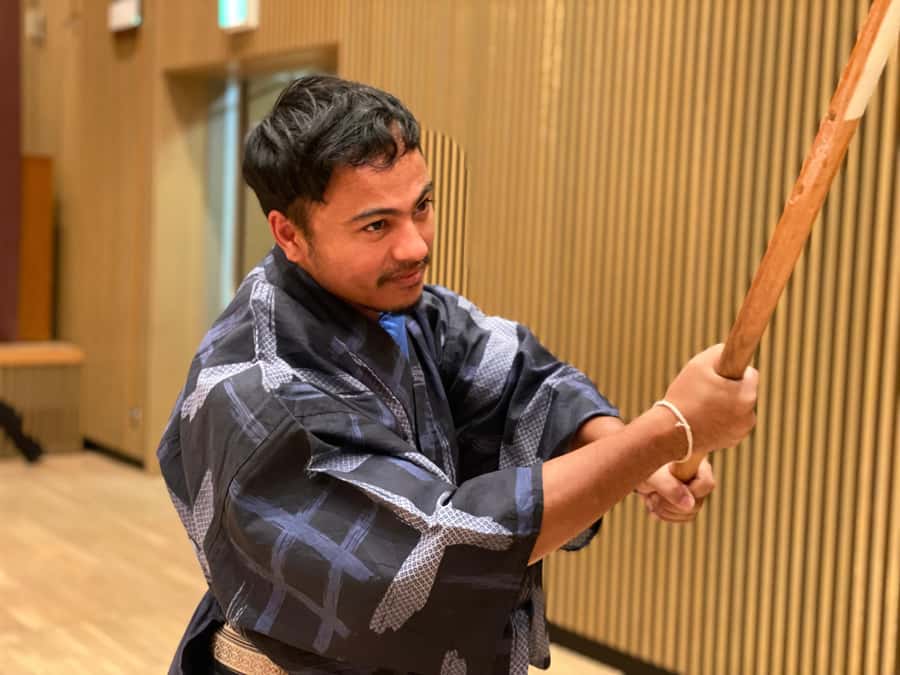
Two hours is enough for a focused introduction, but not enough for a long training session. You spend part of the time meeting staff, changing clothes, learning etiquette, watching the demonstration, practicing movements, taking part in combat, recording the cutting activity, posing for photographs, and changing back.
That packed schedule is good for a first taste. You get several distinct parts instead of spending the entire booking on one demonstration. The tradeoff is that each sword technique receives limited practice time.
One participant wished the training had lasted longer, which tells you something useful about the pace. People who already study martial arts may find the session too brief. First-time visitors who want a memorable cultural activity should find the range of activities satisfying.
The experience also gives you a break from Tokyo sightseeing that is physical and structured. You are not simply looking at an exhibit or listening to a lecture. You learn a few movements, perform them in traditional clothing, and leave with visual records.
Is $102 a Fair Price?
At $102 per person, this is not a budget attraction. The price needs to be judged against what is included: a professional coach, English-speaking staff, venue fees, experience fees, photography, traditional clothing, and the real-sword cutting activity for eligible participants.
The clothing and photography alone would not justify the price for me. The stronger value comes from the instruction and the use of a genuine sword under supervision. You are paying for access to a controlled setting, a coach, changing and presentation time, and a souvenir video rather than just paying for entry to a museum.
It is better value for couples, families with eligible children, and visitors seeking one memorable hands-on activity in Tokyo. It is weaker value if you only want to wear a kimono for photos, since Tokyo offers other ways to do that without the sword lesson.
The 4.7 rating from 17 ratings suggests a strong response, though the sample is not huge. I would read the price as reasonable for a specialized two-hour experience, provided you care about the real-sword lesson and not just the costume.
Who Will Enjoy This Most
This experience fits you best if you:
- Want a structured introduction to samurai etiquette and swordsmanship.
- Are interested in trying a real cultural activity rather than watching a staged show.
- Enjoy taking photographs and receiving a video souvenir.
- Are comfortable following safety instructions and taking part in physical movement.
- Are visiting with a partner, friends, or family members aged 12 and above.
- Have enough mobility for changing clothes, seated etiquette, and sword forms.
It may not suit pregnant women or wheelchair users, as the activity is specifically listed as unsuitable for both. It is also not the best match if you dislike costumes, formal bows, or active participation.
The activity does not list smoking as permitted, and alcohol is not allowed in the vehicle. Those restrictions are easy to follow, but they underline the serious, controlled tone of the session.
Practical Preparation for the Day
Arrive 20 minutes early. Tokyo stations can be confusing, and the meeting point is outside the ticket gates at the west exit, near McDonald’s on the ground floor.
Bring comfortable clothes, a change of clothes, and water in a bottle with a secure lid. You should also submit accurate height and weight details during booking so the staff can prepare suitable kimono and hakama.
Do not plan to carry large bags into the activity area unless the provider gives you storage information. The supplied details do not specify luggage storage, so ask ahead if you will have suitcases or substantial shopping bags.
Plan your day around the two-hour duration, but leave some breathing room afterward. The activity ends at the meeting point, yet you may want time to change fully, collect your video and photos, and continue at an unhurried pace.
Free cancellation is available up to 14 days before the activity for a full refund. That is a fairly early cutoff, so check your plans before making a firm booking.
Should You Book This Samurai Experience?
Book it if you want more than a costume photograph and the idea of handling a genuine samurai sword appeals to you. The blend of kimono and hakama, zarei, Shiden-ryu demonstrations, controlled sword combat, cutting, photographs, and video creates a well-rounded two-hour introduction.
I would skip it if you want an advanced martial-arts class, a long training session, or a fully fluent English lecture on samurai culture. Communication may sometimes require translation help, and the schedule moves quickly.
For most first-time participants, the real value is the chance to connect ceremony with action. You bow, learn the basics, move through a sword exercise, and record the cutting attempt. That makes this a strong choice for a special Tokyo afternoon, especially for anyone aged 12 or older who wants a hands-on memory to take home.
FAQ
How long does the samurai experience last?
The activity lasts two hours. Starting times vary, so check availability when selecting a date.
What is the price?
The listed price is $102 per person.
Where do I meet the staff?
After leaving the ticket gates, use the station west exit and go down to ground level. Look for McDonald’s and staff holding a meeting board. The location can change within Tokyo depending on the date, so check your instructions.
How early should I arrive?
Arrive 20 minutes before the scheduled meeting time.
Is the activity conducted in English?
English-speaking staff and an English-speaking instructor are listed. Some hosts may not be fluent, so a translation app may be useful.
Can I cut objects with the real sword?
Yes, but real-sword cutting is available only to participants aged 12 and above.
What should I bring?
Bring comfortable clothes, a change of clothes, and water in a drink container with a secure lid. You should also provide your height and weight on the reservation form.
Is the activity suitable for pregnant women or wheelchair users?
No. The activity is listed as unsuitable for pregnant women and wheelchair users.
Are photographs and video included?
Photography charges are included, and a commemorative photo session is part of the experience. Video recording is available for the real-sword cutting activity, and you can take the video home.
More Samurai & Ninja Experiences in Tokyo
More tours in Tokyo we've reviewed










Samurai & Ninja Experiences, compared.
 ★ 4.5Tokyo: Samurai Restaurant Show Ticket with 2 DrinksFrom $551h 30m
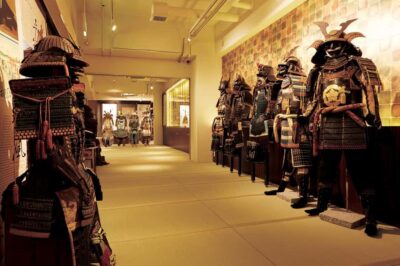 ★ 4.6Tokyo: Samurai Ninja Museum Guided tour and ExperienceFrom $27
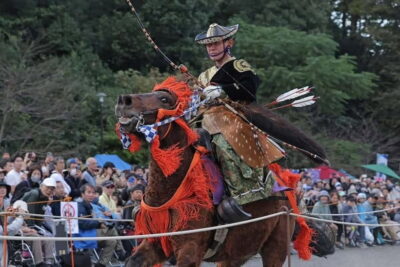 ★ 5.0Tokyo: Samurai Sword & Archery Class from Samurai DescendantFrom $1933 hours
 ★ 5.0Best Samurai Experience in TokyoFrom $65
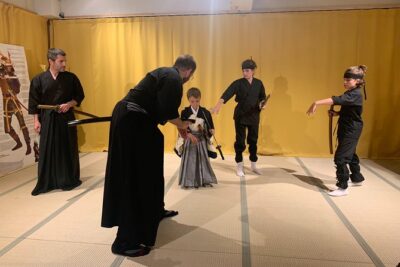 ★ 5.0Ninja Experience (Family Friendly) at Samurai Ninja Museum TOKYOFrom $47
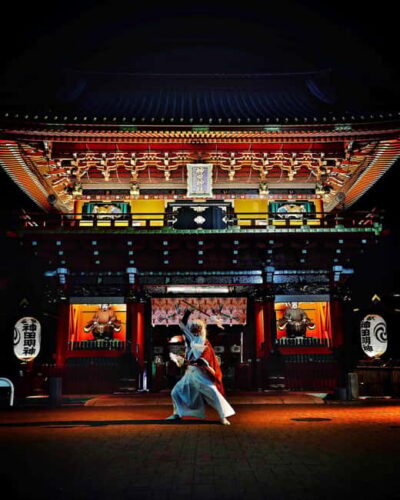 ★ 4.6Tokyo: Samurai Entertainment Night Show in Kanda ShrineFrom $412 - 3 hours