
Reviewed · GUIDED
Tokyo: Off the Beaten Path Private Guided Tour
Tokyo’s best moments are often found away from the giant crossings and famous towers. This private six-hour tour takes you into old neighborhoods such as Shibamata, Yanaka, Nezu, Fukagawa, and Asakusa, with a licensed guide who can shape the day around your interests.
I like the freedom to request residential streets, food stops, historic shops, or kitchenware shopping. I also like the personal help: guides such as An, Naoko, Yoko, and Kei have adjusted plans, answered questions, and helped visitors make better use of the rest of their stay. The main catch is that transportation and entrance fees cost extra, and the guide is not fully confirmed until they contact you.
In This Review
- Key points
- Why this private Tokyo tour feels different
- Starting on foot from your hotel or station
- Shibamata and its old-fashioned shop streets
- Yanaka Ginza and the old Tokyo mood
- Nezu and Sendagi for neighborhood walking
- Kappabashi Street for kitchen shopping
- Fukagawa Edo Museum and Asakusa options
- What the guides add to the day
- Is $151 per person a fair price?
- Who should book this experience?
- Practical booking advice before you commit
- Should you book the Tokyo Off the Beaten Path tour?
- FAQ
- How long is the Tokyo Off the Beaten Path tour?
- Is the itinerary fixed?
- Which neighborhoods can I visit?
- Is hotel pickup included?
- Are transportation, food, and entrance fees included?
- What languages are available?
- Can I cancel the booking?
Key points
- Shibamata’s century-old shops offer old-style snacks such as senbei rice crackers and chewy rice balls.
- Yanaka Ginza gives you a taste of old Tokyo through small shops, ceramics, handicrafts, and local food.
- Your route is flexible, so you can focus on residential life, food, shopping, museums, or major sights.
- Licensed local guides hold Japan’s government-issued Tour Guide-Interpreter certification.
- Kappabashi Street is a practical stop for Japanese kitchen tools, restaurant supplies, and realistic plastic food displays.
- The six-hour private format works well when you want local context without joining a large group.
Why this private Tokyo tour feels different
Tokyo can be hard to read at street level. The train system is excellent, but the city’s neighborhoods can feel like separate towns, each with its own pace and character. A private guide gives you a person who can explain what you are seeing while also helping you make choices during the day.
This is not a fixed march through Tokyo’s biggest landmarks. You tell the guide what interests you, then work out a route together. You can ask for old neighborhoods, food, shops, residential streets, museums, or a broad introduction to Tokyo. If you arrive without a plan, the guide can handle the itinerary.
That flexibility matters more than it may first appear. Tokyo is huge, and six hours disappears quickly once you add train rides and walking. A guide can help you avoid spending the whole morning crossing the city for a single stop.
The guides hold Japan’s nationally licensed Tour Guide-Interpreter certification. That does not make every guide identical, but it does mean the service is built around formal training in Japanese culture and history. English and Japanese guiding are available.
The private format is especially useful for couples, families, or friends who do not want to match the pace of a large group. You can pause at a shop, change direction, or ask for more time in a neighborhood without waiting for strangers.
Other guided tours in Tokyo

Starting on foot from your hotel or station
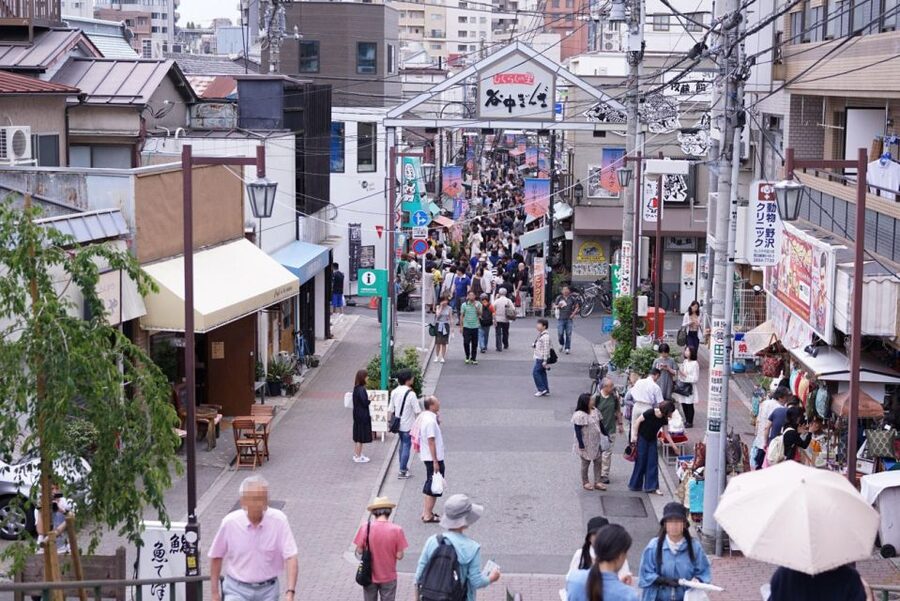
Your guide meets you in your hotel lobby or at a train station you request, arriving about 10 minutes before the scheduled pickup. Hotel pickup is on foot when your accommodation is within a reasonable distance.
That point is worth planning carefully. This is not a private car tour with door-to-door transport. You set off on foot and use public transportation or private taxis during the day. You pay those transportation costs separately, along with any entrance fees.
For a six-hour outing, I would keep your first meeting point simple. A hotel lobby or familiar station is easier than trying to meet beside a minor neighborhood landmark. Confirm the meeting details with the local team before the day.
The tour runs rain or shine, so wear shoes that can handle plenty of walking and bring weather protection. Since the route is flexible, ask your guide to balance indoor and outdoor stops if rain is forecast.
Shibamata and its old-fashioned shop streets
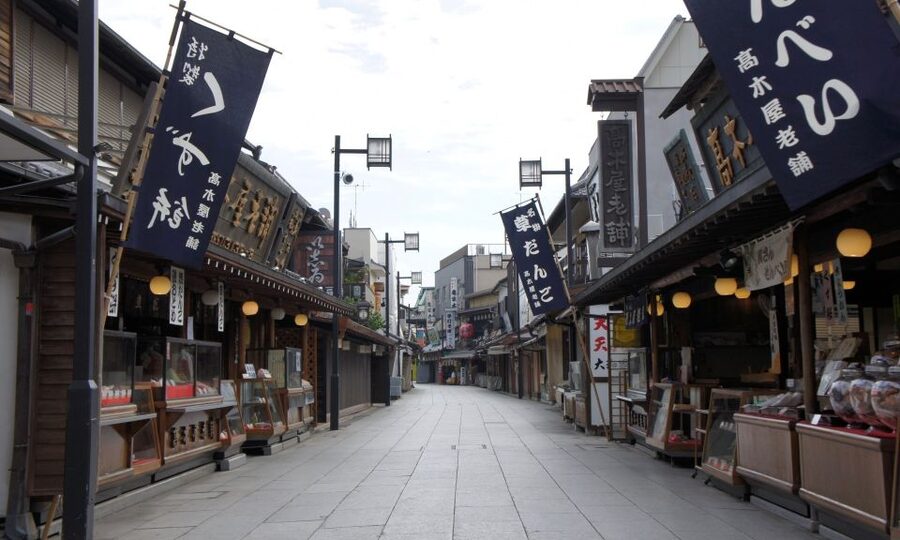
Shibamata is one of the strongest choices if you want Tokyo with a slower, more local feel. The neighborhood is known for historical shops, some operating for more than 100 years. That gives the streets a sense of continuity that is hard to find in the city’s newer commercial districts.
The appeal here is not one single grand sight. It is the small details: shopfronts, traditional foods, and the feeling of an established neighborhood where old businesses still serve local customers.
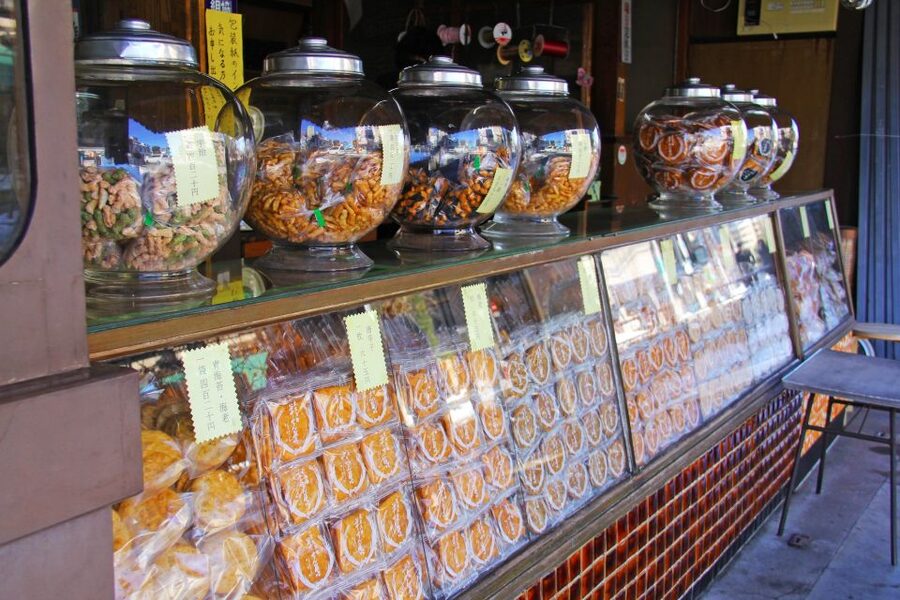
This is also a good place to begin thinking about Japanese snacks. You might sample senbei, the crisp rice crackers often flavored with soy sauce, along with chewy rice balls and other street foods. Food is not included in the tour price, so bring some yen or another accepted payment method for anything you want to try.
Shibamata suits you if you prefer local streets to a checklist of famous attractions. It may feel too quiet if your main goal is Tokyo’s biggest modern sights, but that quiet is exactly why the stop works for an offbeat day.
Ask your guide to explain which shops are long-running businesses and how the neighborhood has changed. A licensed guide can add context that you would miss by simply walking through and taking photos.
Yanaka Ginza and the old Tokyo mood
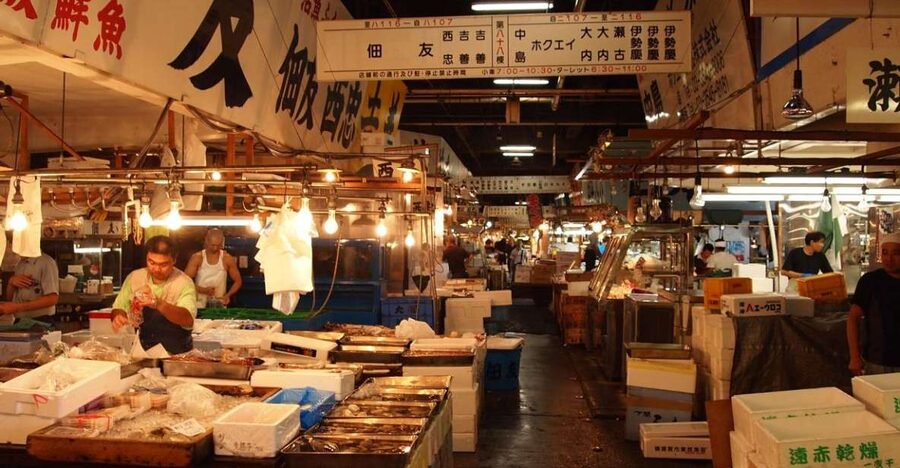
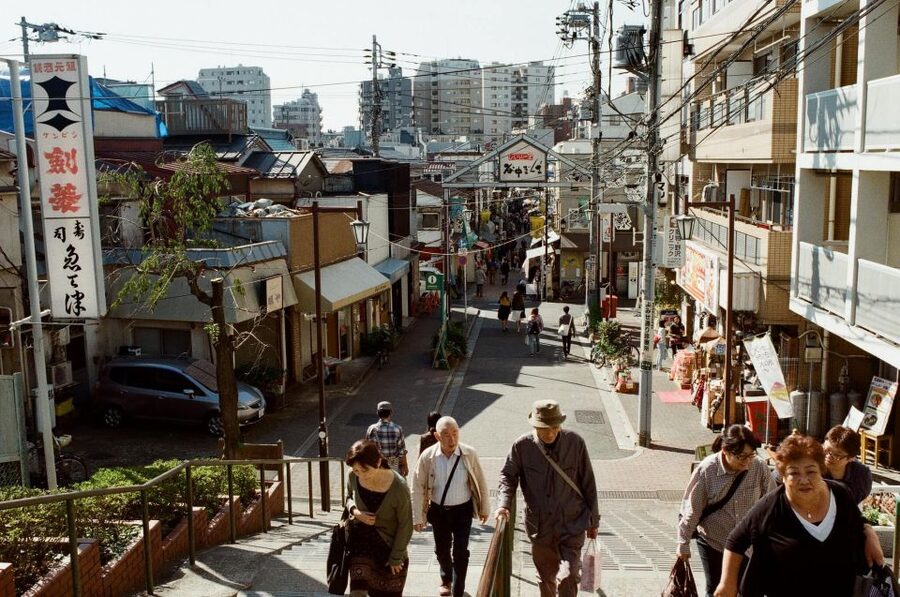
Yanaka Ginza offers another look at older Tokyo. This small shopping street has Edo-era character, with restaurants, crafts, ceramics, and food shops mixed with ordinary modern businesses such as 100-yen stores.
I like this combination. Yanaka Ginza is not a preserved museum street where every shop exists for tourists. Modern daily life is still part of the picture. You can browse handmade goods, look at ceramics, pick up a snack, and see how an older neighborhood continues to function.
The street is a good match for shoppers who want something more personal than a standard souvenir. The available information does not promise specific products or shops on every visit, so treat the area as a browsing stop rather than a guaranteed shopping list.
Yanaka also works well for visitors who want to see residential Tokyo. One guest specifically wanted residential areas and found that the guide shaped the route to meet that request. If that is your priority, say so clearly when you book and again when the guide contacts you.
The main limitation is time. Shibamata and Yanaka are not next door to each other, and Tokyo’s size means that every additional neighborhood requires travel. If you want a relaxed visit with time to shop, you may need to choose fewer stops.
Nezu and Sendagi for neighborhood walking
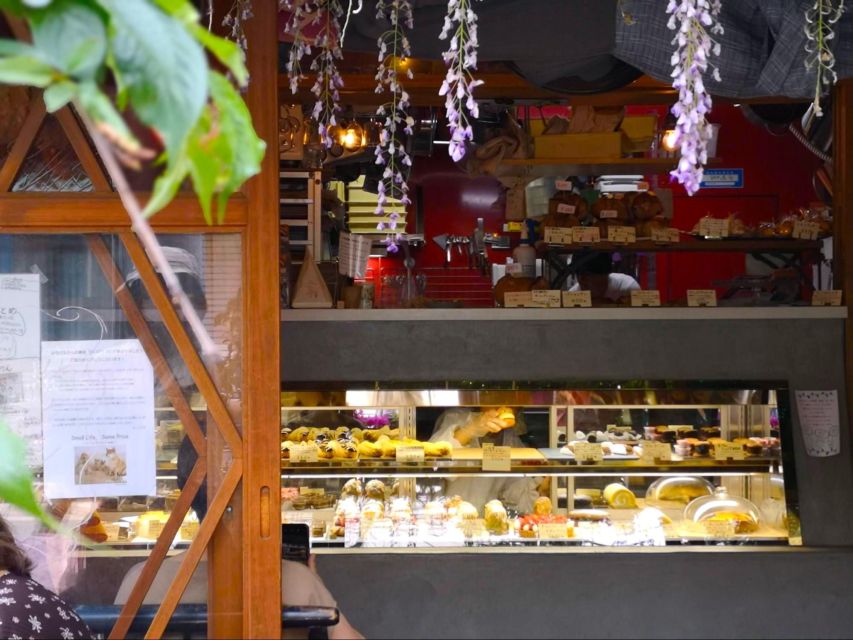
Nezu and Sendagi can be added when you want a quieter street experience. These areas are recommended as part of the old Tokyo route, alongside Yanaka and Shibamata.
The value here comes from seeing ordinary neighborhood life rather than only major visitor sights. You might find small lanes, local shops, and places where the city feels less hurried. The exact route depends on your guide and your requests, so tell the guide whether you want walking, shopping, food, or residential streets.
This is where a private guide earns their keep. You can ask what a building is used for, how the neighborhood fits into Tokyo, or where a particular type of shop might be found. Without a guide, you can certainly walk these districts, but you may not know which turns are worth your limited time.
If you want a broad first look at Tokyo, Nezu and Sendagi may be better as part of a smaller route rather than additions to an already packed itinerary. Six hours is generous for a private neighborhood tour, but not enough for every suggested district at a leisurely pace.
Other private tours in Tokyo


Kappabashi Street for kitchen shopping
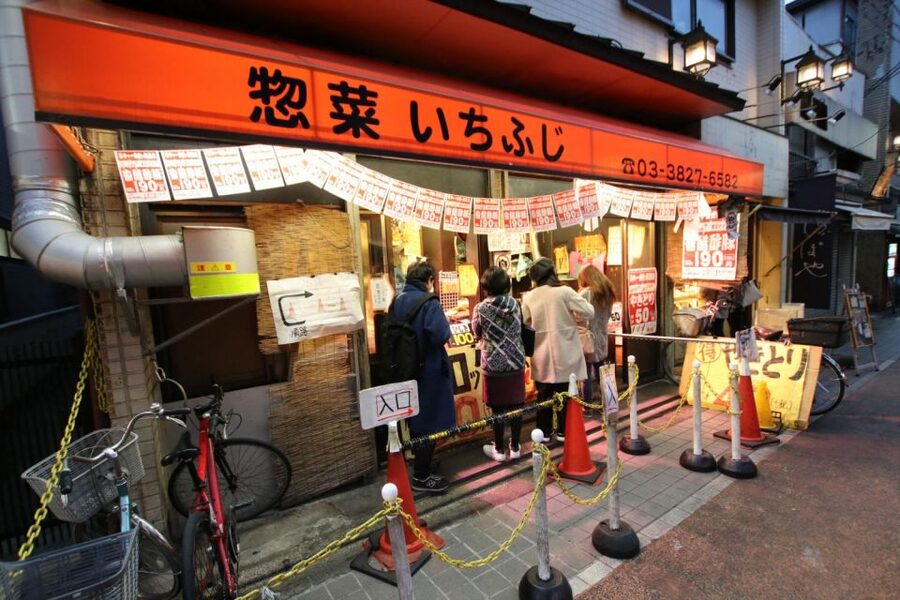
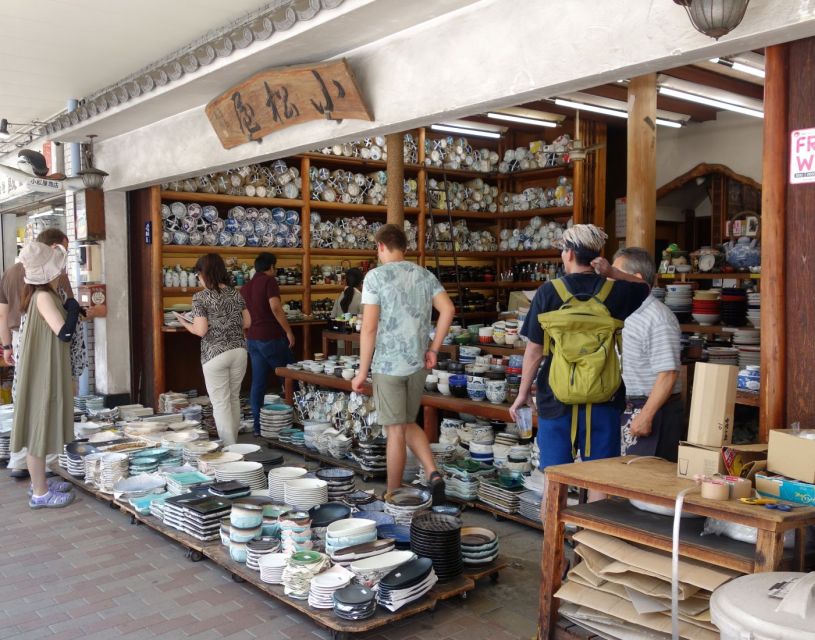
Kappabashi Street is a fun choice for anyone who has become interested in Japanese food. The long street is lined with kitchen shops selling tools and supplies, with occasional stores devoted to kitchen clothing and the famous realistic plastic food displays seen outside Japanese restaurants.
This is a practical souvenir stop. Instead of buying another generic Tokyo trinket, you can look for something connected to cooking or serving Japanese food at home. The experience is more useful if you already know what you want, such as a cooking tool, serving piece, or restaurant-style item.
You should also keep luggage space in mind. The tour price does not include purchases, and the guide cannot guarantee that a specific item will be available. Ask your guide to help you focus on the kind of shop you need rather than trying to cover the entire street.
Kappabashi changes the mood of the day. Shibamata and Yanaka focus on older neighborhoods and local snacks, while Kappabashi is more purpose-driven. I would choose it for food lovers, home cooks, or anyone who enjoys browsing specialist shops.
Fukagawa Edo Museum and Asakusa options
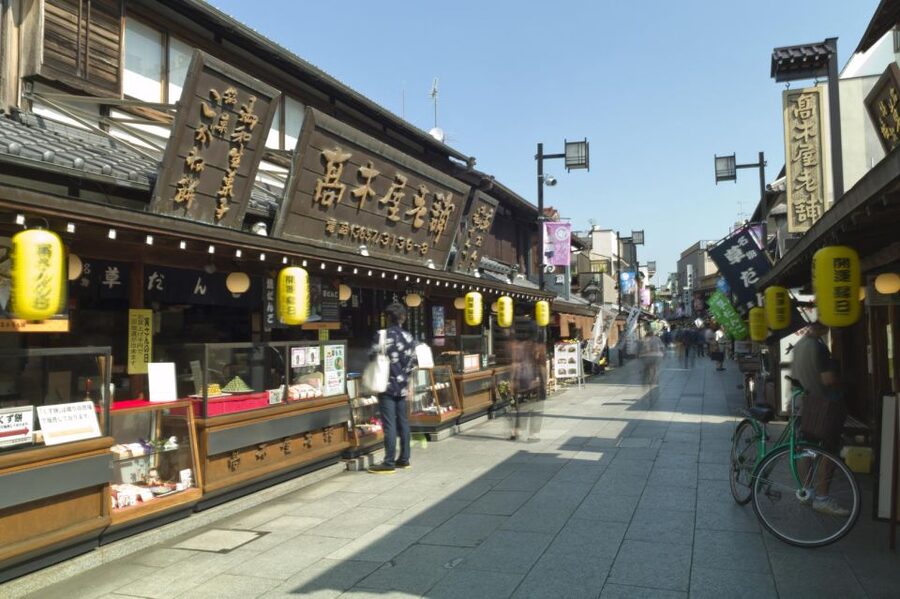
The Fukagawa Edo Museum is another possible stop. Since entrance fees are not included, check the cost before committing to it. A museum visit also takes more of your fixed six-hour schedule than a quick walk through a shopping street.
The museum makes sense if you want a structured look at Tokyo’s past. It gives your guide a clear setting for explaining history and daily life, rather than relying only on street scenes. Ask whether it fits your interests and the day’s travel time.
Asakusa can also be included. It is one of Tokyo’s best-known historic districts, so it gives you a more familiar landmark area after the quieter neighborhoods. The benefit of adding Asakusa is contrast: you can see a major sightseeing district and then compare it with Yanaka, Nezu, or Shibamata.
The risk is trying to do too much. One visitor’s six-hour route covered Shibamata, Yanaka, Nezu, and Asakusa, which is a full day of moving between districts. That kind of schedule can work when you want a wide sample, but it will not leave long stretches for lingering.
When you book, decide which matters more: four or five brief neighborhood visits, or two or three areas explored at a calmer pace. Tell the guide plainly. The whole point of this tour is to make that choice yours.
What the guides add to the day
The guide is not just there to lead you from station to station. The strongest part of the format is the chance to ask questions as the day unfolds.
Naoko adjusted the plan when visitors wanted extra places and supplied information about each stop. An prepared a route based on specific interests and covered several neighborhoods in one day. Yoko spent time preparing around the group’s wishes, while Kei helped with other questions as well as the planned sightseeing.
Those details point to the service’s main strength: preparation before the meeting. You should use that stage well. Send a short list of priorities, such as old shopping streets, residential Tokyo, Japanese snacks, kitchen goods, or local history.
English-speaking visitors should also find the setup practical. English and Japanese are available, and one visitor specifically found it easy to understand and move around with the guide. Still, it is sensible to explain your interests in writing before the tour so the guide can prepare the right route and vocabulary.
Guide assignments can vary. You cannot request a particular person as a guaranteed feature from the information provided, but names such as An, Naoko, Yoko, and Kei have led recent tours. The local team contacts you about the booking, and the tour is not confirmed until a guide accepts it.
Is $151 per person a fair price?
At $151 per person, this is not the cheapest way to walk around Tokyo. You still pay for food, admission fees, and public transportation or taxis during the tour.
The value comes from the private service and six hours of planning, explanation, and route control. If you are a first-time visitor who wants to understand Tokyo beyond the central sights, a guide can save you time and help you choose neighborhoods that fit your interests. The value is also stronger for families or small groups, since you are not paying for a large public excursion with a fixed route.
The price is harder to justify if you already know Tokyo well, speak Japanese comfortably, and enjoy planning neighborhood visits on your own. You can reach many of these districts by train and explore without a guide.
I would judge the cost by your goal. If you want local context, help with transport, and a day built around your own questions, the price is reasonable for a private guide. If you mainly want photos of famous landmarks, a standard sightseeing tour may be a better use of your money.
Remember to budget for the extras. Six hours of train fares may be modest, while private taxis and museum admission can add more. Ask the guide early in the day which transport choices make sense for the route.
Who should book this experience?
I would choose this tour if you have already seen, or do not care much about, Tokyo’s standard highlights. It is especially well suited to you if you want residential neighborhoods, local shops, Japanese food culture, or a flexible day with a real person.
It also suits repeat visitors who want to see a different side of the city. The guide can avoid places you have already visited and focus on districts that match your interests.
Families may appreciate the private format because the pace can change when needed. The activity is wheelchair accessible, although you should discuss your exact route and transport needs with the local team before the tour.
Food lovers should consider Shibamata and Kappabashi. History fans may prefer Shibamata, Yanaka, Nezu, Sendagi, and the Fukagawa Edo Museum. Shoppers can combine Yanaka Ginza with Kappabashi, while visitors seeking everyday city life should request residential areas.
Practical booking advice before you commit
Do not wait until the morning of the tour to decide what you want. Prepare three priorities and one backup. For example: residential streets first, traditional snacks second, and Kappabashi as the backup if the route allows.
The tour is not confirmed until the guide contacts you. Most guides contact you within seven days, but a guide may not yet have accepted the booking as the date approaches. If no guide is available, the local team continues searching and sends updates until 24 hours before the tour.
You can cancel up to 24 hours before the start for a full refund. You can also reserve now and pay later, which helps if your Tokyo plans are still shifting.
This experience runs in all weather. Wear comfortable shoes, leave room in your schedule for train travel, and remember that the route may feel more like a neighborhood walk than a conventional sightseeing tour.
Should you book the Tokyo Off the Beaten Path tour?
Book it if you want a flexible day with a licensed local guide, especially if your interests include old shopping streets, residential Tokyo, food, crafts, or local history. The strongest version of the tour is not an attempt to see every district. It is a carefully chosen route that gives you time to ask questions and notice details.
I would book with a clear request for two or three priority areas. Choose Shibamata and Yanaka for old neighborhood character, Kappabashi for kitchen shopping, or Nezu and Sendagi for quieter walking. Add Asakusa or Fukagawa only if you are comfortable trading depth for range.
Skip it if you prefer to plan every station and shop yourself, or if you want a tour centered only on Tokyo’s headline attractions. For everyone else, $151 buys useful local guidance, personal attention, and a better chance of seeing the Tokyo that does not fit neatly into a standard sightseeing route.
FAQ
How long is the Tokyo Off the Beaten Path tour?
The private tour lasts six hours.
Is the itinerary fixed?
No. You can request specific places and interests, or let your guide plan the route. The itinerary can be customized.
Which neighborhoods can I visit?
Possible areas include Shibamata, Yanaka, Nezu, Sendagi, Fukagawa, and Asakusa. Kappabashi Street and the Fukagawa Edo Museum are also possible stops.
Is hotel pickup included?
Pickup is included on foot from your accommodation if it is within a reasonable distance. You can also request pickup at a train station. The guide waits in the hotel lobby or at the station about 10 minutes before pickup.
Are transportation, food, and entrance fees included?
No. Food, drinks, entrance fees, and public or private transportation during the tour are separate costs.
What languages are available?
The tour is available in English and Japanese.
Can I cancel the booking?
Yes. You can cancel up to 24 hours before the start time for a full refund. The tour is not confirmed until a guide contacts you and accepts the booking.
More Private Tours in Tokyo
More Guided Tours in Tokyo

More tours in Tokyo we've reviewed



Guided, compared.
 ★ 5.0Tokyo 6hr Private Tour with Government-Licensed GuideFrom $155
 ★ 4.9Tokyo: Shinjuku Local Bar and Izakaya Guided Walking TourFrom $343 hours
 ★ 4.8Tokyo: Private City Highlights Tour with Local GuideFrom $1064 - 8 hours
 ★ 4.9Tokyo: Tsukiji Fish Market Guided Walking TourFrom $222 hours
 ★ 5.0Tokyo 4hr Private Tour with Government-Licensed GuideFrom $109
 ★ 5.0Tokyo Guided Small-Group Biking TourFrom $106