
Reviewed · ASAKUSA TOURS
Asakusa Traditional Experience
Asakusa gives you old Tokyo in a compact, easy-to-follow package. This private experience begins at Senso-ji, Tokyo’s oldest temple, continues along Nakamise-dori’s traditional shops, and finishes with hands-on Edo Kiriko glass cutting. The guide adds context about temple architecture, local customs, and the old Edo period.
I like the clear three-part shape of the tour, especially the chance to make something you can take home. I also like that the private format keeps the outing limited to your own group, so you can ask questions and set a comfortable pace. The main drawback is cost clarity: the $142.84 group price covers the guide, but the Edo Kiriko workshop costs another 4,950 yen per person, and snacks or wagashi are also extra.
In This Review
- Key points to know before booking
- Starting beneath Kaminarimon at 10 a.m.
- Senso-ji, Tokyo’s oldest temple
- Walking the 200-meter Nakamise-dori
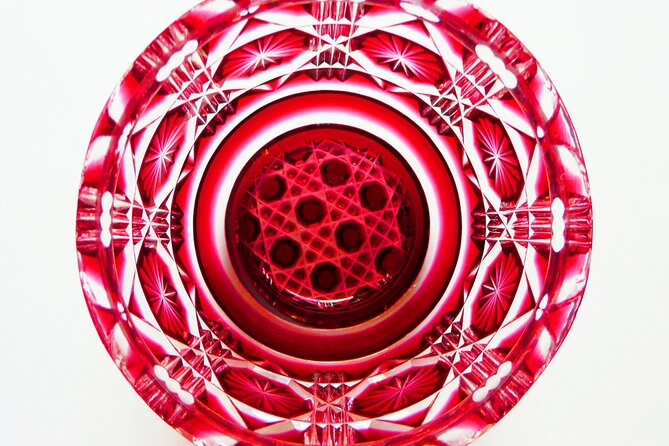
- Making your own Edo Kiriko glass
- What the guide adds to the experience
- Is $142.84 a good value?
- Who will enjoy this Asakusa experience?
- Practical planning for a smoother visit
- Should you book this tour?
- FAQ
- How long does the Asakusa Traditional Experience last?
- What time does the tour start?
- Where does the tour begin?
- Where does the tour end?
- Is this a private tour?
- Is admission to Senso-ji included?
- Is the Edo Kiriko workshop included in the price?
- Are snacks and wagashi making included?
- Can I cancel for a full refund?
Key points to know before booking
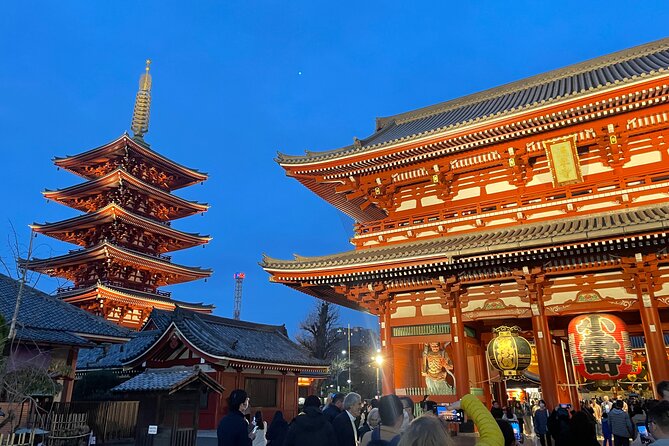
- Senso-ji dates to 645, giving your guide a strong setting for explaining Tokyo’s religious and architectural past.
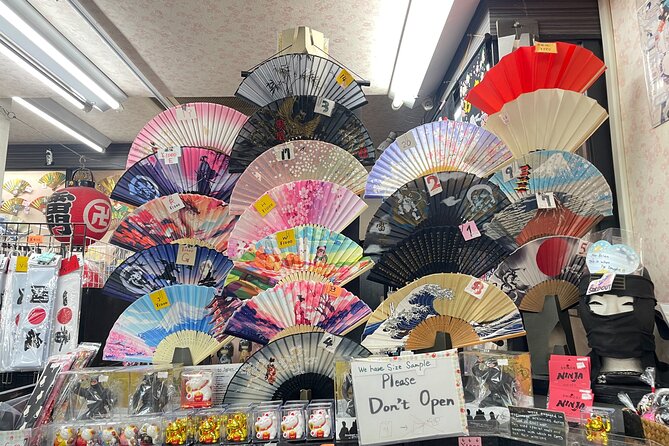
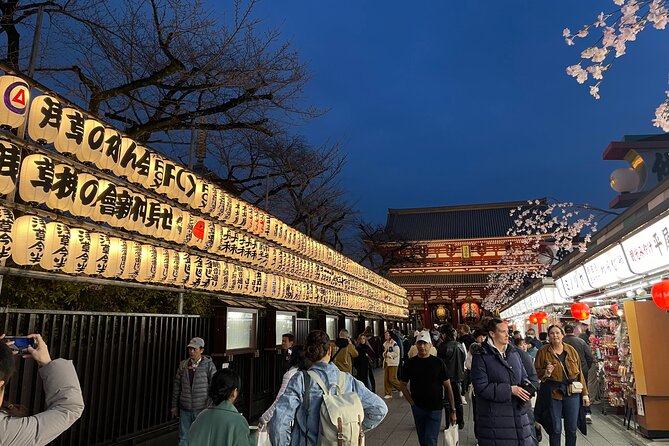
- Nakamise-dori runs for more than 200 meters, with snacks, yukata, folding fans, and other traditional goods.
- Edo Kiriko takes about 90 minutes, including designing and cutting your own glass pattern.
- The private group limit is five people, useful for families or friends who want a more personal outing.
- The base price is per group, but the workshop fee of 4,950 yen is not included.
- The tour starts at 10 a.m. near Kaminarimon and ends back at the meeting point after about four hours.
Starting beneath Kaminarimon at 10 a.m.
You meet at Kaminari mon 2-chome 3-1 in Asakusa, near Kaminarimon, the famous entrance area associated with Senso-ji. The tour ends at the same meeting point, which keeps the logistics simple if you plan to continue exploring Asakusa afterward.
The total time is about four hours, and that figure includes travel time. You get roughly one hour at Senso-ji, one hour along Nakamise-dori, and about 90 minutes at the Edo Kiriko workshop. The schedule gives each part enough room to matter, rather than treating the temple and shopping street as quick photo stops.
Because this is a private activity, only your group participates. The group limit is five people, and the $142.84 price is charged per group rather than per person. For a full group, that can be a fair way to pay for a guide. For one or two people, the per-person cost is higher, so you should decide how much personal guidance and convenience matter to you.
Confirmation arrives within 48 hours of booking, subject to availability. The activity is near public transportation, and most people can participate. You should also note that the workshop location may change, so check the final details after booking.
A few more Tokyo tours and experiences worth a look


Senso-ji, Tokyo’s oldest temple
Senso-ji is the natural anchor for this experience. The temple was completed in 645, making it Tokyo’s oldest temple, and the surrounding Asakusa district still carries strong links to the Edo period, the era when old Tokyo developed into a major city.
You spend about an hour here with a local guide. That time is valuable because Senso-ji can feel like a maze of gates, halls, lanterns, courtyards, and visitors if you arrive without background. The guide explains the history of the architecture and points out details you might otherwise pass without noticing.
The temple is one of Tokyo’s most colorful and popular religious sites. That popularity is both its appeal and its limitation. You get a memorable sense of Tokyo’s public religious life, but you should not expect a quiet, empty temple visit. The area is a major stop in Asakusa, and the tour works best if you accept that it is an active urban attraction rather than a secluded place of worship.
I especially like this first stop for visitors who are new to Japanese temples. A guide can help you understand what you are seeing instead of reducing the visit to a few photographs. The architectural details and old Tokyo stories give the rest of the walk more meaning.
The supplied feedback repeatedly praises the guide’s friendly manner, clear explanations, and ability to point out interesting facts. One particularly useful detail is the focus on architecture. If that subject interests you, ask your guide to slow down and explain how the temple’s design connects with the area’s past.
Walking the 200-meter Nakamise-dori
From Senso-ji, the experience moves into Nakamise-dori, a shopping street more than 200 meters long that belongs to the temple. This is where the tour shifts from sacred buildings to everyday traditional goods, food, and souvenirs.
You can browse items such as yukata and folding fans, along with traditional Japanese snacks. The street gives you a straightforward way to see the kinds of products associated with Asakusa, and a guide can help explain what you are looking at and which purchases make sense as gifts.
I like the balance here. Senso-ji supplies the historical setting, while Nakamise-dori lets you interact with the neighborhood in a more casual way. You are not simply looking at old buildings. You have time to browse, taste, and decide what appeals to you.
The one catch is that purchases are not included. Snacks at Nakamise-dori are an extra expense, so bring some spending money if you want to try food or buy a small souvenir. The tour fee does not include those treats, and the schedule allows about an hour for this part.
You may also see wagashi making listed as an optional cost of 1,800 yen. The supplied details do not clearly state that this activity is part of the standard schedule, so treat it as an additional option rather than an included feature. Ask for confirmation if wagashi making is important to your plans.
Making your own Edo Kiriko glass
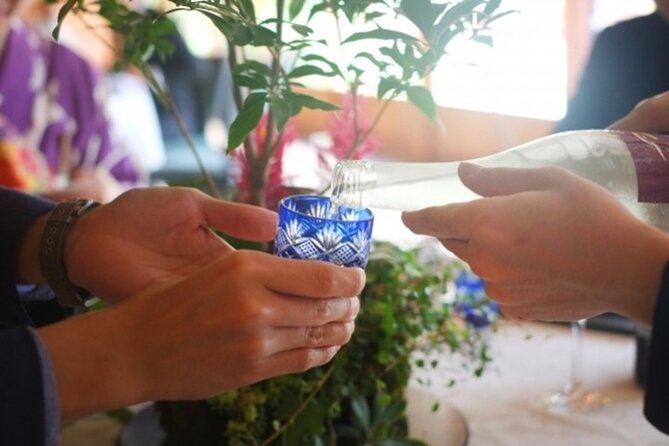
The final major stop is Sumida Edokirikokan, where you can try Edo Kiriko, a traditional form of cut glass that originated in Edo. The workshop takes about 90 minutes. You design your pattern first, then cut it into the glass yourself.
This is the part that gives the tour a lasting souvenir. A temple visit can be memorable, and shopping can be fun, but a piece you create with your own hands carries a different kind of connection to the day. You bring the finished item home as a reminder of Asakusa.
The workshop fee is 4,950 yen and is not included in the base price. That extra charge is significant, so include it when comparing the total cost with other Tokyo cultural activities. You should also allow for the possibility that the workshop location may change.
The description says you can design and cut your pattern in a mere 90 minutes. That makes the activity accessible within a half-day plan, but it also means this is an introduction rather than a full course in glasswork. You get a focused creative session, not an extended apprenticeship.
I see this as the strongest reason to choose this particular outing over a standard Asakusa walking tour. The guide-led temple visit gives you context, and the glass session gives you something active to do. If you prefer sightseeing with no craft element, the added workshop fee may feel less worthwhile.
What the guide adds to the experience
The guide cost is included, and the tour is built around explanations rather than silent transport between stops. The strongest praise centers on the guide’s friendly approach, detailed explanations of architecture, and useful facts about the places you visit.
No individual guide name is provided, so you should not book expecting a specific named guide. The provider is Life Journey Nippon, and the guide is assigned according to availability.
A private format matters in Asakusa. You can ask why a detail matters, pause at a shop, or request more explanation about a temple feature without worrying about a large group waiting. It also suits families, friends, and couples who want to spend four hours together rather than joining a general walking group.
The guide will not remove every busy-area challenge. Nakamise-dori remains a popular shopping street, and Senso-ji remains a major temple. What the guide does is help you make sense of the setting and use your time well.

Is $142.84 a good value?
The listed price is $142.84 per group of up to five people. Since the fee covers the guide and the activity is private, the value improves when you have four or five people sharing the cost. For a full group, you are paying for a half-day guide-led experience rather than five separate tickets.
You still need to add the Edo Kiriko workshop fee of 4,950 yen. Snacks at Nakamise-dori are extra, and wagashi making is listed separately at 1,800 yen. The final cost can therefore rise well above the advertised amount if everyone takes part in the optional food or craft activities.
I would compare this tour with two separate needs. If you want only to see Senso-ji and Nakamise-dori, you can visit both without an admission charge, and the base price may seem high. If you want help understanding the area plus a private craft session, the price becomes easier to justify.
The value is also tied to your group size. A family of five can divide the base cost five ways, while a solo visitor pays the entire group rate alone. For a small group, the personal attention may still be useful, but you should be comfortable with the higher per-person cost.
Who will enjoy this Asakusa experience?
This tour suits you best if you want a first look at Asakusa with a clear plan and a hands-on finish. It works particularly well for:
- Families wanting a manageable cultural outing with a take-home craft.
- First-time Tokyo visitors who want temple history explained in plain language.
- Couples or friends who prefer a private group rather than a large walking tour.
- Shoppers interested in Japanese snacks, folding fans, yukata, and other traditional goods.
- People who enjoy making something rather than spending the entire day looking at sights.
It may suit you less if you want a long, unhurried temple visit, a full food tour, or a low-cost sightseeing walk. The four-hour schedule is focused, and the workshop fee is an important extra.
Most people can participate, according to the supplied information. The activity is near public transportation, but the exact transport arrangements during the tour are not specified. Since total duration includes travel time, some of the four hours will be spent moving between stops.
Practical planning for a smoother visit
Start by budgeting for the extras. The base price includes the guide only. Set aside money for the 4,950-yen Edo Kiriko workshop, plus any snacks or souvenirs you want along Nakamise-dori. If wagashi making is offered for your date, its listed price is 1,800 yen.
Wear something comfortable for walking and browsing. The stops are close enough to form a sensible Asakusa route, but you will be on your feet for much of the experience. You may also want room in your bag for a folding fan, small snack, or other purchase.
Arrive ready for an active public setting. Senso-ji is popular, and Nakamise-dori is a functioning shopping street as well as a sightseeing stop. The guide can explain the setting, but the experience is not designed as a quiet retreat.
Check the confirmed meeting and workshop details after booking. The start point is near Kaminarimon, the start time is 10 a.m., and the tour returns to the meeting point. The workshop location may change, so do not assume every detail will remain exactly as first displayed.
Free cancellation is available if you cancel at least 24 hours before the local start time. Cancellations or changes made less than 24 hours before the start are not accepted for a refund.
Should you book this tour?
Book it if you want Asakusa history plus a creative activity, and you can share the group price with several people. The combination of Senso-ji, Nakamise-dori, and Edo Kiriko gives you a useful cross-section of the district: religion, traditional commerce, and craft.
Think twice if your main goal is inexpensive sightseeing. Senso-ji and Nakamise-dori do not charge admission, and the added workshop fee changes the total cost. For visitors who value a private guide, clear explanations, and a souvenir made by hand, this is a well-shaped half-day experience. For everyone else, a self-guided Asakusa visit may leave more money for lunch and shopping.
FAQ
How long does the Asakusa Traditional Experience last?
The experience lasts about four hours, including travel time between stops.
What time does the tour start?
The tour starts at 10:00 a.m.
Where does the tour begin?
It begins at Kaminari mon 2-chome 3-1 in Asakusa, Taito City, Tokyo, near Kaminarimon.
Where does the tour end?
The activity ends back at the meeting point.
Is this a private tour?
Yes. Only your group participates, and the group can include up to five people.
Is admission to Senso-ji included?
Senso-ji has no admission charge for this activity. The guide cost is included.
Is the Edo Kiriko workshop included in the price?
No. The Edo Kiriko workshop costs 4,950 yen and is not included in the base price.
Are snacks and wagashi making included?
No. Snacks at Nakamise-dori are extra. Wagashi making is listed separately at 1,800 yen.
Can I cancel for a full refund?
Yes, if you cancel at least 24 hours before the experience start time. Cancellations or changes made less than 24 hours before the start are not accepted for a refund.
More Asakusa Tours in Tokyo

More tours in Tokyo we've reviewed










Asakusa Tours, compared.
 ★ 4.8Tokyo: Japanese Dance Cabaret Theater Asakusa-Kaguwa TicketFrom $492 hours
 ★ 4.7Tokyo: Meiji Shrine, Asakusa, Skytree Bus Tour and CruiseFrom $12210 hours
 ★ 4.9Tokyo: Roll and Authentic Sushi Making Class in AsakusaFrom $581h 40m
 ★ 4.8Tokyo: Asakusa Walking Tour with Sensoji Temple VisitFrom $222 hours
 ★ 5.0Tokyo Asakusa Rickshaw TourFrom $42
 ★ 4.5Tokyo Panoramic 1 Day: Meiji Shrine, Asakusa, Odaiba and SKYTREE®From $85