
Reviewed · LUNCH EXPERIENCES
Tokyo Old Town Discovery Walk. Lunch Included
Tokyo’s modern skyline gets plenty of attention, but this seven-hour walk through Asakusa and Ueno shows you the city’s older, more personal side. You move from temple gates and shrine grounds to food shops, kitchen stores, a department-store food hall, and a local market.
I like the thoughtful mix of sights and daily life, especially Kappabashi Street’s food replicas and chef-quality knives. I also like that lunch is built into the day, giving you a chance to learn how Japanese food customs work instead of simply grabbing a quick bite.
The main drawback is the length. Seven hours on foot can feel full, and the lunch may not suit every taste. If you have dietary restrictions, tell the operator at least 24 hours ahead so an alternative can be arranged.
In This Review
- Key points to know before booking
- Why this walk gives you a better first look at old Tokyo
- Asakusa opens with a walk toward Senso-ji
- Senso-ji explains Tokyo’s spiritual and shopping traditions
- Asakusa Shrine shows the difference between Buddhism and Shinto
- Lunch turns local food into part of the lesson
- Kappabashi Street reveals the business of Japanese food
- Matsuzakaya and Ameyoko add everyday Tokyo
- Ueno Park slows the pace before Toshogu Shrine
- Toshogu Shrine provides the quiet finish
- What the $90 price really covers
- Who should book this seven-hour walk
- Should you book the Tokyo Old Town Discovery Walk?
- FAQ
- How long does the Tokyo Old Town Discovery Walk last?
- What time does the tour start?
- Where does the tour begin?
- Where does the tour end?
- Is lunch included?
- What should I do if I have dietary restrictions?
- How many people can join the tour?
- Can I cancel for a full refund?
Key points to know before booking
- Senso-ji is only the opening chapter: You also visit Asakusa Shrine, Kappabashi Street, Ueno Park, and Toshogu Shrine.
- Lunch is included: The course meal comes with guidance on Japanese food, etiquette, and what to order.
- Kappabashi adds a quirky local stop: Browse stores selling kitchen tools, chef knives, and realistic food replicas.
- The group is capped at 12 people: That is small enough for questions and easier movement through busy streets.
- The walk ends at Ueno Station: The finish near the JR Ueno Park gate is useful for continuing your day.
- This suits first visits and return trips: First-time visitors get a clear introduction, while repeat visitors see more than the usual temple stop.
Why this walk gives you a better first look at old Tokyo
This is not just a temple tour. The route links several parts of Tokyo life that are easy to miss when you move only between major attractions: religious practice, souvenir customs, food shopping, professional cooking, department-store dining, public parks, and Edo-period architecture.
You start at 9:00 in Asakusa and finish near Ueno Station. The route lasts about seven hours, so I would treat it as your main daytime activity rather than something to squeeze between other bookings. The group limit of 12 helps, particularly in narrow shopping streets and busy temple approaches.
The tour also gives you useful cultural context. At Senso-ji and Asakusa Shrine, you learn how Buddhism and Shinto appear side by side in Japan. At lunch, the focus shifts from sacred spaces to table manners and everyday food choices. Later, Kappabashi and Ameyoko show the commercial side of old Tokyo.
The strongest feature is the range. You are not spending seven hours looking at similar buildings. Each section changes the subject, pace, and feel of the day.
Other walking tours we've reviewed in Tokyo
Asakusa opens with a walk toward Senso-ji
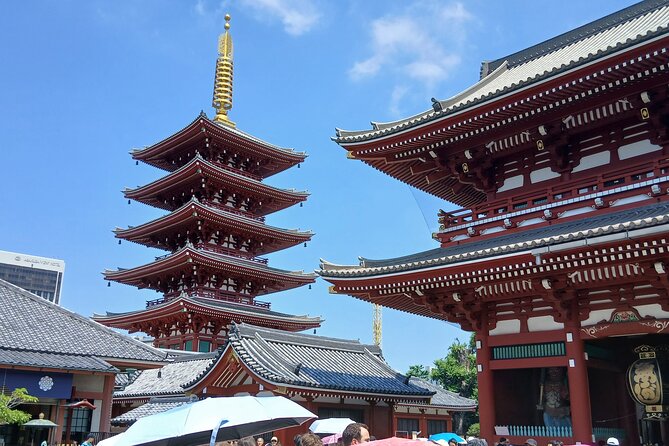
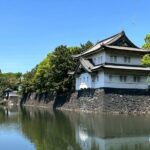
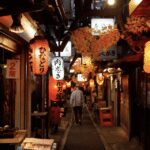
The first part takes you through Asakusa, with views of the local skyline and a stroll along the approach to Senso-ji. This access street is lined with traditional goods, snacks, and souvenirs, making it a good place to learn how Japanese religious sites also function as shopping and meeting areas.
Your guide explains traditional symbols, religious objects, and the customs connected with the temple approach. That matters because Senso-ji can feel like a wall of color, smoke, signs, and people when you first arrive. A guide helps you read what you are seeing instead of treating it as a photo stop.
You also have a chance to taste Japanese treats. The emphasis on omiyage, or gifts brought home from a trip, adds a useful detail. Souvenir buying in Japan is often tied to family, work, and regional identity, not just personal shopping.
This opening section lasts about 30 minutes before the main temple visit. Wear shoes that are comfortable for standing and walking, and keep some space in your day for browsing. The route includes shops and food stops, so you may want to carry a small bag for purchases.
Senso-ji explains Tokyo’s spiritual and shopping traditions
Senso-ji receives about an hour of the tour. You visit the temple and the traditional shopping streets around it while learning about Japanese religious items, gifts, and snacks.
The temple is one of Asakusa’s defining sights, but the value here comes from the explanation. You learn how to approach the site, what the surrounding stalls sell, and why certain goods are connected to temple visits. The guide can also help you understand the difference between something bought for personal use and something chosen as an omiyage gift.
I like this part for first-time visitors because it puts behavior and symbols into plain language. It is also useful for repeat visitors who have already seen Senso-ji but want more context. One person who had visited the temple before found that this tour covered the area with greater range and detail, rather than simply repeating the standard visit.
The temple itself is free to enter, as are the other listed stops. Your $90 fee pays mainly for the guide, organization, and included meal, not admission tickets. That makes the lunch and the quality of the explanation important parts of the value.
Asakusa Shrine shows the difference between Buddhism and Shinto
Next door, Asakusa Shrine receives about 30 minutes. Its closeness to Senso-ji makes it a useful lesson in how Buddhism and Shinto can share the same neighborhood.
The guide explains the difference between the two traditions and points out how the shrine setting differs from the temple. This is one of the more useful cultural comparisons on the route because visitors often see torii gates, incense, statues, and offerings without knowing which tradition they belong to.
Half an hour is enough for an introduction, but not for a long visit. That is probably a good balance on a seven-hour route. You get a clear contrast without spending the morning in one small area.
Asakusa Shrine also offers a quieter pause after the main temple grounds. The tour uses the neighborhood well, moving from a famous landmark to a nearby religious site that many independent visitors might pass without understanding.
Lunch turns local food into part of the lesson
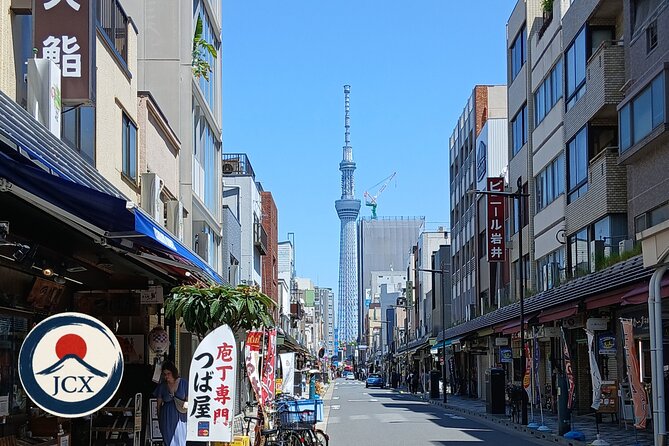
Lunch takes about two hours, including walking through older and renewed market streets around Asakusa. A Japanese course meal is included, along with guidance on what to eat, how to approach the meal, and basic customs and etiquette.
The two-hour block is generous. It should give you more than a rushed restaurant stop, though the exact menu and restaurant are not specified. That uncertainty matters if you are particular about food. One of the few negative comments about the experience came from someone who enjoyed the cultural portion but did not care for the lunch selection.
You can avoid that problem by contacting the operator about dietary restrictions in advance. Notice the timing rule: you must give at least 24 hours notice to arrange an alternative. The meal portion can be refunded locally if you opt out with advance notice, but do not assume you can change the arrangement at the last minute.
I see the meal as both a benefit and a qualification. It adds real value to the price and gives you a reason to discuss Japanese dining habits in context. At the same time, a fixed or arranged course meal will not please every palate. If food is your top priority, ask for details before booking.
A few more Tokyo tours and experiences worth a look



Kappabashi Street reveals the business of Japanese food
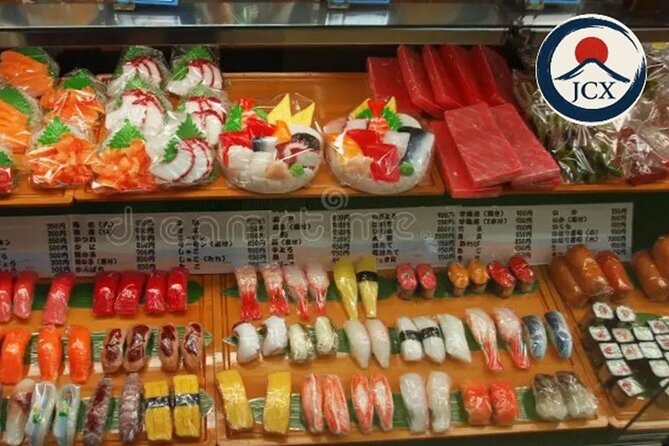
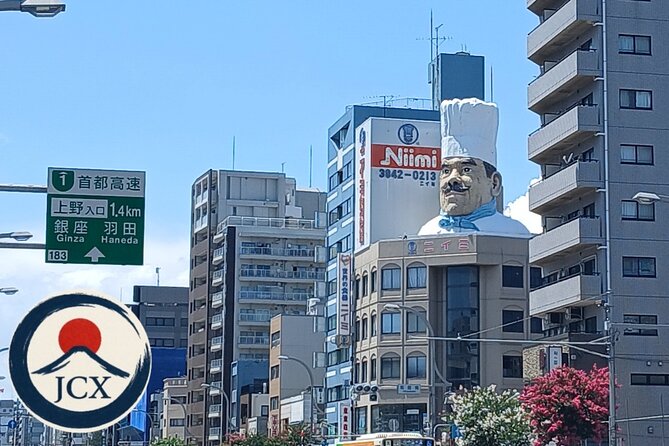
Kappabashi Street, also called Kappabashi Dogugai, is one of the most distinctive stops. This is where professional cooks and restaurant owners shop for knives, utensils, dishes, cookware, and other kitchen supplies.
You can browse stores selling chef knives and look at the famous plastic food replicas used outside Japanese restaurants. The replicas are practical signs for diners, but they are also wonderfully odd souvenirs. This is the kind of stop that adds character to the day because it connects Japan’s restaurant culture with the tools and displays behind it.
The tour allows about an hour here. That is long enough to browse, but serious knife shoppers may want more time. If you are considering a purchase, remember that the tour continues on foot and ends at Ueno, so a large or heavy item could become a nuisance.
Hands-on activities for making food replicas can be booked in the area, but they are not described as part of this tour. Do not assume that a workshop is included in the $90 price.
For me, this is one of the route’s best choices. It is practical, funny, and different from the usual Tokyo sightseeing list. It also gives you a look at the supply side of Japanese food culture, not only the finished dishes.
Matsuzakaya and Ameyoko add everyday Tokyo
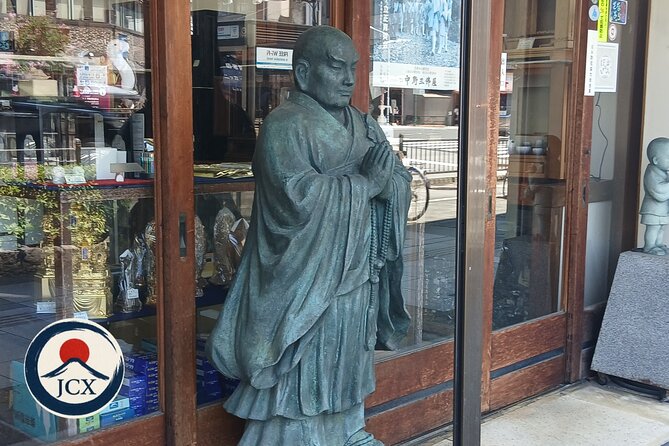
The itinerary includes Matsuzakaya Ueno for about 30 minutes. You may look around or shop at its higher-end food court, a useful stop for seeing how carefully prepared foods are presented and sold in a Japanese department store.
This is not the same experience as eating in a small neighborhood shop. That is precisely why it earns a place on the route. You see another level of Tokyo food culture, from prepared dishes and gift foods to polished presentation and premium products.
The wider Ueno area also connects to Ameyoko Market, known for its lively shopping atmosphere and broad range of food and goods. The exact time devoted to Ameyoko is not separately stated, so you should not expect a long market expedition. Think of it as part of the walking route around Ueno rather than a dedicated shopping tour.
If you enjoy browsing, this section may be a highlight. If crowded commercial streets wear you out, it may be the least restful part of the day. The changing pace is useful, but the route remains active from start to finish.
Ueno Park slows the pace before Toshogu Shrine
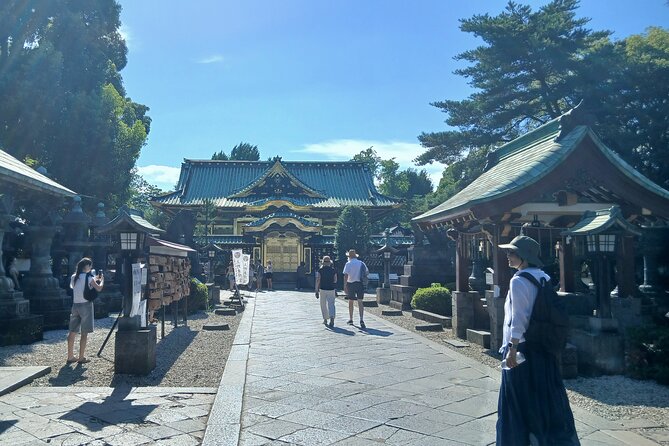
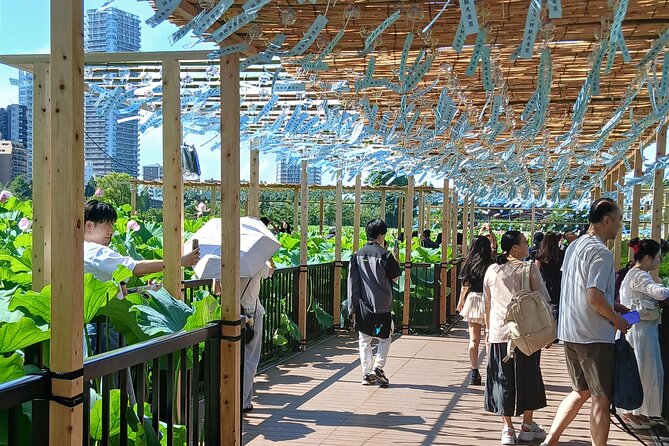
Ueno Park receives about 30 minutes and contains museums, Ueno Zoo, shrines, and temples. Seasonal details can change the mood, including cherry blossoms, lotus flowers, wind chimes, and festivals.
The tour does not promise a specific seasonal display, so book this part for the park and its cultural setting rather than for blossoms. The short visit works as a transition from market streets to the calmer paths leading toward Toshogu Shrine.
You will not have time to explore every museum or visit the zoo during this tour. That is worth knowing if you want a full Ueno Park day. Instead, you get an introduction to the park’s role as a public and cultural center, with a brief look at its seasonal character.
Toshogu Shrine provides the quiet finish
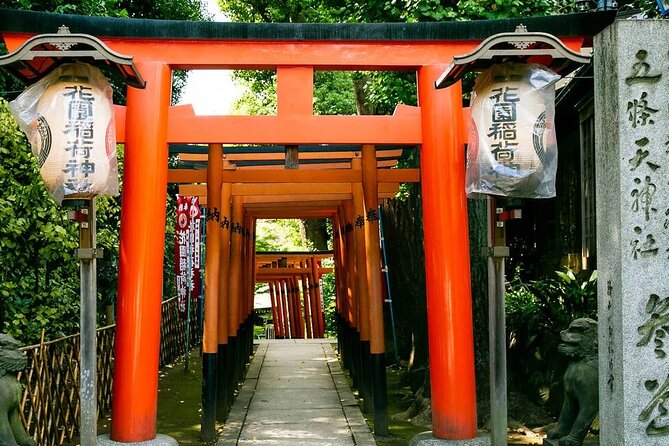
The final major sight is Ueno Toshogu Shrine, an Edo-period architectural and historic landmark surrounded by quiet walkways. The visit lasts about an hour, making it one of the more substantial stops after lunch.
This ending gives the tour a calmer final act. After the noise of temple shopping streets, kitchen stores, department stores, and the market, the shrine grounds provide time to look closely at architecture and setting.
The focus on Edo-era design is especially useful for anyone interested in urban history, architecture, or traditional building details. One architectural visitor found the tour particularly rewarding for the way it revealed Tokyo’s older layers beneath its modern surface. You do not need a specialist background to appreciate this section, but it will likely matter most if buildings and city development interest you.
The route ends outside the Ueno JR Station Park Gate, near the Babycal NewDays Ecute Ueno Park gate area. That makes the finish practical: you can continue by train or plan more time in Ueno after saying goodbye.
What the $90 price really covers
At $90 per person, this is not a bargain-priced stroll. Still, the value is reasonable if you want a guide for cultural interpretation and would otherwise pay separately for lunch, a food-focused visit, and several hours of planning.
There are no admission fees listed for the stops, so the cost is not about ticket savings. You are paying for a structured route, a maximum group size of 12, a guide, and a course lunch. The route also solves a common Tokyo problem: knowing how to connect Asakusa and Ueno in a meaningful order.
I would compare it with the cost of arranging your own meal and spending a day researching what to look for at temples, shrines, Kappabashi, and Ueno. Independent visitors can certainly do this for less, but they may miss the explanations about religious practice, gift customs, food etiquette, and the purpose of the shops.
The tour is booked, on average, 49 days ahead, so it is sensible to reserve early if your dates are fixed. Confirmation arrives at booking, and a mobile ticket is provided.
Who should book this seven-hour walk
I would recommend it most strongly to first-time visitors who want a cultural introduction without spending the whole day inside museums. It is also a good fit for repeat visitors who saw Senso-ji before and now want more local context, food culture, and Ueno sights.
It suits you if you:
- Like walking and can manage a full day on foot
- Want explanation rather than only photographs
- Enjoy mixing famous sights with shopping streets and food stores
- Have an interest in Japanese architecture, religion, or cooking
- Prefer a small group rather than a large coach tour
- Want lunch included in a planned itinerary
I would hesitate if you dislike fixed meal arrangements, have strict dietary needs that you have not discussed in advance, or want a slow day with plenty of free time. The route is varied, but it is still a long scheduled experience.
The tour requires good weather and a minimum number of participants. If it is canceled for either reason, you are offered another date or experience, or a full refund. You can cancel for a full refund up to 24 hours before the start time, but late cancellations and changes are not accepted.
Should you book the Tokyo Old Town Discovery Walk?
Book this tour if you want Tokyo explained through its streets, food customs, religious sites, and working shops. The combination of Senso-ji, Asakusa Shrine, lunch, Kappabashi, Ueno, and Toshogu Shrine gives you a useful cross-section of old Tokyo in one day.
The biggest reasons to choose it are the small group, the unusual Kappabashi stop, and the way the guide links Buddhism, Shinto, shopping, and food. The main caution is lunch and stamina. Ask about meal alternatives ahead of time, wear comfortable shoes, and keep your evening plans light.
For a first visit, this is a strong orientation day. For a return visit, it is a good way to see Asakusa and Ueno with more purpose than simply revisiting the main temple.
FAQ
How long does the Tokyo Old Town Discovery Walk last?
The experience lasts approximately seven hours.
What time does the tour start?
The tour starts at 9:00 am.
Where does the tour begin?
It begins at 1-chōme-1-3 Asakusa, Taito City, Tokyo 111-0034, Japan.
Where does the tour end?
It ends outside the Ueno JR Station Park Gate, at the Babycal NewDays Ecute Ueno Park gate area.
Is lunch included?
Yes. A Japanese course lunch is included, along with an introduction to food customs and etiquette.
What should I do if I have dietary restrictions?
Inform the operator in advance and arrange a meal alternative at least 24 hours before the tour starts. If you opt out with advance notice, the meal portion can be refunded locally.
How many people can join the tour?
The group has a maximum of 12 participants.
Can I cancel for a full refund?
Yes. You can cancel at least 24 hours before the experience starts for a full refund. Cancellations or changes made less than 24 hours before the start time are not accepted.
More Lunch Experiences in Tokyo
More Walking Tours in Tokyo


More tours in Tokyo we've reviewed











Lunch Experiences, compared.
 ★ 4.5Tokyo: Mt.Fuji & Lake Kawaguchiko 1-Day Bus Tour w/Optional LunchFrom $77
 ★ 4.6From Tokyo: Snow Monkey 1 Day Tour with Beef Sukiyaki LunchFrom $1511 day
 ★ 4.8Tokyo: Sumo Experience and Chanko Nabe LunchFrom $95
 ★ 4.5Tokyo: Tsukiji Fish Market Tour with 6 Stops & Seafood LunchFrom $943 hours
 ★ 4.6Tokyo: 1 Day Bus Tour with Meiji-Jingu,Odaiba,lunch&SkytreeFrom $839 hours - 570 minutes
 ★ 5.0Mt. Fuji, Oishi Park & Arakurayama Pagoda Bus Tour with LunchFrom $99