
Reviewed · MT FUJI DAY TRIPS
Muslim Friendly Mt. Fuji Tour with Halal Lunch and Prayer Time
The best part of this Mt. Fuji day trip is not just the mountain view. It is the careful way the day brings together Fuji scenery, Halal food, and prayer time without making you solve each detail on your own. You travel by air-conditioned bus from Tokyo, visit the Lake Kawaguchi area, and return to the same station in the evening.
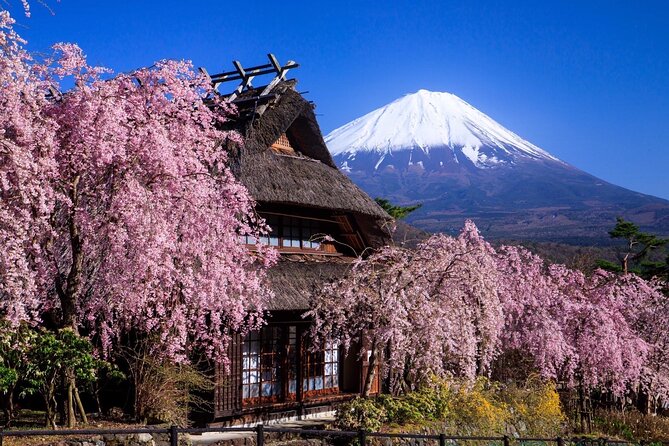
I like the seasonal sightseeing plan, which changes with the time of year. From May through November, you head toward Fujiyama Twin Terrace when conditions allow. From January through April, the itinerary includes the Itchiku Kubota Art Museum instead. I also like the calm stop at Saiko Iyashi no Sato Nenba, where thatched-roof houses and a stream offer a slower, more traditional side of Japan.
The main drawback is the long day and the uncertainty of Fuji weather. The drive to the region can take about two hours, and Mt. Fuji may be hidden by clouds. The tour still runs in poor visibility, with no refund for a missing mountain view, so book this for the full experience rather than for one guaranteed photograph.
In This Review
- Key Points at a Glance
- Starting at Takanawa Gateway Station at 7:20
- Fujiyama Twin Terrace and the Search for a Clear Fuji View
- Itchiku Kubota Art Museum from January Through April
- Fujikawaguchiko Masjid, Lunch, and Dhuhr
- Saiko Iyashi no Sato Nenba and the Second Prayer Time
- What the Guide Adds to a Long Coach Day
- Is $137.94 a Fair Price?
- Weather, Clothing, and Other Practical Details
- Who Should Book This Mt. Fuji Day Trip?
- FAQ
- Where does the tour start and finish?
- How long does the tour last?
- Is hotel pickup included?
- Is lunch Halal-certified?
- Can the lunch accommodate allergies or gluten-free diets?
- Are prayer times included?
- Are prayer mats provided?
- What happens if Mt. Fuji is hidden by clouds?
- Does the itinerary change by season?
- Is the tour suitable for children?
Key Points at a Glance
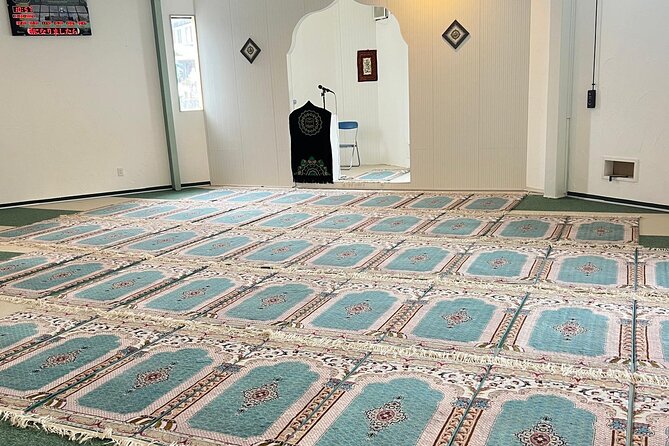
- Prayer-friendly planning: Time is set aside at Fujikawaguchiko Masjid and Saiko Iyashi no Sato Nenba, with prayer mats available at the mosque.
- Halal lunch included: You receive a Halal-certified bento and water, but special allergy-friendly or gluten-free meals are not available.
- Seasonal Fuji stops: May to November generally features Fujiyama Twin Terrace, while January to April includes the Itchiku Kubota Art Museum.
- A useful English-speaking guide: The National Government Licensed English Guide Interpreter explains the Fuji area, and Nao-san is specifically praised for clear English and warm support.
- Small enough to manage: The group is capped at 25 people, a practical size for a full-day coach trip.
- Good value for a special need: At $137.94 per person, the price covers transport, guide, admissions, lunch, and planned prayer access.
Starting at Takanawa Gateway Station at 7:20
Your day starts early at Takanawa Gateway Station in Tokyo. The meeting point is at 2 Chome-1 Konan in Minato City, and the tour returns to the same station, ending at Bus Stop 1 in the Transportation Square on the first floor.
There is no hotel pickup, so you need to reach the station yourself. Build in extra time. A 7:20 am departure leaves little room for a last-minute scramble, especially if you are unfamiliar with the station.
The round-trip bus is air-conditioned, which matters on a day that can stretch to 11 and a half hours. The ride to the Fuji region may take around two hours, and traffic can alter the schedule. The guide helps fill that time with stories about the area, and the day is organized so you can enjoy the scenery without changing trains or working out rural bus connections.
This is a maximum-25-person tour. That does not make it private, but it should feel more manageable than a very large coach group. Departure, arrival, stop lengths, and the order of activities can change with road conditions and congestion.
A few more Tokyo tours and experiences worth a look
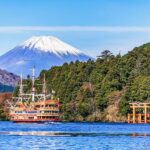
Fujiyama Twin Terrace and the Search for a Clear Fuji View
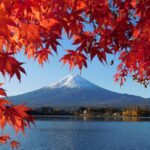
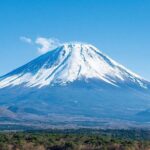
From May through November, the scenic centerpiece is Fujiyama Twin Terrace. At Lily Bell Hutte, you transfer to a shuttle bus for the final approach. The terrace is designed for broad views of Mt. Fuji and the surrounding nature, making it the stop with the greatest potential for the classic Fuji photograph.
The word potential matters. Fuji often hides behind clouds, and the tour does not cancel or refund the trip if the mountain is not fully visible. One especially useful point is that the day can still be enjoyable in imperfect weather. Fresh air, Lake Kawaguchi, and autumn colors provide their own rewards when the peak disappears.
There is also a safety-related change to know about. The forest path leading to Fujiyama Twin Terrace can be affected by falling-rock concerns or poor conditions. If the operator decides the terrace is unsafe or the view will not be available, the tour may use an alternative such as Fugaku Wind Cave, Narusawa Ice Cave, or the Itchiku Kubota Art Museum.
You should wear athletic shoes. Stairs and slippery areas are part of the possible route, so this is not the day for smooth-soled fashion footwear. In winter, temperatures can fall below freezing, although the winter schedule uses a different main sightseeing stop.
Itchiku Kubota Art Museum from January Through April
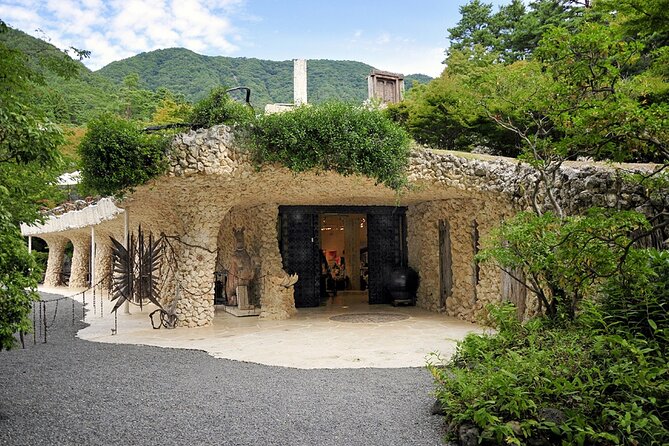
From January through April, the itinerary visits the Itchiku Kubota Art Museum. The museum sits in a scenic position overlooking Lake Kawaguchi at the foot of Mt. Fuji, and it has received a three-star sightseeing guide rating.
The museum gives the day a cultural focus rather than relying only on outdoor viewpoints. That is useful in the cooler months, when weather may make a long outdoor stop less comfortable. The tour visits the facility as long as it is open, even if the weather is poor.
This seasonal arrangement is one of the tour’s sensible features. You do not get exactly the same day at every time of year, but the plan is adjusted to fit the season and facility schedule. If you are set on Fujiyama Twin Terrace, book from May to November, while remembering that weather and safety can still change the plan.
Fujikawaguchiko Masjid, Lunch, and Dhuhr
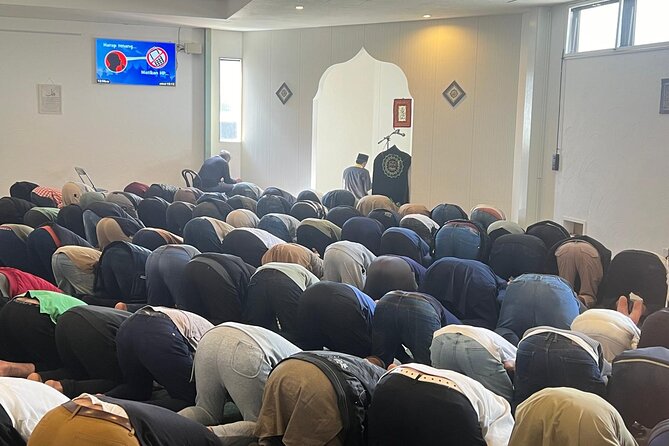
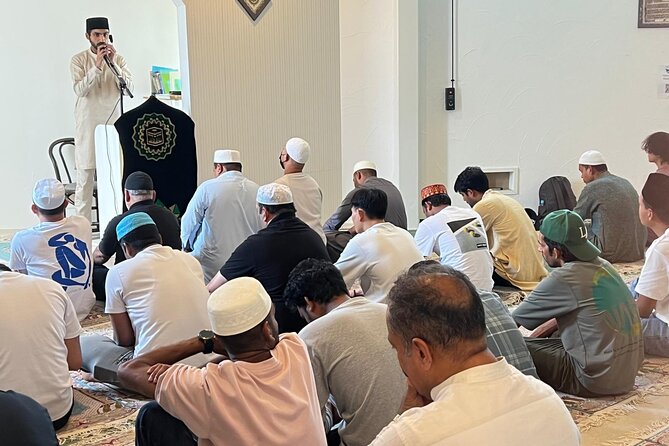
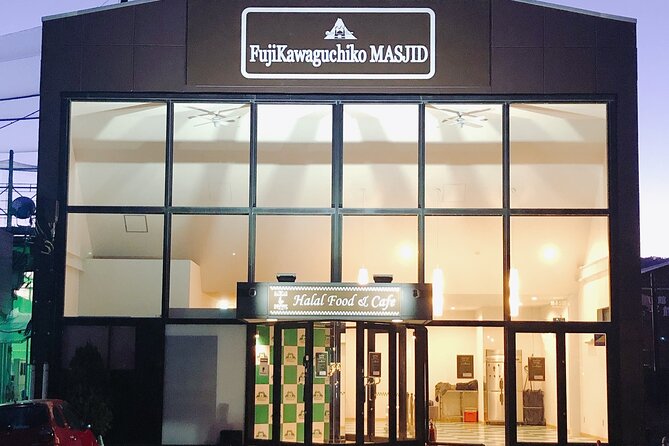
The visit to Fujikawaguchiko Masjid is the practical heart of the experience. It is the only mosque in the Lake Kawaguchi area, and the schedule provides time for Dhuhr prayer. Prayer mats and prayer wear can be used there, so you do not need to bring every item yourself for this stop.
On Fridays, the mosque is used for Jumu’ah. The tour’s regular prayer arrangement is listed as Dhuhr, so you should confirm the day’s timing with the guide if Friday congregational prayer is important to you.
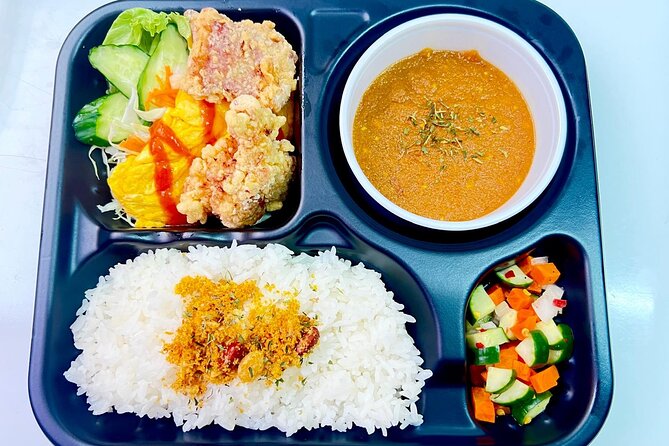
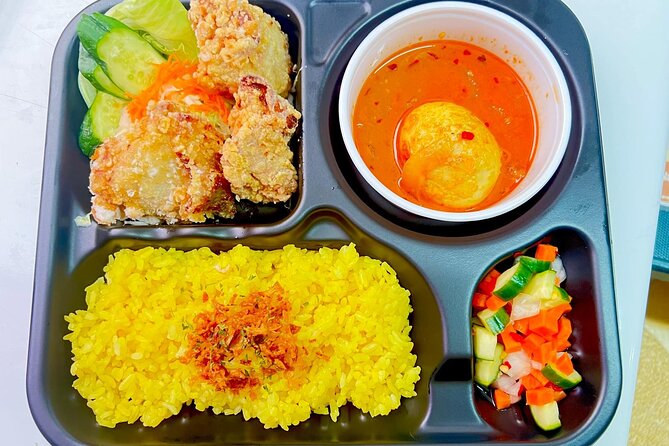
Lunch is served by the shore of Lake Kawaguchi. You receive a Halal-certified bento box and water, with the meal described as a chicken bento. This is a major convenience in a rural sightseeing area, where finding a suitable meal during a tight schedule could be difficult.
There are limits. Drinks beyond the included water are not covered, and allergy-friendly, gluten-free, and similar special meals are not available. If you have dietary needs beyond Halal certification, contact the provider before booking rather than assuming the bento can be changed.
The timing here is about one hour and 15 minutes. That has to cover the mosque visit, prayer, and lunch, so expect a planned stop rather than a leisurely restaurant meal. For a Muslim visitor, that tradeoff is often worthwhile because the schedule removes two common sources of stress at once.
Saiko Iyashi no Sato Nenba and the Second Prayer Time
Saiko Iyashi no Sato Nenba is the quietest stop on the route. This traditional village features thatched-roof houses along roads near a stream, with seasonal scenery that feels far removed from Tokyo’s dense streets.
You get about an hour and a half here, enough time for a relaxed walk, photographs, and a closer look at the traditional setting. The sound of running water adds to the calm, and this stop gives the tour more range than a simple Fuji viewpoint circuit.
A second prayer time is allotted here. Prayer mats are provided at Fujikawaguchiko Masjid but not at Saiko Iyashi no Sato Nenba, so bring your own mat for this part of the day. This is a small detail, but it is exactly the kind of thing you want to know before leaving Tokyo.
The village also includes stairs and potentially slippery ground, which is another reason to wear sturdy athletic shoes. You should keep an eye on the clock, too. The peaceful setting can make the time pass quickly, while the bus must continue according to the day’s traffic and operating schedule.
A few more Tokyo tours and experiences worth a look


What the Guide Adds to a Long Coach Day
The tour includes a National Government Licensed English Guide Interpreter. That is more useful here than on a simple attraction transfer because the Fuji area combines natural scenery, local customs, village architecture, and seasonal changes.
Nao-san is specifically singled out for strong English communication, helpful support, and good knowledge of the area. Other guides may lead the departure, but the key point is that the tour is built around live explanation rather than just a bus ride and a list of stops.
A good guide also helps with the practical side of the day. You can ask about prayer timing, the meeting point after each stop, and changes caused by traffic or weather. Since the itinerary is an estimate, clear instructions matter.
The two-hour ride is still a two-hour ride. The guide can make it more pleasant, but you should be comfortable spending a significant part of the day on a bus. If you prefer a slow independent trip with long stays at one place, this organized schedule may feel tight.
Is $137.94 a Fair Price?
At $137.94 per person, this is not the cheapest way to see Mt. Fuji. You are paying for more than transportation to a viewpoint, though. The cost includes an English-speaking guide, air-conditioned round-trip bus travel, admission fees for the listed stops, a Halal-certified lunch, and planned access to prayer facilities.
For a Muslim visitor, the value comes from coordination. You do not need to research a mosque near Lake Kawaguchi, locate a suitable lunch, or work out how to fit Dhuhr into a rural sightseeing day. Those details can take real time, and missing one can affect the whole outing.
The tour also includes J-Credits for environmental protection, supporting its sustainable tourism approach. That does not change the basic sightseeing schedule, but it adds a small environmental contribution to a day centered on a heavily visited natural area.
The price makes the most sense if you value convenience and religious consideration more than maximum independence. If you are comfortable arranging your own transport, food, and prayer stops, you may find a self-planned day less expensive. But reaching the Fuji region from Tokyo and coordinating all those parts is not always simple.
Children up to age five may join free, but they do not receive a bus seat or lunch at that rate. If you need a seat or meal for a child, book the child rate instead.
Weather, Clothing, and Other Practical Details
Mt. Fuji visibility is never guaranteed. The tour continues if clouds cover the mountain, and no refund is given for that reason. This is normal for Fuji sightseeing, but you should set your expectations before paying.
The May to November route can change because of falling-rock concerns, bad weather, or poor visibility. Possible alternatives include the Fugaku Wind Cave, Narusawa Ice Cave, and Itchiku Kubota Art Museum. From January to April, the museum is visited as long as it is open, even during bad weather.
Wear athletic footwear for stairs and slippery sections. Bring warm clothing in winter, when temperatures can drop below freezing. Bring a prayer mat for Saiko Iyashi no Sato Nenba, since mats are not supplied there.
The tour does not include free Wi-Fi access. Drinks other than the supplied water are also excluded. Confirmation arrives within 48 hours of booking, subject to availability, and the tour may be canceled if at least two participants have not booked by four days before departure.
Free cancellation is available up to 24 hours before the start time. Cancellations or changes made inside that window are not accepted for a refund.
Who Should Book This Mt. Fuji Day Trip?
I would choose this tour if you want to see the Fuji region without sacrificing prayer arrangements or dependable Halal food. It is especially useful for first-time visitors to Japan, families who prefer one organized vehicle, and anyone who does not want to navigate the Lake Kawaguchi area independently.
It also suits people who want more than a single mountain photo. The day includes nature, a mosque, local food, a museum during the winter season, and a traditional village. That mix gives you a better sense of the region.
I would hesitate if you need a guaranteed view of Mt. Fuji, a flexible schedule, a private group, or meals adapted for allergies. The long bus day, changing itinerary, and fixed prayer and lunch periods require a little patience.
For Muslim visitors who want a respectful, practical introduction to the Fuji area, I think the tour is worth considering. Book it for the thoughtful structure and the chance to enjoy several sides of the region. Treat the mountain view as a bonus, not a promise.
FAQ
Where does the tour start and finish?
The tour starts and ends at Takanawa Gateway Station, 2 Chome-1 Konan, Minato City, Tokyo. The listed departure time is 7:20 am, and the tour ends at Bus Stop 1 in the station’s Transportation Square on the first floor.
How long does the tour last?
The experience lasts approximately 11 hours and 30 minutes.
Is hotel pickup included?
No. You must make your own way to Takanawa Gateway Station.
Is lunch Halal-certified?
Yes. A Halal-certified bento box meal and water are included. The meal is described as a chicken bento.
Can the lunch accommodate allergies or gluten-free diets?
No. Allergy-friendly, gluten-free, and similar special meals are not available.
Are prayer times included?
Yes. Prayer time is allotted at Fujikawaguchiko Masjid and Saiko Iyashi no Sato Nenba. The mosque stop includes time for Dhuhr.
Are prayer mats provided?
Prayer mats and prayer wear are available at Fujikawaguchiko Masjid. Mats are not provided at Saiko Iyashi no Sato Nenba, so bring your own for that stop.
What happens if Mt. Fuji is hidden by clouds?
The tour will continue and will not be canceled because Mt. Fuji is not fully visible. Refunds are not provided for poor visibility.
Does the itinerary change by season?
Yes. From May through November, the tour generally visits Fujiyama Twin Terrace. From January through April, it visits the Itchiku Kubota Art Museum. Weather, safety, facility conditions, and traffic can also change the plan.
Is the tour suitable for children?
Most people can participate, and children up to five years old may join free without a bus seat or lunch. If a child needs a seat or meal, book the child rate.
More Lunch Experiences in Tokyo
More Mt Fuji Day Trips in Tokyo
More tours in Tokyo we've reviewed



Mt Fuji Day Trips, compared.
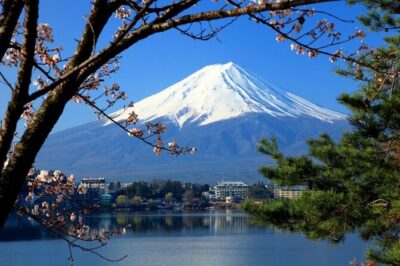 ★ 5.0Mt Fuji and Hakone 1-Day Bus Tour Return by Bullet TrainFrom $163
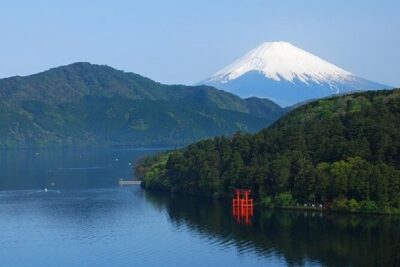 ★ 4.0Mt Fuji & Hakone Cruise, Drum Show Bullet Train 1 Day from TokyoFrom $149
 ★ 4.4Tokyo Mt Fuji 5th St & Hakone Cruise Bus Tour w/Bullet TrainFrom $15410 hours
 ★ 4.5From Tokyo: Mount Fuji Full-Day Sightseeing TripFrom $6810 hours
 ★ 4.7Tokyo: Mt. Fuji Tour, Hakone Ropeway, Owakudani, Lake AshiFrom $5410 hours
 ★ 4.4Tokyo:Mt.Fuji,Kawaguchiko Oishi Park,Arakurayama Sengen ParkFrom $5410 hours