
Reviewed · LUNCH EXPERIENCES
From Tokyo: Snow Monkey 1 Day Tour with Beef Sukiyaki Lunch
Japan’s famous snow monkeys are the main event here. At Jigokudani Monkey Park, you walk through a snowy forest to watch Japanese macaques gather around hot springs, sometimes with babies clinging nearby. I like the chance to see them at close range without touching or feeding them, and I like that the entry fee, lunch, guide, and coach ride are all bundled together. The catch is simple: this is a very long day, with up to three and a half hours on the bus each way.
I especially like the beef sukiyaki lunch and the winter setting around Jigokudani Valley. Guides such as Ichiro, Mai, Maki, Kubo, and Thomas have helped make the long ride feel friendlier and more useful, with clear instructions and plenty of humor. You should still come ready for a slippery 30-minute-plus walk from the parking area, and the monkeys are wild animals, so bathing sightings are never guaranteed.
In This Review
- Key points to know before booking
- From Shinjuku to the snowy mountains
- Shinshu Fruitsland and the sukiyaki lunch
- Walking into Jigokudani Monkey Park
- Watching the macaques at the hot springs
- The seasonal Kamakura snow huts
- Guides, timing, and the value of the package
- What to pack for the day
- Who should book this Tokyo day trip?
- Should you book the Snow Monkey and Sukiyaki Tour?
- FAQ
- How long is the tour?
- Where does the tour meet in Tokyo?
- Where does the tour finish?
- Is hotel pickup included?
- How long is the walk to Jigokudani Monkey Park?
- Are snow monkey sightings guaranteed?
- Will the monkeys definitely be bathing?
- What lunch is included?
- Are drinks included?
- Are the Kamakura snow huts included on every departure?
- What shoes should I wear?
- Is the tour suitable for wheelchair users?
Key points to know before booking
- The hot springs are reached on foot: Allow more than 30 minutes each way from the parking area, often on snow, ice, mud, or wet forest paths.
- The bus ride takes most of the day: The coach journey can run up to three and a half hours in each direction, with two or three service-area stops.
- Sukiyaki is the standard lunch: Beef is served unless you request pork, vegetarian, or vegan food when booking. Fish and chicken are not available.
- Winter gives you the best visual setting: Snow-covered trees and monkeys in steaming water create the classic Jigokudani scene.
- Kamakura snow huts are seasonal: Departures from January 23 to March 1, 2026, also include the illuminated snow domes at Kamakura no Sato.
- The group may use a small or medium coach: Bus size depends on the number of people, and seats may not recline.
From Shinjuku to the snowy mountains
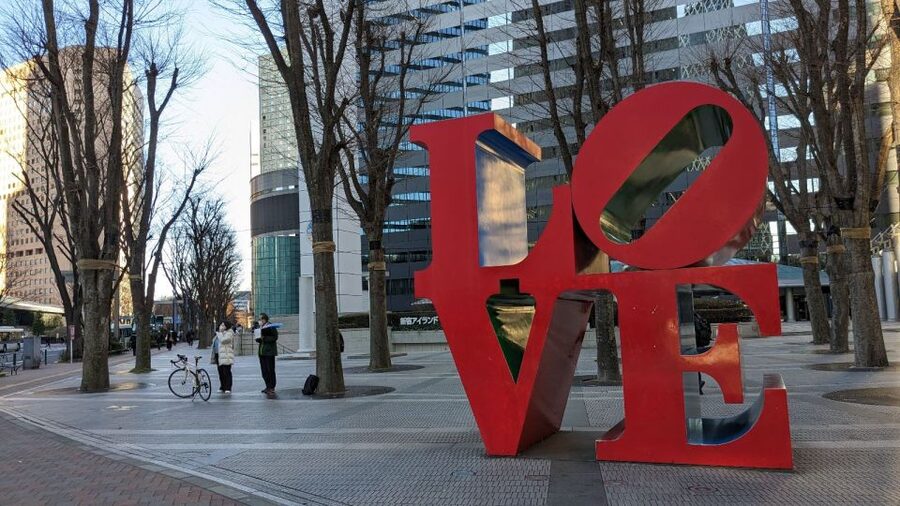
Your day begins at the Nishi Shinjuku LOVE sculpture outside the Shinjuku i-Land building. This is a central and recognizable meeting point, but it is still worth arriving early. Shinjuku has many roads, station exits, and large buildings, so give yourself extra time to find the sculpture rather than cutting it close.
The tour ends near Tokyo Mode Gakuen in central Tokyo. There is no hotel pickup, no custom pickup from central Tokyo hotels, and no drop-off in Nagano Prefecture. You need to reach the meeting point on your own and return there at the end.
Once aboard, prepare for a serious road trip. The ride to Nagano may take up to three and a half hours, and traffic or winter road conditions can make the return longer. Two or three stops at service areas break up the journey. These pauses matter, especially because the day can last around 12 hours from morning departure to evening return.
I would bring a book, tablet, or downloaded entertainment. The guide may provide commentary during the drive, but the amount can vary. One guide, Thomas, reportedly kept the ride interesting with information about the sights outside, while another group had a guide prepared with jokes and even a song sheet in case the road became slow. That kind of human touch helps, but you should not book this as a sightseeing bus tour with constant narration.
The coach is practical rather than luxurious. Some groups have used comfortable buses, while one visitor found the smaller vehicle cramped and noted that the seats did not recline. Depending on group size, you may ride in a small or medium coach. Wear comfortable clothes, keep valuables close, and remember that Japanese law requires seatbelts on the bus.
If you're still narrowing it down, here are other tours in Yamanochi we've reviewed.
Shinshu Fruitsland and the sukiyaki lunch
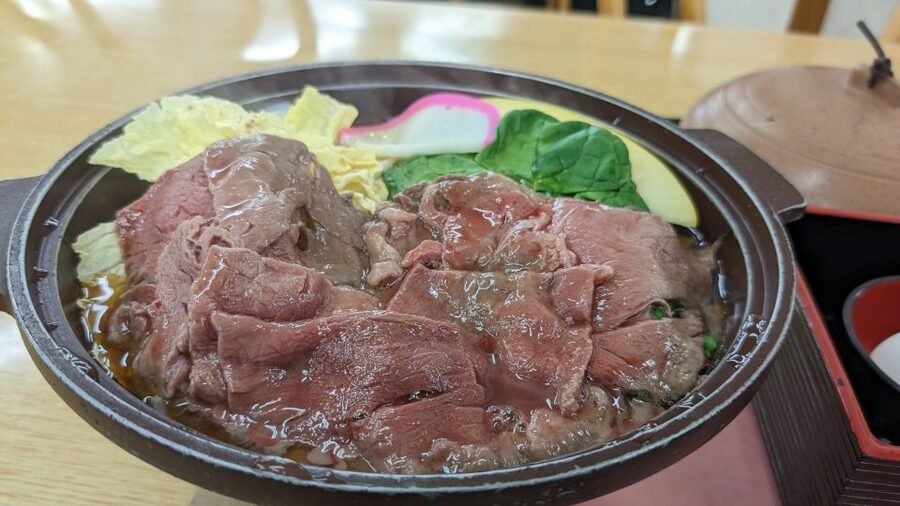
After the first long stretch, you stop at Shinshu Fruitsland for about an hour and eat lunch. The meal is beef sukiyaki, a Japanese dish in which thinly sliced beef and vegetables are cooked in a sweet and savory broth. It is a fitting choice for a cold-weather outing, and the meal gives you a warm break before the main walk.
The food has been described as good and satisfying, though you should keep your expectations sensible. This is a tour lunch, not a destination restaurant visit. One person found it basic but pleasant, while others singled out the sukiyaki as delicious. I see it as useful fuel and a nice introduction to a familiar Japanese comfort dish.
You can request an alternative when you reserve by sending a message. The options are pork, vegetarian food containing egg and dairy, or fully vegan food. Fish and chicken are not offered, so do not assume those can be substituted. If you need a special meal, make the request early rather than waiting until you sit down.
Drinks are not included. Plan to buy your own if needed. The stop also functions as a rest break after the long first coach ride, which is one reason the full itinerary works better than a nonstop drive.
Walking into Jigokudani Monkey Park
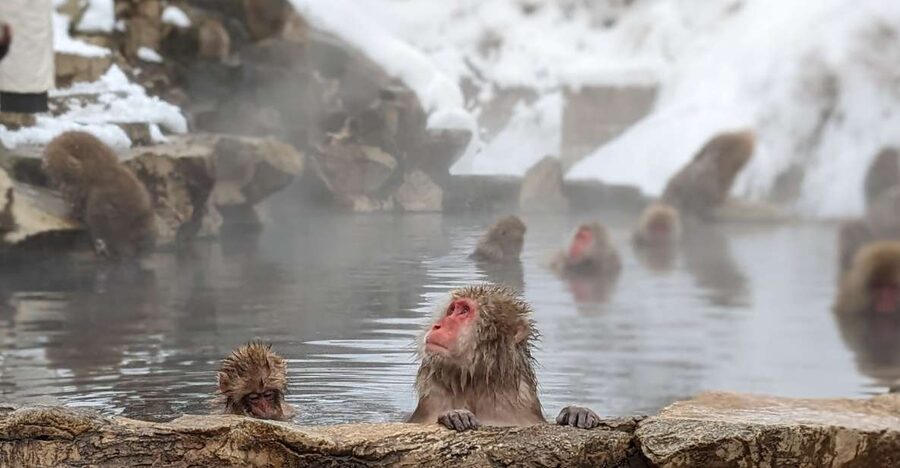
From Shinshu Fruitsland, the drive to Jigokudani takes about 30 minutes. Then comes the part many people underestimate: the walk from the parking area to the monkey park takes more than 30 minutes, followed by the return walk later.
This is not a flat stroll. The route follows a forest path and can be wet, muddy, snowy, or icy. In winter, compacted snow can become hard and slick underfoot. Several people found the walk completely manageable with proper boots, while others described it as more difficult than the advertised moderate level. One person called the ice dangerous, and another needed help while walking with a cane.
Take that warning seriously. Wear snow boots or other shoes with strong grip, plus warm, waterproof trousers if the forecast is wet. Optional crampons are sold on the bus, but they are not included. You may find them useful when the path is frozen. Comfortable city sneakers are a poor choice here, even if you wear them for the rest of your Japan trip.
The walk itself is part of the appeal. You pass through a wooded mountain setting, and in snowy weather the route can feel calm and beautiful. But your priority should be safe footing, not speed. The tour gives you roughly two hours at Jigokudani Monkey Park, so you want to arrive with enough energy to enjoy it.
This outing is not suitable for wheelchair users, and pregnant people should not book it. The combination of coach travel, an uphill walk, and icy ground makes this a demanding day for anyone with limited mobility.
Watching the macaques at the hot springs
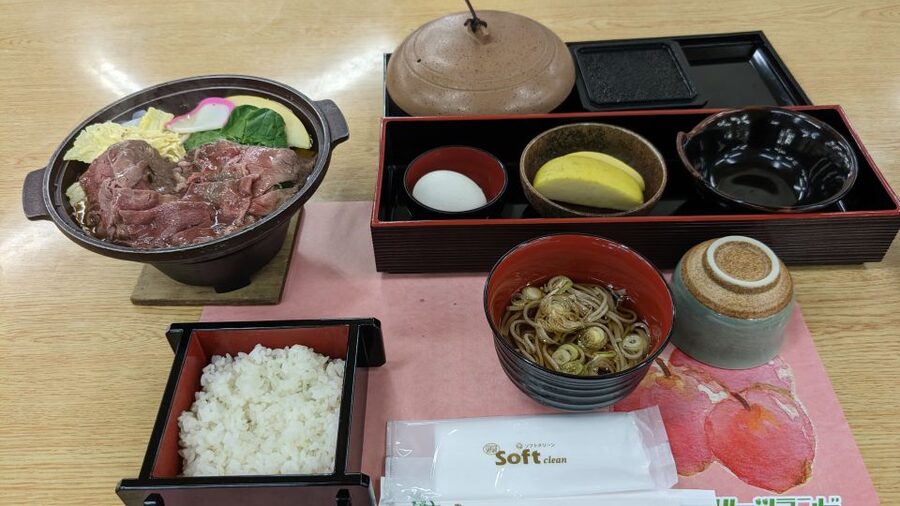
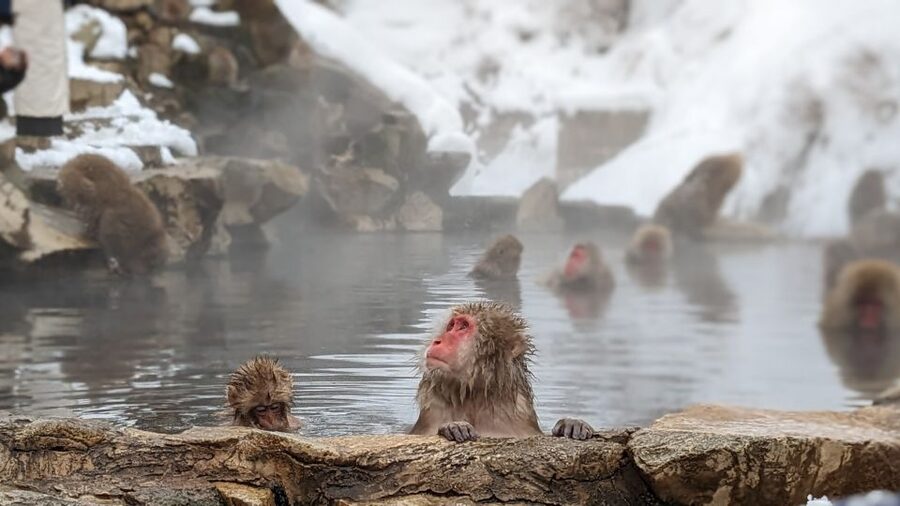
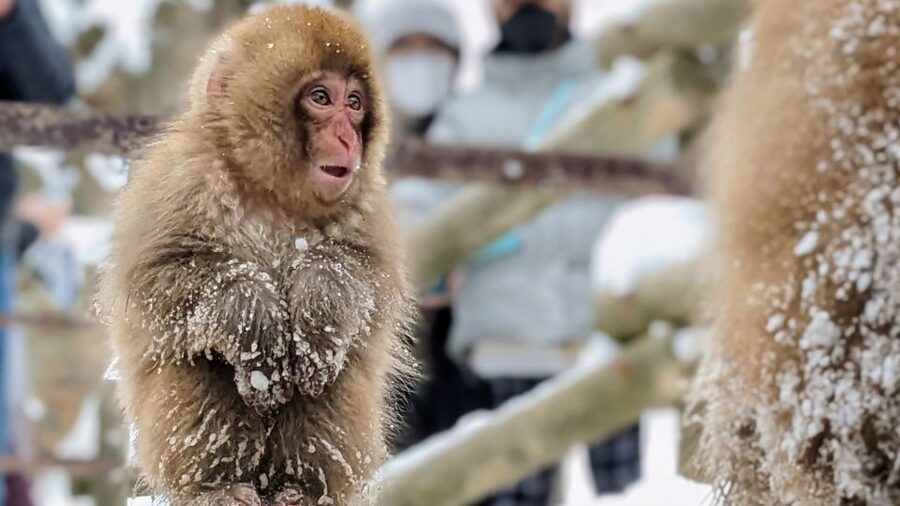
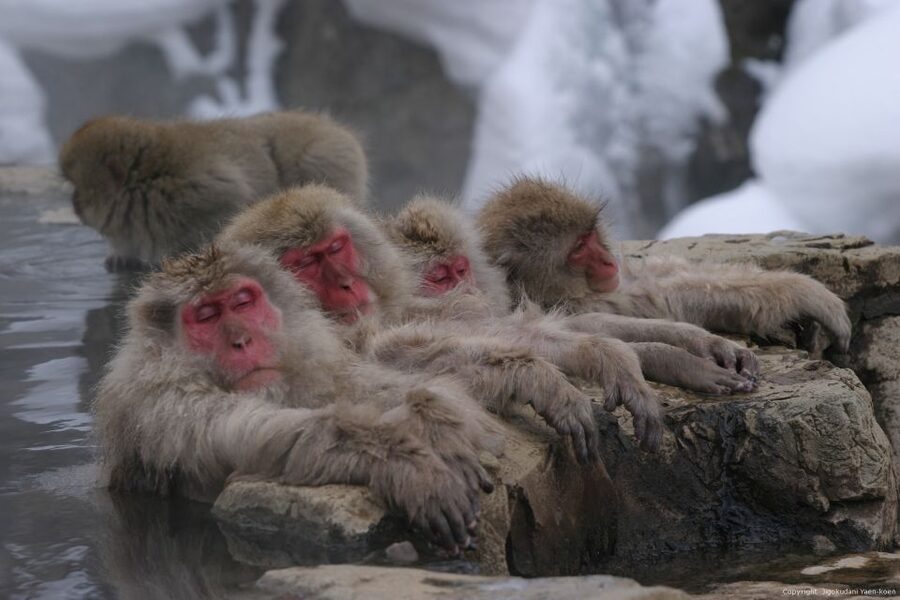
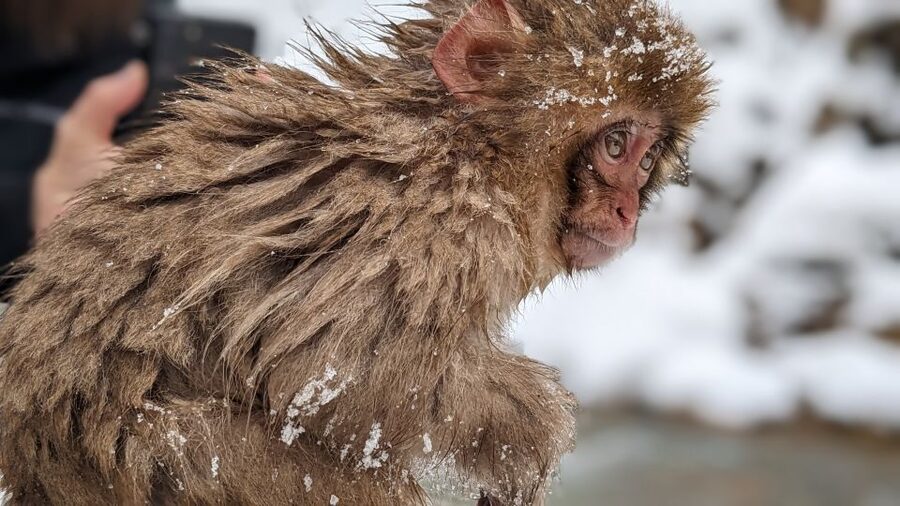
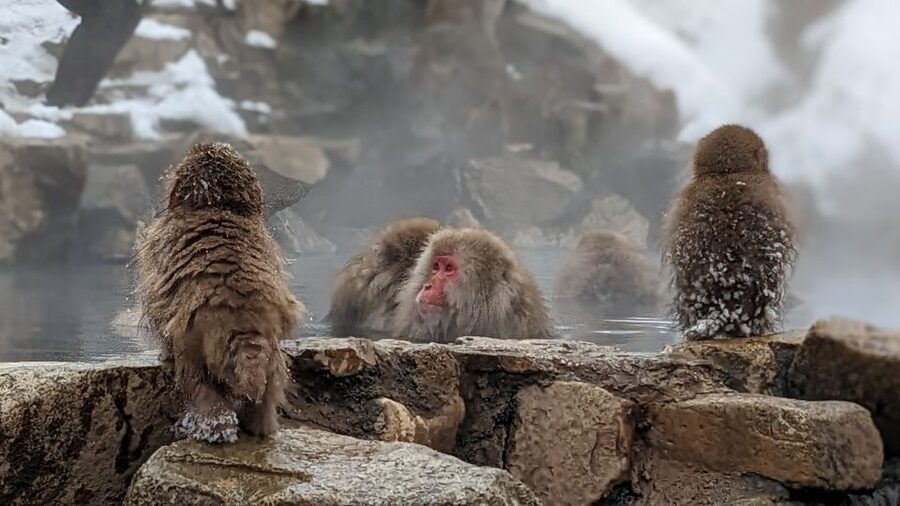
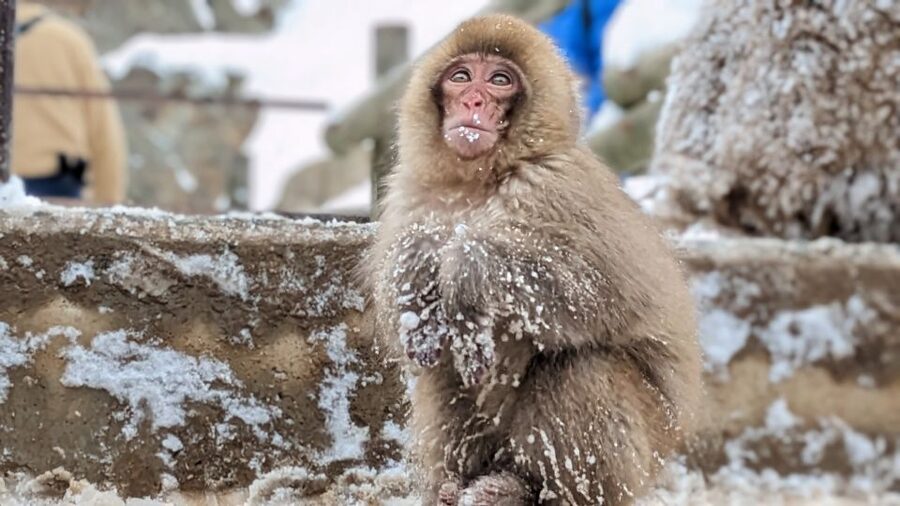
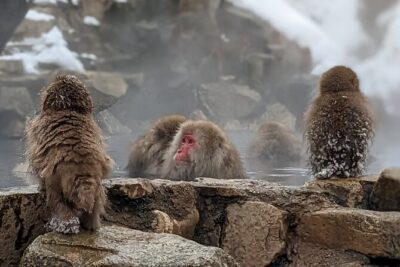
Jigokudani Monkey Park offers a rare wildlife encounter. Japanese macaques come close to the walkway and move around the hot spring area. In winter, you may see adults, young monkeys, and babies sitting near the steam or moving through the snow.
The setting is what makes the visit special. Snow-capped Jigokudani Valley surrounds the park, while the hot water creates a striking contrast with the cold air. On snowy days, the scene can look almost unreal, with white trees, steaming pools, and monkeys carrying on with their daily routines.
Do not expect every monkey to be soaking in the water. The animals do not spend most of their time in the springs, and in warmer weather they may stay out of the pools. From mid-March, they may not enter the water at all, depending on conditions. Even in late March, a snowy day improves your chances.
You also cannot control when the monkeys appear. Sightings are not guaranteed, and there is no refund if you do not see them. That is an important point when deciding if the $151 price feels right. You are paying for access to a famous wildlife park and transportation, not for a staged animal show.
The rules are there for good reason. Do not touch, feed, or stare directly at the monkeys. They can be territorial. Keep your hands to yourself, avoid blocking the path, and let the animals move freely. They are accustomed to people, which allows close photographs, but they are still wild.
Two hours in the park is enough for many people to see plenty of activity and take photographs. A few people would have preferred more time, especially after such a long ride. If photography is your main goal, use your time wisely and do not linger too long at the first viewing area.
The seasonal Kamakura snow huts
If you travel from January 23 through March 1, 2026, the day includes Kamakura no Sato. This winter stop features snow huts illuminated after dark or in the winter light, depending on the day’s schedule. The domes create a completely different mood from the monkey park and add a second seasonal attraction to the outing.
The snow huts are a bonus, not the main reason to book. Some people found the igloo-style village magical, while others thought it was simply pleasant after the monkey park. I would treat it as a welcome extra that strengthens the value of a winter departure.
The visit is included in the price during the stated dates, including the entry fee. If you are comparing departures, this seasonal addition may make a January or February trip more appealing. Outside that window, do not expect the snow hut stop to be part of the day.
Guides, timing, and the value of the package
The English-speaking guide is an important part of this tour because the schedule is tight. You need clear directions for the lunch stop, the forest walk, the park, and the return coach. Guides named Ichiro, Mai, Maki, Kubo, Ken, George, Mami, and Thomas have led different departures, so your guide will depend on the date and group.
The strongest guiding style shown across the experience is practical and attentive. Guides have helped people understand each step, answered questions about Japan, offered local tips, and stayed with less nimble walkers. Drivers have also received credit for handling icy roads and heavy traffic safely.
The quality may not be identical on every departure. One person wished for more explanation about the area and the history of the monkeys during the long drive. Another disliked a guide’s way of dealing with late passengers. Those are small but useful reminders that a group tour depends partly on the individual guide.
The schedule is strict. The coach leaves at the advised time, and latecomers do not receive refunds. Road conditions can change the planned times and contents. Follow the guide’s instructions and return to the bus early, especially at the park, where the walk back adds a buffer.
At $151 per person, I think the tour offers fair value if you want an easy way to reach Nagano without arranging trains, buses, park admission, lunch, and seasonal entry separately. The return journey is the main cost in comfort. You are buying convenience, not speed.
A self-planned trip might give you more freedom and possibly more time at the park, but it requires careful connections and winter transport planning. This tour removes that work and gives you an English-speaking guide. For a first visit to Japan, or for anyone who does not want to manage rural train and bus connections, that convenience is worth paying for.
What to pack for the day
Pack for the mountain, not for Tokyo. Temperatures can differ sharply between Shinjuku and Nagano, and the path may be icy even when the city is dry.
Bring:
- Warm layers, including gloves and a hat
- Waterproof trousers or an outer layer for wet snow and mud
- Snow boots or sturdy non-slip shoes
- Optional crampons, which may be sold onboard
- Water and money for drinks
- A phone or camera with enough battery for a full day
- A book or tablet for the long coach ride
You should also pack patience. The day involves long sitting periods, service-area stops, a one-hour lunch, a substantial walk, and about two hours at the monkey park. That rhythm suits you if you value a memorable destination more than a relaxed pace.
Who should book this Tokyo day trip?
I would book this tour if seeing the snow monkeys has been on your Japan wish list and you want the simplest route from Tokyo. It also suits you if you enjoy winter scenery, Japanese food, and a full day with a clear plan.
Families with older children may enjoy the monkeys, but the cold and slippery path require care. The tour is less suitable for anyone who dislikes long bus rides, needs a flat walking route, or expects guaranteed monkeys in the hot springs.
The strongest departures seem to combine good winter weather with a thoughtful guide. February offers the classic snowy setting, but late winter conditions vary. From mid-March onward, the monkeys may use the springs less often, so choose an earlier winter date if the bathing scene is your main goal.
Should you book the Snow Monkey and Sukiyaki Tour?
Book it if you can accept the tradeoff: roughly a full day away from Tokyo, a long coach ride, and a slippery walk in return for one of Japan’s most memorable wildlife scenes. The monkeys, snowy forest, warm sukiyaki, and optional Kamakura huts make a strong package.
Skip it if you want a leisurely day, dislike fixed schedules, or cannot manage an uphill walk on ice. For everyone else, the $151 price is reasonable for the transport, meals, park admission, seasonal snow hut admission, and guide. Bring serious footwear, arrive early at the LOVE sculpture, and treat the monkeys as wild animals. Do that, and this can be one of the most rewarding day trips from Tokyo.
FAQ
How long is the tour?
It is a full-day tour. The coach ride can take up to three and a half hours each way, and the total day may last around 12 hours depending on traffic and road conditions.
Where does the tour meet in Tokyo?
Meet by the Nishi Shinjuku LOVE sculpture outside the Shinjuku i-Land building.
Where does the tour finish?
The tour finishes near Tokyo Mode Gakuen in central Tokyo.
Is hotel pickup included?
No. Hotel pickup and drop-off are not included. You must reach the Shinjuku meeting point yourself.
How long is the walk to Jigokudani Monkey Park?
It takes more than 30 minutes to walk from the parking area to the park. You also need to walk back after the visit.
Are snow monkey sightings guaranteed?
No. The monkeys are wild, and sightings in the hot springs are not guaranteed. No refund is given if you cannot see them.
Will the monkeys definitely be bathing?
No. The monkeys do not spend most of their time in the water. From mid-March, weather conditions may make them less likely to enter the springs.
What lunch is included?
Beef sukiyaki is included. You can request pork, vegetarian food with egg and dairy, or vegan food when booking. Fish and chicken are not available.
Are drinks included?
No. Drinks are not included in the tour price.
Are the Kamakura snow huts included on every departure?
No. The Kamakura no Sato snow hut visit is included for tours running from January 23 through March 1, 2026.
What shoes should I wear?
Wear warm, non-slip shoes such as snow boots. The route can be icy, snowy, muddy, or wet. Optional crampons may be sold onboard the bus.
Is the tour suitable for wheelchair users?
No. The tour is not suitable for wheelchair users because of the walking route and winter conditions.
More Winter Activities in Yamanochi
More tours in Yamanochi we've reviewed
Lunch Experiences, compared.
 ★ 4.5Tokyo: Mt.Fuji & Lake Kawaguchiko 1-Day Bus Tour w/Optional LunchFrom $77
 ★ 4.8Tokyo: Sumo Experience and Chanko Nabe LunchFrom $95
 ★ 4.5Tokyo: Tsukiji Fish Market Tour with 6 Stops & Seafood LunchFrom $943 hours
 ★ 4.6Tokyo: 1 Day Bus Tour with Meiji-Jingu,Odaiba,lunch&SkytreeFrom $839 hours - 570 minutes
 ★ 5.0Mt. Fuji, Oishi Park & Arakurayama Pagoda Bus Tour with LunchFrom $99
 ★ 4.5Nagano Snow Monkey 1 Day Tour with Beef Sukiyaki Lunch from TokyoFrom $151