
Reviewed · SUMO EXPERIENCES
Tokyo: Not a show- a professional sumo practice with experts
Seeing sumo in a ring is impressive. Sitting just a few feet away while professional wrestlers train is something else entirely. This three-hour morning tour takes you inside Takasago-beya, a working sumo stable, rather than to a staged bout. I like the close view of the warmups, sparring, and cooldowns, and I like having Shinya, a sumo reporter and photographer, explain what you are seeing.
The experience feels serious and respectful, which is its great strength. You also get a photo with a wrestler and time for questions. The tradeoff is simple: you sit on the floor for much of the practice, and the stable is a place of training, not entertainment. If you need a chair or expect constant commentary, this may not be your best match.
In This Review
- Key points to know before booking
- Why a stable visit beats a staged sumo show
- Meeting in Ryogoku, Tokyo’s sumo neighborhood
- Inside Takasago-beya: close enough to feel the impact
- The etiquette that keeps the visit respectful
- Shinya’s sumo background adds real value
- Photos with wrestlers, handled with good judgment
- Ryogoku Kokugikan and Edo NOREN after practice
- Is $103 a fair price?
- Who should book this sumo experience?
- Practical tips for getting more from the morning
- Final verdict: authentic, focused, and not for every body
- FAQ
- How long does the sumo practice tour last?
- Where does the tour meet?
- Is the tour available in English?
- Do I sit on the floor during the practice?
- Is a photo with a sumo wrestler included?
- Can children join the tour?
Key points to know before booking
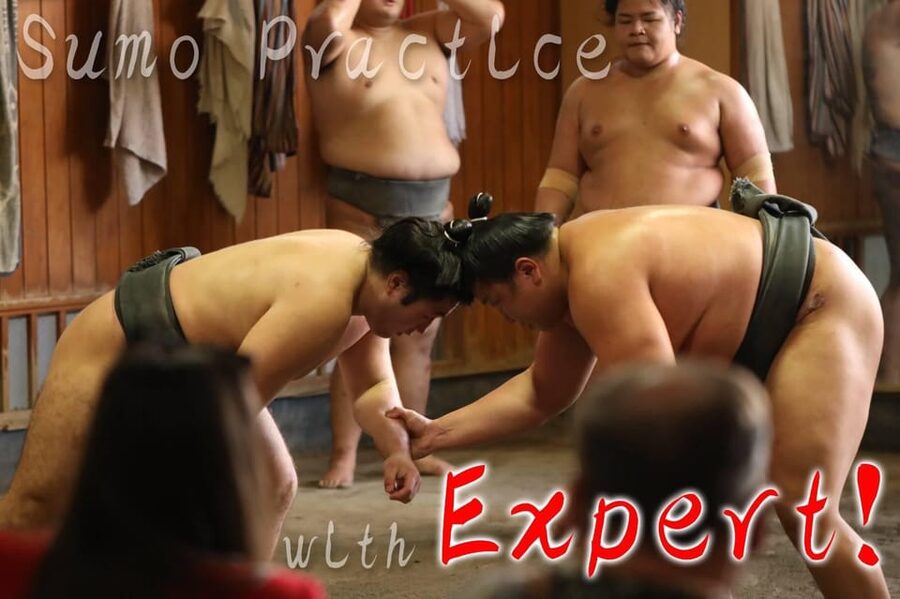
- Watch real morning training: See wrestlers work through warmups, practice bouts, and cooldowns at Takasago-beya.
- Shinya adds rare context: Your guide has worked as a national newspaper sumo journalist and photographer.
- The view is extremely close: Seating can put you only a few inches from the wrestlers, so quiet behavior matters.
- Expect floor seating: Cushions are available, but a long session can be hard on knees, hips, or backs.
- Ryogoku fills out the story: The route includes the Kokugikan area and Ryogoku Edo NOREN.
- Small group, substantial price: The tour costs $103 per person and is limited to 10 people.
Why a stable visit beats a staged sumo show
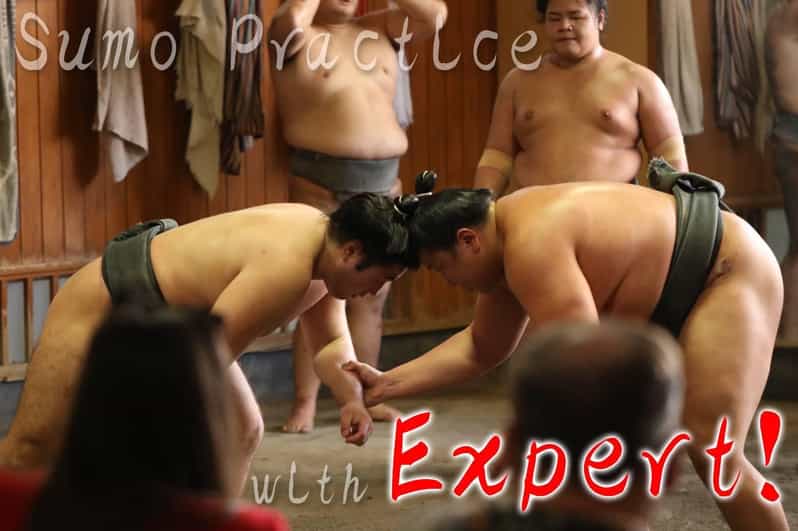
Tokyo offers several sumo-themed activities. Some are designed as light entertainment, with performers demonstrating techniques for a crowd. This one takes a different path. You enter a professional stable and watch wrestlers train according to their own routine.
That distinction matters. You are not watching a performance built around jokes, audience participation, or easy photo opportunities. The wrestlers are working. Their movements are repetitive, forceful, and focused. A training session can include warmups, stretching, drills, practice bouts, and cooldowns, giving you a better sense of the daily discipline behind a tournament match.
I especially like that the tour does not ask you to pretend this is a public show. You are there by special permission, and your behavior needs to reflect that. Keep quiet during practice, switch off your phone, and follow the guide’s instructions. The closeness of the seating makes basic courtesy even more important.
The atmosphere can also be less predictable than a staged activity. The exact rhythm of practice is controlled by the stable, not by the tour operator. That is part of the appeal, but it also means you should arrive ready to observe rather than expecting a neatly narrated spectacle.
A few more Tokyo tours and experiences worth a look
Meeting in Ryogoku, Tokyo’s sumo neighborhood
The meeting point is near the Toei Oedo Line’s Ryogoku Station, Exit A2, at ground level. It is also about a five-minute walk from the east exit of JR Ryogoku Station. The operator sends more details before the tour date, so check those instructions carefully, especially if you are choosing between subway and JR service.
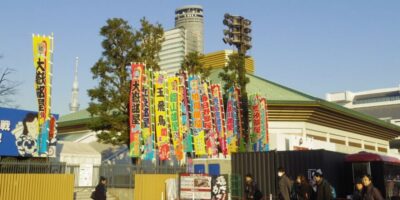
Ryogoku is the right place to begin. This part of Tokyo is closely tied to professional sumo, and the Kokugikan arena is nearby. The streets around the station give you useful orientation before you enter the stable. You are not being taken across the city for a generic cultural activity. The neighborhood itself helps explain why sumo is so visible here.
The walking portion is short, but one practical note deserves attention. The route to the training building can feel brisk, and crossing lights may slow some people down. Stay with the group and leave a little extra time for the meeting point. If you arrive late, do not assume the group can wait or that you can enter the practice on your own.
Inside Takasago-beya: close enough to feel the impact
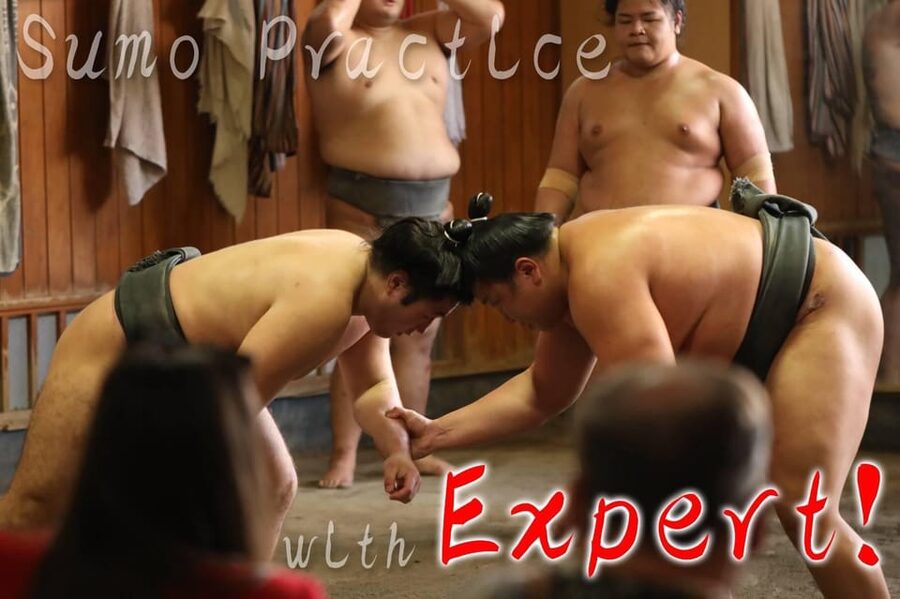
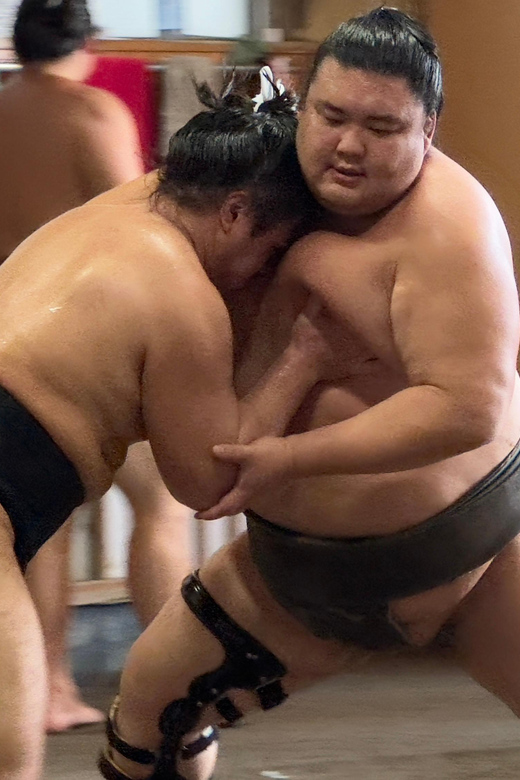
The main visit lasts about two hours. You sit on the floor, with a cushion available, and watch the wrestlers train at close range. One memorable feature is the sheer physical force of the practice. Even without understanding every rule, you can see the effort in the repeated collisions, footwork, pushing, and controlled recovery.
The view is often remarkably close. One account placed the audience only about five inches from the wrestlers. That proximity gives you a clear look at the size difference between wrestlers, the concentration before a bout, and the way experienced athletes guide younger members of the stable.
You might see more than a single practice bout. The session can include warmups, training rounds, and cooldowns. Watching the full sequence is useful because sumo is not just about the final clash. The preparation, repetition, and ritual around the bout are part of the sport.
Do not expect Shinya to speak continuously while the wrestlers work. Silence is important, and an ongoing running commentary could disrupt the practice. The guide’s explanations are more useful before or after the session, when he can answer questions without asking you to talk over the wrestlers.
This is also the main limitation of the experience. If you know little about sumo, you may have questions while watching the action. One possible improvement would be a short visual guide or recorded explanation before the practice, but that is not part of the stated tour. Plan to remember your questions and ask them during the Q&A.
The etiquette that keeps the visit respectful
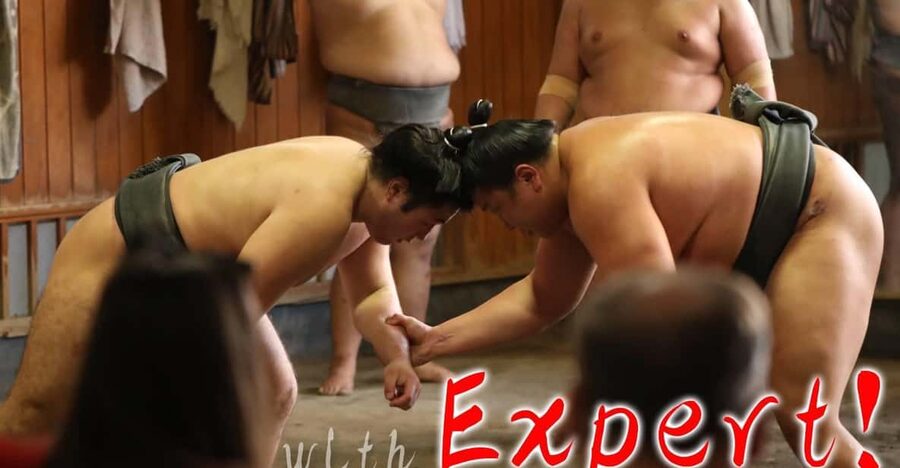
The rules are not complicated, but you should take them seriously. You are entering a working stable, not a theater. Keep your voice low, turn off your phone, and avoid distracting movement or photography unless the guide says it is appropriate.
The floor seating makes the setting feel intimate, but it is not comfortable for everyone. Cushions are provided, yet you may still spend 90 minutes or more in a position that tests your knees, hips, ankles, or lower back. A reviewer who already knew a good deal about sumo specifically warned that the floor and small stools could be difficult for larger people or anyone with limited flexibility.
Children under five cannot join. The supplied information does not give a broader accessibility policy, so anyone with mobility concerns should ask the operator before reserving. This is one of those occasions when a small-group visit does not automatically mean easy access.
The tour is limited to 10 participants. That is a useful group size for a quiet room, a personal Q&A, and a photo opportunity. Still, several people in a compact stable can make seating feel crowded. Arriving on time may help you get a better position.
Shinya’s sumo background adds real value
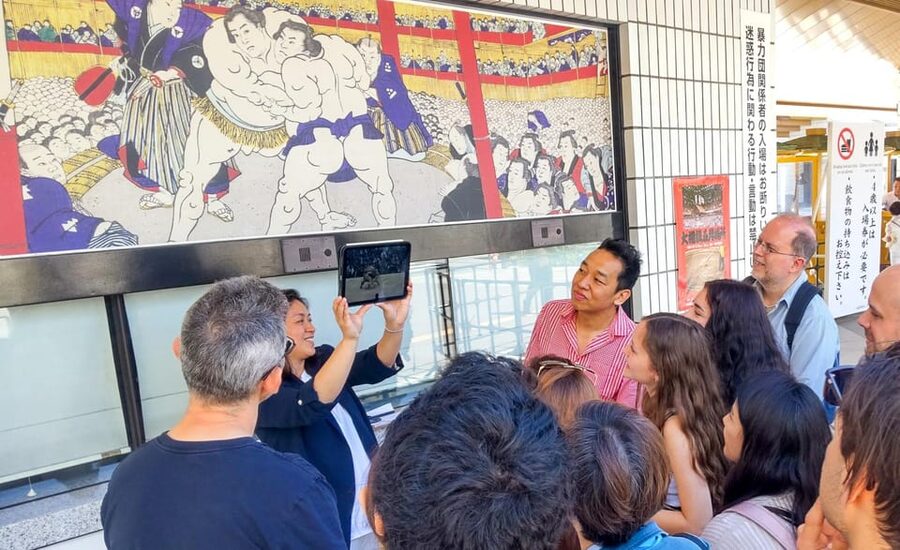
The guide is a major reason to choose this experience. Shinya has worked as a national newspaper journalist and photographer covering sumo, and his background gives him access to stories that go beyond basic rules.
He can explain rituals, training customs, tournament details, wrestlers, and the culture of the sport. His value is especially clear if you already follow sumo and want answers to harder questions. The tour is not only for first-time observers. A visitor with substantial sumo knowledge found that Shinya could answer questions that had been difficult to resolve elsewhere.
His guiding style is enthusiastic and personal. He has also been described as friendly and helpful with broader Tokyo questions, and he enjoys talking about baseball if that is part of your interests. English is available, along with Japanese. The English explanations may not sound perfectly polished at every moment, but the subject expertise and enthusiasm help carry the conversation.
The Q&A is one of the strongest parts of the tour. Use it well. Ask about what you just saw, the wrestlers’ roles, the rituals before a bout, or details that are confusing when you watch sumo on television. If you want specific answers, write down questions before the tour.
A few more Tokyo tours and experiences worth a look



Photos with wrestlers, handled with good judgment
A photo with a sumo wrestler is included. It is a memorable souvenir, but the setting requires some restraint. The photo comes after you have spent time observing the wrestlers at work, so it feels connected to the experience rather than being the whole point of it.
Follow the guide’s instructions about when and where photography is allowed. Do not treat the wrestlers like performers waiting for a crowd. A respectful photo is a nice conclusion to the stable visit; repeated requests, loud reactions, or wandering around for better angles would work against the character of the experience.
Ryogoku Kokugikan and Edo NOREN after practice
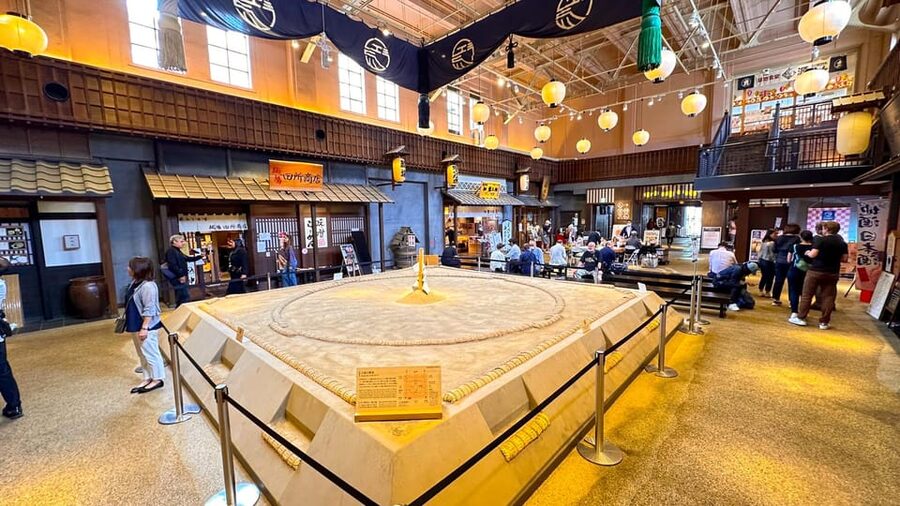
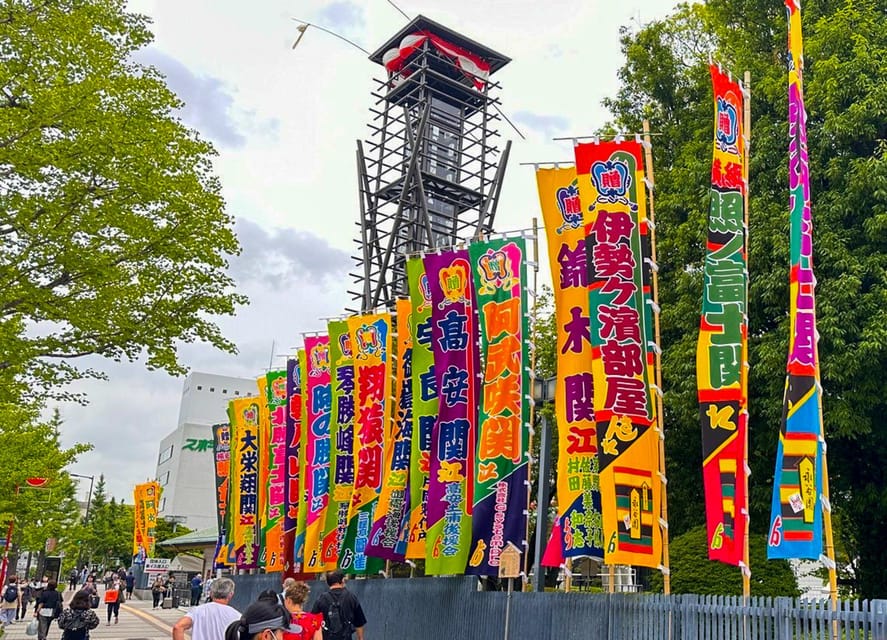
After the stable visit, the route continues with a short guided look at Ryogoku Kokugikan. The stated visit lasts about 15 minutes, so think of this as an orientation rather than a full arena tour.
The Kokugikan matters because it connects what you have just seen in the stable with sumo as a major professional sport. After watching training in a private working environment, seeing the area around the tournament venue helps place that daily practice in its larger setting.
The final stop is Ryogoku Edo NOREN. The guided portion lasts about 15 minutes, followed by roughly 30 minutes for shopping and sightseeing. This gives you a change of pace after the quiet concentration of the stable.
The schedule here is compact. You will not have unlimited time to browse, eat, and explore every corner. Food and drinks are not included, so budget separately if you want something after practice. The tour ends at Ryogoku Station, which makes it easy to continue exploring the neighborhood or travel onward.
Is $103 a fair price?
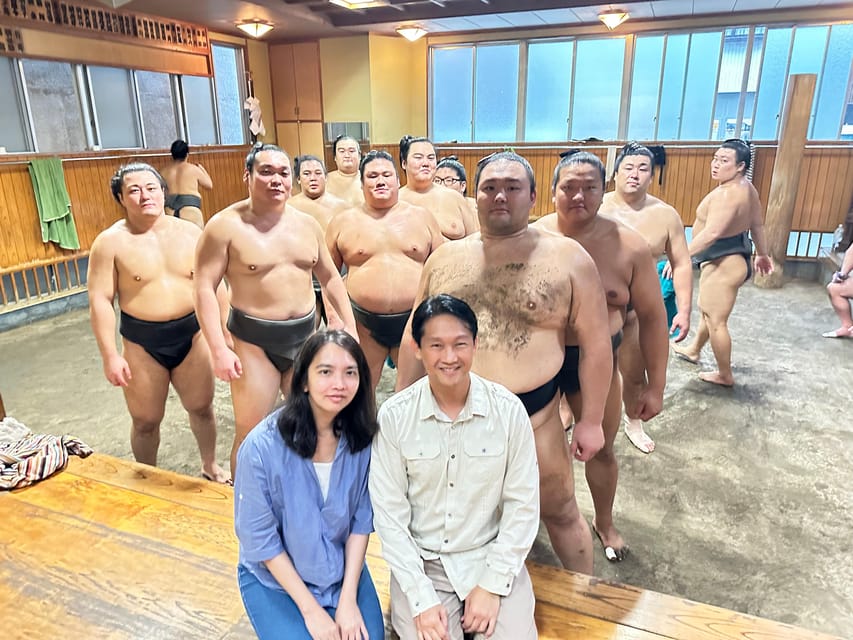
At $103 per person, this is not a cheap way to spend a morning in Tokyo. You are paying for access to a professional stable, a small group of no more than 10, an English-speaking guide, a wrestler photo, and a Q&A with a specialist who has covered sumo professionally.
The value depends on what you want. If your main goal is a low-cost look at sumo, you can find less expensive ways to learn about the sport. If you want a real training session at close range and would otherwise have little chance of entering a stable, the price is easier to justify.
I see this as a strong choice for people who already care about sumo, people who could not obtain tournament tickets, and visitors who prefer cultural access over a polished stage show. It is also useful during a short Tokyo visit because the three-hour schedule concentrates the stable visit and the nearby Ryogoku sights into one morning.
The experience is less valuable if you mainly want to be entertained. The wrestlers are not there to perform for you, and the tour does not include food, drinks, or a full tournament match. The price also feels high if you are unsure whether the quiet, repetitive nature of practice will hold your attention.
Free cancellation is available up to 24 hours before the start time, and you can reserve now while paying later. Check the available start times because this is a morning practice visit, not an all-day activity.
Who should book this sumo experience?
I would recommend it most strongly to:
- Sumo fans who want a closer look at training and stable life.
- First-time visitors who want an authentic cultural activity rather than a staged show.
- People who missed tournament tickets and still want to see professional sumo up close.
- Adults and older children who can sit quietly on the floor.
- Visitors who enjoy asking detailed questions and learning from a specialist.
- Anyone staying near Ryogoku who wants to connect the arena district with the sport itself.
I would think twice if you have difficulty sitting on the floor, dislike quiet observation, or need a highly structured performance with commentary at every stage. The operator may be able to clarify seating and access before you book, but the supplied details confirm floor seating only, with cushions available.
Practical tips for getting more from the morning
Arrive early at the stated meeting point. The tour begins near Ryogoku Station, and the walk to the training site can move quickly. Keep the operator’s pre-tour instructions handy.
Wear clothing that allows you to sit comfortably. You may find the floor seating demanding, particularly during the longer practice portion. A cushion is available, but it does not turn the stable into a chair-seated venue.
Bring questions. Shinya’s professional background makes the Q&A far more useful than a basic introduction. If you have followed tournaments or watched sumo on television, this is your chance to ask about details you have noticed but never understood.
Keep your phone off during practice. You will have the chance to take photos at the appropriate point, including the included photo with a wrestler. The best souvenir may be the memory of watching the wrestlers train at close range, not a collection of pictures taken during the session.
Allow time after the formal tour if Ryogoku interests you. The itinerary gives you about 30 minutes at Edo NOREN for shopping and sightseeing, but the area around the Kokugikan offers a natural continuation for anyone who wants more sumo context.
Final verdict: authentic, focused, and not for every body
Book this tour if you want to see professional sumo training rather than a tourist performance. The stable visit, close seating, photo opportunity, and Shinya’s experience create a rare look at the work behind the sport.
Skip it if you need comfortable seating, constant explanation, or light entertainment. For the right person, though, the $103 cost buys something difficult to arrange independently: a respectful visit to a real stable, followed by informed conversation in Tokyo’s sumo district.
FAQ
How long does the sumo practice tour last?
The full experience lasts three hours. About two hours are spent visiting Takasago-beya Sumo Stable, followed by short guided visits to Ryogoku Kokugikan and Ryogoku Edo NOREN, plus time for shopping and sightseeing.
Where does the tour meet?
The meeting point is at 両国HANAWAビル, near Toei Oedo Line Ryogoku Station, Exit A2 at ground level. It is about a five-minute walk from the east exit of JR Ryogoku Station.
Is the tour available in English?
Yes. The tour provides an English-speaking guide, and Japanese is also available.
Do I sit on the floor during the practice?
Yes. Customers sit on the floor to watch sumo, and a floor cushion is available. Small stools may also be used, but the experience can be difficult for people who cannot sit comfortably for an extended period.
Is a photo with a sumo wrestler included?
Yes. A photo with a sumo wrestler is included in the tour.
Can children join the tour?
Children under five are not permitted to participate.
More Shows & Entertainment in Tokyo
More Shows & Performances in Tokyo
More Sumo Experiences in Tokyo
More tours in Tokyo we've reviewed




Sumo Experiences, compared.
 ★ 4.8Tokyo: Sumo Show Experience with Chicken Hot Pot and a PhotoFrom $1032 hours
 ★ 4.8Tokyo: Sumo Show and Dining ExperienceFrom $7990 minutes - 2 hours
 ★ 5.0the SUMO showFrom $89
 ★ 5.0Tokyo Shinjuku Sumo Show & Experience with PhotoFrom $79
 ★ 4.8Tokyo: Sumo Show and Experience in ShinjukuFrom $691h 30m
 ★ 4.6Tokyo: Sumo Tournament Tour with Chair Seat TicketsFrom $141