
Reviewed · HAKONE DAY TRIPS
Private Tour – Hakone Day Trip! A Tour to Explore All Must-Sees!
Hakone packs hot springs, volcanic valleys, mountain transport, shrines, and Lake Ashi into a small area. This private 7.5-hour tour gives you a guide who can connect those pieces while you handle the trains, cable cars, ropeway, and boat without having to solve the route alone.
I like two things right away: the tour begins and ends at Hakone-Yumoto Station, and your group gets the guide to itself. Guides such as Tatsu, Nanako, Akira, Hori, Koji, and Mike have adjusted timing and sights to match their groups, including adding the Hakone Open-Air Museum when requested.
The trade-off is cost and pace. The advertised price is $181.64 per person, but you should also allow about ¥6,900 per person for transport, admissions, meals, and small optional costs. With so much ground to cover, busy weekends or bad weather can also mean shorter stops.
In This Review
- Key points to know before booking
- Why a private route helps in Hakone
- Ajisai Bridge and the start near Hakone-Yumoto
- Hakone Shrine and the torii in Lake Ashi
- Cruising Lake Ashi on the Hakone Pirate Ship
- Lunch at Togendai View Restaurant
- The Hakone Ropeway and Owakudani’s volcanic valley
- cu-mo Hakone, foot baths, and a high mountain pause
- The cable car from Sounzan to Gora
- Where the Hakone Open-Air Museum fits
- What the $181.64 price really covers
- Guide quality and the pace of the day
- Weather, clothing, and practical planning
- Who should book this Hakone day trip
- Should you book it?
- FAQ
- Where does the tour start and finish?
- How long does the tour last?
- Is the tour private?
- Are transportation, meals, and admission fees included?
- Can the itinerary change because of weather or closures?
- Is Mount Fuji guaranteed to be visible?
Key points to know before booking
- Lake Ashi by Hakone Pirate Ship: A 50-minute cruise adds one of Hakone’s most memorable ways to see the lake, but the boat fare is extra.
- Private guidance from Hakone-Yumoto: Meet at the station and let your guide manage a complicated chain of public transport.
- Owakudani’s volcanic smoke: The ropeway brings you above the steaming valley, where Hakone looks stark and otherworldly.
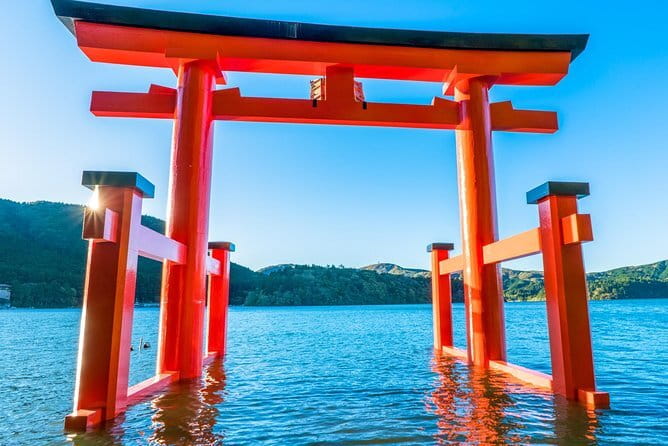
- A shrine gate in the lake: Hakone Shrine’s red torii offers one of the area’s best-known photo settings.
- Fuji views depend on weather: Clear skies can reveal Mount Fuji, but cold, rain, or cloud may hide it.
- A full day with real walking: Comfortable clothing and a towel for the foot bath at cu-mo Hakone are sensible choices.
Why a private route helps in Hakone
Hakone is not a single attraction. It is a series of mountain stops linked by trains, buses, cable cars, ropeways, and boats. That is part of the fun, but it can also turn a sightseeing day into a timetable exercise.
This tour removes much of that work. Your guide covers the expenses required for their own participation and helps your group navigate the public transport system, while you pay your own fares, food, and entrance fees. The route is designed to fit the major sights into roughly seven and a half hours.
The private format matters most if you have children, older family members, special interests, or limited time. A guide can explain the local setting, take photos, answer questions, and make practical adjustments. The strongest guide experiences described by the operator include Tatsu preparing a schedule around personal interests and Hori arranging the buses, trams, boat, and lunch even on a rainy day.
You should still think of this as a busy day, not a slow retreat in the mountains. Eight stops are listed, and Hakone transport can have long waits on weekends and during congestion. The guide may shorten a stop or skip one to keep the day moving.
A few more Hakone tours and experiences worth a look
Ajisai Bridge and the start near Hakone-Yumoto
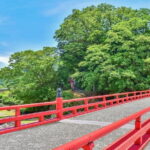
The meeting point is Hakone-Yumoto Station, a useful place to begin because it is one of the area’s main transport hubs. From there, you visit Ajisai Bridge, a vermilion bridge near the station that makes an easy first photo stop.
Its name refers to hydrangeas, which bloom in June and are closely associated with Hakone. The stop lasts about 10 minutes and costs nothing, so it works as a quick introduction rather than a major attraction.
That short timing is sensible. You get a photograph, hear why the bridge is known locally, and move on before the day’s transport schedule begins to tighten. If flowers are your main interest, June is the relevant season, though the tour information does not promise peak bloom conditions.
Hakone Shrine and the torii in Lake Ashi
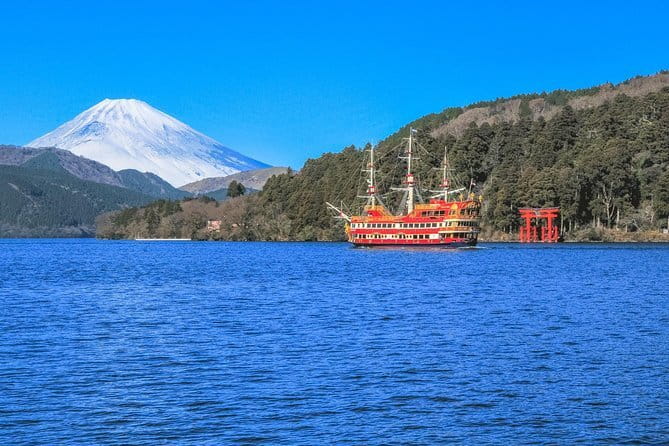
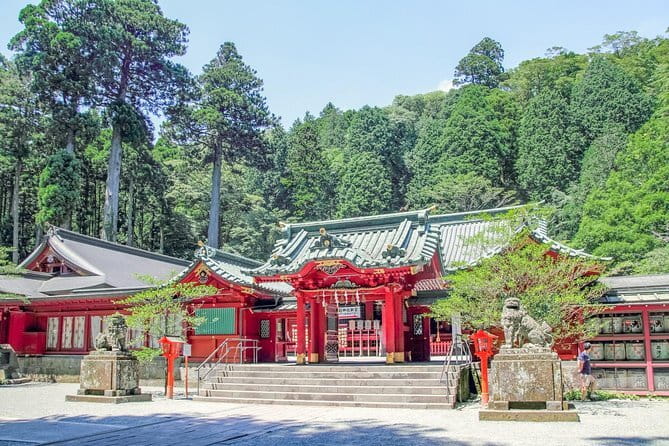
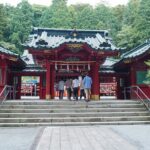
The next major stop is Hakone Shrine, along with Kuzuryu Shrine Shingu. The shrine has more than 1,200 years of history, giving your guide plenty of context to explain as you walk.
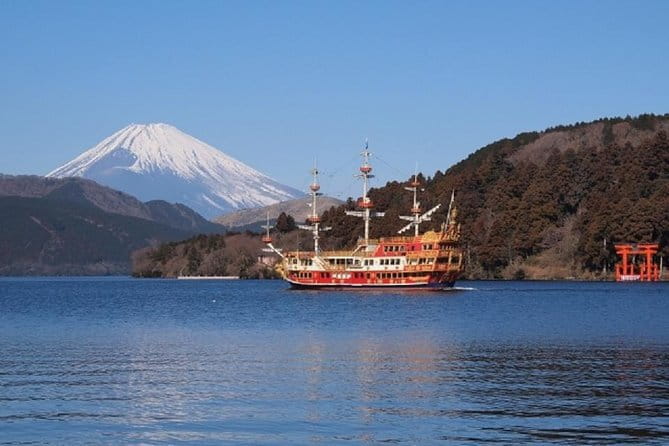
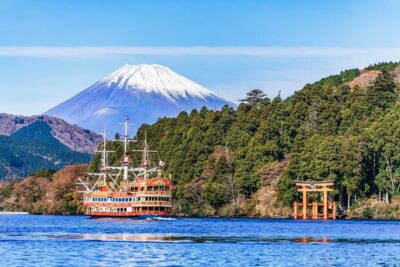
The most recognizable feature is the red torii positioned in Lake Ashi. It has become a popular photo point because the gate appears to rise from the water, creating a strong contrast with the lake and surrounding mountains.
You have about 45 minutes here, which allows time for the shrine setting and the lakeside view. Do not treat this only as a photo stop. The value is in seeing how a Shinto shrine fits into Hakone’s natural setting and hearing the cultural background from a local guide.
This is also one of the places where weather affects the experience. Mist and cloud can create a quiet mood, but they may block the broad views across the lake. In wet conditions, wear shoes with a good grip and expect some walking.
Cruising Lake Ashi on the Hakone Pirate Ship
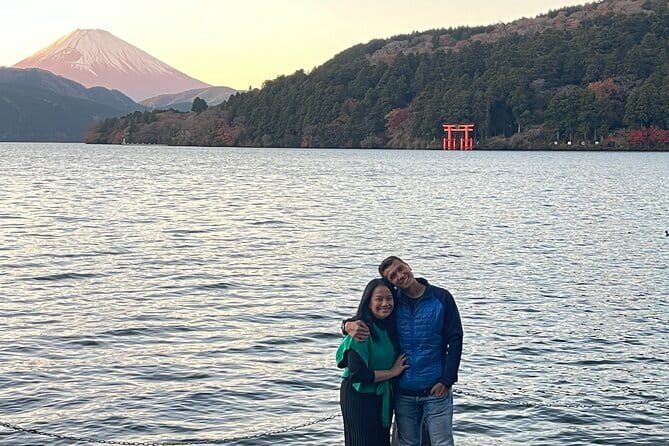
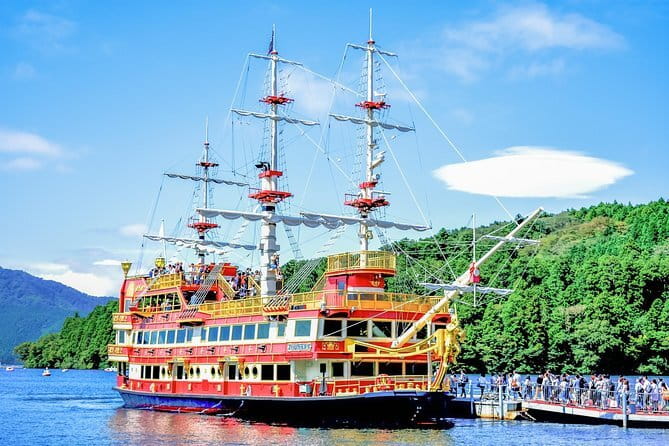
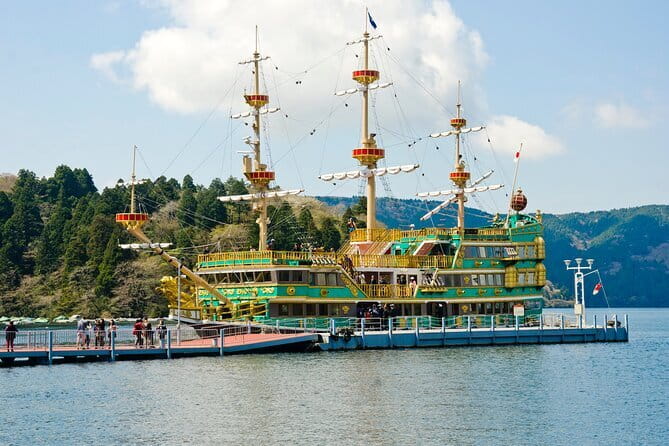
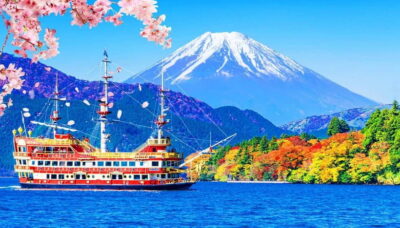
The 50-minute Hakone Sightseeing Cruise leaves from Motohakone Port. The large boat is designed around French, British, and Swedish ships, giving it a theatrical character that children often enjoy.
The real reason to take the cruise is the view. From the water, you see Lake Ashi from a different angle than you do at the shrine or station. On a clear day, the ride can also help frame the mountains and, depending on conditions, Mount Fuji.
The fare is not included, so add it to your budget. Your guide can help with the practical side of boarding and timing, but each person remains responsible for the ticket cost.
This is one of the tour’s best uses of time because the cruise combines transport and sightseeing. The drawback is that the boat schedule can shape the rest of the day. If the lake is busy or services are delayed, later stops may be shortened.
Lunch at Togendai View Restaurant
Togendai View Restaurant is inside Togendai Station, making it a practical meal stop rather than a separate detour. You can look toward Lake Ashi and watch the pirate ships while eating grilled dishes and food made with local ingredients.
The planned time is about 50 minutes. That is enough for a proper break, though it is not a leisurely long lunch if the rest of the route is running late.
Meal costs are estimated at ¥1,800 per person and are not included in the tour price. That figure is a planning guide, not a promise of a fixed menu. Ask your guide about the timing and available choices if food is important to your group.
I like having lunch built into the route. A day of stairs, platforms, and mountain transport is more enjoyable when you are not forced to grab food at the last minute. Still, a restaurant stop means less time at another sight, so people who prefer constant sightseeing should keep expectations realistic.
Other private tours in Hakone

The Hakone Ropeway and Owakudani’s volcanic valley
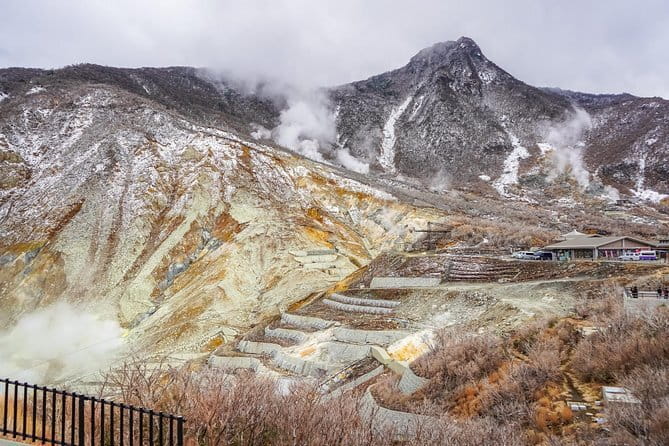
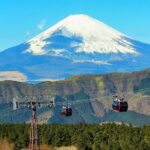
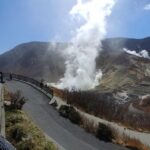
The Hakone Ropeway is the day’s most dramatic ride. As the cabins approach Owakudani, white smoke rises from the volcanic valley below. The scenery changes quickly from wooded Hakone to exposed rock and steam vents.
The ride includes a stop at Owakudani, created by an eruption of Hakone Volcano about 3,000 years ago. White smoke still emerges across the valley, and the bare rock gives the area a sharp contrast with Hakone’s greener mountain scenery.
You have about 50 minutes for the ropeway portion and about 45 minutes at Owakudani. The exact experience depends on operating conditions and weather. Poor weather may change the route or transportation, and the operator warns that destinations can be replaced if a site closes temporarily.
Owakudani is worth seeing even if Mount Fuji is hidden. That is important because Fuji is not guaranteed. Several guides have handled cloudy or rainy days well, but visitors should not book this tour solely for a Fuji photograph.
If you have breathing sensitivities or dislike strong volcanic smells, this is a place to take your time and follow local instructions. The supplied information does not list specific restrictions, so your guide is the right person to ask on the day.
cu-mo Hakone, foot baths, and a high mountain pause
cu-mo Hakone sits at about 757 meters and offers views across the Hakone area. The stop lasts around 20 minutes, making it a short pause between the more active transport sections.
Its main extra feature is a foot bath. Bring your own small towel, since one is recommended but not supplied in the tour details. A foot bath can be a welcome reset after walking, though 20 minutes is a brief window if the spot is crowded.
This stop also shows the private tour’s practical advantage. Your guide can tell you how much time is available and help your group decide whether to use the bath or focus on the view. If the day is running behind, it may be one of the easier stops to keep short.
The cable car from Sounzan to Gora
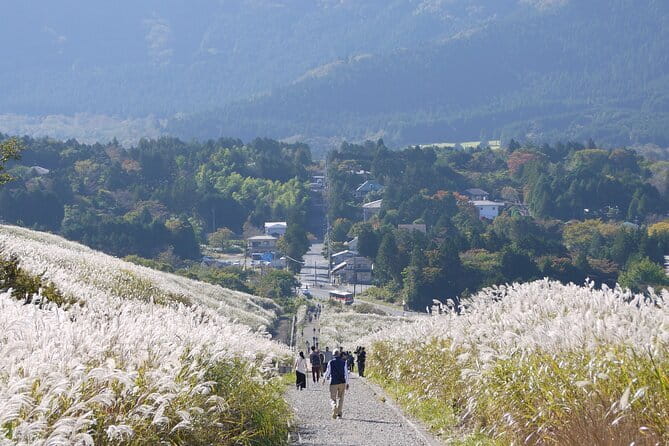
The Hakone Tozan Cable Car connects Sounzan and Gora. It opened in 1921 and is described as the oldest cable car in the Kanto region, so the ride carries a bit of transport history as well as a change in scenery.
The planned ride takes about 25 minutes, and the fare is extra. This is not simply a way to get from one attraction to another. It lets you experience the old-fashioned mountain transport system that gives Hakone its character.
The cable car is also a reminder that this tour is built around public transportation. You are not sitting in a private vehicle all day. You will wait, board, transfer, and walk between places. That makes the day more active, but it also gives you a better sense of how Hakone actually works.
Where the Hakone Open-Air Museum fits
The listed route includes the Hakone Open-Air Museum in the tour overview, although the stop-by-stop schedule does not assign it a separate time. One guide, Tatsu, adjusted the day to include the museum at the group’s request, and Akira also arranged a route that included it.
Treat the museum as a possible custom addition, not a guaranteed full visit. The supplied information does not state an entrance price or exact duration, and a stop there could require shortening another part of the route.
This is a good example of why you should tell the operator your priorities before the tour. If outdoor sculpture is more important to you than the cable car, or if you would rather spend less time at a restaurant, the private format may allow a better fit. The total day remains limited, so adding something usually means giving something else less time.
What the $181.64 price really covers
The base price is $181.64 per person. It includes your guide, the private arrangement, and the guide’s necessary expenses during the tour. It does not cover your own transport, admissions, meals, or drinks.
The estimated extra cost is ¥6,900 per person:
- About ¥5,000 for transportation and admission fees
- About ¥1,800 for meals
- About ¥100 for optional experiences
That makes the tour a significant purchase, especially for one or two people. The value comes from the route planning and personal attention rather than from included tickets. You are paying to make a complicated Hakone day easier and more informative.
For a family or small group, the private format can make more sense because group discounts may be available and one guide serves only your party. For budget-minded visitors who are comfortable reading transport schedules and accepting a slower DIY day, the price may be hard to justify.
One critical question is how much you value flexibility. The guides have adjusted routes, helped with ticket purchases, handled weather changes, and tailored the day to interests. If that saves you from missing a boat or losing time at a station, the fee can feel worthwhile.
Guide quality and the pace of the day
The strongest part of the experience is the guide. Tatsu is described as arranging a schedule around interests and answering questions with care. Nanako planned a full day around Hakone, while Akira tailored the route and included the Open-Air Museum. Hori handled transport and lunch planning in the rain.
Koji was praised for being patient with energetic children, an important point for families. Mike provided explanations and humor even when clouds hid Mount Fuji. These details suggest that the guide’s role is not just to recite facts. It is to keep the day practical and pleasant when conditions change.
There is one warning worth taking seriously. A group found the day too rushed at the Picasso museum, which appears to have been part of a customized route. That does not mean every itinerary will feel rushed, but it shows why you should state your priorities clearly. If you want a long museum visit, say so before the day begins.
The operator has a 4.9 rating from 58 reviews, with 98 percent recommending the experience. That is a strong record, but it does not remove the basic limits of a seven-and-a-half-hour route through a busy mountain resort.
Weather, clothing, and practical planning
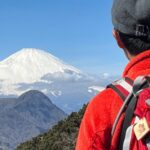
Mount Fuji is a bonus, not a guarantee. Cold weather prevented some views for one family, and rain hid Fuji for another group, though the guide still kept the day moving. If Fuji matters greatly to you, check the forecast and keep your expectations flexible.
Bad weather can change transport, destinations, and the route. Temporary closures may also lead to replacement stops. On weekends and during heavy congestion, waits can be long enough that the guide shortens visits or skips some locations.
Wear comfortable clothing because you will walk a lot and move through several transport systems. Bring a small towel for the foot bath at cu-mo Hakone. Arrive early at Hakone-Yumoto Station, too. If you miss the start, time lost reaching the meeting point by public transport can reduce the experience.
Confirmation is sent within 48 hours of booking, subject to availability. Cancellation is free up to 24 hours before the start time, while cancellations or changes inside that window are not refunded. If the operator cancels because of poor weather, you can take another date or receive a full refund.
Who should book this Hakone day trip
I would recommend this tour to first-time Hakone visitors who want the major sights without building their own transport plan. It is especially useful for families, small groups, and people who want explanations in English while moving between very different parts of the area.
It also suits you if Lake Ashi, Owakudani, the shrine, and mountain transport all matter more than spending half a day at one museum. The route gives you a broad taste of Hakone, including its religious sites, volcanic setting, scenic rides, and food stop.
I would be more cautious if you are on a tight budget, dislike fixed schedules, or want a slow day at only one or two places. You should also think twice if your main goal is a guaranteed Mount Fuji view, since no guide can control clouds.
Should you book it?
Book this private Hakone tour if you value help with public transport and want a local guide to shape a full day around your group. The best reason to choose it is not simply the number of stops. It is the chance to adjust the day when weather, children, museum interests, or transport delays get in the way.
Before paying, set aside the extra ¥6,900 per person and contact the operator with your priorities. Tell the guide if the Open-Air Museum, the pirate ship, Fuji views, or the shrine matters most. If you can accept a brisk pace and changing mountain weather, this is a practical way to see a lot of Hakone in one day.
FAQ
Where does the tour start and finish?
The tour starts at Hakone-Yumoto Station in Hakone and ends back at the meeting point.
How long does the tour last?
The tour lasts approximately 7 hours and 30 minutes.
Is the tour private?
Yes. Only your own group participates in the activity.
Are transportation, meals, and admission fees included?
No. You pay your own transportation, entrance fees, food, and drinks. The estimated additional cost is ¥6,900 per person, including about ¥5,000 for transportation and admissions, ¥1,800 for meals, and ¥100 for optional experiences.
Can the itinerary change because of weather or closures?
Yes. Bad weather may lead to changes in transportation, destinations, or routes. A stop may also be replaced if it is temporarily closed.
Is Mount Fuji guaranteed to be visible?
No. Fuji views depend on weather conditions. Cold, rain, or cloud may block the mountain, although the tour still includes many other sights in Hakone.
More Private Tours in Hakone
More Hakone Day Trips in Hakone
More tours in Hakone we've reviewed
Hakone Day Trips, compared.
 ★ 5.0Mt Fuji and Hakone 1-Day Bus Tour Return by Bullet TrainFrom $163
 ★ 4.0Mt Fuji & Hakone Cruise, Drum Show Bullet Train 1 Day from TokyoFrom $149
 ★ 4.4Tokyo Mt Fuji 5th St & Hakone Cruise Bus Tour w/Bullet TrainFrom $15410 hours
 ★ 4.7Tokyo: Mt. Fuji Tour, Hakone Ropeway, Owakudani, Lake AshiFrom $5410 hours
 ★ 4.2Tokyo: Mt. Fuji 5th Station & Hakone Cruise 1-Day Bus TourFrom $12911 hours
 ★ 5.0Private Tour to Mt. Fuji and Hakone (Fully Licenced Operator)From $497