
Reviewed · MORNING
Tokyo Morning Shuffle Dance & Breakfast with a TikTok Star
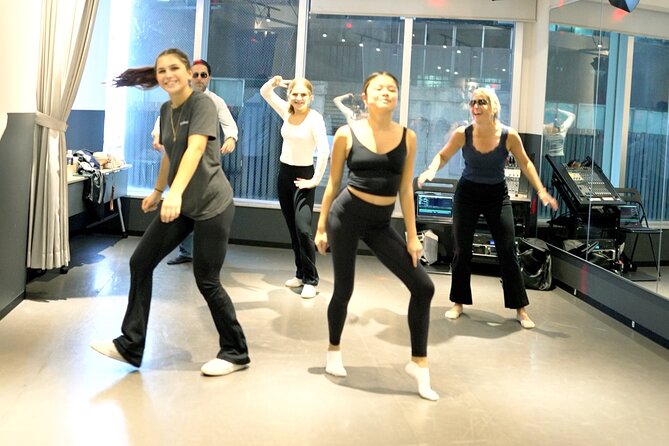
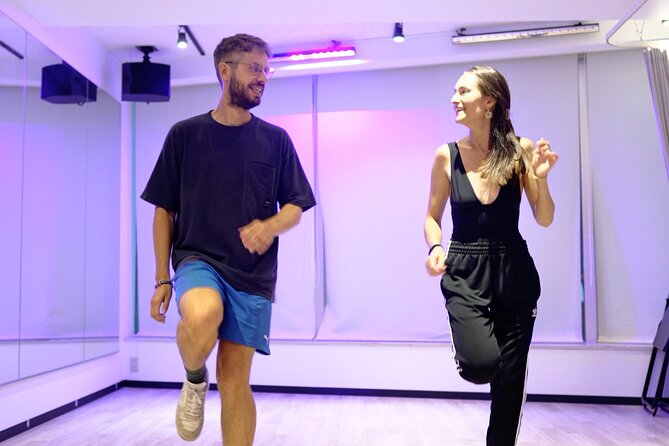
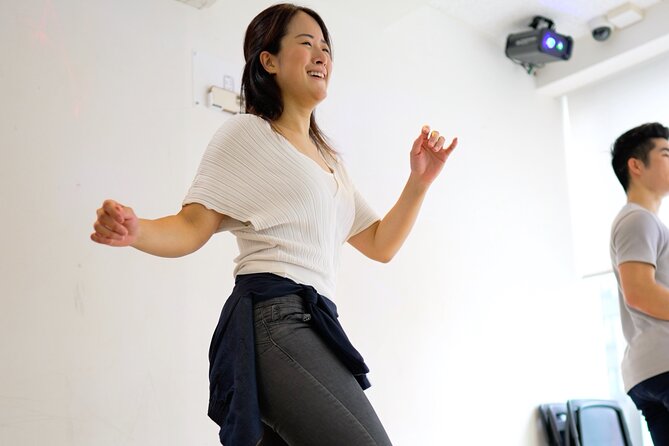
Tokyo mornings do not get much more modern than this: you learn shuffle dance in a Shinjuku studio with Tomo, a creator followed by roughly 350,000 people on TikTok. The class moves from a light stretch and rhythm drill to a short routine, with several filmed run-throughs along the way.
I like the small group limit of 10, since Tomo can give personal corrections instead of leaving you to copy from the back of a crowd. I also like the useful souvenir: you receive all your 4K dance videos, not just a quick snapshot at the end.
The main thing to consider is the price, $78.38 for about two hours. That is fair if you value the private studio, breakfast, instruction, and several finished videos, but it is more than a simple drop-in dance class. You also need to bring your own water.
In This Review
- Key points before you book
- Starting at 9:30 a.m. in Shinjuku
- A gentle start for first-time dancers
- Learning a routine you can actually finish
- Filming several run-throughs in 4K
- Breakfast after the footwork
- What the $78.38 price includes
- Who will get the most from this class
- Practical preparation for the morning
- How this fits into a Tokyo itinerary
- Should you book Tokyo Morning Shuffle Dance and Breakfast?
- FAQ
- Where does the shuffle dance class meet?
- What time does the activity start?
- How long does the experience last?
- Does the activity finish at the meeting point?
- Do I need dance experience?
- Who teaches the class?
- How many people can join?
- Is breakfast included?
- Are dance videos included?
- Is bottled water provided?
Key points before you book
- Tomo teaches complete beginners: The class starts with basic rhythm and footwork, so you do not need dance experience.
- A small Shinjuku studio keeps the lesson personal: The group can include no more than 10 people.
- You get several 4K videos: Run-throughs are filmed throughout the class, giving you a record of your progress.
- Breakfast is part of the morning plan: You can eat and chat after getting active, rather than rushing straight to sightseeing.
- The timing fits a busy Tokyo day: Meet at 9:30 a.m. and finish back at the studio after roughly two hours.
- The experience is social-media friendly without requiring skill: You learn a short choreography that can make a good souvenir post.
Starting at 9:30 a.m. in Shinjuku
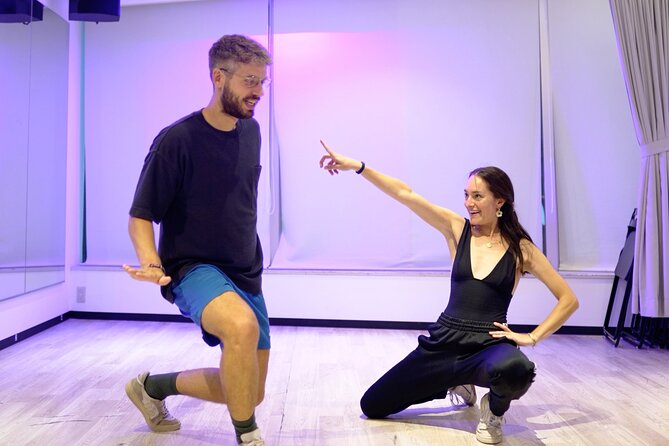
Your morning begins at NOA Studio Shinjuku, on the third floor of Shinjuku Plaza at 1-chome 3-14 Nishishinjuku, Tokyo 160-0023. The meeting time is 9:30 a.m., and the activity ends at the same place.
That central Shinjuku setting is practical. You can pair the class with the rest of a day in the district, head to a restaurant afterward, or use the morning as a lively change from the usual temples, observation decks, and shopping streets. The location is near public transportation, which matters in Tokyo, where a few minutes of confusion can turn into a missed start.
Give yourself enough time to locate the building and reach the third floor. The studio name is written as NOA Studio in the meeting details and Noah Studio in the class information, so keep the full address handy rather than relying only on a quick name search.
This is a studio activity, not a street performance. You will have a proper indoor space for instruction and filming, but the setting is functional rather than a famous Tokyo landmark. If you want a view or a traditional cultural site, this is not that kind of morning. If you want to meet a local creator and try something current, the location works well.
A few more Tokyo tours and experiences worth a look
A gentle start for first-time dancers
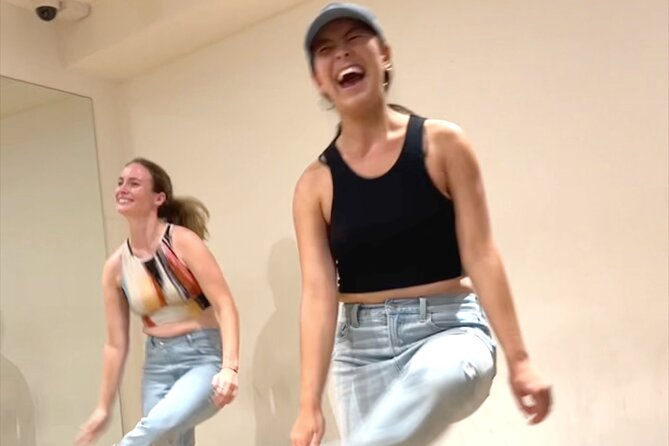
The lesson opens with a light stretch and a simple rhythm drill. That first stage matters. Shuffle dance can look fast and complicated online, so beginning with body movement and timing helps you understand the pattern before adding speed.
Tomo’s teaching style is built around breaking the steps into small parts. The feedback describes him as careful, friendly, and good at adjusting to beginners. He teaches more than 150 beginners each year, which suggests that the class is designed around people who may feel awkward at first, not dancers who already know the basics.
You will learn step by step, then repeat the movement with music. The routine is practiced at different speeds, making it easier to follow before the final run-through. That approach is especially useful if your feet do not naturally match the beat. You do not need to arrive knowing the running man, T-step, or any other shuffle term.
The class is active, but the supplied details do not describe it as a demanding workout. Expect to work up a sweat, especially while repeating the routine, but the focus is learning and having fun. Wear comfortable clothes and sneakers that let you move safely.
Learning a routine you can actually finish
The strongest feature here is the clear goal: you learn a small choreography rather than spending two hours on disconnected drills. That gives the lesson a satisfying shape. You begin with a warm-up, build the footwork, practice the sequence, and finish with a routine you can perform to music.
I like this format for a short Tokyo activity. You are not being asked to become a dancer in one morning. Instead, you gain a few basic movements and a simple routine that you can keep practicing at home.
The pace should suit mixed ability levels, although the small group size is still important. Some people will pick up the footwork quickly, while others will need extra explanation. A maximum of 10 participants gives Tomo room to help with timing, posture, and individual steps.
If you are shy about dancing in front of others, remember that the point is not perfection. The class is aimed at beginners, and the instruction is structured to make mistakes part of the process. Still, you should be comfortable moving in front of a small group and being filmed.
Filming several run-throughs in 4K
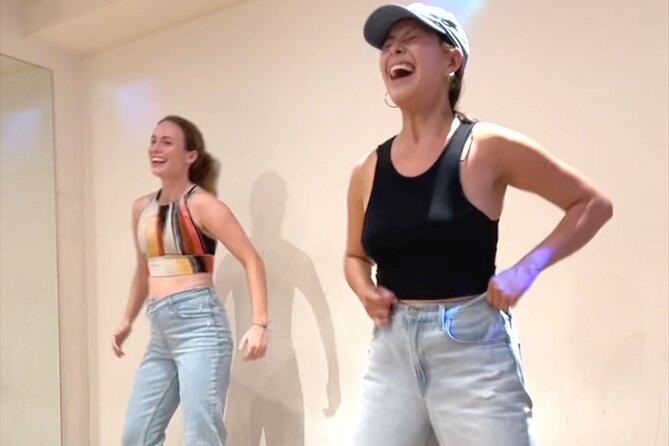
The videos are more than a minor extra. Several run-throughs are filmed during the class, so you can see your progress from the early attempts to the final routine. All videos are included in 4K, which gives you a polished record of a distinctly Tokyo experience.
This is a better keepsake than a posed photograph for someone who likes making short travel videos. You can also use the footage to remember the sequence and continue practicing after you return home. The filming gives the lesson a clear finish, too: you are working toward a routine that can be recorded.
You should know that the activity involves being on camera. The supplied information does not explain how the videos are delivered or how long that takes, so you may want to confirm those details when booking if video storage or posting matters to you. The important point is that the class includes all your videos rather than charging an extra filming fee.
The social-media connection is part of the appeal, but you do not need to be a content creator. Tomo’s TikTok and Instagram presence adds a current Tokyo angle, while the lesson itself remains accessible to a first-timer.
Breakfast after the footwork
Breakfast is included, along with the studio rental and all fees and taxes. The plan is to fuel up after the active part of the morning and chat in a relaxed setting.
The details do not specify the menu, so you should not book this expecting a particular Japanese breakfast or a full restaurant meal. Think of it as a light breakfast attached to the class. If you have dietary restrictions or need a large meal, check what is offered before you reserve.
I like the timing. Many Tokyo activities begin later, and a 9:30 a.m. meeting lets you get something memorable done before the middle of the day. You can then continue sightseeing in Shinjuku or move to another part of Tokyo without giving up an entire afternoon.
Bring water. Bottled water is not included, though vending machines are directly in front of the studio and a Seven-Eleven is about a one-minute walk away. That small detail is useful because dance rooms can leave you thirsty, and you do not need to search far for a drink.





What the $78.38 price includes
At $78.38 per person, this is not the cheapest way to spend two hours in Tokyo. The value depends on how much you would pay separately for the parts that are bundled together.
You receive:
- A small-group lesson with a social-media dance instructor
- Studio rental
- Breakfast
- All fees and taxes
- Several 4K videos of your dance
A standard class might cost less, but it may not include a private studio, breakfast, or professionally recorded videos. Here, the price also covers the convenience of a short, organized activity in central Shinjuku.
I would consider it good value for couples, siblings, friends, or solo visitors who want an unusual shared memory. It is less attractive if you mainly want exercise, because a local gym session would cost far less. It is also less suitable if you dislike being filmed or have no interest in learning a routine.
The high satisfaction rating and 100 percent recommendation figure are encouraging, but the total number of ratings is small. I would treat the positive pattern as useful evidence about the instructor and format, not as a guarantee that every person will love dancing on camera.
Who will get the most from this class
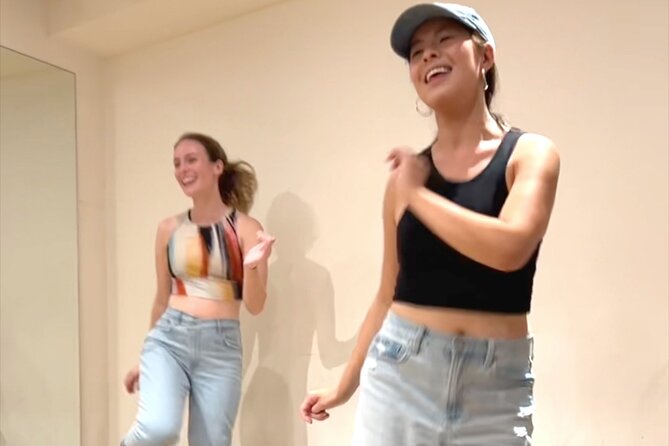
This experience suits you best if you like active activities, short lessons, and a social setting. It is a good choice for people who want to try something that feels tied to present-day Tokyo rather than a standard sightseeing stop.
It works especially well for:
- First-time dancers who want patient instruction
- Friends or relatives looking for a shared activity
- Solo visitors who enjoy meeting a small group
- Social-media users who want quality travel footage
- Anyone with a busy schedule and only two hours to spare
- People staying near Shinjuku who want to continue sightseeing afterward
The lesson can also work for people with very little dance experience. The routine is taught in pieces, and the steps are practiced with music at more than one speed. That gives you a better chance of finishing the class with something you can perform.
I would think twice if you have an injury, difficulty standing for an active lesson, or strong discomfort with video. The information says most people can participate, but it does not give detailed accessibility information. Contact the provider before booking if you need specific accommodations.
Practical preparation for the morning
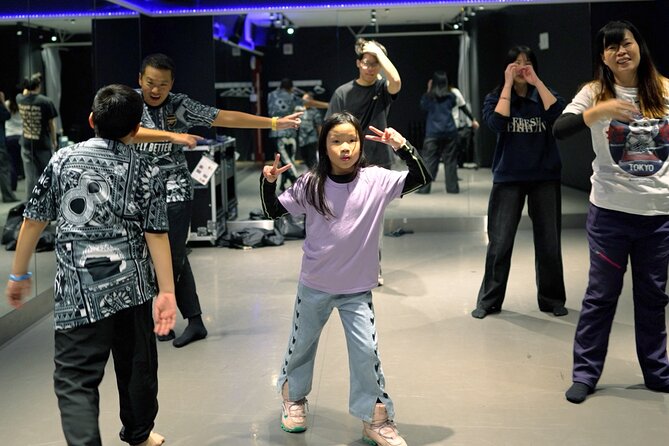
Wear clothes that allow free movement. Sneakers are required in practical terms, since the class includes footwork and repeated movement. Avoid stiff shoes or clothing that makes it hard to bend your knees and move your feet.
Bring a water bottle if you have one. Water is not included, but vending machines are right outside the studio and a Seven-Eleven is a short walk away.
The activity is mobile-ticketed, and booking confirmation is provided at the time of reservation. Keep the meeting address accessible on your phone. Since the start is fixed at 9:30 a.m., arriving late could cut into a short class.
The maximum group size is 10, but the exact number on your date is not stated. A smaller group should allow more personal attention, while a full group may feel more social. Either way, the format is more focused than a large public workshop.
Free cancellation is available if you cancel at least 24 hours before the local start time. Changes or cancellations made inside that window are not accepted for a refund, so check your plans before the deadline.
How this fits into a Tokyo itinerary
The class is easiest to pair with a Shinjuku day. After finishing at about 11:30 a.m., you still have time for lunch, shopping, city views, or a walk through nearby parts of the district. One participant specifically found the location useful because it allowed a restaurant visit after the lesson.
It also gives your itinerary a different rhythm. Tokyo can become a string of train rides and indoor attractions. Two hours of music and movement breaks that pattern, while the breakfast chat gives you time to slow down afterward.
Do not choose this as a substitute for traditional Japanese culture. The experience is contemporary, social, and linked to online dance culture. Its value is that it lets you take part in a modern side of Tokyo that many sightseeing plans miss.
Should you book Tokyo Morning Shuffle Dance and Breakfast?
I would book it if you want a friendly beginner lesson, enjoy active mornings, and like the idea of taking home several videos from your trip. Tomo’s careful teaching, the small group, and the finished routine make this more than a quick dance demonstration.
I would skip it if $78.38 feels high for a two-hour activity, if you want a traditional cultural experience, or if you would rather not be filmed. For everyone else, it is a practical, unusual way to start a Tokyo day, especially when breakfast, studio costs, taxes, and 4K videos are already covered.
FAQ
Where does the shuffle dance class meet?
It meets at NOA Studio Shinjuku, on the third floor of Shinjuku Plaza, at 1-chome 3-14 Nishishinjuku, Tokyo 160-0023.
What time does the activity start?
The meeting time is 9:30 a.m.
How long does the experience last?
The activity lasts approximately two hours.
Does the activity finish at the meeting point?
Yes. The experience ends back at the studio where you met.
Do I need dance experience?
No. The class is designed for beginners, and the steps are taught from the basics.
Who teaches the class?
The instructor is Tomo, a TikTok, YouTube, and Instagram creator who shares dance tips with roughly 350,000 TikTok followers.
How many people can join?
The maximum group size is 10 participants.
Is breakfast included?
Yes. Breakfast is included in the price.
Are dance videos included?
Yes. Several run-throughs are filmed, and all your 4K videos are included.
Is bottled water provided?
No. You need to bring your own drink. Vending machines are in front of the studio, and a Seven-Eleven is about a one-minute walk away.
More Morning in Tokyo
More tours in Tokyo we've reviewed







Morning, compared.
 ★ 4.8Tokyo: Sumo Morning Practice Viewing TourFrom $8190 minutes - 2 hours
 ★ 4.4Tokyo: Sumo Morning Training VisitFrom $771 hour
 ★ 4.8Tokyo: Sumo Morning Practice Tour at Sumida CityFrom $1162 hours
 ★ 5.0Tokyo Sumo Morning Practice Tour at StableFrom $83
 ★ 4.5Tokyo Ryogoku Sumo Morning Practice + Photo Shoot with WrestlersFrom $98
 ★ 4.0Watch Sumo Morning Practice at Stable in TokyoFrom $95