
Reviewed · TOKYO FOOD TOURS
Shibuya All You Can Eat Best Food Tour The Original One in Tokyo
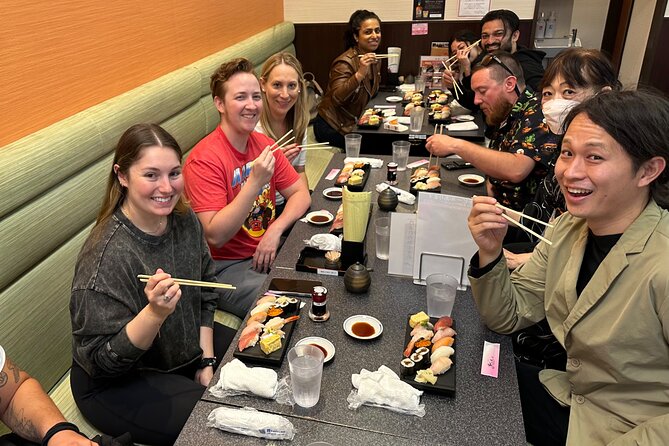
Shibuya is famous for its giant crossing and neon towers, but the best part of this tour happens in the smaller streets behind the main attractions. Over four hours, you eat your way through sushi, yakitori, yakiniku, takoyaki, and desserts while your guide handles the ordering and points out corners you could easily miss.
I like the small maximum of 10 people, which makes it easier to ask questions and keep the evening moving. I also like the mix of food and neighborhood walking, especially the atmospheric Nonbei Yokocho and the chance to see Shibuya beyond its famous intersection.
The main concern is price. At $205 per person, this is a serious splurge for a walking meal, and the food portions and exact restaurants can vary. One isolated complaint also described weak organization and limited food explanation, so the guide you receive matters.
In This Review
- Key points to know before booking
- What this Shibuya food tour is really like
- Starting at Hachiko and getting your bearings
- Shibuya 109 and the local eating streets
- Nonbei Yokocho, Shibuya’s tiny bar lane
- Shibuya Crossing in a 15-minute burst
- Four to five food stops and what you may eat
- Don Quijote and the everyday side of Tokyo
- How much value do you get for $205?
- Who will enjoy this four-hour evening walk?
- Practical advice for making the evening work
- Should you book the Shibuya All You Can Eat Food Tour?
- FAQ
- Where does the Shibuya food tour start?
- Where does the tour end?
- How long does the experience last?
- How many people can join the tour?
- What food is included?
- Are drinks included?
- Is hotel pickup provided?
- Can I cancel for a full refund?
Key points to know before booking
- Four to five food stops: Expect a broad tasting route rather than one long restaurant meal.
- Classic Japanese dishes: Sushi, yakitori, yakiniku, takoyaki, and desserts are included.
- Maximum 10 people: The group size supports a more personal evening, and some departures may be much smaller.
- Shibuya after dark: The route combines famous sights with Nonbei Yokocho, small izakaya streets, and local shopping.
- Guides shape the experience: Kato, Hamada, Amber, Tanaka, Ryu, and others have been praised for warmth, cultural insight, and practical help.
- Bring a large appetite: Several people finished full after the meal, although this is not an unlimited buffet in the usual sense.
What this Shibuya food tour is really like
The title promises all-you-can-eat food, but the useful way to think about this experience is as a guided tasting crawl. You visit four to five places selected by the guide, with food included at each stop, along with two soft drinks, water, and desserts. Alcohol is available to buy, but it is not part of the $205 price.
That format has a clear advantage. You get to sample several Japanese specialties in one evening instead of committing to a single menu. It is also helpful if you are unsure how to order in a small Japanese restaurant or want someone to explain what you are eating.
The tradeoff is less control. You do not choose every restaurant in advance, and the route may change according to the guide’s choices and the evening’s conditions. If you want a fixed menu, a quiet fine-dining meal, or a very detailed culinary class, this probably is not the right pick.
The tour begins and ends at the Hachiko Statue near Shibuya Station. You will be walking through crowded streets, narrow lanes, and shopping areas, so comfortable shoes are a smart choice. The activity lasts about four hours and is listed as suitable for most people who can manage a city walking tour.
A few more Tokyo tours and experiences worth a look
Starting at Hachiko and getting your bearings
The meeting point is the Hachiko Statue at 2 Chome-1 Dogenzaka. This is a practical place to begin because it is near public transportation and easy to connect with the main Shibuya area, though the station surroundings can be confusing if you are unfamiliar with Tokyo’s large rail hubs.
Your guide is an important part of the opening minutes. Guides named Kato, Hamada, Amber, Tanaka, Ryu, Suzuki, Hiromi, and others have led departures. The strongest experiences described Kato as warm and passionate about Japanese food, Hamada as patient and attentive, and Amber as friendly and good at explaining both food and local culture.
A few useful details come through clearly. Hamada has helped with practical errands, including a purchase at BIC Camera, and one guide waited for group members who had become separated. That sort of flexibility can be valuable in Shibuya, where a short walk from one station exit to another can feel like a small expedition.
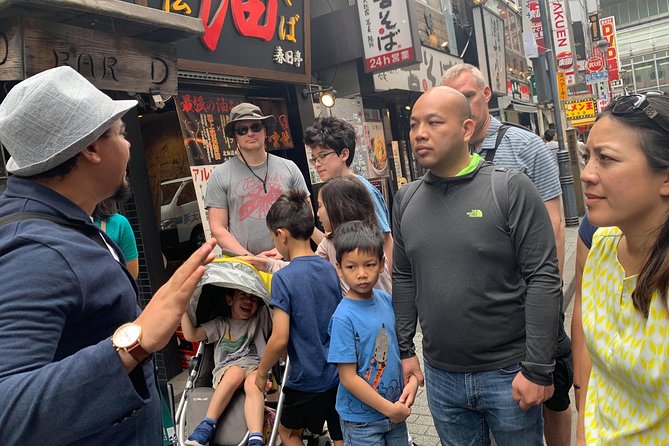
Still, do not assume every departure will feel like a private tour. The maximum is 10 people, but group sizes can vary. Some departures have been private or nearly private, while one unhappy account described a late-arriving main guide and an assistant who could not explain the food. That appears to be the exception rather than the normal pattern, but it is worth keeping in mind when paying a premium price.
Shibuya 109 and the local eating streets
The first listed stop is around Shibuya 109, with roughly 45 minutes in the area. Shibuya 109 itself is a major youth fashion landmark, but the food interest lies in the surrounding streets, where local diners move between izakaya, casual restaurants, and quick bites.
This is a good opening section because it introduces the feel of Shibuya as a place where shopping, nightlife, and food overlap. You may see narrow restaurant entrances, bright signs, and small places that are easy to pass without realizing they are open. Your guide can help you understand how the neighborhood works and direct you toward places that would be difficult to select on your own.
The first food stops may include items such as yakitori, sushi, or another small Japanese dish. Exact choices are not fixed in the information provided, so you should expect the guide to decide the final selection. That is part of the adventure, but it also means you should share dietary concerns and strong dislikes before ordering.
One point worth clarifying is the meaning of all you can eat. This is a food tour with multiple included tastings, not necessarily an unlimited restaurant buffet where you order without limit. The practical result can still be substantial. People have described leaving full after several stops, with sushi, steak, barbecue, fried chicken, and takoyaki forming part of different routes.
Nonbei Yokocho, Shibuya’s tiny bar lane
The visit to Nonbei Yokocho lasts about 30 minutes. This narrow lane is one of the most distinctive parts of the walk, made up of very small bars and compact places to eat. The area offers a sharp contrast to the huge screens and wide pedestrian flows around Shibuya Crossing.
I especially like this stop for the sense of scale. Some bars are so small that only a handful of people can fit inside. You get a glimpse of a more intimate side of Tokyo nightlife, where the setting matters as much as the meal and where a local guide can explain how people use these tiny neighborhood spaces.
This is also the part of the route most likely to feel different from a standard sightseeing walk. You are not just stopping for a photograph. You are seeing the kind of lane that can be hard to interpret on your own, especially if you do not read Japanese or know which doors lead to restaurants.
Alcohol is available for purchase, but it is not included. One guide introduced a visitor to Daiso sake, while another review mentioned a speakeasy-style drink recommendation nearby. Those details suggest that the guides may add personal suggestions, though they should not be treated as guaranteed stops.
Shibuya Crossing in a 15-minute burst
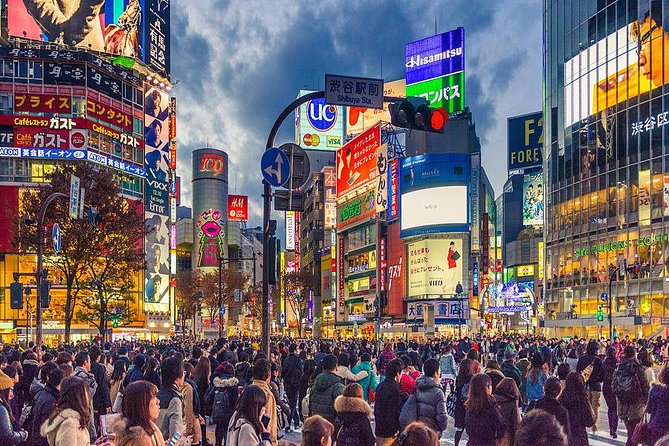
The tour allows about 15 minutes at Shibuya Crossing. This is a short stop, and that is probably the right amount of time. The crossing is a major Tokyo photo spot, but standing around for too long can turn a memorable view into a traffic exercise.
Your guide can help you take a quick photograph and place the crossing in context. The activity information describes more than 2,000 people crossing each minute, a figure that captures the scale of the spectacle even if the exact flow changes throughout the day.
The crossing is not the cultural heart of the tour. It is the orientation point, the famous image you expect to see, and a useful bridge between the large public face of Shibuya and the smaller streets where the food experience unfolds. If you have already photographed it from several angles, you may find this part less important than Nonbei Yokocho or the restaurant visits.
A few more Tokyo tours and experiences worth a look
Four to five food stops and what you may eat
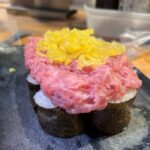
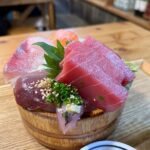
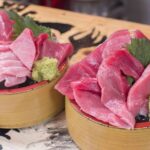
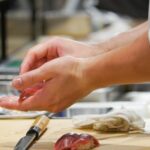
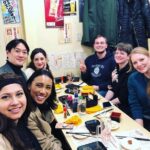
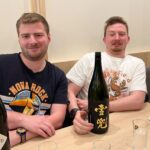
The food is the main reason to book. The included range covers sushi, yakitori, yakiniku, takoyaki, and desserts, with dishes such as chicken karaage and mochi appearing in individual routes. Some groups have also had sake or other alcohol, but drinks beyond two soft drinks and water cost extra.
Here is what each category adds:
- Sushi: A direct introduction to one of Japan’s best-known foods, with the guide helping you understand what you are served.
- Yakitori: Grilled chicken skewers offer a casual izakaya experience and are easy to share.
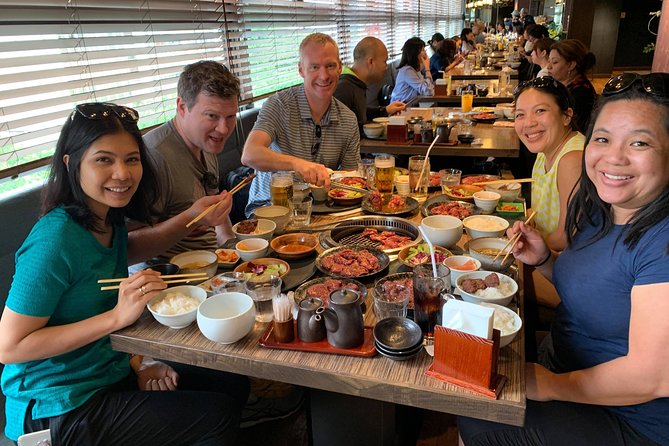
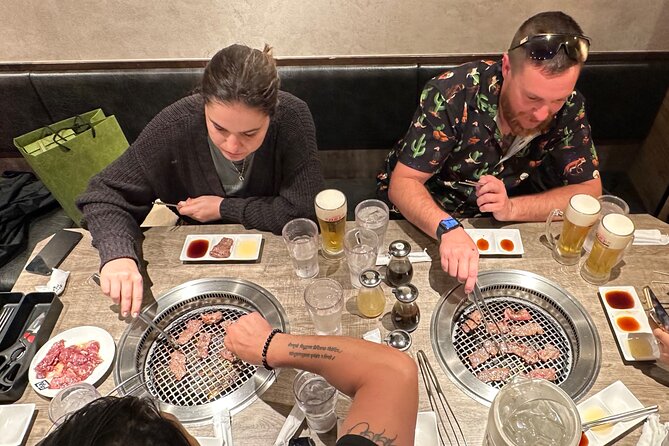
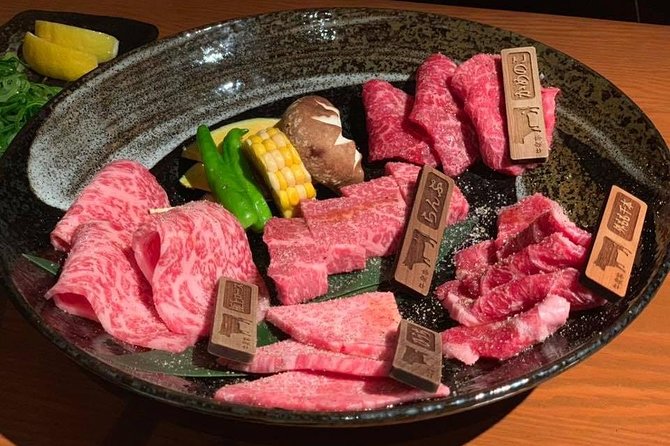
- Yakiniku: You may cook meat yourself on a small barbecue built into the table, a social meal that adds an activity as well as food.
- Takoyaki: These hot octopus balls are a classic Osaka-style snack found across Japan, usually served in a casual setting.
- Desserts: Mochi and other sweets provide a softer finish after several savory dishes.
The order matters. A route that begins with smaller appetizers, moves to Japanese barbecue, and finishes with sushi can leave you very full. Another route may place the dishes in a different sequence. I would eat lightly before meeting the group and avoid booking another large dinner afterward.
The food selection also makes this a useful introduction for cautious eaters. You can try several dishes in small portions rather than ordering a full serving of something unfamiliar. If one person in your group is hesitant about Japanese food, this format gives them a chance to sample without making the entire meal depend on one choice.
At the same time, this tour is not ideal if you need full control over ingredients. The supplied details do not specify vegetarian, vegan, halal, gluten-free, or allergy arrangements. Contact the operator before booking if you have a serious dietary restriction, and do not rely on the guide to solve it at the last minute.
Don Quijote and the everyday side of Tokyo
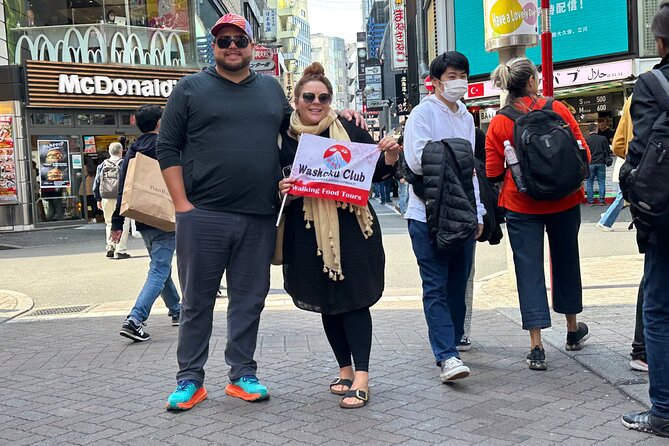
The 30-minute stop at MEGA Don Quijote adds a shopping detour to the food route. This 24-hour store sells a little of everything, including sweets, cosmetics, food, and electronic goods. It is loud, crowded, and practical rather than elegant, but that is exactly why it can be interesting.
I like this stop because it shows a daily side of Tokyo that a formal temple visit does not. You can see the kind of store where residents and visitors browse late into the night, and you may find snacks or small gifts to take home. The guide can also help you understand what is worth looking at and may assist with a purchase, as one guide did for a visitor at BIC Camera.
The drawback is time. Thirty minutes in a large store can pass quickly, and some people may prefer to spend those minutes eating or walking through another lane. If you already plan to visit Don Quijote independently, the stop may feel less useful. If this is your first evening in Shibuya, it gives you a quick look at one of the area’s signature shopping experiences without using up a separate outing.
How much value do you get for $205?
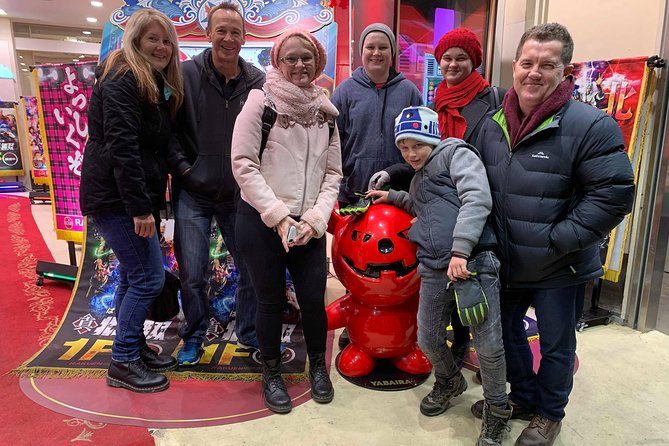
At $205 per person, this is not a budget food walk. The price includes four to five food stops, desserts, two soft drinks, water, a professional guide, and the walking and cultural portion of the experience. It does not include alcohol, hotel pickup, or drop-off.
The value depends on what you want the money to buy. If you simply want the cheapest route to sushi, takoyaki, and barbecue, you can spend less by choosing restaurants yourself. Tokyo has no shortage of affordable places to eat.
You are paying for access and guidance, not only ingredients. The guide chooses venues, manages the route, helps with ordering, provides cultural context, and keeps a small group moving through an unfamiliar part of Shibuya. For a first visit, that can prevent several wrong turns and remove the stress of deciding where to eat.
The price makes more sense for people who value convenience and variety. It is also easier to justify if you plan to use the tour as your main evening meal. The food can be generous, and the experience combines sightseeing with dinner rather than requiring separate bookings for both.
The score is listed at 4.9 from 261 ratings, with 97 percent recommending it. That is a strong record, but the lower ratings point to the risk: if the guide is not prepared or does not explain the dishes, the price can feel too high very quickly.
Who will enjoy this four-hour evening walk?
I would recommend this experience most strongly to first-time visitors to Tokyo who want an easy introduction to Shibuya. You get the famous crossing, a shopping stop, small nightlife lanes, and a series of Japanese dishes in one organized outing.
It also suits people who like trying several foods in one sitting. Families have enjoyed the variety, and solo participants have sometimes received a very personal experience when no one else booked the same departure. The small group limit is a real plus for asking questions and getting help with food choices.
This may be a good match if you want to learn how to handle casual Japanese restaurants. The guides can explain local eating customs, offer cultural context, and sometimes help with practical shopping or navigation questions.
I would hesitate if you are a serious food specialist looking for a fixed list of restaurants and detailed information about ingredients, preparation, and regional background. I would also hesitate if $205 is close to your entire daily food budget, or if you need guaranteed dietary accommodations that are not stated in the tour details.
Practical advice for making the evening work
Meet at the Hachiko Statue and allow enough time to find the correct area around Shibuya Station. The tour ends back at the same meeting point, which makes it easy to continue your evening in Shibuya or return to your accommodation.
Wear shoes suitable for four hours of urban walking. The route includes major streets, narrow lanes, shopping areas, and restaurant visits, so you should be comfortable standing and moving between stops.
Arrive hungry, but not empty-stomached if you are prone to feeling unwell. The food can add up quickly, especially when sushi, barbecue, fried chicken, takoyaki, and dessert all appear on one route.
Ask about the exact food plan at the beginning. Guides such as Hamada, Kato, Amber, and Tanaka have been praised for being friendly, patient, and good at explaining Japan, but each guide has a different personality and style. A clear conversation early on can help you get more from the evening.
The tour accepts mobile tickets, confirmation is provided at booking, and free cancellation is available until 24 hours before the start time. Cancelling within 24 hours does not qualify for a refund, and changes inside that window are not accepted.
Should you book the Shibuya All You Can Eat Food Tour?
Book it if you want a guided introduction to Shibuya that treats food as the main event. The combination of four to five tastings, small streets, Nonbei Yokocho, Shibuya Crossing, and Don Quijote gives you a lively first look at the district without requiring you to plan every stop yourself.
The strongest reason to go is the guide. A good guide can turn ordinary restaurant visits into a friendly lesson in Japanese food and daily life. The strongest reason to pause is the cost, along with the fact that the exact food stops are not fixed.
For a first evening in Tokyo, I think the tour can earn its price if you arrive hungry and value help with ordering and navigation. If you already know Shibuya well or prefer to choose every restaurant yourself, spend the $205 on several independent meals instead.
FAQ
Where does the Shibuya food tour start?
The tour starts at the Hachiko Statue at 2 Chome-1 Dogenzaka, Shibuya, Tokyo 150-0043, Japan.
Where does the tour end?
The activity ends back at the Hachiko Statue meeting point.
How long does the experience last?
The tour lasts approximately four hours.
How many people can join the tour?
The tour has a maximum group size of 10 people.
What food is included?
The included food can feature sushi, yakitori, yakiniku, takoyaki, and desserts. The guide chooses four to five food stops.
Are drinks included?
Two soft drinks and water are included. Alcoholic drinks are available to purchase but are not included in the tour price.
Is hotel pickup provided?
No. Hotel pickup and drop-off are not included.
Can I cancel for a full refund?
Yes. You can cancel at least 24 hours before the start time for a full refund. Cancellations and changes made within 24 hours are not refunded or accepted.
More Food Experiences in Tokyo

More Tokyo Food Tours in Tokyo
More Shibuya Tours in Tokyo
More tours in Tokyo we've reviewed



Tokyo Food Tours, compared.
 ★ 5.0Tokyo: Shinjuku Food Tour (13 Dishes at 4 Local Eateries)From $86
 ★ 4.9Tokyo: Shinjuku Food Tour (15 Dishes and 4 Eateries)From $853 hours
 ★ 5.0Best of Shinjuku: Izakaya Food Tour (4 Stops, 14+ Tastings)From $92
 ★ 5.0Tokyo Night Foodie Tour in Shinjuku – Seasonal Sushi, Wagyu BeefFrom $111
 ★ 5.0Eat and Drink Like a Local: Tokyo Ueno Food Tour-Taverns&RamenFrom $95
 ★ 5.0Tokyo: Shibuya Food Tour (13 dishes and 4 Eateries)From $77