
Reviewed · SAMURAI & NINJA EXPERIENCES
Tokyo Samurai Experience
The most unusual part of this Tokyo outing is the change of pace. You begin by walking through Kagurazaka’s old samurai streets, then put on a kimono and learn basic sword movements from professional instructors. It is part neighborhood walk, part cultural lesson, and part carefully staged samurai performance.
I like the small group, capped at seven people, because a guide can keep the walk personal and help everyone follow along during the training. I also like that lunch and one traditional food or sweet are included, so the four-hour program is more than a quick costume photo. The main drawback is the price: at $166.04 per person, it is a serious spend for an activity that lasts about four hours.
In This Review
- Key points at a glance
- Why Kagurazaka makes a good starting point
- One hour in kimono at Samurai Theater Tokyo
- A traditional Japanese lunch in Kagurazaka
- The second walk through Kagurazaka
- What the $166.04 price covers
- Who will enjoy this most
- Timing, meeting point, and practical advice
- My verdict on the Tokyo Samurai Experience
- FAQ
- How long does the Tokyo Samurai Experience last?
- Where does the tour begin?
- Where does the tour end?
- Is lunch included?
- Are vegetarian meals available?
- Is kimono rental included?
- How many people can join the tour?
Key points at a glance
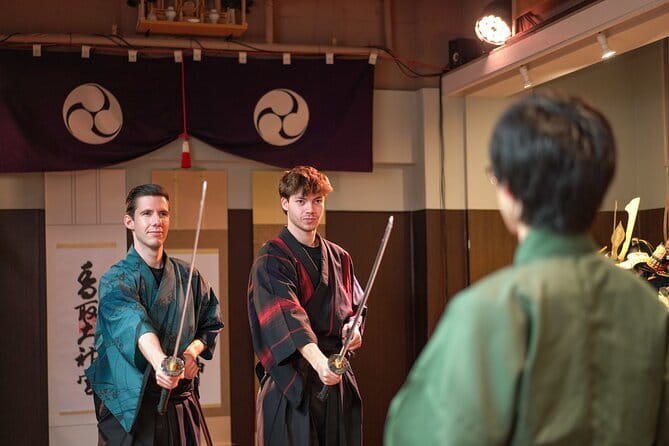
- Samurai training with a katana: A one-hour session covers basic samurai fighting techniques and movements with professional instructors.
- Kimono rental included: You change into traditional clothing before the training, making the lesson feel like a full cultural activity rather than a demonstration.
- Kagurazaka on foot: The route includes historic streets, temples, and shrines in a district once associated with samurai.
- Lunch in a wooden restaurant: A traditional Japanese meal is included, with a vegetarian choice available.
- Small group size: The maximum is seven people, a useful advantage during both the neighborhood walk and sword practice.
- A full half-day plan: The fee covers the guide, food, kimono rental, samurai session, and one traditional snack or sweet.
Why Kagurazaka makes a good starting point
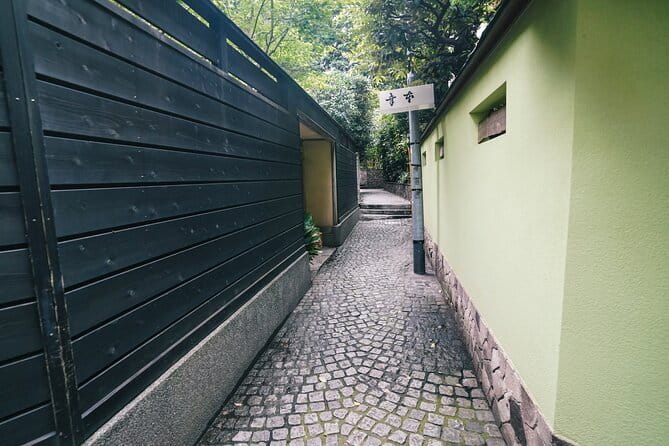
Many Tokyo visitors spend their time in Shibuya, Asakusa, or around the Imperial Palace. Kagurazaka gives you a different view of the city. The district is linked with former samurai residences, and its sloping streets, temples, and shrines provide the setting for the first part of the experience.
You meet at Aoyama Flower Market, inside JR Iidabashi Station near the West Exit. The meeting point can sound less obvious than a large plaza or major landmark, so allow time to find the station exit and the market. The directions specify that the market is on your right after leaving the West Exit.
From there, the guide leads you into Kagurazaka. The first orientation is brief, about 10 minutes at the meeting point, followed by roughly 20 minutes in the district before the samurai session. You are not simply being taken from one indoor activity to another. The neighborhood walk gives you a setting for the stories and helps explain why this part of Tokyo fits the theme.
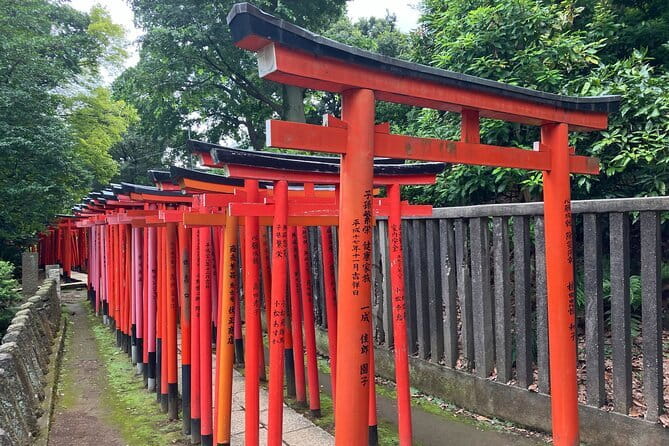
The streets are the point here, not a long list of famous sights. You pass historic religious buildings and learn how the area was connected with samurai life. Since the walking portion is short, you should see it as an introduction rather than a complete Kagurazaka sightseeing tour.
A few more Tokyo tours and experiences worth a look

One hour in kimono at Samurai Theater Tokyo
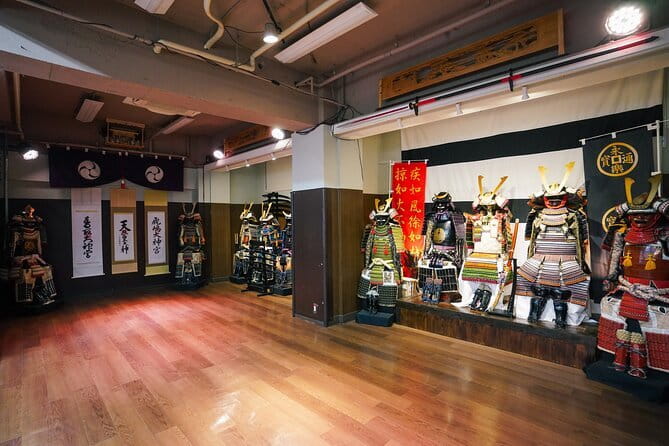
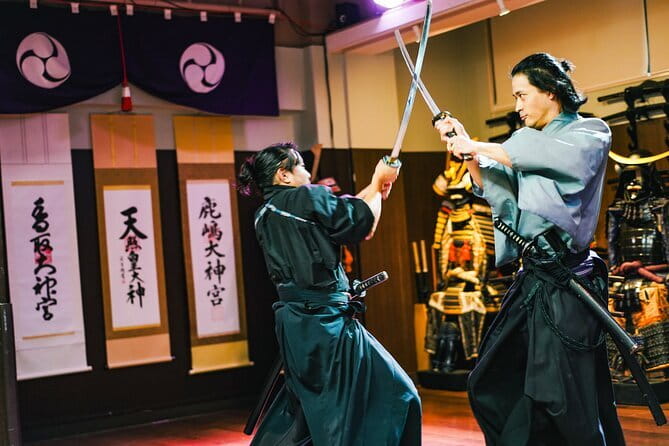
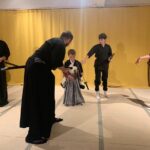
The central activity takes place at Samurai Theater Tokyo. You receive a kimono rental and learn basic movements used in samurai combat from professional instructors. The session lasts about one hour.
That time limit is useful. You get enough instruction to learn a sequence of movements and take part in a performance, but the class does not consume the whole afternoon. The experience is designed for participation, not for advanced martial arts training. You should expect an introductory lesson with staged movements, not a qualification or serious weapons course.
The clothing matters because it changes the feel of the activity. Putting on a kimono creates a clear break between ordinary sightseeing and the training session. It also gives you a more memorable cultural activity than simply watching a performance from a seat.
A personal account of the outing describes dressing as a samurai, learning to use a katana, and then performing. That gives you a useful picture of the session: you are not only shown sword techniques, but also practice movements and take part in a presentation. The activity is likely to appeal most to people who enjoy doing something physical and theatrical.
The small group limit helps here. With no more than seven participants, the instructor has a better chance of seeing each person’s movements and keeping the activity organized. It also means the session should feel less like a large tourist production.
Still, anyone expecting historical combat instruction should adjust their expectations. The emphasis is on basic techniques, movements, and performance. If you have mobility limits or simply do not enjoy role-playing, this part may feel less rewarding than the neighborhood walk and meal.
A traditional Japanese lunch in Kagurazaka
After the samurai session, you return to Kagurazaka for lunch in a cozy wooden restaurant. This meal takes about one hour and 40 minutes, making it the longest part of the program.
That generous block of time gives the meal more importance than a quick stop for fuel. You can sit down, eat traditional Japanese dishes, and hear more about the food and local customs from the guide. The restaurant is described as tucked away in the heart of the district, so the setting should feel quieter and more local than a meal at a large commercial venue.
A vegetarian option is available, which is useful if you do not eat meat or fish. Vegan and gluten-free options are not available, so you should not book this expecting the kitchen to adapt to those diets. Additional food and drinks can be purchased, but they are not included in the quoted price.
The meal also provides a practical pause after the activity. An hour of sword movements in traditional clothing can be more tiring than it sounds, especially if you are not used to wearing a kimono. The long lunch period lets you slow down before the final walk.
One traditional food or sweet is included separately as part of the experience. You choose one during the tour. This small tasting element adds another way to connect the neighborhood walk with Japanese food, though the exact choice is not specified in advance.
The second walk through Kagurazaka
The final 20-minute walk returns to the streets of Kagurazaka. By this point, the district should mean more than it did at the start. You have heard about samurai connections, visited religious sites, eaten traditional food, and taken part in a samurai activity.
This second stroll is a chance to connect those pieces. The guide can point out more streets, temples, and shrines while explaining the area’s cultural background. It is short, so do not treat it as free time for shopping or extended photography. It functions as the closing portion of the guided experience.
The tour ends back at the original meeting point. That is convenient if you want to continue exploring nearby or return to the station. Since the activity begins and ends in the same general place, you do not need to arrange a separate pickup or figure out a distant return route.
What the $166.04 price covers

At $166.04 per person, this is not a budget walking tour. The value comes from combining several paid elements into one small-group program:
- A certified MagicalTrip guide
- A one-hour samurai experience
- Kimono rental
- Traditional Japanese lunch
- One traditional food or sweet
- Guided walks through Kagurazaka
If you booked only a neighborhood walk, this would be expensive. If you want a samurai activity, kimono rental, meal, tasting, and local guide in one booking, the price is easier to justify. You are paying for the combination and the convenience, not just for four hours of walking.
The group size is also part of the value. A maximum of seven people is far more personal than a large coach-style outing. That matters most during the sword lesson, where crowding could make the activity less enjoyable.
I would compare this experience with the cost of booking a separate samurai class and arranging your own lunch. The combined format saves planning time and gives the day a clear flow. On the other hand, independent visitors who already have a favorite samurai show or prefer choosing their own restaurant may find the package restrictive.
The experience is booked an average of 62 days ahead, so you should plan early if your Tokyo dates are fixed. Confirmation is provided at booking, and mobile tickets make the reservation easy to keep on your phone.





Who will enjoy this most

This experience suits first-time Tokyo visitors who want more than the usual major districts. It also works well for families, couples, and small groups looking for an activity that creates a shared memory without taking a full day.
Children and adults who enjoy costumes, stage performance, and hands-on lessons are likely to get the most from the samurai portion. The experience gives you a chance to practice movements and perform, rather than simply watch someone else demonstrate them.
Food-focused visitors may also appreciate the lunch and traditional tasting. The meal is not an optional add-on, and the long lunch period gives the day a relaxed center.
The tour is less suitable for people seeking a serious history lecture, advanced martial arts training, or a completely flexible schedule. The cultural explanations are tied to a set four-hour route, and the sword session has a performance element.
Most people can participate, and the tour is near public transportation. The supplied details do not specify the exact physical demands of the class beyond basic samurai movements, so anyone with mobility concerns should ask the operator before booking.
Timing, meeting point, and practical advice
Plan to arrive early at Aoyama Flower Market inside JR Iidabashi Station. The meeting point is at 4-chōme in Iidabashi, Chiyoda City, Tokyo, postal code 102-0072, near the West Exit of JR Iidabashi Station. The market is on your right after you leave the exit.
Wear something that makes it easy to move and change into a kimono. The exact clothing guidance is not provided, but comfortable footwear and a practical outfit are sensible for the neighborhood walking portions.
Keep the four-hour schedule in mind when planning the rest of your day. The program includes walking, a one-hour training session, a long lunch, and a final stroll. It begins and ends at the same meeting point, but you should avoid scheduling a tight appointment immediately afterward.
The cancellation terms are friendly if your plans may change. You receive a full refund when you cancel at least 24 hours before the local start time. Cancellations or changes made within 24 hours are not accepted for a refund.
My verdict on the Tokyo Samurai Experience
I recommend this tour if you want an active cultural afternoon that blends Tokyo neighborhood life, Japanese food, traditional clothing, and a samurai performance. The strongest features are the small group, the included lunch, and the chance to take part in the sword lesson rather than only watch one.
Book it if $166.04 fits your budget and you like structured activities with a guide. It is especially suitable when you want one simple reservation that covers several experiences.
Skip it if you prefer independent dining, low-cost sightseeing, or a longer historical walk. The Kagurazaka exploration is fairly short, and the samurai class is an introduction with theatrical elements, not intensive training. For the right audience, though, it offers a lively way to see a quieter Tokyo district and take home a story better than another standard city tour.
FAQ
How long does the Tokyo Samurai Experience last?
The experience lasts approximately four hours.
Where does the tour begin?
It begins at Aoyama Flower Market inside JR Iidabashi Station, near the West Exit of JR Iidabashi Station in Iidabashi, Chiyoda City, Tokyo.
Where does the tour end?
The activity ends back at the meeting point.
Is lunch included?
Yes. A traditional Japanese lunch is included, along with one traditional food or sweet that you can choose during the tour.
Are vegetarian meals available?
Yes, a vegetarian lunch option is available. Vegan and gluten-free options are not available.
Is kimono rental included?
Yes. The one-hour samurai experience includes kimono rental.
How many people can join the tour?
The maximum group size is seven people.
More Samurai & Ninja Experiences in Tokyo

More tours in Tokyo we've reviewed









Samurai & Ninja Experiences, compared.
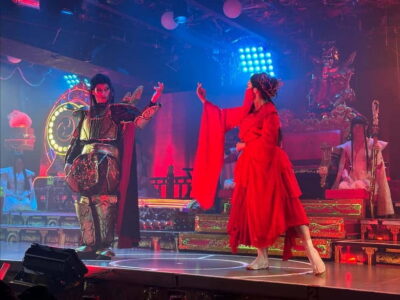 ★ 4.5Tokyo: Samurai Restaurant Show Ticket with 2 DrinksFrom $551h 30m
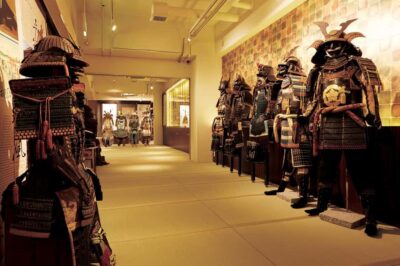 ★ 4.6Tokyo: Samurai Ninja Museum Guided tour and ExperienceFrom $27
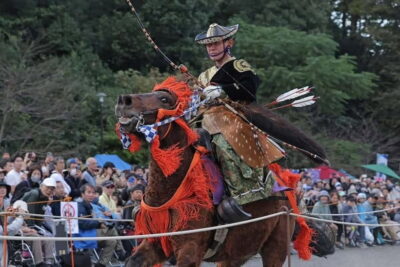 ★ 5.0Tokyo: Samurai Sword & Archery Class from Samurai DescendantFrom $1933 hours
 ★ 5.0Best Samurai Experience in TokyoFrom $65
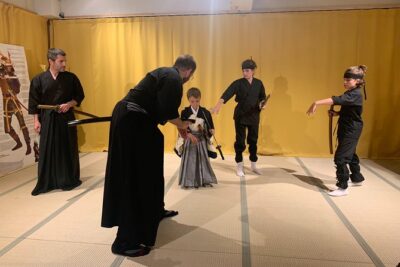 ★ 5.0Ninja Experience (Family Friendly) at Samurai Ninja Museum TOKYOFrom $47
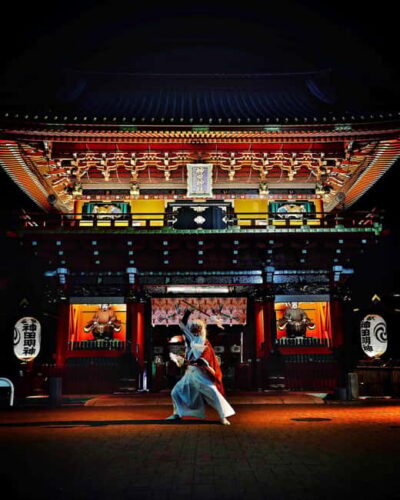 ★ 4.6Tokyo: Samurai Entertainment Night Show in Kanda ShrineFrom $412 - 3 hours