
Reviewed · FULL-DAY
Tokyo: Full-Day Japanese Garden Private Guided Tour
Tokyo’s best gardens are scattered across the city, and that is where this private six-hour tour earns its keep. You can link grand palace grounds, shrine greenery, teahouse ponds, and the broad sections of Shinjuku Gyoen without spending half the day puzzling over train connections.
I especially like the custom itinerary and the personal help from a licensed local guide. Guides such as Yoshi, Kumi, Hiro, Tachi, and Yoko have been praised for careful planning, transport advice, and adjusting the pace. The catch is that entrance fees, meals, and transport cost extra, and a poor route can leave you spending too much time underground.
In This Review
- Key points to know before booking
- Why a private garden tour works well in Tokyo
- The Imperial Palace gardens: a formal first stop
- Meiji Jingu Shrine adds a different kind of green space
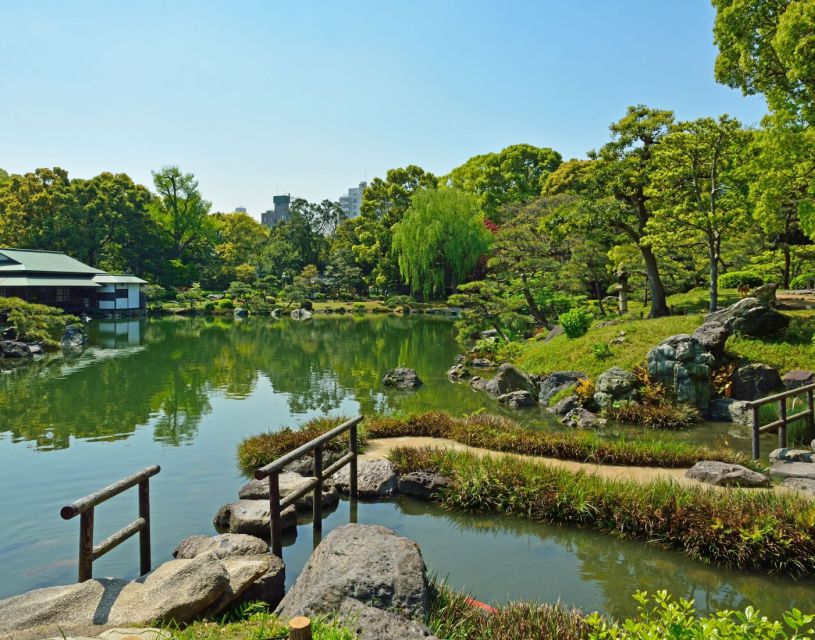
- A teahouse pond brings the intimate garden experience
- Harajuku lunch is flexible, but not included
- Shinjuku Gyoen offers three garden moods in one park
- Other gardens worth requesting
- How transport shapes the six-hour schedule
- What the guides add to the day
- Price, value, and the extra costs
- Who should book this private garden day
- My verdict: book it with a clear garden plan
- FAQ
- How long is the Tokyo Japanese garden tour?
- Is the tour private?
- Can I choose which gardens to visit?
- Which gardens may be included?
- Is hotel pickup included?
- Are transportation costs included?
- What languages are available?
- Is the tour wheelchair accessible?
Key points to know before booking
- A route built around your interests: Choose formal gardens, cherry blossoms, shrines, ponds, teahouses, or large city parks.
- Six hours with a private guide: You get direct attention rather than a fixed group schedule.
- Shinjuku Gyoen gives you several garden styles in one stop: Japanese, French formal, and English park design all appear here.
- Public transport is part of the day: Walking is included, while trains and taxis are paid separately.
- Guide quality matters: Yoshi, Kumi, Hiro, Tachi, and Yoko have each received strong praise for communication and flexibility.
- Plan for a full walking day: Spring blossom periods can bring crowds, even when a guide helps you move efficiently.
Why a private garden tour works well in Tokyo
Tokyo does not present its gardens in one tidy garden district. Imperial Palace gardens sit near the political center, Meiji Jingu is west of there, Shinjuku Gyoen is farther out, and places such as Rikugien, Hama Rikyu, and Kiyosumi Teien pull you in other directions.
You can visit these places alone, but a private guide gives the day a useful framework. Your guide meets you at your hotel or another agreed point, then helps decide what fits your interests and the available time. That matters because six hours sounds generous until you add walking, station transfers, garden hours, and a lunch break.
I like the chance to say what you want before the day begins. You might prefer historic Japanese garden design, seasonal flowers, quiet ponds, or a broader mix of gardens and shrines. You can also let the guide shape the route if Tokyo is still new to you.
The experience is private, so you do not need to match the pace of strangers. That is especially useful for families, couples, and anyone who wants frequent photo stops. It also lets you ask direct questions about Japanese history, religion, design, and daily life instead of listening to a general script.
The main risk is route planning. A guide who sends you across Tokyo for several short stops may leave you with less garden time than expected. One poor experience involved two disappointing gardens, a closed third stop, and a long stretch on the subway. To avoid that, confirm the exact gardens and order before the tour starts.
Other guided tours in Tokyo


The Imperial Palace gardens: a formal first stop
A sample day begins at the Imperial Palace gardens. This is a sensible opening because the setting introduces the formal side of Tokyo: broad paths, carefully arranged planting, and a strong connection to the country’s modern political center and imperial past.
You should ask your guide which palace garden area is planned, since the available sections and access can vary. The supplied details describe a typical stately Japanese-style garden, but they do not promise every palace ground or every seasonal feature.
This stop works best if you want context along with scenery. A guide can explain why Japanese gardens use water, stone, borrowed views, clipped plants, and carefully framed paths. You may also find that a private guide helps you notice details you would otherwise walk past.
Do not expect a completely quiet start in the heart of Tokyo. The palace area is central, and the day can become busy, especially during popular blossom periods. Still, the wide setting gives you a useful contrast with the more intimate gardens later on.
Meiji Jingu Shrine adds a different kind of green space
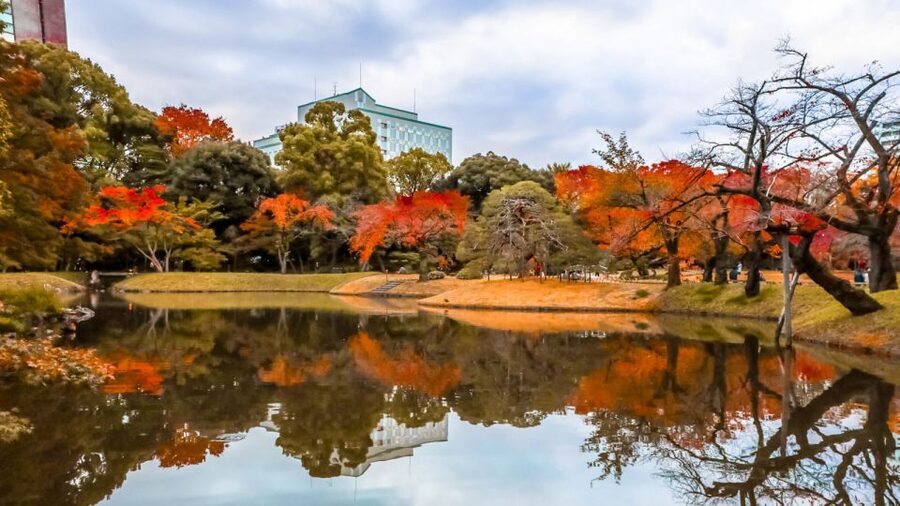
The route may then continue to Meiji Jingu Shrine. This is not simply another ornamental garden. It is a major Shinto shrine set within a large wooded area, giving the day a change of mood after the formal palace grounds.
I like this pairing because it shows two different ways Tokyo uses open space. The palace gardens present controlled design and ceremony, while Meiji Jingu offers a more wooded approach to a sacred site. Your guide can help explain the cultural role of the shrine and how to behave respectfully there.
The tour description does not promise a dedicated shrine ceremony or special access, so plan on a guided visit through the public areas. Your guide’s value here is interpretation, route planning, and help connecting the site to Japanese culture.
This is also one place where your preferred pace matters. You may want time for the approach, the shrine buildings, and quiet observation. If your main goal is gardens rather than shrines, tell your guide so this stop does not take too much of the six-hour schedule.
A teahouse pond brings the intimate garden experience
The sample itinerary includes a quieter garden with a charming teahouse and pond. The exact garden depends on your chosen route, but this type of stop is important because Tokyo’s gardens are not all grand public parks.
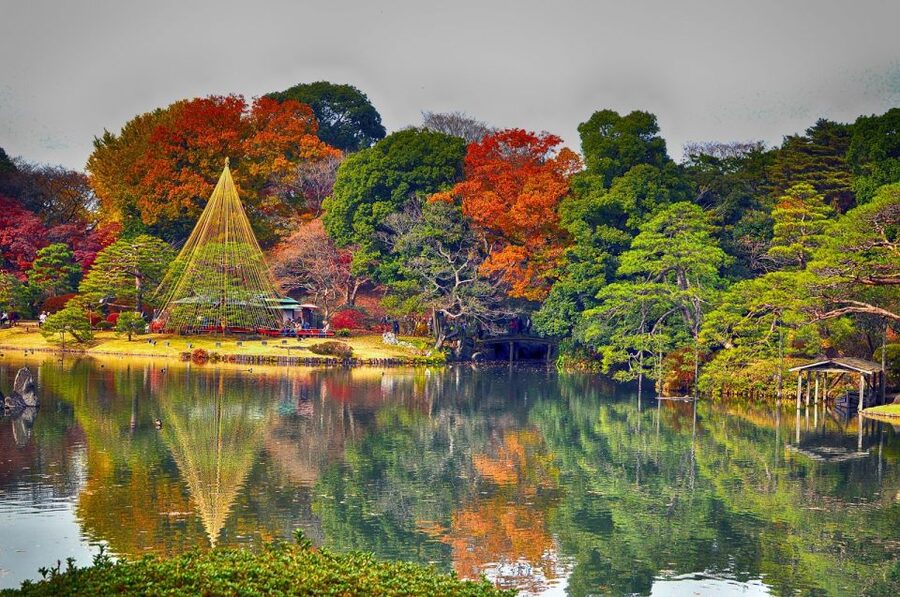
A small pond garden can show design at a closer scale. You might notice a bridge, a shaped tree, a stone arrangement, or a view that changes as you walk around the water. A teahouse adds another layer, since tea culture is tied to restraint, hospitality, and the careful control of movement and sightlines.
This is the sort of place where a guide can make a real difference. Without context, you may see a pleasant pond and some plants. With explanation, you can better understand why the path bends, why a view is partially hidden, and why a simple building can matter as much as the planting.
The tradeoff is that smaller gardens may not satisfy you if you want a long, open walk. Tell your guide if you prefer large grounds, flowers, or quiet corners. The private format makes that conversation easy.
Harajuku lunch is flexible, but not included
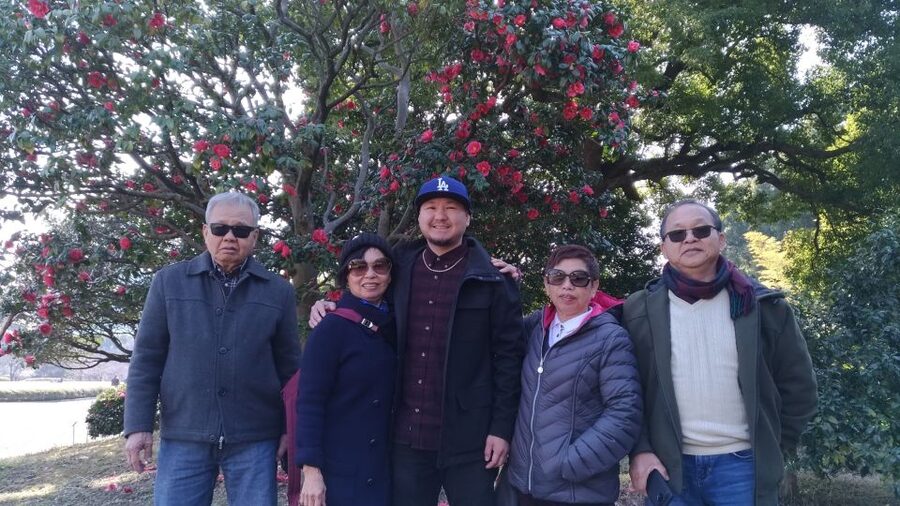
Lunch is planned in Harajuku on the sample route, where you have many food choices. Food and drinks are not included, so you pay directly for your meal.
This arrangement is practical. You can choose the price and style of lunch that suits you, and your guide may help with local suggestions. One particularly strong day included a stop at a favorite Romanian restaurant chosen by the guide. That detail shows the benefit of asking for personal recommendations rather than treating lunch as an afterthought.
Still, lunch uses part of your six-hour booking. If gardens are your only priority, keep the meal reasonably short. If you want the day to include Tokyo food culture, allow enough time to enjoy it instead of rushing through the stop.
Other private tours in Tokyo



Shinjuku Gyoen offers three garden moods in one park
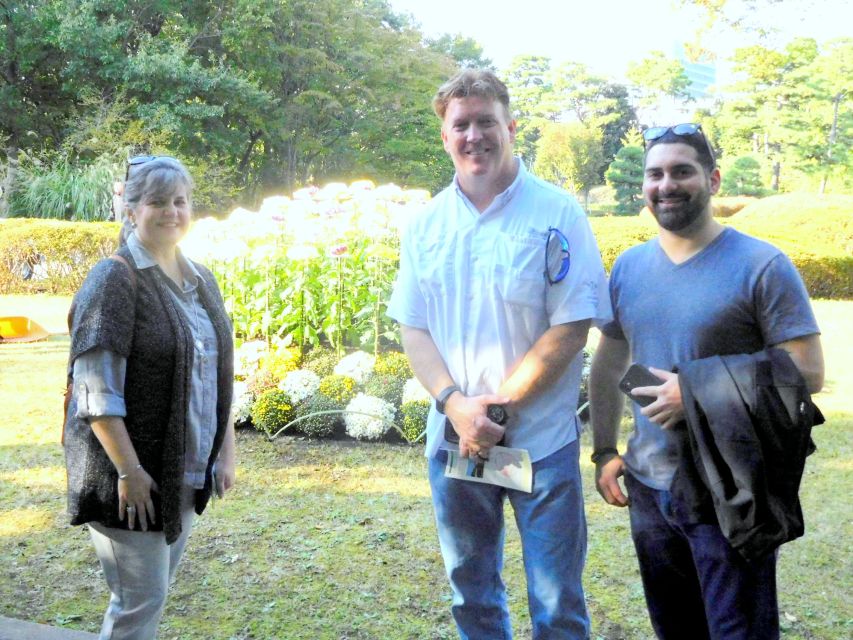
Shinjuku Gyoen is the most efficient major stop in the sample itinerary. This large park contains several distinct sections, including a Japanese garden, a formal French garden with masses of roses, and an English-style park area.
That variety gives you a quick lesson in how garden traditions can sit side by side in Tokyo. The Japanese section may appeal to you if ponds, bridges, and controlled views are your priority. The French section is the choice for formal lines and seasonal roses. The English section offers a more open park feel.
I consider Shinjuku Gyoen a strong anchor for this tour because it reduces the need to cross the city for three separate styles. It also gives your guide plenty to explain without relying on a single historic theme.
Season matters here. In spring, cherry blossoms can make the park especially attractive, but crowds also grow. A guide can help you reach the best blossom areas more efficiently than you might manage alone, as Hiro did for one visitor during peak bloom. You should still expect a long day with plenty of walking.
The park’s size can also work against you. If you try to cover every section in detail, you may have little time for other gardens. Agree on priorities before entering.
Other gardens worth requesting
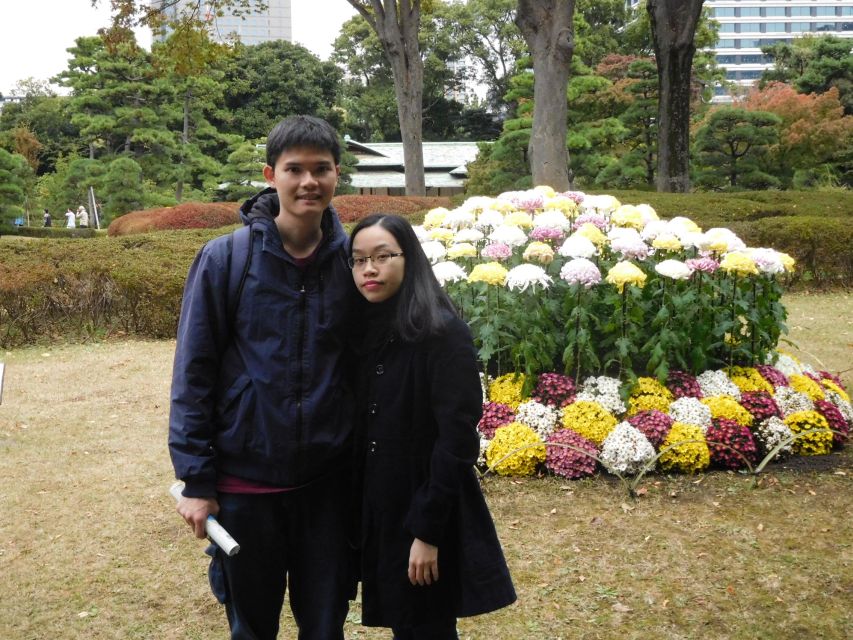
The tour can be shaped around several other Tokyo gardens and parks. Each offers a different reason to include it.
Koishikawa Korakuen Garden is a good request if you want a traditional garden with carefully arranged scenery and historic atmosphere. It can pair well with a conversation about garden composition and the influence of older Japanese design traditions.
Hama Rikyu Gardens suits you if you want a garden connected to Tokyo’s waterfront setting. Its broad grounds offer a different feel from an enclosed pond garden, and the contrast between old garden design and the modern city is part of the appeal.
Rikugien Garden is worth considering for a classic strolling garden experience. It is best approached as a focused visit rather than a quick photo stop, since the pleasure comes from walking through changing views.
Kiyosumi Teien Garden can appeal to you if stones, ponds, and calm paths matter more than flower displays. It gives the day another intimate garden setting.
Former Shiba Rikyu Gardens offers a compact historic garden experience and may work well when you want to limit walking or keep the route near central Tokyo.
Koishikawa Botanical Garden is a useful choice if you care more about plant variety and botanical interest than formal garden presentation.
Yoyogi Park and Ueno Park are broad urban green spaces. They are less focused than traditional gardens, but they can show how Tokyo residents use public parks. They may be good additions if you want a less polished, more everyday side of the city.
Nezu Museum and Happo-en Garden add cultural or refined garden settings, depending on access and the day’s route. Confirm what you will actually visit before booking, since the experience is personalized rather than tied to one fixed list.
How transport shapes the six-hour schedule
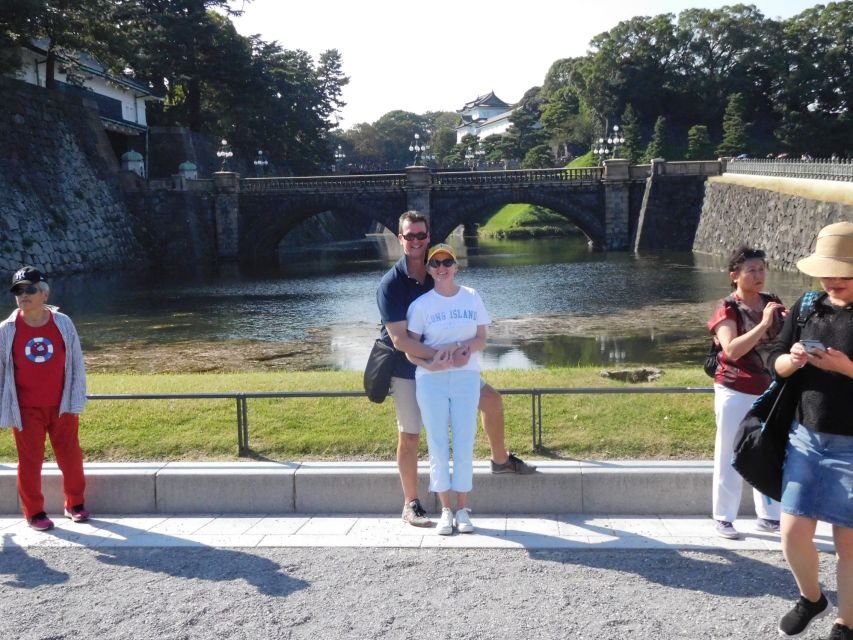
The included format is a walking tour, with pickup on foot if your accommodation is within a reasonable distance. During the day, you can use public transportation, or arrange taxis at extra cost.
That wording matters. The $151 per person price covers the private guide and six-hour service, not your train fares, taxi fares, garden admissions, food, or drinks. The value improves when you use the guide to connect two or three worthwhile areas. It declines if much of the day disappears into long transfers.
Your guide waits in the hotel lobby or at a requested train station 10 minutes before pickup. The activity is conducted rain or shine, so comfortable shoes and weather protection are sensible. A rain forecast does not automatically cancel the outing.
If mobility is a concern, the experience is listed as wheelchair accessible, but the exact route still matters. Tokyo stations, long walking paths, and garden surfaces can vary. Discuss the gardens and transport plan with the local partner in advance so the route matches your needs.
What the guides add to the day
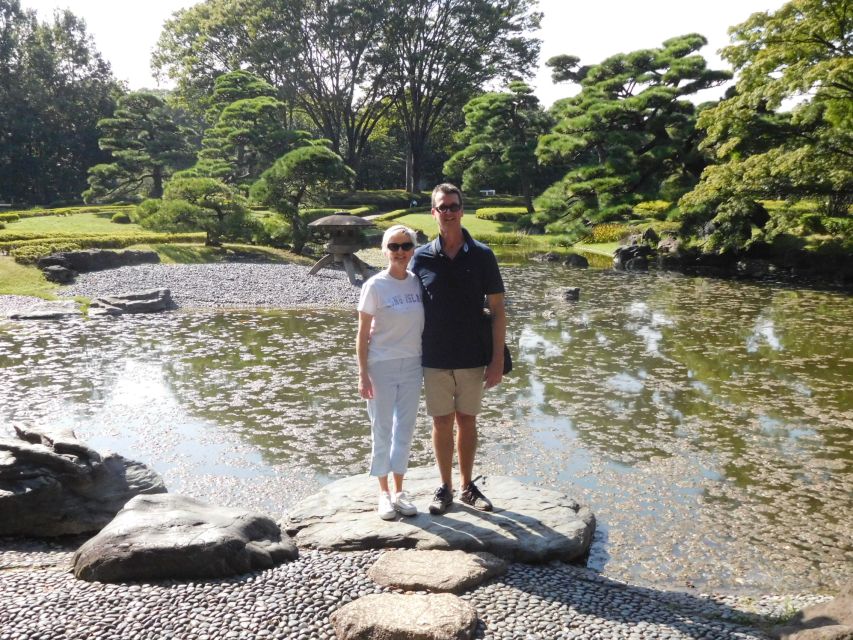
The strongest part of this experience is the human element. Yoshi received praise for communicating before the tour, understanding the desired pace, and offering useful advice about other Tokyo sights, restaurants, and transport. That kind of preparation can save you time beyond the six-hour booking.
Kumi was praised for selecting places away from the usual tourist path and for adding a favorite restaurant to the day. Hiro arranged a clear schedule, collected his party promptly, and helped make the most of peak cherry blossom season.
Tachi was described as a warm host, while Yoko was credited with understanding what her party hoped to see and learn. These details point to the quality you should seek: not just a guide who knows facts, but someone who listens and adjusts.
The guide you receive depends on availability, and the activity is not confirmed until a guide contacts you. Most guide contact happens within seven days, but an available guide may not be found until as late as 24 hours before the start. That uncertainty is worth considering if you need a firm itinerary far in advance.
The languages listed are English and Japanese. Ask about your preferred language when arranging the tour.
Price, value, and the extra costs
At $151 per person, this is not a budget walking tour, especially after adding admissions, train fares or taxis, and lunch. For a private group, though, the price can be fair if you value time saved and personal planning.
I would compare it with the cost of booking several separate visits and solving Tokyo’s transport system alone. The guide’s best value comes from choosing a sensible cluster of gardens, explaining what you are seeing, and changing the plan when weather, crowds, or your energy level make that useful.
The price is less attractive if you expect every listed garden to be included. Six hours cannot reasonably cover all the options. Think of the list as a menu, not a promise of a garden-by-garden sweep.
The activity is listed as non-refundable. There is an important exception in the guide-confirmation process: if no guide accepts the tour and you choose to cancel at least 24 hours before the start, no cancellation fee applies. Since the tour runs rain or shine, book only when you are comfortable with that policy.
Who should book this private garden day
I would recommend this tour most strongly to first-time Tokyo visitors who want gardens but do not want to build a route across several neighborhoods. It also suits you if you enjoy asking questions, want restaurant and transport advice, or need a flexible pace.
Families may appreciate the private format, since the day can be adjusted around attention spans and walking speed. Couples and photographers can request more time at selected ponds or seasonal displays.
You should think twice if you want a fixed, tightly timed garden-only program. The flexible setup is a strength, but it puts responsibility on you to state your priorities. It may also be a poor fit if you dislike public transport or do not want to pay extra for trains and taxis.
My verdict: book it with a clear garden plan
This is a useful Tokyo experience when you treat it as a private planning and guiding service, not an all-inclusive garden package. The best days combine two or three well-chosen gardens with a shrine, a food stop, or a park that fits your interests.
Before booking, send a short wish list such as Japanese ponds, cherry blossoms, quiet teahouses, or formal flower gardens. Ask your guide to confirm the order, expected transport, likely entrance fees, and which stops may be crowded or closed.
I would book it for the flexible route, private attention, and practical local advice. I would not book it expecting every named garden, meals, admissions, and transport to be covered in the $151 price.
FAQ
How long is the Tokyo Japanese garden tour?
The tour lasts six hours.
Is the tour private?
Yes. All bookings are private, and the group is not combined with other participants.
Can I choose which gardens to visit?
Yes. The experience can be personalized according to your preferences, and you can choose a route or let your guide plan it.
Which gardens may be included?
Possible choices include the Imperial Palace garden, Shinjuku Gyoen, Koishikawa Korakuen, Hama Rikyu, Yoyogi Park, Rikugien, Ueno Park, Koishikawa Botanical Garden, Kiyosumi Teien, Former Shiba Rikyu, Nezu Museum, and Happo-en Garden.
Is hotel pickup included?
Pickup from your accommodation on foot is included when it is within a reasonable distance. Your guide can also meet you at a requested train station.
Are transportation costs included?
No. The tour is primarily a walking experience, while public transport or taxis during the tour can be arranged at additional cost. Entrance fees, food, and drinks are also excluded.
What languages are available?
The live tour guide languages are English and Japanese.
Is the tour wheelchair accessible?
Yes, the activity is listed as wheelchair accessible. Since garden paths and transport routes can differ, confirm your preferred itinerary and mobility needs with the local partner before the tour.
More Full-Day in Tokyo

More Private Tours in Tokyo
More Guided Tours in Tokyo

More tours in Tokyo we've reviewed




Full-Day, compared.
 ★ 4.5From Tokyo: Mount Fuji Full-Day Sightseeing TripFrom $6810 hours
 ★ 4.9Mount Fuji Full-Day Private Tour from Tokyo (Customizable)From $393
 ★ 5.0Tokyo Private Full-Day Tour by Car or VanFrom $321
 ★ 4.7From Tokyo: Must-Visit Mount Fuji Highlight Full-Day TourFrom $6911 hours
 ★ 4.5Mt. Fuji, Hakone Full-Day Private Tour with English Driver GuideFrom $495
 ★ 4.8From Tokyo: Mount Fuji Full-Day Customizable Private TourFrom $48310 hours