
Reviewed · IMPERIAL PALACE & SHOGUN TOURS
Tokyo: Edo Castle & East Garden of the Imperial Palace Tour
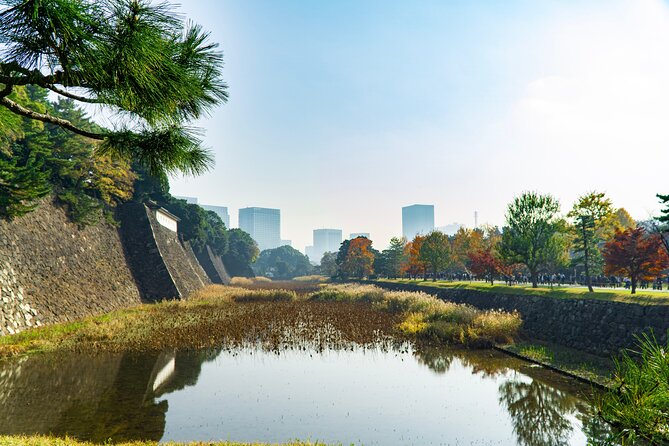
Tokyo’s Imperial Palace East Gardens give you a rare chance to walk across the former grounds of Edo Castle, where shoguns once ruled Japan. You will see stone walls, old castle foundations, formal garden spaces, and the quiet remains of a political center that once controlled the country.
I like the way this tour joins history to a pleasant outdoor walk. I also like the guides’ practical touch: Hitoshi, Shigeru, Naoko, Masahito, and Mikio have been especially praised for clear English, thoughtful pacing, visual explanations, and help with photos or onward directions. The main drawback is simple but important: you do not enter the Imperial Palace itself, and the gardens close on Mondays and Fridays.
In This Review
- Key points to know before you book
- Why the East Gardens are worth your time
- Meeting at Wadakura Fountain Park
- Tracing Edo Castle through stone and garden
- The garden walk and its changing mood
- The koi fish and other small details
- How the two-hour pace works
- What the $42 price really buys you
- Who will get the most from this walk
- Booking tips for a smoother visit
- Should you book the Imperial Palace East Gardens tour?
- FAQ
- Where does the tour meet?
- How long does the tour last?
- What is the price?
- Is the tour conducted in English?
- Does the tour enter the Imperial Palace?
- What are the East Gardens’ closing days?
- Are the gardens free to enter?
- Will bags be checked?
- Can I cancel for a refund?
Key points to know before you book
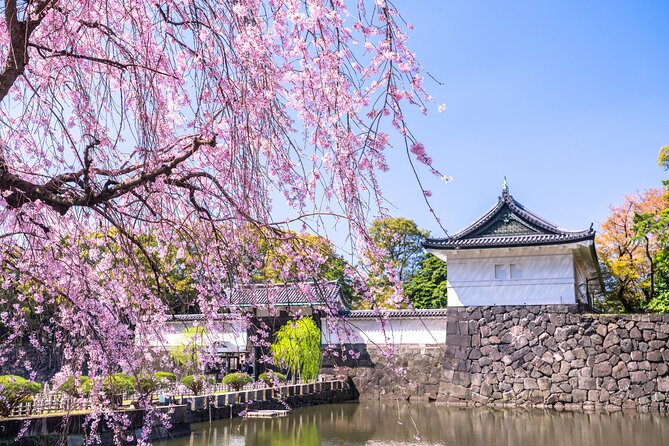
- Walk on former Edo Castle grounds: See surviving walls, foundations, gates, and spaces linked to the shoguns.
- A guide brings the ruins to life: Expect stories about shoguns, daimyo, ninjas, emperors, architecture, and Japanese customs.
- The pace is gentle: The two-hour walk includes time for questions, photographs, and garden viewing rather than a rushed march.
- Look for the unusual koi: The fish ponds are one of the tour’s more distinctive details, especially for families and anyone who enjoys gardens.
- Meet at Wadakura Fountain Park: Find the guide in front of the fountain and look for a sign marked Gotcha.
- Plan around closure days: The East Gardens are closed on Mondays and Fridays, and bags may be inspected at the entrance.
Why the East Gardens are worth your time
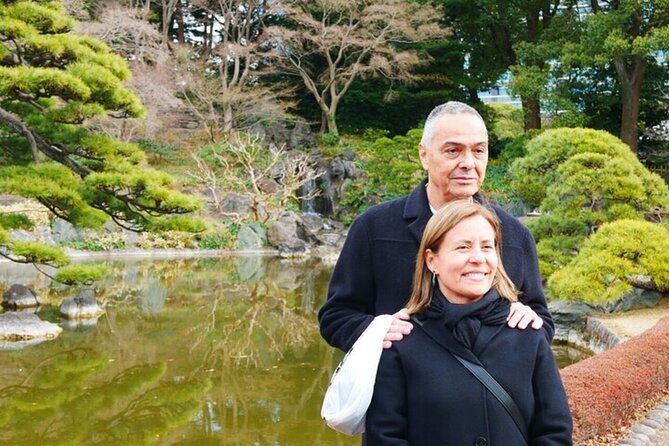
Tokyo can feel like a city of trains, towers, shopping streets, and neon. The East Gardens offer a welcome change of pace, but their value is not only visual. You are walking through the former heart of Edo, the old name for Tokyo, with a guide who explains why the stones, trees, ponds, and open spaces matter.
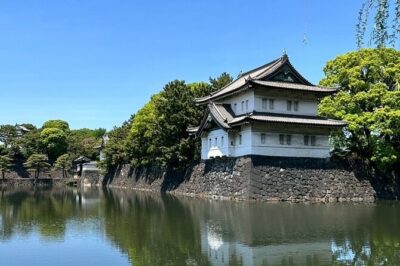
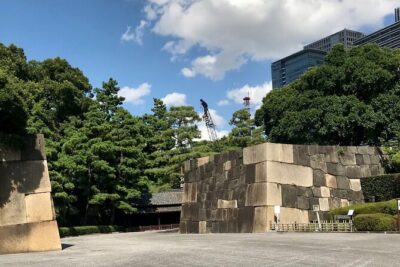
The garden occupies part of the old Edo Castle grounds. Much of the castle itself is gone, so this is not a tour of grand rooms filled with original furniture. Instead, you read the site through its surviving stonework, raised foundations, gates, walls, gardens, and carefully planned views.
That distinction matters. If you expect to enter a palace interior or see the private residence of Japan’s imperial family, this is the wrong activity. If you want to understand how power was organized in old Japan, while enjoying a peaceful green space in central Tokyo, the visit makes far more sense.
I find guided walks especially useful here because ruins can be hard to interpret on your own. A broad stone platform may look like little more than a wall until someone explains its role. A garden pond may seem purely decorative until you learn how design, status, and seasonal beauty shaped elite Japanese spaces.
A few more Tokyo tours and experiences worth a look

Meeting at Wadakura Fountain Park
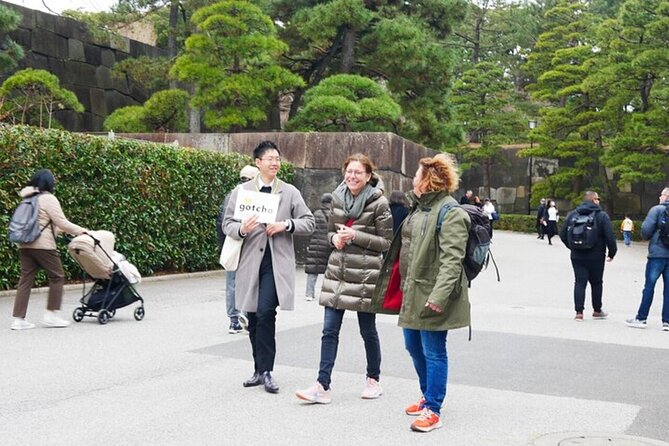
The tour begins at Wadakura Fountain Park, in front of the fountain. Your guide holds a sign saying Gotcha, which makes the meeting point easier to identify than a vague instruction such as meet near the palace.
Give yourself enough time to reach the fountain without rushing. The palace area is spacious, and a clear starting point matters in a city where several gates, parks, and grand avenues can look similar on a first visit.
The tour returns to the same place after about two hours. That is useful when you want to pair it with another central Tokyo activity, though you should leave room for the walk back to your station or next appointment.
At the entrance to the palace grounds, expect a baggage inspection. This is particularly important if you have been shopping in Tsukiji, Asakusa, or elsewhere. Japanese knives and other objects that could be used as weapons should be left in a coin locker or another secure place before you meet the guide.
That rule is easy to overlook. A shopping bag that seemed harmless earlier in the day can create a problem at the garden entrance, so plan your purchases around this visit.
Tracing Edo Castle through stone and garden
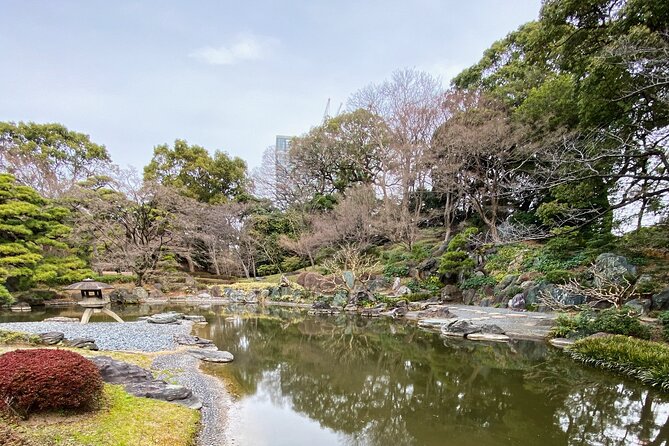
Once inside the East Gardens, your guide connects the present-day park to the castle that once occupied the site. Edo Castle was the base of the shogun, the military ruler who governed Japan for centuries, while the emperor remained a separate and important figure in the country’s political and cultural order.
You should expect a mix of broad paths, garden scenery, old castle remains, and explanatory stops. The charm comes from seeing modern Tokyo near you while standing in a place shaped by feudal power.
Guides such as Mikio have used photographs and visual aids to show how the site looked in earlier periods. That kind of material is useful because relatively little of the original castle complex remains. You are not simply looking at ruins. You are comparing what exists now with what once occupied the same ground.
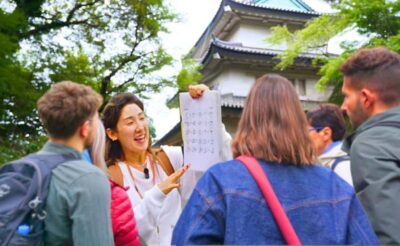
The stories may touch on shoguns, daimyo, ninjas, castle design, imperial history, and Japanese culture. The strongest guides adjust the explanation to the group. Hitoshi has been praised for making the subject clear and for taking time with questions. Naoko has been appreciated for a patient teaching style and visual explanations.
This is a good setting for families, too. A nine-year-old child was able to follow the historical explanation with help from an enthusiastic guide. The combination of walls, rulers, battles, gardens, and unusual customs gives younger visitors more to hold onto than a long lecture in a museum.
The garden walk and its changing mood
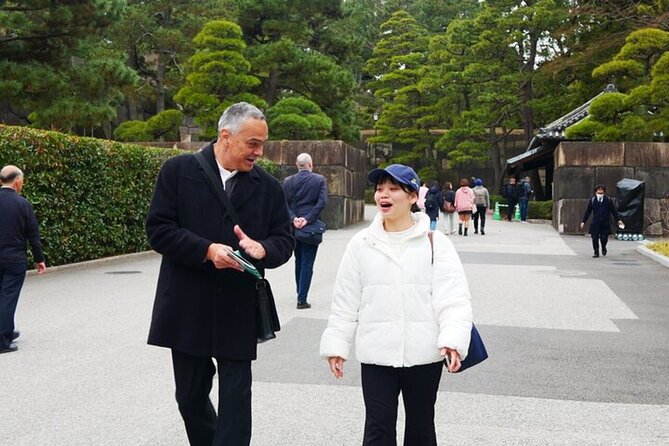
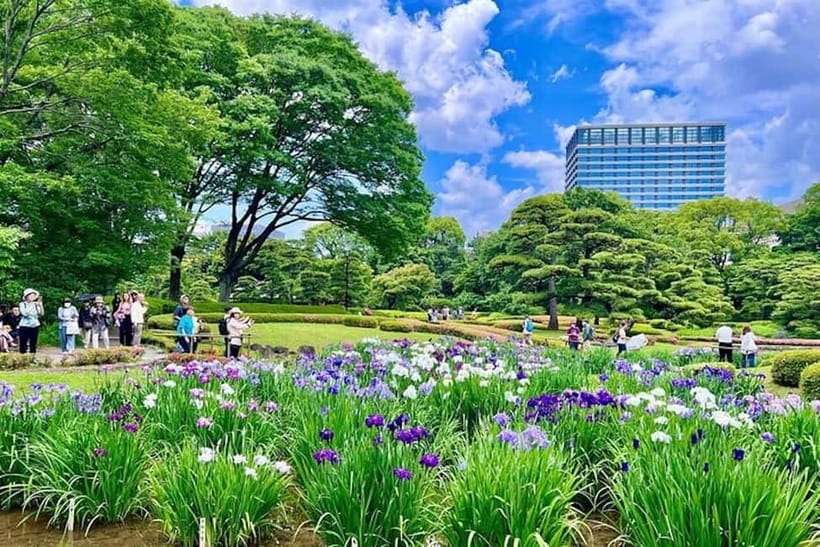
The East Gardens are not just a backdrop for history. They offer a slower, more restful part of the tour, with planted areas, ponds, open lawns, and carefully arranged views.
I like this balance. You get facts at a series of stops, then time to look around and enjoy the setting. The pace has been described as relaxed, and that seems important for anyone who wants to take photographs or simply notice the details rather than hurry from one explanation to the next.
The gardens also help explain Japanese ideas about space and restraint. A planted area can frame an old wall. A pond can soften the hard lines of a castle foundation. Trees and seasonal flowers change the feeling of the grounds through the year, giving the same historic site a different character in spring, summer, autumn, and winter.
Do not expect every moment to be a formal garden presentation. The tour is primarily about the East Gardens and their connection to Edo Castle, with cultural and historical context added along the way. If you want a specialist botanical tour, this may feel too broad. If you want a well-rounded introduction to the site, the mix works well.
Some guides may point out additional nearby sights or make time for a seasonal feature. Masahito, for example, helped a group see cherry blossoms in an adjacent park. That sort of extra stop can depend on conditions, timing, and the guide, so treat it as a pleasant possibility rather than a promised part of the route.
The koi fish and other small details
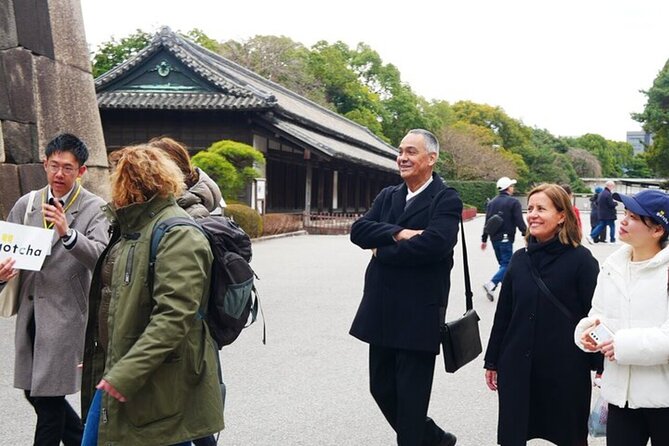
The tour specifically calls attention to a distinctive breed of koi fish. Even if you are not a fish enthusiast, this is the sort of small detail that can make a garden visit more memorable.
Koi add movement and color to a setting that might otherwise feel quiet and formal. They also give children an immediate point of interest while the guide explains larger ideas about Japanese gardens and culture.
The best moments on a historical walk are often these brief, concrete details. You may remember the name of a shogun, but you may also remember a fish pond, a stone arrangement, a tree, or the way a guide used a photograph to show a vanished building.
Guides have also helped with photographs, sometimes taking pictures at attractive spots. Shigeru was praised for doing this and for giving a folded origami crane to one group. Those personal touches are not guaranteed, but they show the kind of friendly, human approach you may receive.





How the two-hour pace works
Two hours is enough to get a useful introduction without taking over your day. The length suits a morning visit before lunch, an afternoon break between districts, or the first historic stop of a Tokyo stay.
You will be walking outdoors, so comfortable shoes are sensible. The pace is generally described as slow and manageable, with pauses for explanations and questions. Still, this is a walking tour across open grounds, not a seated attraction. Weather can shape the experience. One group enjoyed the visit despite heavy rain, but sunshine will clearly make the gardens easier to appreciate.
The guides appear willing to adapt when practical needs arise. Hitoshi received special praise for helping a wheelchair user during the visit, and other guides have slowed down for older participants or walked with people toward a subway station afterward. That does not replace checking the route with the operator if you have specific mobility needs, but it is a good sign for visitors who benefit from a considerate pace.
Group size is not specified, so you should not book expecting a private tour. The experience can work well in a group because the guide’s stories create a shared focus, though a larger group may make questions and photographs less personal.
English is the stated tour language. The guides praised by participants include Hitoshi, Shigeru, Naoko, Masahito, Mikio, Ayako, Hiroshi, and others. Your assigned guide may be different, but the repeated strength is clear English paired with a friendly, well-prepared presentation.
What the $42 price really buys you
At $42 per person, this is not the cheapest way to enter a garden, especially since the East Gardens themselves are free to enter. You are paying for interpretation, organization, and company rather than admission alone.
That can be worthwhile at a place like Edo Castle, where a self-guided walk may leave you wondering what you are looking at. A guide gives you a basic timeline, explains the connection between the shoguns and emperors, points out architectural remains, and adds cultural details that are easy to miss.
The value is strongest if you are visiting Tokyo for the first time, have limited time, or prefer learning through conversation. It is also useful if you want someone to answer questions rather than rely on signs or a guidebook.
The value is weaker if you already know Japanese history well, prefer to wander alone, or are comparing this with a full-day excursion to Nikko or Mount Fuji. One participant felt the price was high beside those longer outings. That is a fair comparison, but the experiences are different: this is a focused two-hour introduction in central Tokyo, not a full-day trip beyond the city.
I would judge the price by your priorities. For a couple or family that wants context and a calm start to the day, it is reasonable. For a budget visitor happy to read independently, the free gardens may be enough.
Who will get the most from this walk
I would recommend this tour to:
- First-time visitors who want a clear introduction to Tokyo’s political past.
- Families looking for history with gardens, ponds, ruins, and koi.
- Older visitors who prefer a measured pace and regular stops.
- Anyone interested in shoguns, emperors, castle design, or Japanese culture.
- Visitors who want a short activity that fits around other central Tokyo plans.
I would think twice if your main goal is entering the Imperial Palace. That is not part of the visit, and the inner palace is not open to the public through this activity.
I would also check the calendar before paying. Mondays and Fridays are closure days for the East Gardens, so those dates do not work.
Booking tips for a smoother visit
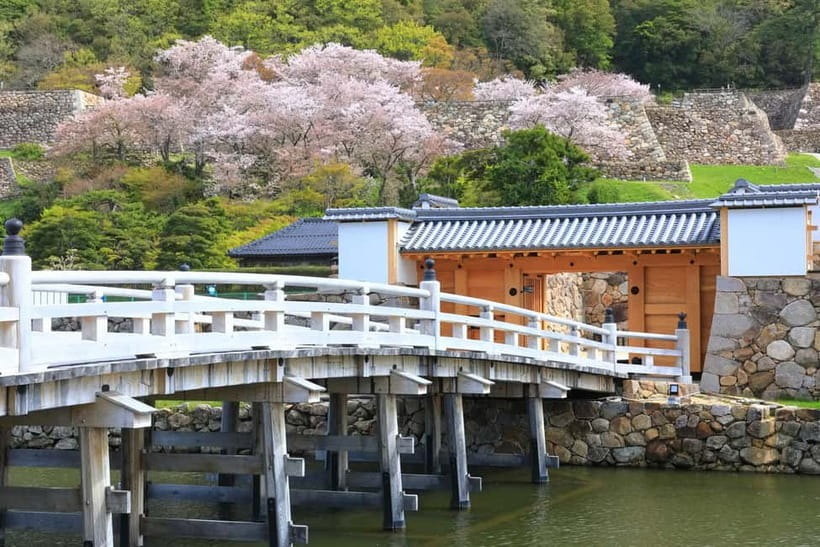
Choose a day when you can enjoy outdoor walking without squeezing the tour between tight reservations. The two-hour duration is fixed enough to plan around, but extra time may be useful if your guide answers many questions or helps you find your next stop.
Keep your bags light. The entrance inspection is part of the visit, and knives or similar objects from shopping trips should be stored before the meeting.
You can cancel up to 24 hours before the activity for a full refund, and the reserve-now, pay-later option allows you to hold a place without paying immediately. These policies are useful when your Tokyo schedule is still changing, but I would still confirm availability and starting times for your chosen date.
Should you book the Imperial Palace East Gardens tour?
Book it if you want the old castle grounds to make sense, not just look pretty. The gardens are peaceful, the ruins are meaningful, and the strongest guides turn scattered stones and open spaces into a readable story about shoguns, emperors, and Tokyo.
Skip it if you need palace interiors, a private imperial visit, or a full-day outing. For everyone else, this is a well-paced, compact history walk with unusual koi, useful cultural context, and guides who often go beyond the basic route by helping with photographs, questions, accessibility, or onward directions.
FAQ
Where does the tour meet?
Meet your guide in front of the fountain at Wadakura Fountain Park. The guide will hold a sign saying Gotcha.
How long does the tour last?
The guided walk lasts two hours and returns to Wadakura Fountain Park.
What is the price?
The cost is $42 per person.
Is the tour conducted in English?
Yes. The tour includes a live English-speaking guide.
Does the tour enter the Imperial Palace?
No. The tour visits the East Gardens and does not enter the Inner Palace. The Inner Palace is not open to the public through this activity.
What are the East Gardens’ closing days?
The East Gardens are closed on Mondays and Fridays.
Are the gardens free to enter?
The East Gardens themselves are free to enter, but this activity charges for the guided walking experience.
Will bags be checked?
Yes. Visitors may be subject to a baggage inspection when entering the Imperial Palace grounds.
Can I cancel for a refund?
You can cancel up to 24 hours in advance for a full refund. You can also reserve now and pay later.
More Imperial Palace & Shogun Tours in Tokyo

More tours in Tokyo we've reviewed









Imperial Palace & Shogun Tours, compared.
 ★ 5.0Tokyo: Imperial Palace and Shogun Historical Walking TourFrom $22
 ★ 4.9Tokyo: Imperial Palace Japanese History Walking TourFrom $32
 ★ 4.9Tokyo: Imperial Palace and Shogun Walking TourFrom $162 hours
 ★ 5.0Imperial Palace East Garden and Edo Castle Walking Tour in TokyoFrom $25
 ★ 4.8Tokyo: Imperial Palace East Gardens Walking TourFrom $192h 30m
 ★ 4.5Tokyo: Imperial Palace, Sensō-ji Temple, & Tokyo Tower TourFrom $404 hours