
Reviewed · PRIVATE
Tokyo Countryside Exploration Private Tour
Tokyo’s rail lines and neon streets can make Japan feel wonderfully intense. This private day out shows you another side: quiet mountain roads, old temples, waterfalls, and small shrines where international tourism is far less visible. The scenery begins to change as you leave the city, and the day becomes as much about the drive as the stops.
I like the tiny group size, capped at five, and I like the way guide Jeremy Owen brings personal discoveries into the route. He and Julian share stories about Japanese culture, local history, and places Jeremy found while riding his motorcycle. The main drawback is the price, $280.94 per person, and the full 8 to 9 hours on winding mountain roads may not suit anyone who wants a relaxed urban day.
In This Review
- Key points to know before booking
- Why this countryside trip feels different from Tokyo sightseeing
- Hanno’s bamboo temple and the story of Gozu
- Koma Shrine and Japan’s Korean connections
- Ne-no-gongen, mountain views, and prayers for healthy legs
- Ogose-machi, waterfalls, and the Dragon Taming Temple
- The torii pagoda and the story of Xuanzang
- Arima Dam and the rural road between the stops
- What $280.94 per person buys you
- Who will enjoy this day most
- Should you book the Tokyo countryside tour?
- FAQ
- How long does the Tokyo countryside tour last?
- How much does the tour cost?
- How many people can join the private tour?
- Is pickup available?
- Which places are included?
- Is the tour available in poor weather?
- Can I cancel the tour for free?
Key points to know before booking
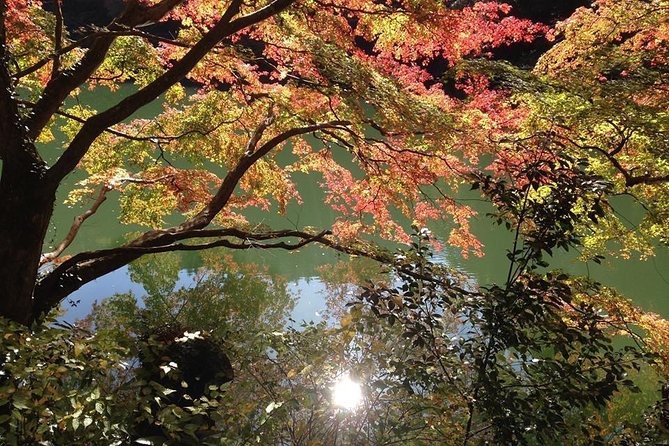
- A real break from central Tokyo: Spend the day in rural Saitama, among wooded mountains, temples, shrines, and waterfalls.
- Private group of up to five: You do not share the experience with a large coach party, so the day can feel personal and conversational.
- Several unusual religious sites: The route includes a bamboo temple dedicated to Gozu, Koma Shrine, Ne-no-gongen, a Dragon Taming Temple, and a torii pagoda.
- Jeremy and Julian add local color: Expect plenty of explanation about Japan, along with stories behind out-of-the-way places.
- Arima Dam adds a film connection: You drive past the lake associated with the setting that inspired My Neighbor Totoro.
- Weather matters: The experience requires good weather, though rain can make the forest and temple grounds especially atmospheric.
Why this countryside trip feels different from Tokyo sightseeing
The best reason to book this experience is simple: it changes your sense of Japan. Tokyo is efficient, crowded, bright, and packed with famous sights. This day takes you into the surrounding mountains, where the pace is slower and the attractions are often a shrine tucked beside a forest road or a temple reached after a climb.
You are not signing up for a polished procession of major landmarks. Instead, you spend time at places that can feel modest at first glance, then become more interesting as your guide explains their religious stories and local importance. That makes the guide a central part of the experience. Jeremy is described as warm, talkative, and full of stories, while Julian also helps explain Japanese culture and history.
The private format matters here. With no more than five people, you can ask questions without shouting across a bus. You can also spend your attention on the scenery rather than on a schedule designed for dozens of people. This is especially useful for families or friends who want a day shaped around conversation and curiosity.
Still, keep your expectations clear. This is not a quick countryside photo stop followed by a return to Tokyo. The drive takes much of the day, and the sites are spread through mountain areas. If you prefer major castles, famous gardens, or a tightly packed list of headline attractions, you may find the route too specialized.
Other private tours in Tokyo
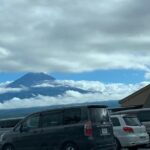

Hanno’s bamboo temple and the story of Gozu
The first stop is in Hanno, at an old temple surrounded by bamboo and mountains. You have about 40 minutes here, with no admission charge listed. The bamboo gives the site a calm, enclosed feel, and the mountain setting immediately tells you that this is a very different Japan from the city below.
The temple is dedicated to Gozu, described as a Buddhist king with the head of a cow and the body of a man. That unusual image alone makes the stop memorable. Japanese religious sites often contain layers of Buddhist and local belief that are not obvious from a quick look, so this is a good place to listen closely to the guide rather than simply take pictures and leave.
You may also see timid wild deer and monkeys around the temple grounds. The wording matters: these animals are shy, not tame, and sightings are not guaranteed. Do not approach them or expect a wildlife show. Their presence adds a slightly mysterious touch to an already quiet setting, but the bamboo, mountain air, and temple story remain the main reasons to stop.
Forty minutes is enough for a short walk and photographs, though not for a long exploration. Wear shoes that are comfortable on uneven ground, especially if you plan to move around rather than stay near the entrance.
Koma Shrine and Japan’s Korean connections
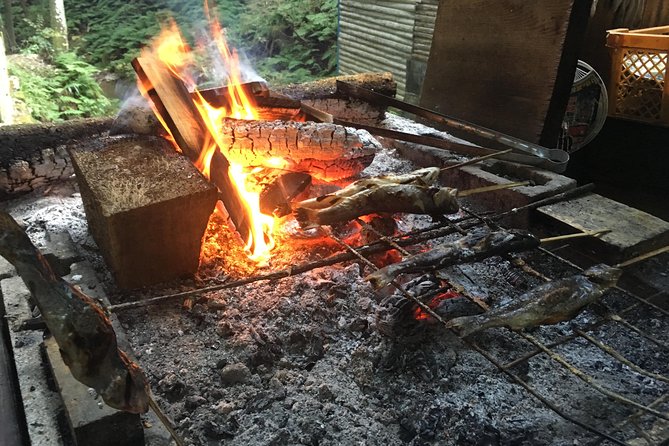
Next comes Koma Shrine in Saitama Prefecture, also with roughly 40 minutes and no listed admission fee. The shrine is connected with Korean kings of the Tang Dynasty, giving the stop a useful reminder that Japanese culture was shaped by movement across East Asia.
This is one of the route’s strongest educational moments. Tokyo sightseeing can make Japan seem self-contained, but shrines such as Koma point toward older links with the Korean Peninsula and China. Your guide can help give meaning to the names, statues, and buildings you see, which is far more useful than receiving only a quick translation.
The stop is not presented as a major sightseeing complex, so do not expect the scale of Meiji Shrine or the crowds of Asakusa. That is part of the appeal. You are visiting a religious site in a quieter setting, with time to notice the surroundings and ask questions.
The route’s religious focus also means the day rewards visitors who enjoy cultural context. If temples and shrines already feel repetitive to you, five related stops may be more than you want. If you like seeing how belief, legend, and regional history connect, the variety within the stops keeps the day moving.
Ne-no-gongen, mountain views, and prayers for healthy legs
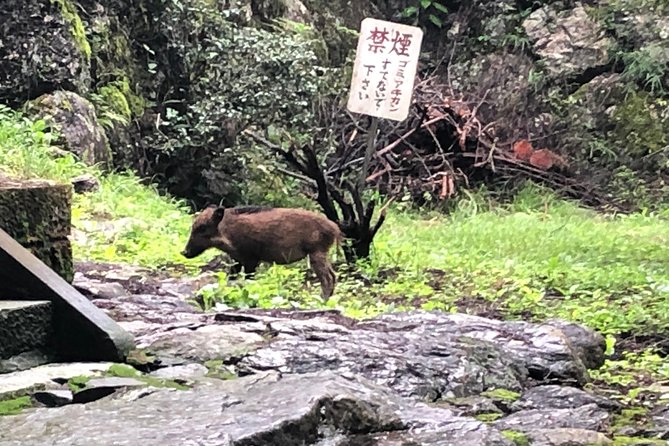
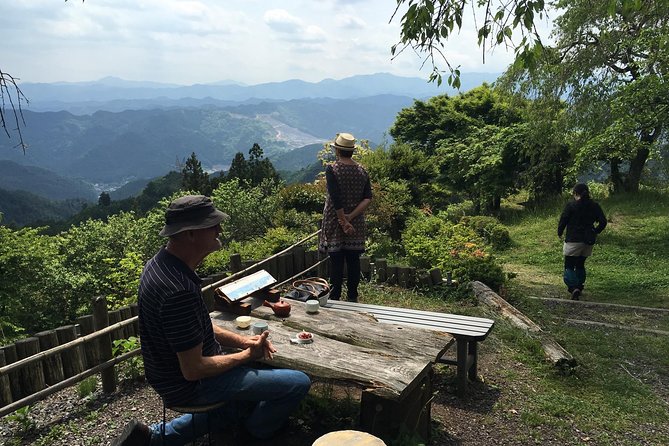
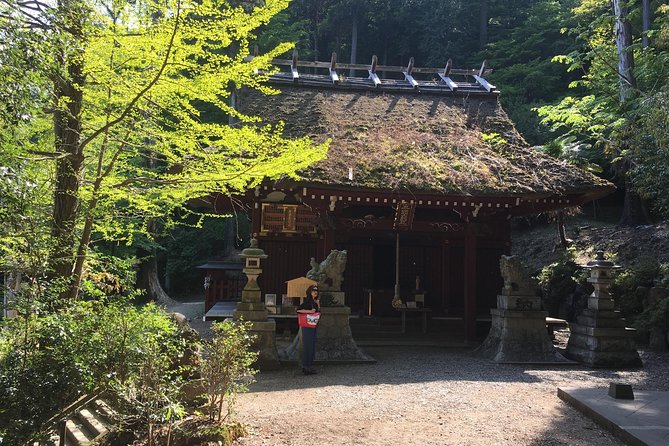
Ne-no-gongen Shrine is nearby, high in the mountains. You spend about 40 minutes here, and the site is known as a place to pray for healthy legs and backs. That gives the stop a practical, human quality. People do not visit religious places only for grand architecture. They also come with ordinary hopes for health and strength.
The shrine offers beautiful views for hikers, though the available description does not promise a long hike or specify how far you walk. You should think of this as a mountain shrine visit with some walking, not as a dedicated trekking excursion. Ask Jeremy about the walking conditions on the day if mobility is a concern.
This is also a good point to appreciate the private vehicle. Public transport can reach many major Tokyo sights, but a route linking small mountain shrines and rural temples would be much harder to manage independently in one day. The driver and guide handle the connections while you watch the scenery change outside the window.
The drawback is that mountain roads and elevated sites can be tiring. If you are sensitive to winding drives, or if you want a day with very little walking, this stop deserves special thought.
Ogose-machi, waterfalls, and the Dragon Taming Temple
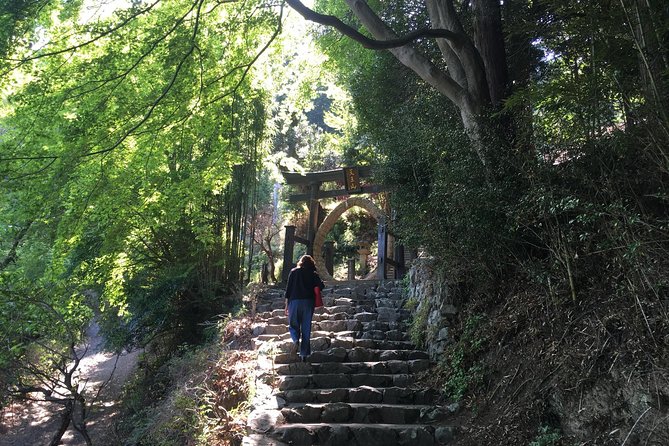
In Ogose-machi, the tour turns to a mix of mountain scenery, temples, shrines, and waterfalls. You have about 30 minutes at this part of the route. That is a shorter stop, so expect an introduction to the area rather than an extended walk through every feature.
The unusual centerpiece is the Dragon Taming Temple. Its monk is said to have telepathy with the carp in a pond beside the temple. It is an odd, charming story, and exactly the kind of detail that gives this day its character. You are not simply ticking off another temple. You are hearing a local tale that might never appear in a standard Tokyo guidebook.
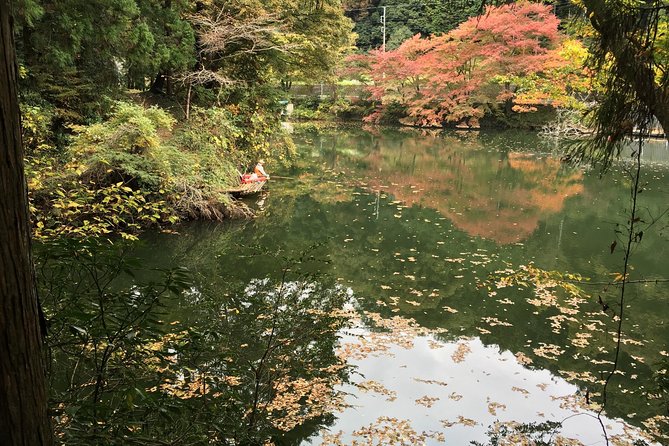
The waterfalls add a natural break between the religious sites. You get a chance to focus on running water, trees, and mountain air, rather than only on buildings and statues. In wet weather, the forest can look especially atmospheric. One visitor found that rain made the forest and sites more beautiful, but poor weather can also make walking less comfortable and may lead to cancellation.
The 30-minute limit means you should stay aware of time. This is not the place to wander off alone in search of every viewpoint. Keep the group moving, and let the guide point out the parts that matter most.

The torii pagoda and the story of Xuanzang
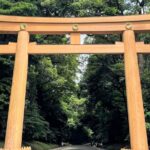
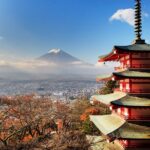
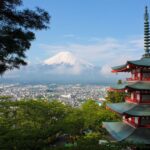
Another 40-minute stop takes you to a torii pagoda in the mountains of Saitama. The structure once held the bones of Xuanzang, the Chinese monk who traveled to India during the Tang China period.
The site brings together architecture, Buddhist tradition, and the long movement of ideas across Asia. It also gives the day another distinctive visual subject. A torii pagoda is not the kind of sight most people encounter while following Tokyo’s usual first-time route, and the mountain setting makes it feel removed from the city’s busy rhythm.
As with Koma Shrine, the value comes from the explanation. Without context, you may see an unusual gate-like structure and move on. With a guide, you can connect it to Xuanzang’s travels and the religious exchange between China, India, and Japan.
The tour does not promise long visits at each location, so the experience works best if you enjoy a series of short discoveries. You will see several sites, hear their stories, and spend time on the road between them. It is less suited to anyone who wants one grand temple with an hour or two for careful architectural study.
Arima Dam and the rural road between the stops
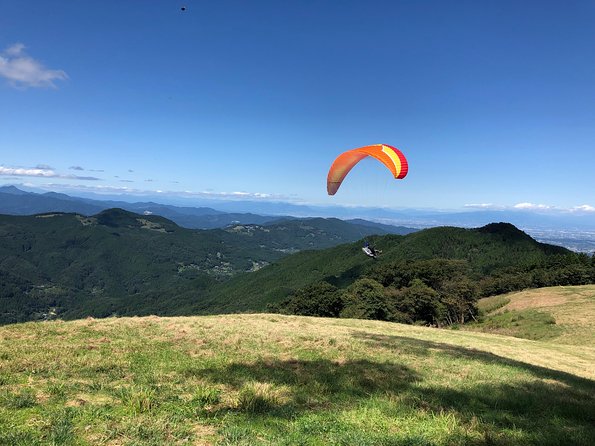
The drive past Arima Dam is not listed as a timed stop, but it adds another appealing piece to the day. The lake is associated with the setting and inspiration for My Neighbor Totoro. Even if you are not visiting specifically for the film connection, the dam and surrounding mountains help explain why this area has such a strong rural feel.
Do not expect a theme park or a formal film attraction. This is a drive-by connection to the scenery. Its value is in seeing the kind of wooded setting that helped shape a beloved animated world, while also getting a look at a part of the Tokyo region many visitors never reach.
The road time is important to the overall experience. Jeremy is praised for being a good driver and for making the journey interesting with stories about Japan. That matters because the tour includes several transfers. You should see the vehicle time as part of the day, not as wasted time between attractions.
Pickup is offered, but confirm the exact time and meeting details carefully. One account describes confusion when the planned 9:00 AM pickup shifted earlier because of light traffic, causing inconvenience. Clear communication on the morning of the tour is worth seeking, particularly if you have a tight evening plan.
What $280.94 per person buys you
At $280.94 per person, this is not a budget day trip. The price makes the most sense for a small private group that values a driver, a personal guide, and access to several hard-to-link rural sites in one day.
For two people, the cost is significant. For four or five people sharing the private experience, the per-person value improves. You are paying for more than admission, since the listed stops have no admission charge. You are mainly paying for transport, time, planning, and guide attention in an area that would be awkward to cover independently.
The tour is also a good match for repeat visitors to Tokyo. If you have already seen the major districts and want a quieter day with a different subject, the price may feel more justified. First-time visitors with only a short stay may prefer to keep their limited days in Tokyo or choose one famous day trip.
The booking pattern, with reservations made about 77 days ahead on average, suggests that planning early is sensible. That is particularly true if you need a certain date or are traveling with a small group.
Who will enjoy this day most
I would recommend this experience to you if you like:
- Rural scenery more than famous city landmarks
- Religious sites with unusual stories
- Small groups and plenty of guide conversation
- Scenic drives through mountain areas
- Flexible cultural learning rather than a rigid sightseeing checklist
- A full day outside Tokyo
Families can do well here, especially if your children enjoy unusual legends, animals, and changing scenery. One account describes a 15-year-old staying engaged through the day, which suggests Jeremy’s storytelling can help hold the attention of older children and teenagers.
You should think twice if you dislike long drives, have difficulty with uneven paths, or want guaranteed wildlife sightings. The deer and monkeys are shy, and the mountain setting means conditions can change. The experience requires good weather, and cancellation for poor weather brings either another date or a full refund.
Service animals are allowed, the tour is near public transportation, and most people can participate. Those details help, but they do not replace asking about your own mobility needs before booking.
Should you book the Tokyo countryside tour?
Book it if you want to trade Tokyo’s famous sights for a day of mountain roads, curious temple legends, and quiet rural Japan. Jeremy Owen and Julian give the route its human side, while the private group of up to five keeps the experience personal.
Skip it if your budget is tight, your schedule cannot spare 8 to 9 hours, or you want major landmarks with long, leisurely visits. For the right person, though, this is an excellent change of pace and a useful reminder that Japan extends well beyond the city center.
You can cancel for a full refund up to 24 hours before the start time. Cancellations or changes made within 24 hours are not refunded or accepted, and weather-related cancellation offers a different date or full refund.
FAQ
How long does the Tokyo countryside tour last?
The experience lasts approximately 8 to 9 hours.
How much does the tour cost?
The listed price is $280.94 per person.
How many people can join the private tour?
The group is limited to a maximum of five people, and only your group participates.
Is pickup available?
Yes. Pickup is offered, and the experience also has a mobile ticket.
Which places are included?
The route includes a bamboo temple in Hanno, Koma Shrine, Ne-no-gongen Shrine, sites in Ogose-machi including the Dragon Taming Temple and waterfalls, a mountain torii pagoda in Saitama, and a drive past Arima Dam.
Is the tour available in poor weather?
The experience requires good weather. If it is canceled because of poor weather, you can choose a different date or receive a full refund.
Can I cancel the tour for free?
Yes. You must cancel at least 24 hours before the local start time for a full refund. Cancellations and changes made less than 24 hours before the start time are not accepted.
More Private Tours in Tokyo

More tours in Tokyo we've reviewed






Private, compared.
 ★ 5.0Tokyo 6hr Private Tour with Government-Licensed GuideFrom $155
 ★ 5.0Private Tour to Mt. Fuji and Hakone (Fully Licenced Operator)From $497
 ★ 5.0Tokyo Customized Private Tour (Must See Places in 1 Day)From $145
 ★ 4.9Mount Fuji Full-Day Private Tour from Tokyo (Customizable)From $393
 ★ 4.8Tokyo: Private City Highlights Tour with Local GuideFrom $1064 - 8 hours
 ★ 5.0Private Custom Tour: Tokyo in a DayFrom $159