
Reviewed · SHIBUYA TOURS
Tokyo: Daikoku PA & Shibuya Private Tour in a WRX STI
Tokyo’s famous car culture makes the most sense after dark, when the city lights, expressway tunnels, and polished Japanese sports cars all come together. This private tour puts you in the passenger seat of a modified Subaru WRX STI for a guided run from Shibuya to Daikoku PA and the Tokyo Bay area.
I like the personal format, since Max can talk cars, Japan, restaurants, and local stops without a group schedule getting in the way. I also like that the tour includes highway tolls, fuel, a private guide, and time at major car spots such as Daikoku PA and Autobacs.
The main thing to consider is that Daikoku Parking Area can close without warning, and the number of cars there changes from night to night. This is also a passenger experience, not a driving lesson, and anyone prone to motion sickness should think twice.
In This Review
- Key things to know before booking
- Why this Tokyo car tour feels different
- Meeting in Shibuya and setting off at night
- The Wangan Expressway and Tokyo Bay views
- Daikoku Parking Area, the evening’s big stop
- Autobacs for parts, accessories, and Japanese car culture
- Tokyo Tower, Rainbow Bridge, and Shibuya after the car meets
- The guide makes or breaks the evening
- What car will you actually ride in?
- Is $216 a good value?
- Who should book this experience?
- Should you book the WRX STI Daikoku tour?
- FAQ
- Is this a private or shared tour?
- Do I get to drive the Subaru WRX STI?
- Where does the tour start?
- What places are included?
- What happens if Daikoku Parking Area is closed?
- Is hotel drop-off available?
- Are gasoline and highway tolls included?
Key things to know before booking
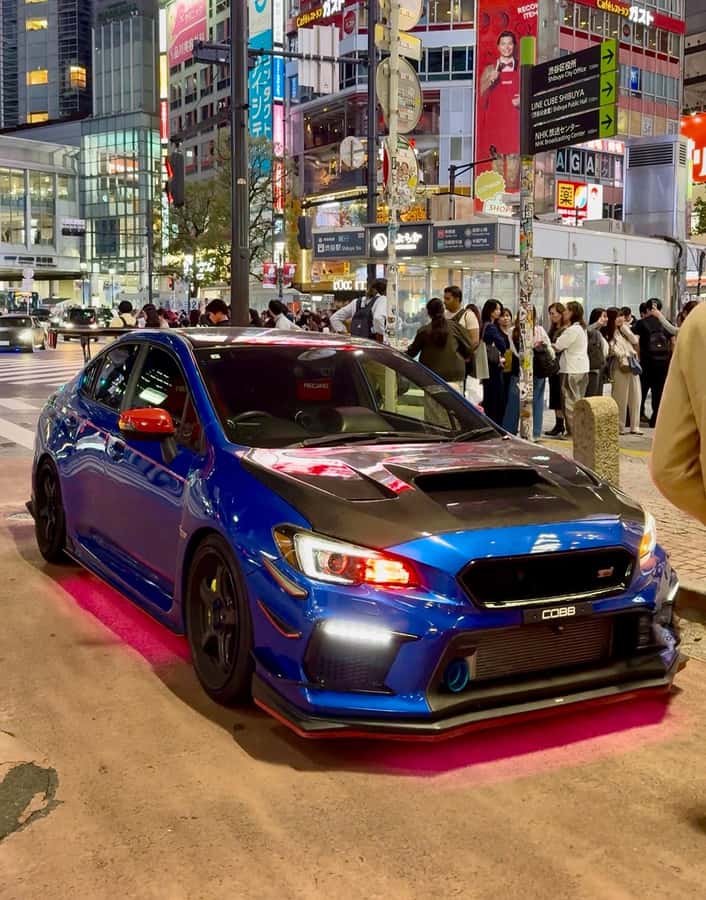
- You ride in a modified JDM sports car: The experience is advertised around a Subaru WRX STI, with past rides also mentioning Nissan Z models, so confirm the exact vehicle before booking.
- Daikoku PA is the main event: This famous parking area can fill with Japanese classics, tuned cars, supercars, and unusual imports, but access is never guaranteed.
- Max is the guide to request: He speaks English and Japanese and shapes the evening around your interests.
- The route mixes car culture with Tokyo sights: Expect Shibuya, the bayside expressways, Rainbow Bridge, Autobacs, and Tokyo Tower.
- This is a private passenger tour: You do not drive the car, and it is not a taxi or general transport service.
- The $216 price buys a specialized night out: Fuel, tolls, guide service, and club membership are included, but food, drinks, and Tokyo Tower admission are not.
Why this Tokyo car tour feels different
Many Tokyo sightseeing tours keep you on foot or in a large coach. This one gives you a moving view of the city from a low-slung sports car, with music playing and the guide explaining the cars, roads, and customs around you.
The point is not simply to get from one attraction to another. The drive itself is part of the experience. You cross the city at night, pass through the Tokyo Bay area, and head toward a parking area where car owners gather to show their work and talk shop.
I especially like the access to conversation. Max is not just there to point out a landmark. He can explain Japanese car culture, modifications, motorcycles, local life, and practical Tokyo tips. Families have found the format useful too. One parent booked it for two car-mad sons, ages 11 and 16, and found that Max adjusted the evening to their questions and interests.
That flexibility matters. If you know your turbochargers from your suspension setups, you can talk details. If you are simply curious about why Daikoku PA matters, you can ask basic questions without feeling out of place.
A few more Tokyo tours and experiences worth a look
Meeting in Shibuya and setting off at night
The meeting point is outside the Starbucks on Shibuya Fire Dori, about a two-minute walk from Shibuya Tower Records. That is a useful location, but Shibuya traffic can be heavy, so allow extra time to get there.
Once you meet your guide, you settle into the car and begin the evening. The ride is private rather than shared, so the pace and conversation can be shaped around your group. You can discuss which sights matter most, how much time you want at the car stops, and what kinds of cars you hope to see.
The tour is designed for passengers only. You should not expect to take the wheel, test the car yourself, or receive instruction in performance driving. The thrill comes from riding in a modified JDM car while your guide handles the route.
Max’s English is described as fluent, and he also speaks Japanese. That makes a real difference at car meets, where your guide can explain what you are seeing and help you understand the local scene rather than leaving you to identify cars on your own.
The Wangan Expressway and Tokyo Bay views
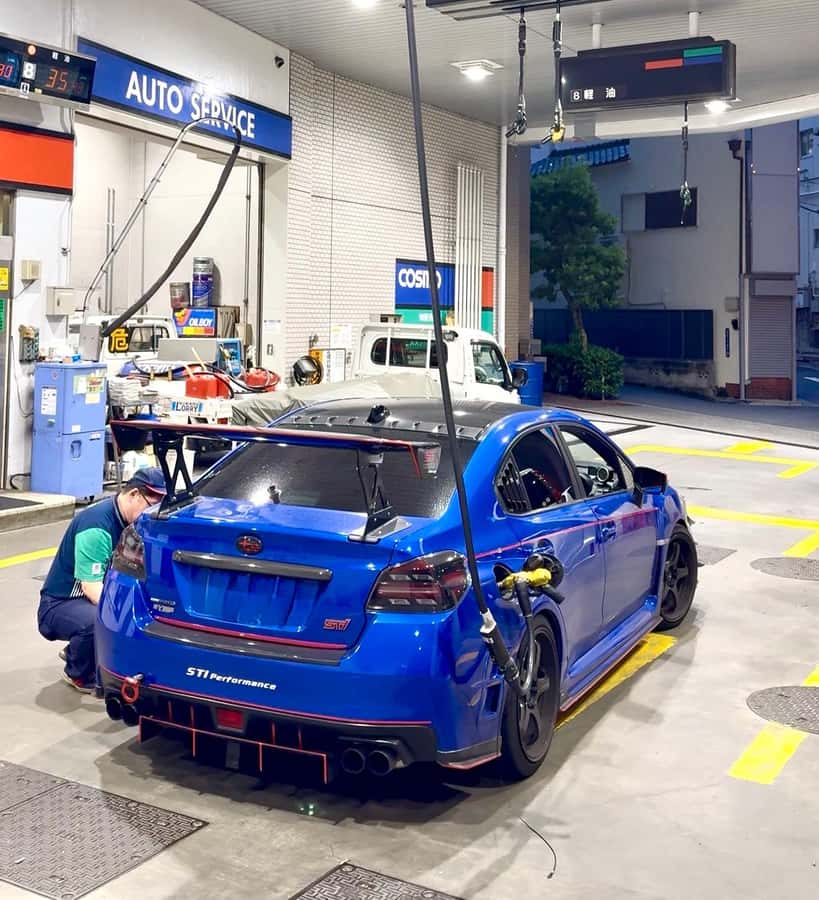
The route uses the Wangan Expressway, one of the roads most closely linked with Tokyo’s performance-car culture. From the passenger seat, you get the sensation of moving through Tokyo’s long tunnels, elevated roads, and illuminated waterfront routes.
The driving is a major part of the appeal, especially if your idea of Tokyo includes the sleek night scenes of racing games and films. Several stops and viewpoints around the bay may be included, with the route often passing Rainbow Bridge and other city landmarks.
You should keep expectations sensible. This is not a legal street-racing show, and traffic can affect the pace. Leaving Shibuya may take time, especially on a Friday night. The experience is better understood as a guided ride through the city’s car culture, not a guaranteed high-speed run.
That distinction makes the tour more useful for most people. You see Tokyo as a working city, with expressways connecting distant districts, rather than as a string of isolated tourist sights.
Daikoku Parking Area, the evening’s big stop
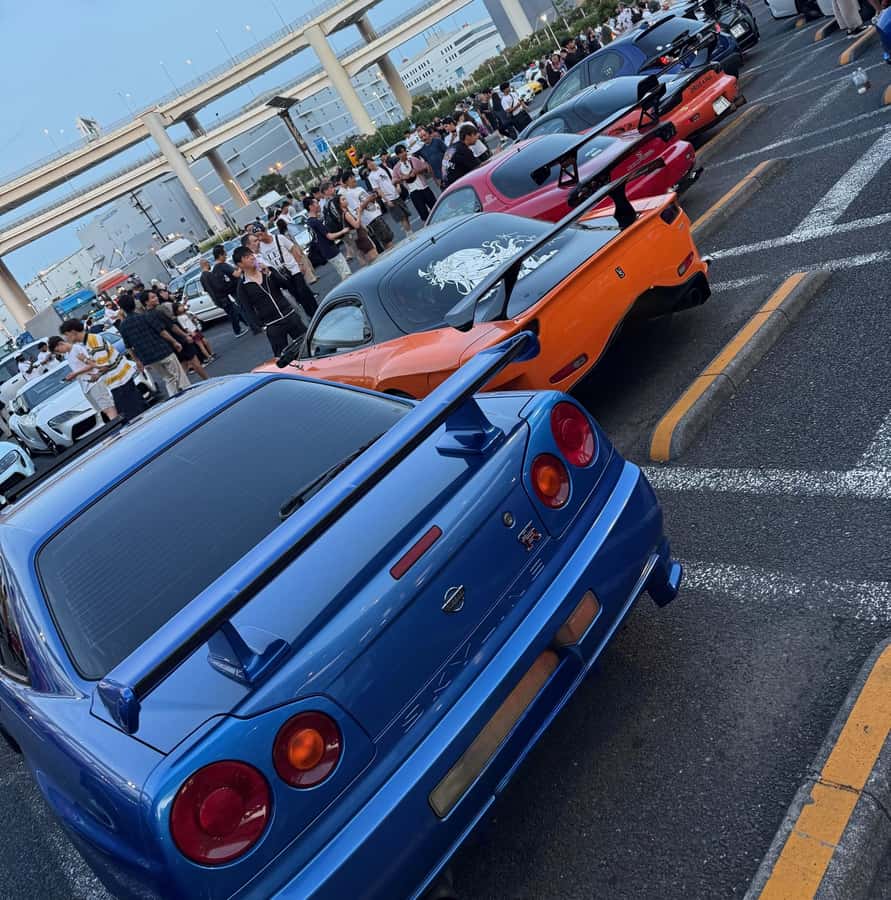
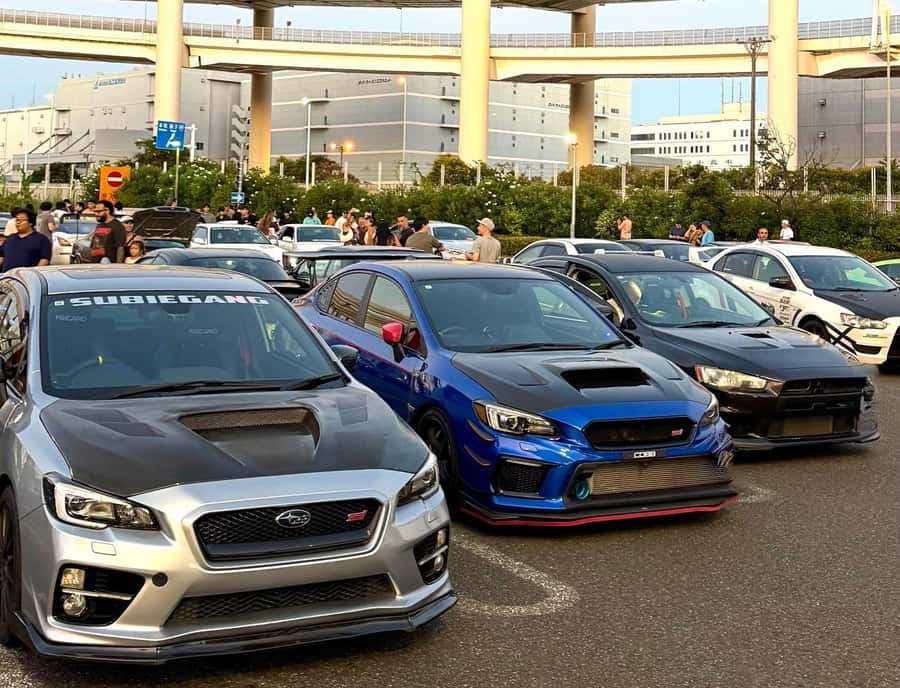
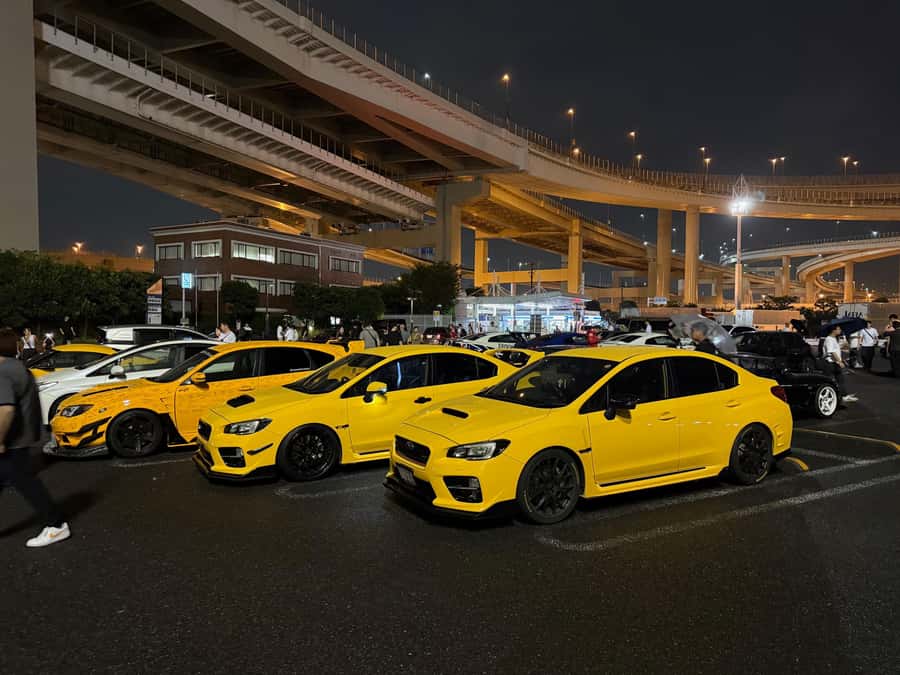
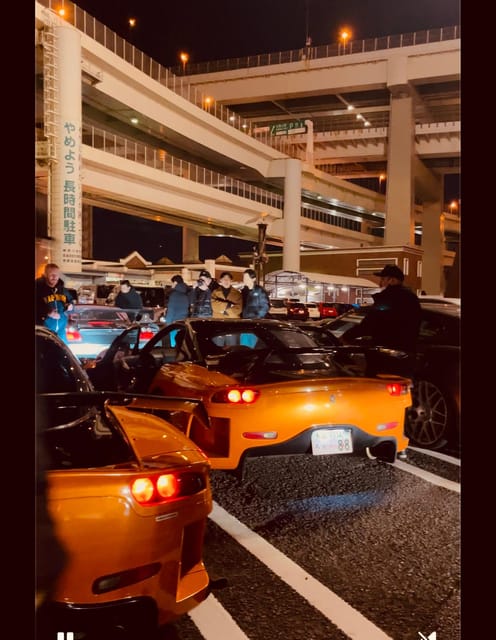
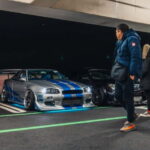
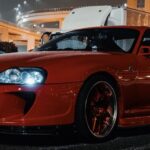
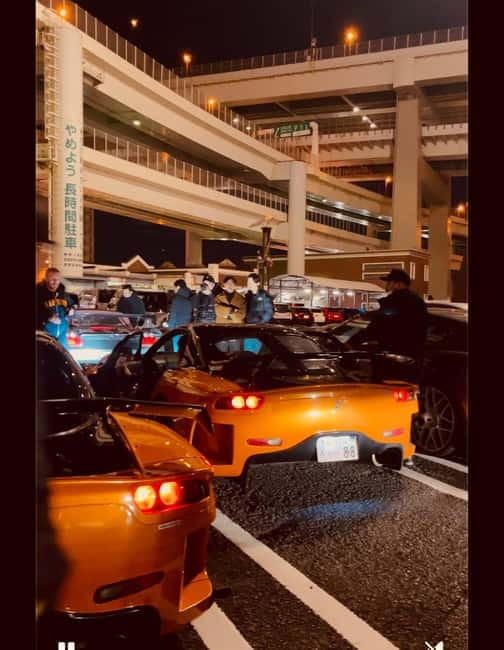
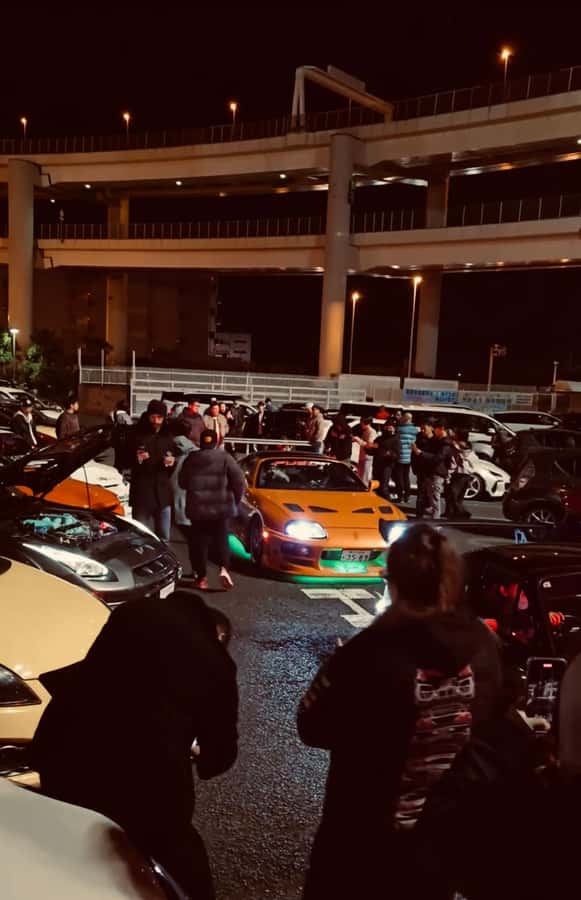
Daikoku PA is the reason many people book this tour. Located in the Yokohama area outside central Tokyo, it is a well-known meeting point for car enthusiasts. The parking area can bring together Japanese sports cars, classic vehicles, heavily modified cars, European models, and occasional oddities.
What you see depends entirely on the night. A Friday can be especially lively, but no evening guarantees a particular car or a large gathering. You might see Ferraris, Aston Martins, classic Japanese cars, Minis, or even a rare DeLorean registered in Japan. You might also arrive on a quieter night and find only a modest selection.
That unpredictability is part of the real appeal, but it is also the tour’s main limitation. Daikoku PA may close without prior notice, and the tour cannot control how many cars are present. If access is blocked, FuryTours plans to visit alternative car meeting spots instead.
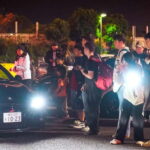
Your guide adds value here. Max can show you the details that are easy to miss, from engine work and body kits to the difference between a factory model and a personal build. You also have time to take photos and videos, so bring a camera or make sure your phone has enough battery.
Be respectful at the parking area. You are entering a place where people gather around their own cars, not a staged museum display. Ask before photographing people closely, avoid touching vehicles, and follow your guide’s instructions.
Autobacs for parts, accessories, and Japanese car culture
The Autobacs stop gives the tour a different angle. Daikoku is about people and their cars. Autobacs shows the retail side of the scene, with car parts, accessories, modification supplies, and souvenirs.
The A-PIT Super Autobacs location near the Tokyo Bay route can be a fun stop even if you are not planning to modify a vehicle. Car enthusiasts can browse products that may be hard to find at home, while less technical visitors can see how deeply car accessories are woven into Japanese motoring culture.
You are given time to shop, and this may be one of the more practical stops if you want to take home a small souvenir. Still, remember that meals and drinks are not included, and purchases at Autobacs are your own responsibility.
I would treat this as a browsing stop, not the main reason to book. Its value comes from the contrast with Daikoku. One location lets you watch the culture in action. The other lets you see the products that support it.
A few more Tokyo tours and experiences worth a look
Tokyo Tower, Rainbow Bridge, and Shibuya after the car meets
The tour does not leave you with car parks and expressways alone. Tokyo Tower is often used as a photo stop, particularly when it is lit at night. You may also pass beneath or near the tower, depending on the route and traffic.
Rainbow Bridge gives you another good city view. From the car, the crossing becomes part of the night ride rather than a separate sightseeing stop. You can also expect a run through Shibuya, including the area around the famous scramble crossing.
These moments help balance the tour. If you are traveling with someone who is not a serious car enthusiast, the city sights and night drive give them more to enjoy. One family found that even the non-car-loving parent became interested once Max explained the cars and added local recommendations.
Tokyo Tower admission is not included, so do not expect an interior visit as part of the package. The emphasis is on seeing and photographing the tower from outside.
The guide makes or breaks the evening
The strongest reason to choose FuryTours is the guide. Max is repeatedly described as friendly, easy to talk with, and deeply interested in cars and Tokyo. That matters because a car meet can otherwise feel like a row of vehicles without much context.
He also appears comfortable with different types of groups. He has guided solo car fans, couples, families, and groups with several tall adults. One father and his 60-year-old son both enjoyed the ride, while another family appreciated how well he handled younger children’s questions.
Max also gives practical suggestions for the rest of your stay, including restaurants, locations, and car-related places to visit. Some participants have continued asking him for help with Japanese cars after the tour, including advice about importing a Nissan Skyline to Australia.
That personal contact is a benefit, but it also means the experience is closely tied to the guide you receive. Max is the named guide in the supplied information and the person most often associated with the experience. If having him matters to you, ask FuryTours when you book.
The listed languages are English, Japanese, Singhalese, and Korean. For English speakers, the communication should be straightforward, though it is still smart to provide your Instagram or WhatsApp contact before the tour for easier coordination.
What car will you actually ride in?
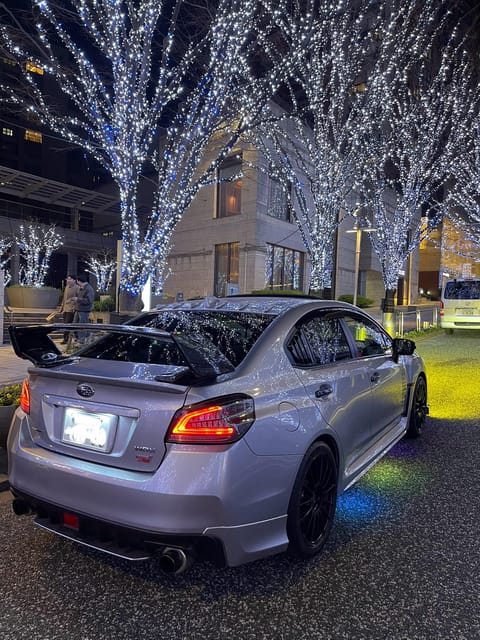
The tour is presented as a ride in a fully modified Subaru WRX STI. That is a strong draw for fans of rally-bred Japanese performance cars and anyone who wants the sound and feel of a serious sports sedan.
Some past experiences have used or mentioned other cars, including a Nissan 350Z and a blue Nissan Z. This suggests that the available vehicle may change. Do not assume that booking guarantees one specific car unless FuryTours confirms it directly.
That is not necessarily a problem. A 350Z offers a different character from a WRX STI, but both fit the JDM theme. Still, the distinction matters if you are booking specifically for the Subaru.
The car is not simply transportation. It is the center of the evening, so ask about the exact vehicle, seating capacity, and passenger arrangement before paying. The advertised experience is private, but the description does not give a fixed maximum number of passengers.
Is $216 a good value?
At $216 per person, this is not a cheap way to get around Tokyo. You can visit Shibuya, Tokyo Tower, and Rainbow Bridge using public transport for far less.
That comparison misses the point, though. The price includes a private car and guide, JDM car-club membership, gasoline, and highway tolls. You are paying for a specialized evening that would be difficult to arrange on your own, especially if Daikoku PA and private car-meet locations are central to your plans.
The value is strongest for a serious car enthusiast, a couple wanting an unusual night out, or a family with children who are fascinated by Japanese sports cars. It is also useful for a solo visitor who wants company, local explanations, and a way to reach several car-related stops without working out the route.
The value is weaker if you mainly want standard Tokyo sightseeing. In that case, you may prefer an ordinary night tour and spend the difference on food, observation decks, or another attraction.
Hotel drop-off is available within Tokyo’s 23 wards, which adds convenience at the end of the night. The meeting point is in Shibuya, and public transport or taxi costs to reach the start are not included.
Who should book this experience?
I would recommend it most strongly to:
- JDM fans who want to see Japanese car culture beyond a showroom
- Solo visitors who want a private guide and easy conversation
- Couples looking for a distinctive Tokyo night
- Families with older children who are serious about cars
- Visitors interested in modifications, car meets, and Japanese motoring life
- People who enjoy city views as part of a moving night ride
I would be more cautious if you suffer from motion sickness, dislike spirited driving, or want a predictable sightseeing schedule. The tour can be affected by weather, traffic, the number of cars present, and Daikoku’s operating status.
People over 70 are listed as unsuitable for the activity. Smoking is not allowed. You can cancel up to 24 hours before departure for a full refund, and the reserve-now, pay-later option may help if your Tokyo plans are still shifting.
Should you book the WRX STI Daikoku tour?
Book it if you want a personal introduction to Tokyo’s JDM scene, not just another ride past famous buildings. The best parts are the private format, Max’s enthusiasm, the Wangan route, and the chance to see Daikoku PA when the car scene is active.
Go in knowing that the car meet is never guaranteed. A quiet night or sudden closure can change the plan, and the tour is not a driving experience where you take control.
For the right person, $216 buys far more than transport. It buys access, conversation, local context, and a memorable night in Tokyo seen from the passenger seat of a Japanese sports car. Confirm the vehicle and meeting details, bring a camera, and book this as a car-culture experience with Tokyo sightseeing woven through it.
FAQ
Is this a private or shared tour?
It is a private passenger tour. The experience is not shared with an unrelated group.
Do I get to drive the Subaru WRX STI?
No. This is a passenger experience, so you ride in the car while the guide drives.
Where does the tour start?
Meet outside the Starbucks on Shibuya Fire Dori, about a two-minute walk from Shibuya Tower Records.
What places are included?
The route includes Shibuya, the Tokyo Bayside Line, Daikoku Parking Area, Autobacs Rainbow Bridge, and Tokyo Tower. The exact route can change because of traffic, weather, or Daikoku closures.
What happens if Daikoku Parking Area is closed?
Daikoku PA can close without notice. If that happens, the tour visits alternative car meeting spots.
Is hotel drop-off available?
Yes. Hotel drop-off is available within Tokyo’s 23 wards. Public transportation and taxi costs to reach the meeting point are not included.
Are gasoline and highway tolls included?
Yes. Gasoline, highway tolls, the private car, guide service, JDM tour experience, and Fury Tours Car Club membership are included. Food, drinks, and Tokyo Tower admission are not included.
More Private Tours in Tokyo
More JDM & Car Culture in Tokyo
More Shibuya Tours in Tokyo
More tours in Tokyo we've reviewed
Shibuya Tours, compared.
 ★ 5.0Official Street Go-Kart in ShibuyaFrom $76
 ★ 4.9Tokyo: Street Kart Experience in ShibuyaFrom $741 hour
 ★ 5.0Shibuya Meltdown Nightlife Tour: All-You-Can-Drink Bar HoppingFrom $106
 ★ 5.0Shibuya Official Street Go-Kart in Shibuya AnnexFrom $69
 ★ 5.0Tokyo: Shibuya Food Tour (13 dishes and 4 Eateries)From $77
 ★ 5.0Best of Shibuya Food TourFrom $217