
Reviewed · TOKYO FOOD TOURS
Tokyo: Best of Shibuya Food Tour
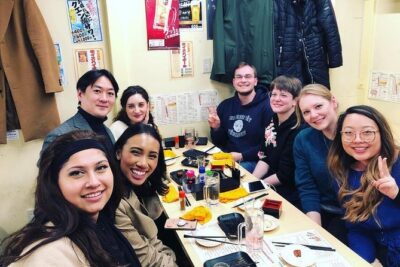
Shibuya’s best food is not always found under the biggest signs. This three-hour walking tour takes you from the Hachiko mural into backstreets, small restaurants, and food counters where the neighborhood feels more local than cinematic. I like the mix of five food stops and the way guides such as Alex, Jane, Saika, Maya, and Shion add stories about Japanese customs rather than simply pointing at plates. I also like that the tour ends with dessert in a Shibuya depachika, a department-store food hall that many first-time visitors miss.
The main consideration is the price: $170 per person is a serious outlay for three hours. It includes food at several stops, two drinks, dessert, and a guide, but not transport, extra orders, or gratuity. You also need to arrive on time, since the group leaves after only five minutes.
In This Review
- Key points at a glance
- Shibuya beyond the Scramble Crossing
- Meeting at the Hachiko mural
- Five stops, five different views of Japanese food
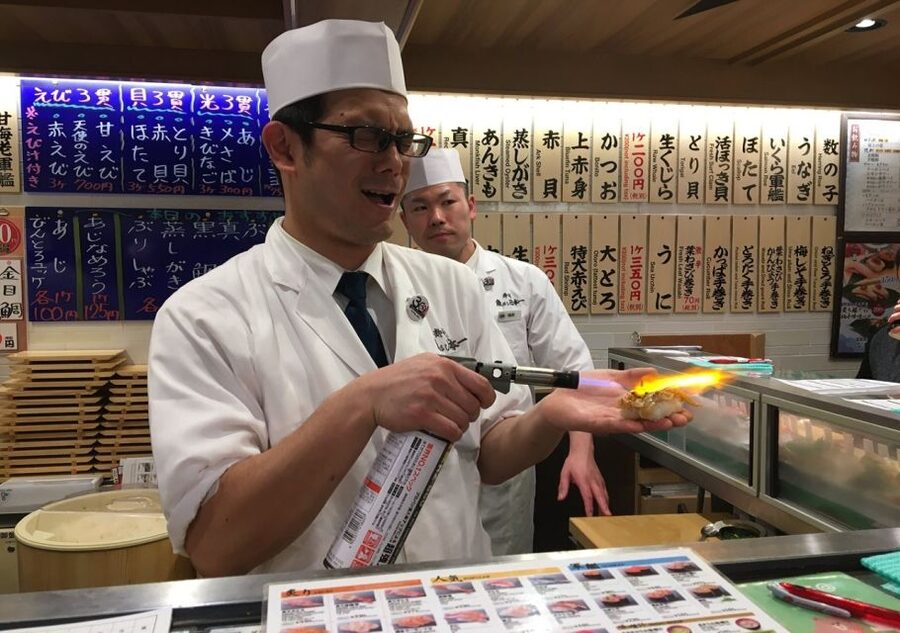
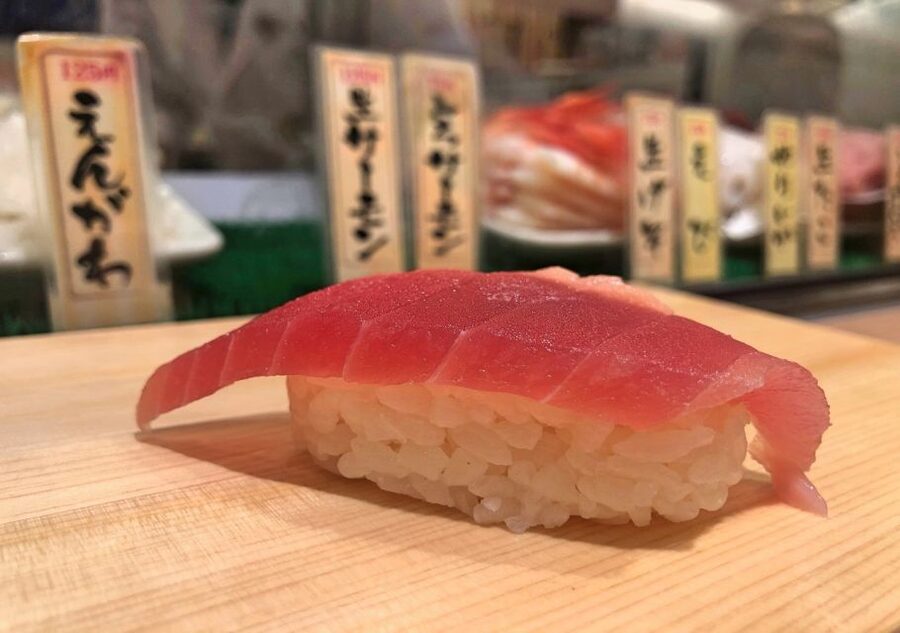
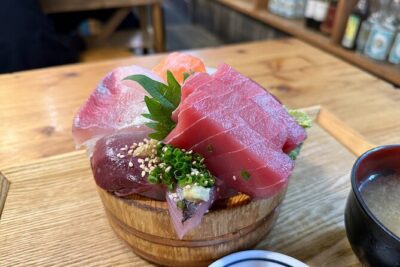
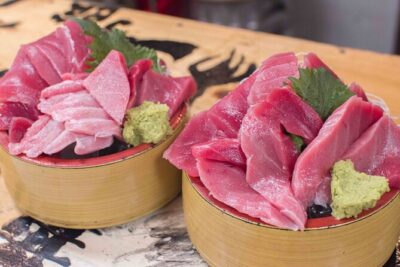
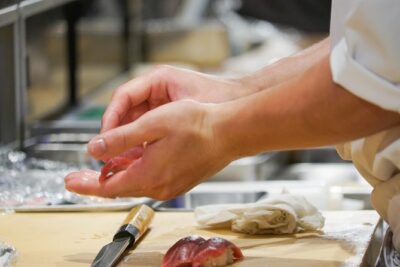
- Sushi in a standing restaurant
- Izakaya dishes and drinks
- Okonomiyaki on a hot grill
- Ramen and other street-style dishes
- Dessert in a depachika
- The guides make the difference
- What the walking pace feels like
- Is $170 a fair price?
- Who should book this Shibuya food walk?
- Booking details worth knowing
- FAQ
- How long is the Tokyo Best of Shibuya Food Tour?
- Where does the tour meet?
- How many people can join the tour?
- What food and drinks are included?
- Is transportation included?
- What should I bring?
- Can I cancel the booking?
- Should you book it?
Key points at a glance
- Five food stops: Expect a broad tasting route rather than one long meal, with dishes that can include sushi, izakaya food, okonomiyaki, ramen, and dessert.
- Backstreet Shibuya: The route moves beyond the famous crossing into smaller dining places and less obvious corners.
- Strong guide element: Guides including Alex, Jane, Saika, Maya, and Shion have been praised for warm conversation, cultural context, photos, and practical Tokyo tips.
- Two drinks included: This helps the price, especially when a stop includes an izakaya or another casual drinking place.
- Small group size: The advertised maximum is 10 people, though an older outing had 12, so confirm the current group size if personal attention matters.
- Come ready to walk and stand: Comfortable shoes are essential, and several stops may involve standing rather than sitting.
Shibuya beyond the Scramble Crossing
Most first visits to Shibuya begin with the famous crossing, a quick photo, and a wall of screens. This tour uses that familiar meeting area as a starting point, then turns toward the neighborhood’s food culture. That change of pace is the point. You still get the energy of Shibuya, but you begin to notice narrow lanes, compact restaurants, basement food halls, and dining rooms tucked above street level.
I find this useful early in a Tokyo visit. Shibuya can feel chaotic when you first arrive, and a guide gives the district some shape. You are not just walking from one famous sight to another. You are learning how Japanese food businesses fit into a city where a tiny bar may sit beside a department store and a restaurant may be upstairs or below street level.
The tour is limited to 10 participants and lasts about three hours. That is small enough for questions and group conversation, though it is not a private tour by default. Some past outings were private because only two people booked, while family groups and larger parties have also taken part.
A few more Tokyo tours and experiences worth a look

Meeting at the Hachiko mural
The meeting point requires care. Come out of Shibuya Station at the Hachiko Exit and look for the colorful wall mural of Hachiko, the famous dog. Do not wait at the crowded Hachiko statue. The mural is outside the station and visible as soon as you exit, with the large intersection behind you if you stand facing the mural.
This is a practical detail, not a minor one. Shibuya Station is large, the statue area is packed, and the tour can leave without you. The operator allows only five extra minutes after the scheduled start, and the guide cannot stop to give directions or answer calls once the group is moving. I would arrive early, locate the mural, and treat the meeting time as firm.
Bring your passport. A copy of passport information is required for everyone aged 10 and older. Comfortable shoes are also important because the route involves walking between food stops and may include standing while eating.
Five stops, five different views of Japanese food
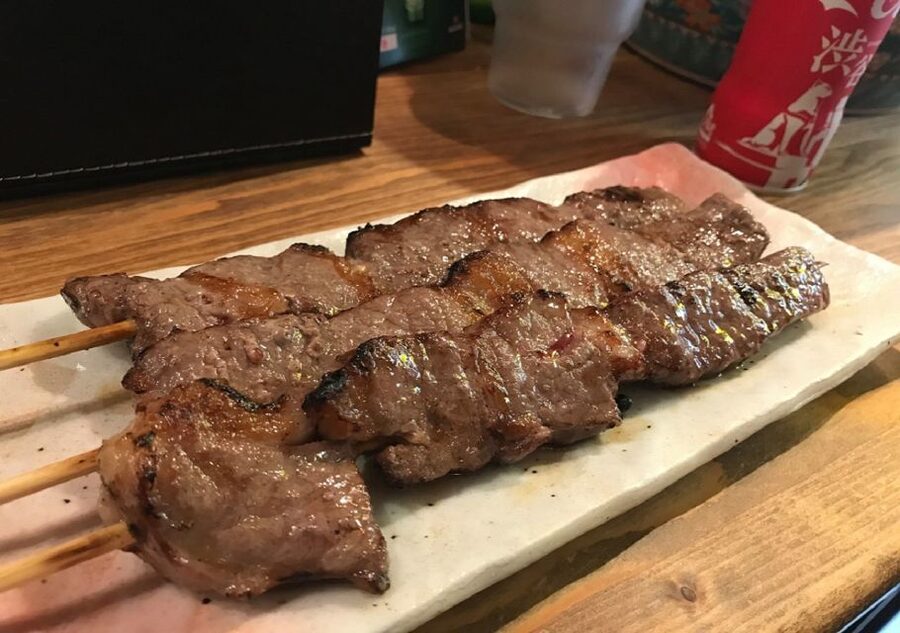
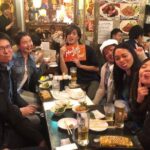
The exact food lineup can vary, but the structure is clear: several small stops, a spread of Japanese dishes, two drinks, and dessert. One outing included a standing sushi restaurant, an izakaya, okonomiyaki, a ramen restaurant, and a local dessert. Other food combinations mentioned by guides include takoyaki and Kobe beef.
That variety is a major strength. You are not paying to sit in one restaurant for three hours. Instead, you get small glimpses of different food settings and dining customs. I would think of the tour as a guided introduction to Japanese eating, not a formal tasting menu.
Sushi in a standing restaurant
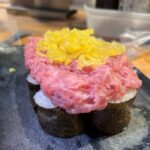
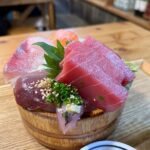
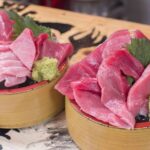
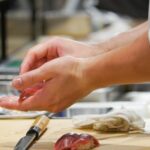
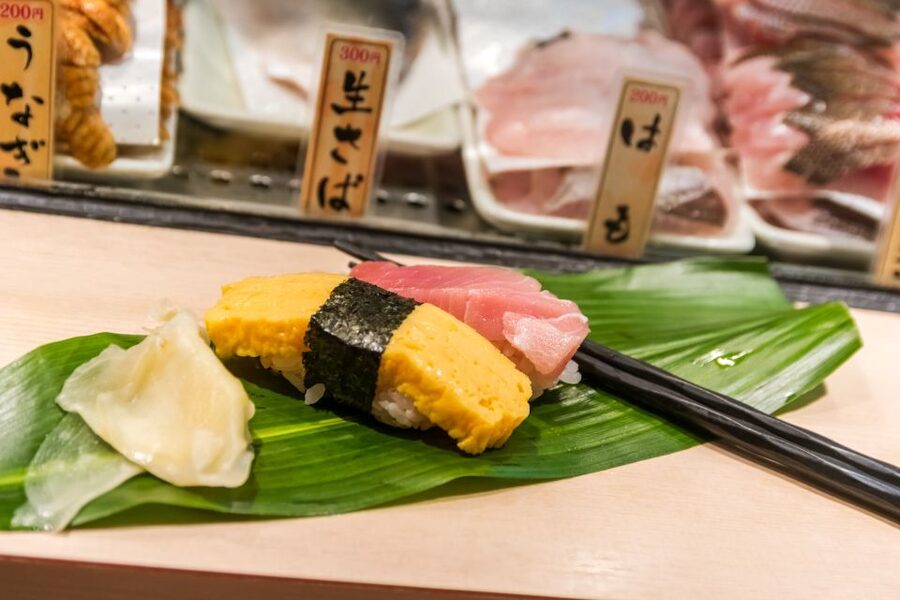
A standing sushi stop can be a memorable introduction to the practical side of Japanese dining. It is quick, informal, and built around fresh pieces served without the ceremony of a long restaurant meal. One participant described this as the best sushi they had eaten during the trip, though your own experience will depend on the day’s menu and your expectations.
The tradeoff is comfort. A standing stop may not suit you if you need a seat or prefer a slow meal. It does, however, give you a look at the efficient, compact style of dining that makes Tokyo’s food scene so varied.
Izakaya dishes and drinks
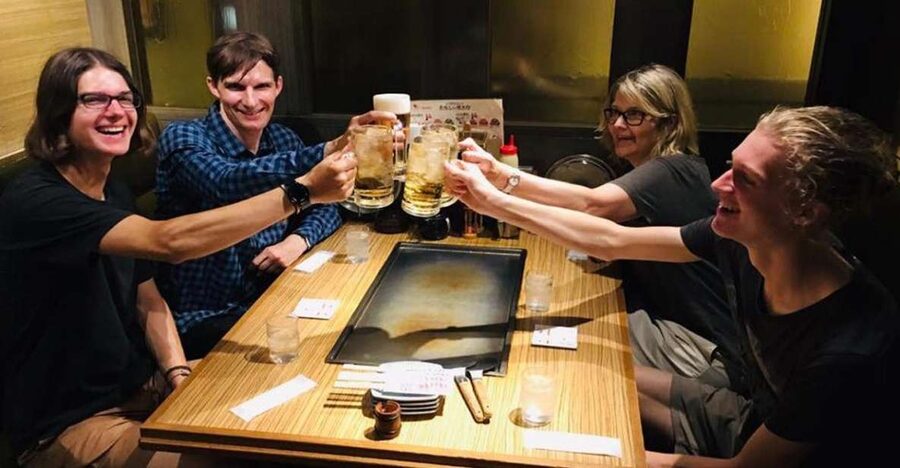
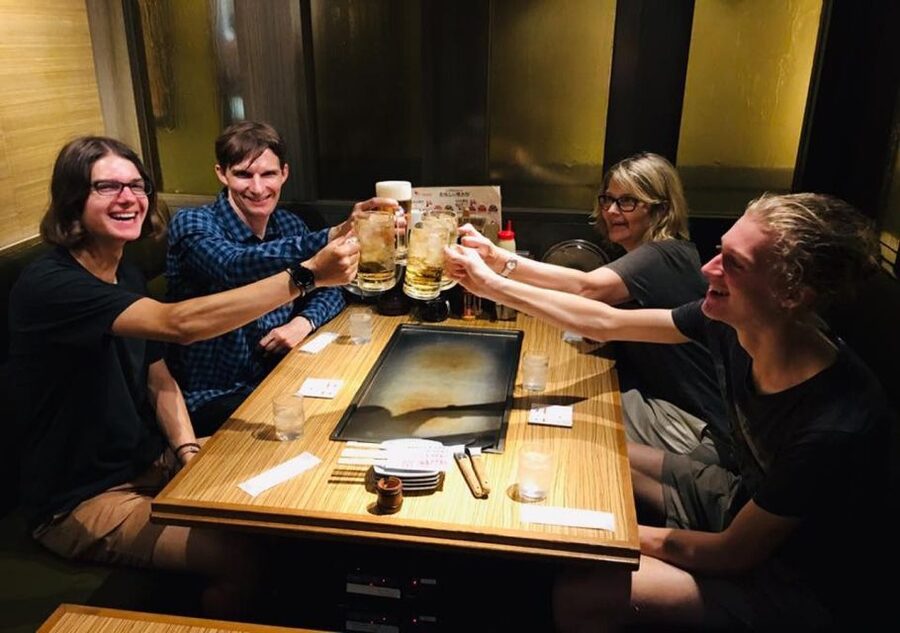
An izakaya is a casual Japanese dining place where people order several dishes to share, often with drinks. This stop gives the tour a social rhythm and helps explain why Japanese meals do not always follow the Western pattern of one main course per person.
Two drinks are included, which is useful here. You can ask your guide about what you are drinking and how it fits into the meal. Additional drinks and food cost extra, so keep that in mind if you want to linger or order beyond the included tastings.
A few more Tokyo tours and experiences worth a look

Okonomiyaki on a hot grill
Okonomiyaki is one of the tour’s more interactive possibilities. It is often cooked on a hot surface and finished with sauces and toppings. A stop featuring regional versions of the dish can show you that Japanese food is not one uniform national style.
Several accounts singled out the okonomiyaki as especially good. It also seems to be a dependable crowd-pleaser for families, provided everyone is willing to try something unfamiliar. You may need to stand or share a compact table, so do not expect a spacious restaurant setting.
Ramen and other street-style dishes
A ramen stop adds a warm, filling bowl to the route. Takoyaki or other casual foods may also appear, depending on the route and restaurant arrangements. These are the kinds of dishes that can be hard to order with confidence when you do not read Japanese, especially when a small shop has few obvious English cues.
Your guide handles that uncertainty. You can concentrate on tasting and asking questions rather than worrying about what to point at. Still, come hungry but not ravenous. The food is described as generous, and one person found it easy to fill up too quickly.
Dessert in a depachika
The finish is a tour of a Shibuya depachika followed by dessert. The word refers to a department-store food hall, usually found in a basement, where beautifully presented foods, sweets, prepared meals, and specialty products are sold.
This is a fine way to end because it widens the meaning of Japanese food beyond restaurants. You see how locals buy gifts, sweets, and ready-to-eat dishes, and you get a final taste without adding another full meal. The dessert is included, but extra purchases are your responsibility, which may be difficult if the displays tempt you.
The guides make the difference
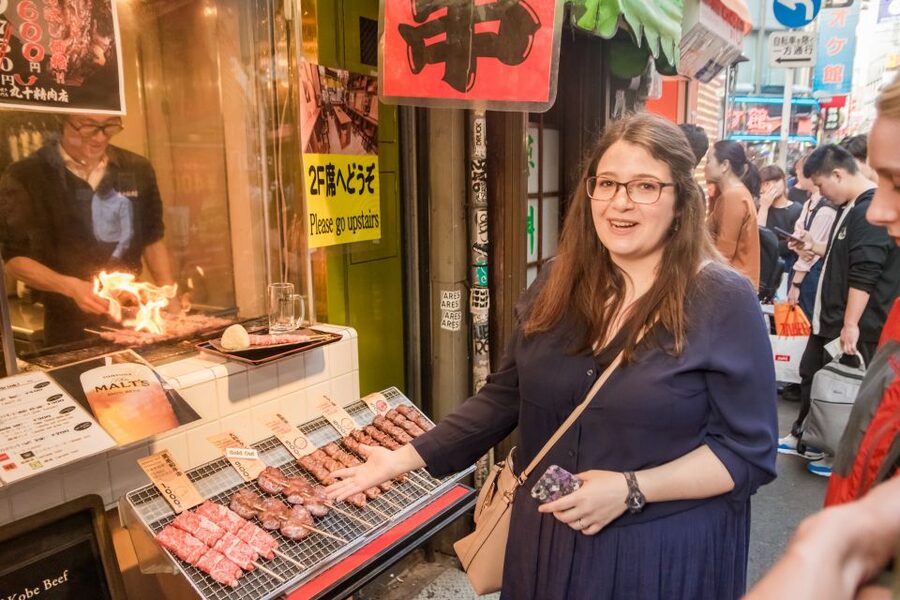
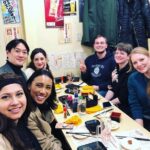
Food is the reason to book, but the guide determines how much you get from the route. The strongest guiding style here is friendly, relaxed, and full of usable context. Alex has been praised for humor, photos, food recommendations, and even sharing new Japanese phrases. Jane is associated with small independent restaurants and a warm, attentive approach. Saika was described as offering strong English, cultural facts, photos, and extra time on one outing.
Other guides named across the tour’s history include Maya, Shion, Michie, Kumie, Ryan, Norma, Sakura, Asami, Jennifer, Ramona, and Akira. Their backgrounds and styles will differ, so you cannot assume you will get a particular person unless the operator allows a request. The consistent value is having an English-speaking local guide who can explain what you are eating and help you navigate a complicated part of Tokyo.
Some guides also take photos during the walk and share them afterward. That is not listed as a formal inclusion, so treat it as a possible courtesy rather than a promise. Cultural conversation is another bonus. Past routes have included explanations of Japanese habits, regional food traditions, local history, and practical suggestions for other places to eat in Tokyo and beyond.
What the walking pace feels like
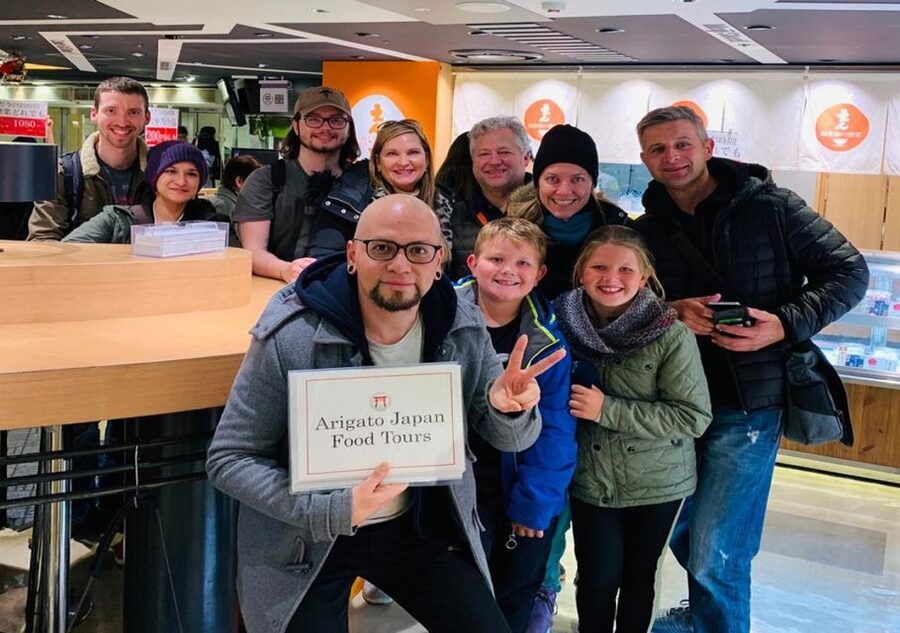
Three hours sounds modest, but a food walk can feel longer if you are standing, eating, and moving through crowded streets. One older outing had only one seated stop, with the rest involving standing. That matters for children, older adults, and anyone who has already spent a full day on their feet.
Families can still do well here. Children aged six, eight, nine, 10, 11, and 12 have enjoyed similar outings, and guides have adjusted the pace or indoor time when the weather was cold. The food is generous and varied, though adventurous eaters will get more from the tour than cautious ones.
Wear shoes that are easy to walk in. You should also leave room in your appetite for several tastings. The route is not designed around one giant dinner, but the portions can add up quickly.
Is $170 a fair price?
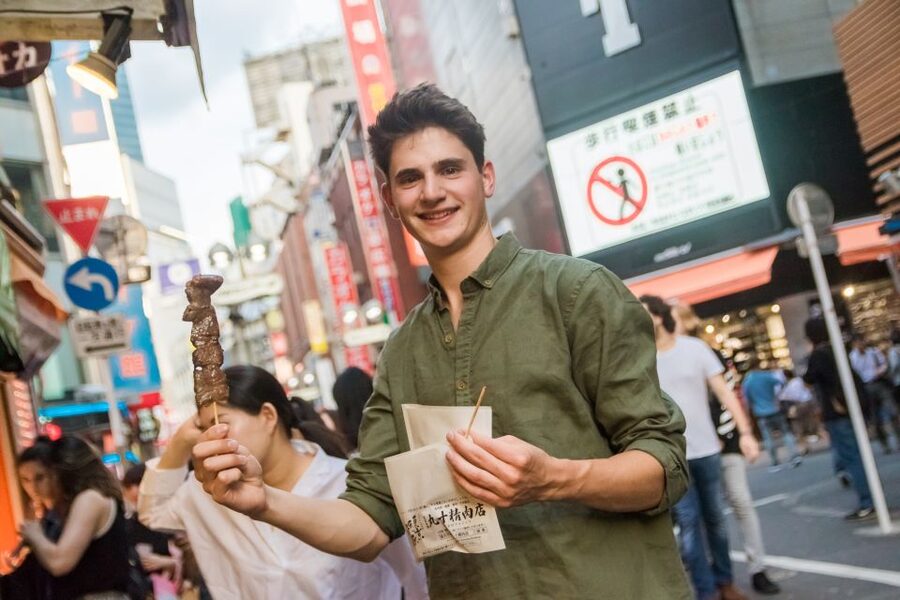
At $170, this is not a bargain food crawl. You are paying for more than ingredients: the guide, restaurant coordination, translation help, cultural explanation, and a planned route through a difficult district. Two drinks and dessert are included, along with a variety of dishes at multiple stops.
The value is strongest if you are new to Tokyo, uneasy about ordering in small Japanese restaurants, or keen to try foods you would probably skip alone. A good guide can save you from spending your evening in a familiar chain restaurant near the station. You also get a clearer sense of where Shibuya’s dining life happens.
The value is weaker if you already know Tokyo’s food scene, prefer to choose every dish yourself, or want a seated dinner. You will also need to budget for gratuity, transport to and from the meeting point, and any extra food or drinks. Compare the price with the cost of a normal dinner, then ask how much you value guidance and access to places you might not find on your own.
Who should book this Shibuya food walk?
I would recommend it to first-time Tokyo visitors who want an easy introduction to Japanese food without spending hours studying menus. It suits couples, small groups, and families with children who can walk and stand for three hours.
It is also a good first or second-day activity. The route can help you understand Shibuya, and guides may offer food suggestions for later in your trip. The small group limit makes conversation easier than on a large bus tour.
I would hesitate if you have major mobility limits, require a guaranteed seat at every stop, or want a precise list of dishes before booking. The food lineup may vary, and the route is shaped by small restaurants rather than a large, fixed dining room.
Food allergies and dietary restrictions should be raised before booking. One guide successfully adapted tastings for a group with restrictions, but the supplied information does not promise a particular menu or accommodation for every need.
Booking details worth knowing
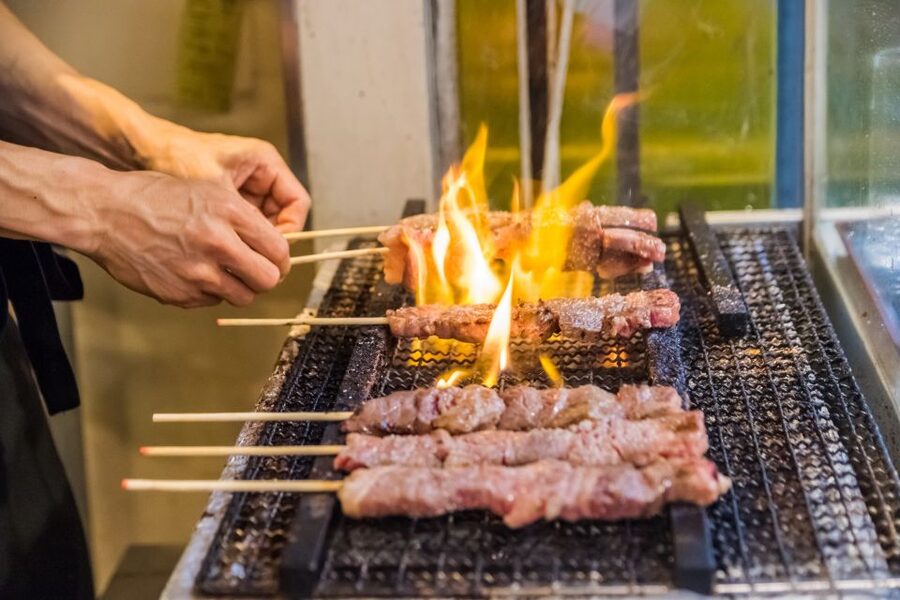
The tour is offered in English, lasts three hours, and has a maximum of 10 participants. Hotel pickup is not included, though it can be arranged for an additional charge. Transportation costs, gratuity, and extra orders are also separate.
You can cancel up to 24 hours in advance for a full refund, and the reserve-now, pay-later option can help if your Tokyo schedule is still shifting. Check the available start times when booking because the tour does not list one fixed departure time.
The passport-copy requirement applies to all participants aged 10 and older. Keep that paperwork ready, and do not leave the meeting point until you have confirmed the colorful Hachiko mural rather than the statue.
FAQ
How long is the Tokyo Best of Shibuya Food Tour?
The tour lasts three hours, including walking between five food stops and the final dessert visit.
Where does the tour meet?
Meet in front of the colorful Hachiko wall mural outside Shibuya Station at the Hachiko Exit. Do not meet at the crowded Hachiko statue.
How many people can join the tour?
The advertised small-group maximum is 10 participants. Some older outings had larger groups, so confirm the current size if this is important to you.
What food and drinks are included?
The tour includes a variety of dishes at multiple food stops, two drinks, and dessert. The exact dishes can vary, with possible stops including sushi, an izakaya, okonomiyaki, ramen, takoyaki, or other Japanese foods.
Is transportation included?
No. Transportation costs are not included, and hotel pickup is not included unless arranged for an additional charge.
What should I bring?
Bring your passport and comfortable shoes. A copy of passport information is required for all participants aged 10 and older.
Can I cancel the booking?
Yes. You can cancel up to 24 hours before the tour for a full refund. You can also reserve now and pay later.
Should you book it?
Book this tour if you want a guided way into Shibuya’s smaller restaurants, enjoy trying several Japanese dishes in one evening, and value conversation as much as the food. The best parts are the range of stops, the backstreet route, the depachika finish, and guides who can turn an intimidating district into a manageable one.
Skip it if $170 feels too high for a three-hour meal, if you need a guaranteed seat, or if you prefer to explore restaurants independently. For a first visit, though, this is a useful splurge, especially when you arrive hungry, wear comfortable shoes, and treat the guide as your bridge into Shibuya’s everyday food culture.
More Food Experiences in Tokyo

More Tokyo Food Tours in Tokyo
More Shibuya Tours in Tokyo
More tours in Tokyo we've reviewed




Tokyo Food Tours, compared.
 ★ 5.0Tokyo: Shinjuku Food Tour (13 Dishes at 4 Local Eateries)From $86
 ★ 4.9Tokyo: Shinjuku Food Tour (15 Dishes and 4 Eateries)From $853 hours
 ★ 5.0Best of Shinjuku: Izakaya Food Tour (4 Stops, 14+ Tastings)From $92
 ★ 5.0Tokyo Night Foodie Tour in Shinjuku – Seasonal Sushi, Wagyu BeefFrom $111
 ★ 5.0Eat and Drink Like a Local: Tokyo Ueno Food Tour-Taverns&RamenFrom $95
 ★ 5.0Tokyo: Shibuya Food Tour (13 dishes and 4 Eateries)From $77