
Reviewed · SHIBUYA TOURS
Shibuya: Local Food & Culture Walk in Sangenjaya District
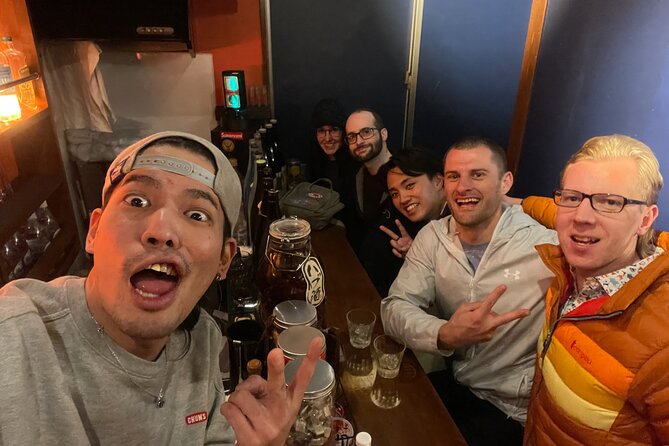
Sangenjaya gives you a very different Tokyo night: lantern-lit alleys, tiny bars, and local izakayas only two stops from Shibuya. I like the way this walk mixes food with neighborhood life, rather than parking you in one restaurant. I also like the small group limit of four, which makes it easier to ask guide Hiro questions and keep the evening relaxed.
The main consideration is the price, $123.57 per person. That is not cheap for four hours in Tokyo, but the package includes 13 Japanese dishes, drinks, three food stops, a guide, the Carrot Tower observation deck, and a bar-area finish. You should also be ready for a lot of walking, narrow alleys, and a dinner pace that depends on the local establishments.
In This Review
- Key points to know before booking
- Why Sangenjaya makes a good food-tour base
- Yakitori and lanterns on Suzuran Street
- A quick photo stop at the Gorilla Building
- Fifteen quiet minutes at the local shrine
- Dinner on Chazawa Street
- Carrot Tower gives the evening a citywide view
- Finishing in the Sankaku District
- What the $123.57 price really covers
- What the guide can add to the night
- Practical details that affect your choice
- Who should book this Sangenjaya evening
- Should you book it?
- FAQ
- Where does the tour begin?
- Where does the tour end?
- How long does the experience last?
- How many people can join?
- What food is included?
- Are drinks included?
- Is the Carrot Tower observation deck included?
- Is the tour accessible by public transportation?
- What is the cancellation policy?
Key points to know before booking
- Three food stops, 13 Japanese dishes: Expect yakitori, karaage, sashimi, grilled fish, edamame, and other izakaya-style plates.
- A maximum of four people: This is a more personal setup than a large group food tour.
- Guide Hiro may lead the evening: His friendly, easy-to-talk-to approach is a major part of the experience.
- Two complimentary drinks plus an all-you-can-drink dinner plan: The included details describe both drink benefits, so confirm the exact arrangement when booking.
- Carrot Tower has a free observation deck: You get a useful city view without paying another admission fee.
- The finish is near Sangenjaya Station: The last bar is about a two-minute walk from the station.
Why Sangenjaya makes a good food-tour base
Sangenjaya is close to Shibuya but feels less polished and less focused on big-name sights. You get old-fashioned lanes, small drinking spots, neighborhood shrines, and restaurants aimed at regular customers.
That contrast is the point. Shibuya gives you famous crossings, giant screens, and a constant rush of people. Sangenjaya gives you a chance to see how an evening out can work in an ordinary Tokyo district. The area is easy to reach by train, yet it is far enough from the main sightseeing circuit to feel like a change of scene.
The tour begins near Freshness Burger Sangenjaya, at the Carrot Tower North Building. This is a practical meeting place because it is close to public transportation and easy to identify. Still, check the exact map pin before leaving your hotel. Tokyo station areas can have several exits and similarly named streets.
The walk lasts about four hours. That is long enough to include food, conversation, sightseeing, and a final drink without turning into an all-night commitment. Since the group can have no more than four people, the guide can adjust the pace more easily than on a large organized tour.
A few more Tokyo tours and experiences worth a look
Yakitori and lanterns on Suzuran Street
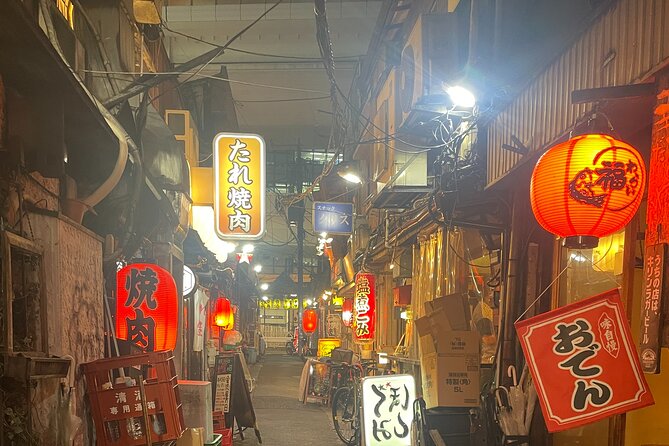
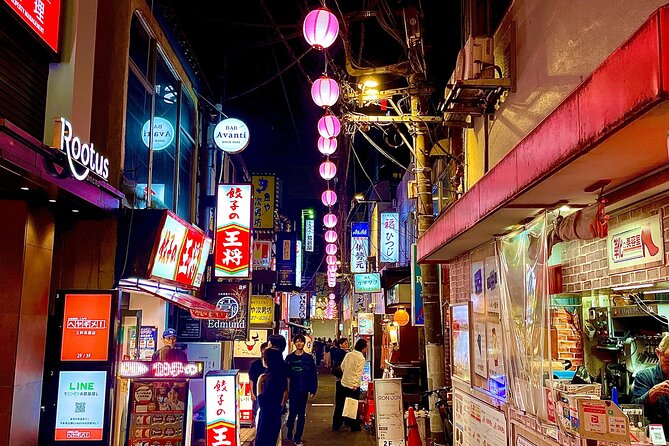
The first stop is a cozy izakaya on Suzuran Street, a narrow lane with lanterns and a retro Tokyo feel. You start with freshly grilled yakitori, the familiar chicken skewers that are one of Japan’s best casual foods.
Yakitori is especially useful as an introduction to izakaya dining. It is simple, social, and easy to share. You can focus on the smoky grilled flavor and the different cuts of chicken without having to decode a long menu. The first stop also gives Hiro a chance to explain how an izakaya works, including the relaxed rhythm of ordering food and drinks for the table.
The included drink choices are beer, a highball, or a non-alcoholic option at this stage. That makes the tour workable for people who do not drink alcohol. The package also lists two complimentary drinks overall, while the main dinner includes an all-you-can-drink plan. Because those details overlap, I would confirm with the provider exactly how the drink allowance is applied.
Suzuran Street is not a grand attraction, and that is its appeal. You come for the setting and the food, not a museum-style presentation. The drawback is that small izakayas can be tight, with limited room for large bags or long conversations. If you prefer quiet, spacious restaurants, this part may feel cramped.
A quick photo stop at the Gorilla Building
Next comes one of Sangenjaya’s oddest local landmarks: the Gorilla Building. A giant gorilla appears to climb the facade, giving the neighborhood a playful photo stop that feels very Tokyo.
The visit lasts about 10 minutes, so keep your expectations in check. This is not a major attraction with an interior visit or a long explanation. It is a quick outdoor stop that breaks up the food walk and gives you a memorable image of the district.
I like this kind of sight on a neighborhood tour. It is easy to photograph, not overproduced, and tied to the everyday visual humor found around Tokyo. You will not need special planning to see it because the guide includes it as part of the walk.
Fifteen quiet minutes at the local shrine
If timing allows, the tour includes a short visit to Taishido Hachiman Shrine. The stop is also identified as Setagaya Hachiman Shrine in the detailed schedule, so the two names may refer to the same shrine listing. It is described as a small local shrine founded in the 17th century to protect the surrounding area.
This is a modest pause after the noise and movement of the food stops. You can take in the shrine grounds, notice the change in atmosphere, and hear some local background from Hiro. The planned visit is only about 15 minutes, so this is a brief cultural stop rather than a formal shrine tour.
The timing caveat matters. The schedule says the shrine visit happens if time allows. Food service, walking speed, and the group’s pace may affect whether it is included. If the shrine is especially important to you, ask the guide at the start of the evening.
Dinner on Chazawa Street
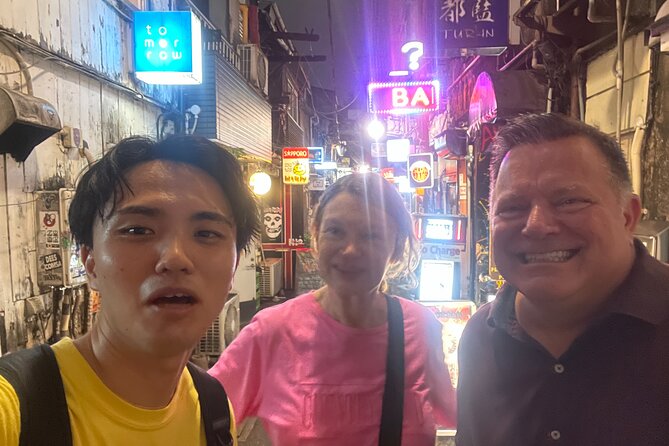
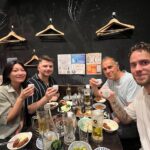
The main meal takes place at a lively izakaya on Chazawa Street, one of Sangenjaya’s main food streets. Here, the menu shifts from a first taste of yakitori to a wider spread of classic Japanese bar food.
The included dishes are described as including:
- Karaage, Japanese fried chicken
- Sashimi
- Grilled fish
- Edamame
- Other Japanese dishes served across the food stops
Altogether, the tour includes 13 Japanese dishes at three eateries. That number matters because you are not simply buying a guided walk with one snack. You are getting a progressive meal, with each stop showing a different side of casual Japanese dining.
The all-you-can-drink plan is another important part of the value. Japanese izakayas often work best when food and drinks are shared over time, and the drink plan removes some of the stress of ordering each beverage separately. It can also make the evening feel more social.
You should still pace yourself. The tour begins with a drink and continues through dinner, so accepting every possible beverage at every moment may not be wise. Non-alcoholic options are included, and you can choose those if you want the food and conversation without a long night of drinking.
The food is likely to be familiar enough for cautious eaters, but sashimi and other shared dishes may not suit every diet. The supplied details do not specify vegetarian, vegan, halal, allergy, or other dietary substitutions. If you have restrictions, contact the provider before paying rather than hoping the izakaya can adjust the menu.
Other walking tours we've reviewed in Tokyo

Carrot Tower gives the evening a citywide view
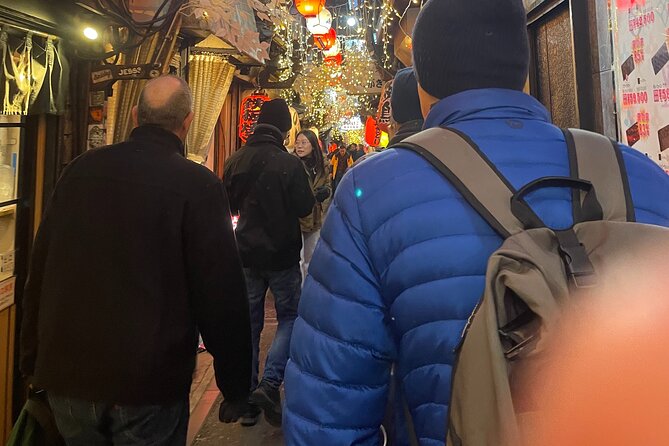
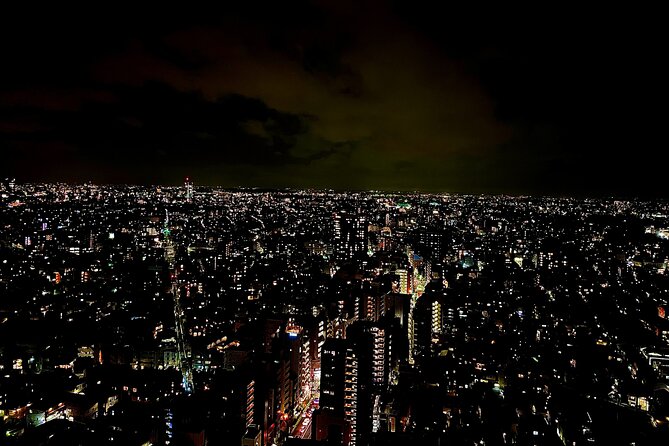
After dinner, the walk heads to Carrot Tower. Its free observation deck offers a broad night view over Tokyo, with the city lights stretching from the Shibuya area toward central Tokyo.
This is one of the smartest parts of the route. A food walk can leave you with a collection of dishes and photos, but a high viewpoint helps you understand the city’s layout. After spending the evening in tight lanes, you can look out over the larger urban picture.
The planned stop lasts about 20 minutes. That is enough for photographs and a quick look, though not enough for a long sunset visit or a slow café break. The observation deck is free, so the tour does not add a separate viewing fee.
The view is also a useful counterpoint to the neighborhood streets. Down below, Sangenjaya feels intimate and enclosed. From Carrot Tower, Tokyo becomes a wide spread of lights. I would keep this stop in mind when deciding how to dress and what to carry. You will be outdoors for parts of the walk and moving between indoor restaurants and open city views.
Finishing in the Sankaku District
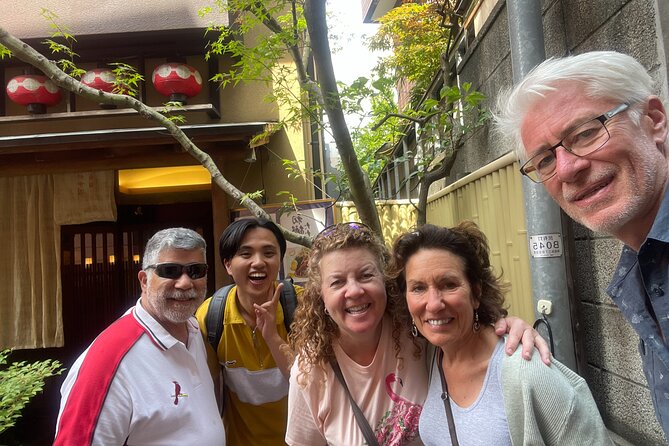
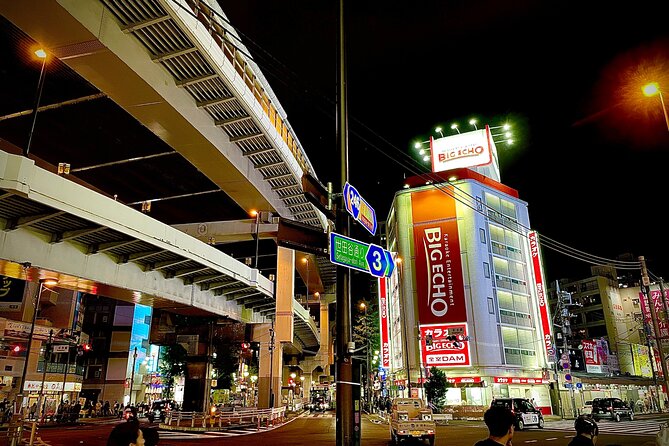
The tour ends in Sangenjaya’s Sankaku District, also called the Triangle District. This area is a maze of narrow lanes lined with small bars, neon lights, and retro details.
It is a good final setting because you are left near the sort of place where locals continue their evening after dinner. The tour includes an atmospheric bar as part of its three-eatery and drinking experience, and the final location is about a two-minute walk from Sangenjaya Station.
The Sankaku District is best treated as an atmosphere stop, not a checklist of attractions. The alleys are narrow, the bars are small, and the area has an old-fashioned nightlife feel. You may want to stay longer, but the tour itself ends there.
This final hour is listed as part of the schedule, giving you time to enjoy the district rather than merely pass through it. The exact bar and the pace of the final stop can vary, so do not build a strict late-night plan around a precise finishing minute.
What the $123.57 price really covers
At $123.57, this experience costs more than simply wandering Sangenjaya and paying for your own yakitori. The value comes from combining food, drinks, local guidance, and several area highlights into one evening.
You are paying for:
- About four hours with a professional expert guide
- A small group capped at four people
- 13 Japanese dishes at three eateries
- Two complimentary drinks, according to the included details
- An all-you-can-drink plan at the main dinner
- A local street-stall style setting, izakaya dining, and an atmospheric bar
- Walking through Sangenjaya
- The Gorilla Building, shrine area, Carrot Tower, and Sankaku District
The strongest value is for someone who wants the evening organized. You do not need to choose three establishments, explain unfamiliar dishes, or work out how to move between the food stops. Hiro’s role is especially useful if you want conversation and local context rather than a self-guided bar crawl.
The value is weaker if you mainly want a cheap meal. You can spend less by eating at one restaurant and exploring the streets on your own. You also may not use the full drink plan, which matters if you do not drink alcohol or prefer a short dinner.
The small-group limit helps justify the cost. With only four people, the evening should feel closer to a hosted outing than a standard bus-style tour. It also gives you a better chance to talk with the guide and ask about the district.
What the guide can add to the night
Hiro is the only guide named in the available details, and his part in the experience appears central. The tour is not built around a long lecture at one sight. It depends on a friendly guide who can explain the local area, keep the group moving, and make the restaurant stops comfortable.
A guide is most useful at an izakaya. Menus may be brief, handwritten, or filled with dishes you do not recognize. Having someone explain what to order can turn a cautious meal into a more varied one.
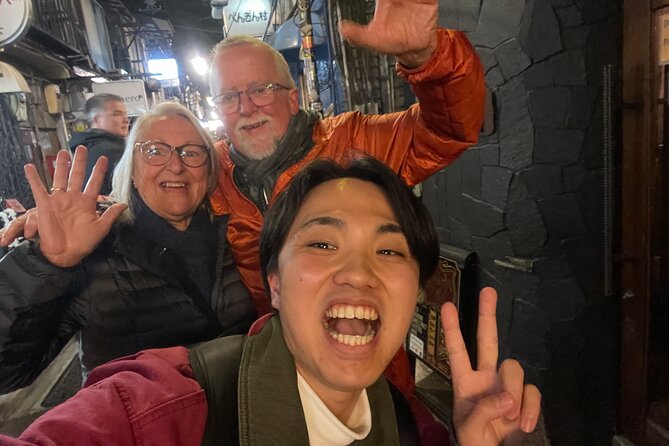
The evening also gives you a way to connect with other people. The small group format supports conversation, and the stop-by-stop structure prevents the night from feeling like a formal class. Several parts of the experience are designed around hanging out, eating, and talking.
That style will not suit everyone. If you want a private meal with your own schedule, a self-guided evening may be better. If you like meeting people and trying several places without handling every detail yourself, Hiro’s role adds real value.
Practical details that affect your choice
The experience is confirmed when you book, and mobile tickets are supported. It is near public transportation, making it practical from central Tokyo. The meeting point is Freshness Burger Sangenjaya at the Carrot Tower North Building, while the ending is in the Sankaku District near Sangenjaya Station.
Most people can participate, but the route includes city walking, narrow lanes, and several stops over four hours. Wear comfortable shoes and keep your belongings compact for small eating and drinking spaces.
The tour has free cancellation if you cancel at least 24 hours before the local start time. Cancellations within 24 hours are not refunded, and changes inside that period are not accepted. That policy is fairly standard, but it is worth noting before you reserve a tour built around restaurant arrangements.
The schedule lists free admission at each sightseeing stop. That means the cost is concentrated in the food, drinks, guide service, and organization rather than entrance tickets.
Who should book this Sangenjaya evening
I would choose this tour if you are staying near Shibuya and want a Tokyo night away from the most famous streets. It is a strong fit for first-time visitors who want help ordering Japanese food, as well as repeat visitors who have already seen the major central districts.
Food-focused couples, solo visitors, and small groups should find the four-person limit appealing. The tour also works well if you want alcohol but do not want to plan a bar crawl on your own. Non-alcoholic drinks make it more flexible for people who prefer not to drink.
I would hesitate if you have strict dietary needs that have not been confirmed in advance. I would also think twice if you dislike small bars, shared dishes, or a fixed evening schedule. The experience is about casual local dining, not a polished tasting menu.
Should you book it?
Book it if you want a guided local night near Shibuya, with plenty of food, drinks, neighborhood atmosphere, and a free city view. The best parts are the small group, the range of 13 dishes, Hiro’s personal hosting, and the steady change of setting from Suzuran Street to Chazawa Street, Carrot Tower, and the Sankaku District.
Skip it if your main goal is the lowest possible meal cost or if you need guaranteed dietary substitutions. For everyone else, the $123.57 price is reasonable when you count the food, drink plan, guide, and convenience. It gives you a ready-made evening in a part of Tokyo that is easy to reach but easy to miss.
FAQ
Where does the tour begin?
The tour begins at Freshness Burger Sangenjaya, at the Carrot Tower North Building in Taishidō, Setagaya City, Tokyo.
Where does the tour end?
It ends at a bar in the Sangenjaya Sankaku District. The final location is about a two-minute walk from Sangenjaya Station.
How long does the experience last?
The tour lasts approximately four hours.
How many people can join?
The activity has a maximum of four participants.
What food is included?
The experience includes 13 Japanese dishes served across three eateries. Dishes listed include yakitori, karaage, sashimi, grilled fish, and edamame.
Are drinks included?
Yes. The included details list two complimentary drinks with alcoholic and non-alcoholic options, plus an all-you-can-drink plan at the main dinner. Confirm the exact drink arrangement when booking.
Is the Carrot Tower observation deck included?
Yes. The tour includes a visit to Carrot Tower’s free observation deck.
Is the tour accessible by public transportation?
Yes. The experience is near public transportation, and the meeting and ending points are in Sangenjaya.
What is the cancellation policy?
You can receive a full refund if you cancel at least 24 hours before the local start time. Cancellations or changes made within 24 hours are not accepted for a refund.
More Food Experiences in Tokyo

More Walking Tours in Tokyo
More Shibuya Tours in Tokyo

More tours in Tokyo we've reviewed




Shibuya Tours, compared.
 ★ 5.0Official Street Go-Kart in ShibuyaFrom $76
 ★ 4.9Tokyo: Street Kart Experience in ShibuyaFrom $741 hour
 ★ 5.0Shibuya Meltdown Nightlife Tour: All-You-Can-Drink Bar HoppingFrom $106
 ★ 5.0Shibuya Official Street Go-Kart in Shibuya AnnexFrom $69
 ★ 5.0Tokyo: Shibuya Food Tour (13 dishes and 4 Eateries)From $77
 ★ 5.0Best of Shibuya Food TourFrom $217