
Reviewed · GO-KARTS
Shibuya#2 Go Karting Tour with Funny Costume
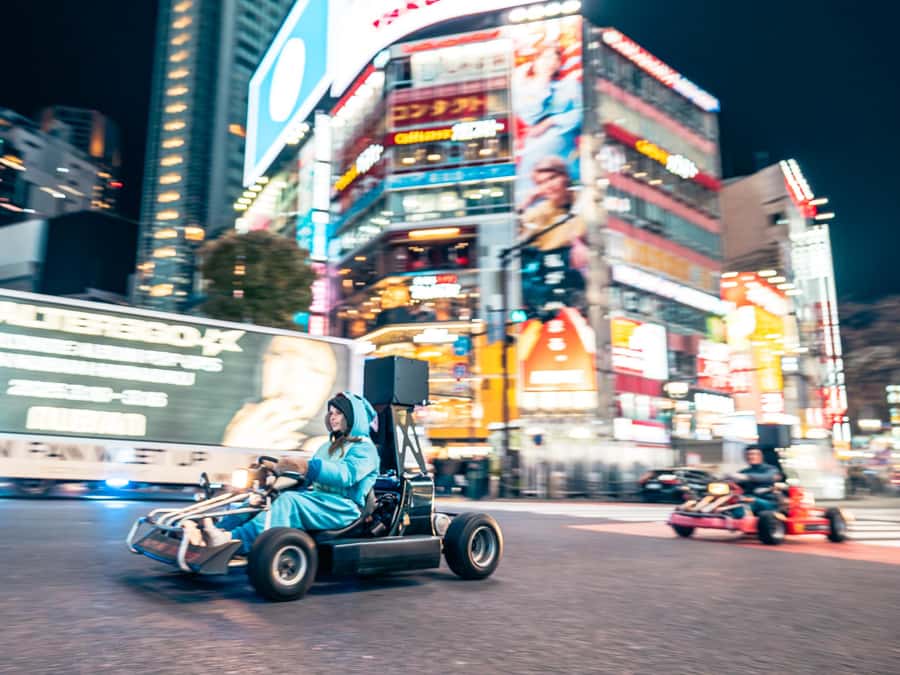
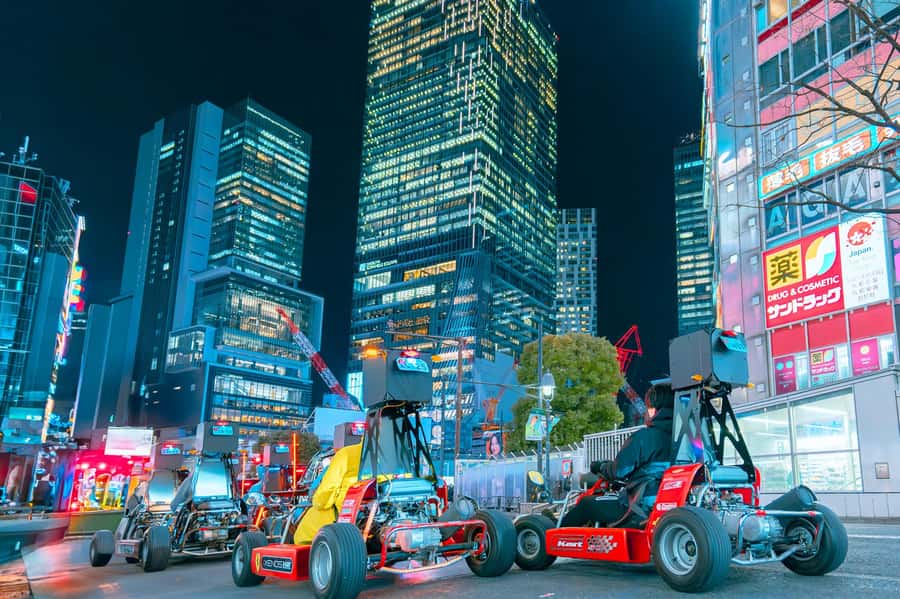
The big draw here is simple: you get to drive through Shibuya Scramble in a go-kart while dressed as a favorite character. It is a very public, very Tokyo way to see the city, with tourists pointing cameras as you pass.
I like the mix of costume fun and real city driving, and I like that instructors such as Haruto, Miri, James, and Osama are described as patient, funny, and clear about road rules. The main catch is the strict license requirement, plus a possible 50,000-yen repair charge if you damage the kart without the extra vehicle insurance.
In This Review
- Key points to know before you book
- Why this is such a different way to see Tokyo
- From Shinjuku to the city’s famous crossing
- The Shibuya Scramble moment
- Harajuku and Omotesando from a go-kart
- Cost, insurance, and the real value of $61
- Costumes, cameras, and becoming part of the scene
- The license rules can make or break the booking
- Who will enjoy this, and who should skip it
- Practical booking advice for a smoother ride
- Should you book the Shibuya go-kart tour?
- FAQ
- Where does the go-kart tour start?
- Where does the tour finish?
- How long is the go-kart ride?
- Which Tokyo areas does the route include?
- Do I need an international driving license?
- Is a digital international license accepted?
- Are there height and weight limits?
- What happens if it rains heavily?
Key points to know before you book
- Shibuya Scramble is the headline moment: You drive past one of Tokyo’s most famous crossings rather than only viewing it from a pavement.
- The route lasts one hour: It begins at Akiba Kart Shinjuku and includes Shinjuku, Omotesando, Harajuku, and Shibuya.
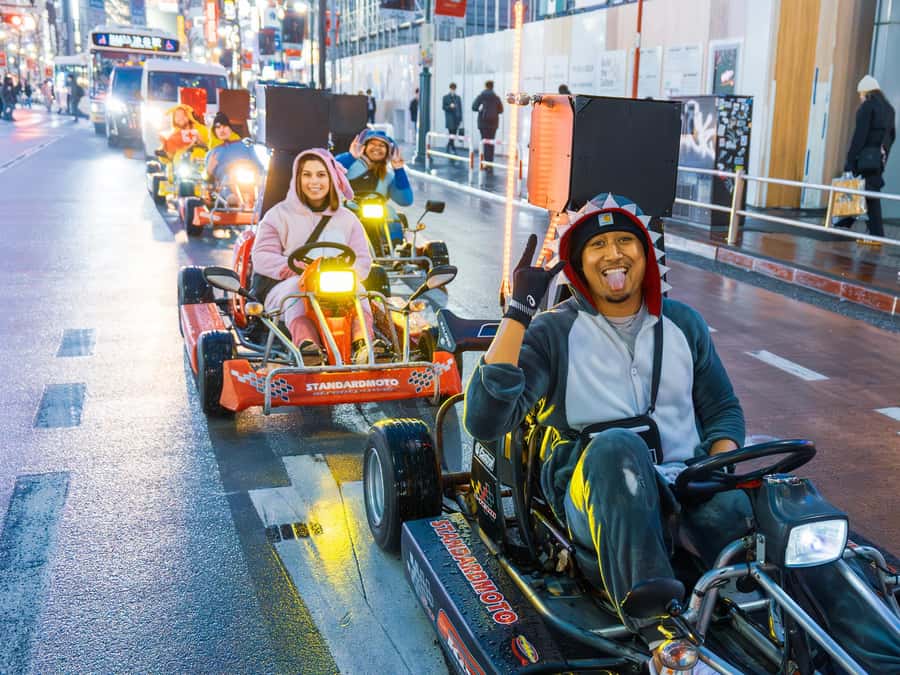
- Costumes are included: Choose from a selection of character outfits, then expect plenty of attention from people along the route.
- The karts are automatic: Adjustable seats, signal lights, and speeds of up to 60 kilometers per hour make the setup fairly approachable.
- License rules are strict: Bring your passport and a valid book-type international driving permit accepted in Japan. Card and digital versions are not valid.
- The base price is $61: Insurance covers property damage and personal injury, but not damage to the kart itself unless you add the 1,000-yen vehicle repair option.
Why this is such a different way to see Tokyo
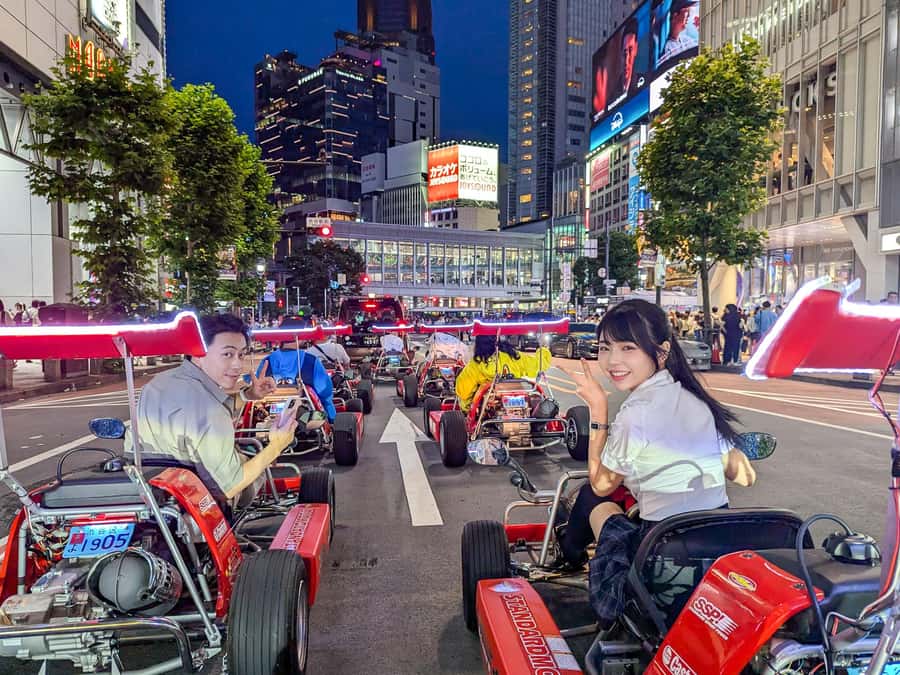
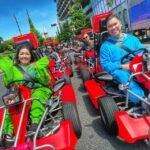
Most first visits to Shibuya mean walking across the famous crossing, taking a few photos, then joining the crowd on the pavement. This tour changes your position completely. You become part of the moving street scene, sitting low in a go-kart and rolling past major Tokyo neighborhoods in costume.
That public aspect is the point. You will not quietly observe Shibuya. People may look, wave, or take pictures as you pass. If you enjoy playful attention, this can be a terrific holiday story. If you prefer to blend into the city, the costumes and open-road format may feel too exposed.
I also like that the ride is not confined to one short block. The route connects several recognizable districts, giving you a quick look at how the city shifts from Shinjuku’s busy streets to Harajuku and Omotesando, then on toward Shibuya. You do not get a long stop at each area, but you get a moving view of Tokyo that is hard to copy on foot.
The experience is provided by Akiba Kart Shibuya, though the meeting point is listed as Akiba Kart Shinjuku. Search for that name when locating the start point, and arrive 20 minutes early. The ride finishes back at the same meeting point.
A few more Tokyo tours and experiences worth a look
From Shinjuku to the city’s famous crossing
The route begins with a safety briefing and driving instructions. English and Japanese-speaking staff are available, and the tour includes an instructor who leads the group through city traffic. This matters because the activity is not simply a vehicle rental. You are driving on public roads, so you need to understand signals, spacing, and the guide’s directions before setting off.
The karts use automatic transmission, so you do not need to manage a clutch or manual gear changes. They also have signal lights and adjustable seats. The listed top speed is up to 60 kilometers per hour, though actual speed depends on traffic, road conditions, and the instructor’s direction.
The first part around Shinjuku helps set the pace. One useful feature of starting here is that the instructor can explain the route and road rules before you reach the busiest photo spot. The exact order of streets can vary, but the stated route takes in Shinjuku, Omotesando, Harajuku, and Shibuya.
You should think of this as a moving city tour rather than a sightseeing tour with long stops. The ride is one hour, and the value comes from the route, the novelty, and the feeling of being on the road. You will not have time to explore shops, enter landmarks, or linger at each district.
The Shibuya Scramble moment
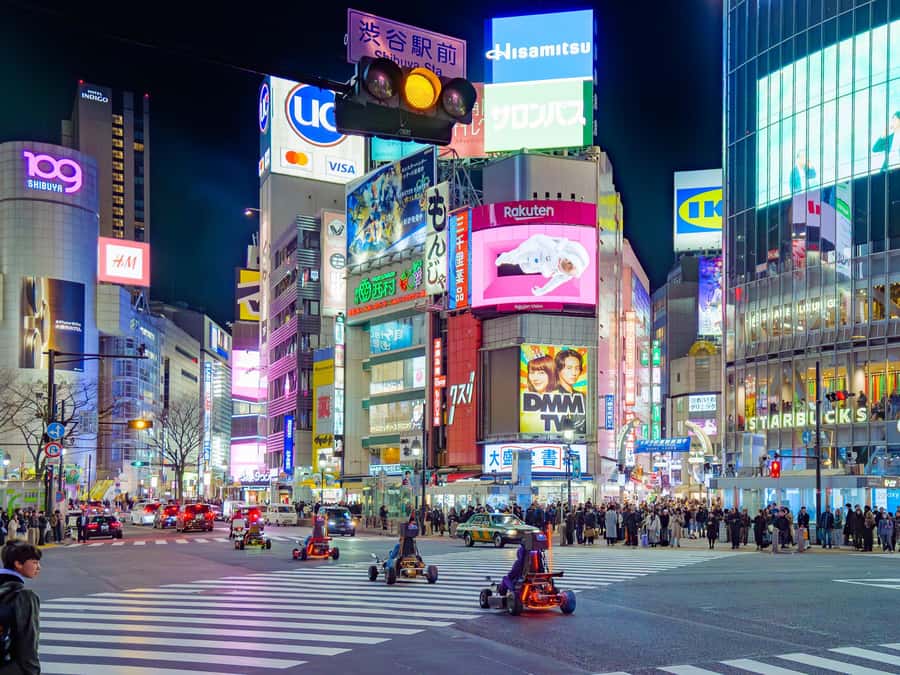
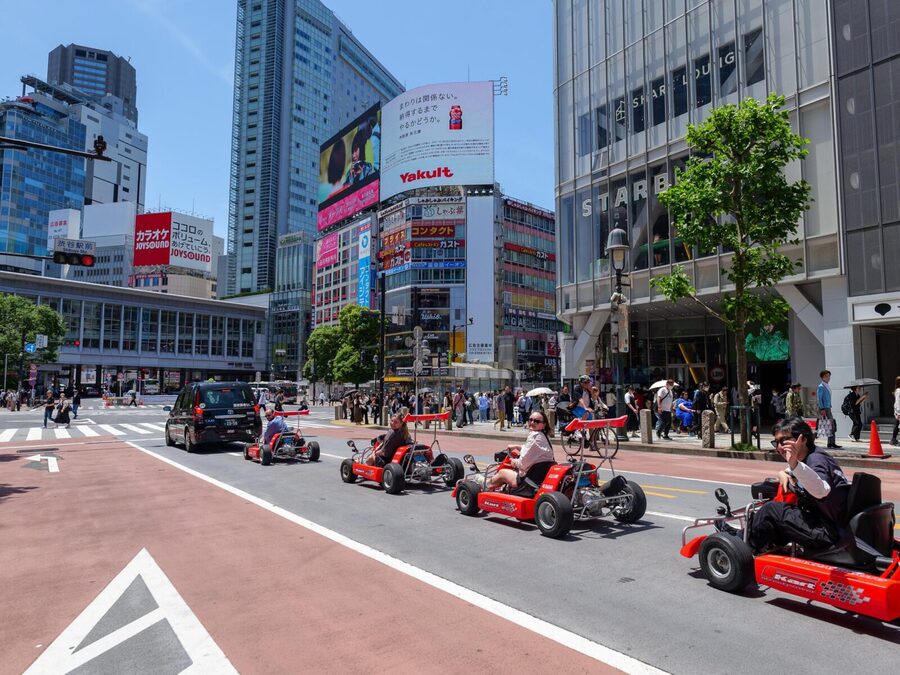
Shibuya Scramble is the emotional center of the outing. This is the crossing seen in countless Tokyo photos, where several streams of pedestrians move across the road at once. Driving through the area gives you a very different view from standing at the crossing or watching from above.
The timing and traffic flow are controlled by normal road conditions and the instructor, so you should not expect a private or guaranteed photo stop in the middle of the crossing. Still, passing through the district in a line of colorful karts gives the ride its strongest sense of occasion.
This is also where the costume matters most. A plain kart ride would be unusual, but a costume-clad group becomes a small moving show. The activity includes a photo service, and staff can take pictures during the outing. Bring your own camera or phone if you want extra images, but follow the guide’s instructions while the kart is moving.
You should keep your expectations realistic. The crossing is an urban traffic junction, not an attraction where you can stop whenever you like. The fun comes from passing through it safely and seeing the reaction around you.
Harajuku and Omotesando from a go-kart
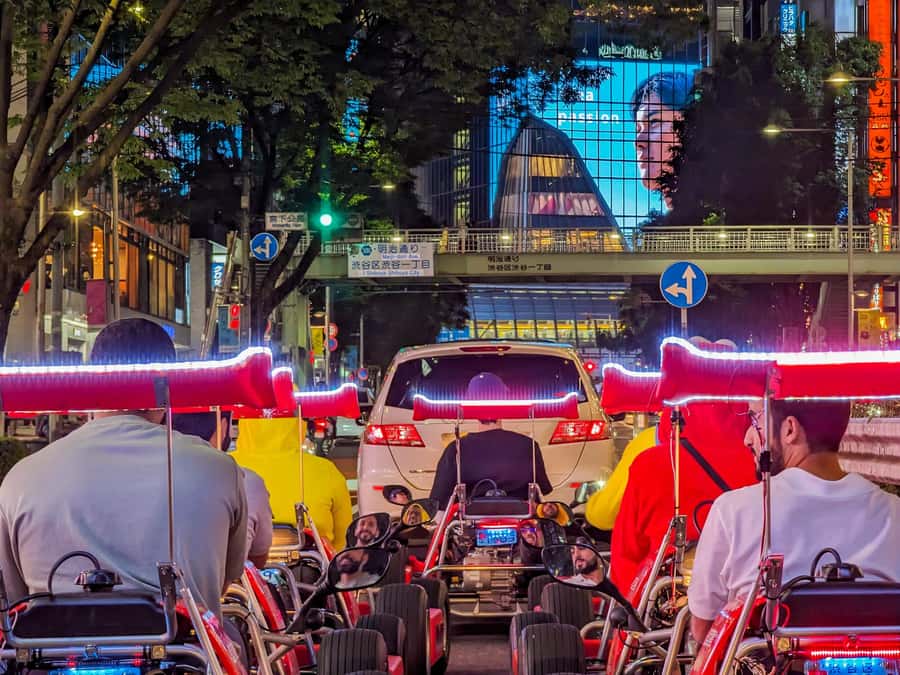
Harajuku adds a youthful, fashion-focused part of the route. Omotesando offers a different street setting, with broad avenues and polished city scenery. From a go-kart, these areas become a sequence of views rather than a shopping visit.
I find this useful for getting your bearings before or after a walking day in central Tokyo. You can see how close these neighborhoods are to one another, then return later to explore them at street level. The tour itself does not include shopping time or a walking stop, so plan a separate visit if you want boutiques, cafés, or longer photo sessions.
The ride also gives you a quick look at Tokyo’s street rhythm. You are not being driven around in a closed vehicle. You must pay attention to the road, follow signals, and stay with the instructor. That makes the experience more active than a standard sightseeing bus, but it also means you cannot spend the whole hour looking upward at buildings.
Several guides receive specific praise for their approach. James is described as funny and good at making the ride memorable. Miri is noted for explaining things clearly and helping with photos. Haruto is described as humorous and easy to follow, while Osama is praised for patience, energy, and clear safety guidance. One guide even used the ride to teach new Japanese words, adding a small personal touch to the drive.
Cost, insurance, and the real value of $61
At $61 per person, this is not the cheapest way to see Shibuya. You could walk through the same districts for very little money, and public transport would cost far less. The price makes sense only if you value the kart, costume, instructor, photo service, and novelty of driving through the city.
I think the strongest value comes for a first-time visitor who wants one memorable activity rather than another standard viewpoint. You are paying for access to a playful format, not for extensive sightseeing time. The one-hour duration keeps the cost from becoming too heavy, but it also limits how much ground you can cover.
Insurance needs close attention. The included insurance covers property damage and personal injuries, but it does not cover damage to the kart. If an accident damages the vehicle, the stated repair charge is 50,000 yen. An extra vehicle-repair insurance option costs 1,000 yen.
For many people, that additional 1,000 yen is sensible peace of mind. It does not remove the need to drive carefully, and you should still ask staff exactly what the added coverage includes before setting off. The important point is not to assume that the word insurance covers every possible cost.

Costumes, cameras, and becoming part of the scene
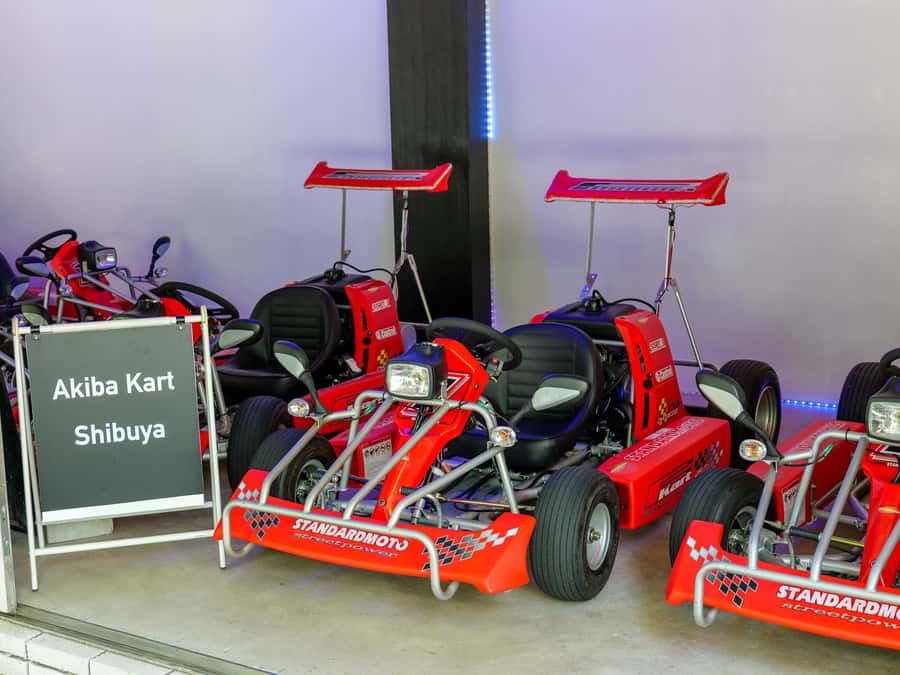
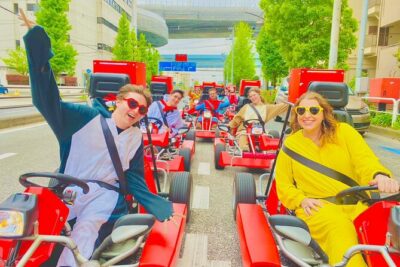
The costume rental is included, and the range lets you choose a character style that suits your mood. The outfit is not a minor extra. It changes how the public sees you and how much attention you receive.
That attention can be funny and memorable, especially around Shibuya. It can also feel intense if you are shy or uncomfortable being photographed. I would choose a costume you can sit and drive in comfortably, rather than selecting only for appearance.
The included photo service is another practical benefit. Since you should keep both hands focused on driving, having staff take pictures is safer than trying to use your phone yourself. Ask about the photo process at the start, since the available moments and number of images are not specified.
Sun protection and water matter in summer. One rider specifically found the afternoon heat uncomfortable and advised sunscreen and hydration. A morning or evening departure may be more pleasant in hot weather, though the available times depend on the booking schedule.
Rain is the main weather concern. The activity can be canceled in heavy rain. If that happens, you may reschedule without a charge, or receive a refund if no alternate date is available. Light rain details are not specified, so check with the operator if the forecast looks uncertain.
The license rules can make or break the booking
Do not treat the driving permit as a last-minute detail. You must bring a passport and a valid international driving license that permits driving in Japan. The supplied guidance says only a book-type license is valid. Card and digital versions are not accepted.
You are also told to read the linked license document before booking. Do that, especially if your permit was issued under a format that differs from the standard paper booklet. If your international license is not valid in Japan, or if you arrive without the correct document, the tour can be canceled without a refund.
The information also refers to a valid Japanese driver’s license, so anyone relying on a Japanese license rather than an international permit should confirm the exact requirement with Akiba Kart before paying. Do not assume that a license from your home country alone will work.
There are physical limits too. Drivers must be between 150 and 185 centimeters tall, and each person must weigh under 100 kilograms. These rules are easy to overlook when booking online, but they are firm enough to check before you reserve.
Who will enjoy this, and who should skip it
I would recommend this for adults and older teens who already meet the driving requirements and want an active Tokyo memory. It suits people who enjoy costumes, public attention, and a bit of controlled road excitement.
It is especially good for a small group of friends, couples, or family members who want photos that look different from the usual Tokyo holiday pictures. The guides’ humor and energy also seem to shape the experience, so a friendly group that responds well to instruction will get the most from it.
I would hesitate to recommend it to anyone who dislikes driving in city traffic, feels uneasy being watched, or wants a slow sightseeing experience. It is also a poor choice if your license paperwork is uncertain. The tour cannot compensate for arriving with an invalid permit.
The afternoon heat is another reason to choose your time carefully. In summer, an evening departure may be more comfortable than the warmest part of the day, and you can visit Shibuya on foot afterward or before the ride, depending on your plans.
Practical booking advice for a smoother ride
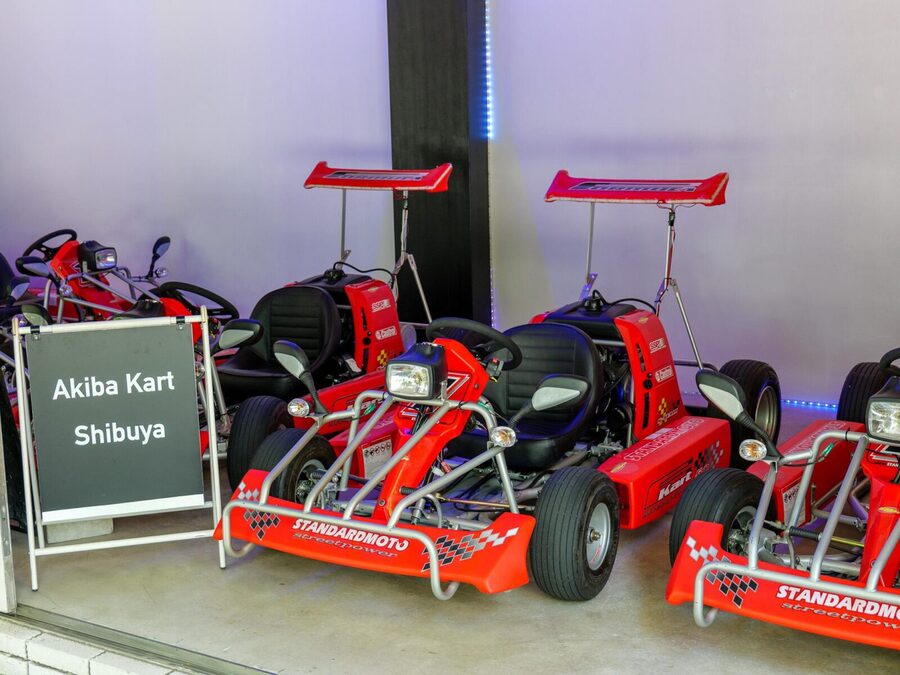
Arrive 20 minutes before departure. That gives you time to present your passport and license, choose a costume, adjust your seat, and listen to the safety briefing without rushing.
Wear clothing that allows you to sit comfortably and move your arms freely. The provided information does not specify a dress code, so the main concern is comfort and safe control of the kart. Bring water and sunscreen in warm weather.
Remember that this is a one-hour route returning to the starting point. It does not function as one-way transport between neighborhoods. If you have a dinner reservation or another timed activity, leave room for the return and any pre-ride preparation.
The tour can be canceled in heavy rain, with rescheduling or a refund when no alternate date is available. You can also cancel up to 24 hours in advance for a full refund, according to the stated policy, and booking can be reserved with payment later.
Should you book the Shibuya go-kart tour?
Book it if you want a playful, photo-friendly way to pass through Shibuya and you have the correct driving documents. The costume, one-hour route, instructor support, and chance to cross near Shibuya Scramble give you a memorable experience for $61.
Skip it if you want detailed sightseeing, long stops, or a quiet look at Tokyo. Before reserving, check the license rules, height and weight limits, weather forecast, and vehicle insurance option. If those points work for you, this is one of the more unusual ways to turn a familiar Tokyo neighborhood into a personal story.
FAQ
Where does the go-kart tour start?
The tour starts at Akiba Kart Shinjuku. Search for Akiba Kart Shinjuku to find the meeting point at the stated address.
Where does the tour finish?
The activity ends back at the meeting point where it began.
How long is the go-kart ride?
The go-kart rental and city ride last one hour.
Which Tokyo areas does the route include?
The route includes Shinjuku, Omotesando, Harajuku, and Shibuya, including the area around Shibuya Scramble.
Do I need an international driving license?
Yes. You must bring a valid international license that permits you to drive in Japan, along with your passport. Check the supplied license guidance before booking.
Is a digital international license accepted?
No. The stated rules say only a book-type license is valid. Card and digital types are not accepted.
Are there height and weight limits?
Yes. Drivers must be between 150 and 185 centimeters tall, and each person must weigh under 100 kilograms.
What happens if it rains heavily?
The activity may be canceled in heavy rain. You can reschedule without a charge, and if no alternative date is available, you will receive a refund.
More Shibuya Tours in Tokyo


More tours in Tokyo we've reviewed


Go-Karts, compared.
 ★ 5.0Flagship 2-Hours Official Street Go-Kart Tour – Tokyo Bay ShopFrom $642 hours to 2 hours 30 minutes (approx.)
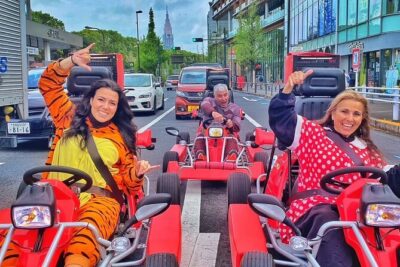 ★ 5.0Official Street Go-Kart in ShibuyaFrom $76
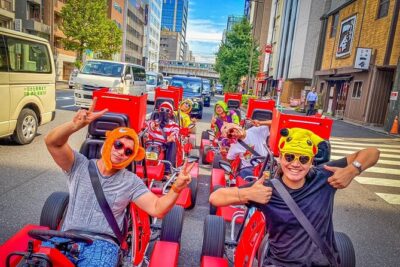 ★ 5.0Official Street Go-Kart Tour – AkihabaraFrom $61
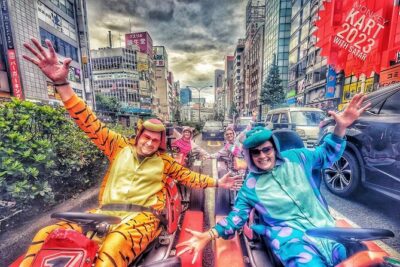 ★ 5.0Tokyo Go Kart: Asakusa, Skytree, and Akihabara **IDP MUST**From $99
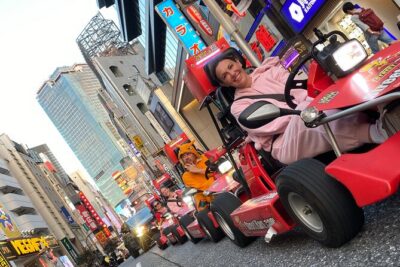 ★ 5.0Shibuya Official Street Go-Kart in Shibuya AnnexFrom $69
 ★ 4.7Tokyo: Asakusa, Skytree & Akhihabara Go-Kart City ExperienceFrom $961h 10m