
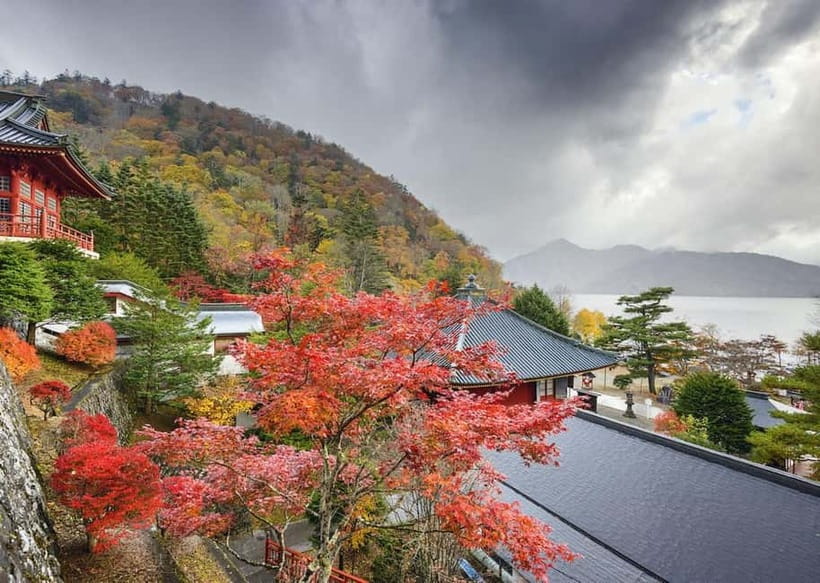
Reviewed · NIKKO DAY TRIPS
Nikko – Beautiful Full-Day Personal and Private Tour
Nikko packs mountain scenery, thundering waterfalls, a volcanic lake, and Japan’s most ornate shrine into one long day from Tokyo. The best part is the private vehicle, which saves you from changing trains and local buses between widely scattered sights. I also like the flexible pace and the chance to visit both major sights and quieter places such as Yudaki Falls or Kanmangafuchi Abyss. The drawback is simple: ten hours includes the drive from Tokyo, so this is a full day with limited room for lingering.
I especially like the route over Irohazaka’s 28 turns, followed by the Akechidaira viewpoint and the forested mountain roads around Lake Chuzenji. Drivers including Kashif, Zahi, Zahid, Ari, and Zaheer have been praised for safe driving, practical local tips, ticket help, and taking group photos. Still, traffic can reshape the day, and meals, entry fees, and a licensed guide cost extra.
In This Review
- Why this Nikko day trip works
- Leaving Tokyo for Nikko’s mountain country
- Irohazaka’s 28 turns and Akechidaira views
- Kegon Falls, Nikko’s great vertical drop
- Lake Chuzenji and the high-country pause
- Ryuzu Falls, Yudaki Falls, and the water route
- Forest paths and Kanmangafuchi Abyss
- Toshogu Shrine and the power of Nikko’s history
- Tamozawa Imperial Villa and Shinkyo Bridge
- What the $364 group price really buys
- Who should choose this private format
- Practical planning for a cooler, active day
- Should you book this Nikko tour?
- FAQ
- Where can pickup and drop-off take place?
- How long does the Nikko tour last?
- Is the vehicle private?
- Are meals and entrance fees included?
- Is the driver a licensed tour guide?
- What should I wear and bring?
Why this Nikko day trip works
- A private ride for up to six people: Share the $364 group price with a family or small group and the cost becomes more reasonable than six separate car services.
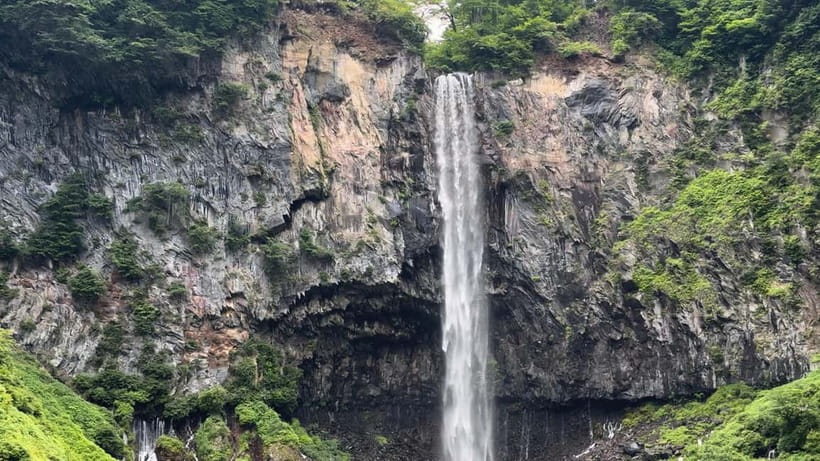
- A complete mountain route: Combine Akechidaira, Kegon Falls, Lake Chuzenji, Ryuzu Falls, Yudaki Falls, and Nikko’s shrine district.
- Flexible timing: Ask to stay longer at a waterfall, shorten a stop, or add a place such as Kanmangafuchi Abyss when conditions allow.
- Practical driver support: Drivers such as Kashif and Zahi can help with meeting points, tickets, parking, photographs, and route decisions.
- A strong nature and culture mix: The day moves from cedar forests and volcanic waters to Toshogu Shrine and Shinkyo Bridge.
- Four-season appeal: Spring greenery, summer mountain air, autumn color, and snowy winter views each give Nikko a different character.
Leaving Tokyo for Nikko’s mountain country
Pickup is available from a hotel or meeting point within Tokyo’s 23 wards, with drop-off at the same place or another central Tokyo location. Pickup outside the 23 wards may be possible for an added fee. You will connect with the driver through WhatsApp, and the meeting point may be a hotel lobby, main entrance, or nearby designated spot.
The private, air-conditioned vehicle is the practical heart of the tour. It may be a sedan or van, with comfortable seating and room for luggage. Fuel, highway tolls, and parking are included, which removes several small costs that can otherwise add up. A Toyota Vellfire has been used for groups of six, giving a larger party more breathing room.
The drive to Nikko takes a meaningful share of the ten-hour day. That is not a flaw in the tour, but you should understand the trade. You gain door-to-door convenience and avoid working out connections between Tokyo, central Nikko, Lake Chuzenji, and the waterfalls. In return, you do not get unlimited time at each stop.
Your driver is English-speaking and driver-led rather than automatically a licensed guide. Some drivers explain the sights and offer useful background, while a licensed guide can be requested for an additional cost. If you want detailed religious, artistic, or historical interpretation inside Toshogu Shrine, ask about the guide option before booking.
A few more Nikko tours and experiences worth a look
Irohazaka’s 28 turns and Akechidaira views
The road into the high country is part of the attraction. Irohazaka is famous for its 28 turns, and the winding climb gives you a clear sense that Nikko is not just a shrine town. You are heading into a cooler mountain area with steep wooded slopes, waterfalls, and a volcanic lake.
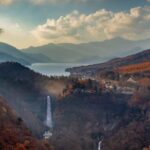
Akechidaira is one of the day’s big scenic stops. The ropeway ride takes about 40 minutes within the stated schedule, and the viewpoint looks across Lake Chuzenji and toward Kegon Falls. On a clear day, this is the place to understand the layout of the area before you see the individual sights.
Weather matters here. Mist can soften the view, and poor conditions may affect the ropeway or mountain route. The flexible format helps because your driver can adjust the order when practical. Some drivers have also helped passengers get onto the ropeway and avoid unnecessary waiting.
The viewpoint does require some movement and possibly stairs or uneven ground. Wear shoes with a firm sole, not your most delicate city footwear.
Kegon Falls, Nikko’s great vertical drop
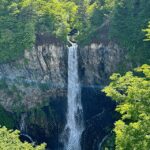
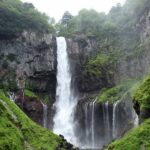
Kegon Falls is the most forceful natural stop on the route. Water drops about 100 meters from Lake Chuzenji into the valley below, making this more than a quick roadside photo. The sound and spray give the waterfall real weight, even when the viewing area is busy.
Plan around 40 minutes here in the typical schedule. That is enough for photographs and a look at the falls, but not a long walk in the area. The driver can point out less obvious viewing spots around Kegon Falls and Lake Chuzenji, which is useful when the main lookout feels crowded.
The waterfall changes with the season. Autumn brings color to the surrounding trees, while winter can make the area feel stark and quiet. Summer is often a welcome break from Tokyo’s heat. In wet weather, paths and viewing areas may be slippery, so keep your hands free and your shoes practical.
Lake Chuzenji and the high-country pause
Lake Chuzenji is a broad, calm contrast to Kegon Falls. This crater lake sits at the base of Mount Nantai, and the water, wooded slopes, and open mountain air create one of the day’s best pauses. The schedule allows roughly an hour for a photo stop, sightseeing, and a walk.
I would use this time to slow down. The shrine stops are visually busy, and the waterfalls are dramatic. Lake Chuzenji gives you room to simply look. Your driver may know quieter photo points, but the exact stop depends on traffic, weather, and the group’s priorities.
This is also where the cooler temperature becomes noticeable. Nikko can feel much colder than Tokyo, especially in autumn and winter. Bring layers even if the morning in Tokyo feels mild. A light jacket is useful in summer as well.
Lunch is not included, so you choose and pay for your own meal. A local restaurant near Ryuzu Falls is one possible choice, and a udon lunch overlooking the falls has been enjoyed on the route. The freedom is convenient for people with dietary preferences, but you should budget time and money for the meal.
Ryuzu Falls, Yudaki Falls, and the water route
Ryuzu Falls, or Dragon Falls, is known for its twin streams of falling water. It is a good lunch stop because you can pair a meal with a scenic view rather than treating lunch as a break disconnected from the day.
The waterfall is different from Kegon. Kegon plunges in one dramatic drop, while Ryuzu spreads into two channels and runs through a more wooded setting. This variety keeps the nature portion from feeling repetitive.
Yudaki Falls adds another style of cascade. The itinerary allows about 30 minutes for a photo stop, visit, sightseeing, and walk at Yuno Lake, which refers to the Yuno Lake area near Yudaki Falls. The schedule is tighter here, so you may get a good look and photographs without having time for a long trail.
A longer break of about 80 minutes is also built into the day. Its exact use is flexible, and it can cover lunch, photographs, or a walk. This is one reason the private format is useful. A fixed group schedule might force you to leave just as you settle into a view, while your driver can often adjust the rhythm within the ten-hour limit.
Other private tours in Nikko

Forest paths and Kanmangafuchi Abyss
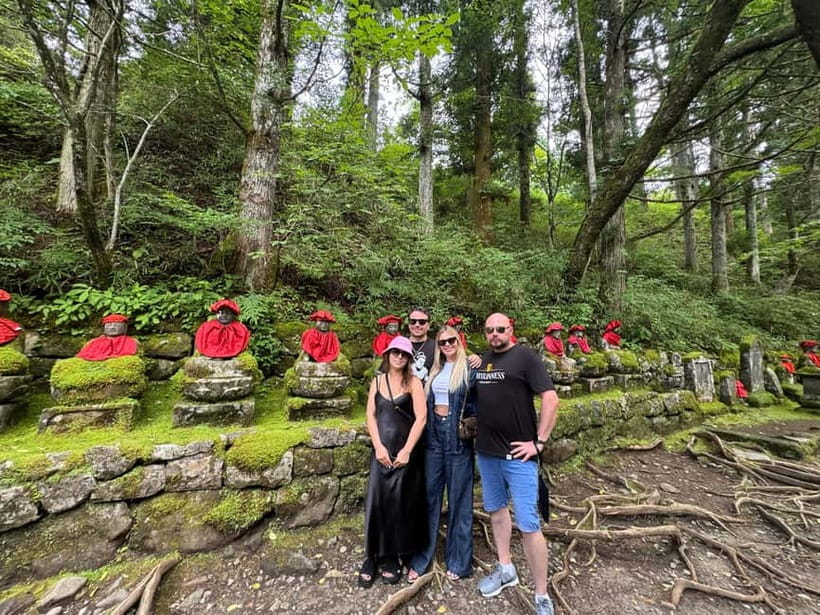
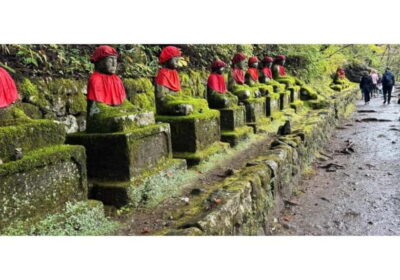
Kanmangafuchi Abyss is an optional or flexible addition that gives the day a quieter edge. The riverside path has moss-covered Jizo statues and a forest setting, offering a gentler experience after the busy waterfall viewpoints.
This stop is worth considering if you value atmosphere more than collecting every major ticketed sight. The path includes uneven ground, and the schedule may not allow it on a crowded weekend or during heavy traffic. Ask your driver early in the day if it fits.
A forest walk also changes your experience of Nikko. From the vehicle, you see the broad shape of the mountains. On foot, you notice moss, rushing water, cedar shade, and the cooler air. Comfortable walking shoes are essential.
Toshogu Shrine and the power of Nikko’s history
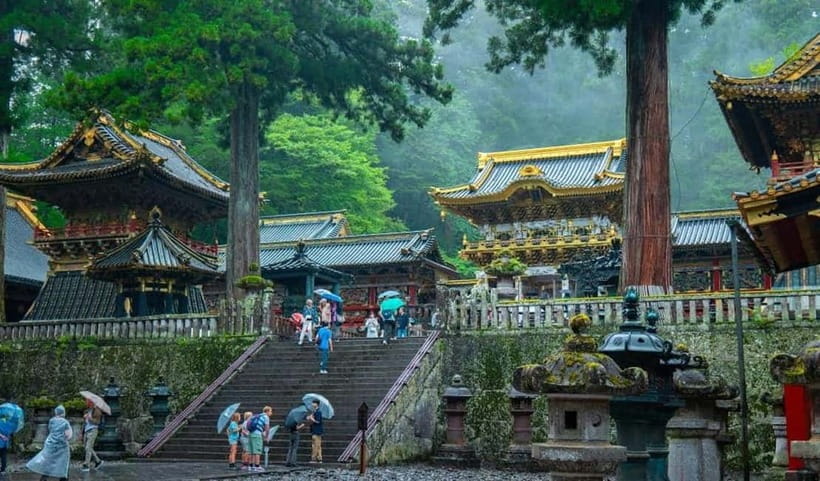
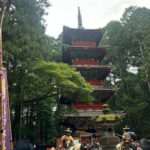
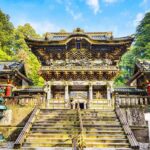
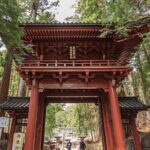
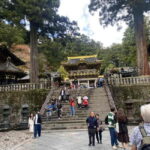
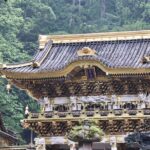
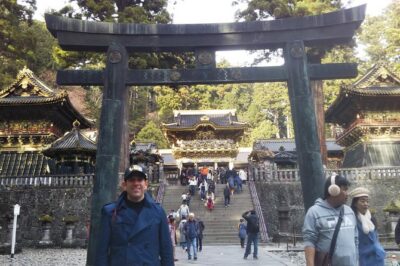
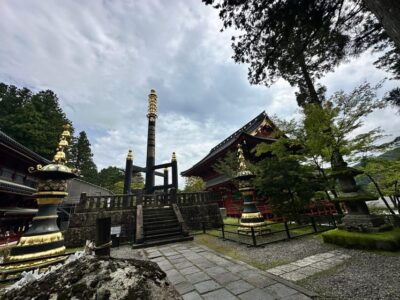
Toshogu Shrine is the cultural centerpiece of the day and part of Nikko’s UNESCO World Heritage area. Its elaborate design makes a sharp contrast with the plain mountain scenery. Allow about 40 minutes in the stated schedule, though you may want more if you plan to explore carefully and pay for the relevant entrance areas.
Toshogu is not a quick photo backdrop. Details matter here, from carved decoration to the layered arrangement of gates, halls, and wooded approaches. A driver can help you reach the entrance, explain basic points, and arrange a meeting place. Some drivers have also helped visitors enter early enough to reduce queue time.
Entrance fees are not included. Bring cash or a card, and confirm which parts of the shrine you want to enter. If your main goal is a serious cultural visit, the extra cost of a licensed guide may be worthwhile. If you mainly want to see the complex and combine it with nature, the driver-led format may be enough.
Nikko’s shrine district can become crowded, particularly on weekends and public holidays. A weekday departure gives you a better chance of moving at a relaxed pace. It also gives the driver more room to adjust parking and stop times.
Tamozawa Imperial Villa and Shinkyo Bridge
Nikko Tamozawa Imperial Villa Memorial Park offers a quieter architectural change of pace. This Meiji-era royal residence has a more domestic feel than Toshogu, with rooms, gardens, and a sense of how an imperial residence functioned. The schedule allows about an hour for a visit and walk.
The villa is optional in practical terms because the day already contains several major stops. I would choose it if you enjoy architecture, interiors, and gardens. If waterfalls and mountain views matter more, use the time for a longer nature stop instead.
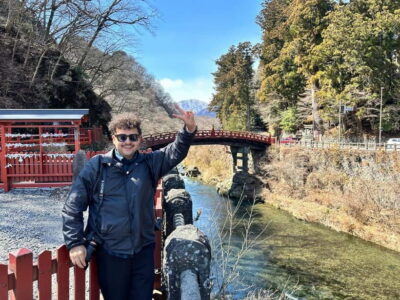
Shinkyo Bridge is a compact but memorable final sight. Its red form crosses the river at the entrance to Nikko’s historic area, making a strong photograph and a useful visual link between the town and the sacred sites. About 20 minutes is enough for photographs and a short visit.
Because Shinkyo Bridge is brief, it works well near the end of the Nikko portion. You get a final look at the river and bridge before returning to the vehicle for the drive to Tokyo.
What the $364 group price really buys
The advertised price is $364 for a group of up to six, not per person. For six people, that is about $61 each before meals and entrance fees. For two people, it is about $182 each, so the value depends heavily on group size.
You are paying for private transport, an English-speaking driver, hotel pickup and drop-off in central Tokyo, fuel, tolls, parking, and the ability to shape the day. That is a strong package for a group that wants convenience. It is less compelling for a solo visitor who is comfortable using trains and buses.
The price does not cover meals, the Akechidaira Ropeway, Toshogu Shrine, Tamozawa Imperial Villa, or other entrance fees. It also does not include a licensed guide. Extra charges may apply if you keep the vehicle beyond the standard ten hours.
The best value comes when you fill the vehicle. A family or group of friends can split the fixed cost and avoid the hassle of navigating Nikko’s spread-out sights. You also gain the ability to stop for group photographs, a small detail that several passengers have appreciated.
Who should choose this private format
I would recommend this tour to families, small groups, older relatives who prefer door-to-door travel, and anyone who wants to see both the shrine district and the mountain area in one day. It also suits photographers, since the driver can help with timing and lesser-used viewpoints.
It is a good fit if you want guidance without committing to a formal group tour. Drivers such as Kashif, Kashi, Zahi, Zahid, Ari, and Zaheer have been praised for safe driving, patience, route knowledge, ticket help, and photographs. Driver assignment can vary, so treat these names as examples rather than a guarantee.
You should think twice if you want a slow shrine visit, several long hikes, or a full day at Lake Chuzenji. The Tokyo return drive limits the time available. A weekday is the smarter choice, and you should accept that weather and traffic may force changes.
The tour is not suitable for wheelchair users according to the stated conditions. Some stops have stairs or uneven terrain, and wheelchair access varies by location. If you have limited mobility, ask about the route before paying.
Practical planning for a cooler, active day
Wear comfortable shoes and dress in layers. Nikko is cooler than Tokyo, especially around the lake and waterfalls, and winter conditions can be snowy. Bring a camera, water, and a payment card or cash for meals and admission.
The included bottled Mount Fuji natural mineral water is a useful small extra, but you should still plan for your own drinks during a long day. Alcohol and drugs are not permitted, and weapons or sharp objects are not allowed.
The tour allows cancellation up to 24 hours before departure for a full refund, and you can reserve now and pay later. Starting times depend on availability. Confirm the pickup instructions through WhatsApp, especially if your accommodation is difficult for a vehicle to reach.
Should you book this Nikko tour?
Book it if you want Nikko’s waterfalls, lake, mountain road, and major shrine without handling several transport changes. The private vehicle and flexible timing are the real advantages, and the price makes the most sense for four to six people.
Choose another plan if you are traveling alone on a tight budget or prefer to spend a whole day at only one or two sights. For everyone else, this is a practical way to turn a complicated Tokyo day trip into a well-packed mountain outing, as long as you accept the long driving time and extra admission costs.
FAQ
Where can pickup and drop-off take place?
Pickup is available from hotels, accommodations, or meeting points within Tokyo’s 23 wards. Drop-off can be at the pickup point or another central Tokyo location. Outside the 23 wards may be possible for an additional fee.
How long does the Nikko tour last?
The tour lasts about 10 hours, including travel between Tokyo and Nikko. Traffic, weather, and time spent at each stop can change the exact schedule.
Is the vehicle private?
Yes. The tour uses a private air-conditioned sedan or van for your group, with space for up to six people. Fuel, tolls, and parking are included.
Are meals and entrance fees included?
No. Meals, drinks, the Akechidaira Ropeway, Toshogu Shrine, Tamozawa Imperial Villa, and other entrance fees are paid separately.
Is the driver a licensed tour guide?
The service includes an English-speaking driver who may provide explanations and practical help. A licensed guide is not included, but one can be requested for an extra cost.
What should I wear and bring?
Wear comfortable walking shoes and weather-appropriate clothing. Nikko is cooler than Tokyo, so layers are useful, especially in autumn and winter. Bring a camera and cash or a card for meals and admission fees.
More Full-Day in Nikko
More Private Tours in Nikko
More Nikko Day Trips in Nikko
More tours in Nikko we've reviewed
Nikko Day Trips, compared.
 ★ 4.6Nikko: Kegon Falls, Lake Chuzenji & Toshogu TempleFrom $8911 hours
 ★ 4.5Tokyo: Nikko Toshogu Shrine and Kegon Waterfall TourFrom $8410h 30m
 ★ 5.0Nikko Full-Day Private Tour with Government-Licensed GuideFrom $155
 ★ 4.9From Tokyo: Nikko World Heritage Site Private Full-Day TripFrom $4831 day
 ★ 4.3Nikko: Edo Wonderland Edomura Cultural Theme Park TicketFrom $351 day
 ★ 4.8Tokyo: Nikko World Heritage Private Day Trip Hotel Pick-upFrom $39011 hours - 1 day