
Reviewed · TICKETS
Tokyo Tower: Admission Ticket
Tokyo Tower gives you one of Tokyo’s most memorable views without the price or scale of Tokyo Skytree. From the 150-meter Main Deck, you can watch the city spread in every direction, and on a clear day, Mount Fuji may appear beyond the buildings.
I like the easy location near Hamamatsucho Station and the simple QR-code entry. I also like that you can make the visit your own: spend an hour looking out the windows, linger over the city lights, or add the 250-meter Top Deck Tour for a higher view and a short lesson in the tower’s neo-Japanese story. The main drawback is the non-refundable ticket, so check your date carefully before booking.
In This Review
- Key Points
- Tokyo Tower at 150 Meters
- Adding the 250-Meter Top Deck Tour
- Best Time: Sunset, Night, or Day
- What Happens Inside Foot Town
- Getting There and Using the QR Ticket
- How Long Should You Allow?
- Is Tokyo Tower Good Value at $9?
- Who Should Book Tokyo Tower?
- Should You Book It?
- FAQ
- Where is Tokyo Tower located?
- What does the basic Tokyo Tower ticket include?
- Does every ticket include the Top Deck?
- Can I see Mount Fuji from Tokyo Tower?
- What are Tokyo Tower’s business hours?
- Is the ticket refundable?
- What happens if I lose or damage the ticket?
- Can I use a QR code to enter?
- Are children allowed to enter free?
- Are lockers available at Tokyo Tower?
Key Points
- Night lighting changes with the seasons: Tokyo Tower glows bright white in summer and orange during spring, autumn, and winter, with lighting generally running from sunset to midnight.
- The Main Deck is the core experience: At 150 meters, it gives you broad city views, glass-floor features, and a comfortable amount of time to look around.
- The Top Deck reaches 250 meters: Add this option for a higher 360-degree view and Tokyo Tower history presented through a neo-Japanese design.
- QR entry keeps things moving: Advance booking can help you avoid the regular ticket queue, though busy periods may still bring restrictions.
- Foot Town adds more than an observation platform: Shops, cafes, souvenirs, and interactive attractions make it easy to spend extra time inside.
- Weather matters: Rain can still leave you with a worthwhile visit, but clear skies give you the best chance of seeing Mount Fuji.
Tokyo Tower at 150 Meters
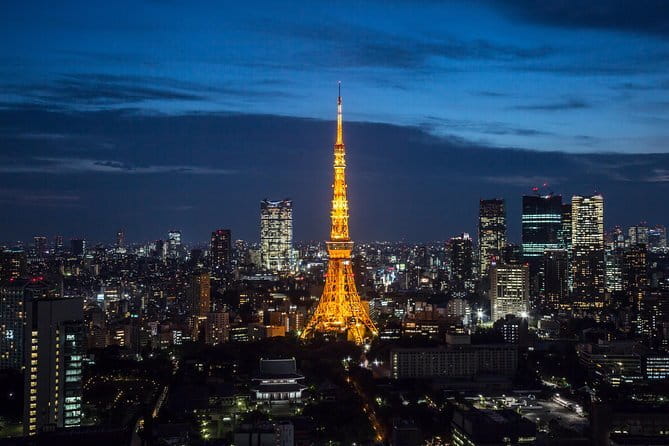
Tokyo Tower was completed in 1958, and its bright red frame remains one of the clearest visual markers in central Tokyo. The tower feels both practical and theatrical: a working city landmark by day, then a glowing beacon after sunset.
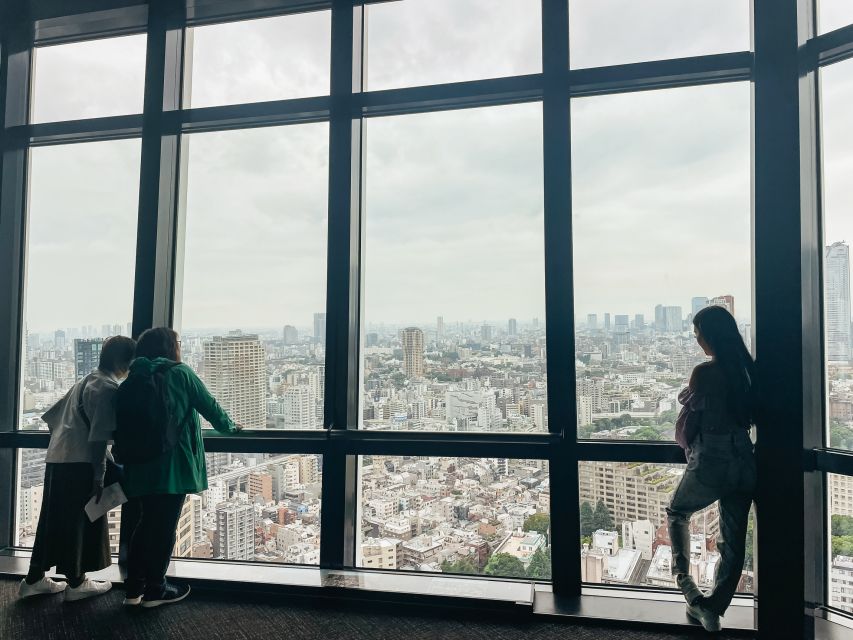
Your standard admission takes you to the Main Deck at 150 meters. This is the essential part of the visit, with wide views across Tokyo and its surrounding areas. You can look down at the streets, trace the city’s dense blocks, and watch the pattern of office towers, homes, roads, and parks change as your eyes move toward the horizon.
The view is not only about height. Tokyo Tower sits in the center of the city, so you get a strong sense of the urban core rather than a distant view from the edge of town. That makes it a useful first stop if you want to understand Tokyo’s scale and layout.
At the Main Deck, you may find interactive exhibits and special displays alongside the viewing areas. The exact presentation can vary with seasonal events and local operations. Halloween decorations, themed windows, and staff costumes have appeared during October, adding a playful touch to what could otherwise be a straightforward lookout visit.
If you dislike heights, the tower can feel intense. One visitor described the experience as frightening but still worthwhile, and that is a fair warning. You are looking down from a tall structure, so this is not the best pick if you know observation decks make you uncomfortable.
Adding the 250-Meter Top Deck Tour
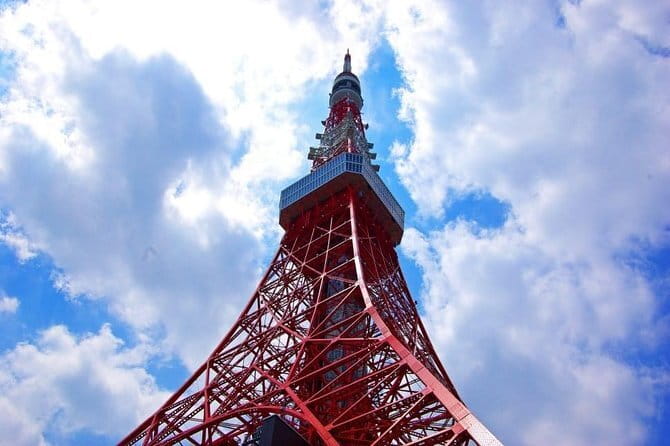
The Top Deck Tour is the upgrade to consider if the view is your main reason for coming. It includes access to both the Main Deck at 150 meters and the special observation level at 250 meters.
At the higher level, you get a 360-degree panorama from farther above the city. The extra height changes the view in a noticeable way. Buildings that seem large from the Main Deck become part of a wider urban pattern, and the outer edges of Tokyo are easier to appreciate.
The Top Deck Tour also includes a presentation about Tokyo Tower’s history through a neo-Japanese concept. That gives the visit more structure than simply riding an elevator, looking through glass, and returning to street level.
I would choose the Top Deck option for a first visit, a special evening, or a clear day when Mount Fuji might be visible. If you are working with a tight budget or only want a quick city view, the Main Deck is enough.
The higher deck can close because of strong winds, heavy snow, or safety inspections. Weather can also affect opening hours more generally, so check the official Tokyo Tower website before setting out. High congestion may restrict entry or use of parts of the tower.
Best Time: Sunset, Night, or Day
Tokyo Tower works at several times of day, but each gives you a different experience.
A late afternoon arrival lets you see the city in daylight, watch the colors change, and stay into the evening. One particularly good timing example is reaching the tower around 4:30 PM in winter, when sunset can line up with a view toward Mount Fuji. Exact sunset times change by season, but the principle is useful: arrive before sunset instead of treating the tower as only a nighttime stop.
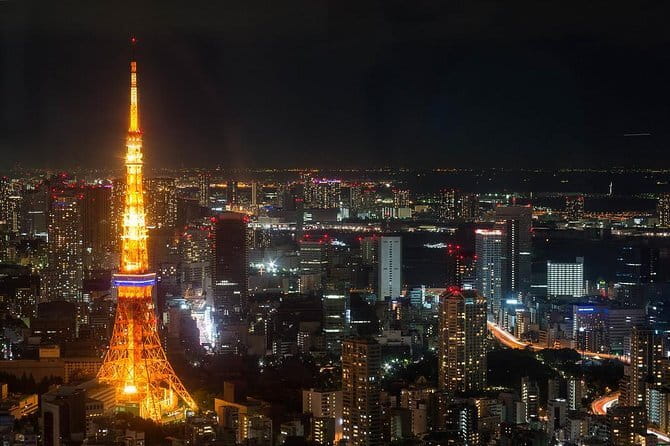
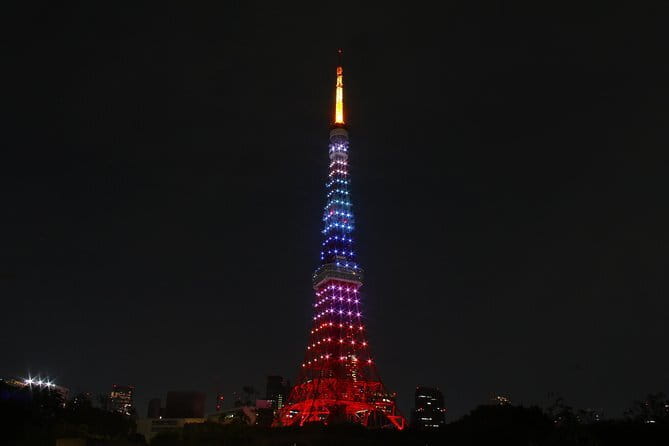
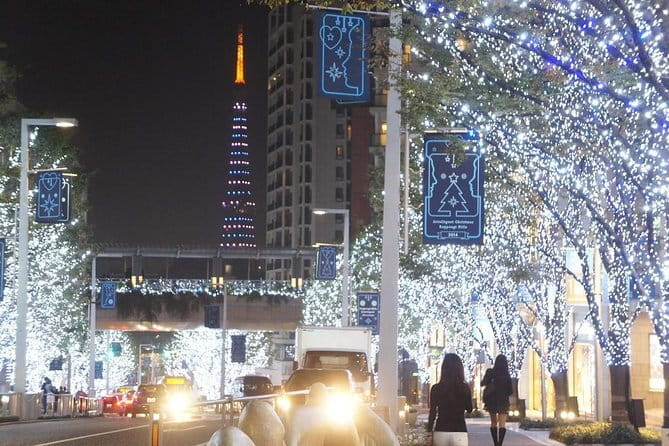
Night is the safest choice if you want atmosphere. The city below becomes a field of lights, and Tokyo Tower itself takes on a completely different character. The lighting concept was designed by Motoko Ishii, and the tower is generally lit from sunset until midnight.
The color shifts through the year. Summer lighting is described as bright white, while spring, autumn, and winter bring orange tones. That detail makes an evening visit feel tied to the season rather than identical all year.
Daytime has one clear advantage: better conditions for spotting distant landmarks. Mount Fuji is possible on a sunny, clear day, but you should not book this ticket solely for that view. Tokyo weather can change quickly, and rain or haze may block the mountain.
Rain does not automatically ruin the visit. The observation levels still give you a different view of Tokyo, and the interior shops and exhibits provide something to do if visibility is poor. Just keep your expectations realistic: a wet day is unlikely to deliver the same far-reaching panorama as a crisp winter afternoon.
What Happens Inside Foot Town
The tower complex includes Foot Town at ground level, where you can find shops, cafes, souvenirs, and coin lockers. This is useful if you want to combine the observation deck with a short break or a little shopping.
The shops offer Tokyo Tower-themed items and other souvenirs. Prices have been described as reasonable in some cases, but the shopping and gaming areas can also feel tourist-oriented, particularly on the way down. I would browse rather than plan the visit around buying things.
Coin lockers are available on the first floor of Foot Town for a charge. They operate from 9:00 AM to 11:00 PM, and luggage cannot remain overnight. This is handy for a small bag, but you should not treat the lockers as an all-day or overnight luggage service.
Some ticket combinations include RED° TOKYO TOWER, an amusement attraction inside the complex. The combo includes a one-hour trial ticket. This can suit families or anyone who wants more activity than a viewing deck, but it is a separate option, so check what your selected ticket includes before paying.
Another combo includes a Tokyo Subway Ticket. That may improve the value if you already plan to use the subway, though the ticket details depend on the option selected. The basic admission does not automatically include either the subway ticket or RED° TOKYO TOWER.
Getting There and Using the QR Ticket
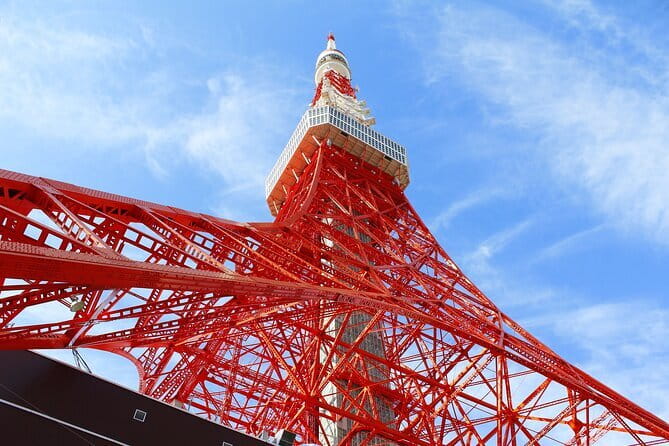
Tokyo Tower is in central Tokyo, near the JR line station Hamamatsucho. The location makes it practical to fit into a day of sightseeing, especially if you are already moving through central Tokyo.
The meeting point can vary by ticket type, so follow the instructions attached to your booking rather than assuming every option uses the same entrance. The listed coordinates are 35.658750485895034, 139.7455817626003.
The digital voucher is one of the strongest practical features. You scan the QR code at the entrance, and several ticket holders found that they could move directly toward the elevators instead of waiting at the ticket counter. Advance booking can also help if tickets sell out during a busy period.
The ticket information says validity may range from one hour to three days, depending on the option. Some ticket holders found their voucher usable throughout the day or beyond the exact booked time, but you should not assume that every product has the same rule. Check the selected option, validity dates, and starting time before you buy.
There is no refund for a change of mind or a booking mistake. One person selected the wrong day and could not recover the cost, so take a moment to confirm the date, time, and tower before completing payment. A lost or damaged ticket cannot be reissued.
Business hours are listed as 9:00 AM to 11:00 PM, with final admission at 10:30 PM. Local conditions, seasonal operations, and bad weather can change those hours. The official website is the best place to confirm the schedule on the day of your visit.
How Long Should You Allow?
The stated validity runs from one hour to three days, but that does not mean you need several days at the tower. Most people can see the Main Deck in about an hour, especially if they are focused on the view.
Allow more time if you want to visit the Top Deck, browse Foot Town, stop at a cafe, shop for souvenirs, or try the RED° TOKYO TOWER attraction. A sunset visit may also take longer because you will want to see both daylight and night views.
The tower is self-guided for the basic ticket. That is a plus if you want to move at your own pace and pause wherever the view catches your eye. Small-group availability applies to some options, but the standard admission is not presented as a guided walking tour with a named guide.
The elevators take you upward, and one visitor noted that the final section can be walked down using 333 steps. If stairs are not appealing, allow for the elevator arrangements and follow staff directions. Conditions inside the tower can change during crowded periods or special operations.
Is Tokyo Tower Good Value at $9?
At about $9 per person, the basic ticket is good value for a central Tokyo viewpoint. You get access to the Main Deck, a landmark with real historical importance, and a view that works in daylight, at sunset, and after dark.
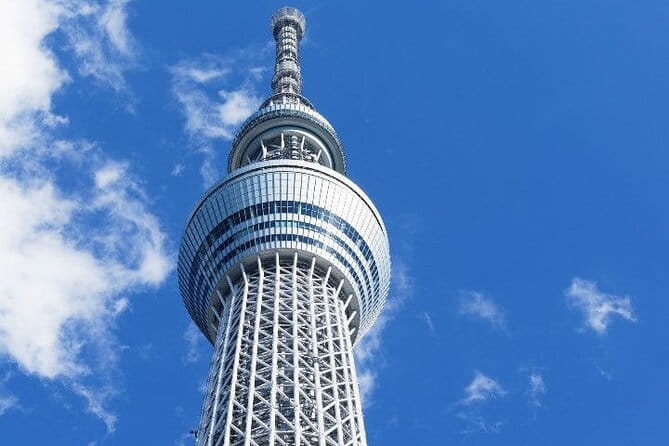
The price is especially attractive compared with higher-priced city attractions. Tokyo Skytree offers a different view from a greater height, and both towers can be worthwhile because they show Tokyo from different positions. If you only have room for one observation deck, Tokyo Tower offers a lower-cost way to get a classic city panorama.
The value improves if you use the ticket as part of a wider visit. You can combine it with a meal, cafe stop, souvenir browsing, or the RED° attraction. The Main Deck alone may feel brief if you expect a full-day outing, so think of the ticket as a strong one-hour anchor rather than an all-day attraction.
The Top Deck costs more than basic admission, but the upgrade makes sense for visitors who care about height, wider views, and the tower’s historical presentation. On a clear evening, the extra money is easier to justify. On a rainy day, the Main Deck may be the more sensible purchase unless the Top Deck is a major personal goal.
Who Should Book Tokyo Tower?
I would recommend this experience to first-time visitors who want a familiar Tokyo landmark and an uncomplicated view from the city center. It also suits families, couples, photographers, and anyone who enjoys city lights more than formal guided tours.
The flexible atmosphere helps. You can arrive during opening hours, look around for an hour, and move on, or turn the stop into a longer visit with food and indoor attractions. The staff are generally described as polite and helpful, which makes the process easier for international visitors.
Choose the Top Deck if you want the highest available viewpoint in this ticket package. Choose the Main Deck if you want a lower price, a quick visit, or a backup plan for a day when weather may spoil the distant view.
I would avoid booking too far ahead if your schedule is uncertain. The ticket is non-refundable, and the weather can affect the experience. If you do book in advance, double-check the date, option, meeting point, and validity rules.
Should You Book It?
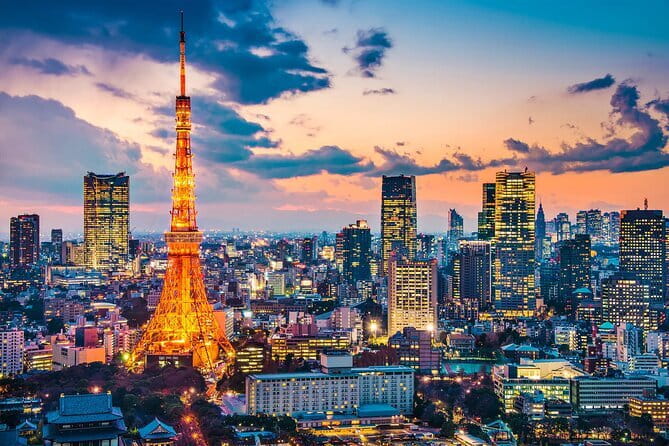
Yes, if you want a classic Tokyo view at a reasonable price and you can choose a clear or partly clear time of day. The QR entry is convenient, the Main Deck is easy to fit into a sightseeing schedule, and the night lighting gives the tower a special mood.
For the strongest visit, arrive before sunset and stay after dark. Add the Top Deck when the weather looks promising or when this is one of your main Tokyo experiences. Skip the upgrade if you only want a quick look, and do not count on Mount Fuji unless the sky is clear.
FAQ
Where is Tokyo Tower located?
Tokyo Tower is in central Tokyo, near the JR line station Hamamatsucho. The listed coordinates are 35.658750485895034, 139.7455817626003.
What does the basic Tokyo Tower ticket include?
The basic ticket includes access to the Main Deck at 150 meters.
Does every ticket include the Top Deck?
No. Access to the 250-meter Top Deck is included only when you select the Tokyo Tower Top Deck Tour option, listed as the 150-meter plus 250-meter ticket.
Can I see Mount Fuji from Tokyo Tower?
You may see Mount Fuji on a sunny, clear day. Visibility depends on weather conditions.
What are Tokyo Tower’s business hours?
The listed business hours are 9:00 AM to 11:00 PM, with last admission at 10:30 PM. Hours can change because of weather, seasonal operations, or local conditions.
Is the ticket refundable?
No. This activity is non-refundable, including cases where you book the wrong date.
What happens if I lose or damage the ticket?
The ticket cannot be reissued if it is lost or damaged.
Can I use a QR code to enter?
Yes. The digital ticket uses a QR code that you scan at the entrance. Advance booking may help you avoid the regular ticket line.
Are children allowed to enter free?
Children aged 0 to 3 can enter free of charge. The listed age groups are adults over 16, youth aged 7 to 15, and children aged 4 to 6.
Are lockers available at Tokyo Tower?
Paid coin lockers are available on the first floor of Foot Town from 9:00 AM to 11:00 PM. Luggage cannot be stored overnight.
Tickets, compared.
 ★ 4.5Tokyo: TOKYO SKYTREE® Admission ticketFrom $131 day
 ★ 4.6Tokyo: teamLab Planets TOKYO Digital Art Museum Entry TicketFrom $251 day
 ★ 3.9Tokyo: Hop-On Hop-Off Sightseeing Bus TicketFrom $301 - 2 days
 ★ 4.8Tokyo: Japanese Dance Cabaret Theater Asakusa-Kaguwa TicketFrom $492 hours
 ★ 4.5Tokyo: Kamakura & Enoshima Day Trip including Temple TicketsFrom $589 hours - 570 minutes
 ★ 4.5Tokyo: Samurai Restaurant Show Ticket with 2 DrinksFrom $551h 30m