
Reviewed · GUIDED
Tokyo 6hr Instagram Highlights Private Tour with Licensed Guide
Tokyo can swallow a short visit whole. This private six-hour tour gives you a local guide, a flexible route, and three or four carefully chosen photo stops instead of a long research session. You might frame Senso-ji’s red Thunder Gate, stand above Shibuya Crossing, or wander through Harajuku’s candy-colored Takeshita Street.
I like the one-to-one planning and the mix of old and new Tokyo. Guides such as Sam, Yoshi, Miho, Taku, Show, and Bruce have adapted routes around personal interests, weather, and places already seen. I also like the cultural context: this is not only a hunt for backdrops, but a chance to understand shrine customs, Japanese history, and city life.
The main catch is the title’s promise of Instagram highlights. You do not visit all 20 places listed as possible stops. You choose roughly three or four, and transportation, meals, entrance fees, and a private vehicle cost extra. Plan for a serious walking day, too.
In This Review
- Key points to know before booking
- A smart way to see Tokyo in six hours
- Senso-ji and Asakusa: Tokyo’s classic opening frame
- Hie Shrine: red torii without leaving central Tokyo
- Shibuya Crossing and Hachiko: the city in motion
- Meiji Jingu: forested grounds and painted sake barrels
- Takeshita Street: Harajuku’s playful side
- Omoide Yokocho and Golden Gai: narrow lanes after dark
- The Imperial Palace and Tokyo’s broad central spaces
- Gardens and museums: beautiful options, but not quick add-ons
- Tsukiji, Akihabara, and Tokyo’s specialist neighborhoods
- Shibamata and Nezu for a quieter Tokyo
- What $155.22 per person really buys
- Walking, weather, and planning the route
- Who should book this private Tokyo tour?
- Should you book it?
- FAQ
- How long does the Tokyo Instagram Highlights tour last?
- How many places will I visit?
- Is the tour private?
- Is a licensed English-speaking guide included?
- Is hotel pickup included?
- Are transportation fees included?
- Are entrance tickets included?
- Does the tour enter the Imperial Palace?
- Is lunch included?
- Can I customize the itinerary?
- Can I cancel for a full refund?
Key points to know before booking
- Choose only three or four sites: The large stop list offers ideas, not a promise to see them all.
- Your guide can reshape the day: Routes have been adjusted for places you already visited, changing weather, and personal interests.
- Expect old and new Tokyo together: Senso-ji, Meiji Jingu, Shibuya, Harajuku, and narrow nightlife lanes can fit into one plan.
- Transportation is not included: You meet on foot, and public transport or other travel costs are paid separately.
- The day can be physically demanding: One account describes reaching 18,000 steps during the six-hour outing.
- The private format costs more but saves time: At $155.22 per person, the value depends on group size and how much planning help you need.
A smart way to see Tokyo in six hours
The real strength of this experience is not the number of places. It is the ability to connect a few places that match your interests.
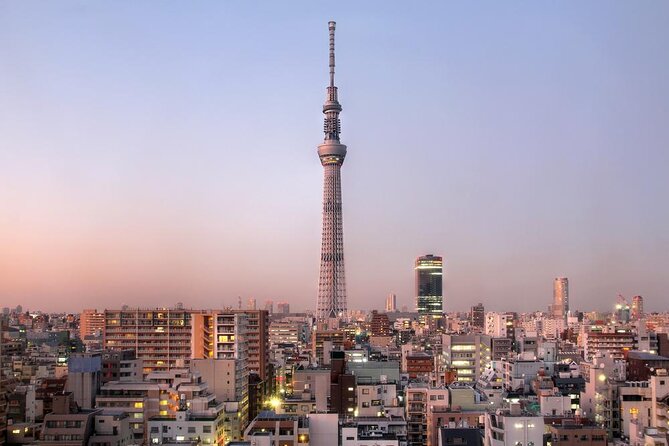
Tokyo’s districts are spread across a huge city. Senso-ji sits in Asakusa, Meiji Jingu and Takeshita Street are near Harajuku, Shibuya Crossing is farther southwest, and Golden Gai lies in Shinjuku. Trying to stitch these together alone can cost time, especially if you are still learning the train system.
A private guide can help you choose a sensible group of stops. If you want traditional architecture, the route might focus on Senso-ji, Hie Shrine, and Meiji Jingu. If you want city scenes and pop culture, Shibuya, Takeshita Street, Shinjuku, and Akihabara make more sense.
The guide also gives you someone to ask about what you are seeing. Sam has been praised for helping families feel at ease, while Yoshi was willing to rebuild a schedule around places already visited. Miho has been described as warm and flexible, with explanations of Japanese customs kept simple and easy to follow.
That personal adjustment is the feature you are paying for. This is not a fixed bus route where everyone follows the same script.
Other guided tours in Tokyo

Senso-ji and Asakusa: Tokyo’s classic opening frame
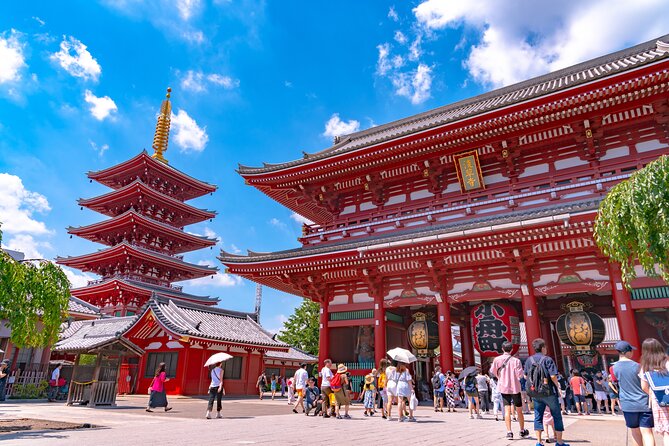
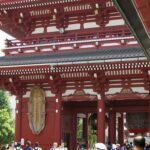
Senso-ji is one of the safest choices for a first photo stop. The approach begins at Kaminarimon, or Thunder Gate, with its large red lantern and strong architectural lines. From there, Nakamise-Dori leads toward the temple through a busy shopping lane.
You get color, religious detail, and a clear sense of old Asakusa in a compact area. The stop is listed at about 30 minutes, which is enough for photographs and a quick explanation, but not enough for a slow exploration of every corner.
Admission is free. You should remember that this is an active Buddhist temple, not only a backdrop. Your guide can help explain what you are seeing and how the space is used. The area can be crowded, so a private guide may help you move with purpose rather than wander in circles.
If you want a quieter visit, ask about timing when you book. The tour allows customization, but no particular time of day is promised.
Hie Shrine: red torii without leaving central Tokyo
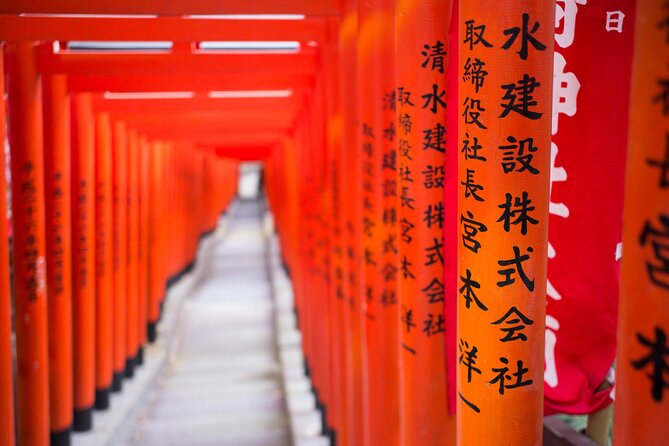
Hie Shrine offers one of the tour’s most distinctive settings: a tunnel of roughly 90 red torii gates. The scene recalls Kyoto’s Fushimi Inari, but you can reach it within Tokyo.
The gates make a strong series of photos, with repeated red frames leading uphill through the shrine grounds. The 30-minute visit is short, yet this stop works well because the visual idea is clear and concentrated.
Hie Shrine also gives the day a more peaceful pause after the scale of Asakusa or before the crowds of Shibuya. Admission is free. Ask your guide about shrine etiquette, since the value here is not only the red gates but also learning how a Shinto site differs from a Buddhist temple.
Shibuya Crossing and Hachiko: the city in motion
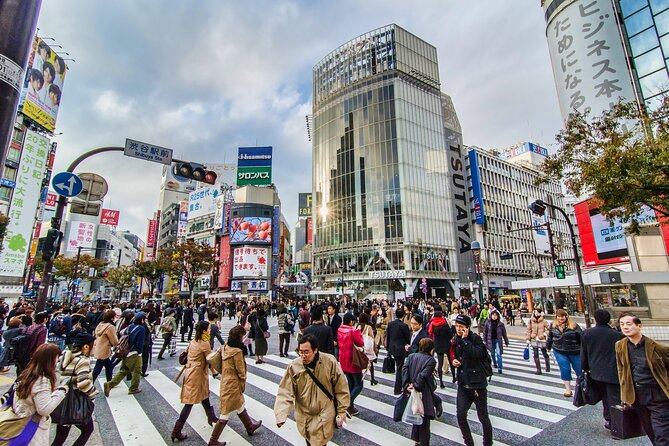
Shibuya Crossing is Tokyo’s signature urban photograph. When the signals change, pedestrians move across the intersection from several directions, surrounded by giant screens and tall buildings.
The planned stop lasts around 30 minutes. That gives you time to see the crossing, take photographs, and visit the bronze statue of Hachiko, the loyal dog that became a Tokyo symbol.
The crossing is more than a quick picture. It shows how Tokyo handles tremendous movement in a compact space. Your guide can also explain Hachiko’s place in local culture.
Do not expect a long neighborhood tour in this half-hour window. If you want shopping, cafés, or a night view, tell the guide in advance. A private route can respond to your priorities, but every extra stop means less time elsewhere.
Meiji Jingu: forested grounds and painted sake barrels
Meiji Jingu is Tokyo’s largest and best-known Shinto shrine, set within extensive grounds beside Shibuya. The approach feels very different from the commercial streets nearby.
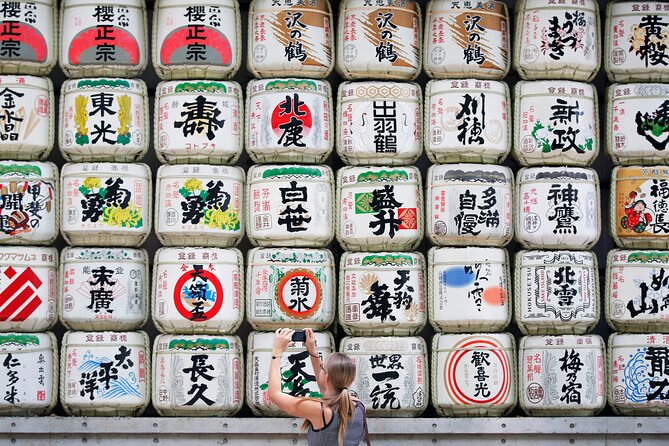
One of the most photogenic details is the collection of sake barrels displayed near the shrine. The barrels have colorful labels and form a memorable contrast with the plain wooden shrine buildings.
The planned visit is about 40 minutes, making it one of the longer main stops. That extra time helps you understand the scale of the shrine precinct and walk through part of the approach without rushing.
Meiji Jingu is a good choice for you if you want photographs that feel more restrained than neon streets and billboards. It also pairs well with Takeshita Street or Shibuya, creating a useful old-and-new contrast in one part of Tokyo.
Other private tours in Tokyo

Takeshita Street: Harajuku’s playful side
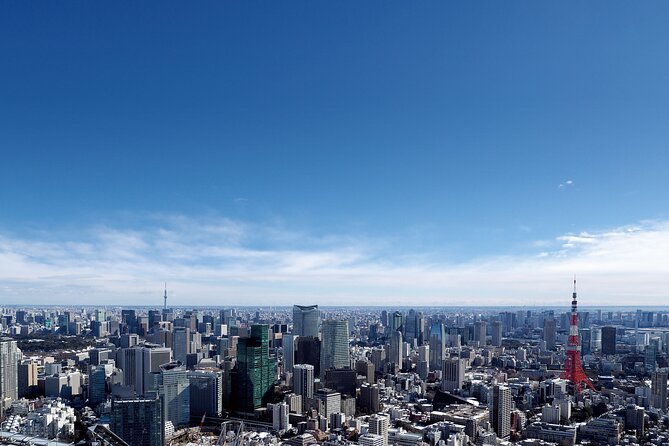
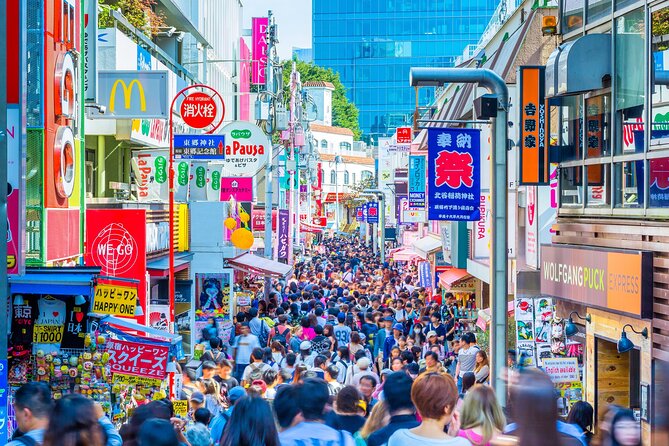
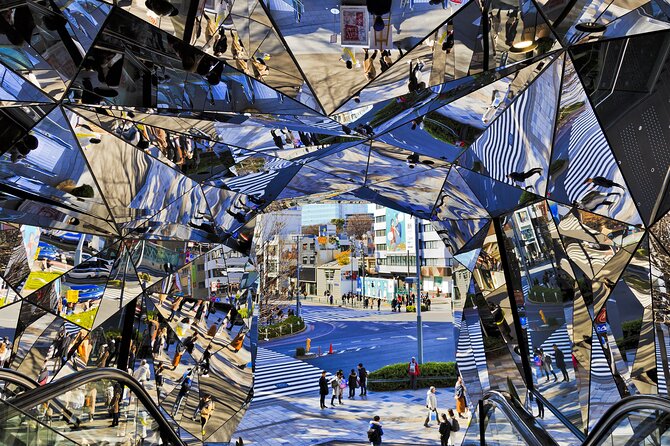
Takeshita Street is the loud, sweet, youthful stop. The narrow Harajuku shopping street is known for kawaii clothing, pink crepe shops, rainbow cotton candy, and colorful storefronts.
The visit is listed at 30 minutes. That is enough to walk a section, take photographs, and perhaps buy a snack, but it is not a full shopping visit. If you want time to browse stores, make that clear before the tour.
This is one of the best selections for social media images because the colors are immediate and easy to frame. It is also one of the least traditional stops, so you may want to balance it with Meiji Jingu nearby.
The contrast is the point. Within a short distance, you can move from a major shrine to youth fashion and oversized sweets.
Omoide Yokocho and Golden Gai: narrow lanes after dark
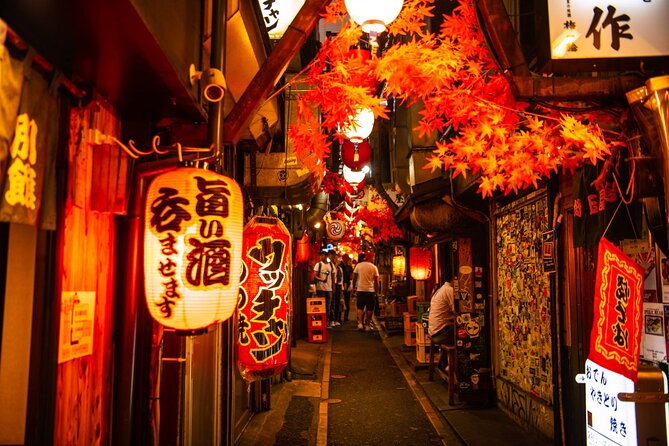
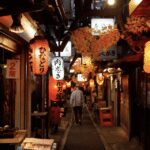
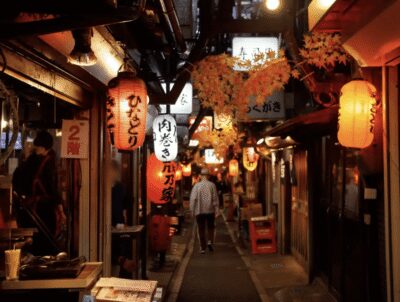
Omoide Yokocho is a small network of narrow lanes filled with restaurants, bars, and shops. It offers a glimpse of Tokyo back-alley culture, with a much tighter and more intimate feel than Shibuya’s broad crossing.
Shinjuku Golden Gai has a similar compact scale but a different mood. Tiny bars cluster along narrow passages, creating one of the city’s most recognizable nightlife settings.
Each stop is listed at about 30 minutes. That is enough for photographs and a walk through the lanes. It is not enough for a full evening of eating or bar-hopping, and the tour does not include lunch or personal spending.
These places make the most sense if you want atmosphere rather than polished landmarks. They also work better later in the day, though the tour’s exact timing is not fixed in the information provided. Ask your guide how the route fits your start time.
The Imperial Palace and Tokyo’s broad central spaces
The Imperial Palace offers a different kind of city photograph: open grounds, moats, stone walls, and the former site of Edo Castle. The tour does not include entry inside the palace.
The listed visit lasts about 30 minutes. Treat it as an exterior stop and photo opportunity, not a palace tour. This distinction matters because you should not book the experience expecting access to the inner grounds.
The palace area can give your day breathing room after tight streets and crowded shopping districts. It also connects present-day Tokyo with the city’s former shogunal center.
Gardens and museums: beautiful options, but not quick add-ons
Several possible stops require more planning because they charge admission or need more time to justify the journey.
Shinjuku Gyoen National Garden is listed as an optional stop, with adult admission of ¥500, a group rate of ¥400, and reduced prices for seniors and students with valid identification. The time listed is only five minutes, which is far too brief for a meaningful garden visit. If you choose it, confirm how much time the route can actually allow.
Koishikawa Korakuen, Hama Rikyu Gardens, and Rikugien Garden also charge entrance fees. Each is known for Japanese garden design, but each deserves more than a quick photo pause. Hama Rikyu adds seawater ponds beside Tokyo Bay, while Rikugien and Koishikawa Korakuen are prized for carefully planned garden views.
The Tokyo National Museum is another five-minute optional listing. That is enough to photograph the building from outside, not to visit the collection. Be clear about your goal before selecting any garden or museum.
Tsukiji, Akihabara, and Tokyo’s specialist neighborhoods
Tsukiji Fish Market is listed for 10 minutes. That makes it a quick look at the old market area, not an extended food tour. Lunch is not included, so any meal or shopping comes from your own budget and time.
Akihabara is listed for five minutes. The district is known for electronics shops and its role in Japanese pop culture. Again, five minutes is a photo stop, not enough time to explore stores or shop for electronics.
Yoyogi Park, Roppongi Hills, and Odaiba offer very different city views. Yoyogi Park has lawns, ponds, and wooded areas. Roppongi Hills combines shops, restaurants, offices, and art spaces in a city-within-a-city setting. Odaiba sits on a man-made island in Tokyo Bay and is known for shopping and entertainment.
These stops make sense only if one is a personal priority. Tokyo’s distances add up quickly, and the tour includes only three or four main sites.
Shibamata and Nezu for a quieter Tokyo
Shibamata retains an old-fashioned neighborhood feel near the Edogawa River. Nezu, along with nearby Yanaka, is part of Tokyo’s old downtown area and escaped much of the damage that reshaped other parts of the city.
These districts are useful choices if you want a less polished, more local-looking side of Tokyo. They do not deliver the instant recognition of Shibuya Crossing, but they can produce more unusual photographs and a calmer walk.
The optional timing is only five minutes for each, so treat those figures as brief visits unless your guide confirms a longer stay. If you value atmosphere over famous landmarks, ask to build the tour around one of these neighborhoods.
What $155.22 per person really buys
The price is $155.22 per person. That is not a bargain group sightseeing ticket, but this is a private activity, and only your group participates.
The best value comes when you have limited time, several specific interests, or a group that would otherwise spend hours planning routes. A guide who can revise the schedule may save enough time to justify the cost, especially on a first visit.
The value drops if you expect a private vehicle, included train fares, lunch, or entry to paid attractions. None of those are included. You meet the guide on foot within a designated area, and transportation fees are your responsibility.
Group discounts are offered, but the exact discount is not provided. Since the cost is listed per person, check the final total for your group before booking.
Walking, weather, and planning the route
This is a walking tour, and pickup is on foot. Most people can participate, but you should plan for long stretches on city streets, station routes, and shrine approaches.
One outing reached 18,000 steps, which gives you a useful sense of the possible workload. Comfortable shoes matter more than a stylish outfit, even if photographs are your main goal.
Send your priorities before the day begins. Tell the guide if you have already visited Senso-ji or Shibuya, if you need shopping time, or if you want more traditional sites. Show was praised for discussing preferences before the tour, and other guides have rebuilt schedules around places already seen.
Weather can affect the day. A little rain did not stop one route, but conditions may change which spots are practical. The private format gives you more room to adjust than a fixed group tour.
Who should book this private Tokyo tour?
I would choose this tour for a first-time visitor with only a few days in Tokyo, a family that wants a relaxed introduction, or a photographer who already knows the types of scenes they want.
It also suits you if you want history and culture explained in plain language. Guides have connected shrine visits, old neighborhoods, shopping streets, and modern city landmarks in a single day.
I would be more cautious if you want a serious photography workshop, a full food tour, or entry into several museums and gardens. The experience is built around selecting a few photo-friendly locations, not spending hours at each one.
The private setting is especially useful for families and mixed-interest groups. One route combined Harajuku shopping with Shibuya, while another focused on historical sites and old neighborhoods. You can shape the day around your own pace, within the limits of Tokyo traffic, walking time, and the six-hour schedule.
Should you book it?
Book this tour if saving planning time matters more than keeping costs low. The strongest feature is the guide’s ability to tailor three or four stops to your interests while explaining what makes each place significant.
Before paying, prepare a short list of your top choices and ask how many can realistically fit. Confirm that transportation and entrance fees are extra, and do not assume the Imperial Palace includes interior access.
For a short Tokyo stay, the private format can give you a useful first map of the city, plus photographs from several very different settings. For a slower, deeper visit, choose fewer sites and protect your time at each one.
FAQ
How long does the Tokyo Instagram Highlights tour last?
The tour lasts approximately six hours.
How many places will I visit?
You choose roughly three or four sites from the available selection. The full list of possible places is not a promise that all of them will be visited.
Is the tour private?
Yes. Only your group participates, and you receive the guide’s attention throughout the activity.
Is a licensed English-speaking guide included?
Yes. A licensed local English-speaking guide is included.
Is hotel pickup included?
Pickup is offered on foot within a designated area of Tokyo. The tour does not include a private vehicle.
Are transportation fees included?
No. Transportation fees are not included in the tour price.
Are entrance tickets included?
Most listed outdoor sites are free, but paid attractions and gardens are not included. Guide entry fees are covered only for sights listed among the expected stops.
Does the tour enter the Imperial Palace?
No. The tour does not include access inside the Imperial Palace.
Is lunch included?
No. Lunch and other personal expenses are not included.
Can I customize the itinerary?
Yes. The activity includes a customizable choice of three or four sites from the available list.
Can I cancel for a full refund?
Yes. You can cancel at least 24 hours before the local start time for a full refund. Changes or cancellations made less than 24 hours before the start time are not accepted for a refund.
More Private Tours in Tokyo
More Guided Tours in Tokyo
More tours in Tokyo we've reviewed




Guided, compared.
 ★ 5.0Tokyo 6hr Private Tour with Government-Licensed GuideFrom $155
 ★ 4.9Tokyo: Shinjuku Local Bar and Izakaya Guided Walking TourFrom $343 hours
 ★ 4.8Tokyo: Private City Highlights Tour with Local GuideFrom $1064 - 8 hours
 ★ 4.9Tokyo: Tsukiji Fish Market Guided Walking TourFrom $222 hours
 ★ 5.0Tokyo 4hr Private Tour with Government-Licensed GuideFrom $109
 ★ 5.0Tokyo Guided Small-Group Biking TourFrom $106