
Reviewed · PRIVATE
Tokyo, Shaped Around You: A Private Experience with a Local
Tokyo makes more sense when someone helps you read it. This private City Unscripted experience lets you choose the city you want to meet, from Asakusa temples and Yanaka lanes to Shibuya neon, local food, and the Tokyo train system. Your host plans around your interests before you arrive, then adjusts the route as you go.
I like the one-to-one format, which gives you room to ask about anything from Japanese philosophy to plastic food models. I also like the practical help: guides such as Hiroko have helped families with train planning and Japanese allergy notes, while Lauren stayed with guests until they found the right train.
The catch is simple: this is not a fixed sightseeing circuit. Your price does not include meals, admissions, or transport, and the quality depends on the guide assigned to you. One guest found the historical explanation too thin, so if serious history matters, say so clearly in the questionnaire.
In This Review
- Key points at a glance
- Why a private local guide helps in Tokyo
- Starting near Harajuku and Meiji Shrine
- Shibuya Crossing and Tokyo after dark
- Asakusa, Sensō-ji, and old Tokyo lanes
- Yanaka for a quieter side of Tokyo
- Kappabashi Street and the practical side of Japanese food
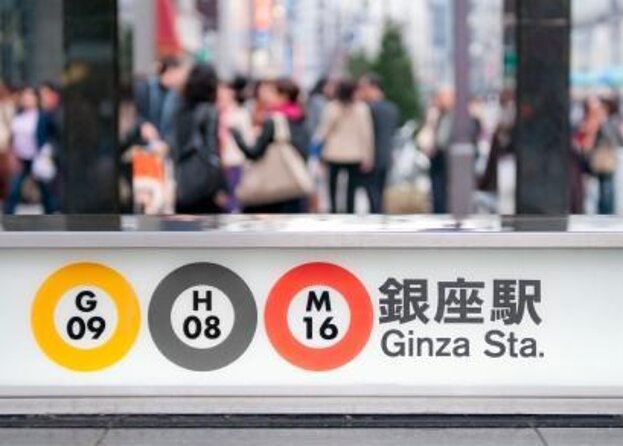
- Ginza, where old shops meet modern luxury
- Shinjuku, from skyscrapers to izakaya alleys
- What the guides add to the day
- Walking, trains, timing, and comfort
- Is $107.62 per person good value?
- Who should book this Tokyo experience?
- Should you book it?
- FAQ
- How long does the private Tokyo experience last?
- Is this a private tour?
- What is included in the price?
- Are meals, drinks, and admission fees included?
- Is transportation included?
- Where does the experience meet?
- Can most people participate?
- What is the cancellation policy?
Key points at a glance
- Your route starts with your interests: Choose temples, food, fashion, markets, trains, local neighborhoods, or a mix.
- You get a private host: Only your own group takes part, with no strangers setting the pace.
- The tour lasts 2 to 5 hours: A short booking works well for orientation, while four or five hours allows several areas.
- Walking is the main activity: Trains or taxis may be used between districts, but their costs are extra.
- The meeting point is near Harajuku Station: Meet at NewDays Harajuku by the Omotesando Exit unless your central accommodation pickup is arranged.
- The experience has a strong track record: It is rated 4.9 from 1,177 ratings, with 97 percent recommending it.
Why a private local guide helps in Tokyo
Tokyo is not one city in the usual sightseeing sense. It is a collection of districts, each with its own mood, pace, food, and customs. A guide can help you connect those pieces instead of spending half your day figuring out station exits and train lines.
The pre-tour questionnaire is important. Tell your host if you want major sights, quiet temples, shopping, food, architecture, anime, family activities, or help finding your way around. The more precise you are, the more useful the afternoon becomes.
You also communicate directly with the host before the experience. Several guides have contacted guests soon after booking, which is useful if you arrive with a short list of must-sees or need help deciding what can fit into two hours.
This format suits first-time visitors especially well. A guide can show you how to use the metro, help with an IC card, explain station signs, and suggest places to eat. It can save you from losing an hour to a wrong platform, which in Tokyo is not hard to do.
Other private tours in Tokyo

Starting near Harajuku and Meiji Shrine
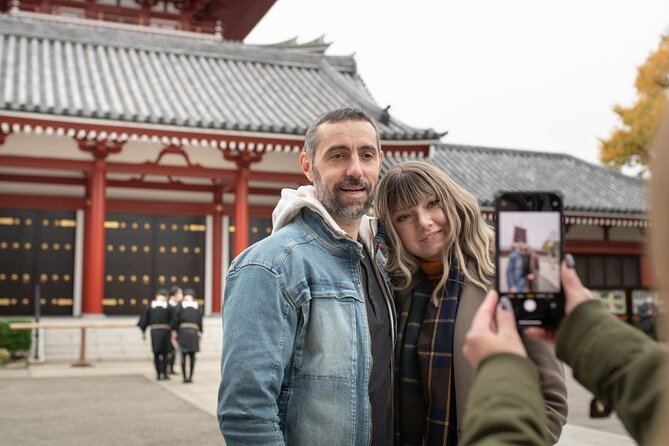
The listed meeting point is NewDays Harajuku, near the Omotesando Exit, in Jingumae. This puts you beside one of Tokyo’s most useful contrasts: youthful Harajuku on one side and the wooded approach to Meiji Shrine on the other.
If your plan includes Harajuku, you might walk along Takeshita Street, known for youth fashion, pop culture, and quirky shops. Your host can help you separate the places worth your time from the shops aimed mainly at passing crowds.
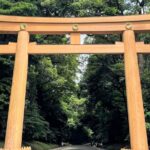
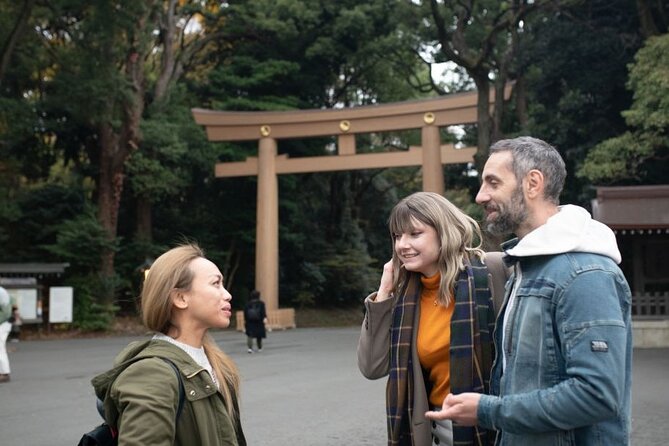
The nearby Meiji Shrine offers a calmer change of pace. The route through the trees gives you space to discuss shrine customs, Japanese religious practice, and the difference between Shinto shrines and Buddhist temples. The value here is not just seeing a gate or a sacred building. It is learning how to behave respectfully and what you are looking at.
A drawback is that Harajuku can consume your entire short tour if you linger. If you have only two hours, tell your host whether you want shopping, the shrine, or both. You may need to choose.
Shibuya Crossing and Tokyo after dark
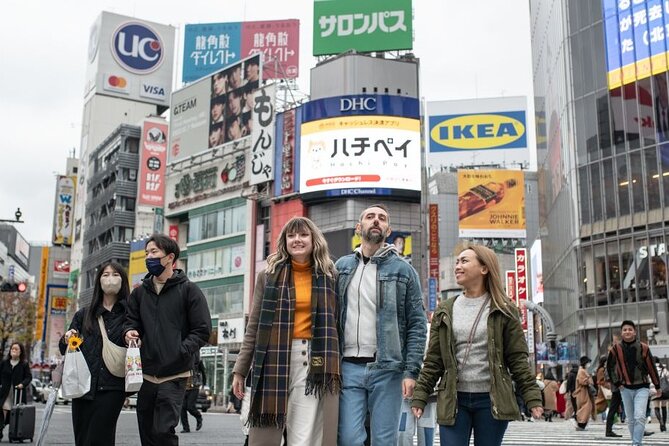
Shibuya is Tokyo at full volume. The famous crossing is the obvious draw, but your host can help you understand the surrounding streets, neon signs, shops, and local meeting places rather than treating the crossing as a quick photo stop.
This is a good district for visitors who want modern Tokyo. It also works well for people who want to see how young residents use the city. The guide can explain what you are seeing and point out less obvious corners nearby.
Shibuya is easy to combine with Harajuku, but not always with Asakusa or Yanaka during a short booking. Tokyo’s rail network makes the distance manageable, yet station transfers and walking time still count against your tour. I would reserve Shibuya for a two-hour orientation or pair it with Harajuku in a longer session.
Asakusa, Sensō-ji, and old Tokyo lanes
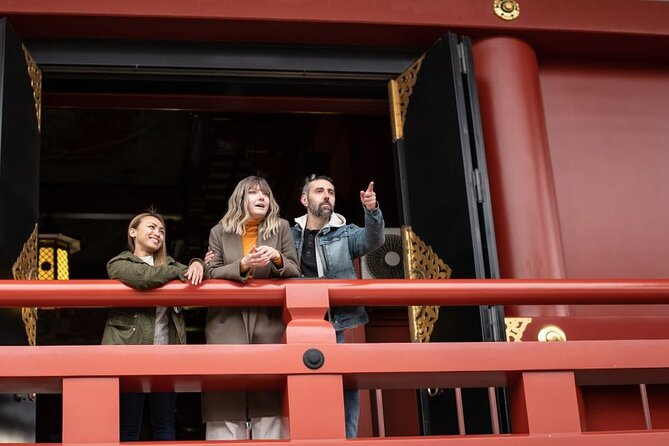
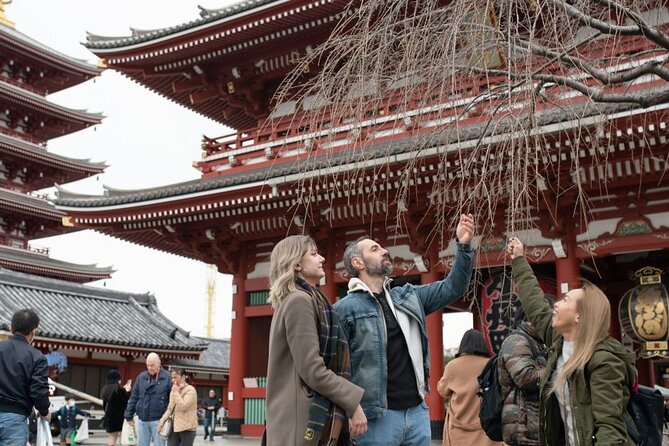
Asakusa gives you the traditional Tokyo many people picture before arrival. Sensō-ji is the main attraction, but the better part of this stop may be the streets around it, where your host can guide you beyond the central approach.
You can expect explanations about temple customs, local traditions, and the area’s older character. The experience is stronger when you ask questions. A good host can connect what you see at the temple with everyday culture instead of simply naming buildings.
Asakusa also pairs naturally with food and markets. If that is your interest, tell the host in advance. Food and drinks are not included, but you can choose to buy something during the outing and pay for it separately.
The main limitation is crowd level. Sensō-ji is a major sight, so it will not feel secluded. The guide’s value comes from context, route choices, and access to nearby streets, not from promising an empty temple.
Yanaka for a quieter side of Tokyo
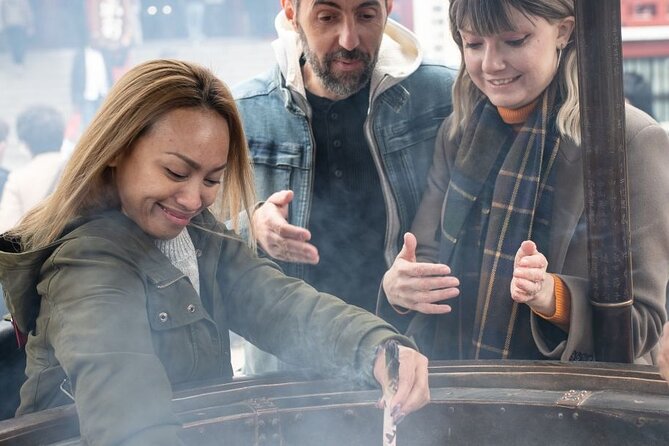
Yanaka offers a gentler pace. Traditional wooden houses, small temples, and family-run cafés give the district a more residential feel than Shibuya or Ginza.
I would choose Yanaka if you want old Tokyo without spending the entire day at major monuments. It is also a good option for repeat visitors who have already seen the big sights. Your host can point out small details that are easy to miss when you walk alone.
The district works best when you allow time to wander. That makes it less suitable for a rushed two-hour plan covering several distant neighborhoods. If you want Yanaka, focus on Yanaka and perhaps one nearby area rather than trying to force in Shibuya, Ginza, and Asakusa.
Kappabashi Street and the practical side of Japanese food
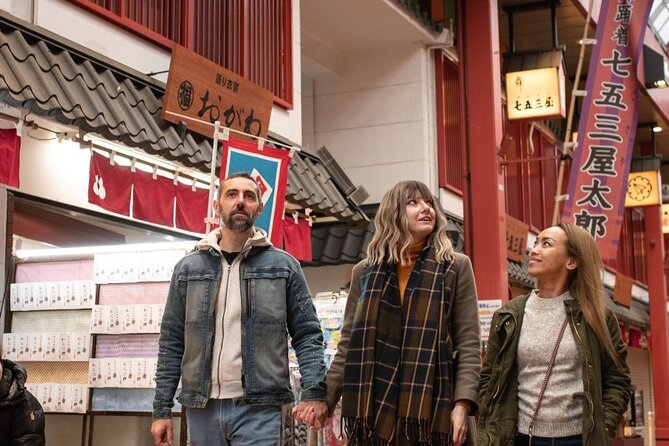
Kappabashi Street is a fine choice for cooks, food lovers, and anyone curious about the machinery behind Tokyo restaurants. Shops here sell handcrafted knives, ceramics, kitchen tools, and Japan’s famous plastic food displays.
This stop gives you something more useful than a standard photo opportunity. You can see where professional chefs shop and learn why Japanese knives, tableware, and presentation matter. If you buy a knife or fragile ceramics, remember that your purchases become your responsibility for the rest of the walking tour.
The alternative is the district around Tokyo Skytree. That area offers a different view of Tokyo, with the tower and the surrounding neighborhood providing a modern landmark and local streets in the same outing. You should tell your host which option fits your interests. The itinerary is flexible, but neither Kappabashi nor Skytree is guaranteed.
Ginza, where old shops meet modern luxury
Ginza is Tokyo’s polished commercial center. Department stores, luxury boutiques, traditional specialty shops, and broad avenues show a more formal side of the city.
I would pick Ginza if you care about design, shopping, Japanese craftsmanship, or the contrast between long-running specialty businesses and modern retail. A private guide can add meaning by showing you which details are worth noticing and suggesting shops that fit your budget and interests.
Ginza may be less rewarding if your priority is quiet residential Tokyo. It is also not the best choice for a food-focused outing unless you tell your host exactly what you want. Food is not included, and the guide does not promise a particular restaurant or tasting.
Shinjuku, from skyscrapers to izakaya alleys
Shinjuku changes quickly. One block can bring you from tall office buildings and observation decks to narrow lanes lined with nostalgic izakayas.
This district is useful for a first look at Tokyo’s scale. Your host can help you choose between city views, nightlife streets, and older alleyways. You can also ask for restaurant suggestions, an area where several guests found the personal advice helpful.
Shinjuku is another place where the length of your booking matters. In two hours, you may get an orientation and a few key streets. With four or five hours, you have more time to combine it with another district and pause for food.
What the guides add to the day
The strongest part of this experience is the host’s ability to adjust the day to you. Toshi is described as warm, entertaining, and strong on Tokyo’s past and present. Apy has helped with memorable personal moments, including taking proposal photographs and finding a suitable spot.
Shoko has built tours around lesser-known places and continued offering recommendations after the scheduled time. Tomo has helped families combine famous sights with local areas, arrange hotel pickup, set up IC cards, navigate trains, and choose dinner.
For families, Hiroko is an especially useful example of what a custom tour can do. She combined train orientation with the Pokémon Center and animal cafés for children, and supplied a Japanese script to help a family manage a child’s nut allergy at restaurants.
These details show the difference between a private local experience and a standard route. You are not only paying for facts. You are paying for judgment, translation help, route planning, and the ability to change direction when your energy or curiosity changes.
Still, expectations matter. The guides are not all specialists in Japanese history, and English ability may vary. If you want detailed historical interpretation, write that clearly before the tour and ask for a guide suited to that need.
Walking, trains, timing, and comfort
This is a walking experience. The listing allows two to five hours, so you should think honestly about your stamina, particularly in hot or rainy weather. One guide received praise for taking frequent sitting breaks when a guest had pain, but you should still communicate mobility needs before the day begins.
Public transportation or a local taxi may be used between sites. Those fares are not included, and the exact cost can be discussed with your host after booking. Since the guide is not providing a private vehicle, this is not the right choice if you want a car-based tour.
The walking format is a strength in Tokyo. You can notice shopfronts, side streets, shrine details, and ordinary neighborhood life in a way that is difficult from a vehicle. It also means you should avoid planning too many far-flung districts into a short session.
The tour ends back at the meeting point. If your host meets you at a central accommodation, confirm how the return arrangement works before setting a tight dinner or train departure.
Is $107.62 per person good value?
At $107.62 per person, this is not a budget orientation walk. It can be good value for a couple, family, or small private group that wants a useful introduction without wasting time on logistics.
The price covers a tailored private experience, planning before arrival, direct contact with your host, and flexible pacing. It does not cover food, drinks, attraction admissions, or transport. Your total cost can rise if you buy meals, enter paid sites, or use taxis.
For two hours, the price makes most sense if you have a clear goal: learn the trains, see Harajuku and Meiji Shrine, find family activities, or get a food-focused introduction. For four or five hours, the cost is easier to justify because you can cover more ground without rushing.
Group discounts are available, which may improve the value for a family or group of friends. Since only your group participates, you are also avoiding the compromises of a large shared tour.
Who should book this Tokyo experience?
I would recommend it to first-time visitors who want help getting oriented, families with specific interests, couples seeking a personal day, and anyone who prefers conversation to a scripted lecture.
It is also a smart choice for a short Tokyo stay. A guide can help you identify which districts deserve a return visit and how to get there on your own.
You may want another type of tour if you need guaranteed entry to a named attraction, a fixed list of sights, a private car, or a specialist-level history lecture. This experience promises flexibility, not a fixed checklist.
Free cancellation is available until 24 hours before the start time. After that point, the payment is not refunded, and late changes are not accepted.
Should you book it?
Book this experience if you want Tokyo shaped around your pace and interests, especially if you need help with trains, food choices, family planning, or seeing more than the usual postcard stops.
Before booking, use the questionnaire well. Name your must-sees, give your preferred walking level, explain how much history you want, and say if you need restaurant, shopping, or transport help. At 4.9 from 1,177 ratings and 97 percent recommended, the experience has a strong record, but your preparation still helps determine the result.
My best advice is to choose one main theme and two or three districts that make geographic sense. Do that, and the private format can give you something a standard Tokyo checklist rarely offers: a confident start, useful local habits, and a clearer sense of how this huge city fits together.
FAQ
How long does the private Tokyo experience last?
The experience lasts approximately 2 to 5 hours. The shorter option suits a focused introduction, while a longer booking allows more neighborhoods or a slower pace.
Is this a private tour?
Yes. Only your own group participates in the activity.
What is included in the price?
The price includes a private experience shaped around your interests, a pre-experience questionnaire, direct communication with your host, a flexible route, and local insight tailored to your group.
Are meals, drinks, and admission fees included?
No. Food, drinks, and entry fees are not included. You may choose to purchase them during the experience if desired.
Is transportation included?
No. This is primarily a walking experience. Public transportation or local taxis may be used, but those costs are extra.
Where does the experience meet?
The listed starting point is NewDays Harajuku near the Omotesando Exit, at 1-chōme 18-20 Jingumae, Shibuya, Tokyo. A host may meet you at your central accommodation if arranged.
Can most people participate?
Most people can participate, and service animals are allowed. Because the experience involves walking, tell your host about any pace or mobility needs before the tour.
What is the cancellation policy?
You can cancel for a full refund at least 24 hours before the local start time. Cancellations or changes made less than 24 hours before the experience are not accepted for a refund.
More Private Tours in Tokyo

More tours in Tokyo we've reviewed











Private, compared.
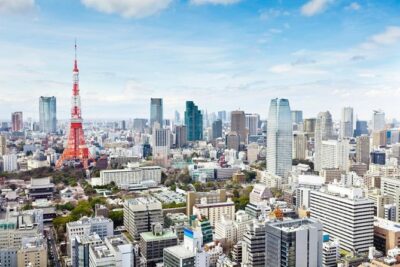 ★ 5.0Tokyo 6hr Private Tour with Government-Licensed GuideFrom $155
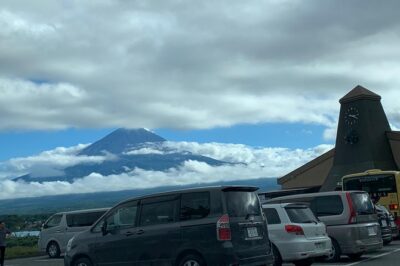 ★ 5.0Private Tour to Mt. Fuji and Hakone (Fully Licenced Operator)From $497
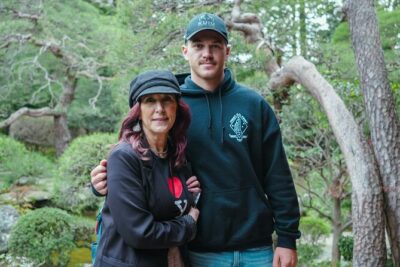 ★ 5.0Tokyo Customized Private Tour (Must See Places in 1 Day)From $145
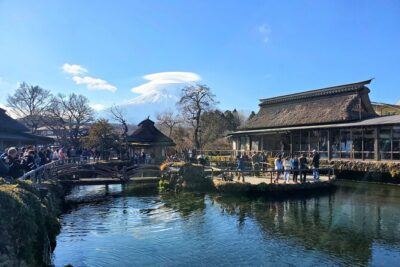 ★ 4.9Mount Fuji Full-Day Private Tour from Tokyo (Customizable)From $393
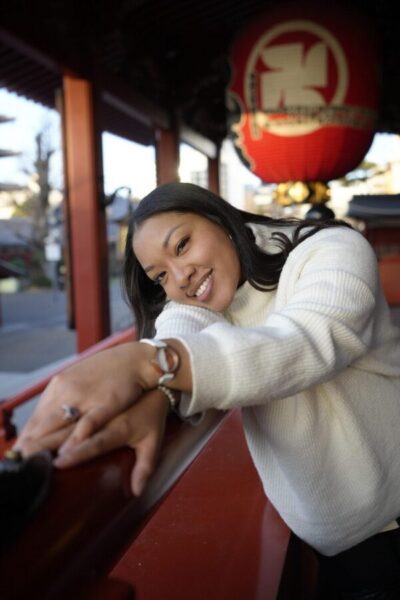 ★ 4.8Tokyo: Private City Highlights Tour with Local GuideFrom $1064 - 8 hours
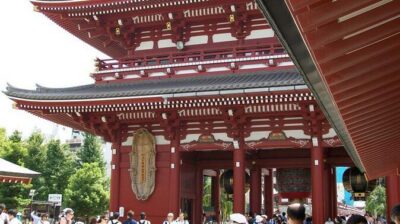 ★ 5.0Private Custom Tour: Tokyo in a DayFrom $159