
Reviewed · TOKYO FOOD TOURS
Shibuya Hidden Flavors A Family Friendly Foodie Tour With Guide
Shibuya is more than giant screens and the famous crossing. This four-hour food walk leads you through local eating streets, a tiny nightlife alley, department-store food aisles, and modern Miyashita Park while you sample sushi, Japanese meats, chocolates, and other treats. Guide Hiromi even adjusted one family’s outing to include a Pokémon Center visit.
I like the small group of no more than eight, which gives you room to ask questions and keeps the walk personal. I also like the family-friendly approach, with a guide who can respond to children’s interests rather than march through a fixed script. The main drawback is the $205 price, which is high for a walking tour, especially if you are not keen on every food stop.
In This Review
- Key points to know before booking
- What this Shibuya food walk is really about
- Starting at Hachiko and Shibuya 109
- Nonbei Yokocho and Shibuya after dark
- The crossing: fifteen minutes in the middle of the action
- One hour inside MEGA Don Quijote
- Miyashita Park and Shibuya’s newer face
- The food stops: what is included and what is not
- Why the small group changes the experience
- Is $205 a fair price?
- Timing, walking, and practical fit
- Who will enjoy this most
- Should you book the Shibuya Hidden Flavors tour?
- FAQ
- How long does the Shibuya food tour last?
- Where does the tour begin and end?
- How many people can join the tour?
- What food and drinks are included?
- Is alcohol included?
- Can I cancel for a full refund?
Key points to know before booking
- Four to five tasting stops: Food can include sushi, Japanese meats, chocolates, and other local flavors.
- A maximum of eight people: Small numbers make it easier to speak with your guide and keep the group together.
- Six very different Shibuya stops: You visit Shibuya 109, Nonbei Yokocho, the crossing, MEGA Don Quijote, Miyashita Park, and Hachiko.
- Family-friendly flexibility: Guide Hiromi adapted one tour for a child and added a Pokémon Center stop.
- Drinks are included: You receive two soft drinks and water, while alcohol costs extra.
- An easy central meeting point: The tour begins and ends at the Hachiko Statue near Shibuya Station.
What this Shibuya food walk is really about
This is not a sit-down meal with a set menu. It is a guided look at how food fits into Shibuya’s streets, shops, nightlife, and public spaces. You walk between stops, pause for tastings, and get cultural context along the way.
That format matters in Shibuya. The district can feel like a wall of signs, crowds, shopping towers, and train traffic. A local guide helps you notice the smaller details: where people eat after work, how narrow drinking alleys fit beside major roads, and why a giant discount shop is part grocery store, part souvenir shop, and part Japanese shopping adventure.
The food is the reason to book, but the walking route gives the outing its shape. You get sushi, chocolates, Japanese meats, and other samples without having to research several places yourself. Since the exact food stops are chosen by your guide, the experience may change from one departure to another.
A few more Tokyo tours and experiences worth a look
Starting at Hachiko and Shibuya 109
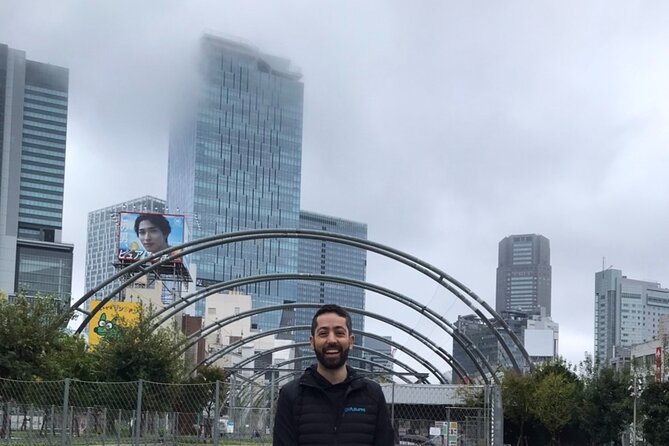
The meeting point is the Hachiko Statue, at 2 Chome-1 Dogenzaka near Shibuya Station. This is a practical place to start because it is close to public transportation and easy to connect with the district’s best-known sights.
Hachiko is more than a meeting marker. The Akita dog became famous for waiting at Shibuya Station for his owner, even after the owner had died. The statue now works as an informal symbol of loyalty and one of Shibuya’s most recognizable landmarks.
From there, the walk moves toward Shibuya 109 and the surrounding food streets. The time here is listed as about 45 minutes, making it one of the longer early stops. You can expect a look at streets where local diners and izakaya customers eat, rather than only the polished restaurants aimed at international shoppers.
I like this opening because it places the food in its setting. You are not simply handed a snack and sent on. You see the kind of street life that makes Shibuya useful to local residents as well as famous with sightseers.
Nonbei Yokocho and Shibuya after dark
Nonbei Yokocho is a narrow alley area that shows another side of the district. Its small drinking spots and compact passageways contrast sharply with the broad roads and tall buildings nearby. The visit lasts about 30 minutes.
The point here is cultural as much as culinary. Your guide can explain how people use these small nightlife spaces and how an evening in Shibuya differs from the giant shopping zones. The alley is also a good example of why walking helps. From a taxi or a train window, you could pass close by without understanding what is there.
This stop may appeal most to adults interested in food culture and evening life. Families should know that an alley associated with izakaya culture may feel less child-focused than the other stops. The tour is described as family-friendly, but that does not mean every setting is built around children.
The crossing: fifteen minutes in the middle of the action

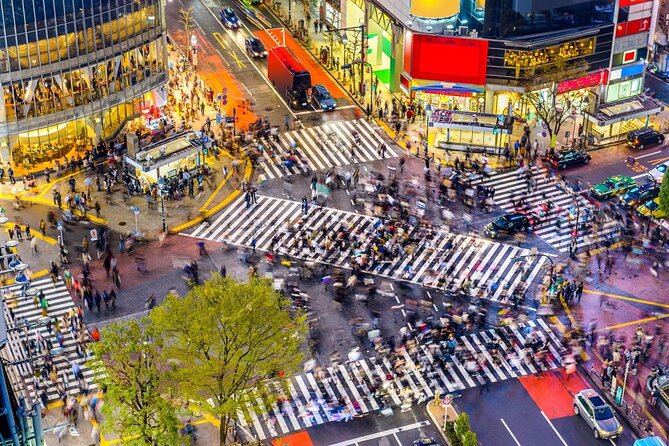
The Shibuya Crossing stop lasts about 15 minutes. That is enough time to take a quick photo and experience the crossing without turning the tour into a long viewing session.
The crossing is famous for the sheer number of people moving through it. The tour information describes more than 2,000 people crossing every minute. Numbers aside, the useful part is being shown how this famous scene fits into the surrounding district.
Do not expect a long guided lecture here. This is a short pause between food and shopping stops. You will get the classic Shibuya moment, then move on before it takes over the whole afternoon.
One hour inside MEGA Don Quijote
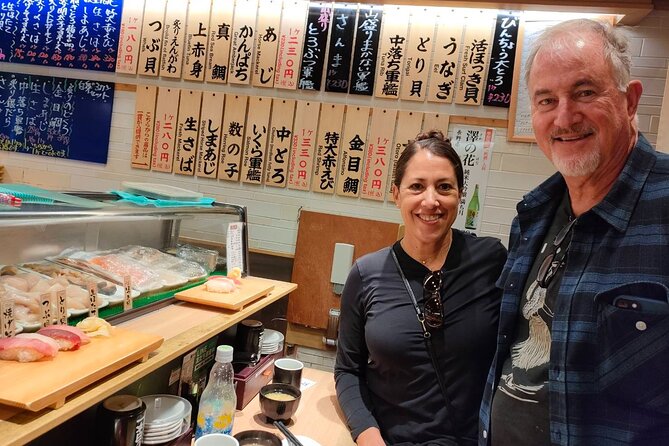
MEGA Don Quijote Shibuya receives the longest stop, about one hour. The store is open 24 hours and sells a little of nearly everything: sweets, cosmetics, food, electrical goods, and everyday products.
For a food-focused tour, this is a useful place to see the range of Japanese packaged snacks and edible souvenirs. You may find items you would not think to search for on your own, and your guide can help explain what you are looking at. The store also shows a practical side of Japanese shopping that a standard sightseeing route often misses.
The drawback is that this stop can feel less special if you dislike shopping. It is a large commercial space, not a quiet market or traditional food hall. Still, the hour gives you time to browse without rushing, and families may appreciate the variety.
Keep your purchases under control. A shop that sells sweets, cosmetics, food, and electronics can make it easy to buy more than you planned. The included food tastings are separate from anything you choose to purchase here.
A few more Tokyo tours and experiences worth a look

Miyashita Park and Shibuya’s newer face
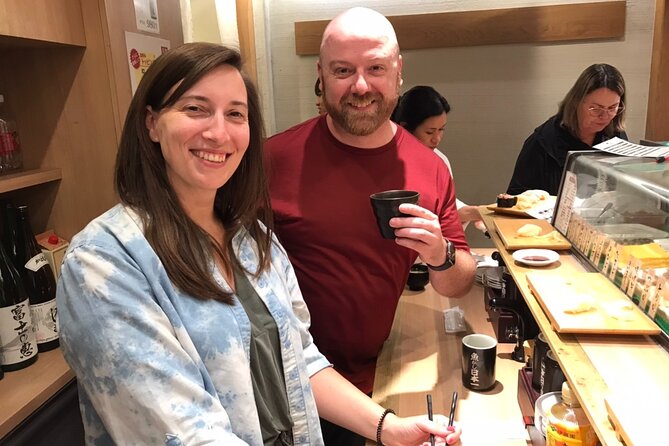
Miyashita Park takes about 30 minutes. The current complex replaced a former public park and now combines public space with a three-story shopping and entertainment building.
This stop shows how quickly Shibuya changes. Older alleys, famous landmarks, large stores, and new developments all sit within the same walk. You get a break from the traditional image of Tokyo and see how the district is being reshaped for modern shopping and leisure.
Miyashita Park may not be the strongest food stop on its own, but it adds useful contrast. It keeps the tour from becoming a series of tastings with no sense of place. If you are interested in architecture, retail, or the way public spaces are reused, this part earns its time.
The food stops: what is included and what is not
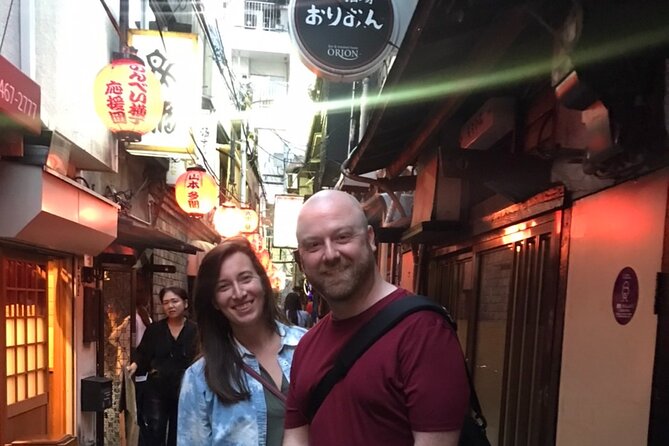
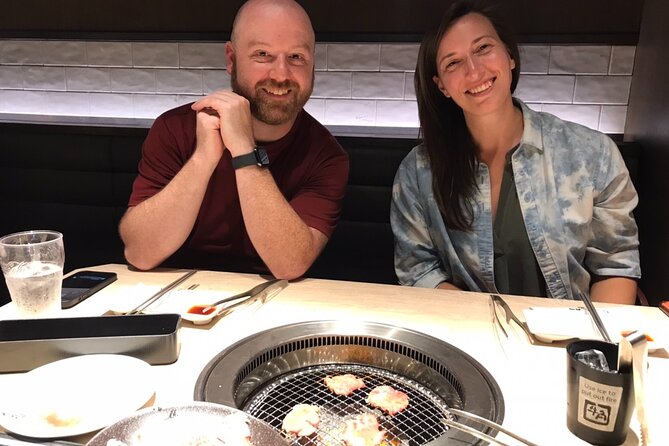
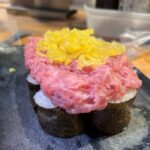
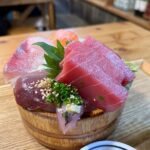
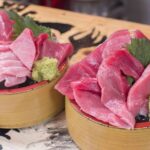
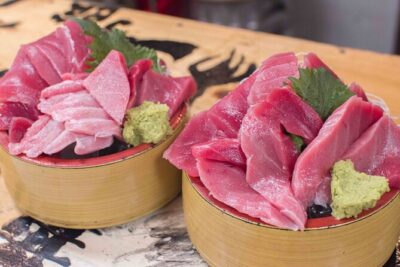
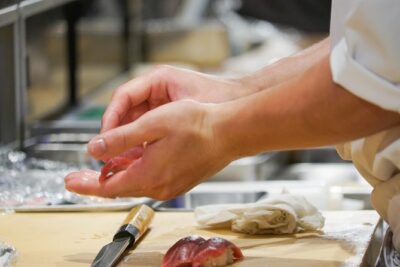
The tour includes four to five food stops chosen by the guide. The listed examples include fresh sushi, chocolates, Japanese meats, and additional flavors from the Shibuya area. Two soft drinks and water are included.
That is a generous spread in terms of variety, but you should not assume that every named food appears at every departure. The guide selects the stops, so the final mix can depend on the day, availability, and the group’s needs.
This arrangement has a clear advantage: you do not have to decide where to eat in a district known for endless choices. You also get small samples from several parts of the food scene instead of spending the whole afternoon at one restaurant.
The tradeoff is control. If you have strict dietary needs or strong dislikes, check before booking or contact the provider in advance. The supplied information does not promise a set menu or specific substitutions.
Alcohol is available to buy but is not included. That keeps the base price clearer and makes the outing easier for families, but it also means the tour is not designed as an all-inclusive drinking crawl.
Why the small group changes the experience
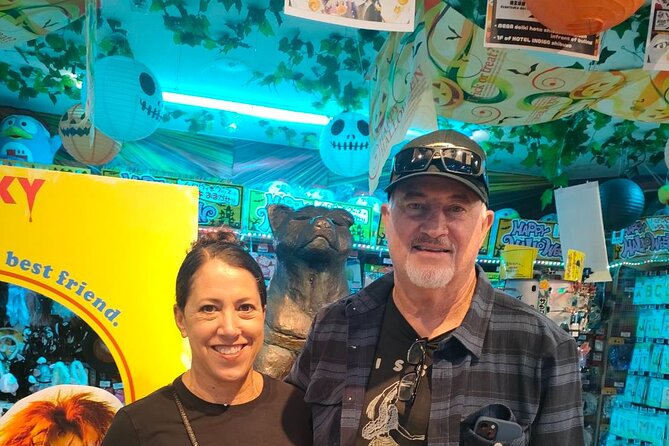
The group limit is eight people. That is one of the tour’s strongest practical features.
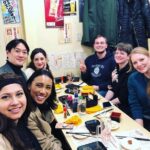
In a crowded district, a small group is easier to keep together. You can hear explanations near the crossing, enter compact food spots with less fuss, and ask questions without waiting behind a large crowd. You also have a better chance to tell the guide what interests you.
The clearest example comes from Hiromi, who modified one family’s tour for their son and included a Pokémon Center visit in Shibuya. That does not guarantee the same extra stop for every child, but it shows the kind of flexibility you should ask about if your family has a particular interest.
The tour still follows a four-hour structure, so flexibility has limits. A special request may replace part of the planned route rather than simply add more time.
Is $205 a fair price?
At $205 per person, this is not a budget food walk. The value depends on what you want the guide to do.
You are paying for four hours of guidance, four to five tastings, two soft drinks and water, a small group, and a route that combines food with Shibuya culture. You also save the work of finding suitable stops in an area where menus, crowds, and choices can slow you down.
I would find the price easier to justify for a first visit, a family that wants a simple introduction, or anyone who values personal guidance. It is harder to justify if you already know Shibuya well, prefer choosing your own restaurants, or mainly want a large meal.
Think of the tour as a guided orientation with food, not a four-hour restaurant feast. The tastings are spread across the walk, so you should not book it expecting a single substantial lunch or dinner.
Timing, walking, and practical fit
The tour lasts about four hours and begins and ends at the Hachiko Statue. Hotel pickup and drop-off are not included, so you need to reach the meeting point yourself and arrange your own return.
The route uses public streets, shopping areas, and busy parts of Shibuya. Wear comfortable shoes and keep your belongings easy to manage. The tour is a walking experience first, with food stops built into it.
Most people can participate, according to the supplied activity details. Still, the route includes crowded urban areas and time on foot. If someone in your party needs a highly specific pace or food arrangement, ask the provider before reserving.
Free cancellation is available if you cancel at least 24 hours before the local start time. Cancellations or changes inside that window are not refunded or accepted. Gratuities are optional.
Who will enjoy this most
I would point this tour toward first-time Tokyo visitors who want help making sense of Shibuya. It also suits families who prefer a guide and several short stops to one long restaurant meal.
Food-curious shoppers are another good match. The route lets you pair tastings with MEGA Don Quijote, Miyashita Park, Shibuya 109, and the crossing, so you see more than one version of the district.
You may want to skip it if you need a fixed menu, avoid walking in busy areas, or prefer a quiet, traditional food experience. The route is urban, commercial, and fast-changing. Its appeal is variety and local guidance, not a slow meal in one historic setting.
Should you book the Shibuya Hidden Flavors tour?
Book it if you want a personal introduction to Shibuya with food built into the sightseeing. The small group, four to five tastings, and flexible family approach give it more substance than a simple photo walk.
I would especially consider it for families, first-time visitors, and people who feel overwhelmed by Tokyo’s food choices. Ask about current food stops and dietary needs before paying, since the guide chooses the final selections.
At $205, the tour asks you to value time, direction, and conversation. If that sounds worthwhile, this is a practical way to meet Shibuya through its streets, shops, nightlife corners, and snacks.
FAQ
How long does the Shibuya food tour last?
The tour lasts approximately four hours and includes walking, cultural sightseeing, and four to five food stops.
Where does the tour begin and end?
It begins at the Hachiko Statue at 2 Chome-1 Dogenzaka, Shibuya, Tokyo 150-0043. It ends back at the same meeting point.
How many people can join the tour?
The activity has a maximum group size of eight people.
What food and drinks are included?
The guide selects four to five food stops. Examples include sushi, chocolates, Japanese meats, and other local flavors. Two soft drinks and water are included.
Is alcohol included?
No. Alcoholic drinks are available to purchase, but they are not included in the tour price.
Can I cancel for a full refund?
Yes. You can cancel at least 24 hours before the experience start time for a full refund. Cancellations or changes made less than 24 hours before the start are not refunded or accepted.
More Food Experiences in Tokyo

More Tokyo Food Tours in Tokyo
More Shibuya Tours in Tokyo
More tours in Tokyo we've reviewed











Tokyo Food Tours, compared.
 ★ 5.0Tokyo: Shinjuku Food Tour (13 Dishes at 4 Local Eateries)From $86
 ★ 4.9Tokyo: Shinjuku Food Tour (15 Dishes and 4 Eateries)From $853 hours
 ★ 5.0Best of Shinjuku: Izakaya Food Tour (4 Stops, 14+ Tastings)From $92
 ★ 5.0Tokyo Night Foodie Tour in Shinjuku – Seasonal Sushi, Wagyu BeefFrom $111
 ★ 5.0Eat and Drink Like a Local: Tokyo Ueno Food Tour-Taverns&RamenFrom $95
 ★ 5.0Tokyo: Shibuya Food Tour (13 dishes and 4 Eateries)From $77