
Reviewed · TOKYO
Let’s make kimono !(Kimono is a gift for you
The clever idea here is that you do not simply rent a kimono for an hour. You choose a vintage piece, adjust it for your body, learn a practical way to wear it, and take it home afterward. The workshop takes place in a residential part of Koto City, not a polished costume-rental shop, which gives it a more personal feel.
I especially like the small maximum of five people, since you get real help with fitting, folding, cutting, and ironing. I also like the choice of vintage fabrics and the included obi, obiage, obijime, and obi pillow. The main caution is simple: the title can sound as if you will sew a complete traditional kimono from scratch. In practice, you remake or adjust an existing kimono so it is easier to wear.
In This Review
- Key points
- A Kimono Workshop With Something to Take Home
- Finding the Home Studio in Kiba
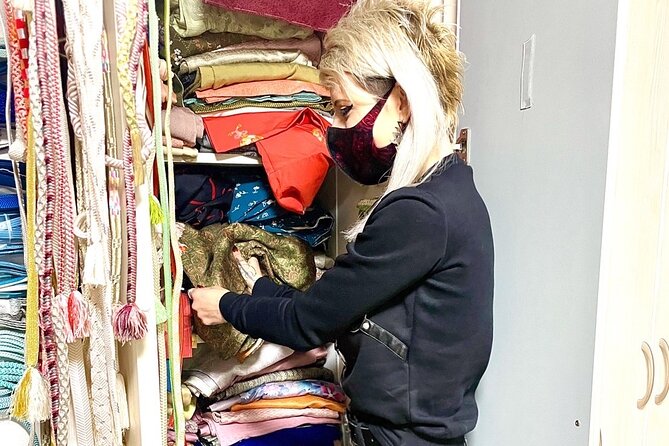
- Choosing Your Vintage Kimono
- What You Actually Make
- Learning to Wear the Outfit
- Men’s Kimono and Japanese Name Printing
- Children’s Kimonos Have a Different Routine
- Obi, Accessories, and the Real Price
- The Photo Session at the End
- The People and the Pace
- Who Should Book This Experience
- Is This Tokyo Kimono Workshop Worth It?
- FAQ
- How long does the kimono experience last?
- Where does the experience take place?
- What is included in the price?
- Are Japanese sandals and tabi included?
- Can I choose a more ornate kimono?
- Can men and children participate?
- Can I cancel or change my booking?
Key points
- Choose a vintage kimono: Basic designs are included, while more ornate pieces usually cost an additional ¥2,000 to ¥6,000.
- Keep your finished kimono: The garment you make or adjust becomes your souvenir.
- Learn a practical dressing method: The workshop shows you how to put on and manage the kimono more easily.
- Small-group setting: The maximum is five people, with morning and afternoon sessions.
- Families can join: Children have separate kimono options, with Japanese name printing available for boys.
- Plan for extra costs: Japanese sandals and tabi are not included, and some kimonos, obi, and accessories cost extra.
A Kimono Workshop With Something to Take Home
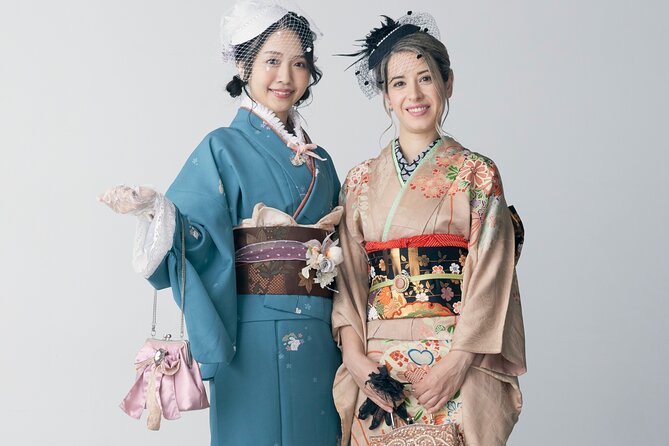
This 90-minute activity combines a craft class, a dressing lesson, and a photo session. You begin by choosing from preowned vintage kimonos. The selection includes different colors, patterns, fabrics, and levels of ornament, so the choice itself is part of the fun.
The basic price is about $43.11 per person. That is a fair starting price for a kimono experience that includes the garment and dressing assistance, but you should not treat it as an all-inclusive shopping trip. The more elaborate kimono fabrics are extra, and several people have paid additional amounts for a fancier kimono or obi.
Once you choose, the staff customize the garment to your size. The process can involve cutting, folding, taping or hemming a seam, and ironing the material. You do not need advanced sewing skills. If you can measure, fold, cut, and handle an iron, you can take part. Staff members help when a step feels difficult.
The finished piece is designed to be easier to wear than a full traditional kimono. That distinction matters. You are learning a practical adaptation, not becoming a professional kimono dresser in one short session.
If you're still narrowing it down, here are other tours in Tokyo we've reviewed.


Finding the Home Studio in Kiba
The meeting point is 6-chōme-8-6 Kiba, Koto City, Tokyo 135-0042. The activity ends at the same place. It is located near public transportation, though the setting can feel unlike the tourist areas many people expect in Tokyo.
The studio is described as a private home in an older residential district. That is part of the charm, but it can also make arrival slightly confusing. One person needed help finding the entrance, so keep your phone ready and allow enough time to get your bearings before the start.
I like this setting because it changes the pace of your Tokyo day. You are not being dressed in a large commercial shop with a constant flow of customers. You are entering a smaller, domestic space where the staff can focus on a handful of people.
The tradeoff is that the surroundings and arrival process may feel less polished. If you want a sleek storefront, a formal cultural lecture, or a large selection arranged like a department store, this may not be your ideal choice.
Choosing Your Vintage Kimono
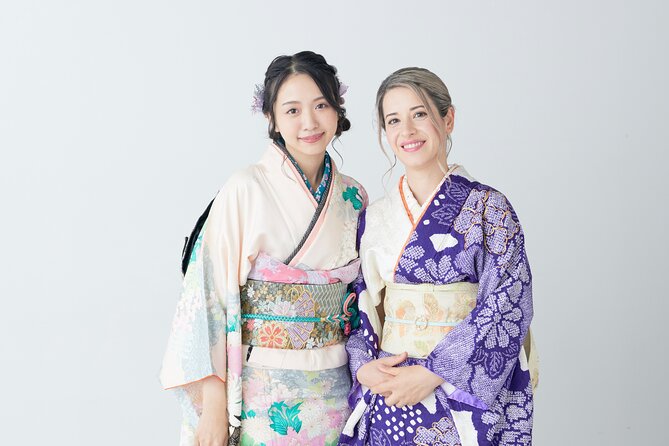
The first major decision is the garment itself. You can choose a basic kimono included in the fee or select a more ornate vintage option for an added charge of roughly ¥2,000 to ¥6,000. The exact extra price depends on the piece.
The collection includes vintage and preowned garments, so patterns and condition vary. Some fabrics are simple and understated. Others are more decorative, with stronger colors or more elaborate designs. You may find a piece that feels special precisely because it is older and individual, rather than new and uniform.
The provider warns that some vintage kimonos may have stains in certain areas. Inspect your choice before committing, especially if you are paying extra. A small mark may not matter to you, but it is better to know about it before the garment is altered.
Sizing is one of the workshop’s strongest practical features. The staff adjust the selected kimono to fit you, and people who are tall or larger than the average Japanese size have found this especially useful. You should still understand that the range of fit depends on the available fabric. The staff can make many garments work, but they cannot turn every kimono into every size.
What You Actually Make
The phrase make a kimono needs a little explanation. You are not weaving fabric, drafting a pattern, or constructing a complete garment from raw materials. Instead, you work with an existing kimono and modify it for easier use.
The process may involve hemming the waist or changing the shape so the garment becomes simpler to put on. One common result is a jacket and skirt arrangement rather than a full traditional kimono. That is useful for casual wear and repeat use, but it is different from preserving the garment in its original form.
This is also why the workshop suits beginners. The construction techniques are straightforward enough to complete within 90 minutes. You get an active role, but you are not left alone with a complicated sewing project.
I think this approach offers good value for someone who wants a wearable souvenir. If your goal is strict historical instruction about traditional kimono construction, the class may feel too light. If your goal is to own a beautiful garment and learn how to handle it, the format makes sense.
Learning to Wear the Outfit
After choosing and adjusting the garment, you learn how to wear it. Staff guide you through the layers and accessories, including the obi, obiage, obijime, and obi pillow. These are included as rentals for the experience, and some can also be purchased.
The dressing lesson is important because a kimono is not simply a robe you throw on. The shape, layers, waist position, and obi placement all affect how the finished outfit looks. The workshop gives you a simpler method that helps you wear the garment more quickly and independently.
You may also receive styling advice. One participant who had difficulty finding a kimono that fit learned ways to alter and style future garments. That is a valuable skill if you are interested in buying vintage pieces later in Japan.
Do not expect a long formal lecture on Japanese clothing history. The activity focuses on selection, alteration, dressing, and photos. You can ask questions during the process, and staff are happy to explain details, but cultural background is not the main structure of the class.






Men’s Kimono and Japanese Name Printing
Men can choose a kimono and take part in the same general creative process. A haori and kimono set costs an additional ¥2,000. The haori is the outer jacket, so this upgrade gives the outfit a more complete formal appearance.
Men also receive a distinctive souvenir option. The staff print your name in kanji and let you choose the font color, then iron the result onto the kimono. Boys can have their Japanese name printed on the collar.
This detail gives the men’s and boys’ experiences their own character. It is not simply the women’s program with a different rack of clothing. If you are booking for a couple or family, ask each person to consider the options in advance, since the styling and itinerary differ by garment type.
Children’s Kimonos Have a Different Routine
Children can join, but children’s kimonos follow a different itinerary from women’s kimonos. Some children’s pieces do not require adjustment, so the child can wear the garment without cutting the material.
That makes the children’s option less involved from a craft point of view, but it may be easier for younger participants. Staff can help children dress and pose for photos. Families have found the activity suitable for daughters and an 11-year-old participant, with patient assistance during the fitting.
Girls choose from children’s kimono options. Boys can also receive Japanese name printing on the collar. If your child expects to perform exactly the same steps as an adult, explain before booking that the process may differ.
The experience can work well for a parent and child, sisters, or a multigenerational group. One older participant in her late 70s took part without trouble, although the setting may involve working at a low level or on the floor. That detail is worth considering for anyone with mobility concerns.
Obi, Accessories, and the Real Price
The base price includes the kimono and free rental of the obi, obiage, obijime, and obi pillow. These items complete the appearance and make the photo session possible.
Japanese sandals and tabi are not included. You will need to arrange those separately if you want a full traditional footwear look. The activity can still work without them, but your outfit will not include every element of a classic kimono ensemble.
The main cost question is the kimono upgrade. Basic pieces are included, but only a smaller selection may be available at no extra charge. More elaborate options can add ¥2,000 to ¥6,000, and an obi or other accessory may also carry a separate cost.
A useful budget example is ¥11,000 for a full set of kimono, collar, obi, and related items, as one participant paid. Another family paid about ¥20,000 for several people after choosing upgrades. Those totals are not fixed prices, but they show how quickly the final amount can rise.
I consider the base fee good value if you want hands-on help and a garment to keep. I would be more cautious if you only want to wear a kimono briefly for photographs. In that case, a standard rental service may be simpler, though it will not give you the same alteration and take-home element.
The Photo Session at the End
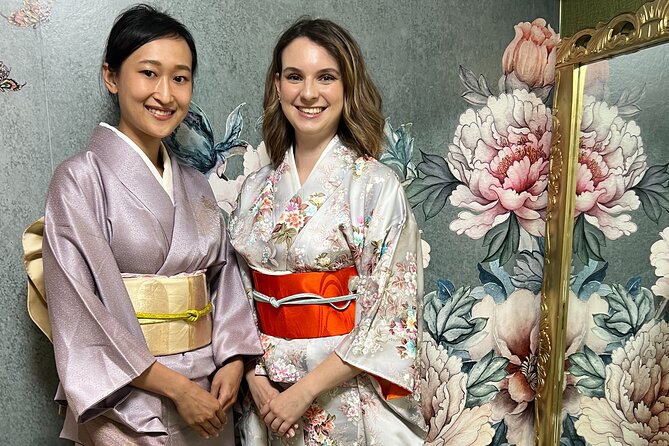
Once the kimono is adjusted and worn, you have photo time. Staff take pictures in the finished outfit, giving you a record of the activity beyond the garment itself.
This is especially helpful if you are visiting alone or if your companion is also being dressed. You do not need to depend entirely on a phone held at arm’s length. In one thoughtful touch, photos were sent afterward when a participant’s phone battery had died.
The photo session is not described as a professional studio shoot with a long list of locations. It is a simple closing part of the workshop. Still, it gives the 90 minutes a satisfying finish: you choose, make, wear, and photograph the result.
The People and the Pace
The staff are a major part of the experience. Oto Ha is named as a helpful instructor, and the English guidance is particularly useful for international visitors. Staff assist with fitting, explain the steps, help when you get stuck, and offer suggestions about styling.
The mood is friendly and informal. You can ask questions about the garment while you work, and the small group means the support feels personal. The activity has received the Gold Award at the Omotenashi Selection, an award selected by a panel of foreigners living in Japan. That recognition supports the sense that the service is designed with international participants in mind.
Morning and afternoon sessions are available. At about 90 minutes, the workshop fits neatly into a Tokyo itinerary without consuming a full day. I would still avoid placing it immediately before a timed reservation, since choosing fabric and adjusting the garment can be more absorbing than expected.
The maximum group size is five. That is small enough for direct assistance, but you may still share the studio with other participants from different countries. The international mix can add a social element without turning the activity into a large class.
Who Should Book This Experience
I would recommend it to you if you want a personal cultural activity, enjoy making things with your hands, or hope to take home something more meaningful than a standard souvenir. It is also a strong choice for families, couples, teenagers, and solo visitors who want staff to help with photographs.
It suits people who are tall, plus-size, or otherwise frustrated by standard rental sizing because the garment is adjusted to the wearer. It also suits anyone curious about vintage Japanese clothing and willing to accept small signs of age in the fabric.
You may want to skip it if you expect a complete traditional kimono-making course, a detailed history lecture, or a flawless new garment. The activity is a practical upcycling workshop with dressing instruction, not a formal artisan apprenticeship.
The experience is non-refundable and cannot be changed after booking for personal reasons. If poor weather causes cancellation, you are offered another date or a full refund. The service allows service animals, is near public transportation, and most people can participate.
Is This Tokyo Kimono Workshop Worth It?
Book it if you want to choose a vintage kimono, learn a useful dressing method, and leave with a garment you can wear again. The strongest value comes from the combination of personal fitting, hands-on alteration, accessories, and photos.
Before you go, set aside money for a fancier kimono, an upgraded obi, or other extras. Inspect vintage fabric for stains, arrive with enough time to find the home studio, and remember that the finished garment may be an easier-to-wear adaptation rather than a traditional full kimono.
For an authentic-feeling, small-scale activity in Kiba, this is a worthwhile choice. It gives you a story, a skill, and a souvenir, not just a costume for an afternoon.
FAQ
How long does the kimono experience last?
The activity lasts approximately 1 hour and 30 minutes.
Where does the experience take place?
It starts and ends at 6-chōme-8-6 Kiba, Koto City, Tokyo 135-0042, Japan.
What is included in the price?
The kimono is included, along with free rental of the obi, obiage, obijime, and obi pillow.
Are Japanese sandals and tabi included?
No. Japanese sandals and tabi are not included.
Can I choose a more ornate kimono?
Yes. Basic kimonos are included, while upgraded options cost an additional ¥2,000 to ¥6,000.
Can men and children participate?
Yes. Men can choose a kimono, with a haori and kimono set available for an additional ¥2,000. Children have separate girls’ and boys’ kimono options.
Can I cancel or change my booking?
The experience is non-refundable and cannot be changed for personal reasons. If poor weather causes the provider to cancel, you receive the choice of another date or a full refund.
More tours in Tokyo we've reviewed










Tokyo, compared.
 ★ 5.0Mt Fuji and Hakone 1-Day Bus Tour Return by Bullet TrainFrom $163
 ★ 5.01-Day Tokyo Bus TourFrom $129
 ★ 4.6Tokyo: teamLab Planets TOKYO Digital Art Museum Entry TicketFrom $251 day
 ★ 4.0Mt Fuji & Hakone Cruise, Drum Show Bullet Train 1 Day from TokyoFrom $149
 ★ 5.0Tokyo: Shinjuku Food Tour (13 Dishes at 4 Local Eateries)From $86
 ★ 4.4Tokyo Mt Fuji 5th St & Hakone Cruise Bus Tour w/Bullet TrainFrom $15410 hours