
Reviewed · TOKYO FOOD TOURS
Tokyo Underpass Food Tour
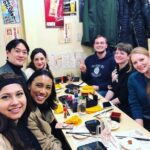
Tokyo’s railway arches hide one of the city’s most enjoyable eating scenes. On this three-hour tour through Yurakucho, you move from one local restaurant to the next, eating yakitori, edamame, wagyu, sashimi, and other izakaya-style dishes in the close quarters beneath the tracks.
I like the small group of no more than eight and the simple format: two restaurants, then ramen or dessert. I also like that each stop includes a drink, with alcohol or a non-alcoholic choice. The main consideration is the $198 price, which is fair only if you value a guided evening and a generous amount of food. Vegetarians, vegans, and people with serious food allergies should choose another tour or arrange a private option.
In This Review
- Key points to know before booking
- Eating beneath Yurakucho’s railway tracks
- Stop one: a first taste of izakaya cooking
- Stop two: more dishes and local drink pairings
- The final stop: ramen or something sweet
- What the food tells you about Tokyo
- Is $198 a fair price?
- Who should book this evening?
- Practical details that affect the evening
- Should you book the Tokyo Underpass Food Tour?
- FAQ
- Where does the Tokyo Underpass Food Tour start?
- What time does the tour begin?
- Where does the tour end?
- How long does the tour last?
- How many people can join?
- Are drinks included?
Key points to know before booking
- Three venues in three hours: Visit two local restaurants, then finish with ramen or dessert.
- Food served beneath the tracks: Yurakucho’s railway arches give the evening its distinct Tokyo setting.
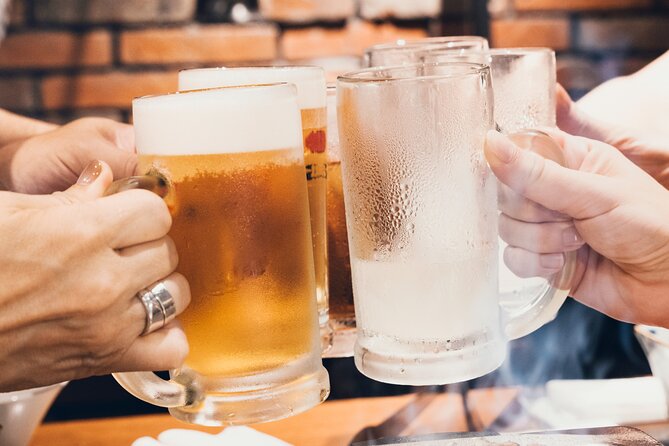
- One drink at each stop: Choose alcohol or a non-alcoholic drink.
- A very small group: The maximum is eight people, with at least two required for the tour to operate.
- Guides with a personal touch: Shuhei and Seiyo are named guides connected with warm, well-organized food outings.
- A meat and seafood-heavy menu: The tour is not recommended for vegans, vegetarians, or people with serious food allergies.
Eating beneath Yurakucho’s railway tracks
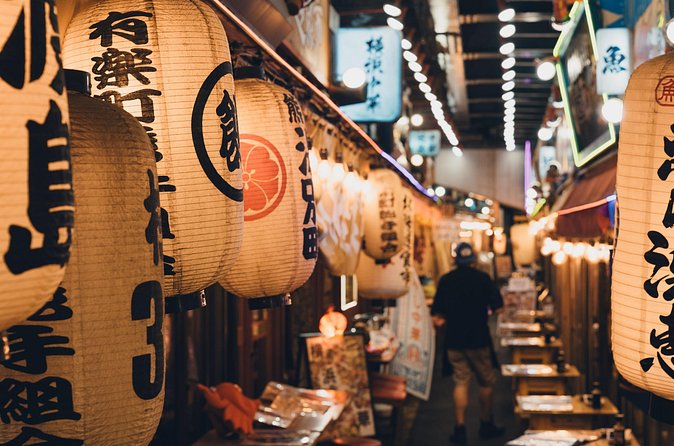
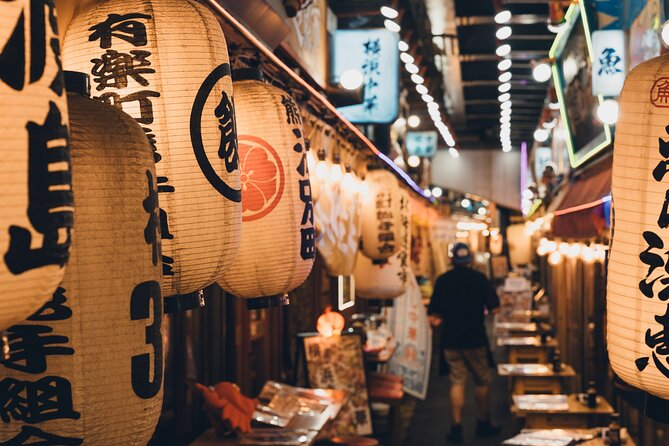
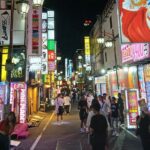
Yurakucho is close to the center of Tokyo, yet its best-known eating places are not polished dining rooms. They sit under the elevated railway line, where narrow restaurants share space with the noise and movement of passing trains.
That setting is the real reason to book this outing. You are not simply being taken to a restaurant with a standard tourist menu. You are spending an evening in the kind of compact, social eating district that gives Tokyo its character. The arches offer shelter, but they also create a tight, energetic atmosphere. Expect little separation between the street, the railway, and the restaurants.
The meeting point is Miami Villa Japan at the Yurakucho station area, at 5:00 pm. This start time works well for dinner because the neighborhood is beginning to fill up, while you still have several hours ahead for food and conversation. The tour ends at Shimbashi Station, close to Hibiya Station, so you finish in a useful part of central Tokyo rather than being returned to a hotel.
You need to make your own way to the starting point and home from Shimbashi. That is not a serious burden for most visitors, since the meeting and ending points are near public transport, but leave enough time to find the station-area building. Tokyo station names and exits can be confusing, especially at rush hour.
A few more Tokyo tours and experiences worth a look
Stop one: a first taste of izakaya cooking
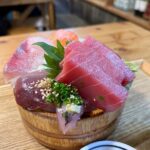
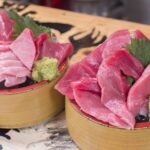
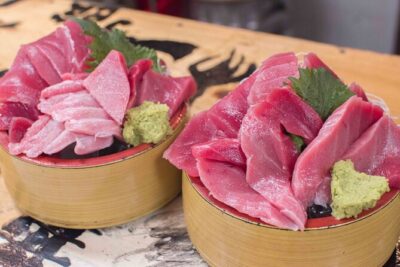
The opening restaurant sets the pace for the evening. The food is described as izakaya-style, which usually means small dishes meant to be shared rather than one large main course. Here, you can expect items such as yakitori, edamame, wagyu, and possibly sashimi, depending on the restaurant schedule.
Yakitori is a natural first course for this setting. These grilled chicken skewers are easy to share, and the guide can help you understand the different cuts and seasonings. Edamame provides a lighter contrast, while wagyu brings a more luxurious note. Sashimi, when included, adds a fresh seafood course to the meal.
The point is variety. You are not paying for one famous dish. You are getting a succession of tastes that shows how Japanese drinking food works. A dish may arrive in a modest portion, but several dishes together create a fuller picture of the cuisine.
You also receive one drink here. You can select alcohol or a non-alcoholic option, which makes the tour more practical for people who want the food but not the sake or cocktails. If you do drink, this is a useful chance to try a Japanese pairing without ordering a full bottle or guessing from a menu.
The restaurants may change according to the schedule. That means you should book this tour for the format and neighborhood rather than for one specific restaurant or guaranteed dish. The food list gives you a good idea of the style, but it does not promise that every item will appear on every evening.
Stop two: more dishes and local drink pairings
The second restaurant keeps the meal moving. By this point, you have had time to settle into the small-plate rhythm, and the guide can suggest which dishes and drinks to try next.
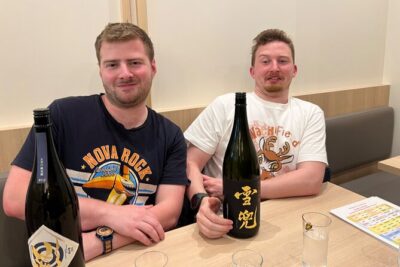
The supplied food details mention sake and Japanese cocktails, along with the option of non-alcoholic drinks. That matters because drink pairing is part of the social side of an izakaya meal. You can sample something local without having to plan a separate tasting visit.
Guides Shuhei and Seiyo have both been associated with this style of outing. Shuhei’s guiding has been described as friendly and personal, with the feel of spending time with friends rather than being marched from place to place. Seiyo is noted for choosing varied places, suggesting dishes and sake, and keeping the evening organized. Guide assignments can vary, so you should not assume that one particular person will lead your departure.
The food is intended to keep coming until you have a full stomach. That is a useful promise for anyone concerned that a food tour will leave them hungry. Still, the exact quantity and selection can change with the group and the restaurants. If you have a large appetite, think of this as a progressive dinner, not a formal multi-course meal with fixed portions.
The group limit of eight is especially valuable in small railway-arch restaurants. A large party would be harder to seat and less pleasant in tight spaces. With fewer people, you should have more room to ask questions and more flexibility when sharing dishes.
The final stop: ramen or something sweet
The tour finishes at a ramen or dessert shop. This gives the evening a clear ending, and it lets you choose between one more savory bowl or a sweet finish, depending on the evening’s plan.
Ramen is a fitting conclusion after grilled meats, seafood, and small plates. It turns the meal into something substantial and familiar, especially if you have spent the earlier stops sampling rather than eating a single large serving. Dessert offers a lighter alternative. Ice cream and local milk ice cream have featured in related food outings with these guides, though you should not treat a particular dessert as guaranteed on every departure.
This final stop also changes the pace. The first two restaurants are about sharing and sampling. Ramen or dessert is more individual and gives you a moment to sit with the evening’s impressions. It is a small detail, but a helpful one: you will not be wondering when the meal is finally over.
What the food tells you about Tokyo
An izakaya is not simply a Japanese bar with food. It is a place where people meet after work, order several modest dishes, and let the meal unfold over drinks. That makes this tour useful for visitors who want to understand how people eat socially in Tokyo, not just identify a few famous dishes.
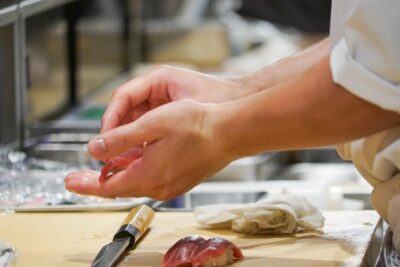
Yakitori shows the appeal of grilled food served quickly. Edamame offers a simple snack that fits naturally with drinks. Wagyu adds a special treat, while sashimi may introduce raw seafood and the importance of freshness. Ramen brings the evening back to a familiar comfort food.
The guide’s role is important because the menu alone cannot explain these habits. A good guide helps you decide what to try, how to share it, and which drink might suit a dish. The available feedback points to food advice and cultural context as major strengths, rather than the tour being only a sequence of restaurant reservations.
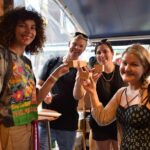
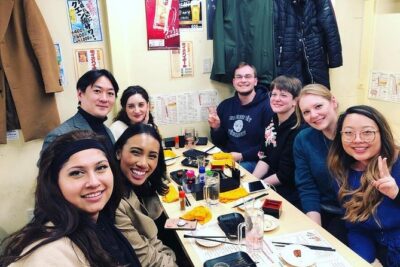
You should also expect a social meal. Small plates are likely to be shared, and the group size means you may eat alongside people you have just met. That is part of the appeal, but it may not suit someone who wants a quiet private dinner.
A few more Tokyo tours and experiences worth a look


Is $198 a fair price?
At $198 per person, this is not a cheap dinner. You can certainly spend less by choosing restaurants yourself, especially if you already know Tokyo well and are comfortable ordering in Japanese.
The price makes more sense when you count what is included: about three hours, three food stops, one drink at each place, a guide, and enough food to leave you full. You are also paying for the route through Yurakucho, the restaurant choices, and help navigating a style of dining that can feel intimidating on your first evening.
The strongest value comes if you are new to Tokyo or have limited time. One booking gives you a ready-made introduction to several dishes, drinks, and restaurant types. You do not have to research which railway-arch restaurants accept small groups or worry about ordering every dish from scratch.
The value is weaker if you are a confident independent eater, do not drink, or have strict dietary needs. Non-alcoholic drinks are included, so abstaining does not remove the drink benefit, but the food remains the central cost. Since the restaurant schedule may change, you should not book expecting one particular high-end wagyu meal.
I would compare the tour with the cost of several separate dinners in central Tokyo, then decide how much you value the guide. For many first-time visitors, the convenience and local context justify the premium. For repeat visitors who already know Yurakucho, self-guided eating may offer better value.
Who should book this evening?
This tour suits food-focused first-time visitors who want a guided introduction to Japanese small-plate dining. It also works for couples and small groups who prefer a plan for the evening but still want local restaurants rather than a large sightseeing package.
The minimum age is 13, so families with older children can participate. The three-hour length is manageable, though the evening centers on eating and drinking rather than monuments or formal cultural demonstrations.
You should be comfortable with meat and seafood. The tour is specifically not recommended for vegans or vegetarians because the group menu has limited variety and quantity for those diets. Serious food allergies are another concern. Contact the provider about a private tour if you need substantial menu changes, rather than assuming the group format can handle them.
This is also a good choice if you enjoy asking questions. The best part of a guided food walk is the conversation around the dishes, drinks, and neighborhood. If you only want a filling dinner at the lowest possible price, this is probably not the right purchase.
Practical details that affect the evening
The tour begins at 5:00 pm and lasts about three hours. You will start near Yurakucho Station and finish at Shimbashi Station, close to Hibiya Station. Since there is no hotel pickup or drop-off, plan your route before you leave.
Confirmation is provided when you book. Most people can take part, and the route is near public transportation. No special fitness requirement is stated, but you will be moving between three places and eating in compact local venues.
The group has a maximum of eight participants, with at least two needed. That limit is a real advantage in the railway-arch district, where restaurant space can be tight. It also means the tour feels more like a shared dinner than a bus-style food excursion.
The booking is non-refundable and cannot be changed for any reason. Be certain about your date before paying. Since the restaurants can change with the schedule, keep an open mind and focus on the neighborhood, meal structure, and guide rather than a fixed restaurant wish list.
Should you book the Tokyo Underpass Food Tour?
Book it if you want a guided evening of Japanese food in a distinctive setting, especially if you are curious about izakaya dining and would rather not choose three restaurants on your own. The small group, included drinks, generous food, and final ramen or dessert make the format easy to enjoy.
Skip it if you need a vegetarian or vegan menu, have a serious food allergy, or mainly want the cheapest possible dinner. At $198, the tour earns its price through guidance, variety, and convenience rather than through one guaranteed signature dish.
For the right eater, this is a strong first-night introduction to Tokyo’s social food culture. Arrive hungry, allow time to find the meeting point, and treat the changing restaurant schedule as part of the evening.
FAQ
Where does the Tokyo Underpass Food Tour start?
It starts at Miami Villa Japan, 100-0006 Tokyo, Chiyoda City, Yurakucho, 2 Chome 7-1, near Yurakucho Station.
What time does the tour begin?
The tour starts at 5:00 pm.
Where does the tour end?
It ends at Shimbashi Station, 2 Chome-17 Shinbashi, Minato City, Tokyo 105-0004, near Shimbashi and Hibiya Station.
How long does the tour last?
The food tour lasts approximately three hours.
How many people can join?
The maximum group size is eight participants, and at least two participants are required.
Are drinks included?
Yes. You receive one drink at each place and can choose an alcoholic or non-alcoholic option.
More Food Experiences in Tokyo
More Tokyo Food Tours in Tokyo
More tours in Tokyo we've reviewed









Tokyo Food Tours, compared.
 ★ 5.0Tokyo: Shinjuku Food Tour (13 Dishes at 4 Local Eateries)From $86
 ★ 4.9Tokyo: Shinjuku Food Tour (15 Dishes and 4 Eateries)From $853 hours
 ★ 5.0Best of Shinjuku: Izakaya Food Tour (4 Stops, 14+ Tastings)From $92
 ★ 5.0Tokyo Night Foodie Tour in Shinjuku – Seasonal Sushi, Wagyu BeefFrom $111
 ★ 5.0Eat and Drink Like a Local: Tokyo Ueno Food Tour-Taverns&RamenFrom $95
 ★ 5.0Tokyo: Shibuya Food Tour (13 dishes and 4 Eateries)From $77