
Reviewed · SUSHI MAKING CLASSES
Private Sushi Making with a Sushi Master
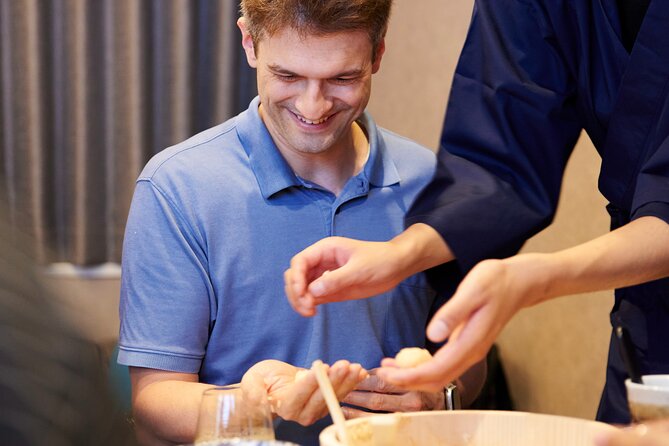
The best part of this Tokyo experience is that you do not just watch a chef work. You learn to shape nigiri, maki, and gunkan sushi yourself, using carefully prepared ingredients in a Michelin-starred restaurant. Chef Riku leads the kitchen side, while Rin has helped make the class friendly and easy to follow.
I like the private format because you get direct help instead of trying to keep up with a large group. I also like the mix of food and culture: a short sushi history lesson and quiz give meaning to what you are making. The main drawback is the strict start time. Arrive more than five minutes late without contacting the team and you may be marked as a no-show.
In This Review
- Key points to know before booking
- Making sushi in Nishiazabu, not just eating it
- The first lesson: where sushi comes from
- Watching Chef Riku handle the ingredients
- Nigiri: the test of a light touch
- Maki: rolling seaweed without a mess
- Gunkan: the battleship-style piece
- Eating what you made
- What the private format changes
- Timing, arrival, and the Nishiazabu meeting point
- Dietary needs and who should book
- Cancellation and booking advice
- Should you book this sushi class?
- FAQ
- Where does the sushi-making class take place?
- How long does the experience last?
- What types of sushi will I make?
- Is the activity private?
- Who teaches the class?
- Is the class available in English?
- Will I eat the sushi I make?
- Can dietary restrictions be accommodated?
- What happens if I arrive late?
- Can I cancel for a full refund?
Key points to know before booking
- Three sushi styles in one class: Make classic nigiri, seaweed-wrapped maki rolls, and gunkan, the battleship-style sushi topped with loose ingredients.
- Private instruction: Your group works directly with a sushi master, making this a good choice if you want questions answered as you go.
- Michelin-starred setting: The workshop takes place at A-PULSE Azabu Studio in Nishiazabu, rather than in a casual cooking school.
- A meal at the end: You eat the sushi you prepare, along with soup and green tea mentioned as part of the meal experience.
- English-friendly teaching: The staff can conduct the class in clear English, and Chef Riku has been praised for his careful instruction.
- Useful for special diets: Vegetarian, vegan, gluten-free, and other dietary needs can be accommodated when arranged in advance.
Making sushi in Nishiazabu, not just eating it
Tokyo makes it easy to eat fine sushi. It is much harder to understand what goes into a good piece once you leave the restaurant. This class addresses that problem in a practical way, giving you a short lesson, a chef demonstration, and enough hands-on time to make three familiar forms.
The setting matters. The workshop is held at A-PULSE Azabu Studio, 3-chōme-8-18 Nishiazabu, in Minato City. It is described as a Michelin-starred sushi restaurant, so you are learning in a professional restaurant setting rather than a generic rented kitchen.
That does not mean you should expect a formal multi-course sushi dinner or an advanced chef-training program. The class lasts about 1 hour and 45 minutes, and its purpose is to give you a clear introduction that you can remember and perhaps repeat at home.
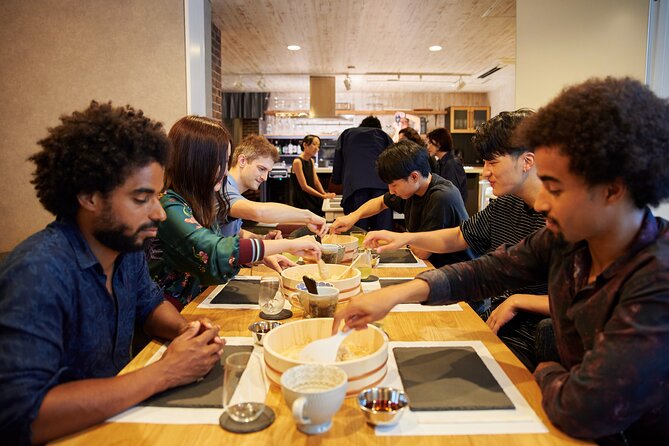
The experience is private, so only your group takes part. That makes the class especially appealing for couples, families, friends, or solo visitors who want a quieter lesson and personal attention from the sushi master.
A few more Tokyo tours and experiences worth a look
The first lesson: where sushi comes from
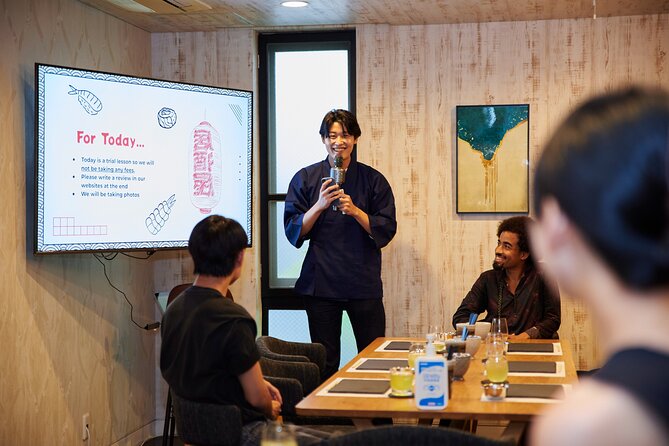
The class begins with an introduction to sushi history. This is a useful touch because sushi is not simply raw fish placed on rice. The rice, seasoning, cutting, temperature, proportions, and handling all affect the final bite.
The history section is followed by a quiz. Do not worry if you are not a sushi expert. The quiz is presented as part of the fun, and it gives you a reason to pay attention before you begin working with the ingredients.
I like this structure because it keeps the class from becoming a string of mechanical instructions. You get a little context before the practical work, then use that information as you prepare the food.
The class is also social without requiring a large crowd. The staff has been described as warm and good-humored, and the quiz gives everyone something to talk about. If you are traveling alone, this helps the experience feel less like an isolated cooking demonstration.
Watching Chef Riku handle the ingredients
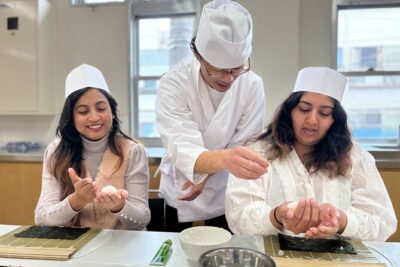
Before you make anything, the sushi master demonstrates the process. The lesson includes slicing raw fish, selecting seasonal ingredients, and preparing the sushi in proper form. The ingredients are carefully selected and prepared to a high standard for the workshop.
This demonstration is worth watching closely. Sushi often looks simple because the finished pieces are small. In practice, the work depends on controlled movements and a light touch. You will see the intended shape and texture before trying it yourself.
Chef Riku has received strong praise for his precision and passion, and one useful detail from the class experience is that he explains not only the motions but also the flavors behind the food. That is important for anyone who cooks already, since the lesson is not limited to making attractive shapes.
The staff can speak clear English, which removes a common worry in a Japanese cooking class. You should still ask questions as soon as they occur. In a private session, the chef can correct your technique rather than waiting for you to copy the next step.
Nigiri: the test of a light touch
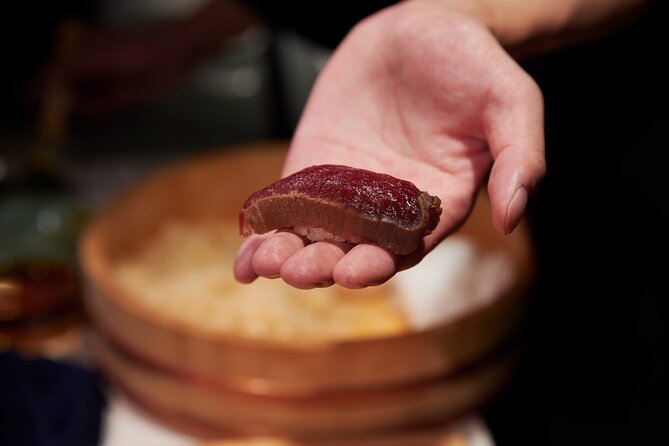
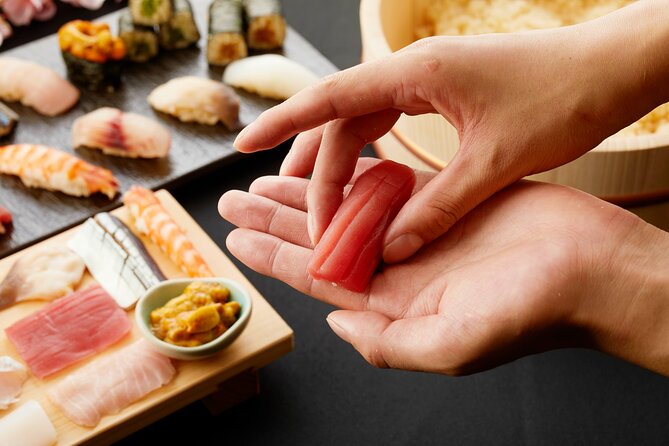
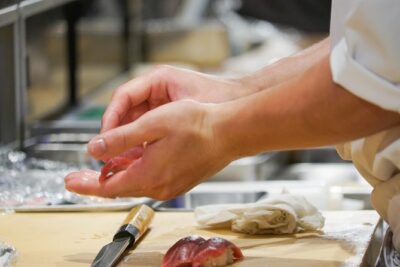
Nigiri is the classic piece most people picture when they hear sushi. It consists of seasoned rice with a slice of fish placed on top. The challenge is to shape the rice so it holds together without becoming dense.
You will learn how the rice is formed and how the fish sits on it. This is where the chef’s guidance is most useful. Press too hard and the rice loses its soft texture. Use too little pressure and the piece may fall apart before it reaches your plate.
The class uses sushi-quality fish and carefully prepared ingredients, so the finished food is meant to be eaten. You are not making practice pieces that go straight into a bin. Come hungry, since the sushi you prepare becomes your meal.
Nigiri is also the style that most clearly shows the value of instruction. A roll can hide uneven work inside seaweed. Nigiri leaves the rice and fish exposed, so proportion and handling matter more.
Maki: rolling seaweed without a mess
Maki is the traditional sushi roll wrapped in seaweed. This part of the lesson is likely to feel familiar if you have seen sushi being made, but doing it yourself is a different matter.
You will work with the rice, fillings, and seaweed, then roll the ingredients into a neat cylinder. The key is controlling the amount of filling and applying enough pressure to create a firm roll without crushing it.
Maki is often the most approachable style for beginners because the seaweed holds the ingredients together. It is also the form you may find easiest to repeat at home after the trip. The team has sent recipes to participants, and the class is designed to make home preparation feel less intimidating.
You should still pay attention to how the chef handles the rice. Too much rice can make a roll heavy, while too much filling can prevent a clean shape. These small details are what turn a homemade roll from a loose bundle into something you can slice and serve.
Other private tours in Tokyo




Gunkan: the battleship-style piece
Gunkan is wrapped with seaweed and topped with ingredients that are too loose or delicate to place directly on rice. Its shape resembles a small battleship, with the seaweed forming a wall around the topping.
This is a fun contrast to nigiri and maki. Nigiri asks for restraint, maki asks for steady rolling, and gunkan asks you to build a container that can hold its topping. Making all three in one session gives you a better sense of how sushi forms are designed around their ingredients.
The gunkan lesson also helps explain why sushi has so many shapes. The form is not decoration alone. It solves a practical food problem by keeping the topping in place while allowing you to eat the piece in one or two bites.
Because the class is private, you can take your time with the shape. If your first piece looks more like a small raft than a battleship, the chef can show you how to tighten the seaweed and improve the next one.
Eating what you made
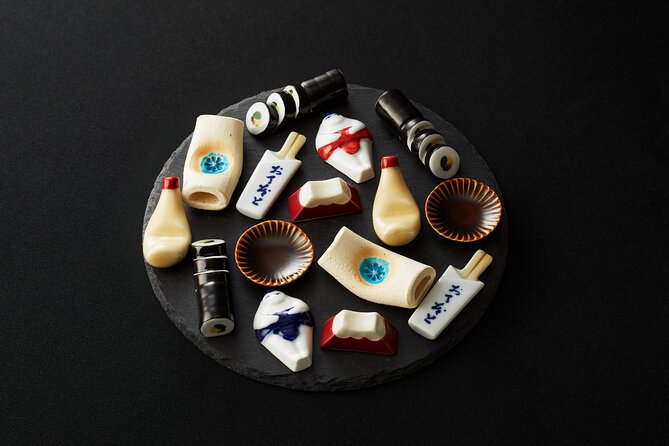
The last part of the class is the reward: you photograph your creations, then eat them. This is not a demonstration where someone else plates the food and sends you home with a recipe.
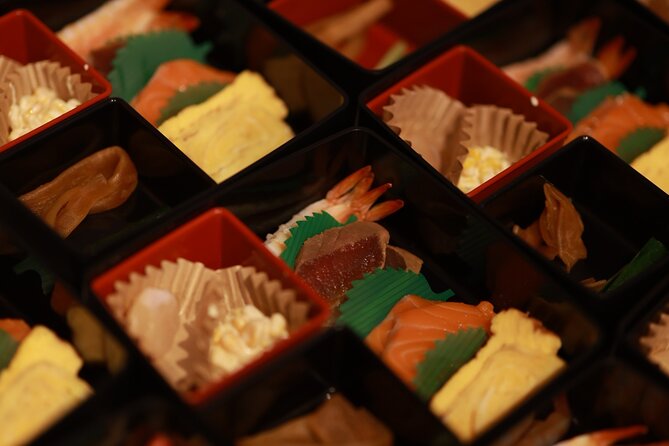
The meal includes your handmade nigiri, maki, and gunkan. Soup and green tea have also been part of the serving experience, adding a simple Japanese meal around the sushi itself.
Quality matters here. The food is prepared under the direction of the sushi master, and the ingredients have been selected for the workshop. You get the satisfaction of making the pieces yourself without giving up the standards you would expect from a serious sushi restaurant.
The photo time is a small but worthwhile part of the session. Sushi is visual, and the three styles give you a colorful record of the class. It also gives you a natural pause before eating, rather than rushing straight from the final roll to the meal.
What the private format changes
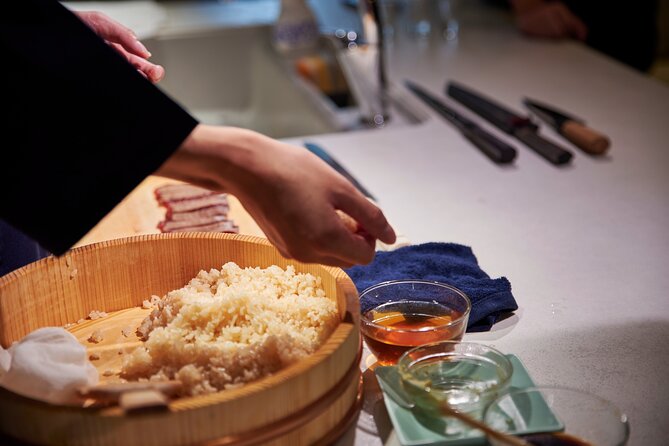
A private class costs $130.81 per person. That is more than a basic group cooking lesson, so the value depends on what you want from the experience.
If your goal is simply to eat inexpensive sushi, this is not the right use of your money. Tokyo offers many cheaper meals. If you want a personal lesson, high-quality ingredients, a professional restaurant setting, and a meal included in the session, the price is easier to justify.
The private format is the strongest part of the value. You do not have to compete with a room full of students for the chef’s attention. You can ask about knife handling, rice texture, ingredient choices, or how to make the sushi again at home.
It also works well for mixed-ability groups. A confident home cook can ask more detailed questions, while a beginner can receive extra help without holding up strangers. A solo participant can book the experience too, and the private setup avoids the awkwardness of being placed into a large group.
The class has been booked more than five times in the past week, and it carries a five-out-of-five rating from 102 reviews, with 100 percent recommending it. Those figures suggest strong demand, but I would still judge the experience by its format and your own interests rather than by ratings alone.
Timing, arrival, and the Nishiazabu meeting point
The class begins and ends at A-PULSE Azabu Studio. Since the activity lasts about 1 hour and 45 minutes and has no separate transfer between stops, you can fit it into a Tokyo day without giving up half your schedule.
The meeting point is near public transportation, and a mobile ticket is provided. You should plan your route before the day of the class and arrive early. The no-show rule is strict: if the team receives no contact within five minutes after the scheduled start, the booking can be treated as a no-show with no refund.
One past participant had a delayed flight from Narita and arrived an hour late. The team allowed the class to go ahead, which shows some human flexibility, but you should not plan around that exception. Contact the provider as soon as a delay becomes clear.
The activity returns to the meeting point, so you do not need to arrange a separate pickup or find your way to another part of Tokyo afterward. That makes it easier to combine with other plans in Minato City.
Dietary needs and who should book
Vegetarian, vegan, gluten-free, and other dietary restrictions can be accommodated. Tell the provider about your needs before the class, since sushi ingredients and preparation need to be arranged in advance.
This experience is a good match for:
- First-time sushi makers who want direct instruction
- Couples and families seeking a private activity
- Solo visitors who prefer personal attention
- Home cooks interested in rice, fish, and sushi technique
- Anyone who wants an indoor Tokyo activity with a meal included
You should think twice if you dislike raw fish, have a severe allergy that has not been discussed with the provider, or want a long, technical course focused on professional fish butchery. A separate premium fish gutting and sushi-making course is offered for that more specialized interest.
The class is also not a general Japanese cooking tour. You will not move through markets or visit several restaurants. Its focus is narrow: sushi history, sushi technique, making three styles, and eating the result.
Cancellation and booking advice
Free cancellation is available up to 24 hours before the scheduled start time. If you cancel less than 24 hours ahead, the amount paid is not refunded, and changes within that window are not accepted.
Confirmation normally arrives at booking. If you book within one day of travel, confirmation comes as soon as possible, subject to availability. I would book ahead if you need a particular date, especially because the private format limits the number of participants.
Give the provider your dietary information at booking, not on the way to the studio. Bring an appetite, arrive early, and leave enough time to find A-PULSE AZABU STUDIO without cutting the five-minute margin close.
Should you book this sushi class?
Book it if you want more than a sushi meal and value one-on-one help from a sushi master. The combination of Chef Riku’s instruction, Rin’s friendly support, excellent ingredients, three sushi styles, and a meal gives you a useful taste of the craft without taking over your day.
The $130.81 price is fair for a private class in a Michelin-starred setting, but it is not a bargain meal. You are paying for the lesson, the personal attention, and the chance to make and eat your own sushi.
For a beginner, a solo visitor, or a small group that wants a relaxed hands-on activity, I would book it. If your main aim is fish cutting or advanced professional technique, choose the premium fish gutting course instead.
FAQ
Where does the sushi-making class take place?
The class takes place at A-PULSE Azabu Studio, located at 3-chōme-8-18 Nishiazabu, Minato City, Tokyo 106-0031, Japan.
How long does the experience last?
The workshop lasts approximately 1 hour and 45 minutes.
What types of sushi will I make?
You will make nigiri, maki, and gunkan. Nigiri has fish on top of rice, maki is a seaweed-wrapped roll, and gunkan is a seaweed-wrapped piece topped with various ingredients.
Is the activity private?
Yes. Only your group participates in the activity.
Who teaches the class?
The sushi master leads the demonstration and hands-on lesson. Chef Riku is named as the chef, and Rin is part of the team assisting with the experience.
Is the class available in English?
The staff speaks English, and the experience includes instruction, a sushi history lesson, and a quiz.
Will I eat the sushi I make?
Yes. The class ends with time to photograph and enjoy your handmade sushi, so you should arrive hungry.
Can dietary restrictions be accommodated?
Yes. Vegetarian, vegan, gluten-free, and other dietary restrictions can be accommodated.
What happens if I arrive late?
If the provider receives no contact from you within five minutes after the scheduled start time, your reservation may be treated as a no-show and no refund will be provided.
Can I cancel for a full refund?
Yes, if you cancel at least 24 hours before the experience start time. Cancellations made less than 24 hours in advance are not refundable.
More Private Tours in Tokyo
More Sushi Making Classes in Tokyo
More tours in Tokyo we've reviewed











Sushi Making Classes, compared.
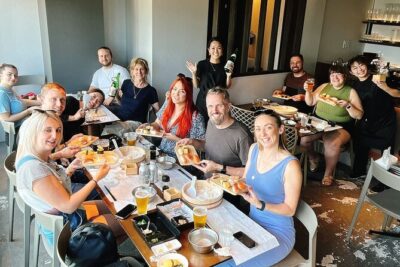 ★ 5.0Sushi Making Tokyo Roll and Authentic Japanese Sushi ClassFrom $59
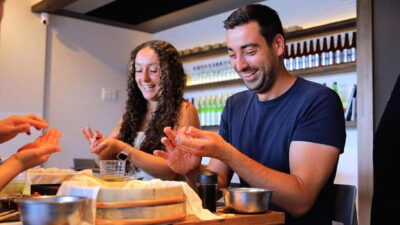 ★ 4.9Tokyo: Roll and Authentic Sushi Making Class in AsakusaFrom $581h 40m
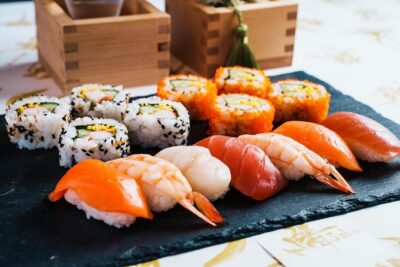 ★ 5.0Make Sushi and Create Unforgettable Memories in TokyoFrom $79
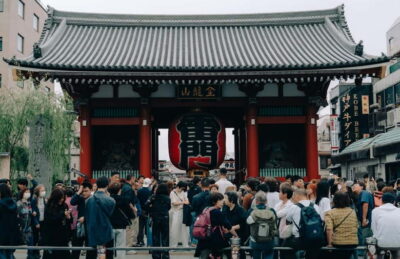 ★ 4.9Tokyo: Sushi Making Class in a Happi Coat near a Famous SpotFrom $421h 30m
 ★ 5.0Tokyo Sushi Making Class in Tsukiji with Professional ChefFrom $49
 ★ 5.0Tokyo Night Foodie Tour in Shinjuku – Seasonal Sushi, Wagyu BeefFrom $111