
Reviewed · MT FUJI DAY TRIPS
Mount fuji and Hakone Full day private sightseeing tour
Mt. Fuji and Hakone make a strong pair for a long day out of Tokyo: one gives you Japan’s most famous mountain, the other brings volcanic vents, ropeways, lake views, and old shrines. This 10-hour private tour uses a driver and English-speaking guide, so you can cover wide distances without piecing together trains and buses.
I like the freedom to change the plan, and I like the chance to see Fuji from several angles. Guides named Ali, Hassan, Mukarram, Rana, and Asif have led this outing, though your guide will depend on the day. The main caution is time: the route lists nine possible stops, but traffic, crowds, weather, and paid attractions mean you probably will not enjoy every one in a single day.
In This Review
- Key points
- Why this private Fuji day trip works
- Starting with Fuji Sengen Shrine
- Oshino Hakkai and its eight spring ponds
- Saiko Iyashi no Sato Nemba’s old houses
- Hakone Shrine and the orange torii
- Owakudani and the black eggs
- Lake Ashi by pirate boat
- Ropeway views and the Togendai stop
- The Hakone Open-Air Museum
- Odawara Castle on the return route
- Weather, traffic, and the Fuji gamble
- What the guides add to the day
- Who should book this $380 outing
- Should you book it?
- FAQ
- How long does the tour last?
- How many people can join the private tour?
- Is pickup available?
- Is the tour conducted in English?
- Is transportation private?
- Is bottled water included?
- Are meals included?
- Are attraction and ride tickets included?
- Can the itinerary be customized?
- What happens if bad weather cancels the tour?
Key points
- Private pickup from Tokyo: Your group of up to five rides together, with no strangers and no need to navigate several connections.
- Fuji views are weather dependent: Even on a clear day, clouds can hide the summit, so flexibility matters.
- A wide choice of stops: The day can include shrines, spring ponds, a thatched village, Lake Ashi, Owakudani, a museum, and Odawara Castle.
- Hakone’s classic rides: The plan includes the Hakone Ropeway and a Lake Ashi cruise, though admission and ride fees are extra.
- Best value for families and small groups: At $380 per group, the cost becomes more reasonable when shared by four or five people.
- Start time can matter: One guide suggested a 7:00 a.m. departure instead of 8:30 to beat traffic and crowds on a sunny day.
Why this private Fuji day trip works
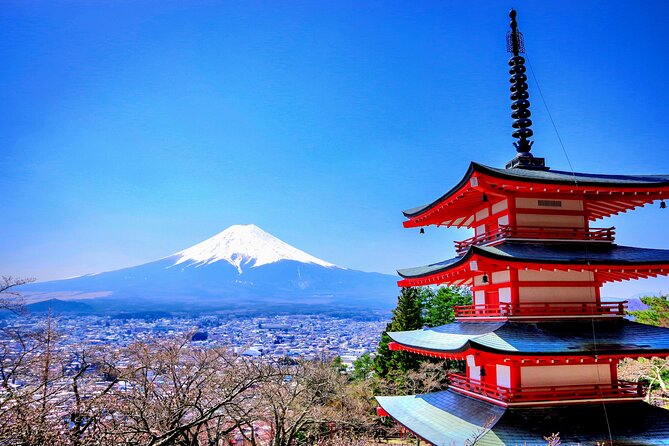
The biggest strength is simple: you can get beyond Tokyo without managing the transport yourself. Mt. Fuji and Hakone cover a broad area, and the drive from Tokyo can take roughly 1.5 to 2 hours each way. Add traffic near popular viewpoints, and a self-guided day can become a timetable exercise.
Here, your driver handles the road while you watch the countryside change. You can discuss priorities at the start, then adjust the order if weather or queues make one stop less useful. That flexibility has real value when Fuji is partly hidden or when the ropeway has a long wait.
I also like the private format for families. Children can ride in the same vehicle, and the day does not require everyone to keep pace with a large bus group. The vehicle has been described as clean, roomy, and comfortable, though the exact vehicle is not specified.
The price is $380 for up to five people, not per person. For two people, it is a sizeable outlay. For four or five, it becomes much easier to justify, especially when you value hotel pickup, a private driver, and the ability to skip places that do not interest you.
Keep extra money for entry fees, rides, food, and shopping. Bottled water is provided, but meals are not included. Paid options include the ropeway or cable-car rides, Saiko Iyashi no Sato Nemba, and the Hakone Open-Air Museum.
A few more Tokyo tours and experiences worth a look
Starting with Fuji Sengen Shrine
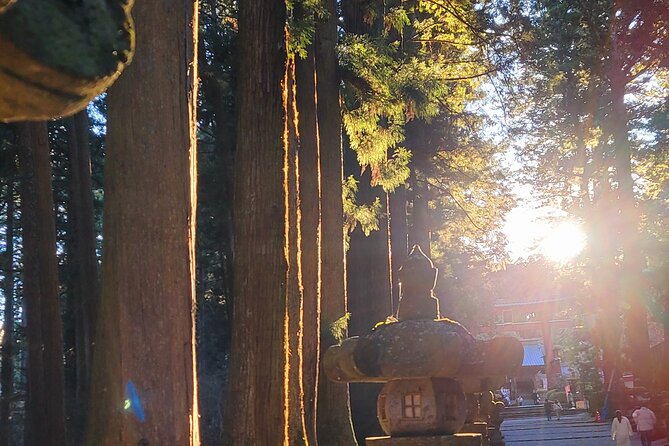
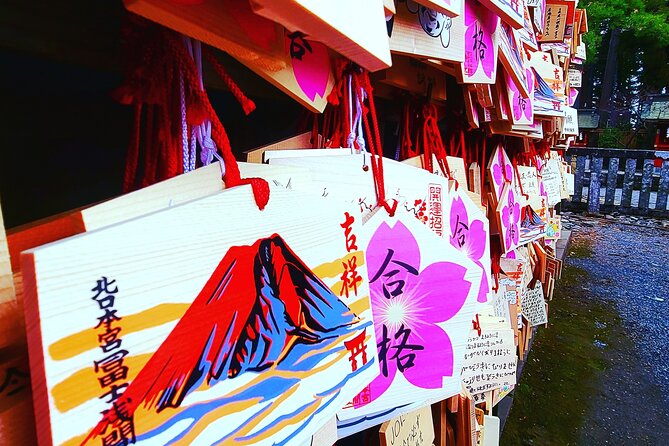
Kitaguchi Hongu Fuji Sengen Jinja is a good first stop because it introduces Fuji through Shinto tradition rather than a photo viewpoint. The shrine sits on the north side of the mountain, among tall cedar and pine trees. Its setting should feel quieter and more shaded than the open lake and road stops later in the day.
The site dates to around 100 A.D., according to the tour information, and its grounds include old cypress trees, including one described as roughly 1,000 years old near the main hall. You get about an hour here, and admission is free.
I would use this stop to slow down. Look at the approach through the trees, the scale of the trunks, and the contrast between the dark forest and bright shrine buildings. If your main goal is a clear Fuji photograph, this is not the strongest stop. If you want a sense of how the mountain fits into Japanese religious life, it is far more useful.
Oshino Hakkai and its eight spring ponds
Oshino Hakkai brings a different view of the Fuji region. This old village is known for eight natural spring-water ponds, koi fish, small shops, traditional foods, and views toward Mt. Fuji.
You have about an hour here, with no separate admission fee listed. That is enough for a walk around the ponds and a quick look at the food stalls, though you may want longer if you plan to browse souvenirs or eat.
This stop works well after the shrine because it adds water, village scenery, and a more open view of Fuji. The drawback is that it can feel busy around the shops and pond paths. If the mountain is hidden, the ponds and village still give you something to see, but the stop loses its main photographic payoff.
Ask your guide to help decide how much time to spend here. A private vehicle makes it easier to keep moving if the view is poor or the crowds are heavy.
Saiko Iyashi no Sato Nemba’s old houses
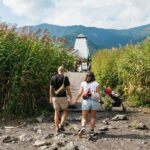
Saiko Iyashi no Sato Nemba is a recreated traditional village in the Lake Saiko area. Its thatched-roof houses, food stalls, and mountain setting offer a more staged cultural experience than the working streets of a regular town, but it can still be a pleasant place to walk.
You can spend about an hour here. Admission is not included, and the tour information also notes the chance to try on a kimono. That extra activity may appeal to families and anyone who wants photographs with a strong traditional Japanese look.
I would treat this as an optional stop rather than a must-see. The village is worthwhile if you enjoy architecture, costumes, and food stalls. If you care most about Fuji views or Hakone’s volcanic sights, this is one of the places I would shorten when the day starts running late.
Hakone Shrine and the orange torii
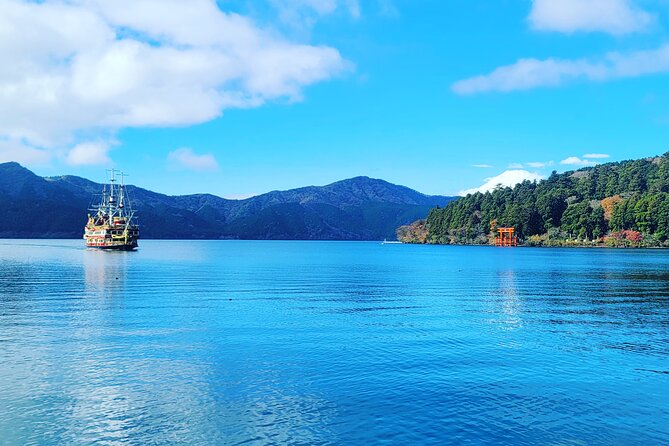
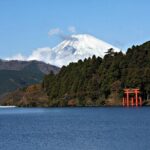
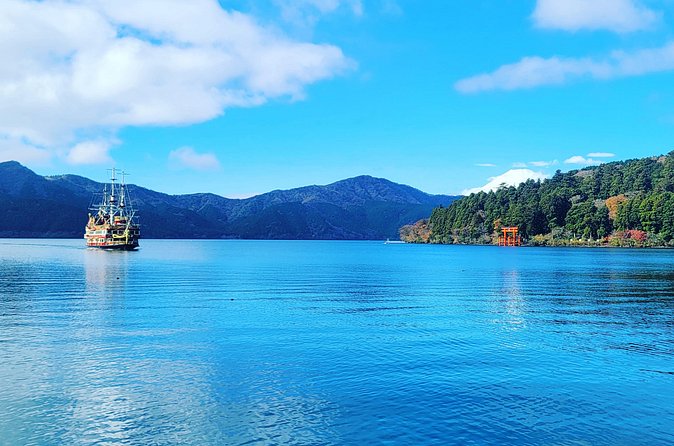
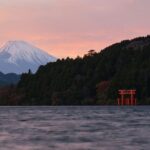
The Hakone Shrine is one of the day’s most recognizable photo stops. Its orange torii gate appears to float at the edge of Lake Ashi, creating the classic red-orange-against-water view associated with Hakone.
The shrine visit is listed at about 30 minutes and is free. That is enough for a quick look and photographs, but it does not leave much spare time if the area is crowded. The famous gate can draw a queue, so do not assume you will walk straight up for an empty picture.
The setting is the point here. You get a strong connection between lake, forest, shrine, and mountain. Fuji may or may not appear, depending on cloud cover. Even when it does not, the torii and lake remain worthwhile.
A few more Tokyo tours and experiences worth a look

Owakudani and the black eggs
Owakudani is the most unusual stop on the route. Mt. Hakone erupted about 3,000 years ago, leaving an area of sulfur vents and volcanic activity. You can see steam rising from the ground and buy the famous black eggs, which are cooked in the sulfurous waters.
The stop is planned for about an hour, with no admission fee listed. Conditions can affect access, and the strong sulfur smell will not suit everyone. If you have breathing concerns or dislike pungent odors, ask your guide how much time makes sense.
This is more than another viewpoint. It gives the day geological character. You are seeing the forces that shaped Hakone rather than simply looking at them from a distance. The contrast with the quiet forest shrine earlier in the day is one of the tour’s best features.
Lake Ashi by pirate boat
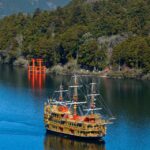
Lake Ashi is Hakone’s central scenic attraction, and the planned cruise uses one of the area’s distinctive pirate-style sightseeing boats. From the water, you can see the lake’s wooded shores and, when conditions cooperate, Fuji in the distance.
The cruise is listed at about one hour. The ride itself requires a ticket, so budget separately for it. Lake Ashi can be one of the most memorable parts of the day, but it is also sensitive to weather. Low cloud may erase Fuji, and poor conditions can affect boat or ropeway plans.
I like the cruise because it changes your viewpoint. You are not simply stopping at a roadside lookout and leaving. You get time on the water, with the scenery moving around you. Still, if the boat schedule does not fit the rest of the day, your guide may need to adjust the order or shorten another stop.
Ropeway views and the Togendai stop
The Hakone Ropeway is one of the tour’s headline experiences. The route information also includes Togendai Station, described as the lakeside point for the cable-car ride and Fuji views. Ride admission is extra.
This part needs a practical warning. A clear day can bring heavy demand, and one guide advised skipping the ropeway when the wait reached about 60 minutes. That was a sensible choice for a packed day, since a long queue can cost you time at several other stops.
You should decide what matters most before departure. If riding the ropeway is a personal priority, say so clearly. If your goal is simply to see Hakone from above, your guide may suggest another viewpoint when the line is too long. The private setup gives you that choice, but it cannot remove the crowds.
The Hakone Open-Air Museum
The Hakone Open-Air Museum mixes outdoor sculpture with indoor exhibits and includes a natural hot spring. The planned visit lasts about an hour, and admission is not included.
This is a good alternative if you want art rather than another shrine or lake photograph. The open-air setting also gives you room to walk after time in the car. It may be less appealing if your first visit to the Fuji area is focused on nature and traditional Japan.
Because the tour already has many possible stops, I would not try to force the museum into the day unless you are genuinely interested in sculpture. A private itinerary is most useful when you choose, rather than attempt every item on the menu.
Odawara Castle on the return route
Odawara Castle offers a final historical stop near the route back toward Tokyo. It is a compact castle with exhibits, artifacts, and views from its tower. The visit is listed at about an hour and described as free, though the information does not break down possible costs for every area.
Odawara is useful if you want to end with history instead of another natural viewpoint. It also gives the day a broader shape: Shinto worship, rural village life, volcanic geology, lake scenery, art, and castle culture.
The practical issue is timing. If the morning runs late or traffic slows the route, Odawara may be one of the last stops to cut. Discuss that early if the castle matters to you.
Weather, traffic, and the Fuji gamble
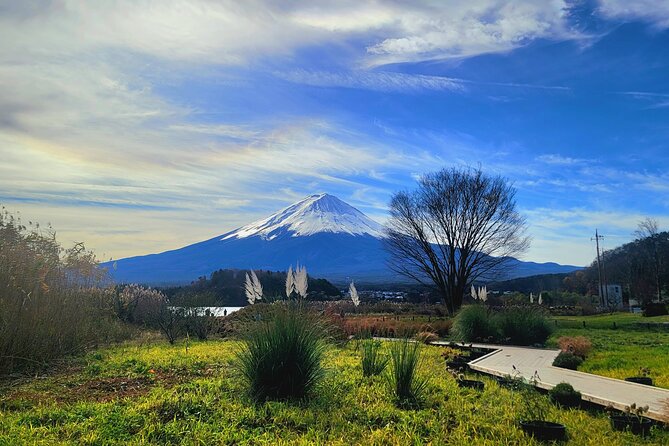
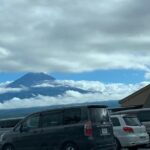
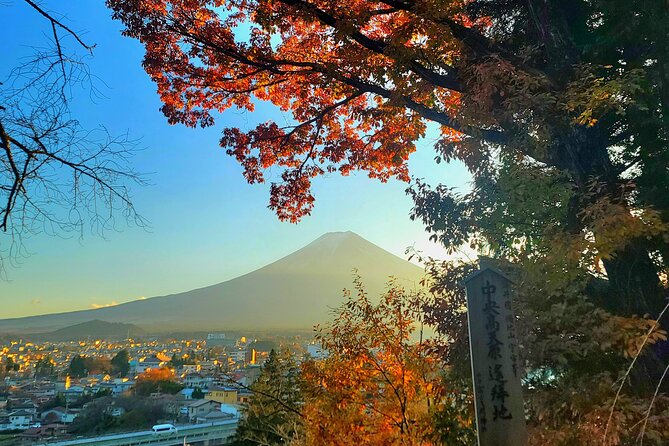
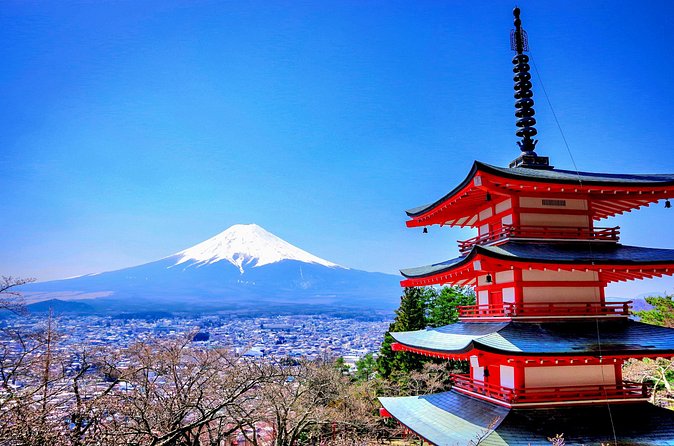
No private tour can guarantee a view of Mt. Fuji. Several people had only partial views, while others saw the summit through gaps in the clouds. One clear day produced excellent views from several angles, including the shore, the lake, and a high viewpoint.
That makes flexibility more important than a fixed checklist. Your guide may shift the route, prioritize the clearest side of the mountain, or replace a long wait with another viewpoint. A guide named Ali was also praised for suggesting an earlier 7:00 a.m. departure before a particularly crowded sunny day.
Traffic is another serious factor. The drive can take 1.5 to 2 hours each way, and sunny weather after several cloudy days can draw large crowds. A late start may mean less time at the stops you paid to reach.
The tour requires good weather. If the operator cancels because of poor conditions, you are offered another date or a full refund. You can also cancel for a full refund up to 24 hours before the start time. Changes or cancellations inside that window are not accepted.
What the guides add to the day
The guide is central to the experience because the route is too broad for a simple chauffeur service. You want someone who can explain the shrines, manage timing, and help you choose between competing stops.
The supplied guide names include Ali, Hassan, Mukarram, Rana, and Asif. Their reported strengths include safe driving, clear English, cultural explanations, help with photographs, and quick changes when weather or crowds disrupted the plan. One guide helped arrange a quieter lunch away from the biggest crowds, though meals themselves are not part of the price.
Service will vary by individual. One complaint described a missed pickup and failed communication, while the operator stated that attempts had been made through the supplied phone number and message center. Another person felt unsafe because of fast driving, although the driver slowed after being asked.
That is useful advice: confirm the pickup details, keep your phone available, and speak up immediately if driving speed makes you uncomfortable.
Who should book this $380 outing
I would choose this tour for a family, two couples, or a small group of friends who want to share the cost. It is also a strong choice if you dislike changing trains, want hotel pickup, or need a flexible plan for children.
It is less compelling for a solo visitor or a couple on a tight budget. Public transport can cost less, and an organized group tour may offer a lower per-person price. You also need to accept a long day in the vehicle and the possibility that several listed stops will be shortened or skipped.
The high rating of 4.8 from 46 ratings and a 98 percent recommendation figure point to generally strong satisfaction, especially around the private format and the guides. Still, those numbers should not hide the tour’s limits: weather can erase Fuji, entry fees add up, and nine stops do not fit comfortably into ten hours once driving and queues are counted.
Should you book it?
Book this tour if you want maximum flexibility in one day and can share the $380 cost with several people. It is especially useful for families, small groups, and first-time visitors who want Fuji and Hakone without handling a complicated transport plan.
Before you pay, decide your top three priorities. For example, you might choose Fuji views, Lake Ashi, and Owakudani, then treat the shrine, village, museum, and castle as optional. If you approach the day that way, the private format can work very well.
Skip it if you need guaranteed Fuji weather, want a slow visit to every attraction, or are traveling alone on a strict budget. For everyone else, this is a productive and adaptable way to reach two of Japan’s best-known day-trip areas from Tokyo.
FAQ
How long does the tour last?
The tour lasts approximately 10 hours.
How many people can join the private tour?
Up to five people can participate in one group.
Is pickup available?
Yes. Pickup is offered, making it possible to begin from your Tokyo accommodation rather than meeting a large group at a distant station.
Is the tour conducted in English?
An English-speaking guide accompanies the tour.
Is transportation private?
Yes. This is a private activity, and only your group participates.
Is bottled water included?
Yes. Bottled water is provided.
Are meals included?
No. Meals are extra.
Are attraction and ride tickets included?
No. Entry fees are extra. The ropeway or cable-car ride, Saiko Iyashi no Sato Nemba, and the Hakone Open-Air Museum are specifically listed as paid options.
Can the itinerary be customized?
Yes. The private itinerary can be adjusted to suit your interests and needs, although traffic, weather, queues, and the 10-hour limit may require some stops to be shortened or omitted.
What happens if bad weather cancels the tour?
If the experience is canceled because of poor weather, you are offered a different date or a full refund. You can also cancel at least 24 hours before the start time for a full refund.
More Private Tours in Tokyo


More Hakone Day Trips in Tokyo
More Mt Fuji Day Trips in Tokyo
More tours in Tokyo we've reviewed




Mt Fuji Day Trips, compared.
 ★ 5.0Mt Fuji and Hakone 1-Day Bus Tour Return by Bullet TrainFrom $163
 ★ 4.0Mt Fuji & Hakone Cruise, Drum Show Bullet Train 1 Day from TokyoFrom $149
 ★ 4.4Tokyo Mt Fuji 5th St & Hakone Cruise Bus Tour w/Bullet TrainFrom $15410 hours
 ★ 4.5From Tokyo: Mount Fuji Full-Day Sightseeing TripFrom $6810 hours
 ★ 4.7Tokyo: Mt. Fuji Tour, Hakone Ropeway, Owakudani, Lake AshiFrom $5410 hours
 ★ 4.4Tokyo:Mt.Fuji,Kawaguchiko Oishi Park,Arakurayama Sengen ParkFrom $5410 hours