
Reviewed · GUIDED
Private Omiya Bonsai Village Tour with Licensed Guide
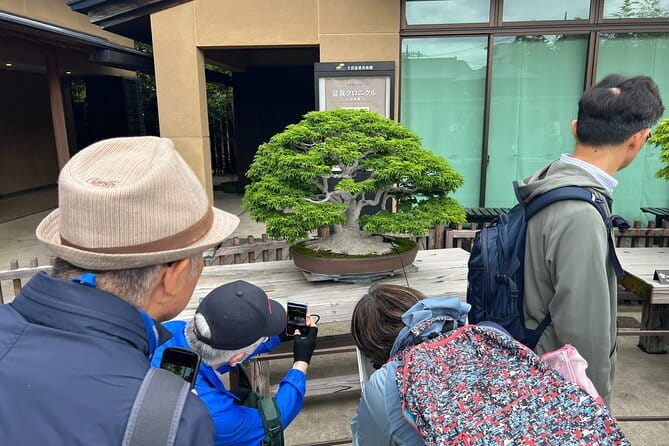
Omiya Bonsai Village gives you a quiet, unusual side of Japan that most first-time Tokyo plans skip. In one half-day, you visit six bonsai gardens and the Omiya Bonsai Art Museum, where a thousand-year-old Ezo spruce helps explain why these small trees carry such great weight in Japanese culture.
I like the private format for two clear reasons. You can ask as many questions as you wish, and your guide can help you navigate the trip from your Tokyo hotel. I also like the chance to buy a bonsai plant, though you will need to pay for transportation and admission fees separately.
The main catch is the travel time. It takes about one hour each way from Tokyo, leaving roughly two hours on site. This is a better choice for plant lovers, gardeners, and curious repeat visitors than for anyone trying to pack in several major Tokyo sights.
In This Review
- Key points to know before you book
- Why Omiya Bonsai Village is worth the train ride
- Starting from Tokyo: one hour out, one hour back
- Six bonsai gardens, six different ways to look at the art
- The Omiya Bonsai Art Museum in 30 minutes
- What the private guide adds
- Buying a bonsai plant as a souvenir
- Is $107.50 per person a fair price?
- Who will enjoy this half-day outing most?
- Timing, tickets, and cancellation details
- Should you book the Omiya Bonsai Village tour?
- FAQ
- How long does the private Omiya Bonsai Village tour last?
- Where does the tour begin and end?
- Is transportation included in the tour price?
- Are admission tickets included?
- Can I buy a bonsai plant during the visit?
- Is the Omiya Bonsai Art Museum open throughout the year?
Key points to know before you book
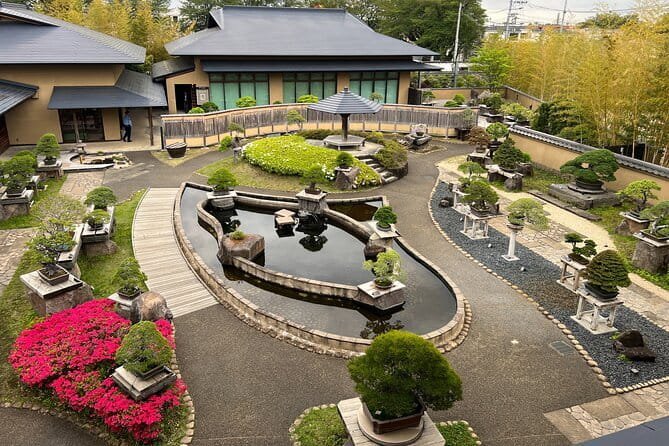
- Six gardens in one historic district: Omiya Bonsai Village brings several respected bonsai nurseries within a compact area.
- A private guide changes the pace: Ask detailed questions, linger over trees, or focus on bonsai techniques that interest you.
- Kahori and Miyuki are guide names associated with this experience: Both have been praised for patient explanations and personal attention.
- The museum adds useful context: The Omiya Bonsai Art Museum turns a garden visit into a lesson in bonsai culture and history.
- The tour takes about four hours: Plan on roughly two hours of round-trip travel between Tokyo and Omiya.
- The advertised price is not all-inclusive: At $107.50 per person, you pay for the private guide, but not transportation, entry tickets, lunch, or personal purchases.
Why Omiya Bonsai Village is worth the train ride
Tokyo offers no shortage of famous sights, yet its best experiences are not always the most obvious ones. Omiya Bonsai Village sits in Saitama City, outside central Tokyo, in an area where several pioneers of bonsai moved about 100 years ago.
That background matters. You are not simply visiting a shop that sells miniature trees. You are walking through a district shaped by people who made bonsai their livelihood and craft. Rows of carefully tended trees, quiet garden paths, and small nurseries give the visit a slower rhythm than central Tokyo.
The word village can sound grander than the experience itself. This is not a large open-air attraction with rides, performances, or a long list of activities. Its appeal comes from close looking. A private guide helps you notice the shape of a trunk, the spread of branches, the age suggested by the bark, and the care needed to keep a tree healthy in such a small container.
If you already garden, the visit can be especially rewarding. You can ask practical questions instead of settling for a quick explanation. If bonsai is new to you, the guide helps make sense of an art form that can otherwise seem mysterious.
Other guided tours in Tokyo


Starting from Tokyo: one hour out, one hour back
The day begins at your hotel or another agreed location in Tokyo. The guide meets you on foot, and the two of you travel together toward Omiya Bonsai Village. The guide also returns with you to Tokyo at the end.
Expect about one hour each way. That means the round trip takes around two hours of the four-hour experience, leaving about one and a half hours for the bonsai village and thirty minutes for the museum.
This timing is the most important practical point. The tour works well as a focused half-day outing, but it is not a quick side trip. Set aside the full four hours, and avoid booking an activity immediately afterward unless you allow extra time.
The guide assists with the route from your hotel, which is useful in a city where station transfers and unfamiliar train lines can eat up time. Still, your transportation fees are not included, and there is no private car. You should budget separately for the public transportation needed to reach Omiya.
That arrangement keeps the price lower than a private vehicle tour, but it also means the outing depends on Tokyo rail travel. For many people, that is part of the local experience. For others, especially those carrying large bags or managing tired children, it may feel less convenient.
Six bonsai gardens, six different ways to look at the art
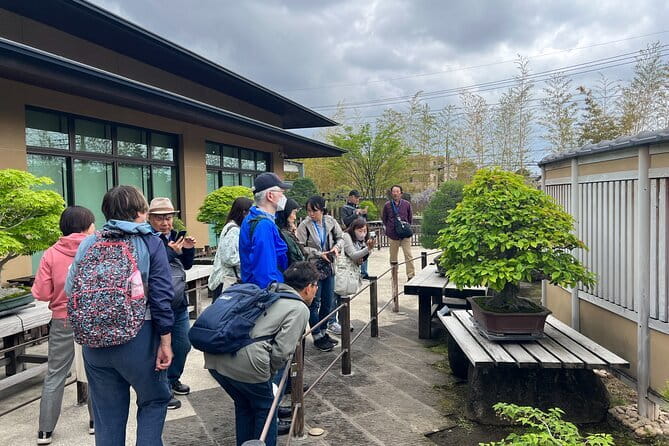
The main visit to Omiya Bonsai Village lasts about one hour and thirty minutes. Within that time, you visit six distinguished gardens in the district. The exact order and amount of time at each garden can vary, so think of this as a guided survey rather than a long stay at one nursery.
The value of visiting several gardens is comparison. Bonsai is not one fixed style. Different growers may present trees with different shapes, ages, species, and arrangements. Moving from one garden to another lets you see how personal taste and garden tradition affect the finished tree.
Your guide can also connect what you see to the wider story of Omiya. A row of trees may look serene and simple, but each one represents years of pruning, watering, wiring, repotting, and close attention. The small size of the tree does not mean small effort.
The gardens are also good places for photographs. Their neat rows and unusual forms create souvenir pictures that feel very different from the usual Tokyo skyline or temple gate. Photography is one of the strongest casual pleasures here, especially if you enjoy plants, design, or quiet details.
Do keep your expectations sensible. A one-hour-thirty-minute garden visit cannot provide a full lesson in every tree or technique. If you want to ask about each specimen, the schedule may feel short. The private format helps, since you can direct the conversation toward the plants that catch your eye.
The Omiya Bonsai Art Museum in 30 minutes
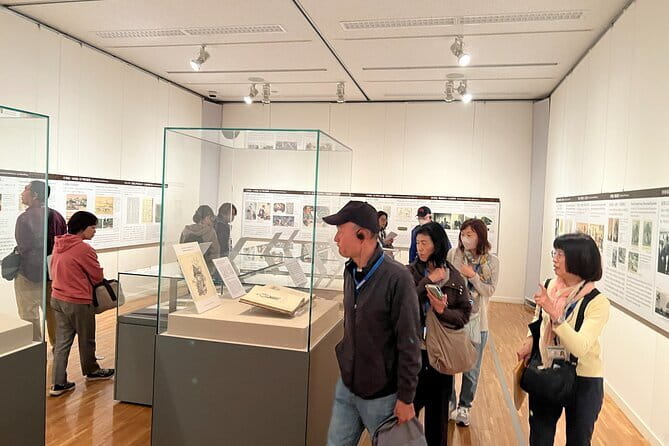
The Omiya Bonsai Art Museum sits at the edge of the village. The museum visit lasts about thirty minutes, making it a compact but useful final piece of the tour.
The museum is arranged in a logical way, so it helps place the gardens in context. Instead of only seeing bonsai as attractive potted trees, you gain a clearer sense of the art form’s development and place in Japanese history.
One especially memorable object is the thousand-year-old Ezo spruce mentioned by guide Miyuki. Its age gives the museum visit a strong focal point. A tree of that age makes the long patience behind bonsai easier to grasp, even if you know little about horticulture.
Thirty minutes is enough for an introduction, but not enough for a leisurely museum visit with every display studied in detail. If the museum is your main reason for booking, you may wish the schedule allowed longer. If you see it as a companion to the village gardens, the length is reasonable.
Check the museum’s operating status before booking. It is closed for renewal from November 5, 2024, through March 20, 2025, according to the supplied tour information. The museum admission is also not included in the tour price.
What the private guide adds
A private tour earns its keep through flexibility. You are not trying to hear an explanation over a large crowd or waiting for a group to move on. You can ask about the basics, request more detail, or shift the focus toward plant care and garden design.
Guide Kahori has been associated with this experience and is described as patient and highly informed about plants. A particularly nice personal touch was teaching origami sculptures on the train. That detail shows how the journey itself can become part of the experience rather than dead time.
Miyuki is another guide associated with the tour. Her approach includes explanations of bonsai history and general bonsai practice. She also points out the thousand-year-old Ezo spruce at the museum, a useful detail if you want to make sure you see one of the visit’s most striking trees.
Guide assignments can vary, so you should not assume one specific person will lead your tour. Still, the examples give you a good sense of what this private format can offer: patient answers, plant-focused conversation, and small cultural touches along the way.
The private setting is most valuable if you are willing to speak up. Ask about the trees you find appealing. Ask why one shape looks older than another. Ask about buying a plant and what to consider before carrying it home. A private guide cannot improve the experience if you simply follow silently.
Other private tours in Tokyo



Buying a bonsai plant as a souvenir
The tour offers a chance to purchase a souvenir bonsai plant. That can be far more meaningful than buying a mass-produced item, but it requires a little thought.
First, remember that you still have the return journey to Tokyo. A plant must be carried safely on public transportation and kept in good condition after you return to your hotel. You should ask the guide and seller about care instructions, watering, light, and how the plant should be transported.
Second, a bonsai is not a no-maintenance souvenir. It is a living plant shaped by ongoing care. The purchase makes sense if you want a long-term reminder of Japan and are prepared to look after it. If you prefer an easy keepsake, photographs may be the wiser choice.
The private tour helps here because you can ask questions before spending money. You can also take time to compare plants rather than making a rushed purchase at the end of a group visit.
Is $107.50 per person a fair price?
At $107.50 per person, this is not the cheapest way to see bonsai in the Tokyo area. The price covers a private licensed English-speaking guide for approximately four hours, but it does not cover train or other transportation costs, museum and garden admission, lunch, or personal expenses.
The value depends heavily on your group size and interests. For a small group of plant lovers, the private attention can make the price reasonable. You are paying for help with the journey, interpretation at the gardens, and the chance to shape the conversation around your own questions.
For one person traveling alone, the cost feels higher because there is no shared group to spread the guide fee across. For a couple or small family, the private format may compare more favorably with booking several separate activities.
The price is easiest to justify if bonsai is a central interest. If you only have a passing curiosity, a paid private outing with two hours of travel may not be the best use of your Tokyo sightseeing budget.
There are also group discounts, though the exact savings are not specified. Check the current total for your party before booking, since the per-person figure may look different once transport and entry tickets are added.
Who will enjoy this half-day outing most?
I would recommend this tour to:
- Gardeners who want to see bonsai in working garden settings
- Plant lovers who enjoy asking detailed questions
- Visitors seeking a quiet cultural experience away from central Tokyo
- Repeat visitors who have already covered Tokyo’s main landmarks
- Small groups that prefer a private pace
- Anyone interested in buying a bonsai plant with guidance
It is less suitable if you want constant action, dislike train travel, or have only a few hours available in Tokyo. The gardens are calm, and the pleasure comes from careful observation rather than a long list of attractions.
Most people can take part, and service animals are allowed. The meeting point is arranged in Tokyo, near public transportation, which makes the outing broadly accessible in practical terms. Still, the supplied information does not describe detailed step-free access at every garden, so ask the provider if that matters for your group.
Timing, tickets, and cancellation details
The full experience lasts about four hours, including the journey from Tokyo and back. The garden visit is scheduled for about one hour and thirty minutes, followed by about thirty minutes at the museum.
Admission fees are extra. Transportation fees are extra. Lunch and personal purchases are also your responsibility. The tour provides a licensed English-speaking guide, but not a private car.
Confirmation is issued when you book, and the activity is private, meaning only your group participates. You can cancel for a full refund up to 24 hours before the start time. Cancellations or changes made less than 24 hours before the start time are not accepted for a refund.
Because the tour is often booked well in advance, with an average booking lead time of about 52 days, plan early if the date matters to you. This is particularly sensible if you need a certain day during a short Tokyo stay.
Should you book the Omiya Bonsai Village tour?
Book it if you want a patient, personal introduction to bonsai and are happy to spend about two hours traveling beyond central Tokyo. The combination of six gardens, the museum, and a private guide gives you more context than a quick solo visit.
I especially like it for serious plant lovers and for small groups that want to ask questions without holding up other people. The chance to buy a bonsai plant adds a memorable option, while the origami lesson described by guide Kahori shows how the guide can add small cultural moments during the journey.
Skip it if your Tokyo schedule is tight, your interest in bonsai is mild, or you expect admission and transport to be included in the $107.50 price. For the right audience, though, Omiya offers a calm and distinctive half-day that feels far removed from Tokyo’s usual sightseeing circuit.
FAQ
How long does the private Omiya Bonsai Village tour last?
The tour lasts approximately four hours, including about one hour of travel from Tokyo to Omiya, one hour and thirty minutes in the bonsai village, thirty minutes at the museum, and one hour returning to Tokyo.
Where does the tour begin and end?
You meet the licensed guide at your hotel or another agreed location in Tokyo. The guide travels with you to Omiya Bonsai Village and returns with you to Tokyo afterward.
Is transportation included in the tour price?
No. Transportation fees are not included, and the tour does not provide a private car. The guide meets you on foot and helps you reach the gardens using public transportation.
Are admission tickets included?
No. Admission fees for the bonsai gardens and the Omiya Bonsai Art Museum are not included in the tour price.
Can I buy a bonsai plant during the visit?
Yes. The tour includes an opportunity to purchase a souvenir bonsai plant. The plant purchase is a personal expense and is not included in the tour price.
Is the Omiya Bonsai Art Museum open throughout the year?
The museum is closed for renewal from November 5, 2024, through March 20, 2025. Check its operating status for your travel date before booking.
More Private Tours in Tokyo
More Guided Tours in Tokyo

More tours in Tokyo we've reviewed







Guided, compared.
 ★ 5.0Tokyo 6hr Private Tour with Government-Licensed GuideFrom $155
 ★ 4.9Tokyo: Shinjuku Local Bar and Izakaya Guided Walking TourFrom $343 hours
 ★ 4.8Tokyo: Private City Highlights Tour with Local GuideFrom $1064 - 8 hours
 ★ 4.9Tokyo: Tsukiji Fish Market Guided Walking TourFrom $222 hours
 ★ 5.0Tokyo 4hr Private Tour with Government-Licensed GuideFrom $109
 ★ 5.0Tokyo Guided Small-Group Biking TourFrom $106