
Reviewed · TOKYO
Basic Japanese Home Cooking with Fermented Foods(Teriyaki & Miso)
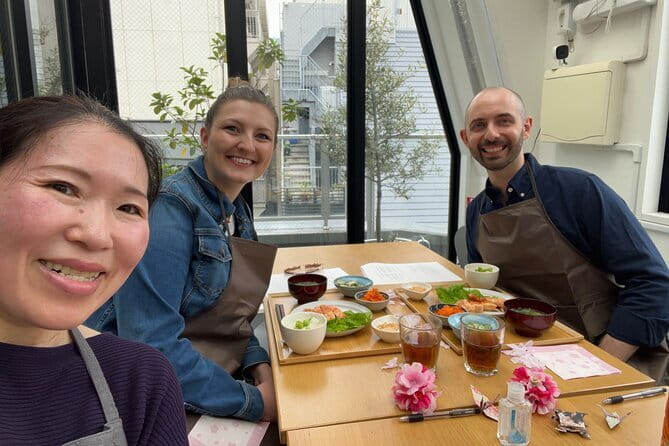
Japanese fermentation is not just a food trend here. It is part of everyday cooking, and this two-hour class with Naoko shows you how miso, koji, mirin, and amazake fit into a simple home meal. You begin with a short lesson, then cook and eat together in a central Tokyo kitchen.
I like the small group of no more than six, since you can ask questions and get useful help at the stove. I also like that the recipes are meant for home kitchens, not restaurant theatrics. The main drawback is that the class shares its kitchen with the non-vegan session, and the menu changes by season, so you should not book expecting one fixed set of dishes.
In This Review
- Key points before you book
- Why Japanese fermentation makes this class different
- Arriving at Akasaka-Mitsuke and finding the kitchen
- The opening lesson on miso, mirin, koji, and amazake
- Cooking a seasonal home meal together
- Eating the meal with Japanese tea
- What the small-group format adds
- Vegan, child, and allergy details
- Is $70.36 a fair price in Tokyo?
- Timing, cancellation, and the booking window
- The best fit for this cooking class
- Should you book it?
- FAQ
- How long does the cooking class last?
- Where does the class meet?
- What food and drinks are included?
- Is a vegan option available?
- Can children join the experience?
- What is the cancellation policy?
Key points before you book
- A two-hour lesson near Akasaka-Mitsuke Station: The kitchen is about 10 minutes from Shibuya Station, including a short walk.
- Naoko teaches fermentation in plain, practical terms: Expect an introduction to miso, koji, mirin, amazake, and their place in Japanese food culture.
- The meal is cooked and eaten together: You receive lunch or dinner, along with tea or coffee.
- Recipes are designed for home cooks: The class suits beginners as well as people already comfortable in the kitchen.
- Vegan food is available by request: Deep-fried tofu replaces the non-vegan ingredient, but both versions use the same kitchen.
- The price is $70.36 per person: For a small class with food, instruction, an apron, drinks, and handouts, that is a reasonable Tokyo food experience.
Why Japanese fermentation makes this class different
Many Tokyo food activities focus on eating. This one asks you to slow down and learn why a dish tastes the way it does. The central subject is fermentation, especially the ingredients that give Japanese food its savory, sweet, and rounded flavors.
You will hear about miso and koji, along with mirin and other fermented products. Koji is especially important in Japanese cooking. It helps create flavor in foods such as miso and amazake, and it gives the class a useful link between traditional food production and the meal on your plate.
The lesson also includes background on the history and food culture of fermentation, plus its health benefits. That does not mean you should treat the class as a medical seminar. The value is more practical: you learn why these ingredients are used and how to bring them into ordinary meals.
Naoko’s approach is a good fit if you want more than a recipe card. She explains the process, answers questions, and shares small cooking tips that can help you recreate the dishes at home. One especially useful detail is that she also offers advice about grocery shopping in Tokyo, which can help you recognize Japanese ingredients after class.
If you're still narrowing it down, here are other tours in Tokyo we've reviewed.


Arriving at Akasaka-Mitsuke and finding the kitchen
The stated meeting point is Akasaka-Mitsuke Station, at 3-chome-1-6 Akasaka in Minato City. The kitchen is in central Tokyo and close to public transportation, so this is a sensible activity for a day when you want to stay near the city center.
From Shibuya Station, the trip to the kitchen takes about 10 minutes, including a short walk. That makes the class easy to combine with time in Shibuya, Akasaka, or nearby parts of central Tokyo. You are not committing half a day to a distant suburb or a long transfer.
Pay attention to the final location details after booking. The class may take place at another kitchen within central Tokyo, and you will be notified if that happens. This is not a major concern, but it means you should check the meeting information before setting out.
The kitchen setting also helps on hot or rainy days. The experience is presented as a way to take a break from eating out and escape the heat, with the venue close to a station. You still need to pay your own transportation costs, since travel to the meeting point is not included.
The opening lesson on miso, mirin, koji, and amazake
The session starts with a short lecture before the cooking begins. This is not filler. It gives you a framework for understanding the ingredients you are about to use.
You can expect discussion of miso, mirin, koji, amazake, and other fermented products. The lesson covers how they are made or used, along with their role in Japanese food culture. It is a useful introduction if these words are familiar from restaurant menus but still unclear in the kitchen.
Naoko also corrects a small point that can easily cause confusion. Amazake, a sweet fermented seasoning, is one of the ingredients used in the class. It is not the same thing as mirin, and learning the difference helps you read recipes and shop with more confidence.
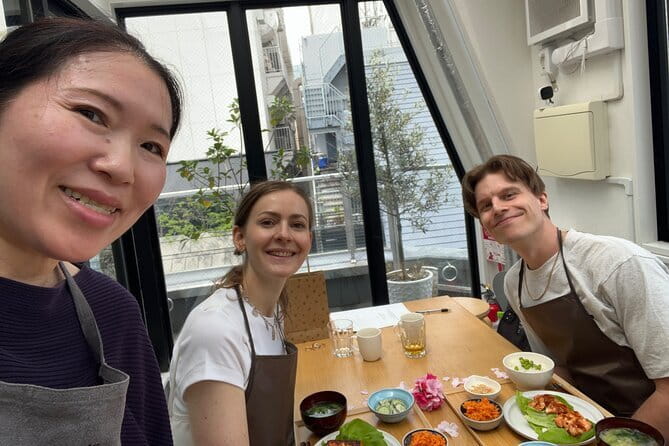
The lecture is held in a small group, with a maximum of six people. That size matters. You can ask about substitutions, flavor, or technique without waiting behind a large crowd. The setting should feel closer to a hands-on lesson than a demonstration where you simply watch an instructor work.
You receive presentation material from the lecture. Keep it if you want to continue experimenting at home, since the class is built around food you can realistically make again rather than a one-off restaurant dish.
Cooking a seasonal home meal together
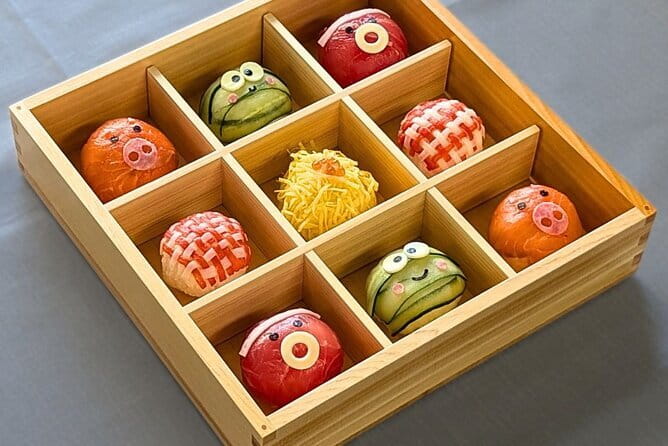
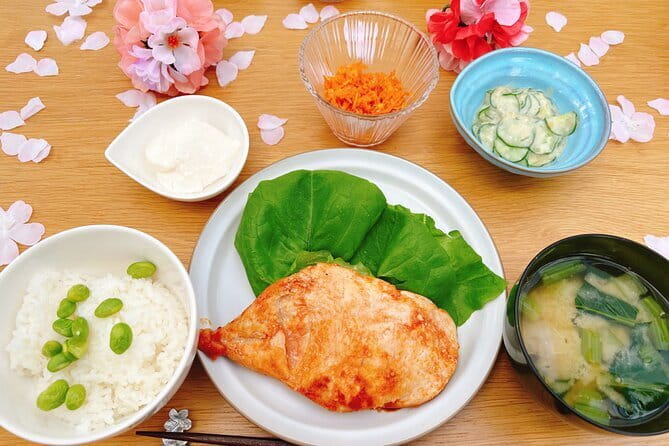
After the introduction, you prepare a Japanese lunch or dinner as a group. The advertised theme includes teriyaki and miso, but the menu changes depending on the season. That seasonal adjustment is a strength if you want food that reflects the time of year, though it is a limitation if you have your heart set on an exact menu.
The cooking is described as easy and suitable for home cooks. You do not need to arrive as an experienced chef. If you already cook, you can use the time to ask about Japanese seasonings and techniques. If you are new to cooking, the class gives you a manageable starting point.
The meal is deliberately homely rather than elaborate. That distinction matters. You are not paying to watch a chef produce a complicated tasting menu. You are learning how fermented ingredients can make simple food satisfying.
The teriyaki element gives you a familiar entry point. Many people recognize teriyaki as a sauce, but the class places it within a broader group of Japanese seasonings and cooking habits. Miso brings another kind of savory depth, while the fermented ingredients help you understand how Japanese home food builds flavor without relying on a long list of spices.
The class is also a chance to ask about techniques as you cook. The format allows Naoko to offer individual feedback, which is one of the strongest reasons to choose a group capped at six. You should leave with more than a finished meal. You should have a clearer idea of how to use these ingredients in your own kitchen.
Eating the meal with Japanese tea
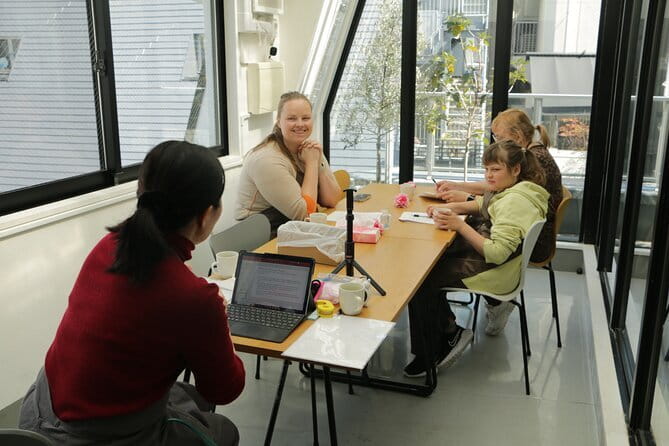
Once the cooking is complete, you eat the lunch or dinner you prepared. Food is included in the price, so the activity functions as both a lesson and a meal break.
Coffee and tea are also provided, including green tea and other Japanese tea. That small touch helps the class feel like a home meal rather than a rushed cooking appointment.
The meal should be understood in the right way. You are not visiting a famous restaurant, and the experience does not promise a large spread. Its appeal is the chance to eat something you helped prepare, using ingredients that were explained only a short time earlier.
The meal can also help you judge whether the recipes are worth repeating. The food is described as delicious and easy to make, but the more important point for a visitor is usefulness. You can ask how to adjust the seasoning, where to find similar products, and how the ingredients might fit into meals back home.




What the small-group format adds
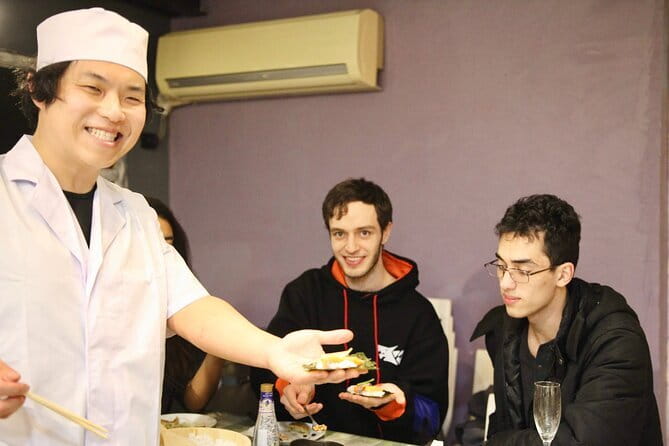
A group of six or fewer is a real advantage in a cooking class. Large classes often leave you watching from the edge or sharing one task with too many people. Here, the setting gives you a better chance to take part and ask direct questions.
Naoko is certified and focuses on teaching, not simply leading a cooking show. Her role includes explaining fermentation, guiding the recipes, and giving practical advice. She has also been praised for being kind and gracious, which matters when you are working in an unfamiliar kitchen and using ingredients you may not know well.
You should still keep your expectations sensible. A two-hour class cannot cover every part of Japanese cooking or fermentation. It gives you a focused introduction, a meal, and a few techniques to take home. That is enough for a useful afternoon, but not enough to become an expert in koji or miso production.
The short length works well for a Tokyo itinerary. You can fit the class between sightseeing plans without sacrificing a full day. It is also a good choice when you need a seated indoor activity during hot weather.
Vegan, child, and allergy details
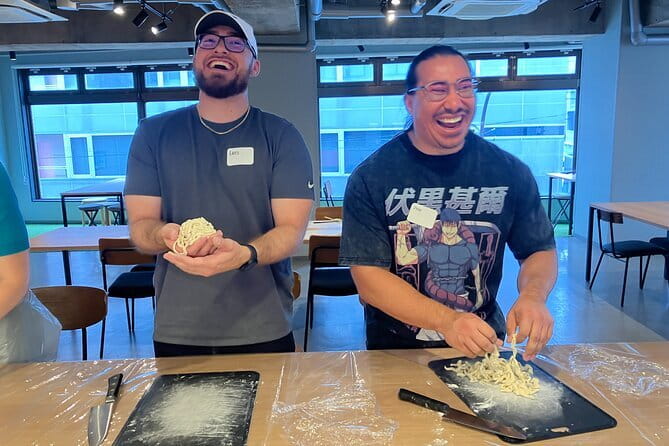
A vegan option is available if you request it when booking. The class uses deep-fried tofu for the vegan version, but the kitchen is shared with the non-vegan class. If you need a fully separate cooking environment, this arrangement may not suit you.
You should also tell the provider about any allergen restrictions before the class. Do not wait until you arrive. The supplied information does not list every possible substitution, so the safest approach is to provide clear details in advance.
The experience is best suited to adults and children aged seven and above. It may not be suitable for children six and under because the focus is on learning and cooking techniques.
Mirin is used in a small amount. It contains alcohol, but the alcohol is removed during cooking, making the dish safe for children. Children cannot take part in the tasting, so families should consider that rule before booking.
Is $70.36 a fair price in Tokyo?
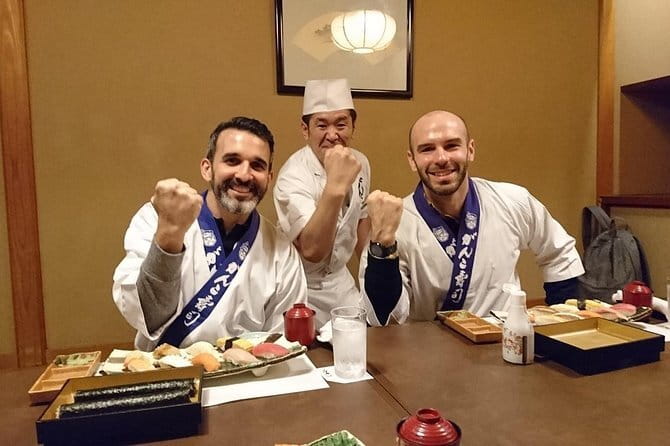
At $70.36 per person, the value depends on what you want from a food activity. If you are looking only for a cheap meal, this is not the best bargain. You are paying for instruction, ingredients, a small group, and the chance to prepare the food yourself.
The package includes lunch or dinner, a rental apron, coffee or tea, and lecture handouts. Transportation is not included, but the central location keeps that cost and time commitment modest.
I see the strongest value in the personal instruction. A large commercial class might offer more dishes, but this format gives you more room to ask questions about fermentation, shopping, and cooking at home. The meal is part of the experience, not the whole reason to attend.
The class also has practical value after your trip. Fermented foods can seem intimidating when you only encounter them as packaged ingredients in a shop. Learning how miso, koji, mirin, and amazake are used in a familiar home-style meal makes them less mysterious.
Timing, cancellation, and the booking window
The class lasts about two hours, and it is booked around 14 days ahead on average. If you want a particular day during a busy Tokyo visit, reserve before your schedule fills up.
Confirmation is normally issued at booking. If you book within three days of the activity, confirmation may arrive within 48 hours and depends on availability.
You can cancel for a full refund up to 24 hours before the start time. Cancellations or changes made inside that window are not accepted for a refund. The local Tokyo time controls the cut-off.
The experience requires good weather and a minimum number of participants. If poor weather or low enrollment causes cancellation, you are offered another date or experience, or a full refund. That policy is worth noting when planning a tightly scheduled final day in Tokyo.
The best fit for this cooking class
I would choose this class for a curious eater who wants to understand Japanese food beyond sushi, ramen, and restaurant menus. It works especially well for someone interested in wellness, home cooking, or the connection between food culture and traditional preparation.
It is also a strong choice if you enjoy meeting a local instructor and asking questions. Naoko’s tips about Tokyo groceries add value for anyone planning to cook Japanese food after returning home.
You may want another activity if you prefer a long, elaborate cooking course, a private lesson, or a fixed menu guaranteed in advance. The seasonal menu and shared kitchen make the experience more flexible, but less tailored.
The class is also not ideal for a child who simply wants to eat. The lesson is built around learning and technique, and children under seven are not a good fit.
Should you book it?
Book this class if you want a short, friendly introduction to Japanese fermentation with a real meal at the end. The small group, central location, home-style recipes, and direct guidance from Naoko give it more substance than a standard food demonstration.
I especially recommend it for visitors who have seen miso and koji in shops but do not yet know how to use them. Ask for the vegan option or report allergies when booking, and confirm the final kitchen location before you travel there.
If you are interested in another class, a fermented food dessert session is offered from 2 p.m. Joining both on the same day comes with a special gift of rice koji amazake, the ingredient used in the dessert class. That pairing could turn a short lesson into a fuller food-focused day.
FAQ
How long does the cooking class last?
The class lasts approximately two hours.
Where does the class meet?
The stated meeting point is Akasaka-Mitsuke Station, at 3-chome-1-6 Akasaka, Minato City, Tokyo. The kitchen may change to another location within central Tokyo, and you will be notified after booking if it does.
What food and drinks are included?
Lunch or dinner is included, along with coffee, green tea, or another Japanese tea. A rental apron and lecture handout are also provided.
Is a vegan option available?
Yes. A vegan option using deep-fried tofu is available by request. You need to ask for it when applying, and the vegan class shares the kitchen with the non-vegan version.
Can children join the experience?
The class is best suited to adults and children aged seven and above. Children aged six and under may not find the learning and technique-focused format suitable.
What is the cancellation policy?
You can cancel at least 24 hours before the start time for a full refund. Changes or cancellations made less than 24 hours before the start time are not accepted for a refund. If the class is canceled because of poor weather or because the minimum group size is not met, you are offered another date or experience, or a full refund.
More tours in Tokyo we've reviewed











Tokyo, compared.
 ★ 5.0Mt Fuji and Hakone 1-Day Bus Tour Return by Bullet TrainFrom $163
 ★ 5.01-Day Tokyo Bus TourFrom $129
 ★ 4.6Tokyo: teamLab Planets TOKYO Digital Art Museum Entry TicketFrom $251 day
 ★ 4.0Mt Fuji & Hakone Cruise, Drum Show Bullet Train 1 Day from TokyoFrom $149
 ★ 5.0Tokyo: Shinjuku Food Tour (13 Dishes at 4 Local Eateries)From $86
 ★ 4.4Tokyo Mt Fuji 5th St & Hakone Cruise Bus Tour w/Bullet TrainFrom $15410 hours