
Reviewed · MT FUJI DAY TRIPS
Mt. Fuji, Hakone Private Tour from Tokyo – Onsen, Arts and Nature
Mt. Fuji may be the headline, but the best part of this private day is the way it joins mountain views, old roads, hot springs, and art in one long outing from Tokyo. You ride in a clean private vehicle, stop where conditions look promising, and have a guide who can explain the scenery instead of simply pointing at it.
I like the freedom to shape the day around you. You can linger at Lake Ashi, add a short walk, choose an onsen, or trade bath time for the Hakone Open-Air Museum and Pola Museum. I also like the old Amazake Chaya, a 400-year-old tea house on the former Tokaido road. The main catch is simple: this is a lot of driving, and clouds can hide Fuji entirely.
In This Review
- Key points to know before booking
- A long day that makes Hakone easy from Tokyo
- Fuji viewpoints and the problem of a shy mountain
- Hakone Shrine and the calm of Lake Ashi
- Amazake Chaya and the old Tokaido road
- Lunch is flexible, but not included
- Tenzan Tohji-kyo and the Japanese onsen experience
- The Hakone Open-Air Museum in fair weather
- The Pola Museum when rain closes in
- What the guide adds to the experience
- Who will get the most value
- Practical details before you commit
- Should you book this Mt. Fuji and Hakone tour?
- FAQ
- How long does the tour last?
- Is hotel pickup included?
- Is the tour private?
- Is lunch included?
- Is the onsen admission included?
- Is museum admission included?
- Can I see Mt. Fuji on this tour?
- What happens if bad weather prevents the tour?
- Which museums may be visited?
- Which languages can the guides speak?
Key points to know before booking
- Fuji views depend on weather: Several high viewpoints give you chances to see the mountain, but no guide can guarantee a clear summit.
- A private car saves time: Hotel pickup, parking, and highway tolls are included, useful for a long day outside Tokyo.
- The onsen is a major feature: Admission costs ¥1,500 per person, and private onsen arrangements may be possible by request.
- The tea house adds real character: Amazake Chaya has served people along the old Tokaido route for more than 400 years.
- Museums are flexible alternatives: The Open-Air Museum suits fair weather, while the Pola Museum gives you an indoor option.
- The day can be tailored: Guides including Elie, Lenny, Evan, Lucas, and Dominik have adjusted timing, meals, hikes, and sightseeing for different groups.
A long day that makes Hakone easy from Tokyo
This 9 to 10 hour private tour begins with hotel pickup at about 8:30 a.m. and ends back in Tokyo. Your group alone participates, with space for up to five people at the quoted price of $852.28 per group.
That price is high for a day trip, but it covers the parts that often make a Hakone visit awkward: private transportation, parking, highway tolls, and hotel transfers. You are paying for time and convenience as much as for sightseeing. A group of four or five can find the cost easier to justify than a solo visitor or couple.
The trip is especially useful if you do not want to sort out Hakone’s trains, buses, and winding mountain roads. Several people praised guides such as Elie, Evan, Lenny, Lucas, and Dominik for driving carefully, explaining local history, and changing the pace when needed. The guide is both driver and host, so you do not lose time changing vehicles.
The tradeoff is that Hakone is not next door to Tokyo. Traffic can stretch the ride, and one poor experience involved a late pickup and too much time in the car. Confirm your pickup details and be realistic about the day’s length. This is best treated as a full excursion, not a quick side trip.
A few more Tokyo tours and experiences worth a look
Fuji viewpoints and the problem of a shy mountain
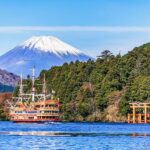
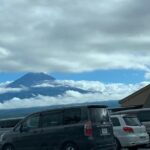
The day begins with chances for panoramic views of Mt. Fuji. The exact view depends on weather and road conditions, but the plan uses several scenic points rather than relying on one famous lookout.
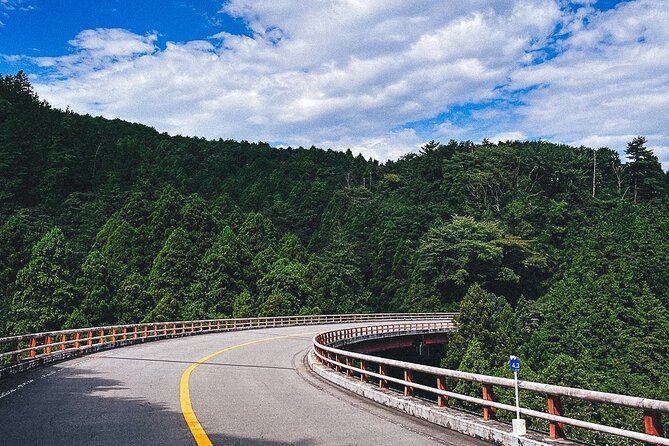
The Hakone Turnpike Daikanyama Parking Lot is one of the more useful stops. The road climbs through the Fuji and Hakone region, and the upper observatory gives broad views toward Hakone, the valley, Lake Ashi, and, when visibility allows, Mt. Fuji. You have about an hour here, including the drive and viewing time.
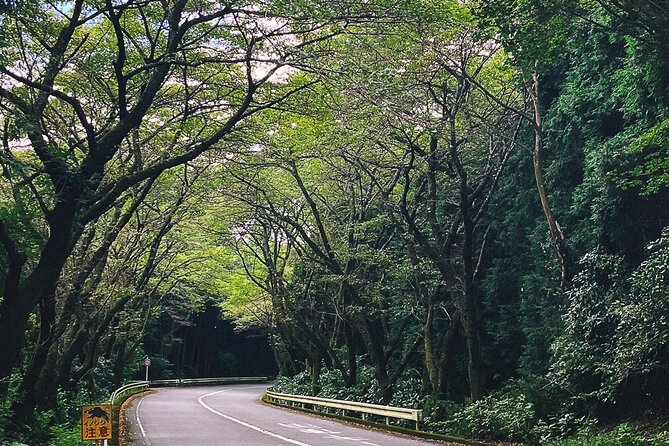
The Lake Ashinoko Skyline may be added if time permits. This road offers four scenic viewpoints, with views toward Fuji, Lake Ashi, and the sea. It is the kind of stop that makes a private vehicle valuable, since you can pause at viewpoints that are difficult to connect efficiently by public transport.
Still, keep your expectations in check. In cloudy or foggy weather, the mountain may appear only briefly or not at all. Several guides, including Elie and Lenny, have warned people ahead of time when the forecast looked poor and offered other plans. That is good practice, but it does not change the basic risk.
If Fuji is the main reason you are booking, check the forecast and ask about moving the date. The cancellation terms allow a full refund when the operator cancels because of poor weather, or you can accept a different date. If the tour goes ahead in bad visibility, Hakone’s shrines, tea house, museums, and onsen become the real substance of the day.
Hakone Shrine and the calm of Lake Ashi
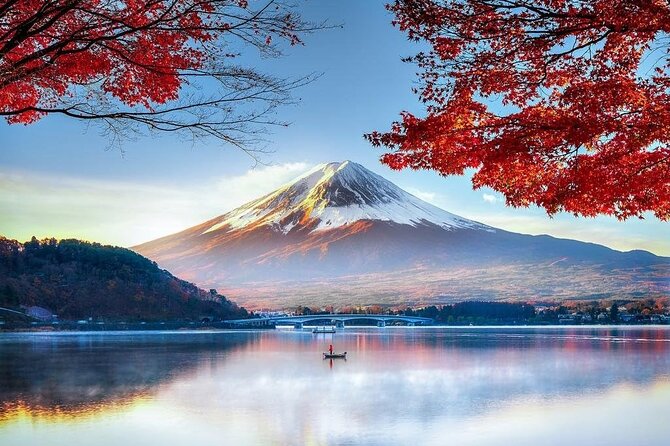
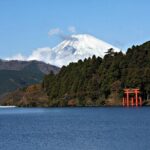
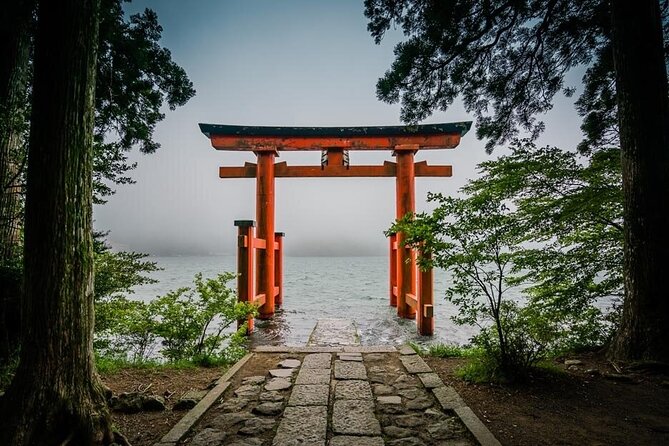
Hakone Shrine sits beside Lake Ashi and dates to 757. Its red torii gate at the water is one of the area’s most recognizable sights, but the shrine is more than a photo stop. Several buildings, smaller shrines, souvenir shops, and a museum give the site some depth.
You have about an hour here. The approach includes stairs in parts, though an accessible route with ramps and vehicle access was available in at least one reported visit. If anyone in your group has trouble with stairs, tell the guide before the day begins. The tour can adjust the order or route, but you should not assume every path will be level.
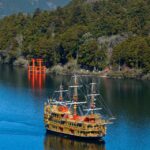
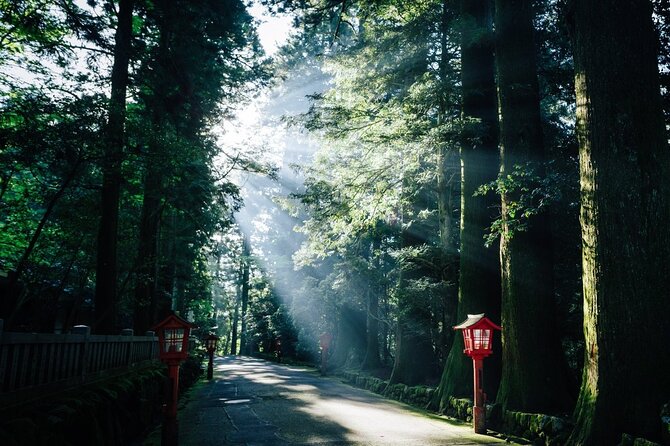
Lake Ashi receives another hour, with stops at torii gates and shrines around the shore. The lake is a good place to slow down after the highway and mountain roads. On a clear day, you may see Fuji above the water. On a gray day, the lake and cedar-covered slopes still provide a peaceful setting, though the views can feel limited if you spend much of the morning in mist.
One benefit of a private guide is context. Guides have explained the shrine, Shinto customs, local stories, and the history of Hakone in a way that makes the stops more meaningful. Elie, in particular, was praised for answering broad questions about Japan, not just giving a memorized speech about each site.
Amazake Chaya and the old Tokaido road
Amazake Chaya is one of the most distinctive stops on the route. This traditional tea house sits among cedar trees beside the old Tokaido road, the historic route between Tokyo and Kyoto. It has welcomed travelers for more than 400 years and is run by the 14th generation of the same family.
You spend about 30 minutes here, which is enough for a short break and a taste of the atmosphere. The wooden beams and forest setting make this feel very different from a standard roadside stop. It is also a good place to connect the grand scenery with the practical realities of old Japan, when people crossed Hakone on foot.
I would protect this stop in your schedule. If you are deciding between another rushed viewpoint and the tea house, the tea house may give you the more memorable cultural experience. It is also a useful pause before lunch and the onsen.
Lunch is flexible, but not included
Lunch is an additional cost, and the tour does not promise one fixed restaurant. The guide may take you to a place serving authentic Japanese food, with choices shaped by your preferences and dietary needs.
That flexibility can work well. One group received help arranging suitable food, while another spent too long waiting at a soba restaurant. If you do not like noodles, have allergies, or need a particular style of meal, tell the operator early. A private tour gives you more room to adjust than a fixed group itinerary, but the guide still needs time to arrange a practical stop.
The description specifically rules out a simple bento on a plastic table unless you want one. That tells you the intended tone: a proper local meal rather than the quickest possible fuel. Still, food costs and restaurant wait times can affect how much time remains for the afternoon.
A few more Tokyo tours and experiences worth a look
Tenzan Tohji-kyo and the Japanese onsen experience
After the morning’s roads, shrine, lake, and tea house, the tour turns toward Tenzan Tohji-kyo, one of the area’s onsen choices. You have about two hours for lunch and bathing.
The hot spring admission is not included. The stated price is ¥1,500 per person, and the tour may offer several onsen choices depending on your preferences and schedule. At least one family arranged a private onsen, while another group enjoyed a public bath. Ask about the bathing setup before you commit, especially if your group is unsure about Japanese onsen customs.
An onsen is not simply a swimming pool. You wash before entering the hot spring, and bathing areas are generally separated by gender. The experience is quiet and simple, with the emphasis on soaking and resting rather than entertainment. If that sounds outside your comfort zone, the guide can help explain what to expect, but you should raise concerns in advance.
This is the tour’s strongest relaxation element. Several people found the onsen to be the highlight, and one person added a massage. Massage arrangements are not guaranteed, so do not assume they will be available on the day. The guide can assist, but language or scheduling issues may still arise.
If you dislike communal bathing, use this two-hour block for a meal and more sightseeing instead. One group chose to skip the onsen and visit both museums. That is exactly the kind of adjustment a private tour can support.
The Hakone Open-Air Museum in fair weather
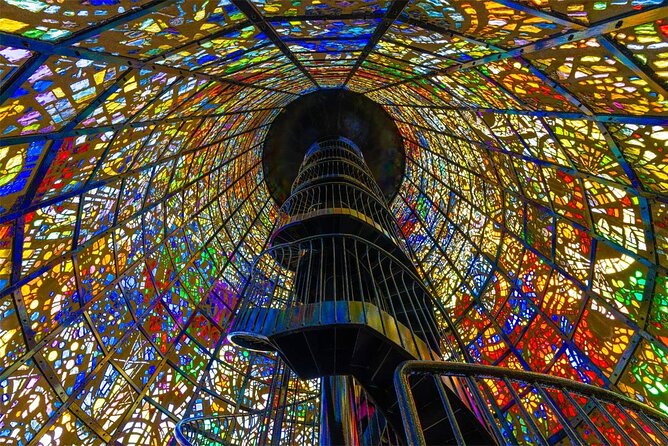
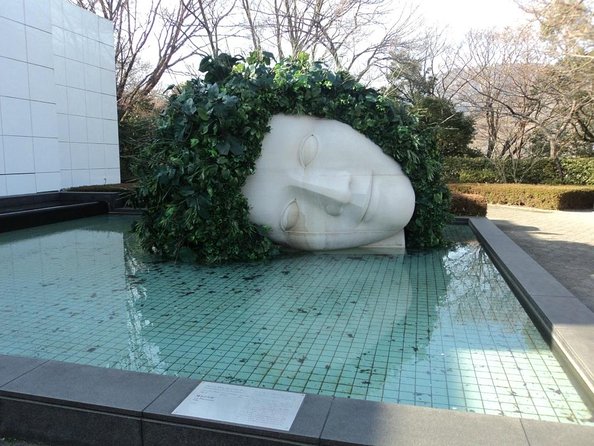
The Hakone Open-Air Museum is planned for about two hours after lunch and bathing. Its collection includes works by Picasso, Henry Moore, Taro Okamoto, Yasuo Mizui, Churyo Sato, and other artists. The setting combines sculpture, gardens, and mountain air, making the visit feel different from a conventional indoor museum.
Admission costs ¥1,900 per person. It is not included, so budget for it if art is important to you. The grounds require walking, and rain can change how enjoyable the visit feels. One guide waited with umbrellas when rain began, but you should still bring suitable clothing.
This museum is not an afterthought. If you have little interest in hot springs, it can become the afternoon centerpiece. If you enjoy sculpture, gardens, and unusual architecture, consider asking to spend the full two hours here rather than trying to squeeze in every possible stop.
The schedule may not allow both the Open-Air Museum and the Pola Museum. The tour description presents them as alternatives in many cases, though a quick group or a carefully adjusted day may include both. Ask the guide what is realistic on your date.
The Pola Museum when rain closes in
The Pola Museum of Art gives you an indoor backup when the weather turns wet or visibility remains poor. It sits in the wooded mountains of Hakone and displays art in a building designed to fit its forest setting.
You have about an hour here if it replaces the open-air museum, and admission is extra. The shorter visit makes sense for people who want shelter and a cultural stop without giving up the onsen or scenic roads.
This option matters because Mt. Fuji tours are vulnerable to weather. Fog may hide the mountain, and rain can make the open-air grounds less pleasant. A guide who changes the plan early can turn a disappointing forecast into a worthwhile museum day.
What the guide adds to the experience
The quality of the guide matters greatly here because the tour involves long stretches in the car. The most praised guides were Elie, Lenny, Evan, Lucas, and Dominik, each described as friendly, flexible, and well informed about Japanese history and culture.
Elie was noted for contacting people before the tour when Fuji visibility looked poor and for offering alternatives. Evan helped adapt plans for a family with older members. Lenny was praised for finding less crowded Fuji viewpoints and for making the day comfortable even when the mountain disappeared. Dominik was described as attentive to a family that arranged a private onsen.
You may not receive one of these specific guides, and Ahmed was also listed as a guide. The experience can vary with the person assigned, traffic, weather, and the choices your group makes. The private format gives you a better chance to shape the day, but it cannot eliminate those variables.
Who will get the most value
I would choose this tour if you want Hakone’s major themes in one private day: Fuji viewpoints, Lake Ashi, a historic shrine, an old tea house, an onsen, and art. It suits families, small groups, first-time visitors, and anyone who does not want to manage a complicated transport network.
It is also a strong choice if comfort matters. Pickup and drop-off at your hotel, a modern vehicle, parking, and highway tolls are included. Most people can participate, and the operator has adjusted plans for dietary needs, older family members, short hikes, and different museum preferences.
I would hesitate if you want long walks, a slow museum day, or guaranteed Fuji views. The itinerary covers a lot of ground, and the car may take up much of the day. If you prefer to explore one Hakone neighborhood at an unhurried pace, booking your own overnight stay may suit you better.
Practical details before you commit
The tour starts at 8:30 a.m. and lasts roughly 9 to 10 hours. Hotel pickup and drop-off are included, as are parking fees, highway tolls, and private transportation. English, Japanese, and French-speaking guides are available.
Bring money for lunch, the onsen, and museum admission. The listed onsen cost is ¥1,500 per person, and the museum cost is ¥1,900 per person. Breakfast and dinner are not included.
The tour has a 96 percent recommendation rate and a 4.9 rating from 79 reviews, with one notably negative experience focused on traffic, perceived driving time, meal delays, and the value of the day. That criticism points to the right questions to ask: How will the schedule change if Fuji is hidden? Which onsen is planned? Can you skip bathing for more museum time? Where will lunch be?
Free cancellation is available up to 24 hours before the start time. Changes made inside that window are not accepted, and poor weather may lead to a new date or full refund if the operator cancels.
Should you book this Mt. Fuji and Hakone tour?
Book it if you want a private, comfortable introduction to Hakone and value a guide who can explain the area while handling the roads. The combination of Amazake Chaya, an onsen, Lake Ashi, and art museums gives the day more substance than a simple Fuji photo hunt.
Before booking, accept two facts: Fuji may be hidden, and the route involves serious driving. Ask for a weather-aware plan, state your food and bathing preferences, and decide whether the Open-Air Museum or Pola Museum matters more to you. With those expectations in place, this can be a very rewarding day outside Tokyo. Without them, the high price may feel hard to justify.
FAQ
How long does the tour last?
The tour lasts approximately 9 to 10 hours, beginning at about 8:30 a.m.
Is hotel pickup included?
Yes. Pickup and drop-off at your hotel in Tokyo are included.
Is the tour private?
Yes. Only your group participates, with a maximum of five people per group.
Is lunch included?
No. Lunch is not included in the price and must be paid for separately.
Is the onsen admission included?
No. The listed onsen admission is ¥1,500 per person.
Is museum admission included?
No. The listed museum entrance fee is ¥1,900 per person.
Can I see Mt. Fuji on this tour?
The tour visits several places with panoramic Fuji views, but visibility depends on the weather and is not guaranteed.
What happens if bad weather prevents the tour?
If the operator cancels because of poor weather, you can choose another date or receive a full refund.
Which museums may be visited?
The schedule may include the Hakone Open-Air Museum in suitable weather or the indoor Pola Museum of Art if rain or poor conditions affect the plan.
Which languages can the guides speak?
English, Japanese, and French-speaking guides are available.
More Private Tours in Tokyo


More Hakone Day Trips in Tokyo
More Mt Fuji Day Trips in Tokyo
More tours in Tokyo we've reviewed





Mt Fuji Day Trips, compared.
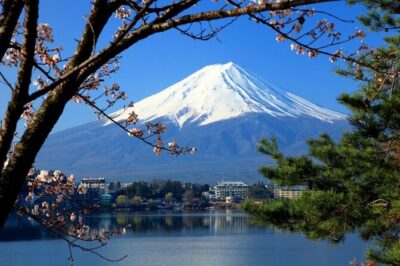 ★ 5.0Mt Fuji and Hakone 1-Day Bus Tour Return by Bullet TrainFrom $163
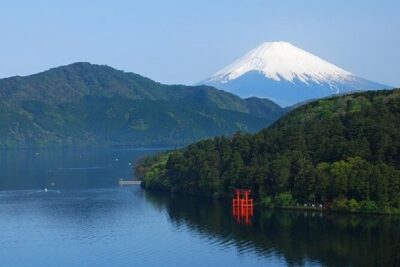 ★ 4.0Mt Fuji & Hakone Cruise, Drum Show Bullet Train 1 Day from TokyoFrom $149
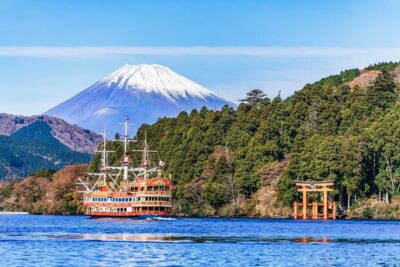 ★ 4.4Tokyo Mt Fuji 5th St & Hakone Cruise Bus Tour w/Bullet TrainFrom $15410 hours
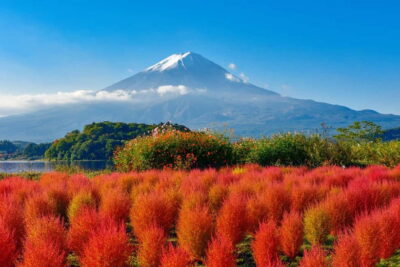 ★ 4.5From Tokyo: Mount Fuji Full-Day Sightseeing TripFrom $6810 hours
 ★ 4.7Tokyo: Mt. Fuji Tour, Hakone Ropeway, Owakudani, Lake AshiFrom $5410 hours
 ★ 4.4Tokyo:Mt.Fuji,Kawaguchiko Oishi Park,Arakurayama Sengen ParkFrom $5410 hours