
Reviewed · WORKSHOPS
Kimono Art Workshop in Tokyo
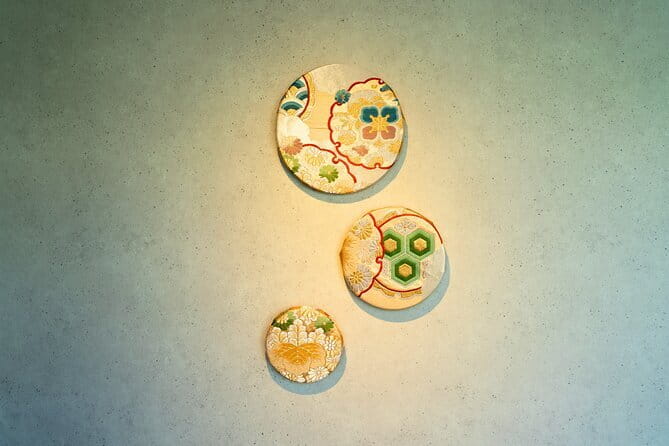
The most appealing part of this Tokyo workshop is that you do not simply buy a souvenir, you make one from a real piece of Japanese textile. A short lesson with kimono expert Yuki introduces regional styles before you choose fabric and turn it into a wall panel.
I like the small group size, capped at six, and the thoughtful use of vintage kimono cloth that might otherwise go unused. I also like that the craft is paired with cultural context, including the meanings behind patterns and the differences between fabrics from Okinawa, Amami, Kanazawa, and Kyoto.
The main consideration is time. At about 90 minutes, this is a compact introduction rather than a full kimono-making course. The workshop is also in Hatchobori, not beside Tokyo’s biggest sightseeing areas, so you will need to plan your own way there.
In This Review
- Key points at a glance
- A closer look at the Hatchobori kimono workshop
- Begin with kimono culture, not just decoration
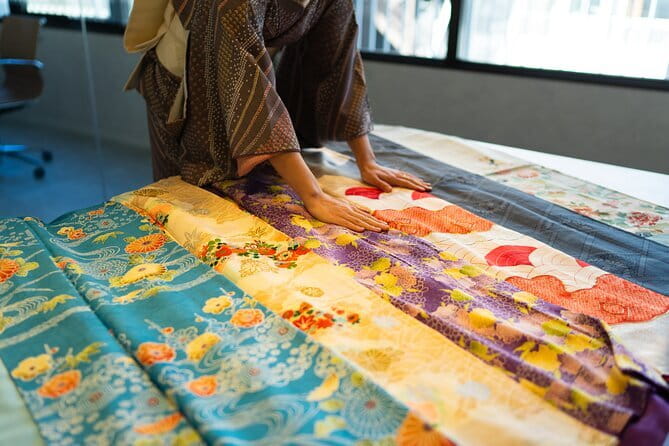
- Four textile traditions to compare
- Turning vintage fabric into kimono art
- Why the finished panel makes a good souvenir
- A relaxed break from Tokyo sightseeing
- Is $58.79 a fair price?
- Who should book this experience?
- Booking, cancellation, and practical details
- Should you book the Kimono Art Workshop?
- FAQ
- Where does the Kimono Art Workshop take place?
- How long does the workshop last?
- What will I make during the workshop?
- Which fabrics can I choose from?
- Is the workshop taught in English?
- How many people can join the activity?
- What is included in the $58.79 price?
Key points at a glance
- Choose from regional Japanese textiles: Options include Okinawan Bingata, Amami Oshima Tsumugi, Kaga Yuzen from Kanazawa, and Kyo Yuzen from Kyoto.
- Learn before you craft: Yuki and her team explain kimono history, regional styles, current use, and the meanings behind designs.
- Make a practical keepsake: Your selected fabric becomes a kimono art panel to take home.
- Small, personal class: The maximum group size is six, allowing for direct help during the craft.
- Good English support: The instructors can teach in English and explain the activity clearly.
- Easy length for a busy Tokyo day: The session lasts about 1 hour 30 minutes and begins and ends in Hatchobori.
A closer look at the Hatchobori kimono workshop
This activity begins at 3-chome-14-4 Hatchobori in Chuo City. It is near public transportation, but there is no hotel pickup, so you are responsible for reaching the meeting point and returning to your hotel or your next stop.
That independent start is typical for a hands-on city activity. I would schedule it between other plans rather than treating it as a whole-day outing. The workshop lasts around 90 minutes, and the group limit of six keeps it more like a small class than a large demonstration.
The room has comfortable seating, according to the experience details shared by participants, which matters more than it may sound. You are spending part of the session listening, choosing carefully, and working with your hands. A comfortable seat and clear instruction make the pace feel relaxed instead of rushed.
A few more Tokyo tours and experiences worth a look



Begin with kimono culture, not just decoration
The first part is a lesson about kimono culture and traditional styles from different parts of Japan. This gives you useful background before you select a textile. Without it, the fabric choice could be reduced to picking the prettiest color. With it, you begin to see why two patterns can feel so different.
Yuki is named as one of the instructors, and Kasumi also helps lead the workshop. The teaching is available in English, and the instructions are described as clear and easy to follow. That makes this a good choice if you want cultural information without needing Japanese language skills.
The lesson covers how kimono are still worn, as well as their history and design traditions. You also learn about the meaning behind patterns. The supplied information does not promise a set lecture length or a fixed list of motifs, so expect a practical introduction rather than an academic seminar.
I appreciate this order. You first learn what you are looking at, then make a decision. It adds meaning to the finished panel and gives you a better way to remember the textile after you leave Japan.
Four textile traditions to compare
The fabric selection is one of the strongest parts of the activity. You can choose from several types of kimono and obi fabric, including examples linked to different regions of Japan.
Bingata from Okinawa is known for its colorful, hand-dyed appearance. The workshop presents it as one of the regional choices, giving you a chance to connect a single pattern with Okinawa rather than thinking of kimono as one uniform national style.
Oshima Tsumugi from Amami offers a more earthy character. It comes from the Amami Islands, and its subdued look gives you an option beyond bright color and strong contrast.
Kaga Yuzen from Kanazawa brings an elegant decorative style associated with Kanazawa. Kyo Yuzen from Kyoto represents the refined textile tradition of Kyoto. The point is not to rank them, but to notice how place, technique, and design affect the look of the cloth.
The exact selection may vary. You should expect a choice of vintage patterns rather than a guarantee of one particular print or color. If you already know you want a specific style, it is sensible to ask what is available when you arrive.
This choice also gives the session a personal rhythm. You can take your time comparing fabrics, then select the one that best suits your taste or brings back a particular memory of Japan.
Turning vintage fabric into kimono art
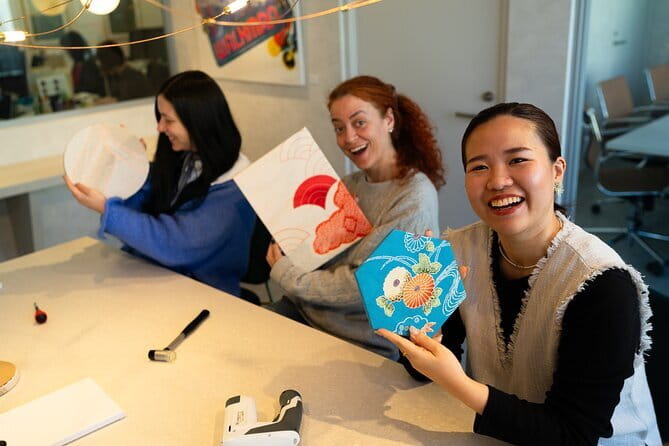
After choosing your material, the instructor guides you through the process of making an art panel. The method is intended for beginners, and the instruction makes the craft approachable even if you do not think of yourself as artistic.
The activity repurposes authentic vintage kimono fabric. You are not buying a mass-produced print made to resemble old Japanese cloth. You are using fabric that once served another purpose and giving it a new life as home art.
That sustainable angle is practical rather than preachy. It explains why a small piece of cloth can matter, and it lets you take home something with a connection to Japanese dress traditions. The finished panel is also easier to pack than a full kimono, making it a sensible souvenir for an international trip.
The craft is described as intuitive and satisfying. You should not expect complicated sewing lessons or a long series of technical steps. The focus is on selecting, arranging, and creating a finished panel with help from the instructor.
Yuki and her colleagues remain available to assist. This is useful if you are unsure how to handle the fabric or want advice about the final arrangement. The staff’s friendly and helpful approach is a repeated strength of the experience, and their English makes it easier to ask questions as you work.
Why the finished panel makes a good souvenir
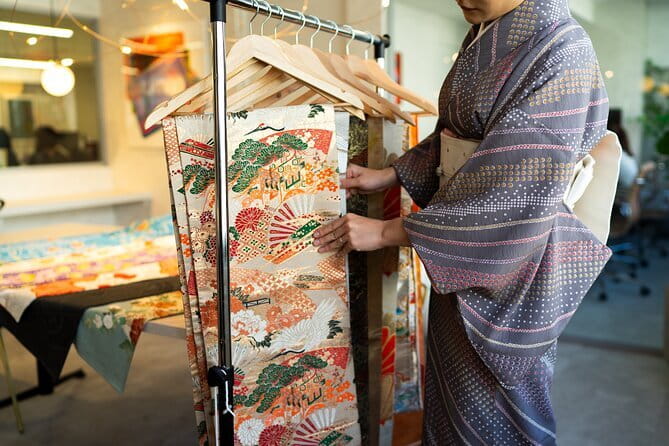
Tokyo has no shortage of souvenirs, but many are detached from the place where you bought them. This one gives you a story to tell: you learned about kimono, selected a regional textile, and made the art yourself.
The panel can decorate a wall or serve as a gift for family and friends. The information does not specify its dimensions or packaging, so you should not assume it will fit a particular suitcase pocket or frame. If you are buying it as a present, bring enough room in your luggage for a flat art piece.
I also like that the artwork does not require you to wear kimono or take part in a costume session. You engage with the clothing tradition through fabric, design, and craft. That makes the activity feel more respectful and more useful for someone who wants cultural understanding rather than a quick photo opportunity.
The finished object will reflect your choice, not just the workshop’s branding. Since vintage materials can differ, your panel may have its own colors and pattern. That variation is part of the appeal, though it means the result will not be identical from one session to another.




A relaxed break from Tokyo sightseeing
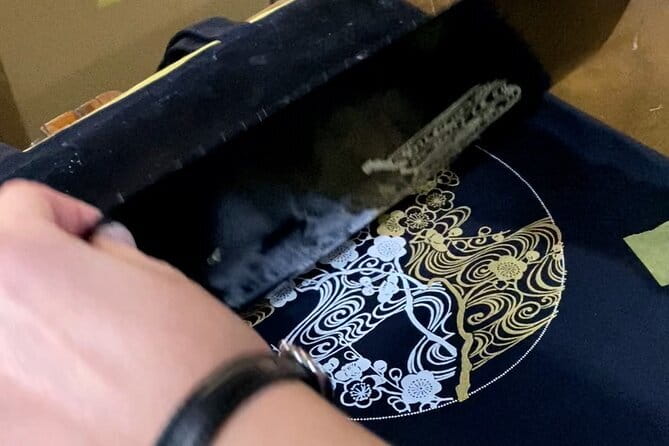
This is a good activity for the middle of a busy itinerary. Tokyo can involve a lot of walking, stations, queues, and crowded streets. A seated craft session offers a slower change of pace without taking an entire afternoon.
One particularly useful feature is the small maximum of six people. A group of two has been accommodated, and the instructors were able to give close help. If the class is full, it will still remain limited in size, which should allow more direct contact than a large workshop.
You should still keep your expectations in check. This is not a full tour of Tokyo’s kimono districts, a visit to a textile museum, or a day with a craft master. It is a short workshop that combines a lecture and a simple art project.
That limited scope is also why the activity fits so neatly into a city schedule. You get a focused cultural experience, then return to sightseeing, shopping, or dinner.
Is $58.79 a fair price?
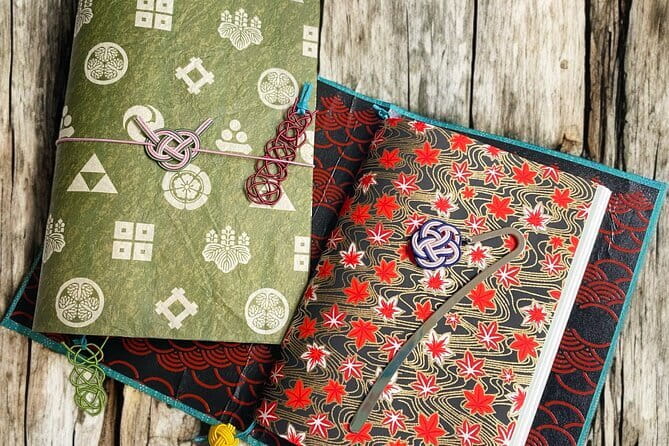
At $58.79 per person, the value depends on what you want from a Tokyo activity. The price includes the workshop, instruction by a kimono expert, and all materials needed for the art panel. You do not need to buy supplies separately or pay an additional materials fee.
If you only want a cheap souvenir, this will not be the best use of your budget. You could spend less on a small shop-bought item. But the fee covers more than the object itself: you receive cultural explanation, personal guidance, fabric choice, and the time to make the piece.
The price makes more sense if you value a hands-on memory and want to understand what you are taking home. It is also suitable for people who prefer a small class over a large sightseeing package.
The activity is often reserved well ahead of time, with an average booking lead time of 47 days. That suggests you should not leave it until the last day of a tightly planned Tokyo visit. If your dates are fixed, booking early is sensible, especially because the group holds no more than six people.
Who should book this experience?
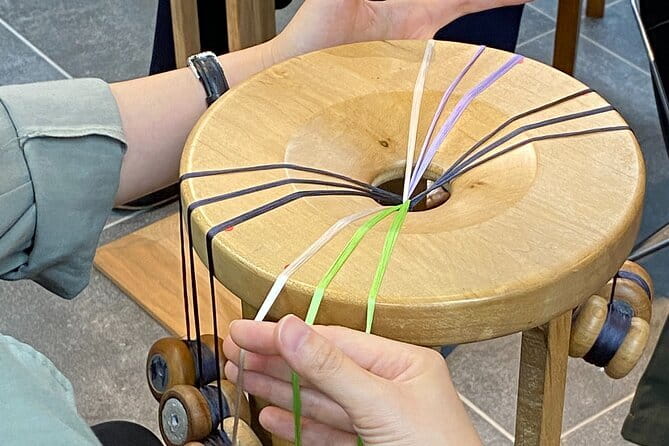
I would recommend it to first-time visitors who want a gentle introduction to Japanese textile culture, couples looking for a shared activity, families with participants who can follow the craft instructions, and solo visitors who enjoy making things.
It suits people who like art, design, sustainable shopping, and cultural workshops. You do not need previous craft experience. You also do not need to know the technical details of kimono before arriving.
The session may be less appealing if you want a fast-paced tour, a large number of sights, or a lesson focused on wearing kimono. It is also not the right pick if you expect to make a complete garment. The result is an art panel, not a kimono.
Because the activity ends where it begins, it is easy to combine with another plan in Chuo City or elsewhere in central Tokyo. Just allow enough time for the journey to Hatchobori and avoid scheduling an important reservation immediately afterward.
Booking, cancellation, and practical details
You receive confirmation when you book, and the experience uses a mobile ticket. The workshop includes all required materials, but food and drinks are not included. Since the session is short, that is unlikely to be a major issue, but you may want to eat before or after.
Service animals are allowed, and most people can participate. The supplied information does not give detailed accessibility notes beyond those points, so contact the provider if you need information about the room, seating, or specific mobility requirements.
You can cancel for a full refund up to 24 hours before the local start time. Cancellations and changes made inside that 24-hour window are not accepted for a refund.
Should you book the Kimono Art Workshop?
Book this if you want a calm, personal Tokyo activity that gives you both a lesson and a handmade souvenir. The combination of regional fabric choices, English instruction, and a six-person limit gives the workshop more substance than a simple craft stop.
I would especially choose it after several busy sightseeing days, when you want to sit down and make something with your hands. Yuki, Kasumi, and the rest of the team provide the kind of clear help that lets beginners enjoy the process without feeling tested.
Skip it if your main goal is a full kimono fitting, extensive museum-level study, or a longer textile course. For everyone else, $58.79 is a reasonable price for a 90-minute class, expert guidance, materials, and a one-of-a-kind reminder of Japan that you helped create.
FAQ
Where does the Kimono Art Workshop take place?
The workshop begins and ends at 3-chome-14-4 Hatchobori, Chuo City, Tokyo 104-0032, Japan.
How long does the workshop last?
The activity lasts approximately 1 hour 30 minutes.
What will I make during the workshop?
You will create a kimono art panel using selected vintage kimono or obi fabric. The finished piece is yours to take home.
Which fabrics can I choose from?
The available regional examples include Bingata from Okinawa, Oshima Tsumugi from Amami, Kaga Yuzen from Kanazawa, and Kyo Yuzen from Kyoto. The exact fabric selection may vary.
Is the workshop taught in English?
The instructors can teach in English. Yuki is named as an instructor, and the teaching includes clear guidance through the cultural lesson and art-making process.
How many people can join the activity?
The maximum group size is six people.
What is included in the $58.79 price?
The price includes workshop participation, instruction by a kimono expert, and all materials needed to create the art panel. Food, drinks, hotel pickup, and hotel drop-off are not included.
More Workshops & Classes in Tokyo

More tours in Tokyo we've reviewed









Workshops, compared.
 ★ 5.0Sushi Making Tokyo Roll and Authentic Japanese Sushi ClassFrom $59
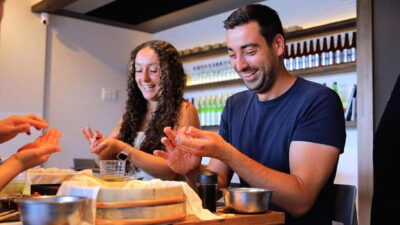 ★ 4.9Tokyo: Roll and Authentic Sushi Making Class in AsakusaFrom $581h 40m
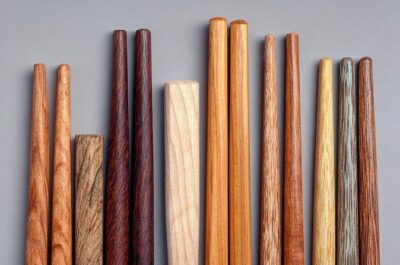 ★ 5.0Tokyo Shinjuku Chopsticks Making ClassFrom $20
 ★ 4.9Tokyo: Sushi Making Class in a Happi Coat near a Famous SpotFrom $421h 30m
 ★ 4.8Chopstick Making Workshop in GinzaFrom $251 hour
 ★ 5.0Tokyo Sushi Making Class in Tsukiji with Professional ChefFrom $49