
Reviewed · ASAKUSA TOURS
Tokyo Tours in Spanish (Asakusa – Skytree Tower- Akihabara)
Tokyo can feel like several cities packed into one. This Spanish-language tour helps you connect three very different sides of it: old Tokyo in Asakusa, the city views around Skytree, and the electronics and pop-culture streets of Akihabara. The guide handles the language gap and city navigation while you focus on the sights.
I like two things right away. The eight-hour length gives the day room to breathe, and the small group, limited to 10 people, should make it easier to ask questions. I also like the cultural focus. Guides such as Beto, Ana, and Huit do more than point out photo stops, explaining religion, traditions, and daily life in Spanish.
The main consideration is cost control. The $103 price covers the guide, but local transportation, food, drinks, and entrance fees are extra. Since this is a walking tour using trains or other public transportation, comfortable shoes are essential.
In This Review
- Key points to know before booking
- A smart way to meet three sides of Tokyo
- Starting in the hotel lobby or at a meeting point
- Asakusa: Tokyo’s traditional opening act
- Tokyo Skytree: big views and extra fees
- Akihabara: electronics, games, and Tokyo pop culture
- What the Spanish-speaking guide adds
- The real cost of an eight-hour day
- Who will get the most from this tour
- Practical tips for making the day work
- Should you book Tokyo Tours in Spanish?
- FAQ
- Where does the tour begin?
- Is hotel pickup included?
- What language does the guide speak?
- How long does the tour last?
- Which places does the tour visit?
- Is transportation included?
- Are food, drinks, and entrance fees included?
- Can I cancel for a refund?
Key points to know before booking
- Three distinct Tokyo districts: Asakusa, Tokyo Skytree, and Akihabara give you temples, city views, shopping, and modern Japanese culture in one day.
- Spanish throughout the day: Your guide explains each place and helps you understand local customs without leaving you to solve the language gap alone.
- Eight hours with room for flexibility: If the day runs longer, no extra charge is added, according to the tour terms.
- Small groups capped at 10: This is a more personal setup than a large coach tour, with better chances to ask questions.
- Local transportation is part of the experience: Train or other city transport is not included in the price, but it lets you move around Tokyo as residents do.
- Hotel-lobby starts are possible: A group may use a designated meeting point, while some departures begin in your hotel lobby.
A smart way to meet three sides of Tokyo
The appeal here is range. Asakusa gives you an older, more traditional face of the city. Tokyo Skytree brings you up against the scale of modern Tokyo. Akihabara turns the day toward electronics, anime, games, and shopping.
That mix works well if this is your first Tokyo visit and you want an overview without spending days figuring out the rail system. You are not simply being driven from one attraction to another. You use local transportation and walk between places, which gives the day a more ordinary Tokyo rhythm.
I would especially consider this tour if you want Spanish explanations. Tokyo is easy to visit, but signs, train connections, temple customs, and unfamiliar social habits can still make a first day tiring. A guide who has lived in Japan for more than 15 years can explain what you are seeing and help you make sense of it.
The tour is designed for all ages, but the walking matters. The schedule covers several major parts of the city, and there is no promise of a vehicle waiting at each stop. Wear shoes you can use all day, and plan for the extra cost of transportation, meals, and any paid viewpoints or temples.
A few more Tokyo tours and experiences worth a look


Starting in the hotel lobby or at a meeting point
The meeting plan depends on the group. Some departures begin in a hotel lobby, while a group may be assigned a meeting point. Confirm the arrangement when you book, and specify which tour option you want, listed as Tour 1, 2, or 3.
Starting with a guide in Spanish is useful beyond simple introductions. You can ask how to use the local transport system, clarify the day’s pace, and get help understanding customs before the sightseeing begins. That early contact also reduces one of the biggest hassles of a Tokyo day: finding the right station exit and meeting everyone in a huge city.
The guide stays with you throughout the tour. The service is not limited to a short explanation at one monument, so you have a person to turn to when you need cultural context or help understanding what is happening around you.
Asakusa: Tokyo’s traditional opening act
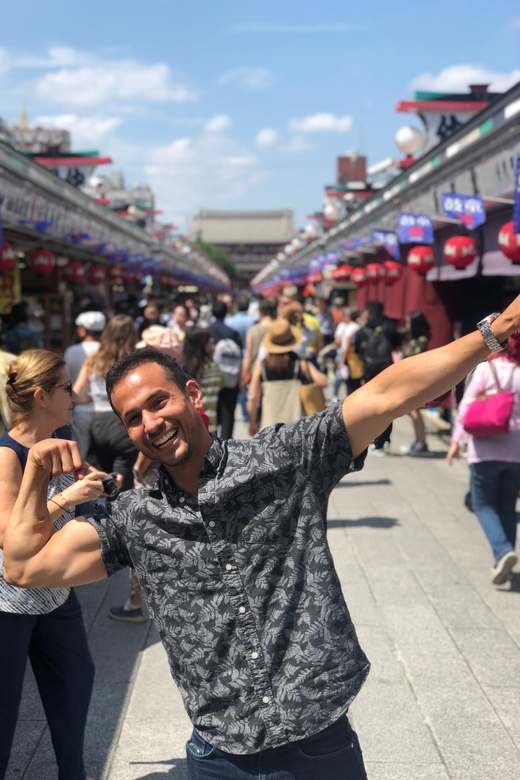
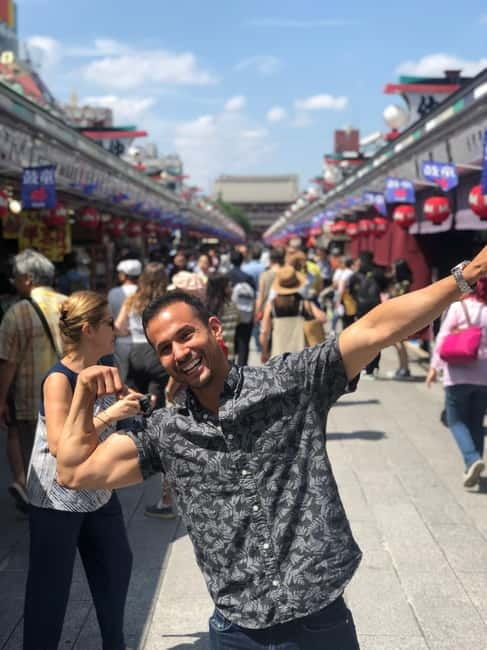
Asakusa is the natural place to begin a day that wants to show you old Tokyo. The district is associated with temples, religious traditions, and long-running streets of shops and food stalls. The tour description does not promise a fixed list of every temple or street, so your exact path may depend on the selected tour and the day’s conditions.
What matters is the explanation. A temple visit can be confusing if you do not know when to bow, how a purification fountain is used, or how Buddhist and Shinto traditions differ. Your Spanish-speaking guide can put those practices into context instead of leaving you to copy the nearest person.
Asakusa also gives you a good visual counterpoint to Akihabara later in the day. Here, you can focus on architecture, worship, traditional details, and the feel of an older neighborhood. Bring a camera, but remember that religious sites are active places of worship, not just backdrops.
The drawback is pace. Asakusa can be crowded, and a long walking day may feel demanding if you try to linger at every shop and photo point. The guide’s local experience should help you understand the area, but you still need to be ready for city sidewalks, station transfers, and a full day on your feet.
Tokyo Skytree: big views and extra fees
Tokyo Skytree adds a very different experience. From the tower area, you get a sense of Tokyo’s enormous size, something that is hard to grasp from street level. It is a useful pause after Asakusa because you can shift from close-up temple details to a broad view of the city.
The important budget point is that entrance fees to viewpoints are not included. The same applies to temple entry fees if a paid site is part of your chosen route. Ask your guide what is planned and decide which admissions are worth paying for.
You should also distinguish between visiting the Skytree area and going up to a paid observation deck. The tour name includes Skytree Tower, but the supplied details do not guarantee that an observation ticket is included or that every departure enters the tower. Treat the admission as an optional expense unless your booking details say otherwise.
I like the way this stop can give structure to the day. It is not only another landmark. It helps you understand the relationship between Tokyo’s older neighborhoods and its huge modern center. Still, the view is weather-dependent, and the extra ticket can change the day’s total cost.
Akihabara: electronics, games, and Tokyo pop culture
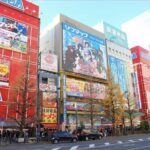
Akihabara shifts the mood again. Known for electronics, anime, games, and related shopping, it offers a look at a modern side of Japanese city culture. The tour information does not list particular stores, so do not book expecting a guaranteed visit to one specific shop or attraction.
The value of a guide here is interpretation. Akihabara can seem like a wall of bright signs and specialized stores when you first arrive. A guide can help explain what you are seeing, point out useful areas, and make the district less confusing. One past booking described time spent shopping and visiting Instagram-friendly spots, so the day may include opportunities for purchases and photographs.
If you enjoy Japanese games, gadgets, anime, or unusual shopping, Akihabara may become your favorite section. If those subjects do not interest you, this stop may feel less rewarding than Asakusa. Tell the guide what you want to see, especially since the tour promises local suggestions beyond the most obvious sights.
Shopping also creates a practical issue. Purchases are not part of the $103 fee, and the day’s walking schedule may not leave unlimited time for careful comparison. Use the guide’s advice, but keep your own budget and luggage space in mind.
A few more Tokyo tours and experiences worth a look





What the Spanish-speaking guide adds
The strongest reason to choose this experience is not simply transport between landmarks. It is the ability to ask questions in Spanish all day. The guides are described as having more than 15 years of experience living in Japan, and that long local connection matters when you want more than dates and names.
Beto received especially warm praise for explaining Tokyo’s neighborhoods along with Japanese culture, traditions, religion, and ways of life. Ana was also singled out for her friendly explanations and help throughout the day. Huit was praised for a kind manner and for making the outing enjoyable.
Because the provider may assign different guides, you should not assume a particular person is guaranteed unless your booking confirms it. Still, the repeated emphasis on friendly treatment and clear explanations gives you a useful idea of the service style.
I would use the guide actively. Ask about temple etiquette, train behavior, shopping customs, and places to eat after the tour. The experience is more valuable when you treat it as a chance to learn how Tokyo works, not just as a checklist of three neighborhoods.
The real cost of an eight-hour day
At $103 per person, this is not the cheapest way to see Tokyo. The price does not include city transportation, food, drinks, or entrance fees. A couple or family must add those costs for a realistic daily budget.
The value depends on what you need. If you are comfortable reading train signs, planning routes, and researching cultural sites on your own, you can visit these districts for less. If you prefer Spanish support and want a local person to handle the day’s flow, the guide fee may be reasonable.
An eight-hour tour also offers more value than a short orientation walk. You can cover three very different districts, receive explanations throughout the day, and ask for practical advice for the rest of your Japan trip. The provider also says that an extension carries no extra charge, though you should confirm what counts as an extension and what additional personal expenses still apply.
Reserve and pay later is available, and cancellation is free up to 24 hours before the start for a full refund. Those terms help if your Tokyo plans are still changing.
Who will get the most from this tour
I would recommend it most strongly to Spanish-speaking first-time visitors who want a structured introduction to Tokyo. Families and mixed-age groups may also appreciate having a guide, though everyone should be ready for substantial walking.
It can suit you if:
- You want cultural explanations in Spanish.
- You are nervous about Tokyo’s transport system or language gap.
- You want traditional Asakusa and modern Akihabara in the same day.
- You prefer a group of 10 or fewer.
- You want practical tips for the rest of your Japan trip.
I would think twice if you want a slow day in one district, a food-focused outing, or a tour with every admission and train fare bundled into one price. The itinerary covers ground, and the additional expenses require planning.
Practical tips for making the day work
Wear comfortable shoes and carry enough water for a full day out. Since food and drinks are not included, budget for your own meals and snacks.
Keep a small transportation budget available. The tour uses local transportation, but fares are separate from the booking price. The exact amount will depend on the route and transport used that day.
Tell the provider which option you want, Tour 1, 2, or 3, when booking. Also confirm the starting arrangement, since some departures use a meeting point and others may arrange a hotel-lobby pickup.
If you hope to go up Tokyo Skytree, ask about the observation admission before the day begins. Viewpoint fees are extra, and the available plan may differ by tour option.
Finally, use the free time wisely. Ask Beto, Ana, Huit, or your assigned guide for advice about neighborhoods, customs, and places you can visit after the tour. The practical tips may become as useful as the three headline stops.
Should you book Tokyo Tours in Spanish?
Book it if you want an eight-hour Spanish-language introduction to Tokyo with a guide who can explain both sights and culture. The combination of Asakusa, Skytree, and Akihabara gives you a broad first look, and the small-group format should keep the day more personal.
Skip it if you want a low-cost independent route or dislike walking and public transportation. The $103 fee is only part of the budget, since fares, meals, drinks, and admissions come separately.
For Spanish-speaking visitors who want confidence on their first Tokyo day, this is a sensible choice. Specify your preferred tour option, confirm the meeting point, wear good shoes, and keep extra money ready for transport and paid sights.
FAQ
Where does the tour begin?
The tour may begin in a hotel lobby or at a designated meeting point if there is a group. Confirm the exact arrangement when booking.
Is hotel pickup included?
A hotel-lobby meeting is included in the tour arrangements, and some participants may be picked up there. Group departures may instead use a meeting point.
What language does the guide speak?
The live guide speaks Spanish, and Spanish is used throughout the tour.
How long does the tour last?
The tour lasts eight hours. The provider states that an extension, when offered, has no extra charge.
Which places does the tour visit?
The experience is titled around Asakusa, Tokyo Skytree Tower, and Akihabara. You should specify Tour 1, 2, or 3 when booking.
Is transportation included?
No. The group uses local transportation, but city transportation is not included in the price.
Are food, drinks, and entrance fees included?
No. Food, drinks, and entrance fees to viewpoints or temples are separate expenses.
Can I cancel for a refund?
Yes. You can cancel up to 24 hours before the tour for a full refund. Reserve-now-pay-later booking is also available.
More Tickets & Passes in Tokyo


More Akihabara & Anime Tours in Tokyo
More Asakusa Tours in Tokyo
More tours in Tokyo we've reviewed





Asakusa Tours, compared.
 ★ 4.8Tokyo: Japanese Dance Cabaret Theater Asakusa-Kaguwa TicketFrom $492 hours
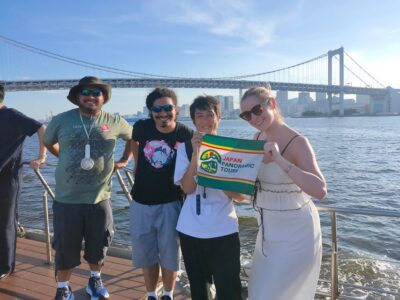 ★ 4.7Tokyo: Meiji Shrine, Asakusa, Skytree Bus Tour and CruiseFrom $12210 hours
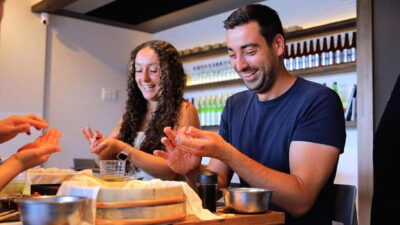 ★ 4.9Tokyo: Roll and Authentic Sushi Making Class in AsakusaFrom $581h 40m
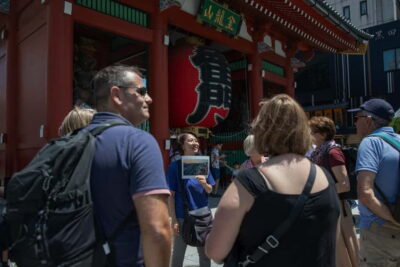 ★ 4.8Tokyo: Asakusa Walking Tour with Sensoji Temple VisitFrom $222 hours
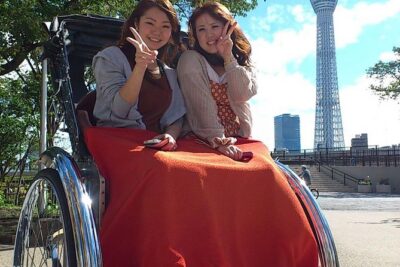 ★ 5.0Tokyo Asakusa Rickshaw TourFrom $42
 ★ 4.5Tokyo Panoramic 1 Day: Meiji Shrine, Asakusa, Odaiba and SKYTREE®From $85