
Reviewed · TOKYO
Kickboxing & Body Training with EX-Pro Fighter
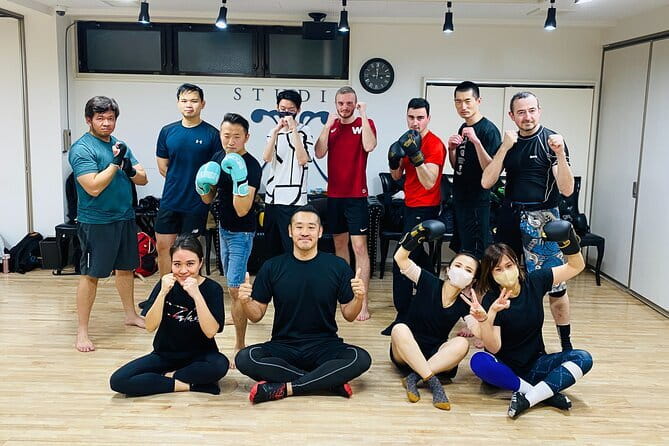
The most appealing part of this Tokyo activity is its direct, hands-on format. You train with Kato Minoru, a Japanese professional kickboxer and former MMA fighter, rather than simply watching a demonstration. In one hour, you move from safety and stretching to footwork, punches, kicks, mitt drills, and defensive practice.
I like the small maximum of seven people, which should give the session a more personal feel. I also like that the class welcomes beginners, with easy-to-follow training instead of a hard-edged test of athletic ability. The main consideration is the short length: one hour is enough for a lively introduction, but not enough for advanced technical work or a full fight-conditioning session.
In This Review
- Key points to know before booking
- What the one-hour Tokyo class is really like
- Learning the basic steps before throwing punches
- Punches, kicks, and the value of mitt training
- Defensive drills with protective equipment
- Kato Minoru’s role in the session
- Why the seven-person limit matters
- Location, timing, and planning your evening
- What the $39 price includes
- Who should book this activity
- Cancellation and weather details
- My booking advice
- FAQ
- Where does the kickboxing class meet?
- What time does the class start?
- How long does the activity last?
- Where does the activity end?
- Who teaches the class?
- Is the class suitable for beginners?
- How many people can join?
- Is kickboxing equipment included?
- Is bottled water included?
- Can I cancel for a full refund?
Key points to know before booking
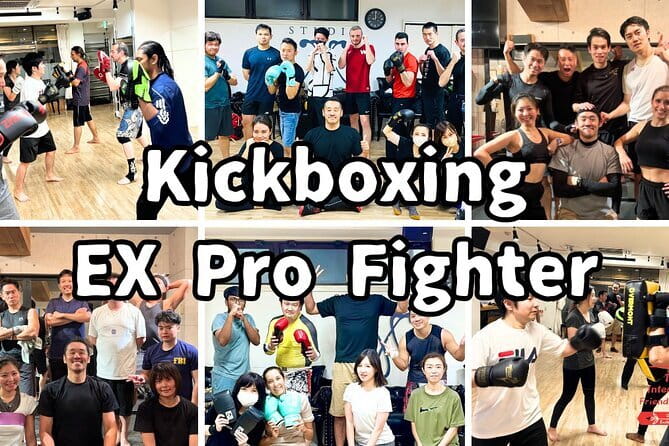
- Train with Kato Minoru: The instructor is a former professional MMA fighter and Japanese kickboxer.
- A clear beginner progression: The class moves from safety and stretching to steps, strikes, mitts, and defense.
- Small group size: The class accepts a maximum of seven people.
- Equipment is supplied: Kickboxing gear and use of the gym are included.
- A useful evening plan: The session begins at 8:00 p.m. in Higashiikebukuro.
- Good value for a first taste: At $39, the price covers a guided, equipment-based session rather than a basic fitness class.
What the one-hour Tokyo class is really like
This is a compact introduction to kickboxing and body training, not a full-day martial arts course. The one-hour format keeps the pace focused. You are there to learn basic movement, try controlled striking drills, and get a feel for how a professional gym session works.
The class begins with an explanation of safety and precautions. That matters, especially if you have never trained before. Kickboxing looks simple when reduced to a punch or a kick, but balance, distance, hand position, and control all affect how safely you move.
From there, the session moves into stretching. This is not just a formality before the action starts. Stretching helps prepare you for the basic steps, kicks, and repeated combinations that follow. If you arrive after a long day of sightseeing, this opening also gives you time to shift from tourist mode into workout mode.
The class then introduces fist and foam making. The wording may sound unusual, but it points to an important beginner lesson: how to form and protect your hands while punching. You will not be expected to arrive already knowing how to make a proper fist or hold training equipment.
If you're still narrowing it down, here are other tours in Tokyo we've reviewed.


Learning the basic steps before throwing punches
Footwork comes before power. The basic steps section gives you a foundation for moving forward, backward, and around your training space while keeping your balance. That can be more useful than simply learning a flashy kick.
If you are new to combat sports, you may find that the steps require more concentration than expected. Your feet, hands, posture, and eyes all need to work together. This is one reason the class suits beginners: you can focus on form without needing prior experience.
The instruction is described as easy to follow and not strict with newcomers. That does not mean the session is effortless. One account describes the lesson as intense and well structured, with a clear focus on technique, conditioning, and combinations. You should expect to work, but you are not signing up for a professional fighter’s full training load.
This balance is one of the class’s strongest points. You get a real workout, yet the sequence is broken into manageable parts. If you already train, the basic movement may feel familiar. If you are starting from zero, it gives you a sensible place to begin.
Punches, kicks, and the value of mitt training
Once you have the basic steps, Kato introduces basic punches and kicks. The class is designed to build technique before speed. You will practice the individual movements, then begin putting them together in combinations.
The mitt training is likely to be the most memorable part of the hour. Kickboxing mitts give you a clear target and immediate structure. Instead of punching at empty air, you respond to a pad held by the instructor or training partner. This helps you connect footwork, timing, hand position, and controlled force.
For a first session, mitt work also makes the activity feel like a proper kickboxing lesson rather than a standard gym workout. You can enjoy the physical challenge while learning why technique matters. Throwing a hard punch with poor form is less useful than placing a controlled punch correctly.
The class also includes conditioning. You should not book this expecting only a gentle cultural activity. The pace can raise your heart rate, and the repeated combinations will test your coordination. Still, the training is organized for beginners, so you can work within the level you bring to the gym.
A practical tip: wear clothes that allow free movement. The supplied information does not give a dress code, so avoid assuming that special martial arts clothing is required. Comfortable workout clothes are the sensible choice, but the provider should answer any clothing question before you go.
Defensive drills with protective equipment
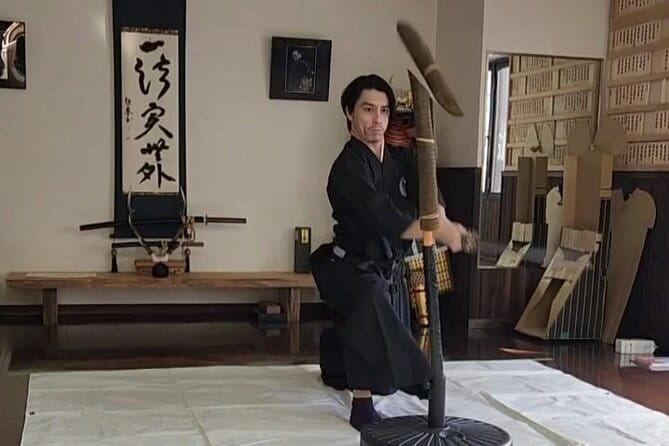
The final major part of the lesson is defense practice with protectors. This gives you a chance to learn how to respond, not just how to attack. Even at a basic level, kickboxing is about distance, guard position, and protecting yourself while moving.
Protective equipment makes this part more approachable. You are not being sent into an uncontrolled fight. Instead, you practice defensive movements within a guided exercise using the gear supplied for the class.
That distinction is important. The activity teaches basic kickboxing skills, but the available information does not promise sparring or a fight. You should expect instruction and controlled drills, not a competition. If you want full-contact training, ask the provider what the session includes before booking.
Defense work can also be useful for people who are less interested in fighting than in body training. It adds variety to the hour and forces you to stay alert. You are learning to move, react, and keep good form while tired.
Kato Minoru’s role in the session
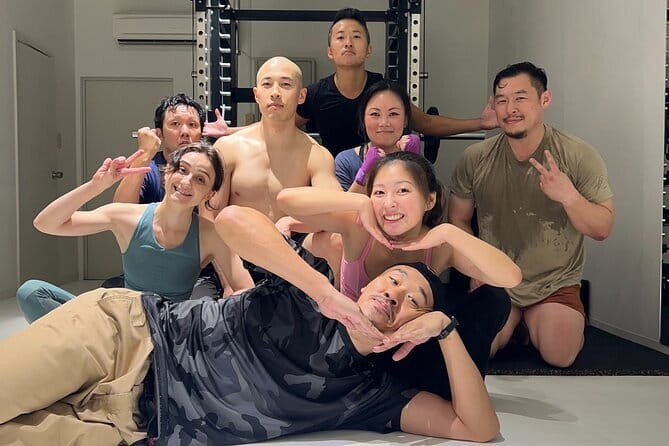
The instructor is identified as Kato Minoru, a Japanese professional kickboxer and former professional MMA fighter. His background gives the class a clear point of difference from a generic hotel exercise session.
You are not simply following a recorded workout. The class centers on instruction from someone with years of ring experience, with the lesson built around technique and form. That professional background is especially useful when you are learning the basics, since small corrections can make a movement safer and more effective.
At the same time, you should keep your expectations in proportion. A one-hour tourist-friendly class cannot reproduce the training schedule of a professional fighter. Kato’s experience adds credibility and practical guidance, but your result will depend on how much attention and effort you bring to the session.
The friendly atmosphere also appears to be part of the appeal. The organizer, Tokto International Friends & Events, presents the class as a social activity as well as a workout. Feedback describes a familiar organizer, an enjoyable setting, and the chance to meet new people. That makes this a reasonable choice if you want an activity with some human contact after spending the day moving through Tokyo alone.



Why the seven-person limit matters
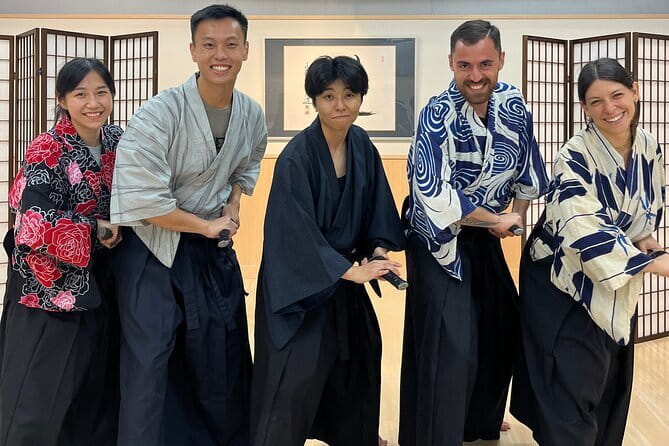
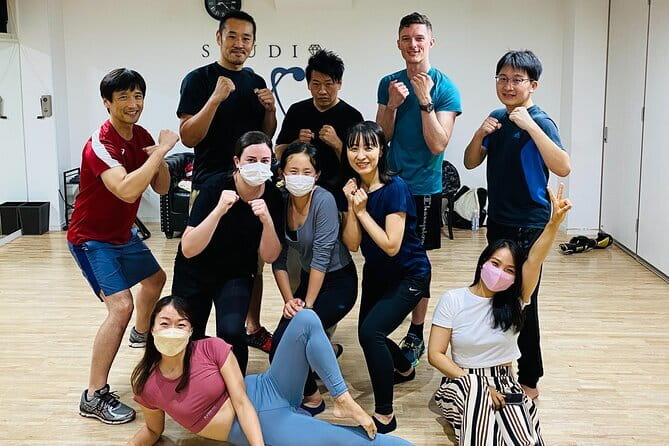
The maximum of seven participants is a strong feature for a technical activity. In a large fitness class, you may spend much of the hour trying to see the instructor or copying movements from the person in front of you. A group this size should make it easier to follow the sequence and receive attention.
The data does not promise one-to-one coaching, so do not assume that Kato will watch every movement for the entire session. Still, a small group gives the instructor a better chance to notice common beginner problems, such as dropping the guard, losing balance, or overextending a punch.
Small groups can also make partner drills less awkward. You may practice mitt work and defensive movements with another participant, depending on how the class is arranged. The social side is part of the experience, but the format remains centered on training rather than sightseeing.
The session is offered as a weekly program, which suggests that the class is not built only for one-time visitors. If your Tokyo stay lasts several weeks, you may be able to return and build on the first lesson. The supplied details do not specify the weekly schedule or repeat-visit price, so ask the provider if you want to attend more than once.
Location, timing, and planning your evening
The meeting point is in Higashiikebukuro, Toshima City, at:
Japan, 170-0013 Tokyo, Toshima City, Higashiikebukuro, 2-chōme 45-10, Higashiikebukuro Lilienheim
The class starts at 8:00 p.m. and ends back at the same meeting point. Since the activity lasts about one hour, it fits neatly into an evening plan. You could schedule dinner before class, then use the workout as a change of pace after sightseeing. Or you could train first and eat afterward, though the best choice depends on how your body handles exercise.
The location is near public transportation, which is helpful in Tokyo. Even so, allow enough time to find the exact building. Tokyo addresses can be precise but confusing when you are looking for a particular entrance or residential-style building. Keep the mobile ticket available on your phone, and do not arrive at the last minute.
The late start is useful for people with full daytime plans, but it has one drawback. If you are tired from an early morning or a long day on your feet, your energy may be lower than it would be in the afternoon. You know your own travel rhythm best. This is a better fit for an active evening than for a final activity after an exhausting day.
What the $39 price includes
At $39 per person, this class offers fair value if you want instruction rather than access to an empty gym. The price includes the kickboxing equipment and use of the gym, so you do not need to budget separately for the basic training setup.
The professional instruction is the main value. You are paying for a structured hour with a former fighter, a planned progression, mitt work, and defensive drills. That is different from paying for a standard gym pass or joining a general fitness class where the instructor may not have a combat-sports background.
Water is not included. Bring your own bottle, since the activity specifically excludes bottled water. This is a small cost, but it is worth remembering because an hour of punching, kicking, and conditioning can leave you thirsty.
The price is less compelling if you already have extensive kickboxing experience and want advanced combinations, long conditioning rounds, or sparring. The class is aimed more clearly at beginners and casual participants who want a guided introduction.
Who should book this activity
I would recommend this class to you if you meet one or more of these descriptions:
- You want to try kickboxing without committing to a long course.
- You are new to martial arts and prefer patient, easy-to-follow instruction.
- You like active cultural experiences more than passive sightseeing.
- You are traveling alone and would enjoy meeting people through a shared activity.
- You want a small-group class with equipment included.
- You have an evening free in Tokyo and want something more memorable than another meal.
It can also suit people who already exercise but have never trained in kickboxing. The combination of conditioning, technique, combinations, and defensive practice gives you more variety than a simple cardio session.
I would hesitate to recommend it if you have a serious injury, need highly specialized coaching, or want a full-contact fight session. The information says most people can participate, but it does not provide details about injury restrictions, medical screening, or advanced training levels. Ask before booking if you have a health concern.
Service animals are allowed, and the activity is near public transportation. The class itself takes place in a gym, but no further accessibility details are provided. If you need specific accommodations, contact the provider in advance.
Cancellation and weather details
You can cancel up to 24 hours before the start time for a full refund. Changes made less than 24 hours before the activity are not accepted, and late cancellations are not refunded.
The activity requires good weather. If poor weather causes a cancellation, you will be offered a different date or a full refund. That policy may seem unusual for a gym-based class, so check the status if Tokyo’s forecast looks poor.
Confirmation is provided when you book. The mobile ticket is convenient, and you should keep it accessible when you arrive.
My booking advice
I would book this if you want a short, social, beginner-friendly introduction to kickboxing in Tokyo. The best reasons are the small group, the professional instructor, the clear lesson structure, and the chance to work with real equipment rather than simply watch a demonstration.
The class is not a substitute for a serious training course. Its one-hour length limits how far you can progress, and the basic format may not satisfy experienced kickboxers. But for $39, it gives you a practical taste of the sport, a solid workout, and an evening activity with more personality than a routine fitness class.
Bring water, arrive with enough time to locate the meeting point, and book at least a day ahead if your plans may change. If you are curious about kickboxing but unsure where to start, this is the kind of low-commitment introduction that makes the decision easy.
FAQ
Where does the kickboxing class meet?
The meeting point is in Higashiikebukuro, Toshima City, Tokyo, at Japan, 170-0013 Tokyo, Toshima City, Higashiikebukuro, 2-chōme 45-10, Higashiikebukuro Lilienheim.
What time does the class start?
The class starts at 8:00 p.m.
How long does the activity last?
The session lasts approximately one hour.
Where does the activity end?
The activity ends back at the original meeting point.
Who teaches the class?
The class is taught by Kato Minoru, a Japanese professional kickboxer and former professional MMA fighter.
Is the class suitable for beginners?
Yes. The training includes safety guidance, stretching, basic steps, basic punches and kicks, mitt work, and defensive practice. The class is described as easy to follow for beginners.
How many people can join?
The maximum group size is seven participants.
Is kickboxing equipment included?
Yes. Kickboxing equipment and use of the gym are included.
Is bottled water included?
No. Bottled water is not included, so you should plan to bring your own.
Can I cancel for a full refund?
Yes. You can cancel at least 24 hours before the start time for a full refund. Cancellations made less than 24 hours before the start time are not refunded.
More tours in Tokyo we've reviewed



Tokyo, compared.
 ★ 5.0Mt Fuji and Hakone 1-Day Bus Tour Return by Bullet TrainFrom $163
 ★ 5.01-Day Tokyo Bus TourFrom $129
 ★ 4.6Tokyo: teamLab Planets TOKYO Digital Art Museum Entry TicketFrom $251 day
 ★ 4.0Mt Fuji & Hakone Cruise, Drum Show Bullet Train 1 Day from TokyoFrom $149
 ★ 5.0Tokyo: Shinjuku Food Tour (13 Dishes at 4 Local Eateries)From $86
 ★ 4.4Tokyo Mt Fuji 5th St & Hakone Cruise Bus Tour w/Bullet TrainFrom $15410 hours