
Reviewed · WORKSHOPS
Japanese Pottery Class in Tokyo
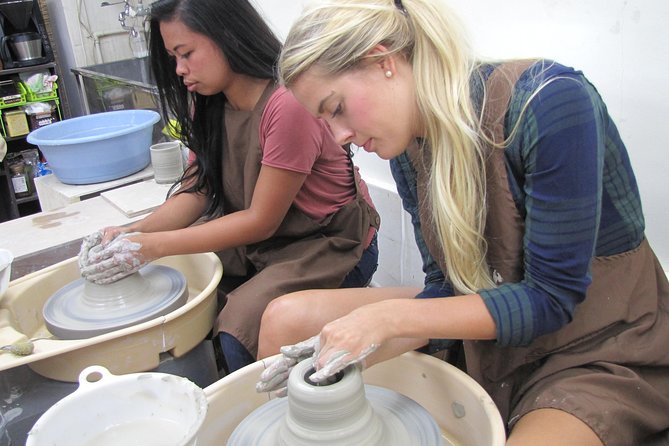
A Tokyo pottery wheel turns a short city break into something you can hold. At Uzumako ceramic art school, a sensei demonstrates the basics, then you shape about two or three pieces in an hour. Instructors including Ruth, Stephen, and Vicki are praised for patient, clear help, while some sessions allow enough freedom to make a plate, cup, bowl, or your own odd little creation.
I like the personal instruction and the quiet, friendly studio atmosphere. I also like the chance to make a useful souvenir rather than buy another mass-produced trinket near Tokyo Tower. The main catch is simple: the $26.73 price covers the basic class, not firing or shipping, and your finished work takes about a month to prepare.
In This Review
- Key points for your pottery hour
- A quiet creative break near Tokyo Tower
- What happens during the first pottery class
- The best part is making your own shape
- Choosing colors and keeping the finished work
- Is $26.73 a good value?
- Getting to the studio and planning your visit
- Who will enjoy this pottery class most?
- Small details that make the experience work
- Should you book the Uzumako pottery class?
- FAQ
- How long does the Japanese pottery class last?
- How many pottery pieces can I make?
- Is firing included in the $26.73 price?
- Can the finished pottery be shipped home?
- Can I book if I live in Brazil?
- Where does the class meet?
- What is the cancellation policy?
Key points for your pottery hour
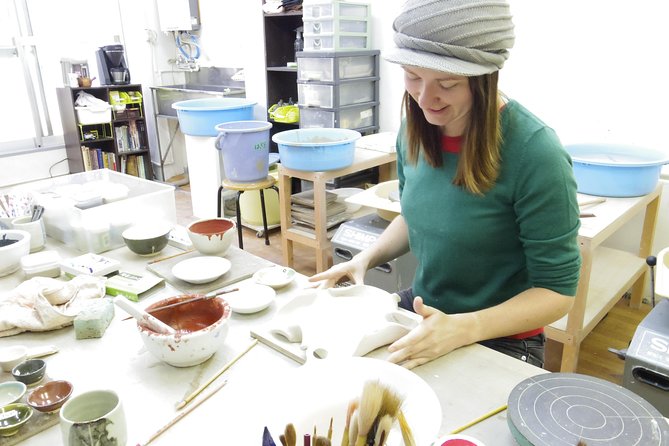
- Make two or three pieces in about 60 minutes: The teacher demonstrates first, then you try the wheel with help as needed.
- Choose your own forms and colors: You have freedom to make plates, cups, bowls, or other simple shapes.
- Learn from several English-speaking instructors: Ruth, Stephen, Vicki, and other teachers are identified in the class feedback.
- Near Tokyo Tower and public transportation: The studio is in Shiba, Minato City, at 3-chōme 29-11, Shimizu House.
- Budget class, extra finishing costs: Firing is charged per selected piece, and EMS shipping is optional.
- Plan for a delayed souvenir: The pottery takes about one month to prepare after your class.
A quiet creative break near Tokyo Tower
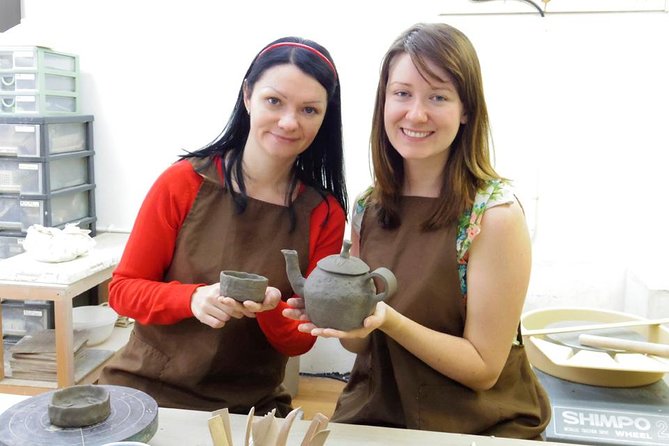
Tokyo can be thrilling, but its noise and speed wear you down. This one-hour class gives you a calm pocket of time in central Minato City, close to Tokyo Tower and a Metro station. You are not simply watching a demonstration. You sit at the wheel, work the clay, and find out quickly that pottery is harder than it looks.
That hands-on struggle is part of the fun. Clay may wobble, collapse, or lean in a direction you did not plan. Your instructor can help correct it, but you still get to make many of the choices. The class is suited to a first attempt, yet people with some pottery experience can also enjoy the open approach.
The studio is described as charming and peaceful, with mellow music and a relaxed mood. That matters in Tokyo. This is not a rushed photo stop squeezed between major sights. It is a chance to slow your hands and focus on one small object.
The published tour information describes a small group of up to 15 people. Another booking note lists a maximum of 25, so ask the provider if group size is crucial to your plans. In either case, the class has been described as personal, with teachers stepping in when you need help rather than taking over the entire piece.
A few more Tokyo tours and experiences worth a look



What happens during the first pottery class
Your first task is filling out an application form. This is basic paperwork, but it begins the studio process and gives the staff a chance to explain what happens to your work afterward.
Next, the instructor makes a sample. Watch closely here. The demonstration gives you the broad rhythm of pottery: centering the clay, opening it, and shaping the walls. The exact motions are easy to understand when you see them, but controlling the clay yourself takes patience.
Then it is your turn. You make roughly two or three works during the hour. The exact number depends on your pace and the shapes you attempt. A simple cup or bowl may move faster than a plate with a wide, thin rim. One class participant managed around six pieces, but that should be treated as an especially productive session, not a promise.
The teachers encourage you to try your own ideas after the demonstration. You might make a rice bowl, a cup, or a plate. One especially useful feature is the freedom to choose what you want to create, rather than following one fixed model from start to finish.
Instructors help with difficult moments. Ruth is described as patient and helpful, while Stephen is praised for explaining how to throw and what happens next. Vicki is noted for demonstrating a plate and guiding a beginner through the basics. Other named teachers include Hoshi and Kaia, so the instructor on your date may vary.
At the end, you choose which pieces you want fired. You then select the colors and clean your area. Finally, you settle the additional payment for firing and any shipping you arrange. That final stage is important, since the advertised class price does not include every cost needed to bring pottery home.
The best part is making your own shape
The class works well because it gives you a useful balance: enough instruction to avoid feeling lost, but enough freedom to make the result your own. Beginners receive help with the fundamentals, while experienced potters can spend more time exploring form.
You should expect imperfect pottery. That is not a flaw in the experience. A first cup may have uneven walls or a bowl may be more organic than planned. The teacher can repair or steady parts of the process, but the final piece still reflects your hands.
The class also gives you a small lesson in Japanese ceramic practice without pretending that one hour makes you a master. Pottery is deeply tied to Japanese arts, and the sensei offers a direct introduction through clay, tools, shape, and glaze choice. You learn by doing instead of standing behind a museum display.
The atmosphere earns special credit. Several instructors are described as friendly, patient, and easy to talk with. The setting has been called relaxing and therapeutic, with laughter encouraged alongside serious attention to the craft. Families can take part, and the activity has been described as suitable for children, though the supplied information does not give a specific minimum age.
Choosing colors and keeping the finished work
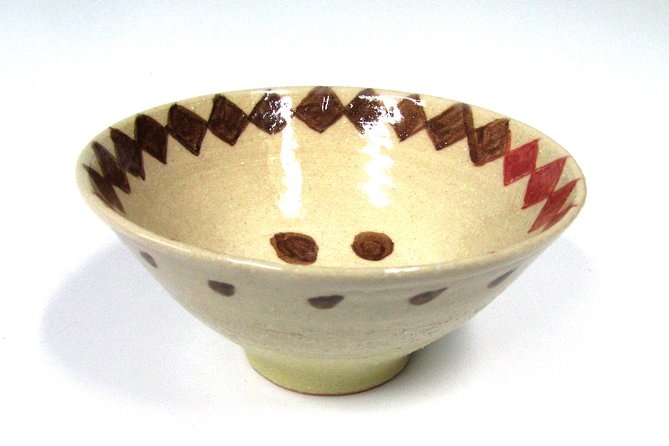
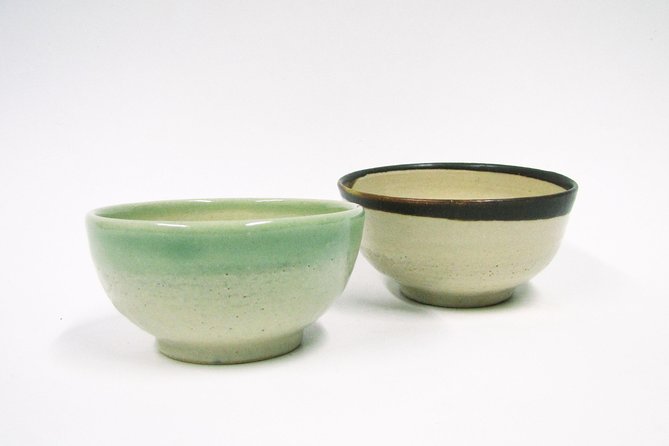
Once your forms are made, you choose the pieces you want fired and select their colors. This turns a wet clay object into a more personal keepsake. You are not carrying a finished souvenir out of the studio that day, but you are making decisions that shape its final appearance.
The works take about one month to prepare after the class. Firing is not included in the basic fee and is charged for each selected work. Ask about the current price before choosing several pieces, since making more pottery can increase the final bill.
EMS shipping is optional. If you are flying home soon after the class, shipping is the practical choice. If you have a longer stay or a way to collect the work later, ask the studio what collection options are available. The supplied details specifically note that shipping is not currently available to the United States in at least one class account, so confirm destination rules before booking.
If you are in Brazil, contact the provider before reserving. Strict customs rules have made delivery there difficult, and the studio may need to discuss another way for you to receive the pottery. This is one of the most important practical checks for international bookers.
The one-month wait is also worth considering emotionally. If you want a souvenir in your suitcase that evening, buy a finished piece elsewhere. If you like the idea of receiving a handmade reminder later, the delay adds anticipation.
Is $26.73 a good value?
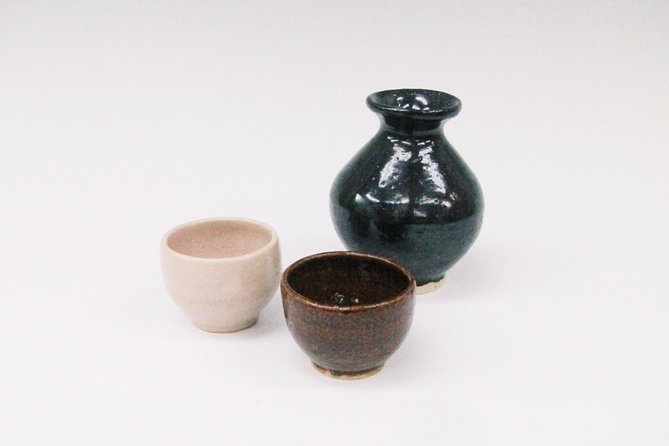
At $26.73 per person, the basic fee is attractive for a central Tokyo activity that includes instruction and clay work. You receive a full hour of practical teaching, not just a short demonstration. The chance to make several pieces also gives the class good value for a creative activity.
Still, do not treat $26.73 as the final cost if you want finished pottery. You pay a firing fee for each piece you keep, and EMS delivery costs extra if you want the work sent home. Glazing or color-related charges may also be part of the final amount, so confirm the current fee structure at the studio.
The value depends on what you want. For a low-cost introduction to pottery, the class is strong. For a finished ceramic souvenir with no extra planning, the price is less simple. You need to budget for firing and possibly shipping, then wait around a month.
I would also compare the cost with your time. One hour fits neatly into a day of sightseeing around Minato City. You can pair it with Tokyo Tower or nearby parts of central Tokyo, though the activity itself ends where it starts. It does not include transport between sights, meals, or a wider cultural tour.




Getting to the studio and planning your visit
The meeting point is Shimizu House, 3-chōme 29-11 Shiba, Minato City, Tokyo 105-0014. The location is described as central, near public transportation, and close to a Metro station. Use the address shown on your confirmation and allow enough time to locate the building.
The activity begins and ends at the same meeting point. That makes planning easy, especially if you have a timed reservation afterward. Even so, pottery can be absorbing, and cleaning and payment are part of the hour, so avoid booking a tight connection immediately afterward.
A mobile ticket is provided. Confirmation is received at booking, which helps when you are arranging several Tokyo activities in advance. The booking terms allow free cancellation up to 24 hours before the start time. Changes or cancellations inside that 24-hour window are not accepted for a refund, with cut-off times based on Tokyo local time.
The class is near public transportation, and service animals are allowed. Most people can participate according to the supplied information. If you have a specific mobility or seating concern, contact the provider before booking rather than assuming the wheel setup will suit you.
Who will enjoy this pottery class most?
This is a good choice if you want an activity that is creative, calm, and hands-on. It suits couples, friends, families, solo visitors, and anyone who wants a break from Tokyo’s packed sightseeing schedule.
It is especially useful for first-time potters. The teacher demonstrates the process, then provides guidance when the clay gives you trouble. English instruction is available from staff, and several instructors are praised for speaking English well.
You will also enjoy it if you already tried pottery elsewhere and want another short session. The open format lets you work toward different shapes rather than repeat one narrow craft project.
This may not suit you if you need a finished souvenir immediately, dislike paying fees after the advertised booking price, or have no way to receive an item one month later. It is also not a full pottery course. In one hour, you get an introduction and a memorable attempt, not advanced training.
The group size deserves a quick check. The experience is presented as a small group with a maximum of 15, while the additional booking information gives a maximum of 25. If personal attention is your main reason for booking, ask which limit applies to your chosen session.
Small details that make the experience work
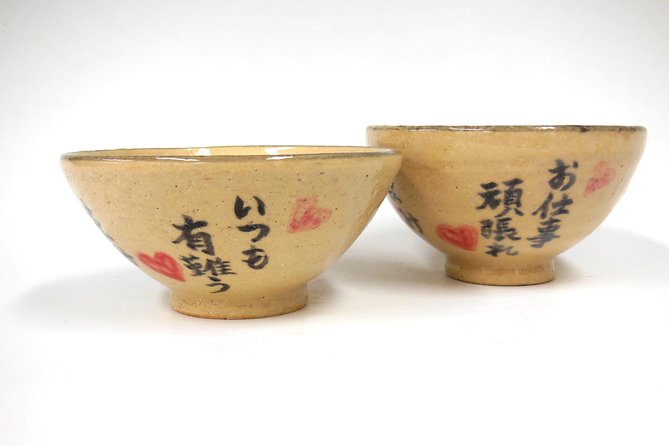
The teachers appear to be the heart of the class. Hoshi is described as an old-world pottery master, while Ruth, Stephen, Vicki, and others receive praise for being patient, warm, and attentive. That mix matters because beginners need correction without feeling embarrassed.
You also get a souvenir with a story. A purchased bowl may be attractive, but one made during a rainy afternoon in Tokyo carries a memory of the city, the studio, and the awkward first attempt to control wet clay.
The class can even spark a new hobby. The short format is enough to show you whether pottery appeals to you, and some instructors have encouraged people to continue learning at home. One teacher even recommended a local pottery supply store, a useful touch if you want to keep working with clay after Japan.
Keep your expectations realistic about the finished result. The teachers help you create one-of-a-kind pieces, but the firing process can change the color and shape. The studio handles the later preparation, so you will not see the final work immediately.
Should you book the Uzumako pottery class?
Book it if you want a reasonably priced, one-hour introduction to pottery in central Tokyo, especially if you value a personal souvenir and friendly English instruction. The calm studio, flexible shapes, and patient teachers make it a welcome change from sightseeing.
Before paying, confirm three things: the current firing cost per piece, shipping availability to your country, and the expected group size. If you are going to Brazil, contact the studio first. If you are sending pottery to the United States, confirm delivery options as well.
I would choose this class for a relaxed afternoon or evening near Tokyo Tower. I would skip it only if you need a finished item right away or want a longer, more technical pottery course.
FAQ
How long does the Japanese pottery class last?
The class lasts approximately one hour, including the demonstration, your pottery work, choosing pieces and colors, cleaning, and payment.
How many pottery pieces can I make?
The planned class format allows you to make about two or three works within the hour. The number can vary depending on your pace and the shapes you choose.
Is firing included in the $26.73 price?
No. The basic fee is included, but firing is charged separately for each selected piece.
Can the finished pottery be shipped home?
EMS shipping is optional and costs extra. Confirm shipping availability for your destination before booking, since some countries have restrictions.
Can I book if I live in Brazil?
Contact the provider before booking. Strict Brazilian customs rules have made shipping class-made pottery difficult, and the studio can discuss possible alternatives.
Where does the class meet?
The meeting point is Shimizu House, 3-chōme 29-11 Shiba, Minato City, Tokyo 105-0014. The class also ends back at this meeting point.
What is the cancellation policy?
You can cancel up to 24 hours before the experience start time for a full refund. Cancellations or changes made less than 24 hours before the start time are not accepted for a refund.
More Workshops & Classes in Tokyo
More tours in Tokyo we've reviewed





Workshops, compared.
 ★ 5.0Sushi Making Tokyo Roll and Authentic Japanese Sushi ClassFrom $59
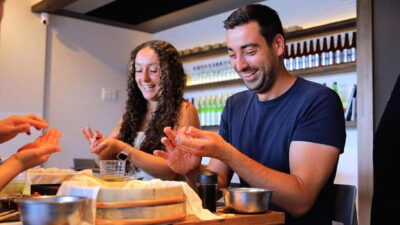 ★ 4.9Tokyo: Roll and Authentic Sushi Making Class in AsakusaFrom $581h 40m
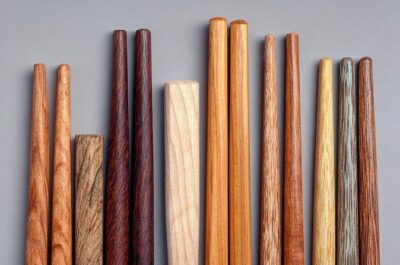 ★ 5.0Tokyo Shinjuku Chopsticks Making ClassFrom $20
 ★ 4.9Tokyo: Sushi Making Class in a Happi Coat near a Famous SpotFrom $421h 30m
 ★ 4.8Chopstick Making Workshop in GinzaFrom $251 hour
 ★ 5.0Tokyo Sushi Making Class in Tsukiji with Professional ChefFrom $49