
Reviewed · TOKYO
Home Cooking with a Local Host (Optional Shiba Inu Picnic)
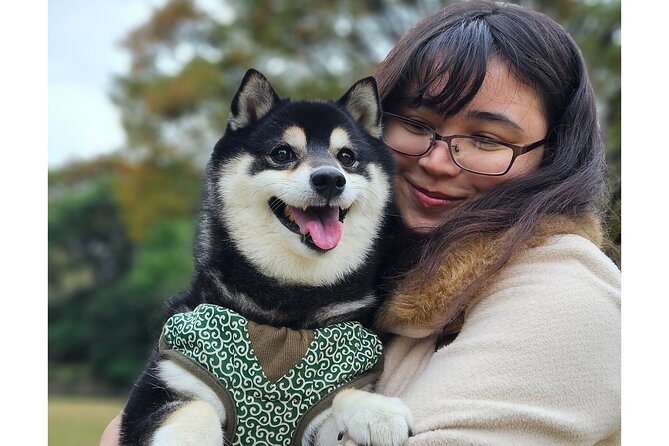
The best part of this Tokyo experience happens in a place most sightseeing tours never enter: a Japanese home kitchen. You make a handmade bento under the care of a local mom, then take your lunch to a nearby park and shrine for a picnic with Ginta, an adorable Shiba Inu. It is a friendly look at daily life, not a quick stop at a restaurant.
I like two things here. First, the cooking is practical: you learn how a Japanese household prepares a bento rather than simply eating one. Second, the small private format gives your guide room to translate, explain dining customs, take photos, and help you through each step.
The main consideration is the price, $150 per person for about three hours. That is a serious charge for a short outing, and the experience is best value if you want personal contact, a home visit, a hands-on meal, and the dog picnic. The tour details also vary on group size and whether the Shiba Inu picnic is optional, so confirm those points before paying.
In This Review
- Key points at a glance
- Why this bento experience feels different
- Meeting at Iidabashi at 10:00 am
- Ninety minutes in a Japanese home kitchen
- The walk to the park and shrine
- Lunch with Ginta, the Shiba Inu
- What the guide adds to the visit
- Is $150 per person a fair price?
- Who will enjoy this morning most?
- Booking details worth checking first
- Should you book the bento and Ginta picnic?
- FAQ
- Where does the experience start?
- How long does the activity last?
- Is the tour private?
- Is the bento lunch included?
- Is the Shiba Inu picnic included?
- What is included besides the cooking experience?
Key points at a glance
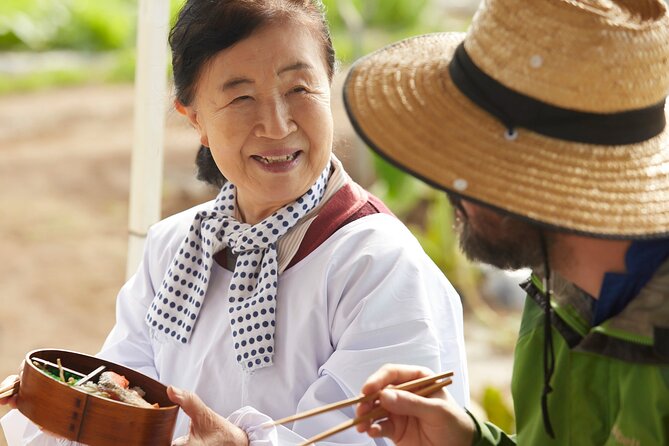
- Cook in a real Tokyo home: A local Japanese mom guides you through making a traditional handmade bento in her kitchen.
- Meet Ginta the Shiba Inu: The picnic includes time with Ginta at a nearby park and shrine, with photos taken by your guide.
- English support throughout: A bilingual guide translates instructions and adds cultural context during cooking and lunch.
- Your bento box goes home with you: The box, along with the cooking experience, gives you a useful souvenir instead of a disposable meal.
- A compact morning schedule: Meet at Iidabashi Station at 10:00 am and return there around 12:45 pm.
- Private, small-group setting: The description gives both 2 to 4 and 2 to 6 participants, so ask for the exact limit for your date.
Why this bento experience feels different
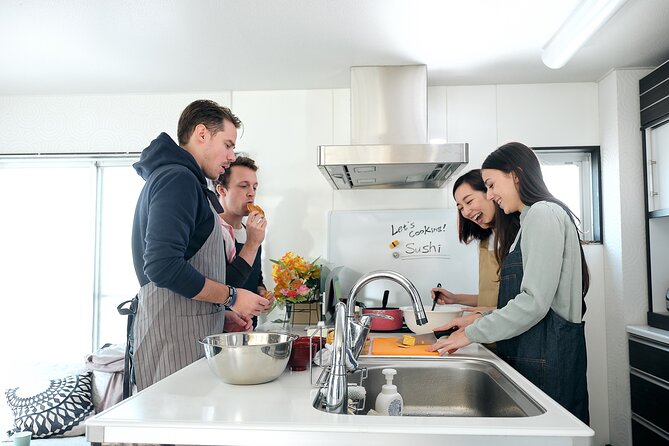
Tokyo offers endless food tours, but many keep you on the receiving end. You sit, taste, and move on. Here, you work with ingredients, follow instructions, pack the food, and then eat what you made. That change matters.
A bento is more than lunch in a box. It reflects planning, portioning, presentation, and the habit of carrying a complete meal outside the home. You get a small lesson in how Japanese food can be arranged with care, even when the meal is meant for an ordinary day.
The setting adds another layer. You are not cooking in a formal school or restaurant classroom. You enter a local home and work in a Japanese mother’s kitchen. That gives you a glimpse of everyday living, although you should also expect a more personal setting than a commercial cooking studio. If you prefer a polished, restaurant-style class with lots of space, this may feel more intimate than expected.
The bilingual guide is important. Cooking vocabulary can be hard to follow when instructions move quickly, and the guide provides English translation throughout. You also get cultural explanations, so you are not simply copying hand movements without understanding what you are making or how the food fits into Japanese life.
If you're still narrowing it down, here are other tours in Tokyo we've reviewed.
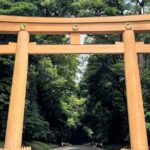

Meeting at Iidabashi at 10:00 am
The morning begins at the West Exit of Iidabashi Station. The listed meeting address is 4-chōme-9-5 Iidabashi, Chiyoda City, Tokyo 102-0072, and the guide escorts you from the station to the cooking location.
Iidabashi is a useful meeting area because it is near public transportation. Still, give yourself enough time to find the correct station exit. Tokyo station names and exits can be confusing, especially if you are carrying luggage or arriving after a long train ride.
The fixed start time keeps the outing efficient. This is not a flexible drop-in activity. You need to arrive ready at 10:00 am because the cooking portion begins right away and the later picnic depends on the schedule.
You should also note the transport arrangement. Private transportation is not included, but the guide takes you to and from the tour location and the station. In practical terms, you meet at the station, walk or travel with the guide to the home, and return to the station at the end. The exact transport method is not specified, so do not expect a private vehicle.
Ninety minutes in a Japanese home kitchen
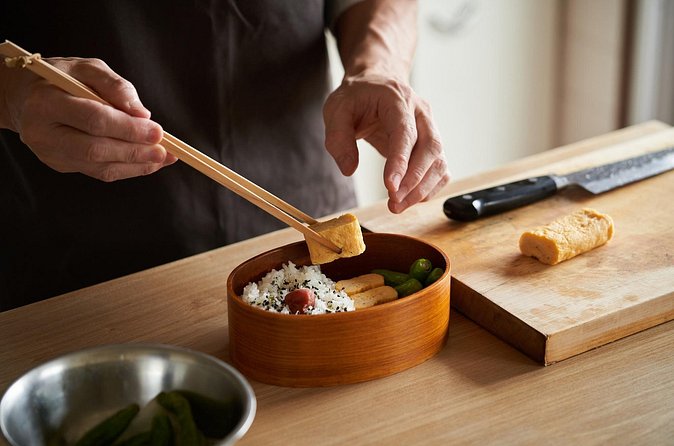
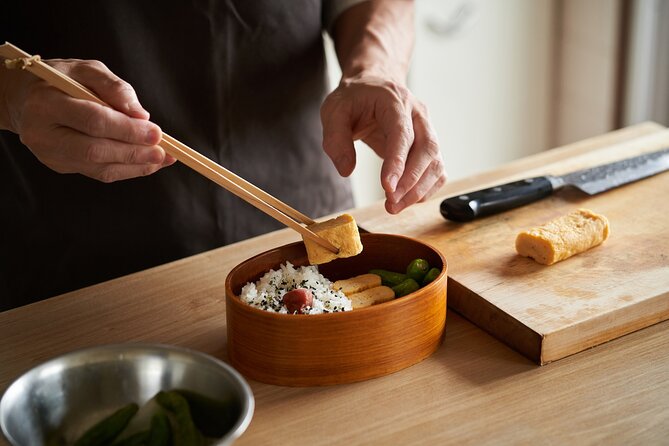
The bento-making session lasts about an hour and a half, from 10:00 to 11:30. Aprons and cooking caps are supplied, along with hand sanitizer and vinyl gloves. Ingredients, a recipe, and the bento box are included.
That long cooking block is one of the strongest parts of the experience. You have enough time to ask questions and repeat steps instead of rushing through a demonstration. Your guide translates the host’s instructions and helps you keep pace.
The format also suits people who are nervous about cooking abroad. You do not need to manage a language barrier alone. The guide is there to clarify the process, offer cultural commentary, and help when a task feels unfamiliar.
The bento itself is meant to be made in the style of a Japanese home meal. The exact dishes and ingredients are not listed, so you should not book this expecting a particular menu. The recipe is provided, but the supplied information does not say whether dietary requests can be handled. If you have allergies, restrictions, or strong food preferences, ask before booking rather than assuming substitutions are possible.
One useful detail is that you keep the bento box. That gives the cooking session a lasting payoff. You are not just leaving with a full stomach and a few phone pictures. You have a physical reminder of the lesson, and you can use it at home if you want to try making another packed meal.
The home setting can also make the experience feel less predictable. A household kitchen is not designed like a spacious cooking school. Your group needs to work within the host’s available space, and the private format is part of the appeal. I would choose this activity for conversation and local contact, not for a high-end culinary workshop.
The walk to the park and shrine
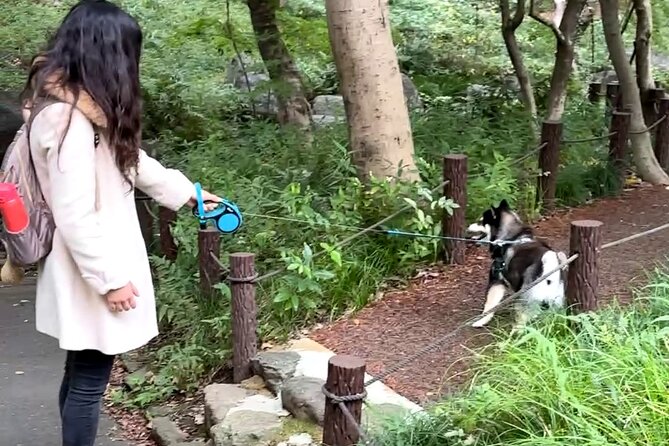
At about 11:30 am, you leave the home and walk for roughly 15 minutes to the picnic location. The destination is described as a nearby park and shrine. Kitanomaru Park is identified in the experience details as the place used for the picnic.
This short walk helps connect the kitchen experience with Tokyo’s public spaces. You have made a meal indoors, and now you carry it outside as a local might. The shrine setting also adds a traditional backdrop without requiring a separate sightseeing stop.
The walk may be a minor concern for anyone with limited mobility, since the information does not provide a detailed accessibility description. The tour is near public transportation, but no specific information is given about steps, seating, or accessible routes. Ask the operator if those details matter to you.
The timing is sensible. You do not spend half the day moving across Tokyo, and the park visit follows directly after cooking. That makes this a good fit for a morning when you want one focused activity rather than a full-day tour.
Lunch with Ginta, the Shiba Inu
The picnic runs from about 11:45 am to 12:45 pm. This is where the experience becomes especially memorable for dog lovers. You meet Ginta, a Shiba Inu, and spend the lunch hour eating your handmade bento, relaxing, and taking photos with him.
Ginta is not just a mascot attached to a food class. He is part of the picnic atmosphere, and the experience is designed to give you time with him rather than a quick photo opportunity. One account describes playing with Ginta at the park, while another points to the fun of enjoying a bento from scratch before meeting the dog. The key point for you is that the meal and the dog visit work together.
Your guide takes photos and sends digital copies after the tour at no extra cost. That is helpful because you can enjoy the picnic instead of spending the entire hour trying to photograph the meal, the shrine, and Ginta yourself.
The dog element does require realistic expectations. The supplied details do not explain Ginta’s temperament, the amount of direct contact, or what happens if weather affects the picnic. An animal can be tired, distracted, or less interested in posing than you are. You should enjoy the time as a picnic with a dog, not treat it as a guaranteed professional pet photo session.
There is also an important wording issue. The title calls the Shiba Inu picnic optional, but the main schedule includes meeting Ginta and eating with him. Ask the provider whether the dog portion is included automatically on your selected date. That small clarification can prevent a mismatch between what you expect and what is arranged.

What the guide adds to the visit
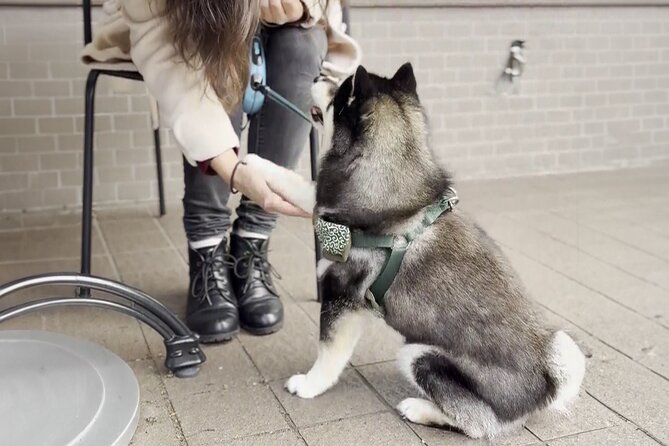
The guide’s role is more than simple translation. You receive cultural commentary during the cooking session, help with the recipe, and an escort between the station, home, and picnic area.
That support makes this particularly useful for first-time visitors to Japan. You can ask why a certain step is done, how the food is normally packed, or what dining manners apply. A cooking class without clear language help can become a sequence of gestures. Here, the guide helps turn those gestures into a readable experience.
The guide also controls the rhythm of the morning. The cooking, walk, picnic, and return all fit into three hours, so you do not have to manage directions or watch the clock alone. At the same time, a private tour depends on the quality of the assigned guide, and no individual guide name is provided. If knowing your guide’s name or background matters to you, request that information after booking.
Photos are distributed digitally after the tour. The timing for delivery is not specified, so do not assume you will receive them before the rest of your day’s sightseeing.
Is $150 per person a fair price?
At $150 per person, this is not a cheap lunch. You are paying for a private, guided home visit rather than for the food alone. The price includes ingredients, recipe guidance, apron, cooking cap, gloves, sanitizer, the bento box, bilingual support, the picnic, photo service, and liability insurance.
The value improves if you would otherwise book several separate activities. You get a hands-on food lesson, a local home setting, a park and shrine visit, a prepared lunch, a souvenir, and a dog encounter in one morning. The private format also means your questions do not have to compete with a large classroom.
The price is harder to justify if your main goal is simply to eat an inexpensive bento or see a Shiba Inu. Tokyo has many lower-cost meals, and this experience is not designed as a budget food stop. Its strength is the combination of access, guidance, and personal contact.
A limited-time 20 percent discount is offered to people willing to be photographed for the website, complete a survey, and write a review. Read those conditions carefully. The lower price is tied to participation in those promotional requests, so it may not suit you if you prefer not to appear in marketing material.
Who will enjoy this morning most?

I would put this near the top of the list for several types of visitor:
- Food-curious visitors: You get to make the meal, not only sample it.
- Dog lovers: Ginta is a central part of the picnic, not a distant sighting.
- Families and small groups: The private format allows the guide to offer direct help and translation.
- First-time visitors: The guide handles the route and explains customs in English.
- Repeat visitors to Tokyo: The home kitchen offers a daily-life angle beyond major sights.
- Souvenir hunters: The bento box is practical and linked directly to the activity.
It may be less suitable if you want a large menu, professional chef instruction, flexible timing, or a tour that operates regardless of outdoor conditions. The information also does not specify how dietary needs, bad weather, or pet allergies are handled, so ask before booking if any of those issues apply.
The group size needs clarification, too. The overview describes the activity for 2 to 4 people, while another section says it is limited to 2 to 6 participants. Both descriptions point to a small private group, but the difference could matter if you are traveling with five or six people.
Booking details worth checking first
Confirmation is provided at the time of booking. The activity begins at 10:00 am and ends back at the meeting point at about 12:45 pm, making it easy to plan an afternoon in Tokyo afterward.
This experience is non-refundable and cannot be changed for any reason. That is a strict condition, so check your schedule, meeting point, and group size before committing. It is especially important here because the activity depends on a home visit, a fixed cooking window, and an arranged dog picnic.
Ask these questions before you pay:
- Is the Shiba Inu picnic included on my date or optional?
- Is the group limit four people or six?
- Can the host handle allergies or dietary restrictions?
- What happens if rain prevents the outdoor picnic?
- When will the digital photos be sent?
- What accessibility arrangements are available between the station, home, and park?
Those questions are not signs of overplanning. They help you match the experience to your needs.
Should you book the bento and Ginta picnic?
Book it if you want a personal Tokyo memory built around food, conversation, and daily life. The strongest features are the local home kitchen, the English interpreter, the time to make a proper bento, and the chance to eat it outdoors with Ginta. Keeping the bento box gives the morning a useful finish.
Skip it if $150 feels too high for a three-hour activity, if you only want a quick meal, or if a dog picnic is essential but not clearly guaranteed on your date. Confirm the optional picnic wording, group limit, food restrictions, and weather plan first.
For the right person, this is a warm, focused alternative to another crowded sightseeing stop. You leave with a meal you made yourself, a souvenir you can use, digital photos, and a better sense of how lunch can fit into ordinary Japanese life.
FAQ
Where does the experience start?
You meet your guide at 10:00 am at Iidabashi Station’s West Exit. The listed address is 4-chōme-9-5 Iidabashi, Chiyoda City, Tokyo 102-0072, Japan.
How long does the activity last?
The experience lasts approximately three hours. The scheduled program runs from 10:00 am until about 12:45 pm, ending back at the meeting point.
Is the tour private?
Yes. Only your group participates. The information describes the group as small, with one section listing 2 to 4 participants and another listing 2 to 6, so confirm the exact limit for your booking.
Is the bento lunch included?
Yes. The price includes the ingredients, recipe, cooking guidance, and bento-making experience. You also receive the bento box used during the activity.
Is the Shiba Inu picnic included?
The schedule includes meeting Ginta the Shiba Inu at a nearby park and shrine, but the title describes the picnic as optional. Confirm whether it is included on your chosen date before booking.
What is included besides the cooking experience?
The tour includes a bilingual English and Japanese guide, apron, cooking cap, hand sanitizer, vinyl gloves, bento box, ingredients, recipe guidance, digital photos, and liability insurance. Private transportation is not included.
More tours in Tokyo we've reviewed


Tokyo, compared.
 ★ 5.0Mt Fuji and Hakone 1-Day Bus Tour Return by Bullet TrainFrom $163
 ★ 5.01-Day Tokyo Bus TourFrom $129
 ★ 4.6Tokyo: teamLab Planets TOKYO Digital Art Museum Entry TicketFrom $251 day
 ★ 4.0Mt Fuji & Hakone Cruise, Drum Show Bullet Train 1 Day from TokyoFrom $149
 ★ 5.0Tokyo: Shinjuku Food Tour (13 Dishes at 4 Local Eateries)From $86
 ★ 4.4Tokyo Mt Fuji 5th St & Hakone Cruise Bus Tour w/Bullet TrainFrom $15410 hours