
Reviewed · SHIBUYA TOURS
Highlights & Hidden Gems of the Shibuya District Private Tour
Shibuya’s greatest strength is its contrast: one moment you are watching the famous crossing fill with people, and soon after you are standing beneath the quiet gates of Meiji Jingu Shrine. This private walking tour connects those very different sides of Tokyo, with a local guide shaping the route around your interests.
I like the private format, which lets you ask questions, set the pace, and focus on anime, food, traditional arts, shopping, or everyday Japanese life. I also like the practical help. Guides such as Gulay and RamK have helped first-time visitors use trains, understand Suica cards, find food, and get oriented in the city.
The main drawback is the price: $142.70 per person is a serious outlay for three hours, especially for a solo visitor. You also need moderate fitness, and the tour does not include hotel pickup, meals beyond one tasting, or paid attraction tickets.
In This Review
- Key points to know before booking
- Why this tour works well for a first Tokyo afternoon
- Starting near Dogenzaka in Shibuya
- Hachiko Statue and the story behind the meeting place
- Shibuya Crossing, where the city puts on a show
- Meiji Jingu, a calm change of pace
- What the private guide adds
- Price, timing, and what you really receive
- Who should book this Shibuya walk
- Should you book the Highlights and Hidden Gems of the Shibuya District Private Tour?
- FAQ
- How long is the private Shibuya tour?
- Where does the tour start?
- Where does the tour end?
- What sights are included?
- Is food or a drink included?
- Can I cancel for a full refund?
Key points to know before booking
- Private time with a local guide: Only your party takes part, so the conversation and pace can be adjusted.
- Four major stops: The route includes Shibuya, Hachiko Statue, Shibuya Crossing, and Meiji Jingu Shrine.
- A useful first-day choice: The tour can help you get comfortable with Tokyo neighborhoods, customs, and public transport.
- One local tasting included: You receive one local drink or snack, while other food and drinks cost extra.
- Free outdoor sights: The named stops have no admission charge, though optional attractions are not included.
- Same-place finish: You meet at 2 Chome Dogenzaka and return to the meeting point at the end.
Why this tour works well for a first Tokyo afternoon
Shibuya can feel like several cities packed into one district. You have department stores, youth fashion, side streets, restaurants, shrines, parks, and the famous crossing. A guide gives those pieces some order instead of leaving you to wander with only a phone map.
The three-hour length is short enough to fit into a busy Tokyo schedule. It is also long enough to give you a first look at the district without turning your day into a march. You can ask why a shrine ritual works a certain way, what a local snack is, or how to handle the train system after the tour.
I would consider booking this early in your stay. Several guides have helped visitors get comfortable with Tokyo’s rail network, local payment cards, and neighborhood layout. That practical lesson can save time and stress during the rest of your trip.
The private setup matters most if your group has mixed interests. One person may want traditional culture, another may prefer shopping or Japanese pop culture, and another may simply need help finding good food. A guide can adjust the emphasis instead of following a fixed group schedule.
Still, do not expect a full tour of Tokyo. This is a focused walk in and around Shibuya, with Meiji Jingu included. You will get an introduction, not an exhaustive history lesson or a long list of paid sights.
A few more Tokyo tours and experiences worth a look


Starting near Dogenzaka in Shibuya
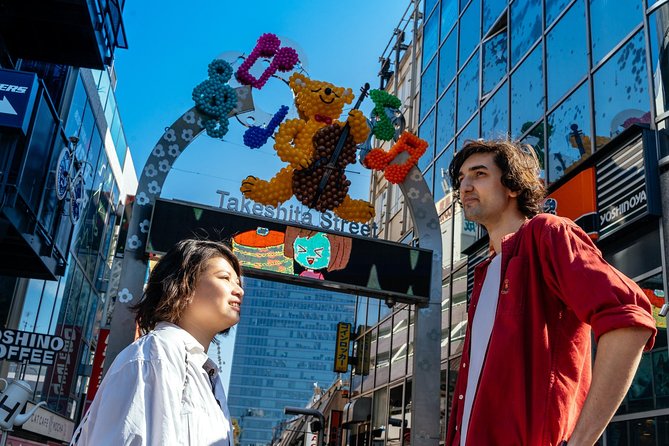
The meeting point is at 2 Chome Dogenzaka, Shibuya, Tokyo 150-0043. Dogenzaka puts you close to the district’s shopping streets, restaurants, transport links, and famous city scenes. The tour ends back at this meeting point, so you do not need to work out a new pickup location afterward.
Your first hour and a half is devoted to Shibuya and the nearby Kinza area. The exact path can be tailored, which is one of the better reasons to choose this experience over a standard group walk. If you care about anime and fandom, tell the guide. If you prefer traditional arts, local customs, or neighborhood food, say so before the walk begins.
The guide’s job here is not only to point at buildings. The useful part is the explanation of what you are seeing and why it matters. You might pass places that look ordinary but carry a local story, notice differences in clothing and shopping habits, or learn how the district has changed.
The supplied information does not promise entry into specific shops or museums, so treat this part as a guided neighborhood walk rather than a shopping tour. Food and additional drinks are also not included beyond the single local tasting.
Hachiko Statue and the story behind the meeting place
Hachiko Statue is one of the most recognizable meeting points in Tokyo. The bronze dog honors Hachiko, who became known for waiting for his deceased owner. A guide can add context to the short stop and explain why the statue remains such a popular place to meet.
This is a good example of how a private guide can turn a quick photo stop into a cultural lesson. Without some background, Hachiko is simply a dog statue surrounded by people and phones. With the story, the site becomes a window into loyalty, memory, and Tokyo’s public life.
The scheduled visit lasts about 30 minutes, though timing can shift within a private tour. You may want to take photos, ask questions, and watch the flow of people around the statue before moving on.
Do not expect a quiet memorial garden here. Hachiko is in the middle of one of Tokyo’s busiest urban areas. That is part of the point. The statue is a calm symbol in a very active setting.
Shibuya Crossing, where the city puts on a show
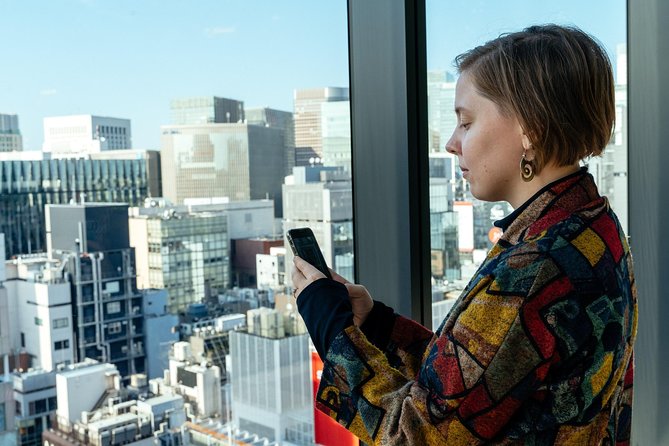
Shibuya Crossing is the tour’s most obvious crowd-pleaser. When the signals change, pedestrians move across the intersection from several directions. It is a simple piece of city infrastructure, but the scale and timing make it one of Tokyo’s most memorable public scenes.
A guide helps you understand the crossing as part of daily life, not just a photo opportunity. You can ask about the area’s role in Tokyo, observe how people move through it, and see how shopping, transport, and street culture meet in one place.
The planned stop is about 30 minutes. That gives you time to cross, take pictures, and watch another cycle or two. The crossing itself is free, as are the other main outdoor stops.
The limitation is that the experience can feel familiar if you have already spent a lot of time in Shibuya. The private format softens that problem by allowing you to shift attention to smaller streets and local details. Tell your guide if you want less time at the famous intersection and more time on the surrounding streets.
Meiji Jingu, a calm change of pace
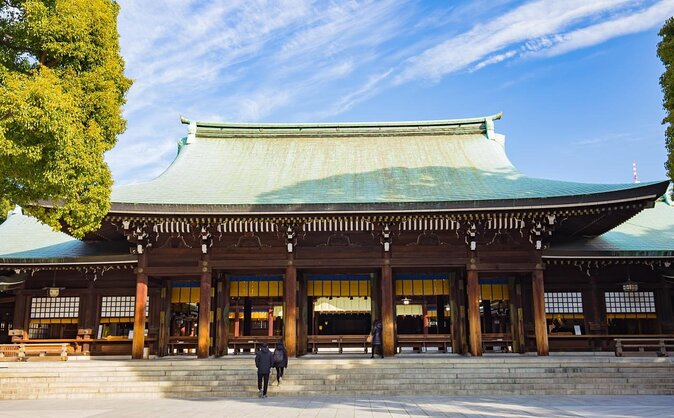
Meiji Jingu Shrine is dedicated to the divine souls of Emperor Meiji and Empress Shoken. Its purpose and setting provide a clear change from Shibuya’s commercial streets. After the noise and movement of the crossing, the shrine offers a place to slow down and learn about Shinto practice.
The visit is scheduled for around 30 minutes. That is enough for an introduction, basic shrine etiquette, and a look at the grounds, but it is not a long religious or architectural study. Your guide can explain what you are seeing and point out customs you might otherwise miss.
This stop is especially useful if Japanese religious traditions are new to you. A guide can help you approach the shrine respectfully and explain the meaning behind what people do there. Several guides connected with this experience have built their walks around Japanese history, customs, food, clothing, and everyday habits.
The free admission is helpful, but you should keep expectations realistic. The route description names Meiji Jingu as a stop, yet it does not promise special access, a ceremony, or a paid attraction inside the shrine complex. You are paying for the private guidance and local context, not an exclusive entry arrangement.
Other private tours in Tokyo



What the private guide adds
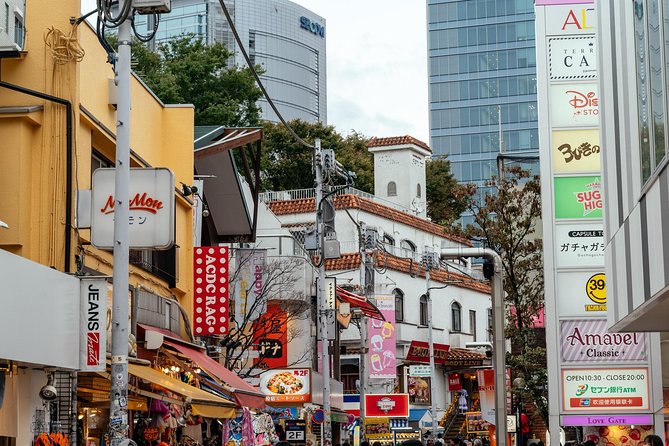
The guide is the heart of this experience. Names connected with past tours include Gulay, RamK, Sheilina Toh, Sena, Carlos, and Glenda. Availability varies, so you should not assume you will receive a particular person unless the booking process confirms it.
Gulay is noted for flexible walks that combine temples, food, culture, and neighborhoods. She has also helped visitors find a money exchange service, locate Kit Kats, and choose ramen. RamK has helped first-time visitors with train navigation, Japanese phrases, restaurant suggestions, and fandom-related interests.
Sheilina Toh has adapted tours for groups with different interests and shown less obvious local spots. Carlos has guided visitors through Hachiko and Shibuya with fluent English. Sena has focused on Japanese history and traditions in a friendly, clear way.
These details suggest that the experience works best when you speak up. Tell the guide your interests, walking limits, food needs, and plans for the rest of the day. A private tour cannot become personal if you give no direction.
English ability has been praised for several guides, but the provider may assign different people. If language is a major concern, confirm the available guide information before booking.
Price, timing, and what you really receive
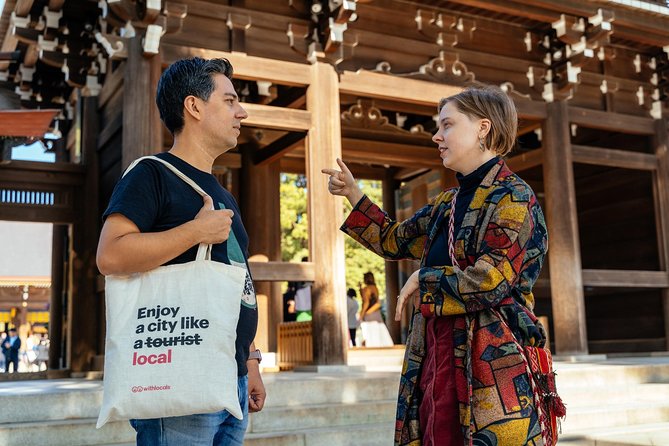
At $142.70 per person, the cost is high for a three-hour walk. For a solo visitor, it may be difficult to justify if you only want to see Hachiko and Shibuya Crossing, both of which you can visit without a guide.
The price becomes easier to defend for a small group that wants personal attention. You are paying for a private guide, a flexible route, local explanations, and one drink or snack. Group discounts may also improve the value for larger parties, so check the final price for your group rather than judging the per-person figure alone.
The tour is booked, on average, 38 days ahead. That suggests planning early, especially if your Tokyo dates are fixed. Confirmation arrives at booking, and free cancellation is available until 24 hours before the start time. Changes or cancellations inside that window are not refundable.
The activity lasts about three hours and requires moderate physical fitness. Expect walking and time on your feet, though the exact pace can be discussed with your guide. Hotel pickup and drop-off are not included, and the activity starts and ends at Dogenzaka.
The tour is marked CO2 neutral because its carbon emissions are offset. That is a useful extra for travelers who consider the environmental cost of sightseeing, though it does not change the route or the price.
Who should book this Shibuya walk
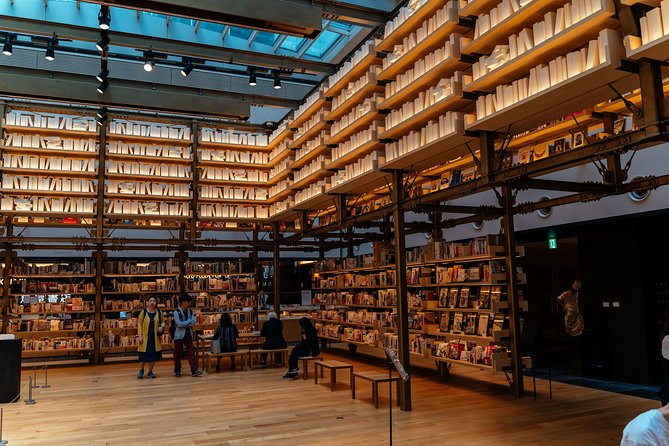
I would recommend this tour to first-time Tokyo visitors who want help getting oriented. It is also a good match for families, couples, and small groups that do not want to follow a fixed group itinerary.
You will get the most value if you want conversation and local advice, not just photographs. A guide can help you understand Shinto customs, Japanese phrases, shopping districts, local foods, and train use in the same afternoon.
It also suits a short layover or a first full day in Tokyo. One guide adapted a route for a visitor with very limited time, showing meaningful sights before a flight. That kind of flexibility is a strong reason to choose private touring.
I would think twice if you already know Shibuya well, dislike walking, or mainly want entry to paid attractions. The experience includes no guaranteed tickets, no hotel transfer, and only one food or drink item. You may get better value from a self-guided visit if you want complete freedom and already feel comfortable navigating Tokyo.
One serious service failure has been reported, involving a guide who did not arrive at the meeting point. The provider apologized, but the incident is worth keeping in mind. Confirm the meeting details and make sure you have a working contact method on the day.
Should you book the Highlights and Hidden Gems of the Shibuya District Private Tour?
Book it if you want a friendly introduction to Shibuya with the freedom to ask questions and change direction. The strongest features are the private format, practical Tokyo advice, and the contrast between Shibuya Crossing and Meiji Jingu.
For the best value, share the cost with companions, book near the start of your trip, and tell the guide exactly what interests you. If you only need a quick look at the crossing and Hachiko, save your money. If you want those sights explained, plus help understanding Tokyo beyond the obvious photo stops, this three-hour walk is a sensible first step.
FAQ
How long is the private Shibuya tour?
The experience lasts approximately three hours.
Where does the tour start?
It starts at 2 Chome Dogenzaka, Shibuya, Tokyo 150-0043, Japan.
Where does the tour end?
The activity ends back at the meeting point.
What sights are included?
The planned stops include Shibuya, Hachiko Statue, Shibuya Crossing, and Meiji Jingu Shrine.
Is food or a drink included?
One local drink or tasting is included. Other food and beverages are not included.
Can I cancel for a full refund?
Yes. You can cancel at least 24 hours before the experience start time for a full refund. Cancellations or changes made less than 24 hours before the start time are not refunded.
More Private Tours in Tokyo
More Shibuya Tours in Tokyo

More tours in Tokyo we've reviewed



Shibuya Tours, compared.
 ★ 5.0Official Street Go-Kart in ShibuyaFrom $76
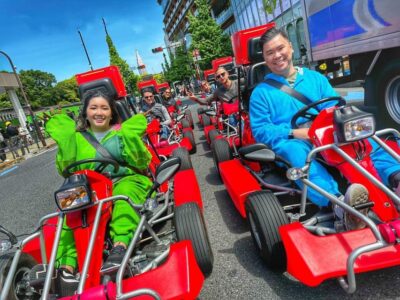 ★ 4.9Tokyo: Street Kart Experience in ShibuyaFrom $741 hour
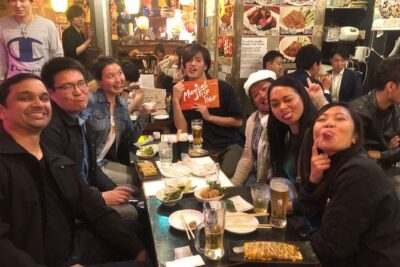 ★ 5.0Shibuya Meltdown Nightlife Tour: All-You-Can-Drink Bar HoppingFrom $106
 ★ 5.0Shibuya Official Street Go-Kart in Shibuya AnnexFrom $69
 ★ 5.0Tokyo: Shibuya Food Tour (13 dishes and 4 Eateries)From $77
 ★ 5.0Best of Shibuya Food TourFrom $217