
Reviewed · SHIBUYA TOURS
Real Anime Culture Tour in Shibuya: Food, Shopping & Game Fun
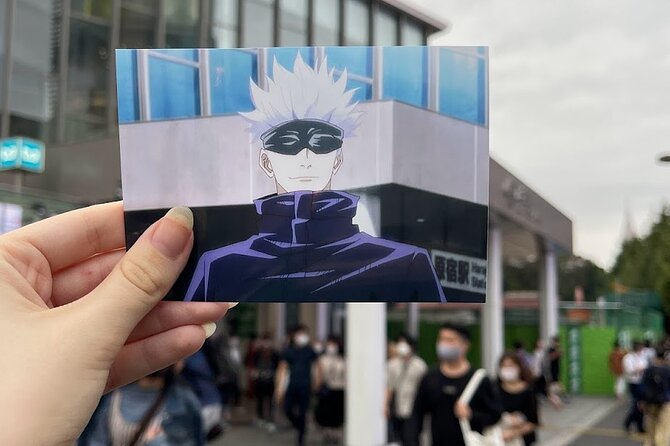
Shibuya is the right place for an anime tour that mixes screen culture with real Tokyo streets. You’ll see Hachiko and Shibuya Crossing, visit locations linked with Jujutsu Kaisen and Tokyo Revengers, eat at a family-friendly izakaya, then finish among Japanese arcade machines.
I like the way the tour connects anime stories to actual Shibuya landmarks, rather than keeping you inside a single shop. I also like the practical value of having a meal and drinks included. The main caution is that the anime commentary may feel brief for serious fans, and one participant found the guide difficult to understand and a few minutes late.
In This Review
- Key details before you book
- Starting beside the Moyai Statue
- Finding anime connections around Center-gai
- A one-hour break at a family-friendly izakaya
- Pokémon Center Shibuya and the art of browsing
- Jump Shop Shibuya for popular manga characters
- Animate Shibuya and Nintendo Store Tokyo
- Taito Station and Japanese arcade culture
- What $75 really buys you in Shibuya
- Guide communication and group comfort
- Who will get the most from this anime tour?
- Booking, cancellation, and practical timing
- Should you book the Real Anime Culture Tour in Shibuya?
- FAQ
- How much does the Real Anime Culture Tour in Shibuya cost?
- How long does the experience last?
- Where does the tour begin?
- Where does the tour end?
- Is a meal included?
- Are drinks included?
- Do I pay separately for shopping?
- Do I pay separately for arcade games?
- What is the largest group size?
Key details before you book
- Anime in the real streets: Visit Shibuya locations connected with popular titles, including Jujutsu Kaisen and Tokyo Revengers.
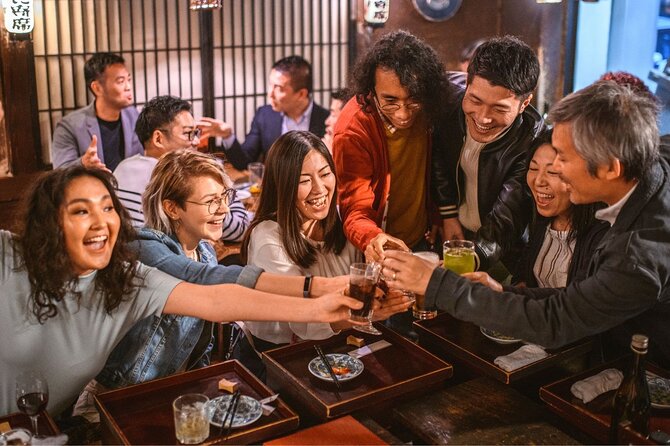
- Meal included: Sit down for about an hour at a local izakaya, with alcoholic or non-alcoholic drinks.
- Major fan shops: Browse Pokémon Center Shibuya, Jump Shop, Animate Shibuya, and Nintendo Store Tokyo.
- Arcade finale: Spend about 30 minutes at Taito Station, with help from the guide’s assistant.
- Small-group format: The maximum group size is 15 people, with mobile tickets accepted.
- Extra spending: Merchandise and arcade games are not included in the $75 price.
Starting beside the Moyai Statue
The meeting point is the Moyai Statue near Shibuya Station, at 1-chōme-1-1 Dōgenzaka. This is a useful starting place because Shibuya Station has many exits and can be confusing on your first visit. Give yourself enough time to find the statue, especially if you are meeting the group during the station’s busiest periods.
From here, the tour moves into Shibuya’s best-known public sights. You’ll learn about Hachiko, the Akita dog remembered in Japan for waiting faithfully for his owner. The statue is more than a quick photo stop. It gives your guide a chance to explain a piece of modern Japanese popular culture before the tour turns toward fictional heroes and games.
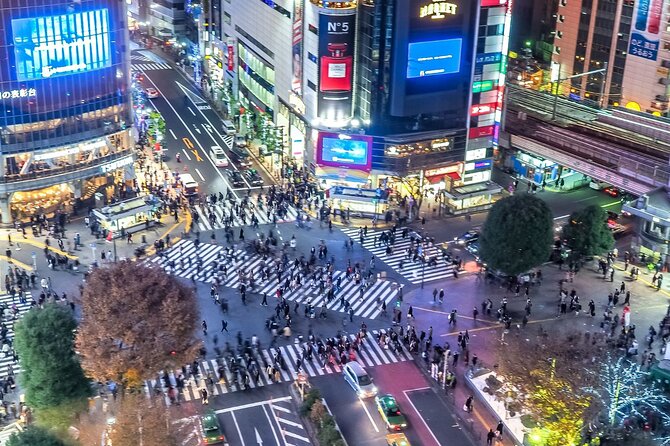
You’ll also cross, or at least view, Shibuya Scramble Crossing. It is described as Japan’s biggest crossing and is one of Tokyo’s classic scenes: crowds moving from every direction while the surrounding screens and buildings frame the moment. The stop is simple, but it helps you understand why Shibuya works so well as an anime and gaming setting.
A few more Tokyo tours and experiences worth a look
Finding anime connections around Center-gai
The Center-gai portion is short, listed at about 10 minutes, but it sets the tone for the rest of the outing. This is the part of Shibuya where food, fashion, entertainment, and youth culture crowd together. You’ll see shops with figures, games, and character goods, and your guide can point out the connection between the real district and anime scenes.
The tour is promoted around filming locations from Jujutsu Kaisen and Tokyo Revengers. That makes this experience more useful for fans who want to place fictional action in a real Tokyo setting. You are not simply looking at merchandise. You are standing in the kind of urban environment used for battles, meetings, and dramatic story moments.
Still, keep your expectations sensible. The available details do not promise a long film-location walk or a detailed production lecture. One participant wanted more discussion of anime history, so dedicated fans may find the interpretation lighter than a specialist academic tour. If your main goal is to study animation history, this probably will not be enough on its own.
For a first-time visitor, though, the balance works. You get a taste of anime culture without spending the whole afternoon inside stores. The tour keeps moving, which matters in a district where it is easy to lose an hour browsing one display case.
A one-hour break at a family-friendly izakaya
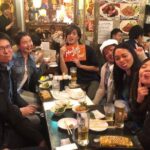
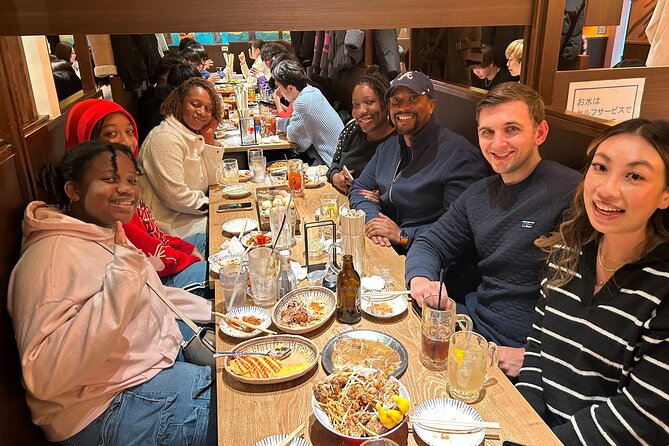
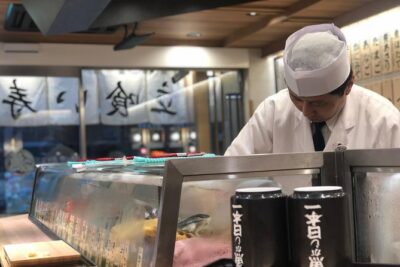
The biggest included element is the meal at a local izakaya. You’ll spend about an hour here, and the tour includes a gourmet meal plus beverages. You can choose alcoholic or non-alcoholic drinks, making the stop workable for families and for anyone who simply does not drink.
An izakaya is a good setting for this kind of tour because it brings anime culture back to everyday Japanese life. Food and drinks appear constantly in Japanese animation, but the real pleasure is sitting down in the same sort of casual restaurant that local people use for a meal and conversation.
The supplied details do not name the restaurant or list the dishes, so you should not book this expecting a fixed menu of a particular regional specialty. The useful point is that food is built into the experience rather than treated as an afterthought. At $75 per person, that included meal and drink help balance the cost, especially in central Shibuya.
The meal also gives the group a pause between walking and shopping. That is important if you are traveling with children or anyone who needs regular breaks. The tour is only about two to three hours, but the combination of station crowds, shops, and arcade noise can make the pace feel full.
A fun detail from one account is a Mario Kart match involving the guide and a participant. That does not mean a Mario Kart game is guaranteed during the meal or at every departure, but it shows how the experience can become social rather than strictly scripted. The guide’s assistant helps at the game center, so the final section has more hands-on support than a simple stop for photographs.
Pokémon Center Shibuya and the art of browsing
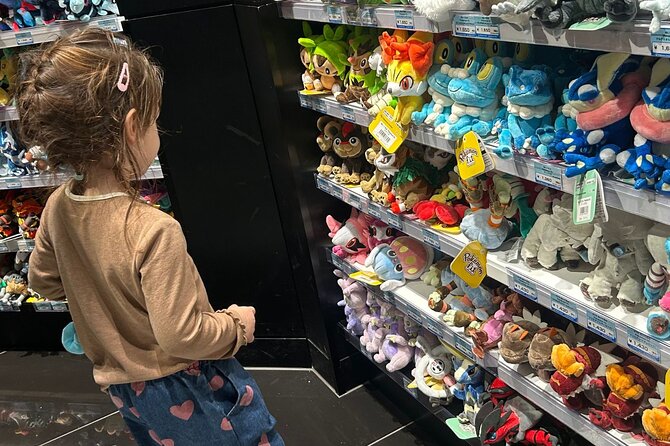
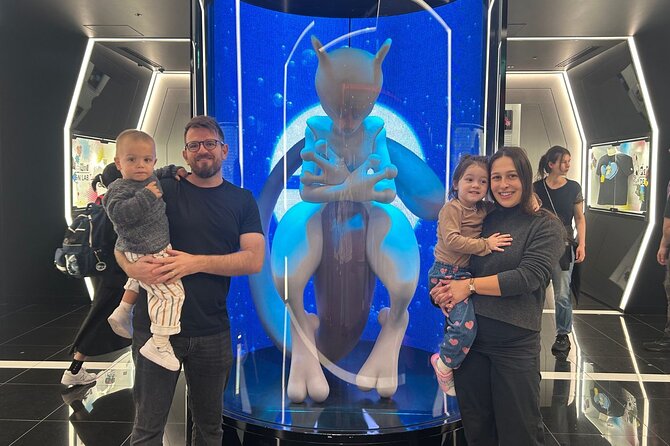
The Pokémon Center Shibuya receives about 20 minutes. That is enough for a focused look, but not enough for an unhurried shopping session if you are serious about collecting. The shop gives you a clear hit of character merchandise and a recognizable photo opportunity, making it one of the easiest stops for families and first-time anime shoppers.
The short time has a benefit. You are less likely to spend the entire tour comparing products. Your guide keeps the group moving to the next stop, while you can note what you want to return to later.
Shopping costs are not included. Set a budget before you enter, since character stores make small purchases add up quickly. If you already know you want a particular Pokémon item, you may want to return independently after the tour, when you can browse at your own speed.
Jump Shop Shibuya for popular manga characters
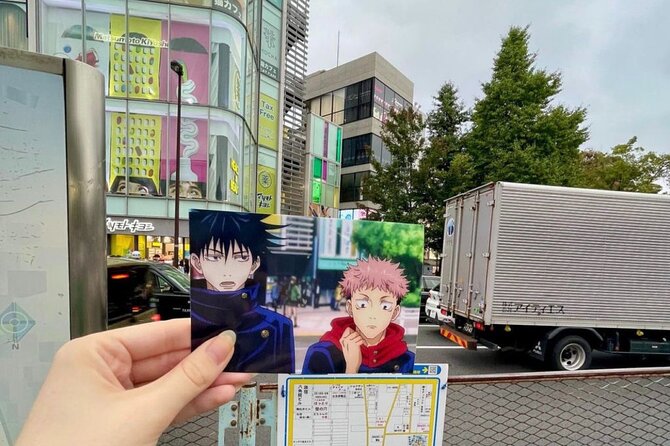
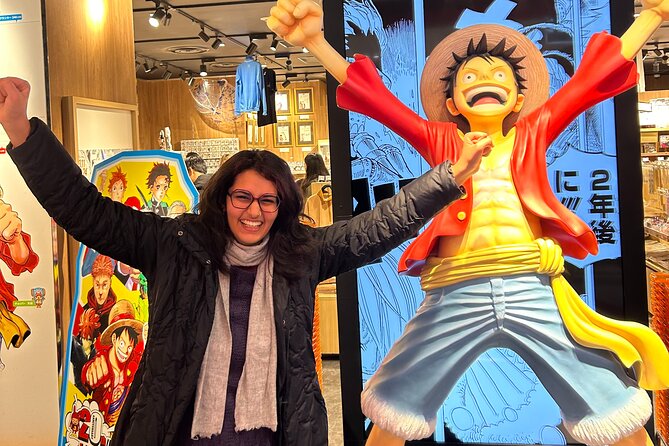
Jump Shop Shibuya is another 20-minute stop. Its appeal is tied to major manga and anime properties associated with Shueisha’s Weekly Shonen Jump titles. The shop is a natural match for fans of action series, and the tour’s references to Jujutsu Kaisen and Tokyo Revengers make this part feel connected to the wider theme.
You’ll find character merchandise rather than a museum-style display. That is worth understanding before booking. The value here is the chance to see current goods in a famous Shibuya shopping area, not a guided lesson about the history of manga publishing.
If you are visiting with someone who is not an anime fan, this stop may feel quick and easy to manage. Twenty minutes gives them time to look around without requiring a long commitment. For a devoted collector, it is more of a preview than a complete shopping trip.
A few more Tokyo tours and experiences worth a look




Animate Shibuya and Nintendo Store Tokyo
Animate Shibuya follows with another 20-minute visit. Animate is known for anime-related goods, and this stop broadens the range beyond the titles connected with the tour. You might find character items, games, and other fan products, though the exact stock can change.
The tour then visits Nintendo Store Tokyo, also for about 20 minutes. This is likely to be the most broadly appealing shop in the group because Nintendo reaches well beyond anime fans. Families, casual gamers, and people who grew up with Nintendo characters can all find something familiar here.
Taken together, these shops provide variety:
- Pokémon brings recognizable characters and family appeal.
- Jump Shop focuses on popular manga and action series.
- Animate offers a wider anime-shopping selection.
- Nintendo adds a major video game brand.
The drawback is the clock. Four shops at roughly 20 minutes each leave little room for detailed browsing, queues, or long purchases. Think of the tour as an introduction to Shibuya’s fan-shopping circuit. If you want to buy gifts or hunt for rare items, return to your favorites afterward.
Taito Station and Japanese arcade culture

The tour ends at Taito Station in Shibuya, where you’ll spend about 30 minutes. This is not simply a place to watch other people play. The guide’s assistant is expected to help you try large arcade machines and unusual games found in Japan.
That support matters. Japanese game centers can be noisy, crowded, and full of machines that are unfamiliar to visitors. Having someone explain the basic way to play can turn hesitation into a proper attempt. It is especially useful for families and for people who do not normally visit arcades.
Game fees are extra, so bring money for the machines you want to try. The tour price covers the guide and the visit, not every play. Thirty minutes is enough to sample a few games, but you should not expect a full arcade session if you become determined to master one machine.
The Mario Kart experience mentioned by one participant points to the kind of playful ending you may have. It is a good match for the tour because it shifts the focus from looking at anime culture to taking part in Japanese gaming culture.
What $75 really buys you in Shibuya
At $75, this is not the cheapest way to visit four character shops. You could walk through Shibuya on your own, stop at the same stores, and pay only for what you eat and play. The price makes more sense if you place value on a guide, a planned route, an included meal, and help at the arcade.
The meal and drinks are the strongest financial benefit. They remove one central expense during your time in Shibuya, and an izakaya meal can be more satisfying than grabbing snacks while shopping. The group size is capped at 15, which is small enough to keep the experience manageable without promising a private tour.
You are also paying for structure. Shibuya’s shops are easy to miss or difficult to fit together efficiently, especially when you are still learning the station and street layout. A guide can connect Hachiko, the crossing, anime-related locations, shops, and the game center into one short outing.
The value drops if you want a long anime history lecture, extensive shopping time, or unlimited games. The price is fair for a compact introduction with food, but it is not a full-day specialist anime tour.
Guide communication and group comfort
Guide quality will shape this experience more than any single shop. One account praised the guide’s anime knowledge and customer service, while another found the guide hard to understand and noted a delay of only a few minutes. That suggests you should be ready for some variation in speaking style and delivery.
One guide named in the supplied feedback is Liang, who was credited with making a solo visitor feel safe and comfortable. The details do not establish that Liang leads every departure, so you should not assume you will have this particular guide. Still, the comment points to an important strength: a good guide can make a short, crowded-city tour feel much easier.
The maximum group size is 15. That is not a private experience, but it should be more workable than a large coach group. You’ll still need to stay close at crossings, in station areas, and around shops.
Most people can participate, and the tour is near public transportation. The route ends at Shibuya Station, so you are well placed to continue shopping, eat elsewhere, or return to your hotel. The activity accepts a mobile ticket, which keeps the meeting process simple.
Who will get the most from this anime tour?
I’d recommend it most strongly to:
- Families wanting anime, food, and games in one short activity.
- First-time Tokyo visitors who want a guided introduction to Shibuya.
- Anime fans who enjoy seeing real places linked with fictional stories.
- Casual gamers who want help trying Japanese arcade machines.
- Solo visitors who prefer a planned outing with a guide and small group.
Serious collectors should treat the shops as scouting stops rather than the main event. You may need to return later for careful browsing. Anime historians may also want a separate museum or specialist walk, since the commentary here appears centered on the places themselves rather than a long history of the medium.
The tour is also less suitable if you dislike shopping or loud game centers. The final stop is part of the experience, not an optional extra, and arcade play costs more.
Booking, cancellation, and practical timing
The advertised duration is approximately two to three hours. The listed stop times add up to close to three hours, so plan for the longer end rather than assuming you’ll be finished quickly. Crowds, station movement, and shopping pauses can affect the pace.
You meet at the Moyai Statue and finish at Shibuya Station. Confirmation arrives when you book, and free cancellation is available if you cancel at least 24 hours before the local start time. Changes or cancellations made later are not accepted for a refund.
Bring a charged phone for the mobile ticket, and keep some extra money available for merchandise and arcade games. If you are hoping to buy specific items, note the store names and return after the tour instead of trying to make every purchase during the timed visits.
Should you book the Real Anime Culture Tour in Shibuya?
Book it if you want a short, social introduction to anime, food, shopping, and Japanese games without planning the route yourself. The included izakaya meal and drinks give the $75 price real value, and the ending at Taito Station adds an activity rather than another passive shopping stop.
Skip it if you want deep anime history, long visits in each store, or a private guide. The commentary may be lighter than a devoted fan expects, and guide communication can vary. For families, first-time visitors, and fans who want to see Shibuya through both real streets and fictional worlds, this is a sensible two to three hour addition to a Tokyo schedule.
FAQ
How much does the Real Anime Culture Tour in Shibuya cost?
The tour costs $75 per person.
How long does the experience last?
The advertised duration is approximately two to three hours.
Where does the tour begin?
It begins at the Moyai Statue, located at 1-chōme-1-1 Dōgenzaka, Shibuya, Tokyo 150-0043, Japan.
Where does the tour end?
The tour ends at Shibuya Station in Tokyo.
Is a meal included?
Yes. A gourmet meal at a local izakaya is included.
Are drinks included?
Yes. The included beverages may be alcoholic or non-alcoholic.
Do I pay separately for shopping?
Yes. Shopping fees are not included in the tour price.
Do I pay separately for arcade games?
Yes. Game fees at Taito Station are not included.
What is the largest group size?
The tour has a maximum of 15 participants.
More Food Experiences in Tokyo



More Akihabara & Anime Tours in Tokyo
More Shibuya Tours in Tokyo

More tours in Tokyo we've reviewed





Shibuya Tours, compared.
 ★ 5.0Official Street Go-Kart in ShibuyaFrom $76
 ★ 4.9Tokyo: Street Kart Experience in ShibuyaFrom $741 hour
 ★ 5.0Shibuya Meltdown Nightlife Tour: All-You-Can-Drink Bar HoppingFrom $106
 ★ 5.0Shibuya Official Street Go-Kart in Shibuya AnnexFrom $69
 ★ 5.0Tokyo: Shibuya Food Tour (13 dishes and 4 Eateries)From $77
 ★ 5.0Best of Shibuya Food TourFrom $217